Tropical Plants for Summer Containers 2026: Cannas, Elephant Ears, and Colocasias to Buy Right Now
Want a container that looks like a jungle by August? Tropical plants for summer containers grow fast, scale big, and overwinter for free. Here are six dramatic thrillers to buy this week, what to pair them with, and how to keep them fed.
One category of plant can turn an empty pot into a corner of a botanical garden in about six weeks, and most gardeners walk right past it at the nursery. Tropical plants for summer containers grow at a pace nothing else matches: a canna rhizome throws a five-foot stalk of paddle leaves and firecracker flowers between Memorial Day and the Fourth of July, and an elephant ear unfurls a leaf the size of a serving platter while your petunias are still settling in.
If you garden in zones 5 through 9, you treat these as a spectacular summer rental: let frost take them, or store them to bring back next year for free. The good news comes with a deadline, though. Garden centers are stocked with cannas, colocasias, and caladiums right now in early June, and selection thins fast after the Fourth of July.
Why tropical plants are made for containers
They grow fast. Tropicals evolved in warm, wet climates, so a June heat wave and a steady drink make them explode. You get the whole show in one summer.
They bring scale no annual can. A flat of marigolds is cheerful, but it will never match the architecture of a five-foot canna or the prehistoric presence of a colocasia leaf. That height and lushness make a small patio feel like a getaway.
They overwinter easily. Cannas, elephant ears, and caladiums store as dormant tubers in a paper bag in a cool closet; mandevillas and Ti plants come indoors as houseplants. One $12 canna becomes three next spring.
Thriller, filler, spiller: tropicals own the thriller
The recipe for a container that looks designed is "thriller, filler, spiller": a tall dramatic centerpiece, a mounding plant for the middle, and a trailing plant to pour over the rim. Tropicals own the thriller role, and a single one can carry a whole pot. The six below are all thrillers (one climber bends the rules); pairings come after.
Six tropical thrillers to buy this week
1. Canna lily: the firework
Canna is the loudest, most generous tropical you can grow: broad banana-like leaves in green, bronze, burgundy, or tiger-stripe variegation, topped by spikes of screaming red, orange, yellow, pink, and coral. Standard types hit four to six feet; dwarf series like 'South Pacific' and 'Cannova' stay two to three feet, better for a pot. Cannas want full sun (six-plus hours) and all the heat you can give them, in a container at least 16 inches across so a thirsty plant does not dry out by noon. No need to deadhead, but snapping off spent spikes keeps it tidy and pushes new blooms.
2. Elephant ear: know which ones stay in their lane
"Elephant ear" covers two groups, and the difference matters in a pot. Colocasia (heart-shaped, downward-pointing leaves) and Alocasia (upward-facing, arrow-shaped, often glossy) both deliver giant-leaf drama, but some varieties take over and some stay mannerly. The runaway green Colocasia esculenta grown for taro throws six-foot leaves and swamps a container. For pots, reach for compact picks: Alocasia 'Polly' and velvety 'Frydek' stay two to three feet, and dwarf colocasias like 'Mojito' and 'Pink China' behave. Give them part sun to filtered light (most scorch in afternoon sun), rich soil, and constant moisture; colocasias even love a saucer kept full, since in the wild they edge ponds.
3. Colocasia 'Black Magic' and the dark-leaved drama queens
If you want the single most dramatic leaf in the container world, this is it. Colocasia 'Black Magic' produces enormous dusky purple-black leaves with a smoky matte finish, and newer picks like 'Black Coral' and 'Diamond Head' push the color deeper and glossier. A single black elephant ear in a pale or terracotta pot is a whole design statement. Care matches the other colocasias: bright filtered light or morning sun (a little sun deepens the color, midday blast burns the edges), heavy feeding, and steady water. Keep it wet and warm and it hands you a new platter-sized leaf every couple of weeks.
4. Caladium: the shade-lover that lights up a dark corner
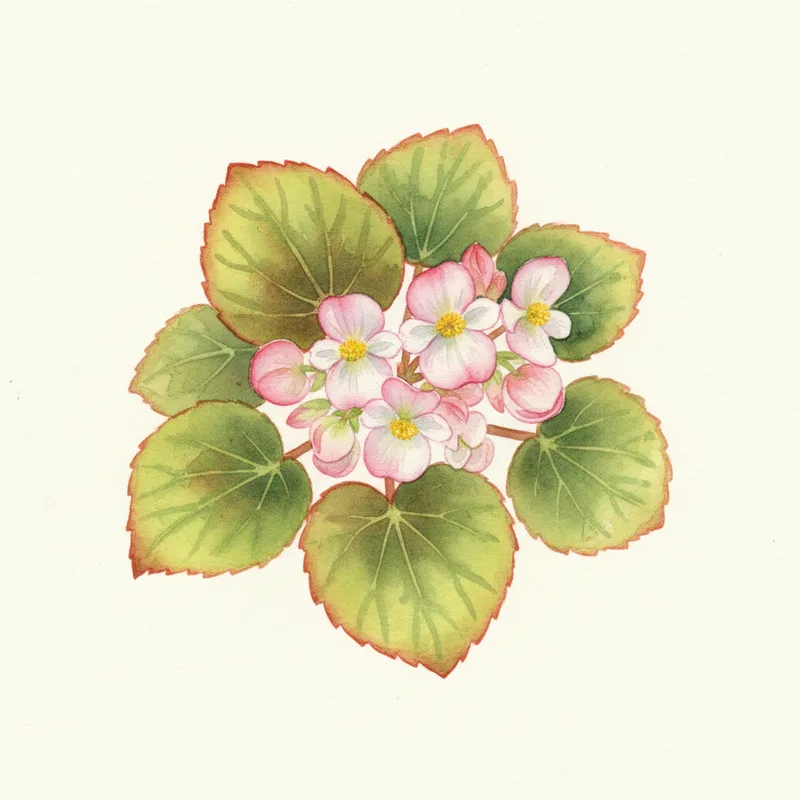
Not every patio bakes in sun, and that is where caladium earns its place. These tubers produce paper-thin heart-shaped leaves splashed in white, pink, rose, and red, and they prefer part to full shade, one of the few tropicals that thrive on a north-facing porch or under a tree. They stay compact, 12 to 24 inches, working as both a low thriller and a brilliant filler. Caladiums are pure foliage that reads like a bouquet that never fades, and they pair beautifully with impatiens and wax begonias in a shade pot. Plant them only once nights are reliably warm; they sulk in cold soil.
5. Mandevilla: the vertical tropical for a trellis or obelisk
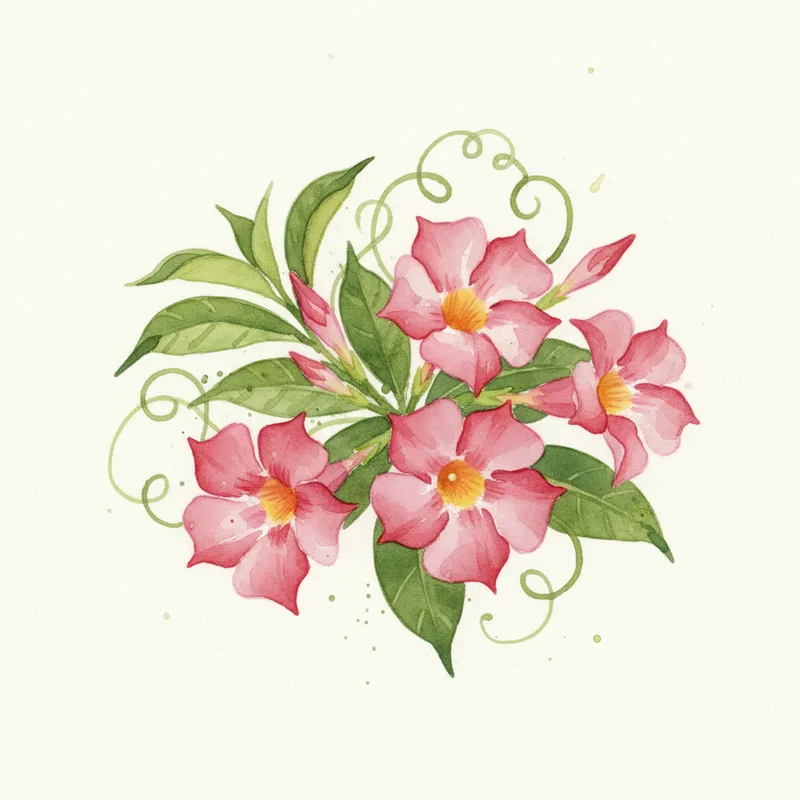
Mandevilla (and its bushier cousin sold as dipladenia) is the climber here, a glossy-leaved vine smothered in trumpet flowers of red, pink, or white from early summer to frost. Drop an obelisk into a pot, plant a mandevilla at its base, and you have instant vertical structure and months of color in one plant. It wants full to part sun and a touch more restraint than the elephant ears; let the top inch of soil dry between drinks. Dipladenia is the tidier, mounding pick, and hummingbirds work the flowers all season.
6. Bonus: Persian shield or Ti plant for color contrast
Sometimes the job is not height but color. Persian shield (Strobilanthes) has iridescent purple leaves that shimmer almost metallic and stays in the two-to-three-foot mounding range, ideal woven between a canna and its fillers. Ti plant (Cordyline) sends up bold straps of hot pink, burgundy, and magenta for a spiky vertical accent. Both want warmth and bright light, and both overwinter happily as houseplants on a sunny windowsill.
What to plant them with
The thriller does the heavy lifting; the fillers and spillers just support it. Combinations that work every time:
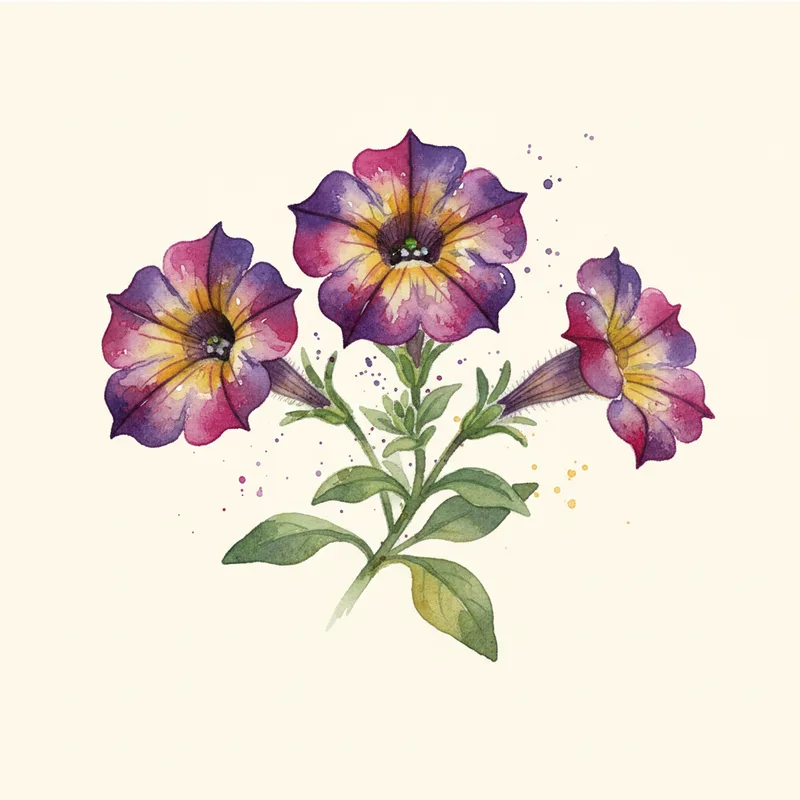
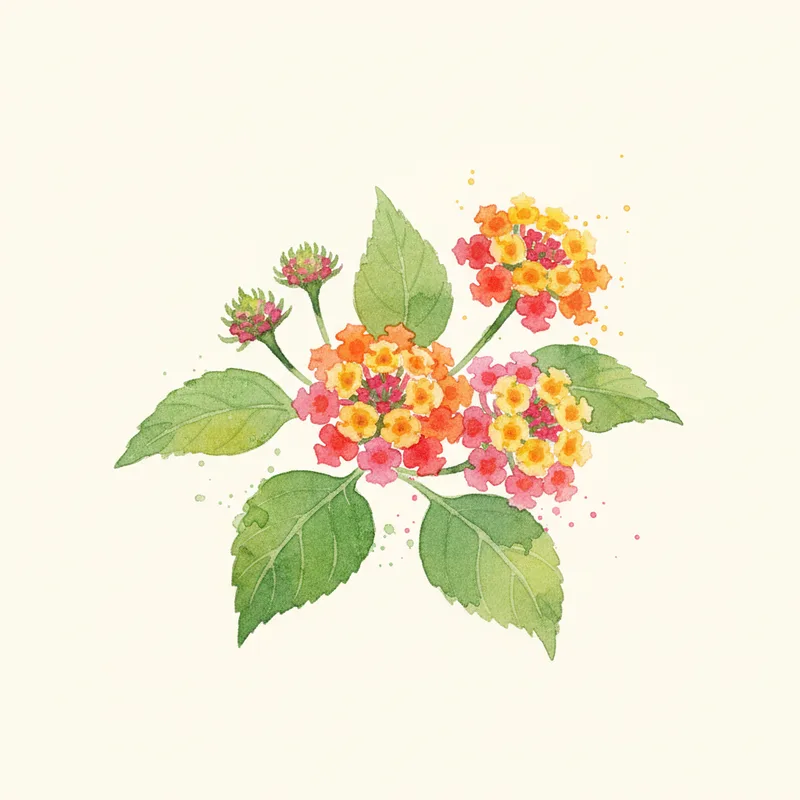
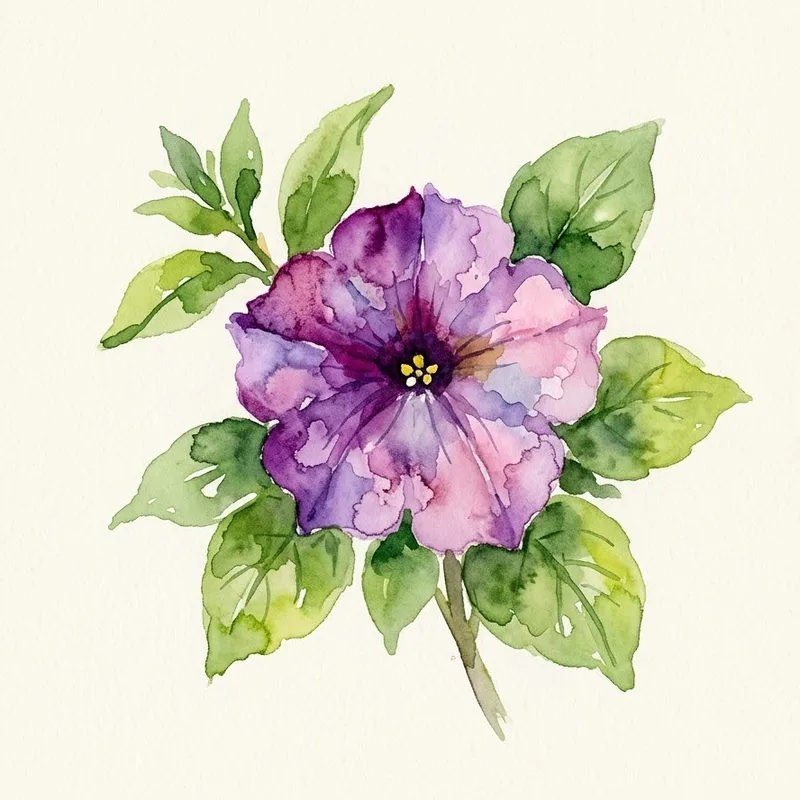
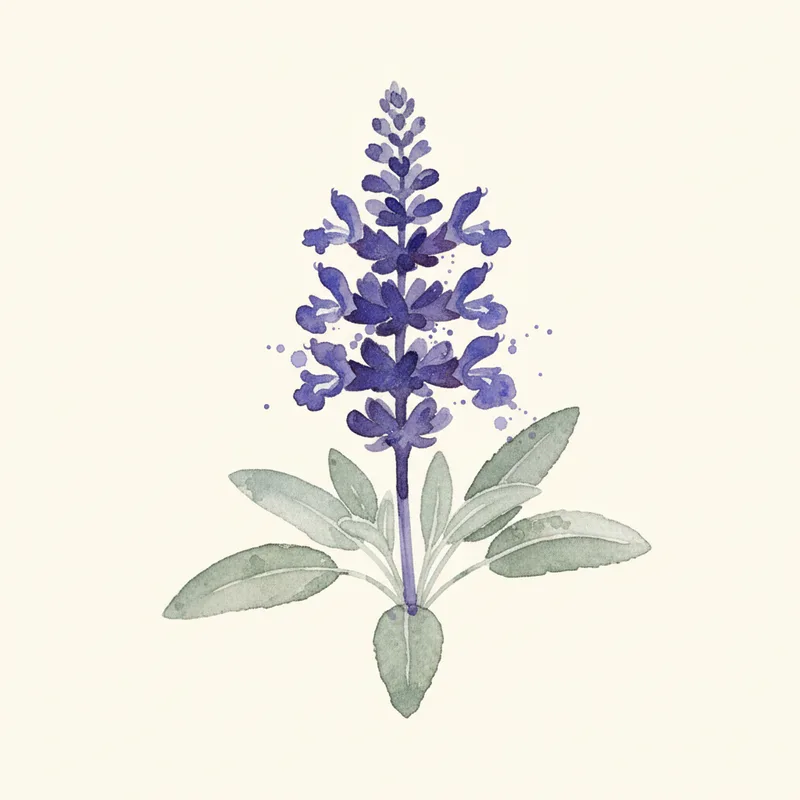
- Sun pot: a dwarf canna as the thriller, lantana or salvia as the heat-proof filler, and calibrachoa or petunias spilling over the rim.
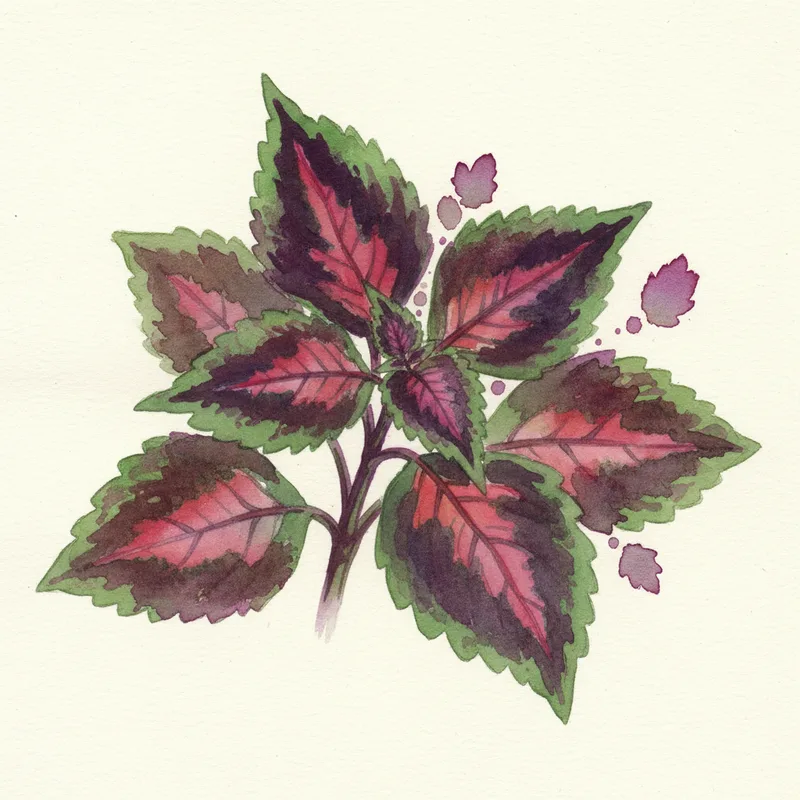
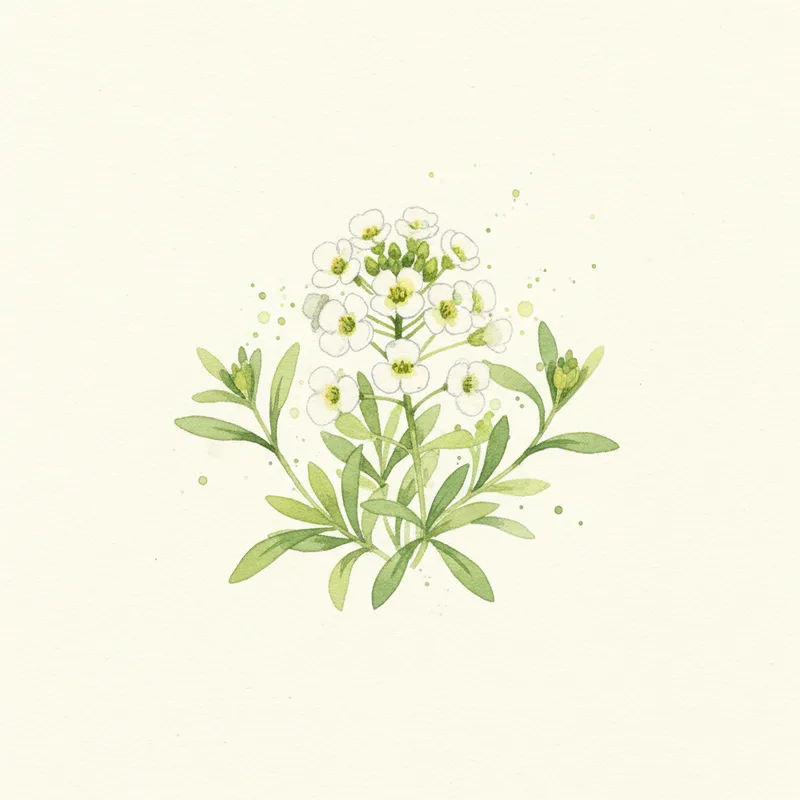
- Bold foliage pot: a Colocasia 'Black Magic' centerpiece, coleus in a contrasting lime or rust as filler, and trailing sweet alyssum to soften the edge.
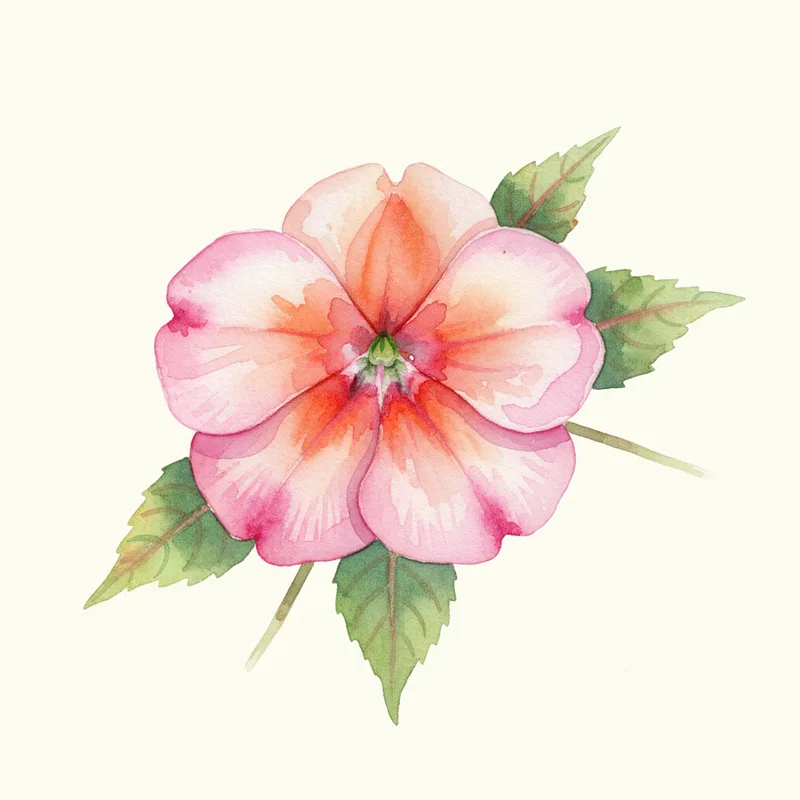
- Shade pot: caladiums as thriller and filler both, with impatiens for flower color and a trailing vine to spill.
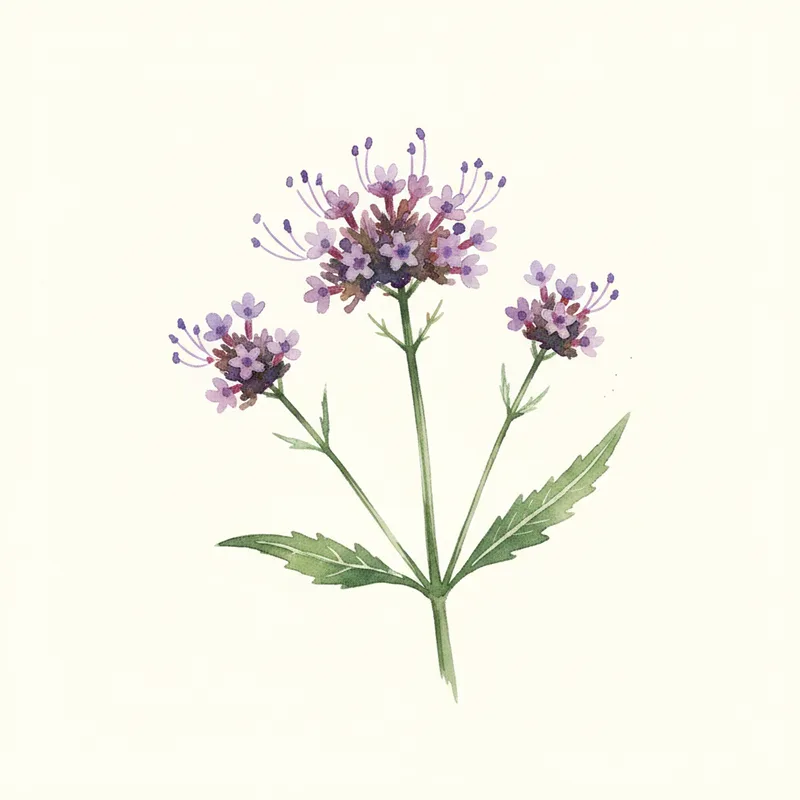
- Vertical pot: a mandevilla on an obelisk, underplanted with verbena and a low mound of color.
The rule of thumb: one bold tropical per pot, with simpler companions so the eye knows where to land.
Watering and feeding: tropicals are hungry
Fast growth burns through water and nutrients far quicker than a typical annual, and this is where most gardeners come up short.
Water generously. In July heat a large tropical pot may need water every day, sometimes twice on a windy 95-degree afternoon. Colocasias and cannas are nearly impossible to overwater in a draining pot; they are pond-edge plants at heart. When in doubt, water.
Feed more than you think you should. Mix slow-release fertilizer into the mix at planting, then add a liquid feed every one to two weeks all season. Tropicals are heavy feeders; a pot that started rich is exhausted by midseason without that top-up. Skimp and you get small leaves and few flowers; feed them well and they go enormous.
What to do with them in fall
When frost threatens, you have three honest options, depending on the plant.
- Store as tubers or rhizomes: cannas, colocasias, alocasias, and caladiums all go dormant. After frost blackens the foliage, cut the tops back, lift the tuber, brush off the soil, cure it a few days, and store it in a paper bag or barely-damp peat somewhere cool, dark, and frost-free (45 to 55°F). Replant next spring once the soil warms.
- Bring inside as a houseplant: mandevilla, Ti plant, and Persian shield move to a bright window and carry on, ready to head back outside in May. Cut them back and check for pests first.
- Treat as an annual: no storage space, no shame in composting them and starting fresh. But overwinter a canna even once and you will be hooked on the free multiplication.
Where to buy them, and why now
Garden centers and big-box nurseries are fully stocked right now, in early June, and this is the moment to shop. The cannas are leafed out, the elephant ears are pushing their first big leaves, and the caladium and colocasia tables are full. After the Fourth of July that selection drops off a cliff as stores pivot to fall mums, and the best dark colocasias and named caladiums sell out first. Buy the biggest healthy plant you can find for instant gratification, or order dormant rhizomes by mail for a wider range and a little patience.
The bottom line
Tropicals are the secret to a container that looks expensive, lush, and a little wild, for a fraction of what you would guess. Pick a bold thriller, surround it with simpler fillers and spillers, water and feed it far more generously than your instincts suggest, and store the rhizomes when frost comes. One summer's purchase becomes years of drama. Go buy them this week, while the tables are still full.
Related reading
- The best plants for container gardening
- How to plan for continuous summer blooms
- What to plant in June
- Best perennials for nonstop color
- Hanging basket plants that survive a full-sun summer
- Drought-tolerant annuals for summer containers
- Father's Day garden gifts for 2026
Find tropical container partners by zone
What's growing, what's blooming, what's worth planting.
For gardeners who like to stay ahead.