English Lavender Buying Guide: Hidcote vs Munstead vs Phenomenal
Most lavender failure traces to one mistake: planting the wrong species for your climate. English lavender does not survive Southern humidity. French lavender does not survive Northern winters. Here are the three varieties that actually thrive, what makes each one different, and the planting rules that decide whether yours lives or dies.
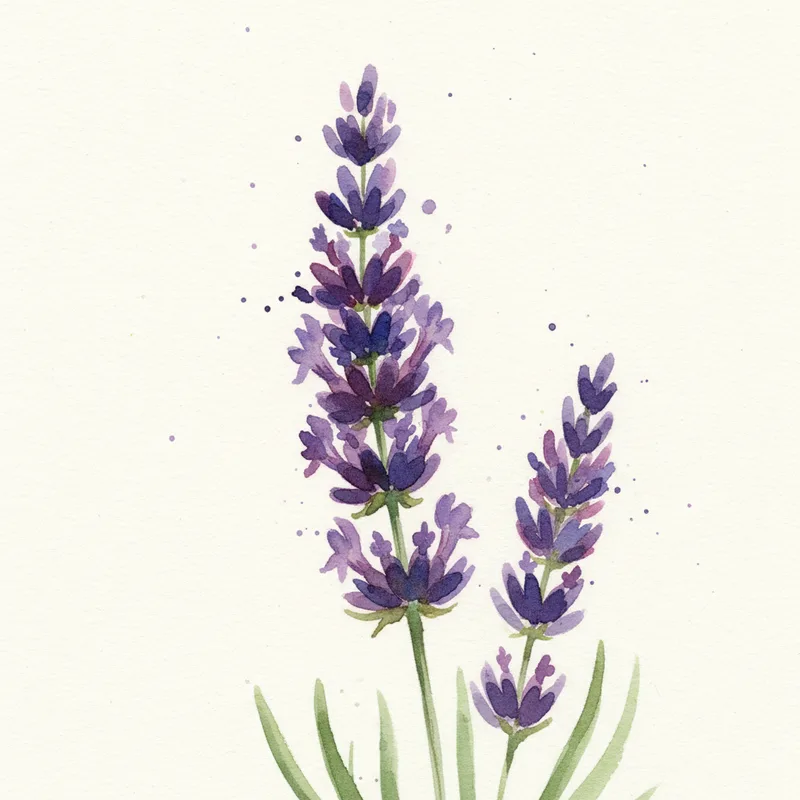
The number one reason a lavender plant dies in an American garden is wrong-species, wrong-climate. There are three commonly sold types: English lavender (Lavandula angustifolia), French lavender (Lavandula dentata), and Lavandin (Lavandula x intermedia, a sterile hybrid). English lavender is the cold-hardy one that survives Northern winters but melts in Southern humidity. French lavender thrives in heat but dies below 20°F. Lavandins are the in-between solution that handles both, but most home gardeners do not know they exist. The variety on the rack at your local big-box store is usually labeled just "Lavender." That is the problem.
Here are the three varieties worth planting, what each one is actually good at, and the rules that decide whether yours lives.
Quick species primer
English lavender (Lavandula angustifolia) is the classic culinary lavender. The plant most people picture when they say "lavender": tight silver-green mounds, dark purple flower spikes, intensely sweet fragrance. Hardy to zone 5, sometimes zone 4. Hates humidity, hates clay, hates wet feet. Best in Northern gardens or arid Western climates.
French lavender (Lavandula dentata) has toothed leaves, smaller flower heads that bloom nearly year-round in warm climates, and a slightly more medicinal scent. Heat-tolerant but only hardy to zone 8. Treat as an annual or container plant north of zone 8.
Lavandin (Lavandula x intermedia) is a sterile hybrid between English lavender and Portuguese lavender. Bigger plants, longer flower spikes, much better tolerance of humidity and clay than English types, and hardy to zone 5. This is the lavender most commercial growers use. The most-grown variety in Provence is not actually English lavender. It is a Lavandin.
The three varieties worth planting
1. Hidcote Lavender (English)
Hidcote is the most-planted English lavender in the world and the standard against which all others are measured. Compact (12 to 18 inches tall and wide), intensely dark purple flower spikes, the strongest fragrance of the named English lavenders, and the most reliable winter hardiness. Named for Hidcote Manor in England where it was selected in the 1920s. Zones 5 to 9, full sun, sandy or gravelly soil.
Hidcote is what to plant if you want the postcard lavender look: tight silver mounds with deep purple spikes. Works in containers, along walkways, or as low hedging. Bloom time is mid to late June in most zones, lasting three to four weeks.
2. Munstead Lavender (English)
Munstead is Hidcote's softer-colored sibling and Gertrude Jekyll's favorite for a reason. Same size as Hidcote (12 to 18 inches), slightly more open growth habit, lighter lavender-blue flower color, and blooms 7 to 10 days earlier. Often considered slightly easier than Hidcote (more forgiving of slightly heavier soil and slightly less ideal sun), which makes it a good choice for first-time lavender growers.
Munstead and Hidcote planted side by side give you a 5-week bloom window instead of 3 weeks, since Munstead opens first and Hidcote holds longer. The classic English garden combination.
3. Phenomenal Lavender (Lavandin)
If you live anywhere east of the Mississippi or anywhere humid, Phenomenal is the lavender you actually want. It is a 2012 introduction from Peace Tree Farm specifically bred to solve the "English lavender melts in humidity" problem. Tolerates heat, humidity, clay, and cold (zone 5 to 9) better than any English variety. Stays tight and full where English lavenders get woody and sparse.
Phenomenal grows larger than Hidcote or Munstead (24 to 36 inches tall and wide), with long lavender-purple flower spikes that bloom longer than the English types. Mid-July to August bloom, often with a lighter second flush in early fall. The trade-off: less intense fragrance than Hidcote, slightly less ideal for culinary use. But if your English lavenders have died on you before, this is the one that will not.
How to plant lavender so it actually lives
Lavender failure in American gardens is almost always one of three causes. Fix these and the plant will thrive for 8 to 10 years:
- Drainage first, fertility second. Lavender comes from rocky Mediterranean hillsides. It evolved for poor, sharp-draining, alkaline soil. Rich garden loam kills it. If you have clay, plant in a raised bed or amend the planting hole heavily with sand and gravel. Do not add compost. Do not fertilize.
- Plant on a slope or mound, not in a flat bed. Even good garden soil holds too much winter moisture for lavender. The single most reliable trick: mound the soil 4 to 6 inches above grade where you plant. The mound sheds water away from the root crown.
- Full sun, no exceptions. Six hours of direct sun minimum. Eight is better. Lavender in part shade gets leggy, blooms poorly, and is more prone to root rot.
- Mulch with gravel, not bark. Bark mulch holds moisture against the crown and rots the plant. Use pea gravel or crushed stone 2 inches deep. It looks Mediterranean and it prevents the most common cause of lavender death.
Pruning that keeps lavender from getting woody
Lavender is technically a small shrub. Without pruning, it becomes woody and sparse at the base within 3 to 4 years. Most gardeners blame the plant. The fix is just shaping it twice a year:
- Spring (March-April): Cut back by one-third, just as new growth starts pushing. Cut into the green growth, not the bare woody stems. Cutting woody growth that has no leaf buds will kill that section.
- Late summer (right after flowering): Cut back by another one-third, removing the spent flower stalks plus a few inches of the foliage below. This forces the plant to put out compact new growth before winter.
Two prunings a year, every year, for the life of the plant. The lavender stays tight and full for a decade instead of falling apart at year 4.
What to plant near lavender
Lavender pairs with anything that shares its dry, sunny, well-drained conditions. Classic companions: roses (the lavender confuses aphids), catmint (longer-blooming filler that overlaps with lavender), salvia in deep purple or true blue (intensifies the lavender purples), and yarrow for late-summer warm-tone contrast. Avoid moisture-loving plants nearby: hosta, astilbe, and hydrangea will require watering that drowns the lavender.
Culinary lavender notes
If you want lavender for cooking (lavender lemonade, lavender shortbread, herbes de Provence), only English lavender (Lavandula angustifolia) has the right flavor profile. Lavandins and French lavenders are too camphorous and bitter for food. Within the English types, Munstead and Hidcote are both excellent for culinary use, with Munstead slightly milder and more floral. Harvest just as the buds open (not when fully open) for the best flavor and shelf life.
Container lavender
If your soil is heavy clay or your winters are too wet, grow lavender in containers. A 12 to 14 inch pot is the minimum for an English type, 16 inches for Phenomenal. Use a fast-draining soil mix (regular potting soil cut 50/50 with perlite or coarse sand) and a pot with a real drainage hole. Bring containers into an unheated garage or shed for winter in zones 5 and colder, or leave outside in zone 6 and warmer with the pot raised off the ground on bricks for drainage.
Common lavender questions
Does lavender come back every year?
Yes. Lavender is a woody perennial (technically a small shrub), not an annual, and a well-sited plant lives 8 to 10 years. The catch is the siting: it only returns reliably with full sun and sharp drainage. Most "my lavender did not come back" stories are winter root rot in heavy, wet soil, not winter cold.
Why is my lavender not blooming?
The usual culprits are too little sun, too much nitrogen, or a missed pruning. Lavender needs six to eight hours of direct sun and lean soil; rich, fertilized beds grow foliage at the expense of flowers. If the plant is several years old and woody at the base, it has likely gone too long without the twice-a-year shaping cut that keeps it productive.
Why is my lavender turning brown, woody, or splitting open?
A bare, woody, split-open center is the classic sign of an unpruned plant. Lavender that is never cut back gets leggy and falls apart from the middle by year three or four. Prevent it by cutting the plant back by a third in spring and again right after flowering, always into green growth and never into bare wood, which will not resprout.
When does lavender bloom?
English varieties like Hidcote and Munstead bloom in June for three to four weeks, with Munstead opening about a week earlier. Lavandins like Phenomenal bloom later, from mid-July into August, often with a lighter second flush in early fall. Planting one of each stretches the show across most of the summer.
How do you keep lavender alive in humid or clay-soil regions?
Two moves: pick the right type and fix the drainage. East of the Mississippi or anywhere humid, grow a Lavandin such as Phenomenal rather than a temperamental English type. Then plant on a mound four to six inches above grade, mulch with gravel instead of bark, and add no compost or fertilizer to the hole.
Is lavender deer resistant?
Yes, reliably. Deer and rabbits avoid the aromatic oils in the foliage, which is why lavender anchors so many deer-resistant borders. Those same oils keep it largely pest-free while drawing in bees and butterflies.
Related reading
- Fragrant flowers for every season
- The 7 best roses to plant if you have killed roses before
- How to build a cottage garden
- Drought-tolerant plants for 2026
- Father's Day garden gifts for 2026
Browse lavender-friendly zones
What's growing, what's blooming, what's worth planting.
For gardeners who like to stay ahead.