The 7 Best Annuals to Start from Seed for a Cutting Garden
Annual seed packets cost a dollar to four dollars and produce hundreds of stems. If you want a backyard cutting garden that fills vases all summer, these seven are the highest-return varieties to start now, plus the timing calendar that decides whether to start indoors or direct-sow.
A backyard cutting garden grown from seed is the cheapest hobby that produces actual results. A four-dollar packet of zinnia seeds contains roughly 100 viable seeds, will produce 60 to 80 mature plants, and will deliver 1,000+ cuttable stems over a single summer. Compare that to grocery store flowers at $15 to $20 per supermarket bouquet, and the math is absurd. The catch: you have to plant the right varieties at the right time.
Here are the seven seed-grown annuals worth the small effort, organized by what they actually contribute to the cutting garden, plus the start-indoors-vs-direct-sow calendar that determines whether you get July flowers or September flowers.
The seed-starting calendar
Annual seeds fall into three groups based on when to start them and how:
- Direct sow when soil hits 60°F: Zinnia, cosmos, sunflower, marigold. These resent transplanting. Wait for warm soil and put the seeds directly in the bed. Usually late April in zone 7, mid-May in zone 5, mid-June in zone 3.
- Direct sow when soil hits 50°F (cool-season annuals): Sweet pea, snapdragon. These tolerate light frost and actually prefer cool soil. Plant 4 to 6 weeks before the last frost. Usually mid-March in zone 7, mid-April in zone 5.
- Start indoors 6 to 8 weeks before last frost: Snapdragon (for earlier blooms), celosia, cleome, dahlia from seed. These benefit from a head start because they bloom later in the season.
The mistake to avoid: starting zinnia, cosmos, or marigold indoors. They can be transplanted but they sulk for two to three weeks afterward and never catch up to direct-sown plants. Save the indoor space for plants that actually need it.
The seven worth growing
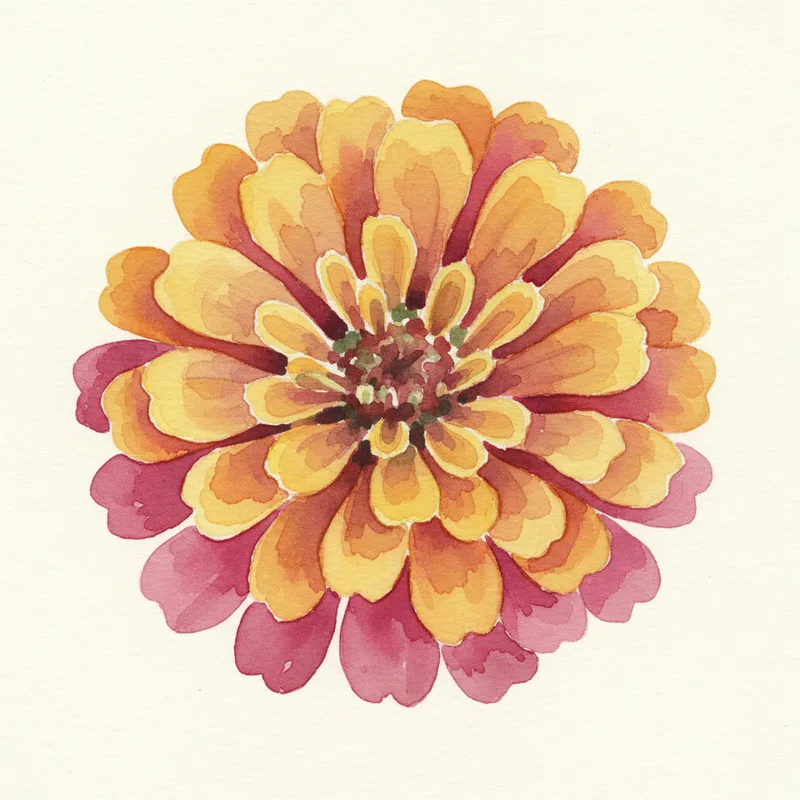
1. Zinnia (the workhorse)
The zinnia is the single most productive cut flower you can grow from seed. Plant in early summer, get blooms in 60 days, and harvest continuously until first frost. The more you cut, the more it produces. A row 8 feet long with plants 8 inches apart yields enough flowers for one full bouquet every week from July through October.
The variety to know: Benary's Giant (4 to 6 inch dahlia-form blooms on long stems, the cut-flower industry standard) or California Giants (slightly smaller but more colors and faster to bloom). The State Fair Mix at any big-box store is a workhorse mid-tier option for under $4 a packet.
Tip: pinch the central growing tip when plants are 8 to 10 inches tall. This forces the plant to branch low and produce two to three times more cuttable stems than an unpinched plant.
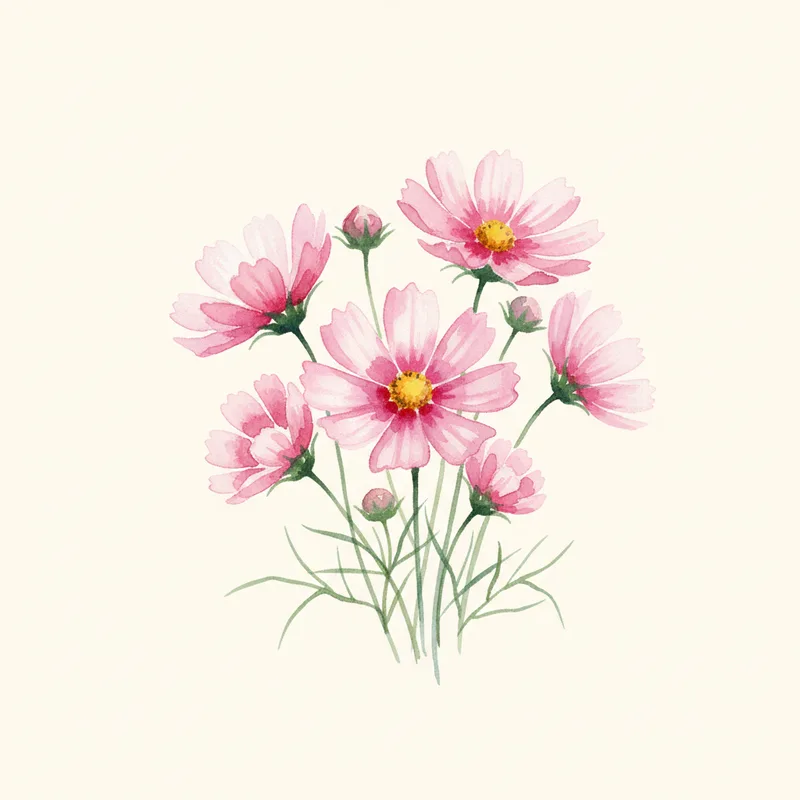
2. Cosmos (the airy filler)
Cosmos is the perfect bouquet filler. Tall, airy, daisy-like flowers on thread-thin stems that move in any breeze and soften every arrangement. The Sensation Mix and Bright Lights series are the standard cutting varieties. Sow seed directly in the bed after frost. Six weeks later you have 3- to 5-foot plants flowering until frost.
Honest warning: cosmos in rich soil grows tall and floppy. Plant it in average-to-poor soil for shorter, sturdier plants that need less staking. This is one of the few flowers that actually performs better with less fertility.
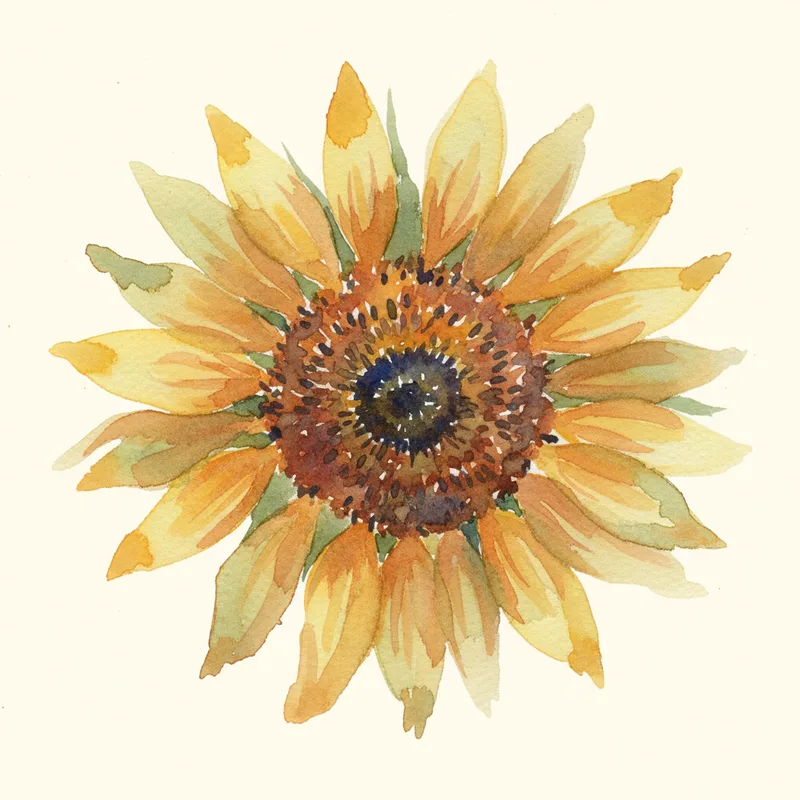
3. Sunflower (the statement)
Sunflowers are the only seed-grown annual that gives you a full vase in one stem. Plant a row of branching varieties (not the giant single-stem types) and you get 6 to 10 cuttable side stems per plant over a six-week window. The varieties worth planting for cutting: ProCut series (single-stem, uniform color, sized for floral arranging), Sunrich series (similar, very reliable), or Italian White (branching, cream-white petals with chocolate centers, the most-photographed sunflower in any cutting garden).
For continuous bloom, succession-sow every two weeks from May through July. A new wave of stems opens every three weeks all summer.
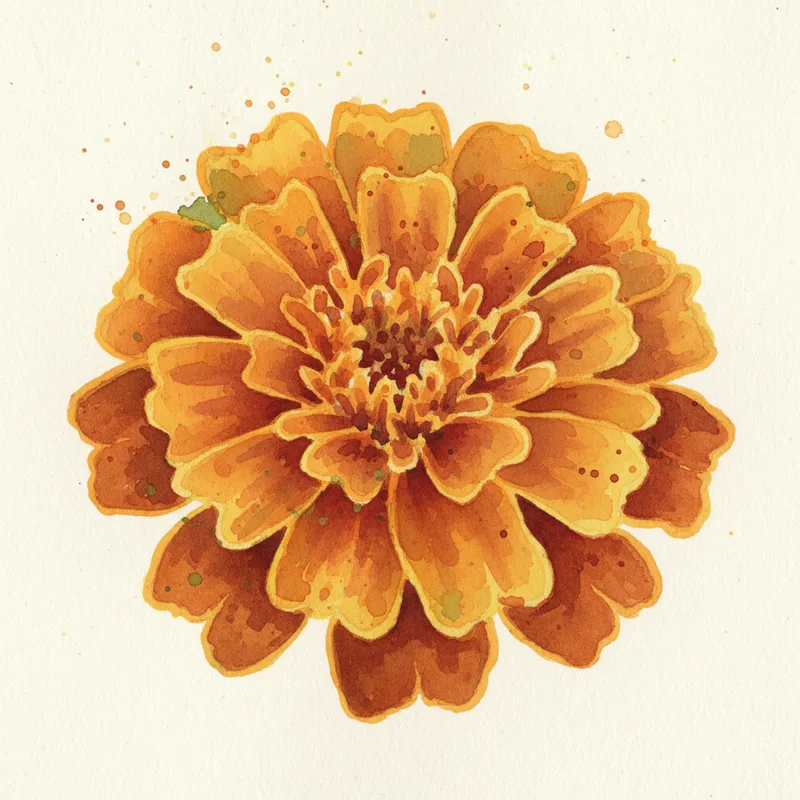
4. Marigold (the underrated cut flower)
Most gardeners use marigolds as edging in vegetable beds and never realize how good they are in a vase. The taller African types (varieties like Crackerjack and Kees' Orange) produce 3-inch pom-pom flowers on 2- to 3-foot stems that last 7 to 10 days in water. Color saturation is among the highest of any annual: pure orange, yellow, and burgundy that photograph almost unrealistically vivid. Direct sow after last frost. Blooms in 50 to 60 days.
5. Sweet Pea (the spring fragrance star)
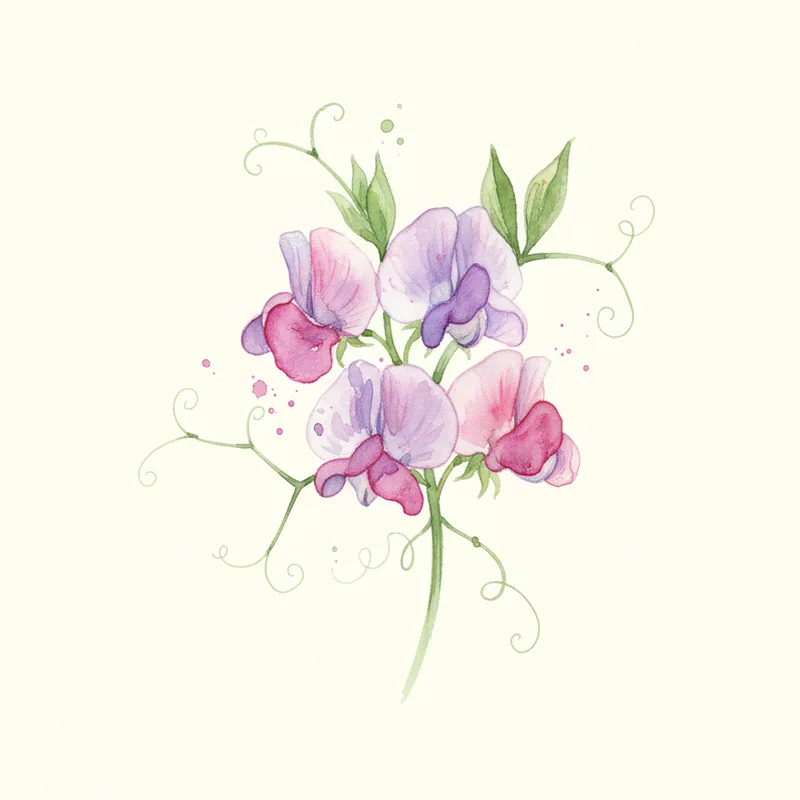
The sweet pea is the most fragrant cut flower most gardeners can grow. Ruffled blooms in pastel and saturated shades on 12- to 18-inch stems, with a scent that fills a room from a single small bouquet. Cool-season annual, so direct sow in March (zone 5) or February (zone 7) for May to June bloom. They hate heat and finish by July in most zones. Worth every minute of the short window.
The hard truth: sweet pea seeds have a hard coat. Soak them in water for 12 to 24 hours before planting to dramatically improve germination. Skip this step and you get half the seedlings.
6. Snapdragon (the early-summer spike)
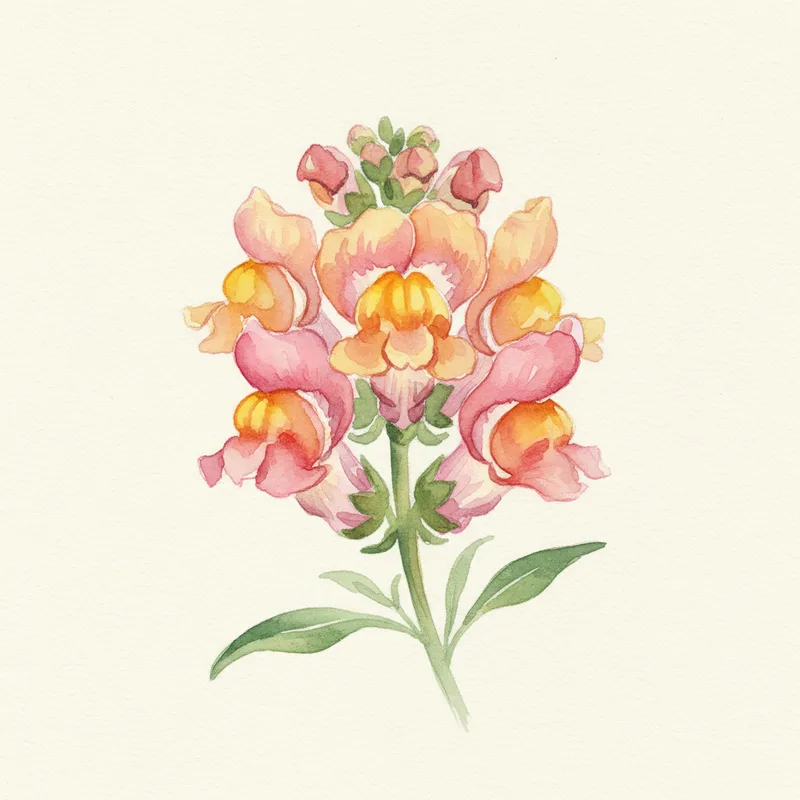
Snapdragons give you vertical structure in a cutting garden that almost nothing else does. Tall spikes of small blooms in every color, sturdy 18- to 30-inch stems, vase life of 7 to 10 days. The Rocket series and Madame Butterfly series are the cutting-bed standards. Start indoors 8 weeks before last frost for the earliest blooms, or direct sow in early spring for June to July bloom.
7. Celosia (the long-lasting texture)
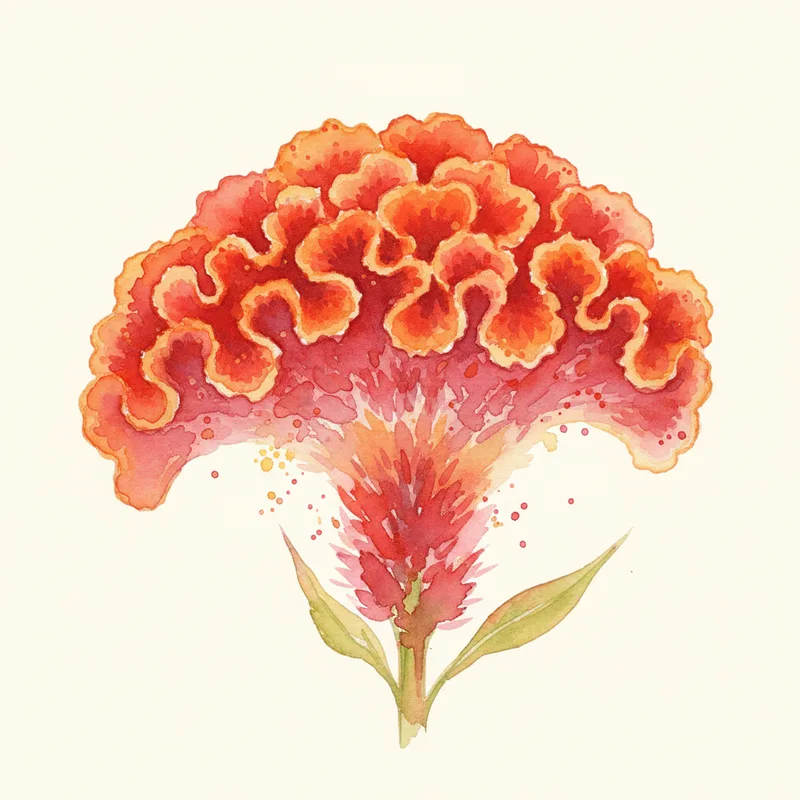
Celosia is the cut flower that dries best of any annual. Brain-shaped (cristata types) or plume-shaped (plumosa types) blooms in saturated red, orange, yellow, and pink that hold their color in the vase for 10 to 14 days and then dry beautifully if you hang them upside down. Bombay series, Sylphid series, and the heirloom Cock's Comb are the cutting-garden standards. Start indoors 6 to 8 weeks before last frost. They are heat-loving and slow to start outdoors.
Bonus: Cleome for cottage cutting gardens
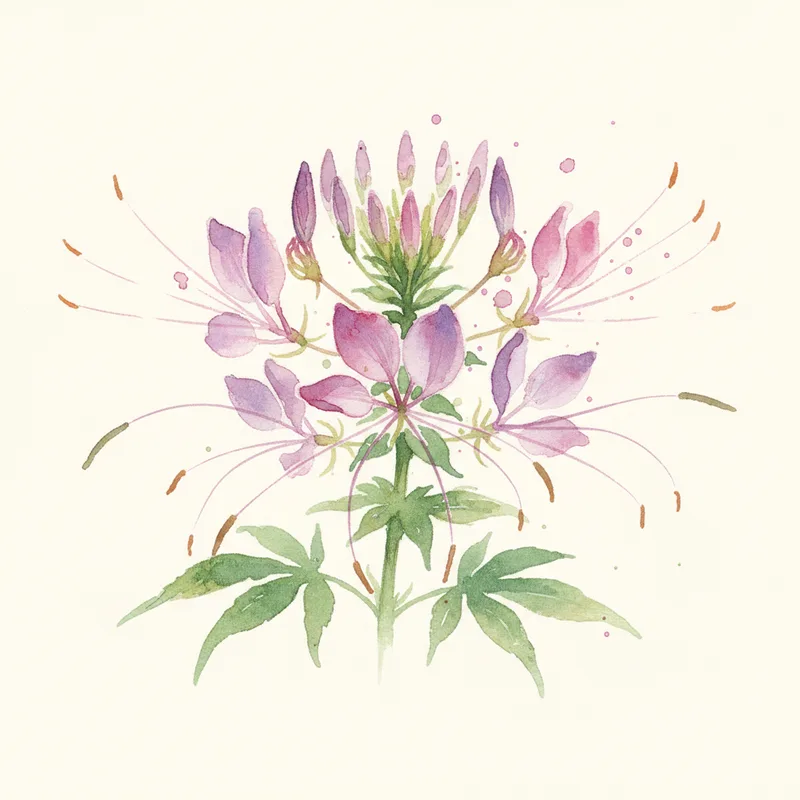
Cleome (spider flower) is the tall back-of-bed annual most gardeners forget exists. Spidery pink, white, or purple flowers on 3- to 4-foot stems, blooms from July to frost, self-seeds reliably year after year. Direct sow after last frost. One planting and you have cleome in that bed forever.
The cutting-garden layout that actually works
Most beginners try to mix cut flowers into the rest of the flower border. This is a mistake. Cutting gardens work better as dedicated rows, the way vegetables are grown. Reasons:
- You can cut without leaving aesthetic gaps in the display border.
- You can space plants tighter, which produces longer stems as plants compete for light.
- You can succession-sow without disturbing perennial roots.
- You can spray, fertilize, and water on a different schedule than the display garden.
A 4-foot by 8-foot cutting bed, with one or two rows of each annual on this list, will produce more cut flowers than most households can use. Three of these beds, planted in succession waves, will keep a flower shop running.
Pair with perennial cut flowers
Annuals are the volume producers, but a serious cutting garden also needs perennial structure. Peonies for May and June, dahlias for July through October, coneflower and black-eyed Susan for August. See our full guide to growing a cut flower garden for the perennial backbone.
Related reading
- How to grow a cut flower garden
- Best dahlia varieties to plant in May
- The 7 best peonies to plant this fall
- Specialty zinnia varieties for nonstop summer color
- What to direct sow in late June for fall color - extend your cutting garden into October with a late-June sow.
Browse cutting-garden-friendly zones
What's growing, what's blooming, what's worth planting.
For gardeners who like to stay ahead.