Bleeding Heart: How to Grow the Classic Shade Perennial
Bleeding heart hangs rows of pink hearts over spring shade gardens. How to grow it, why it vanishes by midsummer, and what to plant alongside it.
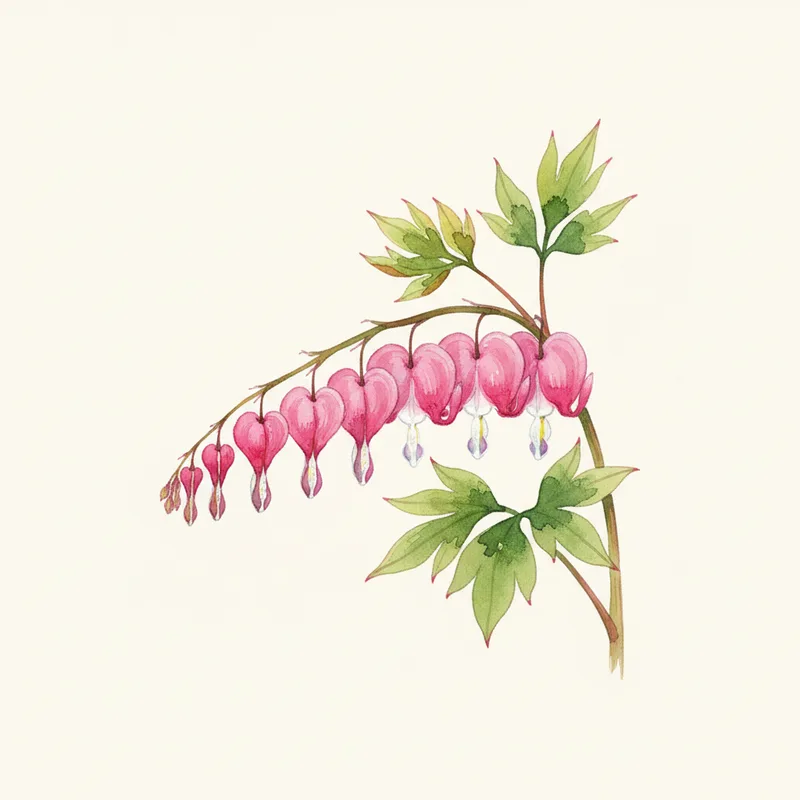
You planted a bleeding heart, watched it throw out those impossible pink lockets all spring, and then in July it turned yellow and collapsed into a puddle of mush. Before you dig it out and mourn your fifteen dollars: it is not dead. That summer disappearing act is the single most misunderstood thing about this plant, and once you understand it, bleeding heart becomes one of the easiest, longest-lived perennials you can put in a shady bed.
Botanically it is Lamprocapnos spectabilis (you will still see it sold under its old name, Dicentra spectabilis). It is an old-fashioned cottage and woodland perennial, the kind of plant that shows up in faded photographs of grandmothers' gardens, and it has earned its century of popularity. In bloom there is nothing else like it: arching stems, two to three feet long, hung with a neat row of puffy pink hearts, each with a little white teardrop hanging from the point. The white variety, 'Alba', does the same thing in pure ivory and glows in a dark corner.
Where bleeding heart actually wants to live
Bleeding heart is hardy across USDA zones 3 to 8, which covers most of the country except the Deep South and the desert. It is fundamentally a woodland plant, and it wants you to recreate the woodland floor: dappled light, rich soil, steady moisture, and protection from afternoon heat.
- Light: Part sun to full shade. The sweet spot is dappled light or gentle morning sun with shade through the hot afternoon. Too much direct sun, especially in warmer zones, scorches the foliage and forces it into dormancy faster.
- Soil: Moist, humus-rich, and well-drained. Work in plenty of compost or leaf mold before planting. It hates sitting in soggy clay over winter, but it also resents drying out, so the goal is the moist-but-never-waterlogged feel of forest soil.
- Size: A mature clump reaches 24 to 36 inches tall and roughly as wide. Give each plant 24 to 36 inches of elbow room. It is slow to establish but builds into a substantial mounding presence over a few seasons.
- Water: Keep it consistently moist through the spring growing and blooming season. Once it goes dormant in summer it needs almost nothing.
When it blooms (and when it leaves)
Bleeding heart flowers in mid to late spring, typically April into May, stretching into early June in the coldest zones. The show lasts several weeks. The arching flower stems make excellent, slightly theatrical cut flowers for a spring arrangement.
Then comes the part nobody warns you about. Bleeding heart is summer-dormant. As temperatures climb after bloom, the foliage yellows, then browns, then dies all the way back to the ground, usually by midsummer. This is completely normal and completely healthy. The plant is not sick, underwatered, or dying. It has simply finished its year early, the way spring ephemerals do, and retreated to its roots to wait out the heat. It will return, full-sized, next spring.
Two practical rules follow from this:
- Mark the spot. A bare patch of soil in July is an invitation to dig in something new and slice straight through your dormant bleeding heart crown. Drop in a plant label or a short stake so you remember it is there.
- Plan for the gap. Interplant with later-emerging shade companions that fill in as the bleeding heart fades, so you are not left staring at a hole for half the summer. (More on exactly what to use below.)
Planting and the one thing it cannot stand
Plant bleeding heart in spring or fall, setting the crown about an inch below the soil surface. Bare-root divisions look like a handful of dead spaghetti when they arrive; plant them anyway, eyes pointing up, and be patient. This is a plant that rewards the long game. It is long-lived and can anchor the same spot for decades, but it is slow to settle in and will not look like much its first year.
The cardinal sin is disturbing it at the wrong time. Bleeding heart deeply resents division and transplanting, and its brittle, fleshy roots snap easily. If you must move or divide a clump, do it only when the plant is dormant: very early spring before growth really gets going, or in fall after it has died back. Never wrench a leafed-out, blooming plant out of the ground in May and expect forgiveness. Frankly, an established clump is happiest if you simply leave it alone.
The best companions to hide the summer gap
The whole strategy with bleeding heart is to surround it with shade plants that peak as it recedes, so the bed reads as full all season. Think in layers of timing.
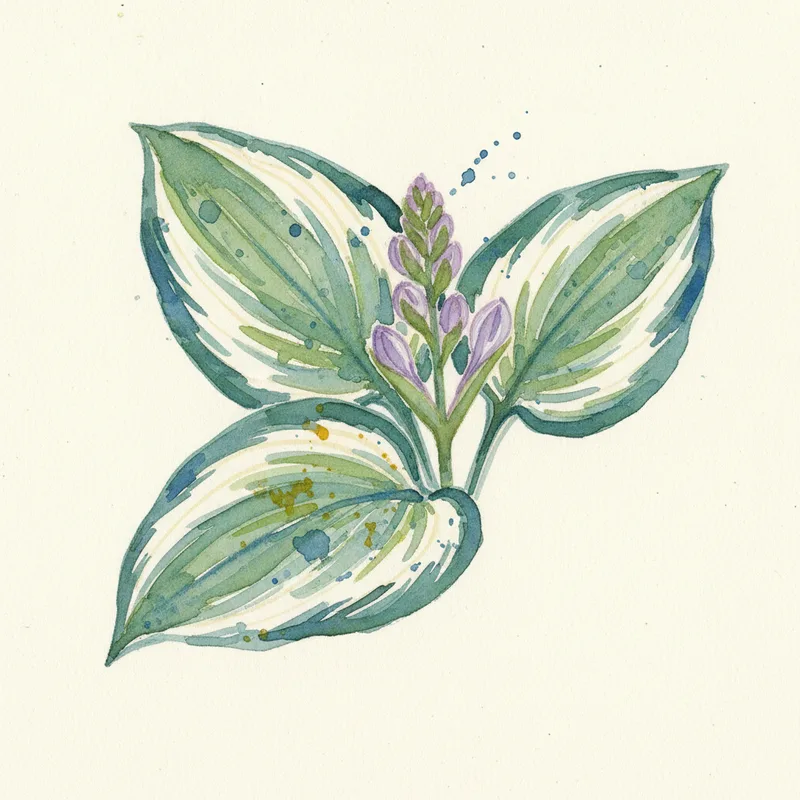
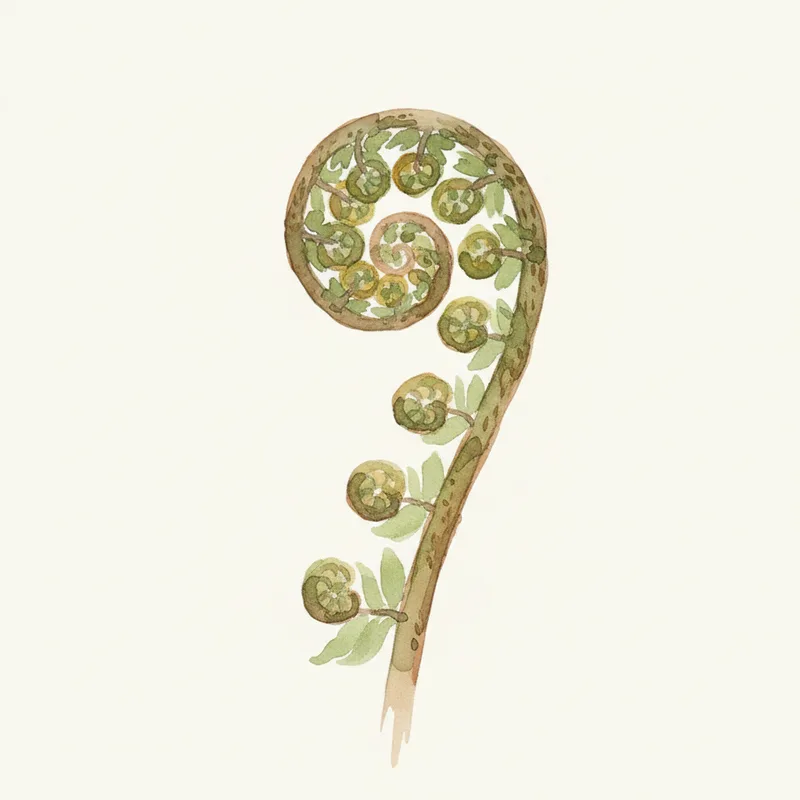
For pure foliage that expands to swallow the empty space, nothing beats hosta. A large hosta planted a foot or two away will unfurl just as the bleeding heart starts to fade and cover the ground completely by July. Ostrich fern does the same job with vertical, vase-shaped fronds, and the contrast of bold hosta leaves against fine fern texture is the backbone of any good shade planting.
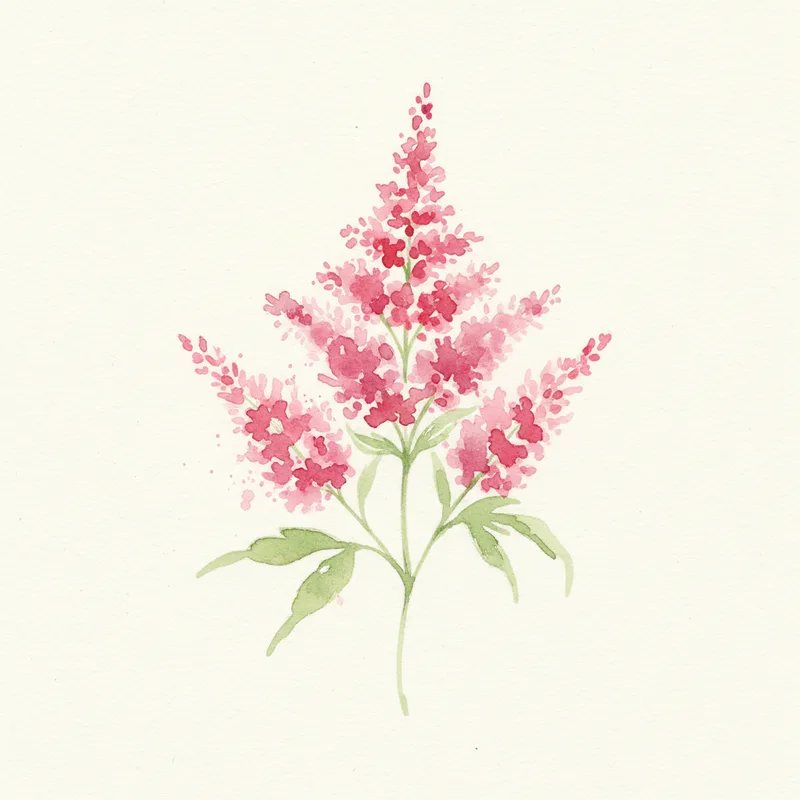
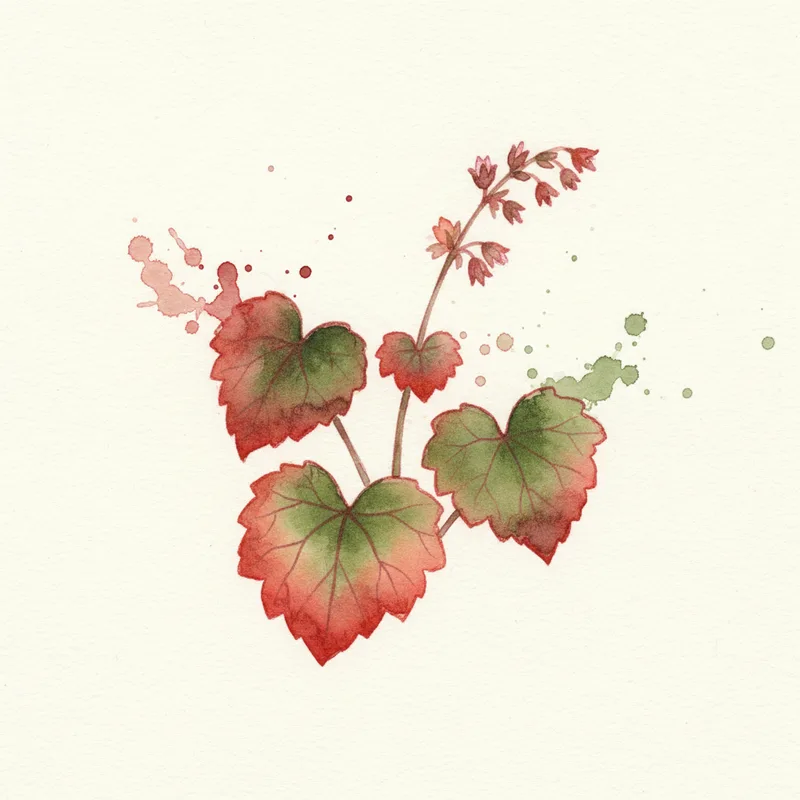
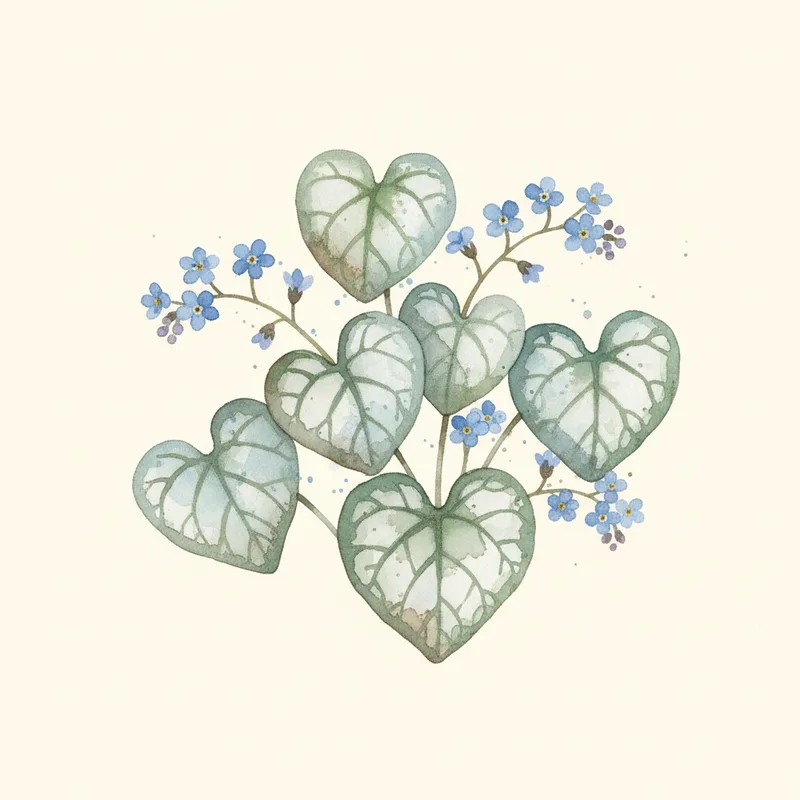
For flowers that carry the bed forward, astilbe sends up its feathery plumes in early summer right as the bleeding heart bows out. Coral bells hold burgundy, lime, and silver foliage from spring through fall and never leave a gap. Brunnera scatters clouds of tiny blue forget-me-not flowers in spring and then keeps its handsome heart-shaped leaves all summer, an ideal neighbor in every way.
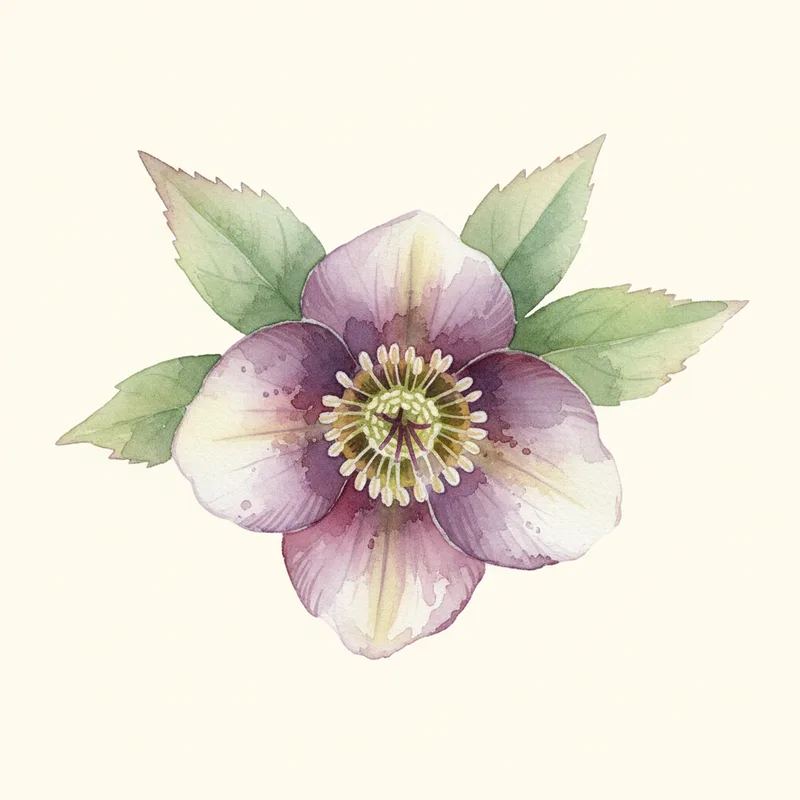
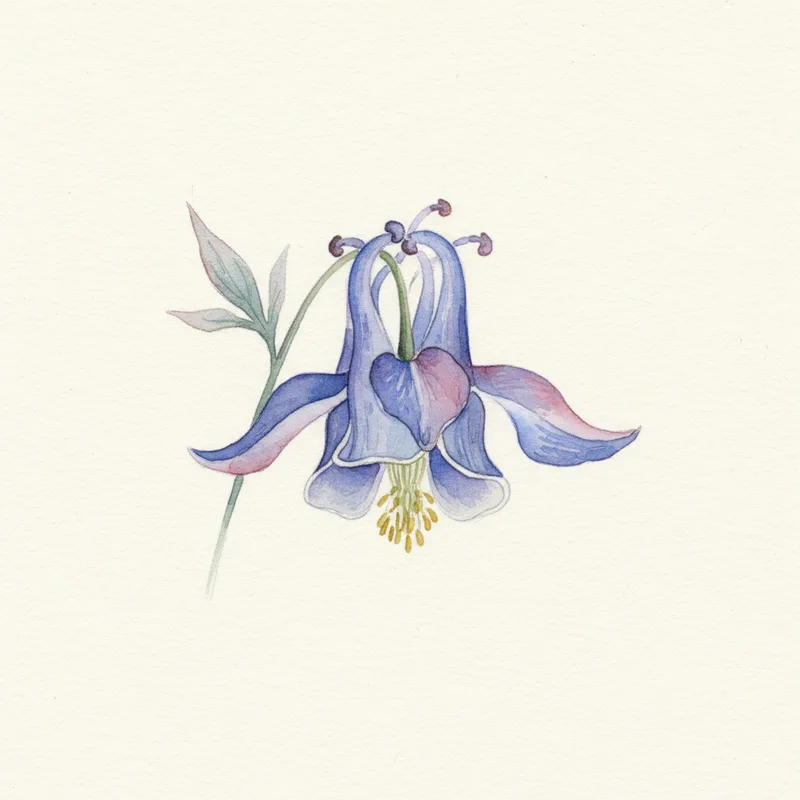
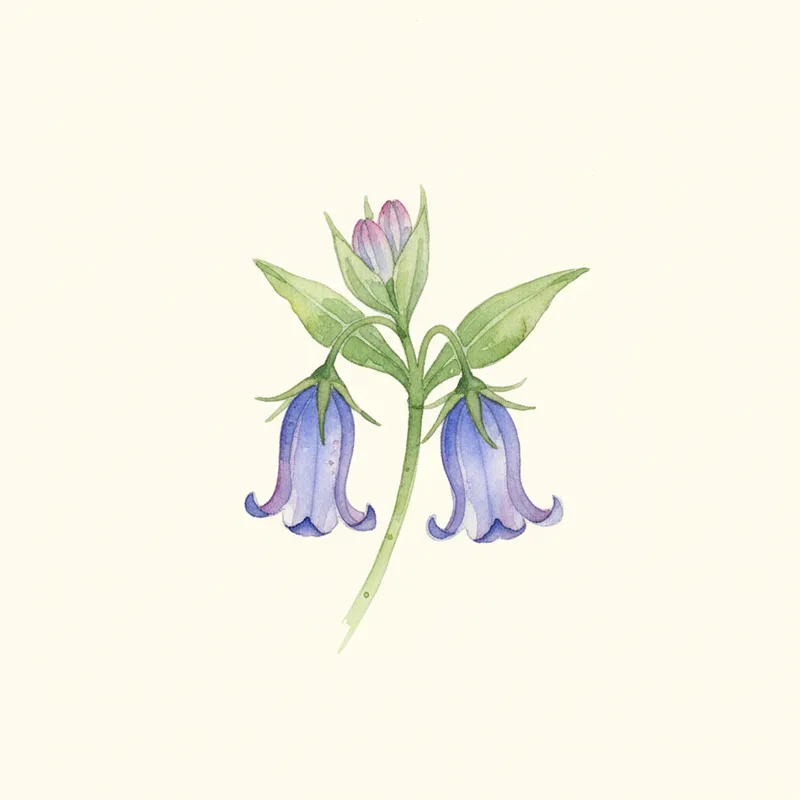
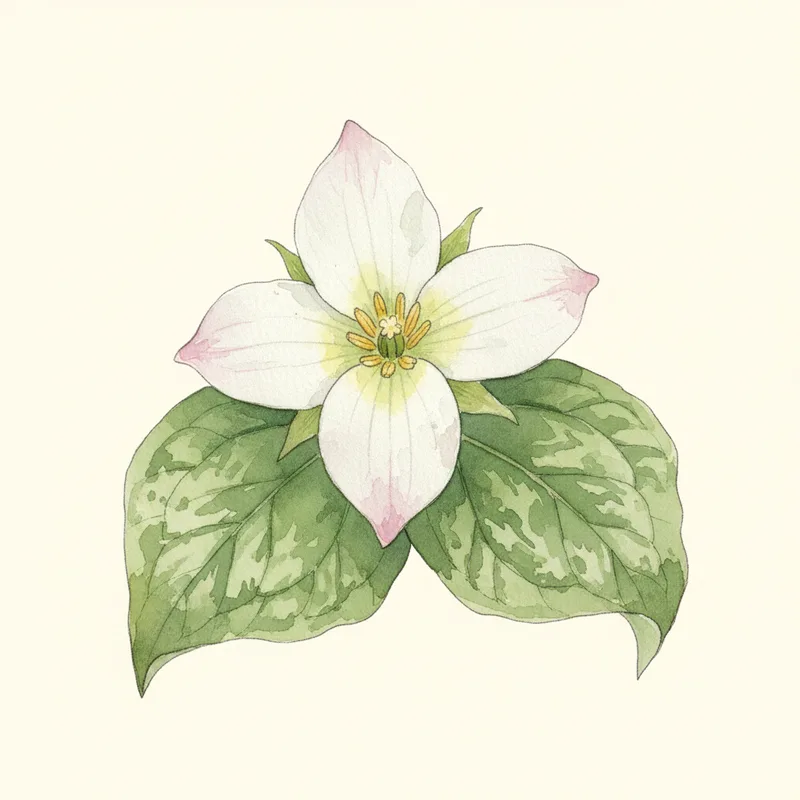
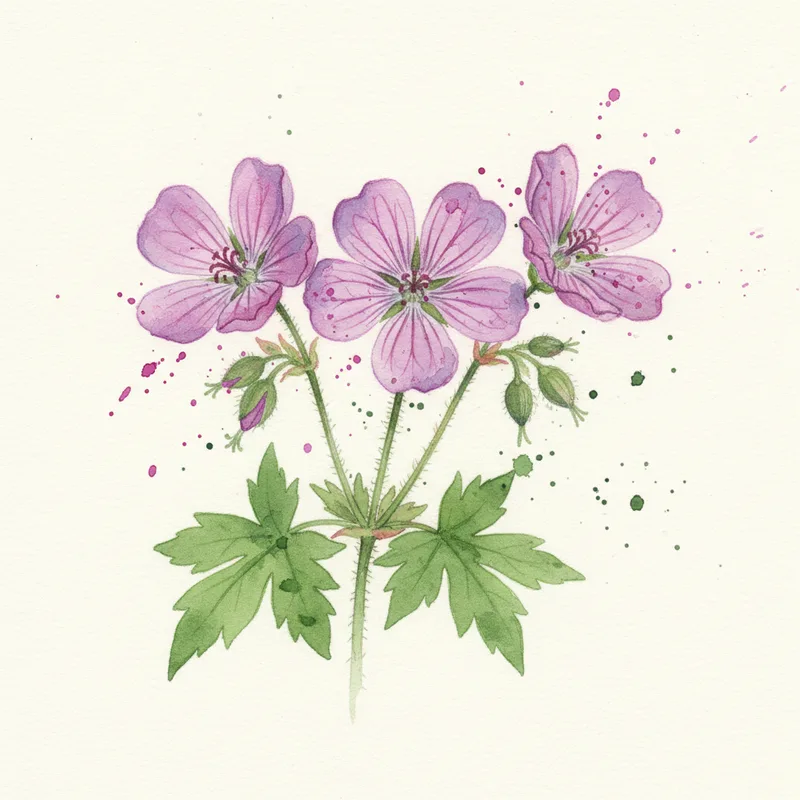
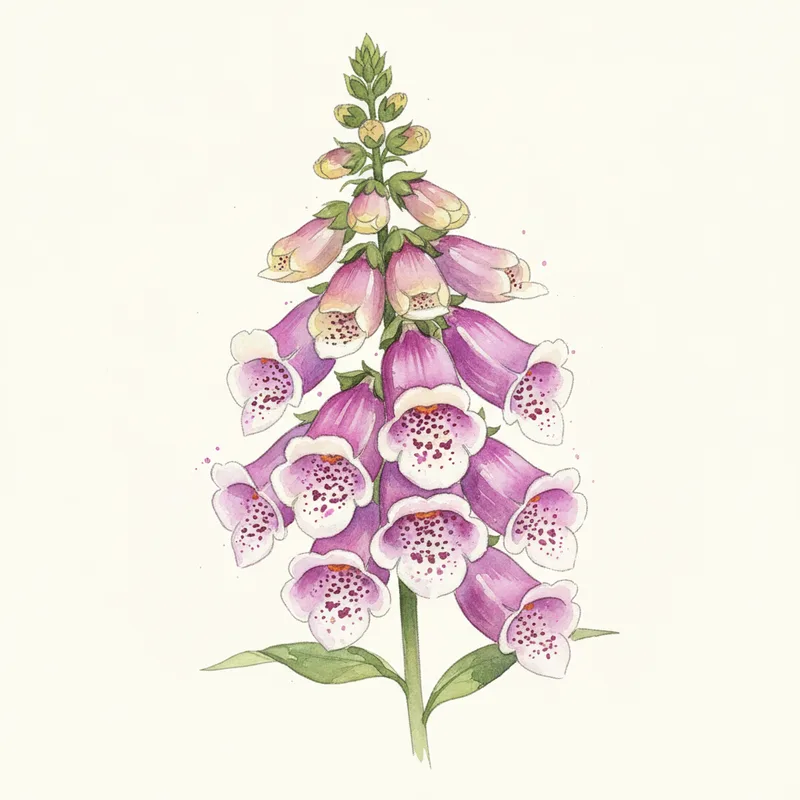
For a layered woodland planting that blooms in concert with bleeding heart, pair it with columbine, Virginia bluebells, wild geranium, and the spring-ephemeral trillium. The columbine connection is the strongest of the bunch: it thrives in the same dappled light and moist soil, and its nodding spurred flowers play beautifully against the dangling hearts. For vertical drama at the back of a shaded border, foxglove spires rise above the whole scene, and hellebores bookend the season by blooming weeks earlier in late winter.
If you hate the summer dieback: meet the fringed cousin
Some gardeners simply cannot make peace with a plant that vanishes for half the year. If that is you, grow Dicentra eximia, the fringed bleeding heart, instead. It is a smaller native cousin with ferny, blue-green foliage that stays put all summer, and it reblooms on and off from spring into fall rather than going dormant. It tolerates more heat and a bit more sun than its big old-fashioned relative, making it the practical choice for a lower-maintenance bed that needs to look good in August.
A note on pets, kids, and your own hands
Bleeding heart is mildly toxic if eaten, so it is worth siting away from areas where pets or small children graze on the garden. The sap can also irritate sensitive skin, so it is sensible to wear gloves when handling or dividing it. On the upside, that same chemistry makes it reliably deer-resistant: browsing deer leave it almost entirely alone, which is no small thing in a woodland-edge garden.
Common bleeding heart questions
Is bleeding heart a perennial?
Yes. Bleeding heart is a hardy herbaceous perennial in USDA zones 3 to 8. It dies back to the ground each year and returns from its roots, and an established plant can live for decades in the right spot.
Does bleeding heart come back every year?
It does. The summer collapse fools many first-year growers into thinking the plant died, but that dieback is normal dormancy, not death. The crown rests underground through the heat and pushes up fresh growth again the following spring.
Why are my bleeding heart leaves turning yellow?
If it is early to midsummer and the plant has already bloomed, yellowing is almost certainly natural summer dormancy, and you should let it run its course. If leaves yellow before bloom or very early in the season, suspect waterlogged soil, too much hot direct sun, or drought stress instead.
Is bleeding heart sun or shade?
Shade to part sun. It performs best in dappled light or with gentle morning sun and afternoon shade. Hot, full-sun exposure scorches the foliage and pushes the plant into dormancy much earlier than you would like.
Is bleeding heart poisonous?
Mildly, yes. The foliage and roots are mildly toxic if ingested by people or pets, and the sap can irritate sensitive skin. Plant it away from spots where children or animals nibble, and wear gloves when you handle or divide it.
Does bleeding heart spread?
Not aggressively. The classic old-fashioned bleeding heart slowly widens into a larger clump over the years but does not run or take over a bed. It can self-sow modestly in ideal woodland conditions, though it resents being dug and divided, so the kindest approach is usually to leave established plants in place.
Related reading
- How to Grow Columbine
- Best Plants for Full Shade Gardens
- How to Design a Shade Garden
- Cottage Garden Flowers and Design
- Deer-Resistant Plants That Actually Look Good
- What's Blooming in May
Browse shade-friendly zones
Find shade perennials for your region: Zone 4 · Zone 5 · Zone 6 · Zone 7.
What's growing, what's blooming, what's worth planting.
For gardeners who like to stay ahead.