Daffodils: How to Grow the Deer-Proof Spring Bulb
Daffodils are the deer-proof, naturalizing bulb that returns stronger every year. How to plant them, fix blind clumps, and handle the foliage right.
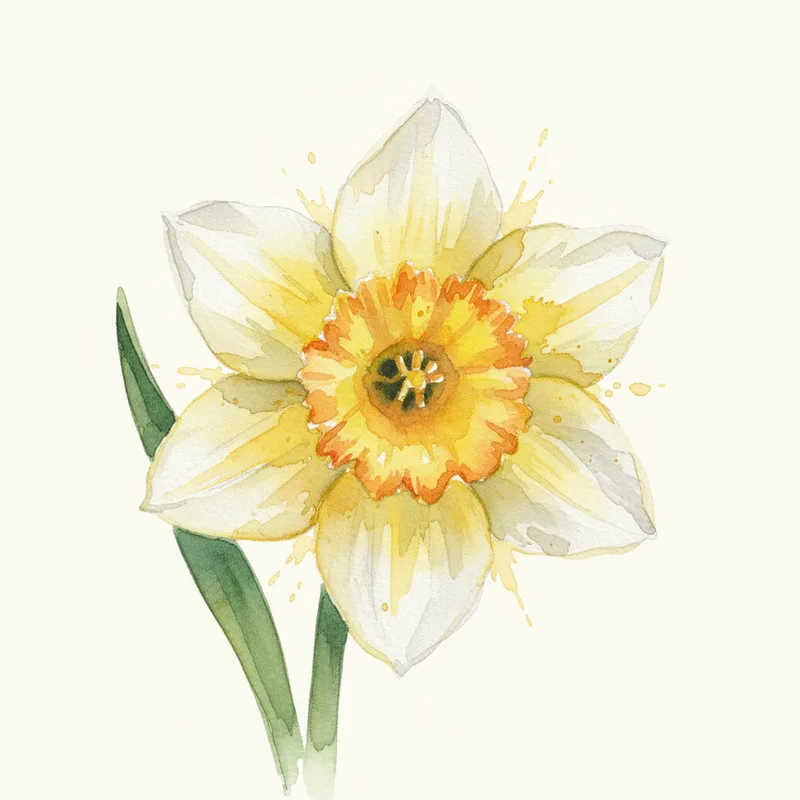
If you want one bulb that animals will not touch, that comes back bigger every single year, and that opens before almost anything else in the garden, plant daffodils. They are the rare flower that asks for nothing and gives back for decades: deer walk past them, voles refuse to eat them, and a single fall planting multiplies into drifting golden clumps that outlive the gardener who planted them. While fussier bulbs fade after a season, daffodils settle in, spread, and return stronger. There is a reason they are the backbone of every great spring garden in the country.
The botanical name is Narcissus, and that is worth knowing because it clears up a common mix-up: every daffodil is a narcissus, and the two words mean the same thing. The name "jonquil" gets thrown around as a third synonym, but properly it refers only to the small, intensely fragrant jonquilla types, not the whole genus. Whatever you call them, these are fall-planted bulbs that bloom in early spring, usually March into April, standing 6 to 18 inches tall depending on the type, in yellow, white, orange, soft pink tones, and endless bicolors.
Why daffodils are the bodyguard bulb
Here is the single best thing about daffodils, and the reason every gardener with a deer problem should grow them: the entire plant, bulb and foliage alike, contains a bitter, toxic compound called lycorine. Deer, rabbits, voles, squirrels, and chipmunks all know to leave them strictly alone. Nothing digs them up, nothing grazes them, nothing nibbles the flowers.
That makes daffodils the classic bodyguard bulb. The trick experienced gardeners use is to interplant daffodils among the bulbs that animals love to destroy. Ring your tulips and crocus with daffodils, or scatter them through the same bed, and the daffodil foliage and roots help screen the tastier bulbs from rodents below ground. They will not make a tulip patch fully bulletproof, but they meaningfully cut the losses, and they look gorgeous doing it.
They come back stronger: naturalizing and perennializing
Tulips are mostly a one-hit wonder. Most hybrid tulips bloom gloriously the first spring and then dwindle, which is why many people treat them as annuals and replant every fall. Daffodils are the opposite story. They perennialize and naturalize, meaning they not only return reliably year after year but multiply, each bulb splitting into offsets that build into ever-larger clumps and sweeping drifts over time.
Plant a dozen daffodils this fall and in five years you may have fifty, blooming thicker each spring with zero additional effort. That compounding return is what makes them the smartest bulb you can buy. For naturalizing in a lawn or under deciduous trees, choose vigorous types and let them spread; over a few seasons they will paint whole hillsides gold.
Picking a type: the daffodil divisions
Daffodils are sorted into divisions by flower form, and mixing several gives you weeks of bloom instead of days. A few worth knowing by name:
- Trumpet daffodils are the big, classic ones with a long central cup as long as or longer than the surrounding petals. The quintessential yellow daffodil.
- Large-cupped and small-cupped types have shorter cups and come in the widest range of color combinations, including pink-toned and orange-rimmed cups.
- Double daffodils pack in extra petals for a ruffled, almost peony-like flower.
- The fragrant jonquilla and tazetta groups carry multiple small flowers per stem and a powerful sweet scent; tazettas include the tender paperwhites often forced indoors.
- Poeticus daffodils, the old "poet's" types, bloom late with crisp white petals around a tiny red-rimmed eye, and are some of the most fragrant of all.
Stagger early, mid, and late divisions and you can keep daffodils going from the first warm spell well into mid-spring.
When and how deep to plant
Daffodils are planted in fall, several weeks before the ground freezes, so the bulbs can grow roots before winter. The rule of thumb for depth is to plant two to three times as deep as the bulb is tall, which usually means setting the bottom of a standard bulb roughly 6 inches down (measure from the base of the bulb). Pointed end up, flat basal plate down.
- Depth: Two to three times the bulb's height. Too-shallow planting is a leading cause of weak or missing blooms, so err on the deeper side, especially in light soil.
- Spacing: Set bulbs about 3 to 6 inches apart. For a natural drift, toss a handful and plant them where they land rather than lining them up.
- Light: Full sun to part sun. They will take light shade, particularly under deciduous trees that leaf out only after the daffodils have finished blooming.
- Soil: Average, well-drained soil is all they ask. Soggy ground rots the bulbs, so avoid low spots that stay wet. A little bulb fertilizer or compost worked in at planting helps.
- Hardiness: Most daffodils are hardy in USDA zones 3 to 8. Gardeners in zones 9 and warmer should choose heat-tolerant types (tazettas and jonquils) since many daffodils need winter chill to bloom well.
Water them in once at planting, then let nature handle the rest. They need moderate moisture in spring while growing and blooming, and prefer to stay on the drier side once dormant in summer.
What to plant with daffodils
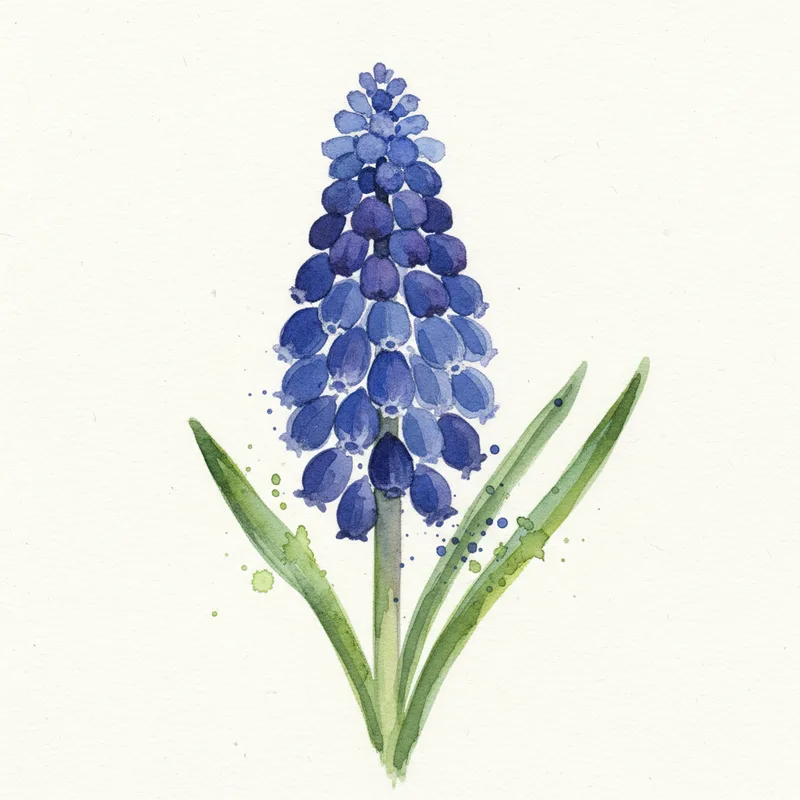
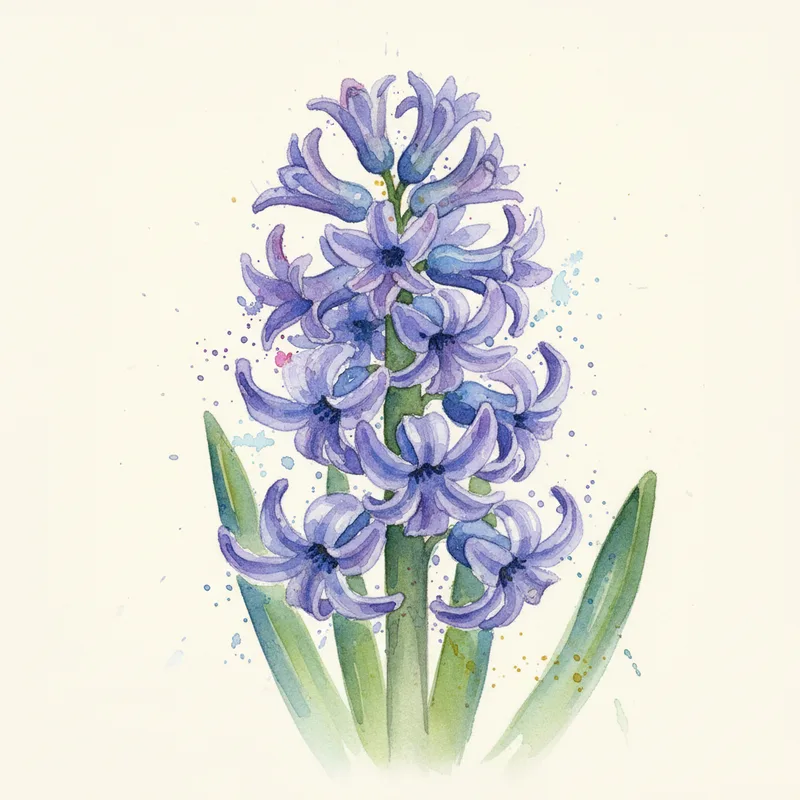
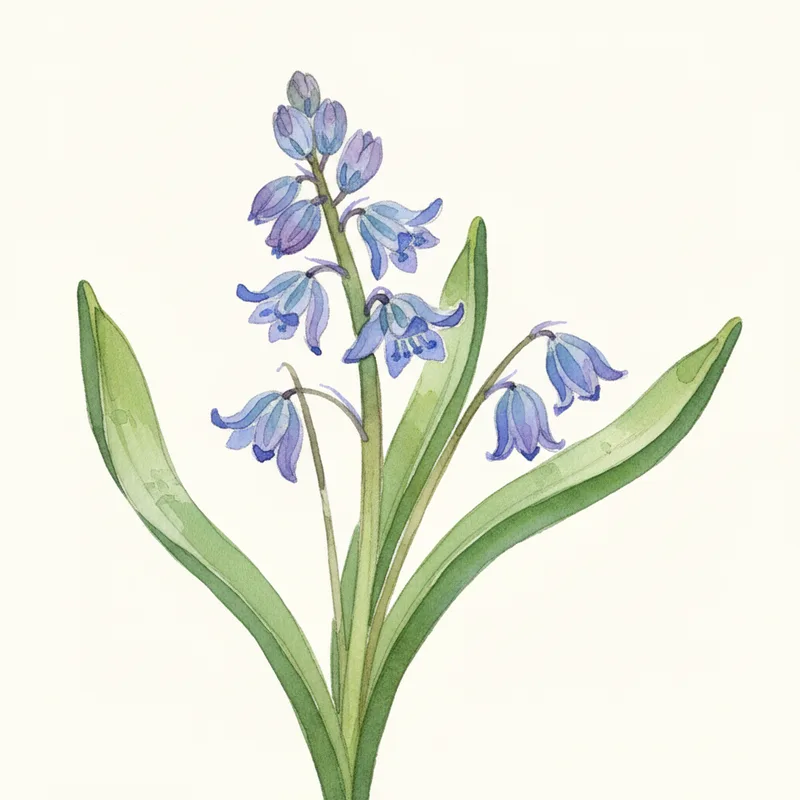
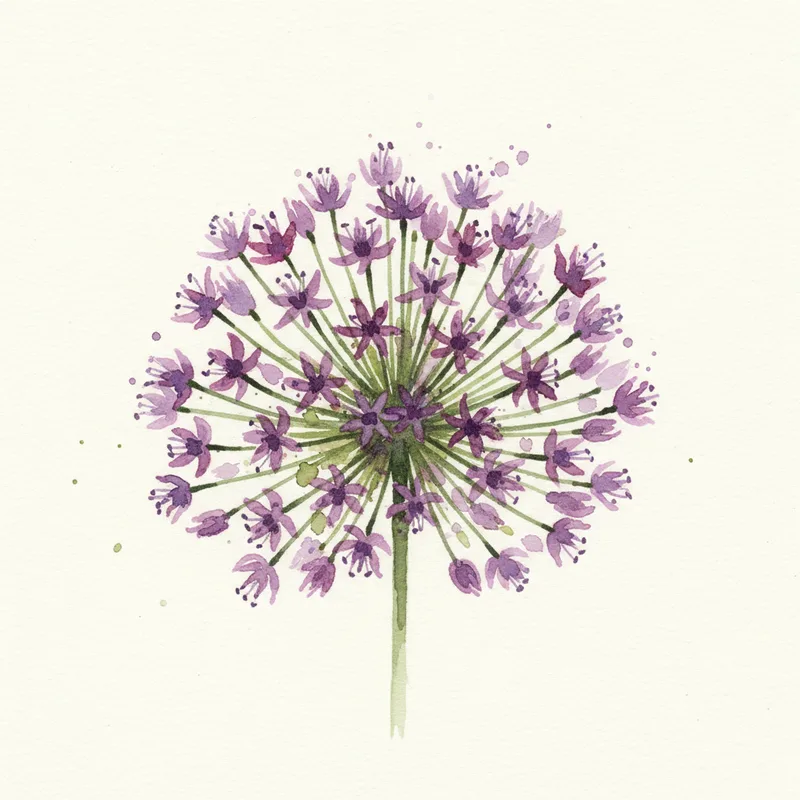
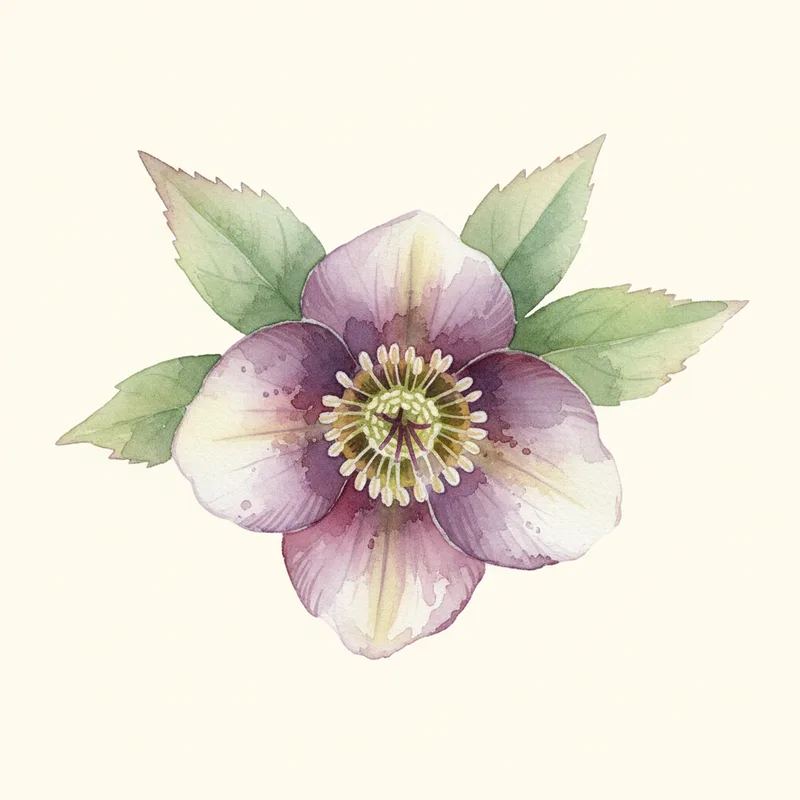
Because their foliage can look untidy as it fades, daffodils shine when woven among companions that distract from the dying leaves and extend the season. Grape hyacinth carpets the ground in blue right at daffodil height and is a perfect partner. Scilla does the same in an earlier, sky-blue wash. Hyacinths add fragrance and fat color spikes in the same weeks. For a later handoff, plant alliums nearby; their globes rise in late spring just as the daffodil leaves are ready to be hidden. And hellebores bloom even earlier, bridging late winter into the daffodil season in a shaded bed.
Common daffodil questions
Why didn't my daffodils bloom this year?
All leaves and no flowers is called a "blind" daffodil, and it almost always traces back to how the foliage was treated or how crowded the bulbs are. The usual culprits are cutting, braiding, or tying back the leaves too soon last year, too much shade, clumps that have grown overcrowded and need dividing, and planting too shallow. Fix it by always letting the foliage stand at least six weeks until it yellows on its own, lifting and dividing congested clumps after the leaves die back, and replanting at a proper depth in a sunnier spot.
What do you do with daffodil foliage after blooming?
Leave it completely alone and let it yellow and die back naturally, which takes about six weeks after the flowers fade. During that window the green leaves are recharging the bulb for next year's bloom, so this is the most important rule in growing daffodils. Do not cut, mow, fold, braid, or tie the foliage, all of which starve the bulb and cause blindness the following spring. Do snap off the spent flower heads (deadheading) so the plant pours energy into the bulb instead of into making seed, but keep every leaf until it browns.
Do daffodils come back every year and multiply?
Yes, and this is their best trait. Daffodils are true perennials that return year after year and steadily multiply, with each bulb producing offsets that build into bigger clumps and natural drifts over time. Unlike most hybrid tulips, which fade after a season or two, a well-sited daffodil planting gets fuller and more impressive every spring for decades.
Are daffodils deer and rodent proof?
Essentially, yes. Every part of a daffodil contains toxic lycorine, so deer, rabbits, voles, squirrels, and chipmunks reliably refuse to eat the bulbs, foliage, or flowers. That makes them one of the only truly animal-proof spring bulbs and a smart bodyguard to plant among tulips and crocus, which those same animals devour.
When and how deep do you plant daffodil bulbs?
Plant daffodil bulbs in fall, a few weeks before the ground freezes, so they can root before winter. Set them two to three times as deep as the bulb is tall, which is usually around 6 inches deep, pointed end up, and space them roughly 3 to 6 inches apart. Choose a spot in full to part sun with well-drained soil, and water once after planting.
Can you put daffodils in a vase with other flowers?
Not right away. Cut daffodil stems ooze a sap that is toxic to other cut flowers and will shorten the life of tulips and anything else sharing the water. The fix is to condition daffodils alone in their own vase of water for several hours (or overnight) first, then add them to a mixed arrangement without recutting the stems, since a fresh cut releases more sap. Handled that way, they play nicely with everything.
Related reading
- Grape Hyacinth: How to Grow Muscari
- Alliums: How to Grow Ornamental Onions
- The Best Spring Bulbs to Plant This Fall
- What to Plant After Tulips for Nonstop Spring Bloom
- Deer-Resistant Plants That Actually Look Good
- What to Plant in October
Browse spring-bulb zones
See what thrives in your area: Zone 5 in spring, Zone 6 in spring, and Zone 7 in spring.
What's growing, what's blooming, what's worth planting.
For gardeners who like to stay ahead.