Columbine: How to Grow Aquilegia's Dancing Spurs
Columbine (Aquilegia) is the spurred, hummingbird-luring perennial that self-sows and reblooms. How to plant it, beat leaf miner, and keep it coming back.
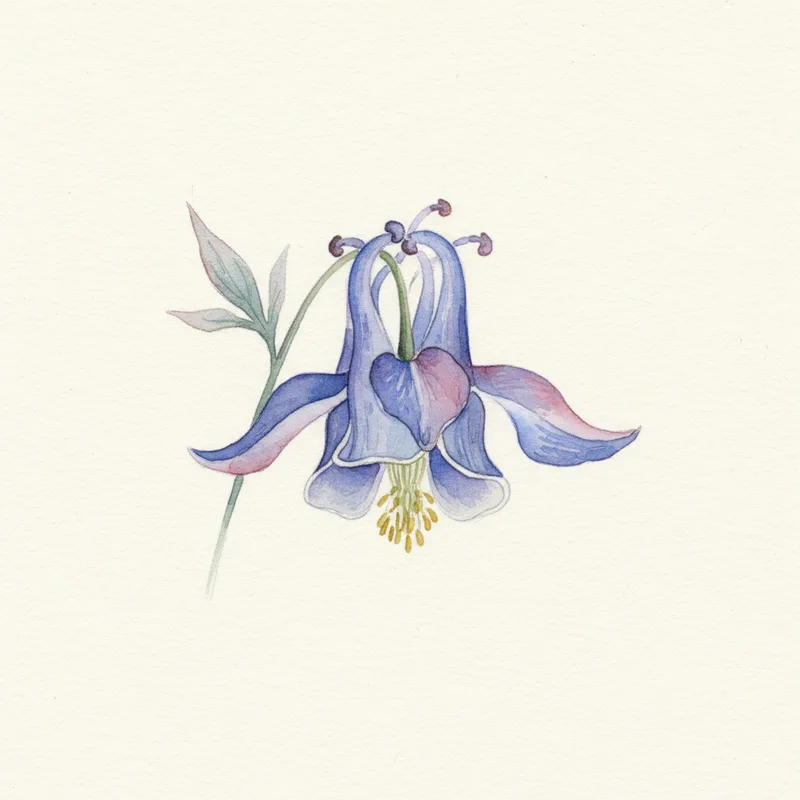
Columbine is the flower that looks like it is mid-pirouette. Each bloom hangs from a wiry stem with five backswept spurs trailing behind it like ribbons, nodding and spinning in the lightest breeze, which is exactly why the old common name is granny's bonnet. Botanically it is Aquilegia, a short-lived native perennial that blooms in nearly every color plus dozens of two-tone combinations, pulls in hummingbirds from across the yard, shrugs off deer and rabbits, and quietly reseeds itself so a single planting drifts through the garden for years. It is one of the easiest ways to fill the awkward gap between the last spring bulbs and the first summer perennials, and once you understand its one quirk (a cosmetic leaf pest that scares far more gardeners than it should), it is close to foolproof.
Why columbine earns its spot
Most perennials give you one thing. Columbine gives you several at once, which is rare in a plant this undemanding.
- Hummingbird magnet. Those long nectar spurs are built for long tongues and hovering wings. The red-and-yellow native eastern species, Aquilegia canadensis, is one of the single best hummingbird plants for spring, blooming right when the birds return north and little else is open.
- It dances. The nodding, spurred flowers ride wiry stems that move with any air current, giving a planting motion that static daisies and mounding perennials cannot match.
- Deer and rabbit resistant. The foliage is bitter and mildly toxic, so browsers leave it almost entirely alone. That makes it a workhorse in unfenced and woodland-edge gardens.
- It fills a real calendar gap. Columbine opens mid to late spring and runs into early summer, roughly April to June depending on your zone, bridging tulips and daffodils on one side and summer bloomers on the other.
- It comes in every color. Pure white, butter yellow, pink, coral, deep wine, near-black purple, and the famous sky blue of the Rocky Mountain species, Aquilegia caerulea, the Colorado state flower. Bicolors are the rule, not the exception.
Columbine at a glance
- Type: short-lived native perennial (genus Aquilegia)
- Hardiness: USDA zones 3 to 8
- Height: 18 to 36 inches, depending on species and variety
- Spacing: 12 to 18 inches apart
- Light: part sun to part shade (more sun in the north, afternoon shade in the south)
- Soil: average, moist, well-drained; tolerates rocky and lean ground
- Bloom: mid to late spring into early summer (April to June)
- Best for: woodland edges, cottage gardens, native and pollinator borders, rock gardens
Where to plant it
Light: the part-shade sweet spot
Columbine is a woodland-edge plant at heart, so it wants part sun to part shade rather than blazing all-day exposure. The right amount of sun depends entirely on where you live. In cool-summer and northern climates it will happily take full sun, and the bloom is often heaviest there. In the South and in hot interior valleys, give it morning sun with afternoon shade, or dappled light all day, or the foliage scorches and the short bloom season ends even faster. The dappled light under high-branched trees, or the east side of a house or fence, is close to ideal almost everywhere.
Soil and moisture
Average garden soil that drains well is all columbine asks. It likes consistent moisture during spring growth and bloom but resents soggy winter feet, which is the fastest way to rot the crown. If your soil is heavy clay, work in compost to open it up, or plant on a slight slope or raised bed. Established plants tolerate short dry spells, especially in cooler regions, but the leaves crisp quickly in heat and drought together. A two-inch layer of mulch keeps roots cool and moisture even without burying the crown.
Spacing and where it shines
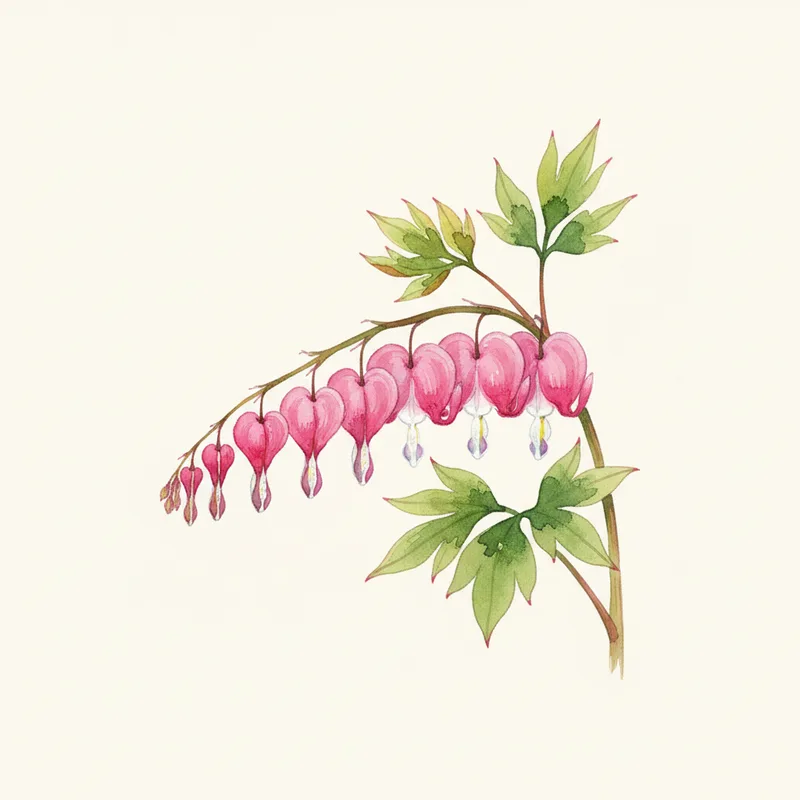
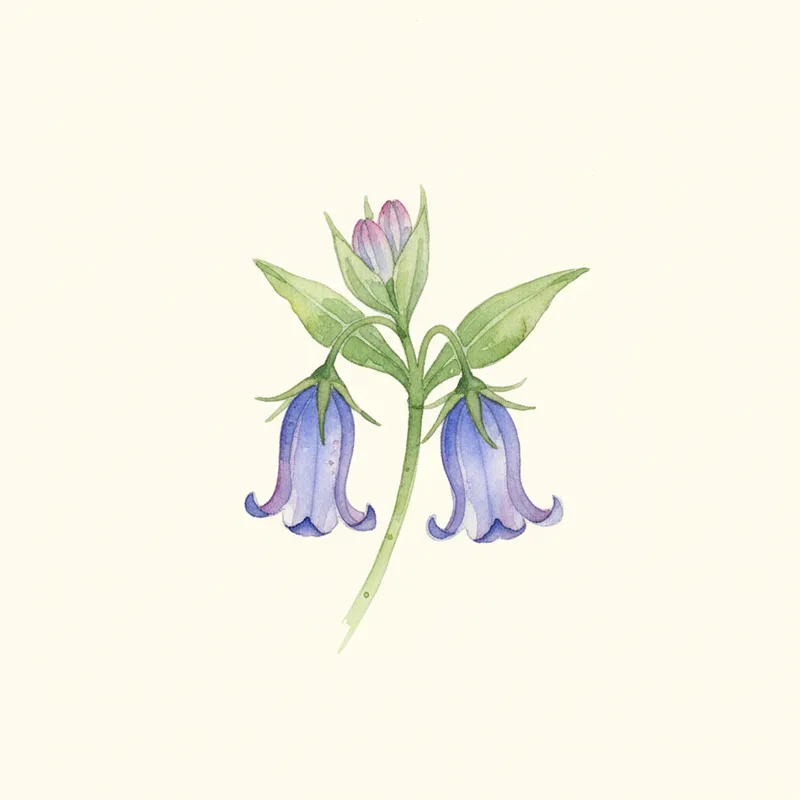
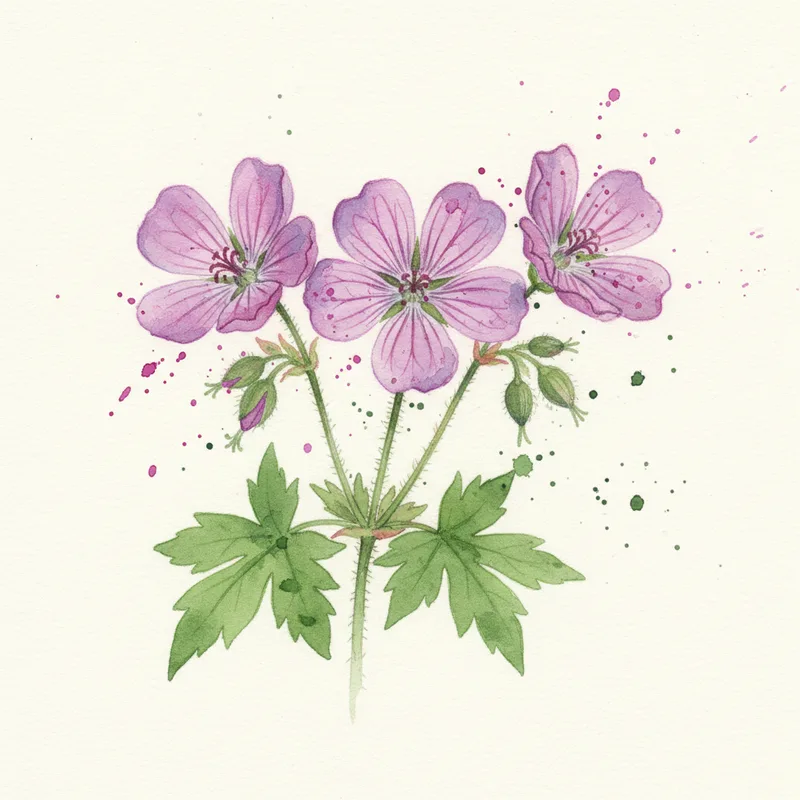
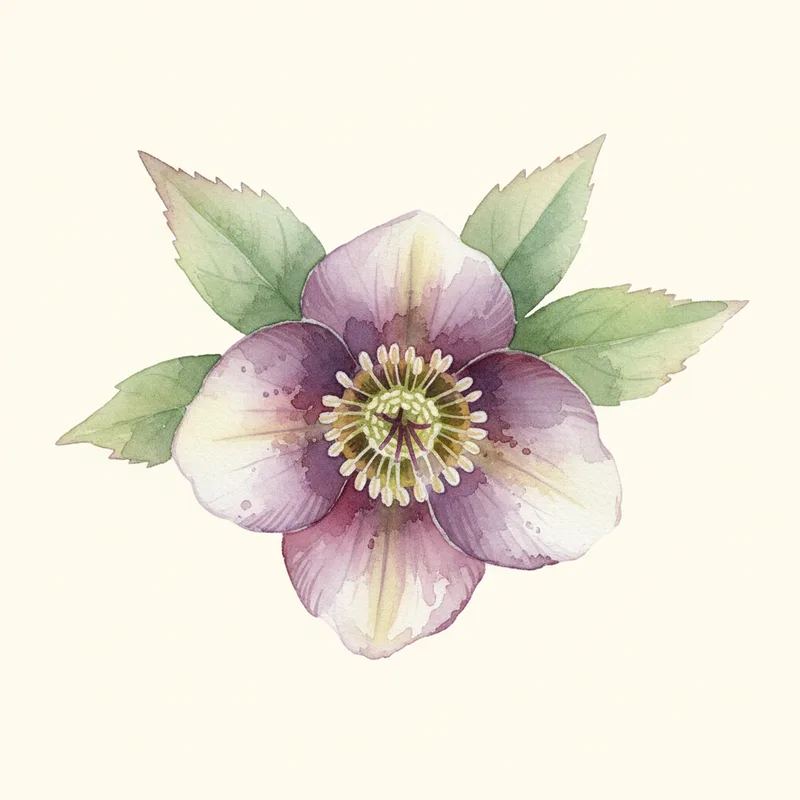
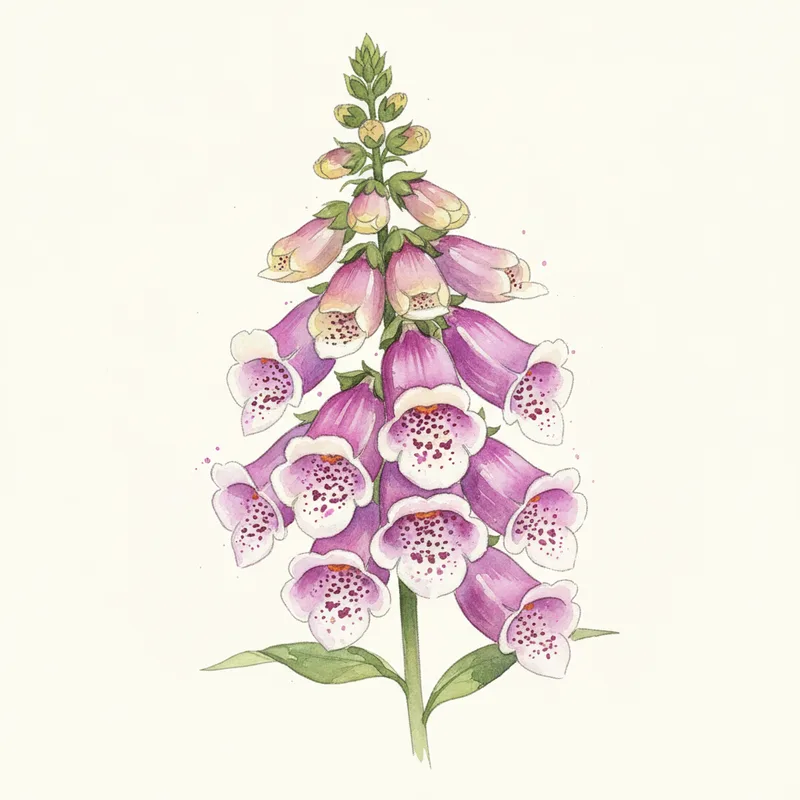
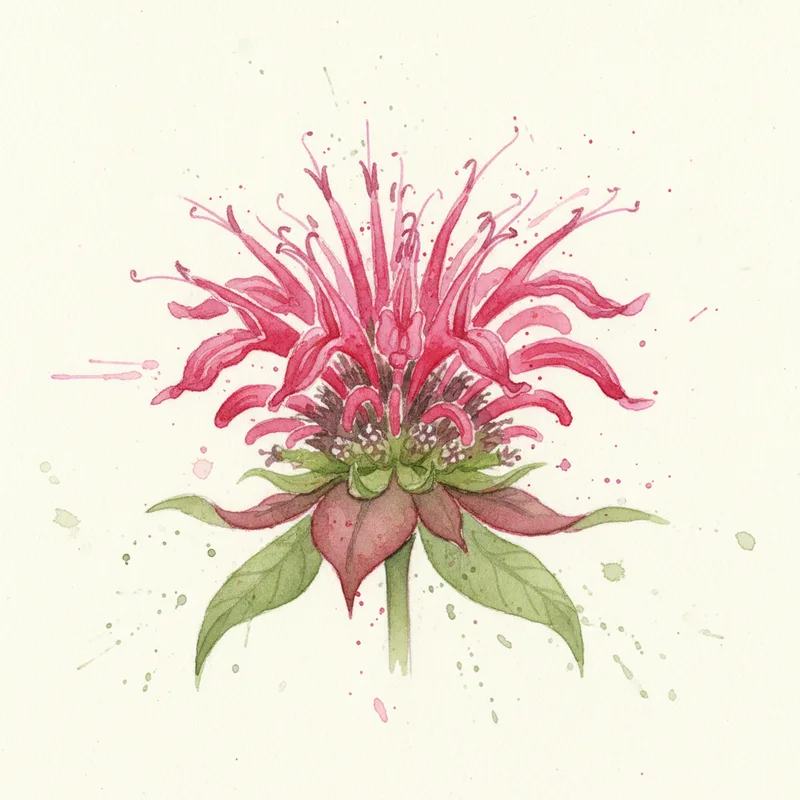
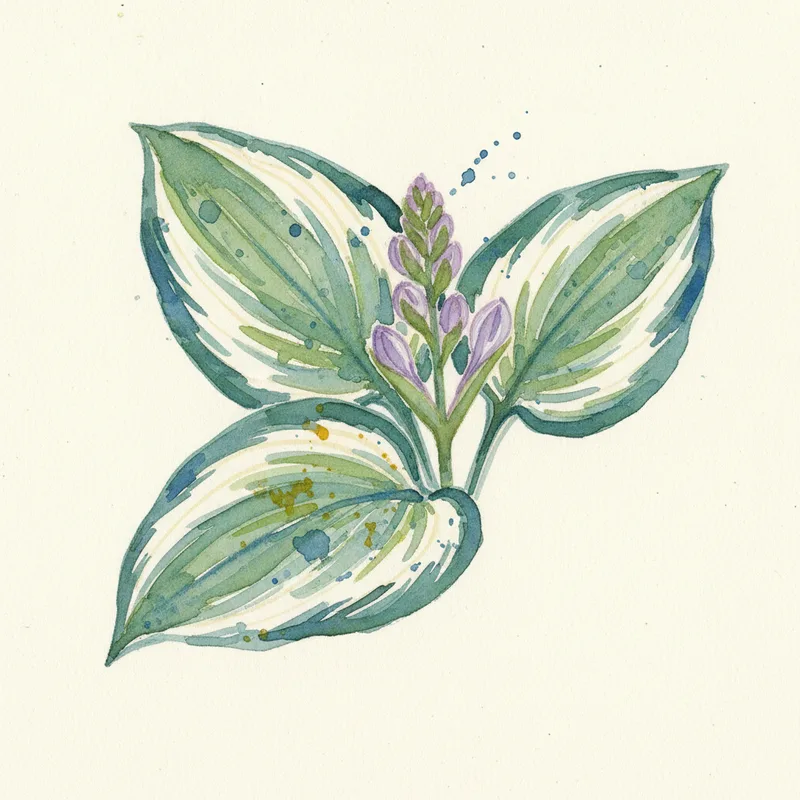
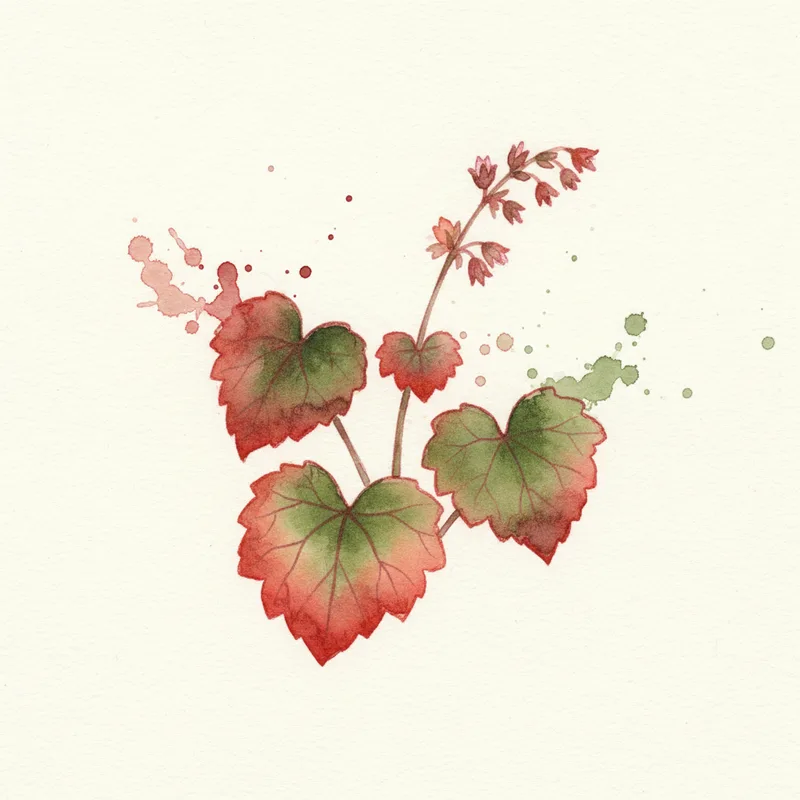
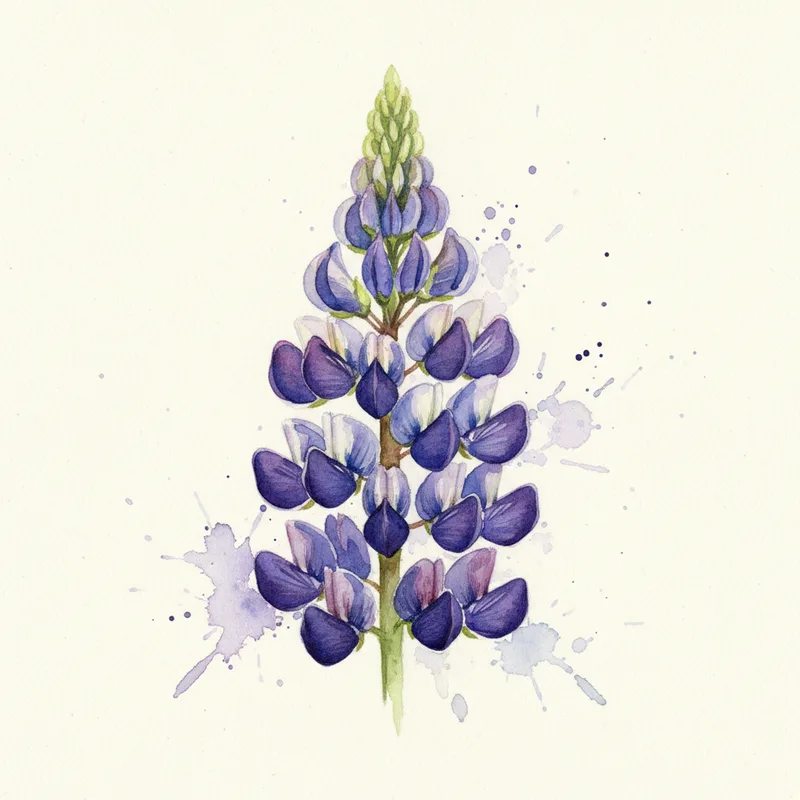
Set plants 12 to 18 inches apart and let them mingle. Columbine looks contrived in stiff rows and magical in loose drifts threaded through other shade and woodland plants. It is a natural partner for bleeding heart, the spring ephemeral Virginia bluebells, low-spreading wild geranium, and early-blooming hellebore, all of which enjoy the same part-shade, woodsy conditions. For structure and a later show, pair it with the broad foliage of hosta and the ruffled mounds of coral bells, both of which carry the bed after the columbine bloom fades. In a sunnier cottage scheme it sits beautifully alongside spires of foxglove and lupine, and it hands the hummingbirds off to summer bee balm as the season turns.
Planting columbine
You can start columbine from nursery plants, from bare-root crowns, or from seed, and each path has its place.
- From potted plants: the fastest route to first-year bloom. Plant in spring or early fall, setting the crown at soil level (never buried), and water in well. Spring-planted nursery stock often blooms the same season.
- From seed sown outdoors: cheap and effective, but patient. Columbine seed germinates best after a cold, moist spell, so sow in fall and let winter do the chilling, or refrigerate seed for three to four weeks before a spring sowing. Press seed onto the surface; it needs light to germinate, so do not bury it. Seed-grown plants usually skip bloom the first year and flower in year two.
- Skip division: columbine resents having its long taproot disturbed and divides poorly. Do not try to split clumps to make more. Let it self-sow instead, which is what it wants to do anyway.
The leaf miner problem (and the one-move fix)
This is the single most-searched columbine worry, so here is the clear answer. If you see pale white squiggly lines or blotches winding across the leaves, that is leaf miner, the larvae of a small fly tunneling between the upper and lower leaf surfaces. It looks alarming. It is almost entirely cosmetic. Leaf miner does not kill columbine and barely affects its vigor; it just makes the foliage ugly by midseason.
The fix is one decisive move, and it doubles as good general care: right after the main flush of bloom finishes, shear the entire plant down to a few inches above the ground. Cut off every leaf, mined or not. The plant responds by pushing out a fresh mound of clean, healthy foliage that stays handsome for the rest of the summer, and you remove most of the leaf-miner population in the same stroke. Toss the cut leaves in the trash rather than the compost to break the cycle. This one shearing also tidies the plant after its slightly floppy bloom and can sometimes coax a light rebloom. No sprays, no fuss.
Keeping columbine coming back: the self-sowing trick
Here is the most important thing to understand about this plant, because it explains nearly every question gardeners have. An individual columbine plant is genuinely short-lived, typically declining after about three to four years. Left to its own devices, though, a columbine planting persists indefinitely, because it self-seeds with enthusiasm. Each spent flower becomes a papery seed capsule that scatters dozens of seeds, and a fresh generation of seedlings comes up nearby to replace the parents. The planting wanders gently around the garden over the years, which is part of its charm.
You get to steer this. To perpetuate a planting, leave at least some seed heads standing in early summer and let them drop; you will have volunteer seedlings to transplant or thin. To keep it tidy and prevent unwanted spread, deadhead the flowers before the capsules ripen, which stops the seeding entirely but also ends the free replacements.
One catch worth knowing: most garden columbines are hybrids, and hybrids do not come true from seed. The seedlings are a genetic shuffle, so over several generations a planting of fancy named bicolors tends to drift back toward simpler, wilder colors. That is not a problem so much as a feature if you love the species look. If you want to hold a specific named variety long term, buy fresh plants of it periodically rather than relying on its seedlings to stay identical.
Year-round care calendar
- Spring: plants leaf out early; keep soil evenly moist as bloom buds form. This is peak hummingbird season, so resist any urge to spray.
- Late spring to early summer: the main bloom. Decide now whether to leave seed heads (for self-sowing) or deadhead (for control).
- Just after bloom: shear the whole plant to a few inches to defeat leaf miner and refresh the foliage.
- Summer: enjoy the clean new mound of leaves; water during heat and drought.
- Fall: a fine time to plant new columbine or sow seed for next year's cold stratification. Leave a little foliage going into winter.
- Winter: fully hardy in zones 3 to 8; no protection needed. Avoid wet, poorly drained spots that rot the crown.
Common columbine questions
Is columbine a perennial?
Yes, columbine is a perennial, but a short-lived one. Any single plant typically thrives for about three to four years before it fades. Because it reseeds so freely, a planting effectively renews itself and can occupy the same patch of garden for decades even as the individual plants come and go.
Does columbine come back every year?
It does. Columbine is hardy in USDA zones 3 to 8 and reliably returns each spring. Even when an aging plant finally gives out, the self-sown seedlings it left behind step in to take its place, so you keep getting columbine year after year as long as you let some flowers go to seed.
Does columbine spread?
Yes, but by seed rather than by aggressive roots, so it is easy to manage. It scatters seed from its dried capsules and pops up in new nearby spots, drifting gently through a bed over time. To encourage spread, leave the seed heads; to stop it, simply deadhead the flowers before the seeds ripen.
Is columbine deer resistant?
Strongly so. The foliage is bitter and mildly toxic, so deer and rabbits almost always pass it by. That makes columbine one of the more dependable choices for unfenced gardens and woodland edges where browsing pressure is high.
Does columbine grow in sun or shade?
Part sun to part shade is the sweet spot. In cool-summer and northern climates it tolerates full sun and often blooms most heavily there. In hot southern regions it needs afternoon shade or dappled light to keep its foliage from scorching and its short bloom from cutting even shorter.
What are the white squiggles on columbine leaves?
Those pale, winding trails are leaf miner, the larvae of a small fly tunneling inside the leaf. They are unsightly but essentially harmless and will not kill the plant. Shear the entire plant to the ground right after bloom and it flushes fresh, clean foliage for the rest of the season.
Related reading
- How to Grow Bleeding Heart: The Woodland Shade Classic
- Hummingbird Garden Plants That Actually Work
- The Best Plants for Full Shade
- Shade Garden Design: Layering Light and Leaf
- Cottage Garden Flowers and Design
- Deer-Resistant Plants That Actually Look Good
Browse shade-friendly zones
See what pairs with columbine where you garden: Zone 4 in spring, Zone 5 in spring, Zone 6 in spring, and Zone 7 in spring.
What's growing, what's blooming, what's worth planting.
For gardeners who like to stay ahead.