What to Plant in August: The Month You Plant for Next Year
August is not a dead zone between summer and fall. It is the hinge: fall-blooming corms, bearded iris division, and biennial seed all go in now, by zone.
Most planting guides treat August as a dead zone. Too hot to plant, too early for fall, nothing to do but water and wait. That is not quite true, and believing it costs you an entire season.
August is the hinge month. It is when the garden stops being about this year and starts being about next year. A handful of things go in the ground now or they do not go in at all: fall-blooming corms that flower within weeks, bearded iris that has to be split in this exact window, biennial seed that needs the rest of the season to build a root before winter. Miss August and you are not waiting a few weeks. You are waiting twelve months.
Here is what actually goes in, by zone and by goal, and what to leave alone until September.
The one rule that decides everything
Anything you plant now has to build roots before the ground freezes. Call it six weeks of decent root-growing weather as a working minimum. Count backward from your average first hard frost and you will know instantly whether August is a planting month for you or a planning month.
Zones 3 to 5: the runway is short and it is closing. Plant in the first two weeks of the month, not the last. By September you are into cleanup and bulb planting, not establishment.
Zones 6 to 7: this is the real pivot. It is still hot and it feels like midsummer, but the nights turn in about three weeks and you have time to establish almost anything if you plant early in the month and water it properly.
Zones 8 to 10: August is still the hard part of the year. Soil temperatures are punishing and new roots cook. Treat August as ordering and preparation. Your real planting season starts in September and runs through the fall, which is the best planting window you get all year.
If you are not sure where the line falls in your yard, the USDA zone map and frost date reference will tell you.
The three things that only get planted in August
These are the genuinely time-locked jobs. Everything else in this guide can slide a few weeks. These cannot.
1. Fall-blooming corms, planted now, in bloom by September
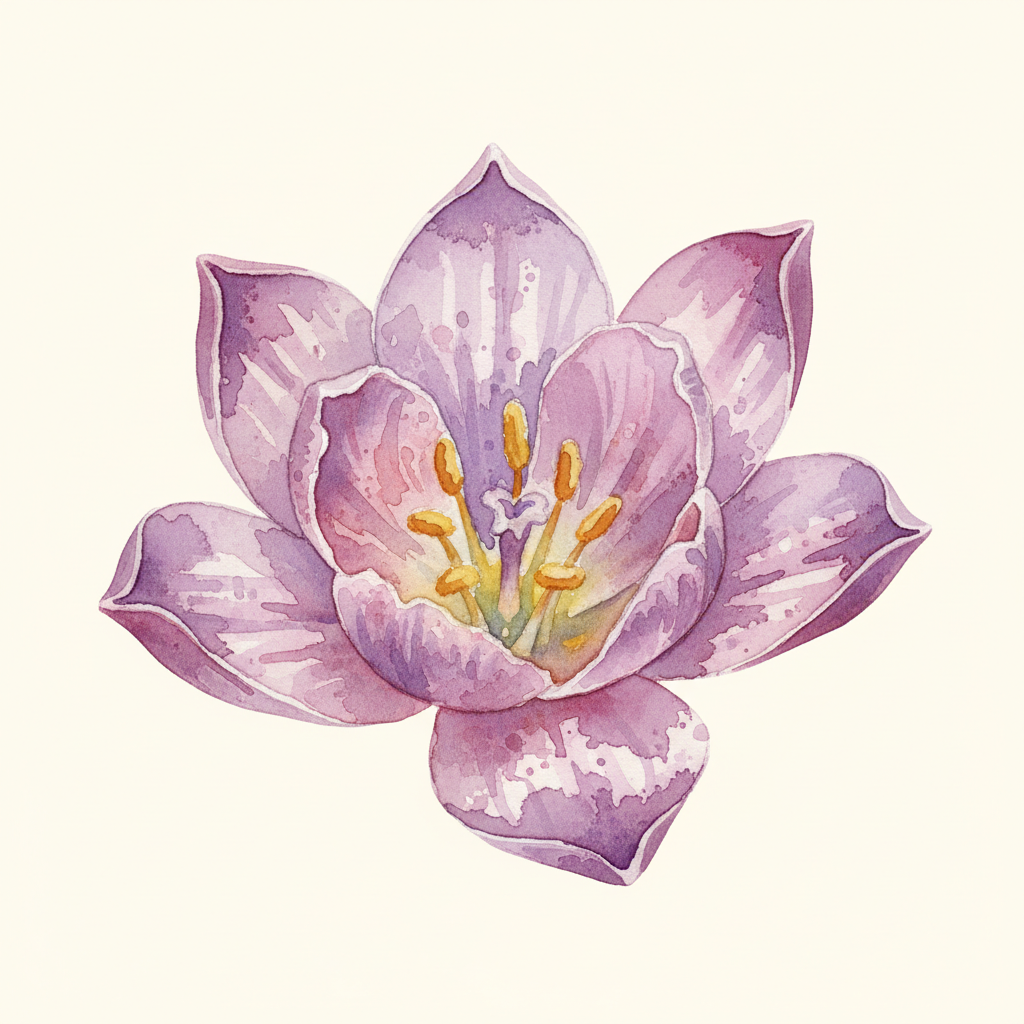
Colchicum, usually sold as autumn crocus, is the most satisfying thing you can plant this month, because it barely waits. Corms go in during mid to late summer and the flowers come up in early fall, roughly September in the Midwest. There is no long wait and no ambiguity about whether it worked.
It is also strange in a way worth understanding before you plant it. The flowers come up naked, on bare stems with no leaves at all. The foliage arrives the following spring, grows broad and rather coarse for a few months, and dies back in early summer, which is why the corm is sitting there empty and ready to flower by fall. Plant it where a patch of untidy spring leaves will not bother you: under deciduous trees, through rough grass, at the edge of a border rather than the front of one.
Two practical notes. Buy early and plant the moment the corms arrive, because they will start flowering in the bag if you leave them in a paper sack on the potting bench. And know that every part of the plant is seriously poisonous if eaten. That is not a mild caution about stomach upset. Site it accordingly if small children or grazing pets use the garden.
2. Bearded iris, dug and divided
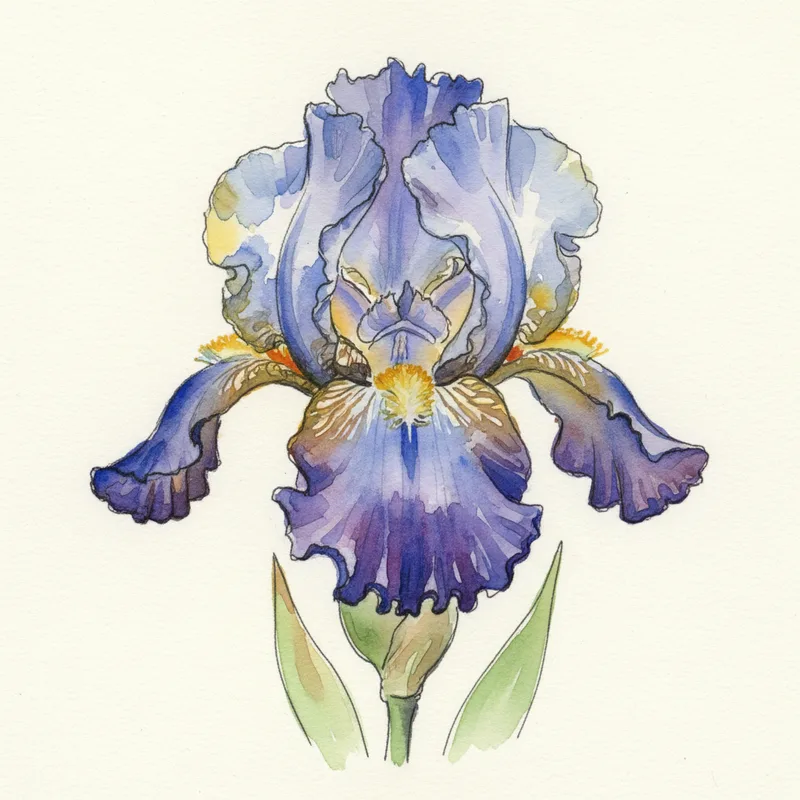
If your bearded iris bloomed thinly this spring, or the clump has gone hollow in the middle, this is the month to fix it, and it is close to the only month. Extension guidance across the Midwest and Southeast lands on the same window: July and August are the best time to dig, divide and transplant bearded iris, roughly every three to five years, once flowering starts to decline. Divide now and the new rhizomes have time to root before winter. Divide in October and you are gambling.
The method is unfussy and the two details that matter are the ones people get wrong:
- Lift the clump and hose the soil off so you can see what you are doing.
- Cut the leaves back to about a third of their height. It looks brutal and it is correct.
- Snap or cut the rhizome into pieces, each with a fan of leaves and healthy white roots. Throw away the old, soft, hollow center.
- Replant shallow. The rhizome sits at or just barely below the soil surface, slightly exposed to the sun. Burying it is the single most common way to kill a bearded iris, because a buried rhizome rots.
- Space them 12 to 18 inches apart, with all the leaf fans pointing the same direction, so the clump grows outward in an orderly way instead of into itself.
You will end up with far more pieces than you started with. That is the point. Iris division is the cheapest way to fill a border that exists.
3. Biennial seed, sown now for next spring
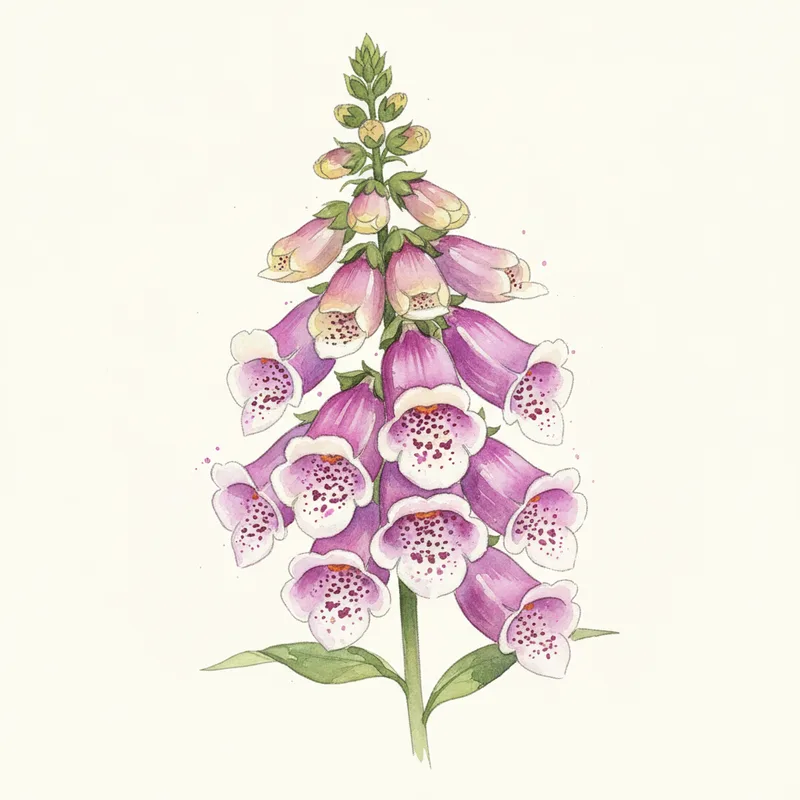
This is the job almost nobody does, and it is the reason some gardens have towering foxgloves in June and yours do not. Biennials and short-lived perennials grown as biennials need two seasons: a year to build a leafy rosette, then a year to flower. Sow them in late summer, let them size up through fall, overwinter as a small plant, and they bloom next spring and summer.
Sow now, in a nursery bed or in trays somewhere out of the worst sun:
- Foxglove, for spires in early summer.
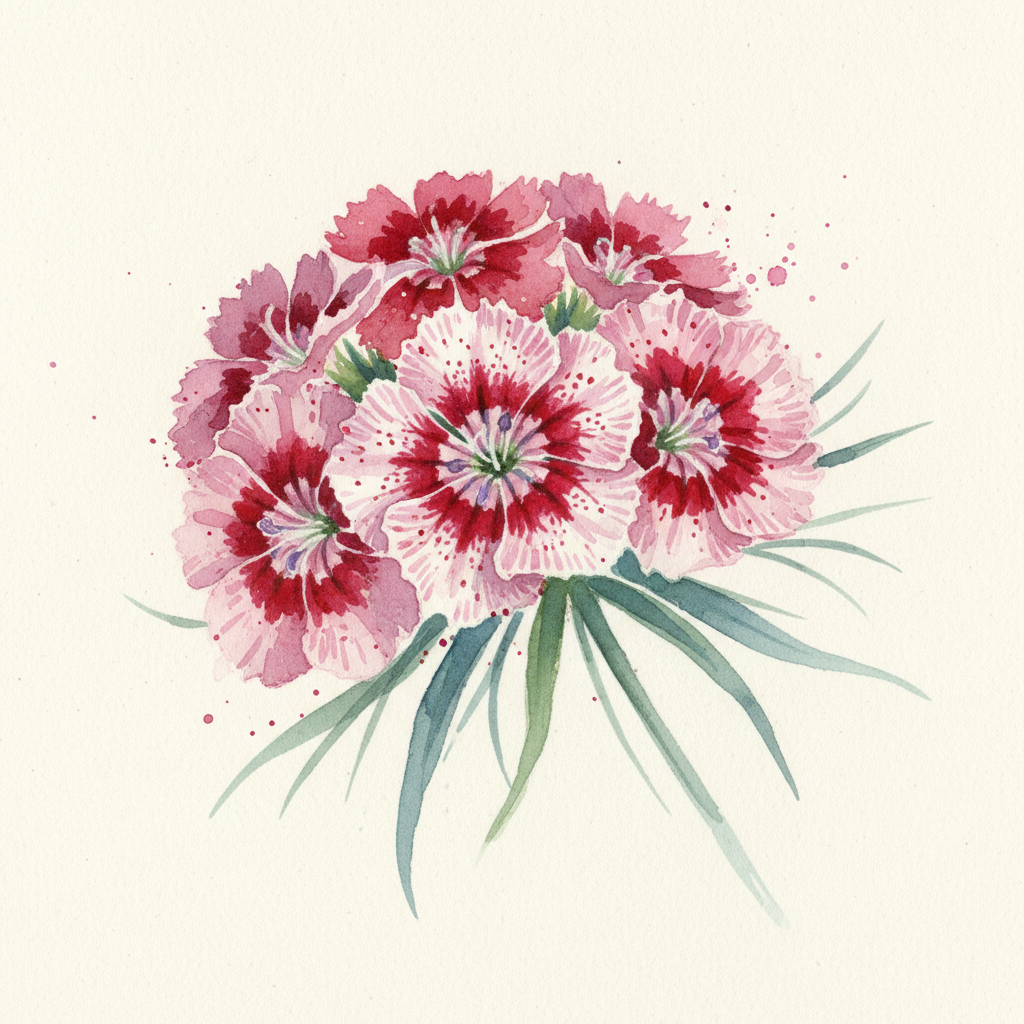
- Sweet William, for dense fragrant clusters in late spring.
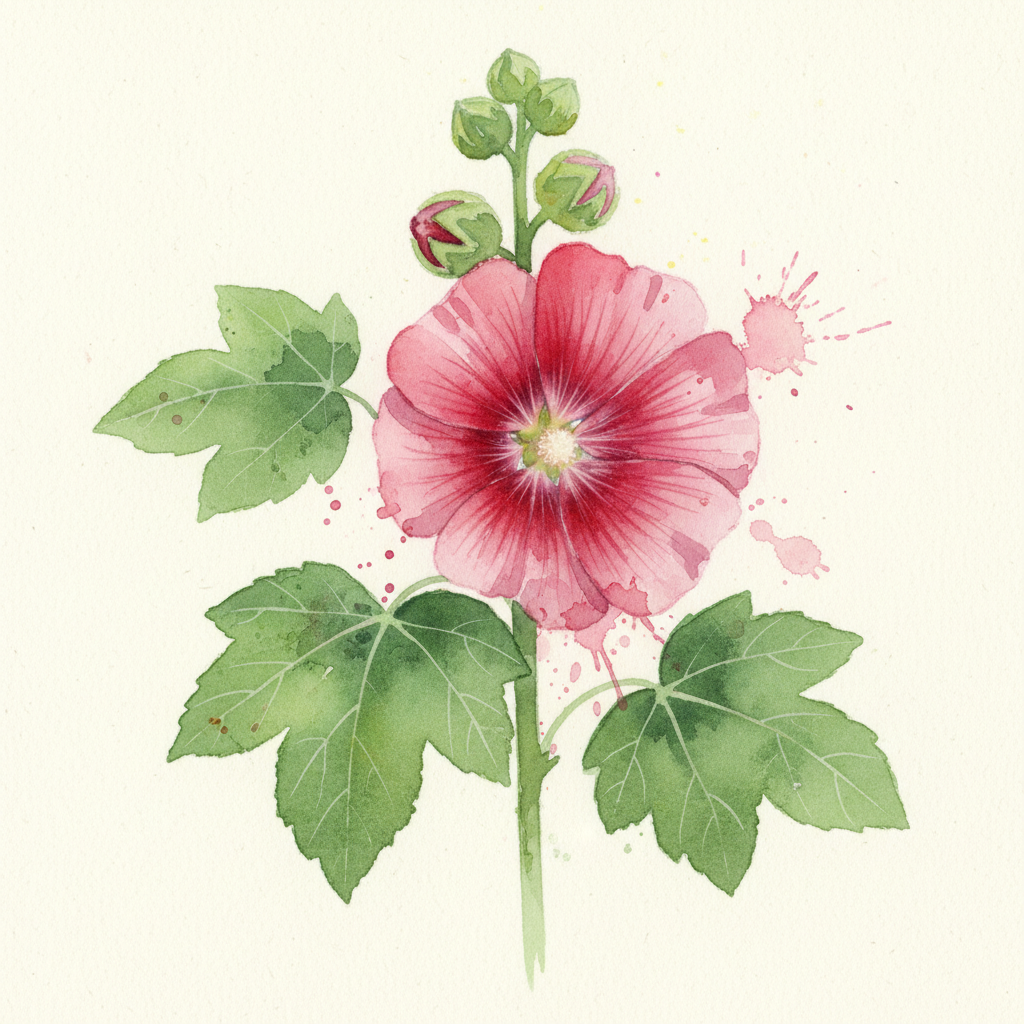
- Hollyhock, which acts as a biennial almost everywhere, leaves the first year and six-foot spires the second.
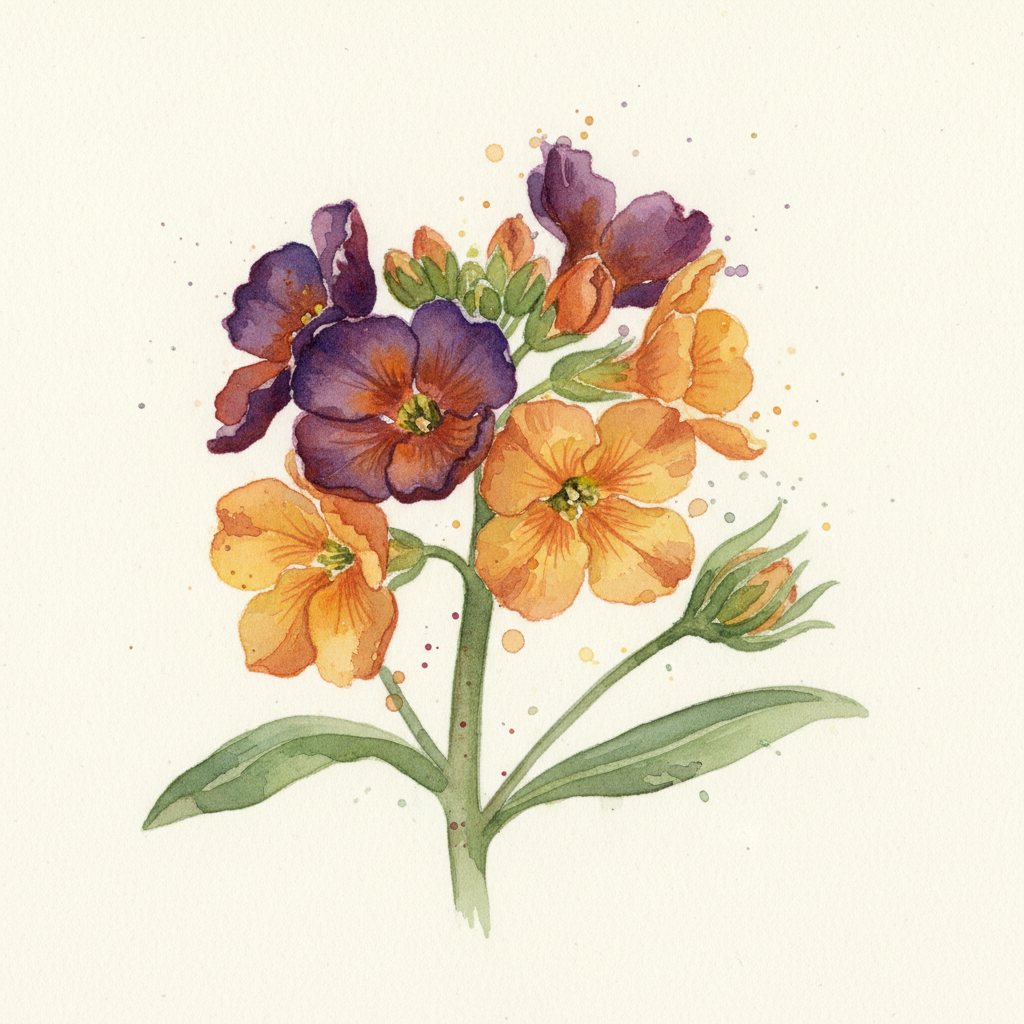
- Wallflower, for burnished spring color and real scent.
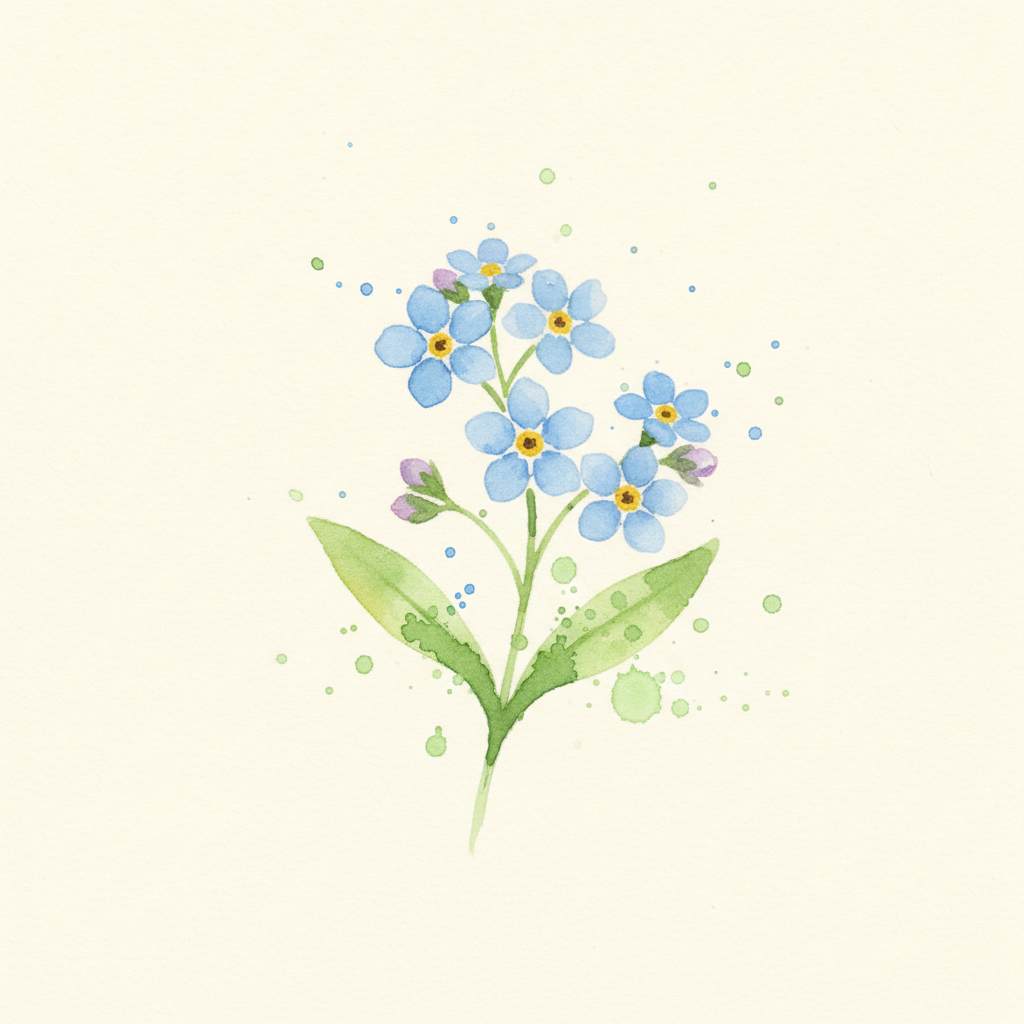
- Forget-me-not, which will then self-sow around your tulips forever.
Earlier in the month is better than later. A plant that goes into winter as a decent rosette gives you a decent flower spike. One sown in September usually survives and then flowers apologetically.
What you can still plant for color this year
This part is entirely zone dependent, and being honest about your own frost date saves money.
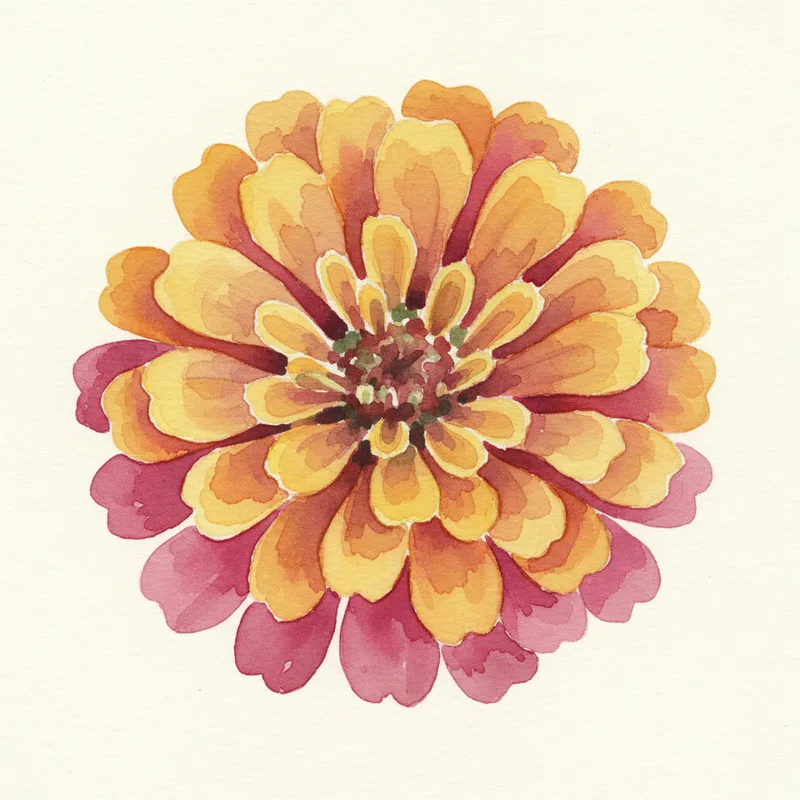
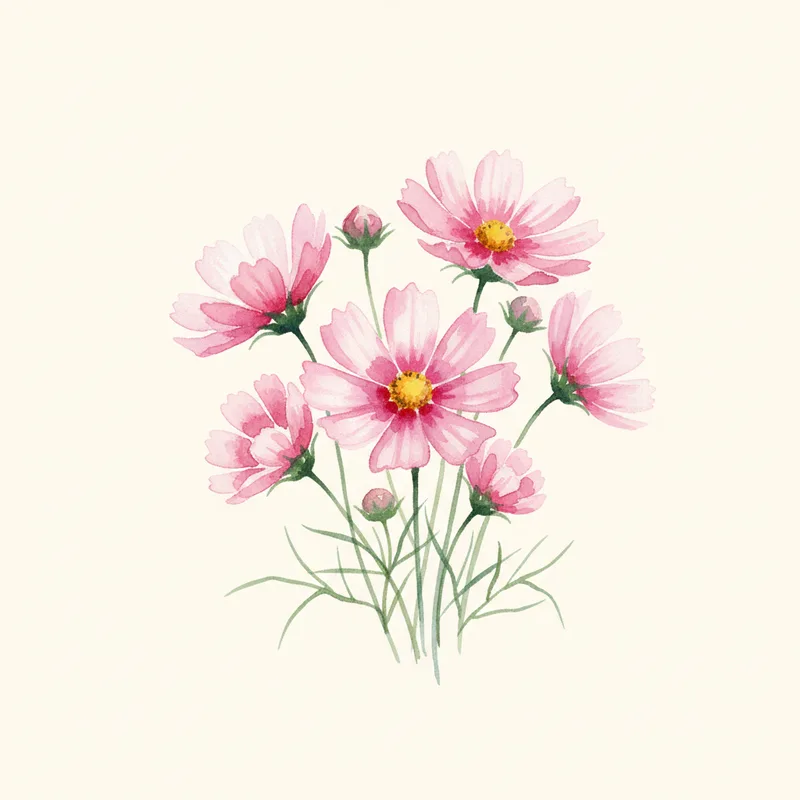
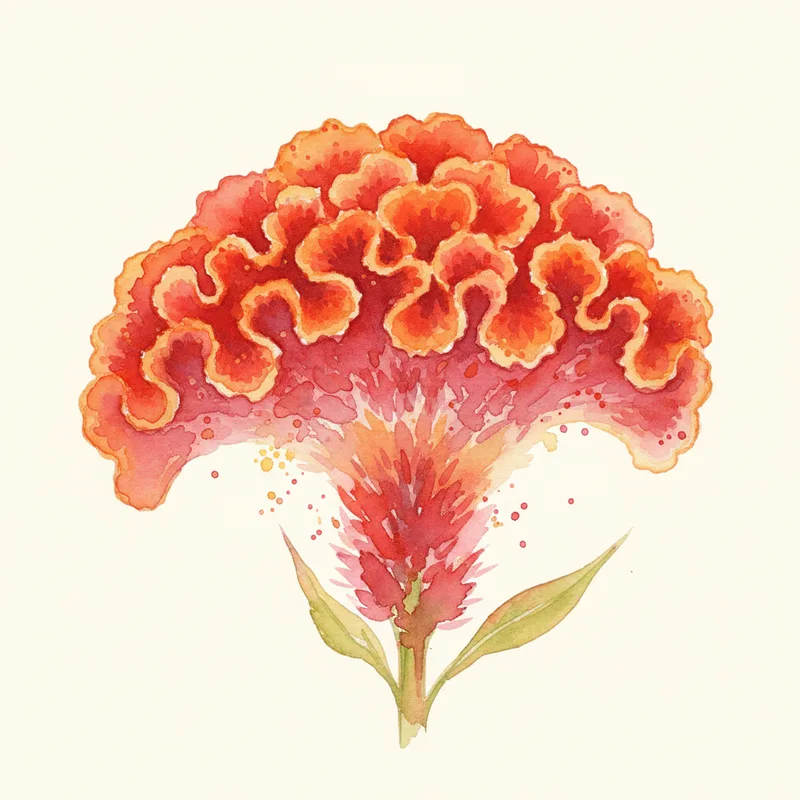
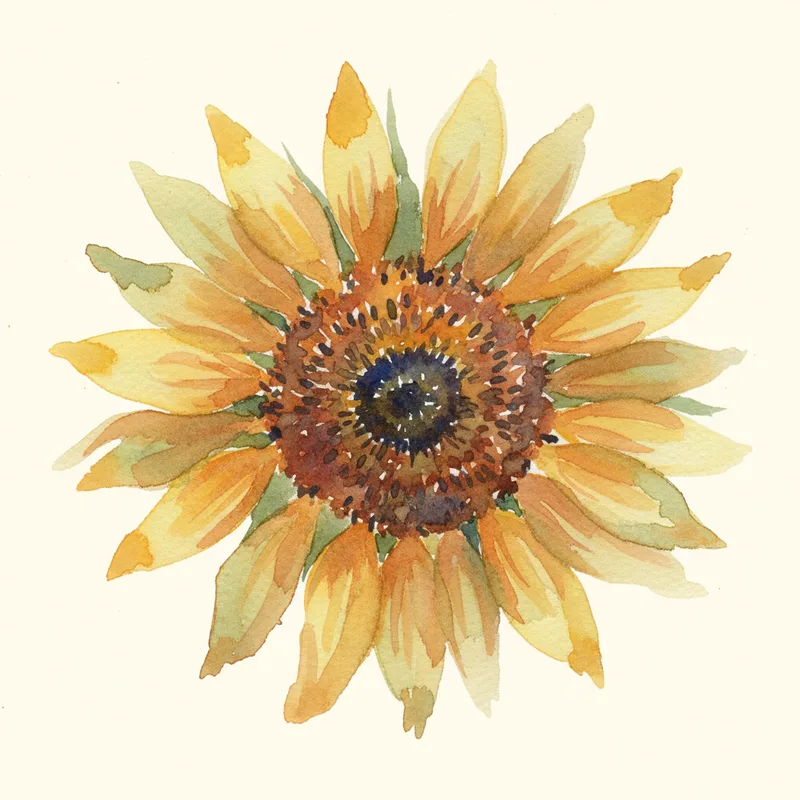
Zones 8 to 10, direct sow now for fall bloom. Zinnia, cosmos, celosia and short sunflower cultivars run roughly 60 to 70 days from seed to flower. Sown in the first half of August, that puts you in bloom through October and often past it. Warm soil germinates them fast, which is the one advantage August gives you.
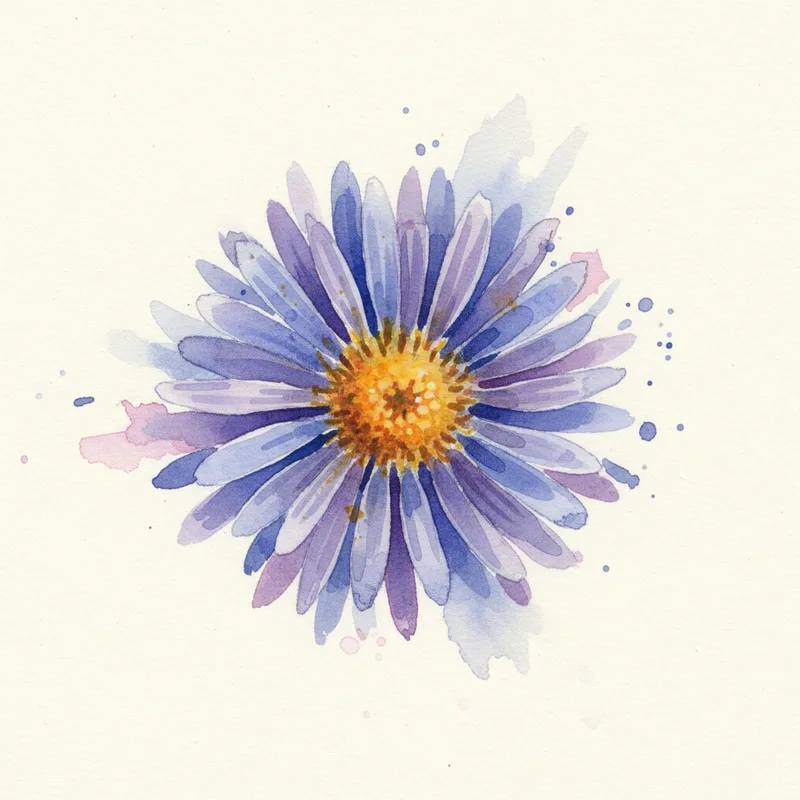
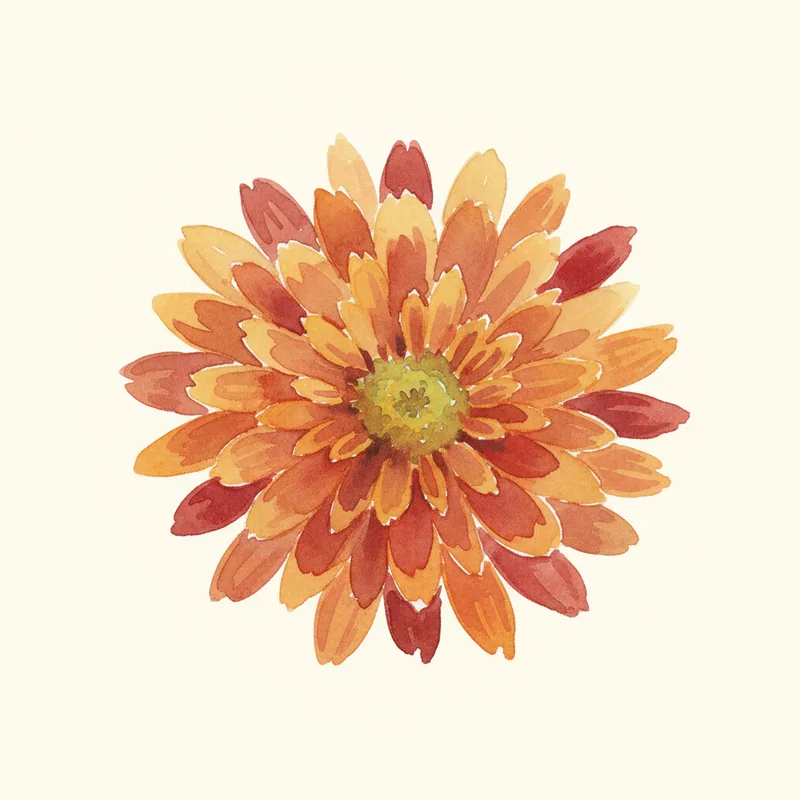
Zones 5 to 7, buy starts rather than seed. There is not enough season left for most annuals from seed, but chrysanthemum and aster planted now as small green starts will root in and bloom on schedule in September and October. Buy them small and unopened. The fully blooming mums stacked outside every grocery store in September are already at the end of their display, which is exactly why they are cheap.
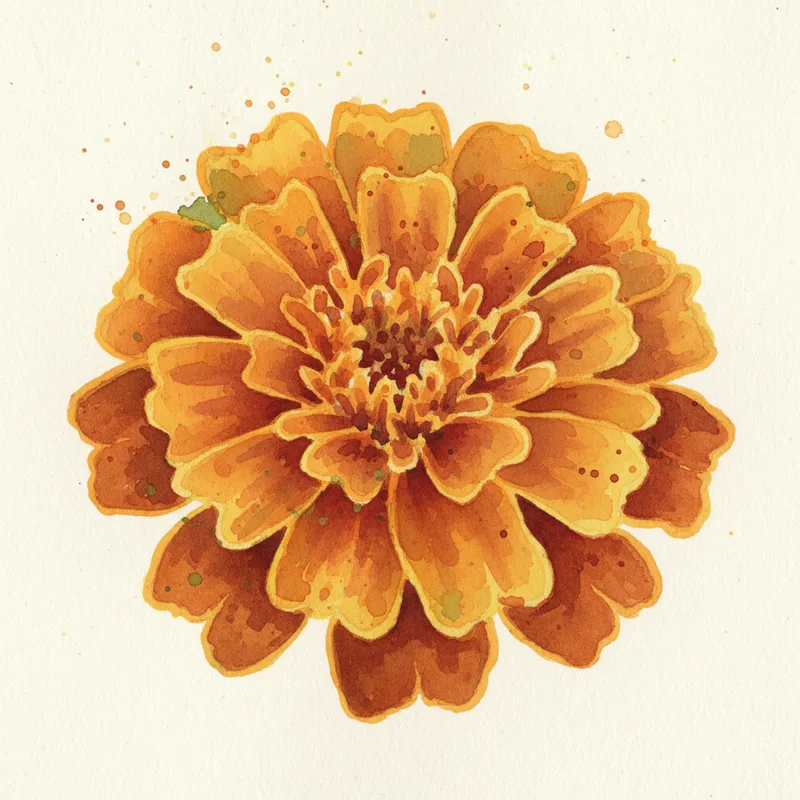
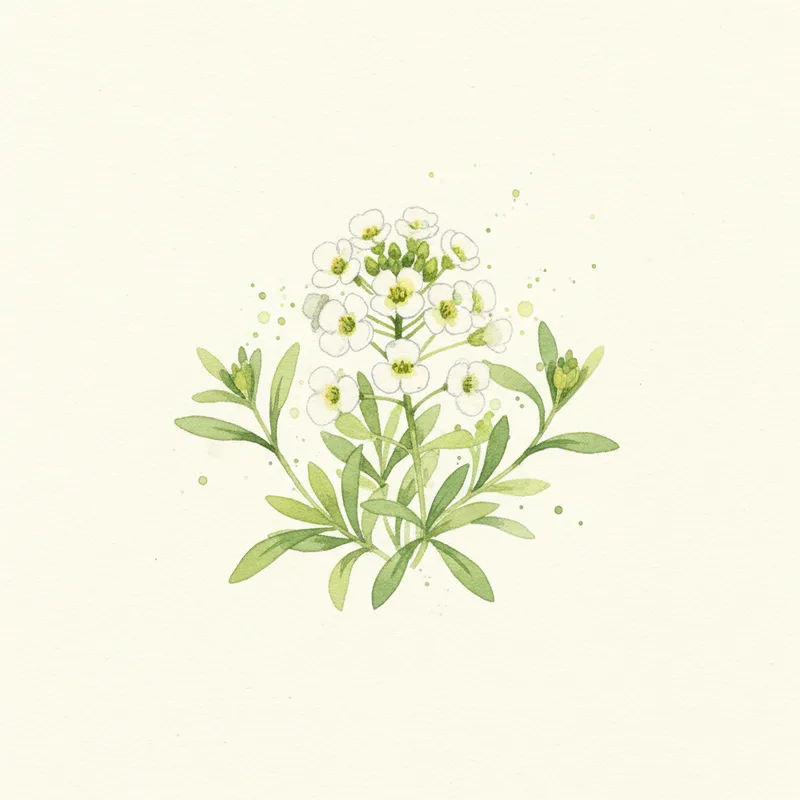
Everywhere, containers are the exception. A pot is not the open ground. You control the water completely, so a tired summer container can be pulled apart and refilled in August with marigold, celosia, or sweet alyssum and it will look right until frost.
Late August: the cool-season seed window opens
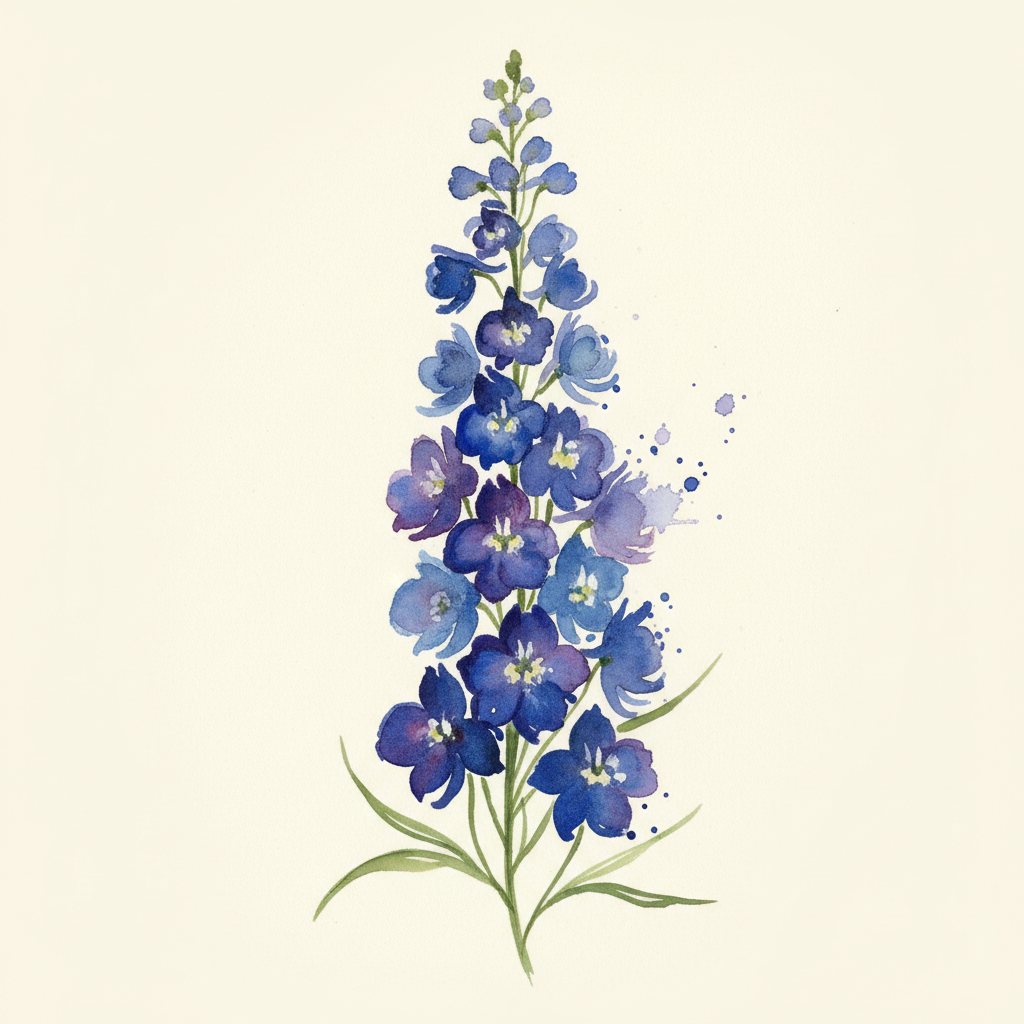
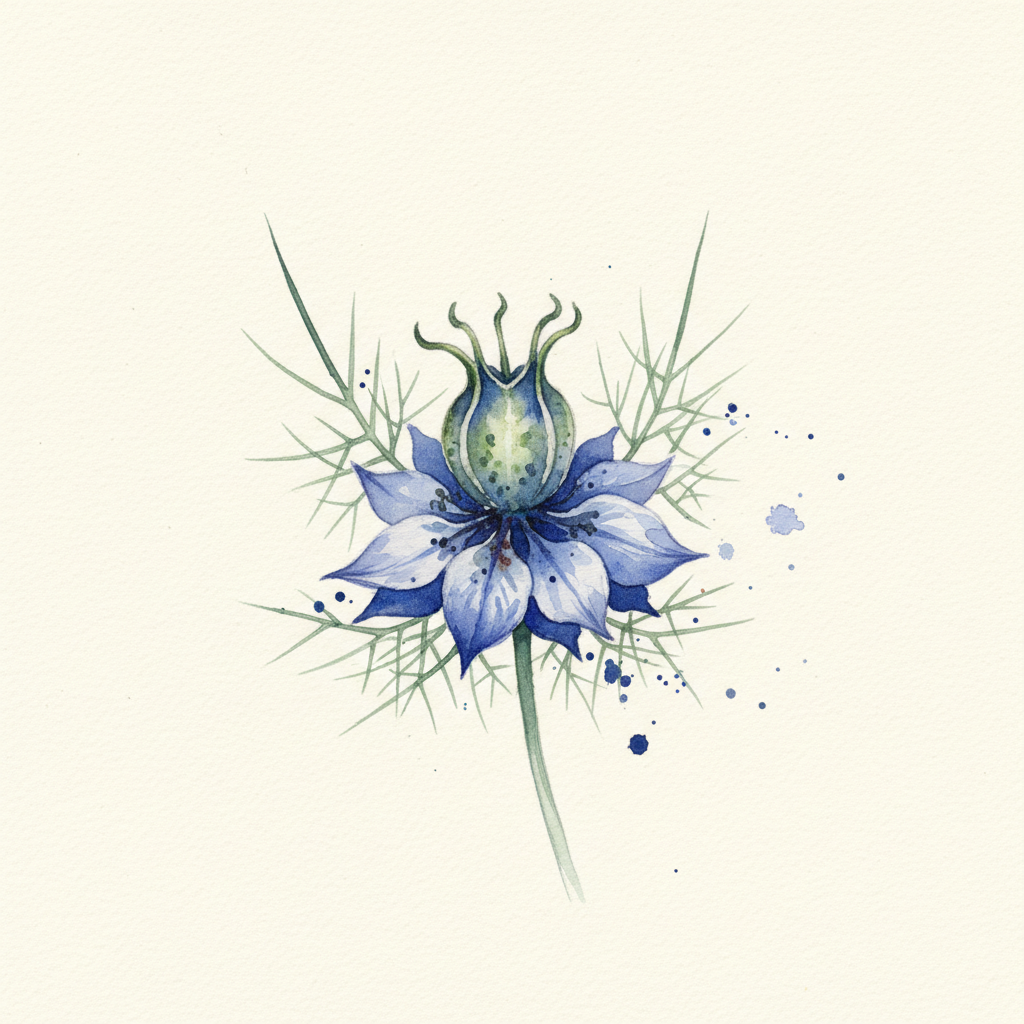
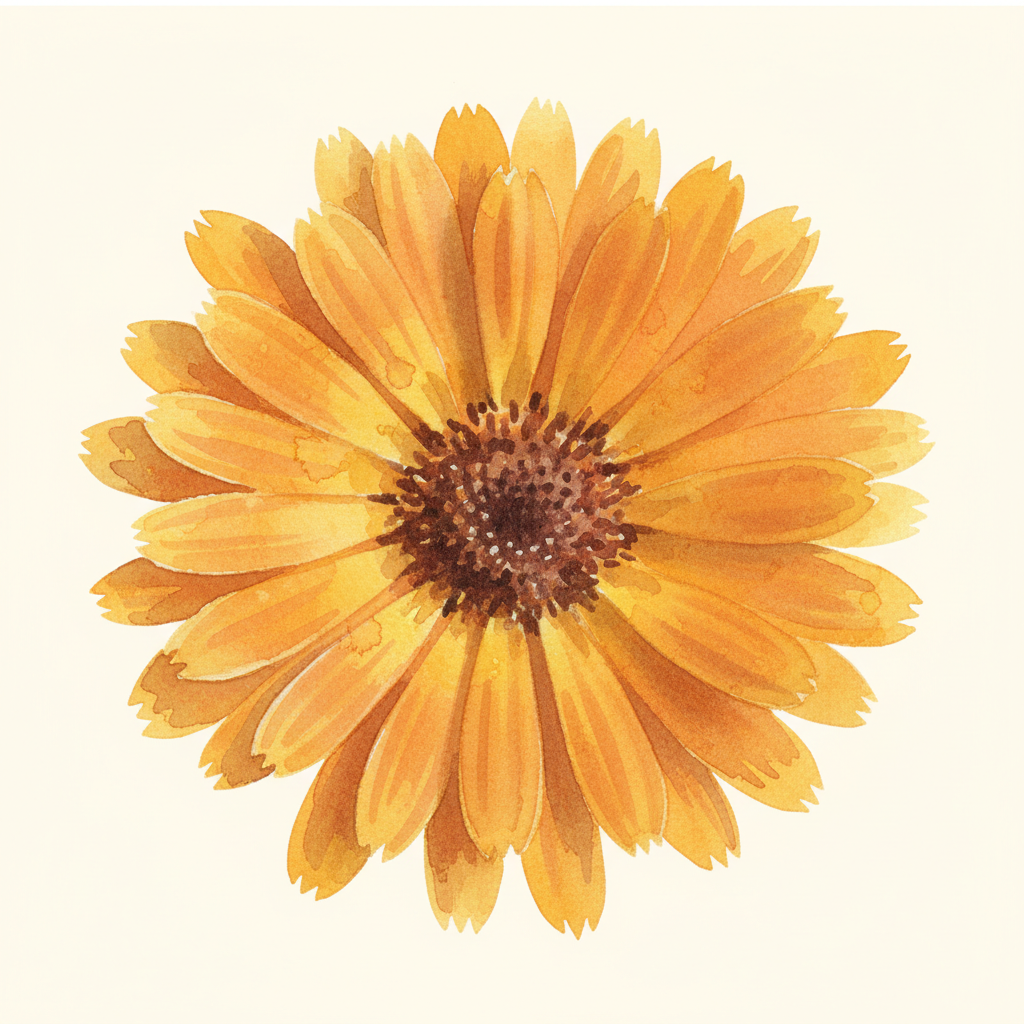
In zones 6 and warmer, the last week or so of August starts the window for hardy annuals that prefer to germinate in cooling soil and flower early next year: larkspur, nigella and calendula. These resent being started in heat and reward autumn sowing with much stronger, earlier plants than a spring sowing ever produces. If your nights are still in the seventies, wait two more weeks. They will tell you by not germinating.
Order now, plant later
August is when the fall catalogue decisions get made, and the good material moves fast.
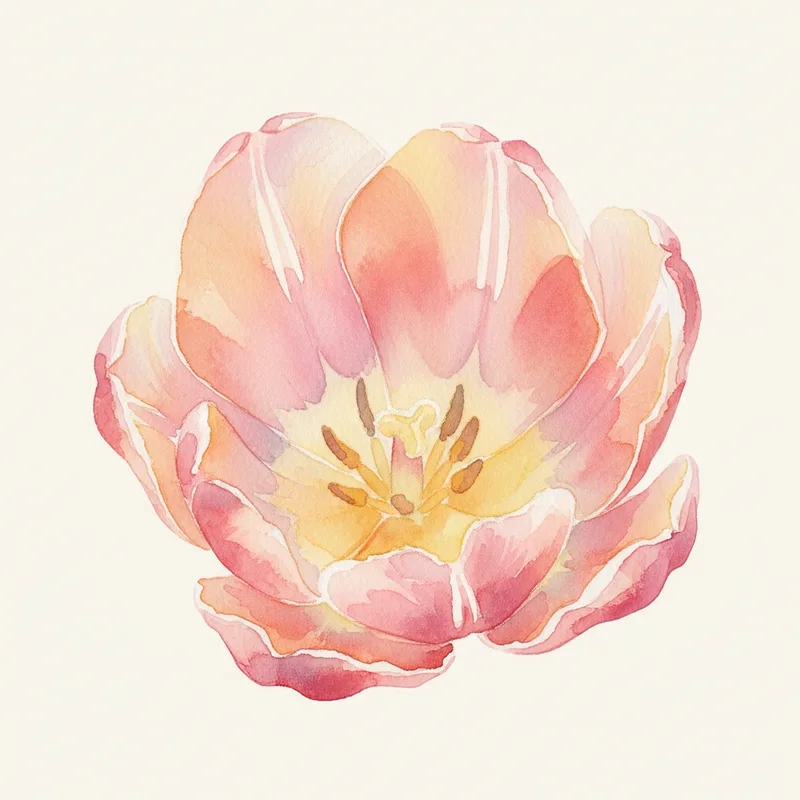
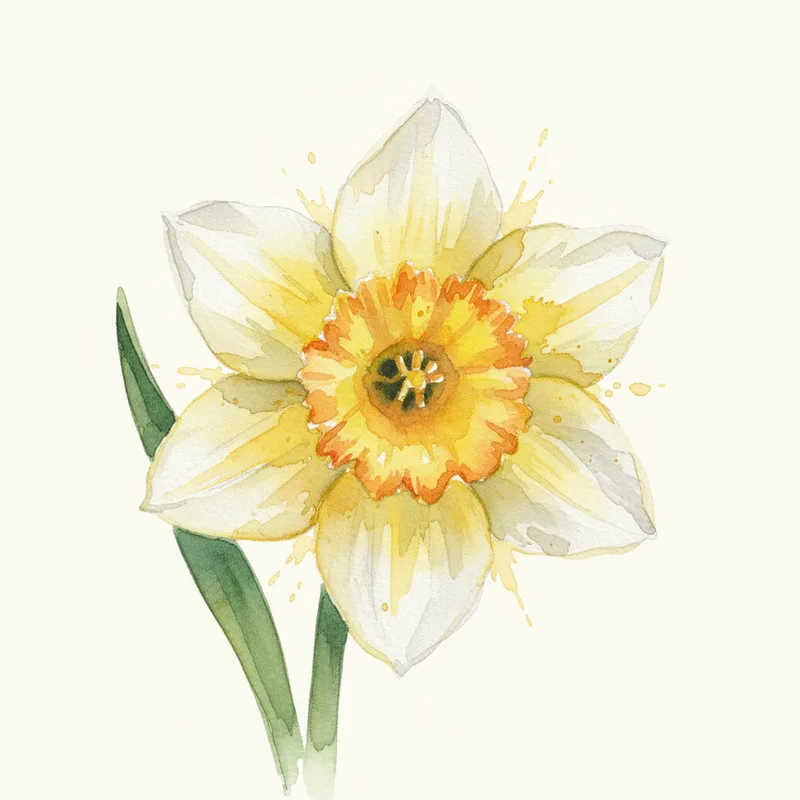
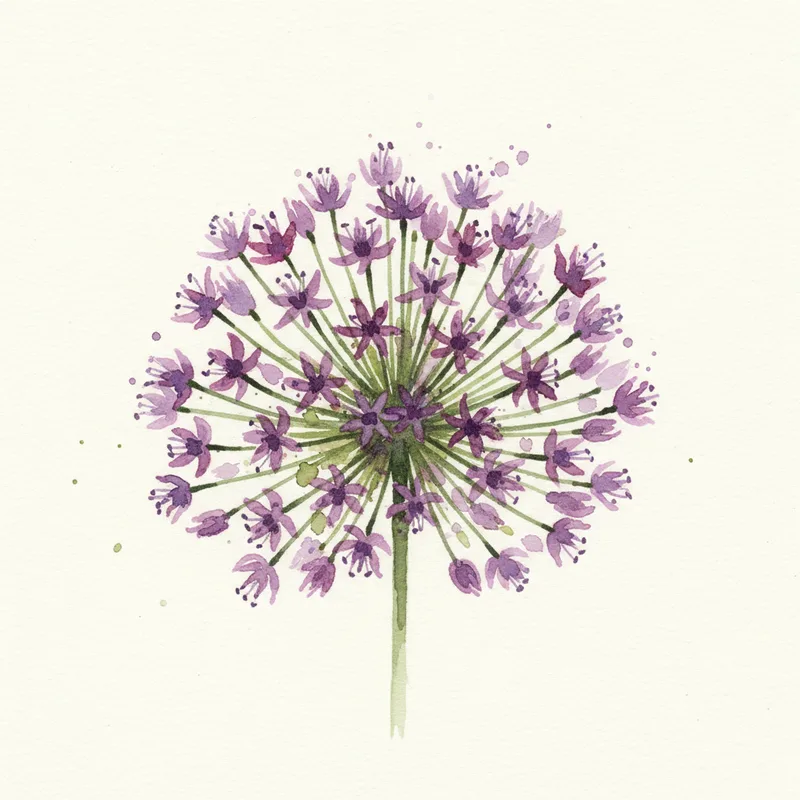
Spring bulbs. Tulips, daffodils and alliums are not planted now, they are bought now. Suppliers list their deepest inventory in early summer and the named cultivars sell out through August, shipping in September and October for fall planting. Order in September and you get whatever is left, which is generally the mixtures nobody chose.
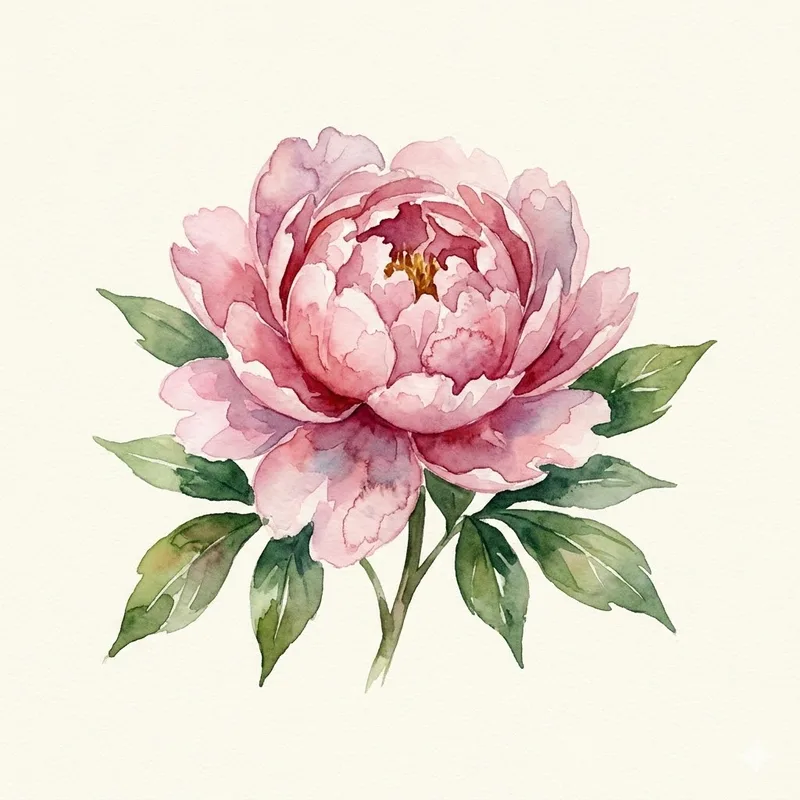
Peonies. Peony roots ship and plant in fall, not now, but this is the month to choose. Peonies are also the one thing on this list worth being fussy about, since a well-sited plant will outlive you and a badly sited one sulks for a decade.
What not to plant in August
A short list, and the discipline is worth as much as the planting.
- General perennial installation in zones 8 and up. The soil is too hot, the roots do not run, and September is four weeks away and vastly better. Wait.
- Anything bare root. Bare-root stock wants dormancy and cool soil. August offers neither.
- Blooming mums, if you want them to come back. A mum bought in full flower has spent its energy on the display and rarely establishes. Buy green, or buy it as the disposable seasonal decoration it is and do not expect a perennial.
- Trees and shrubs, in most zones. These are a fall job, once the heat breaks.
Watering what you do plant
Everything above lives or dies on this and it is the least interesting part, which is why it gets skipped. Soak at planting until water stands on the surface. Water again the next morning. Then every other morning for two weeks, then twice a week for two more. Water the soil, slowly and deeply, not the leaves, and not in a quick evening sprinkle that wets the top inch and evaporates by nine.
Mulch three to four inches deep, kept off the crowns. In August, mulch is not about weeds. It is about keeping the root zone ten degrees cooler than the air, which is the difference between a plant that roots and a plant that survives in a holding pattern until October.
The bottom line
August rewards a specific kind of gardener: the one willing to do work now for a payoff that arrives in September, or next May, or the June after that. Plant colchicum and you get flowers in six weeks. Divide the iris and you get bloom next spring plus a dozen free plants. Sow foxglove seed and you get spires next June that the person who waited until spring will not have.
Do those three things and skip the rest. That is a good August.
For what is flowering right now, see What's Blooming in August. For the month just past, see What to Plant in July, and for the big autumn planting push ahead, What to Plant in September.
For a month-by-month chore checklist tailored to your USDA zone, see the garden chores by zone guide.
What's growing, what's blooming, what's worth planting.
For gardeners who like to stay ahead.