Echinacea: How to Grow Purple Coneflower That Returns
Straight-species purple coneflower returns for years; many fancy hybrids do not. How to grow echinacea that comes back, plus when to deadhead.
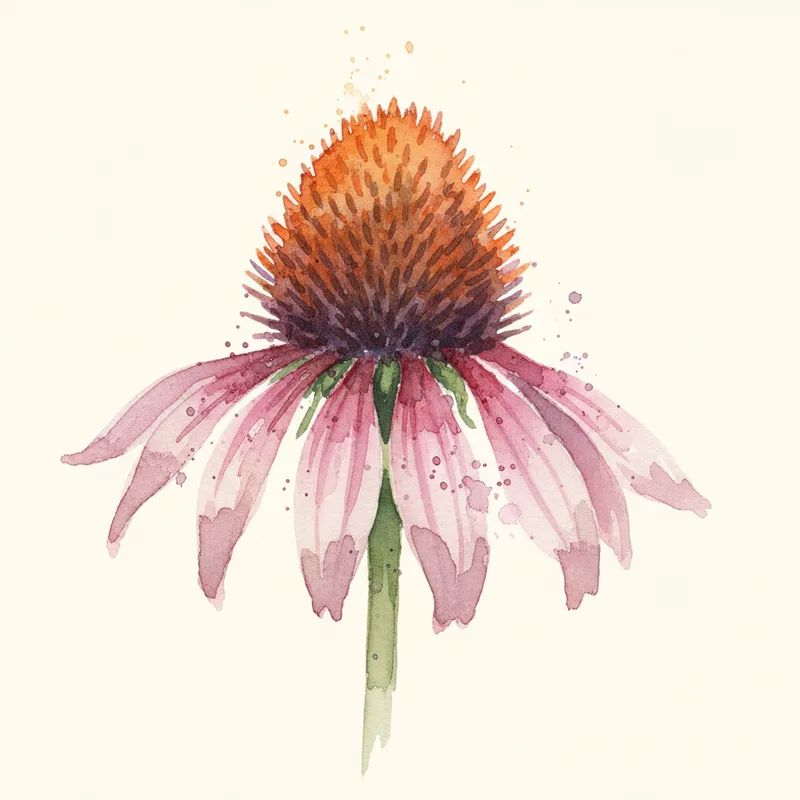
If you have ever bought a coneflower in a gorgeous mango or coral color, watched it dazzle for one summer, and then found a bare patch where it used to be, you are not a bad gardener. You bought the wrong echinacea. The good news is that the plant that started it all, the plain purple coneflower, is one of the most reliable perennials you can grow. Once you know which one to plant and where, it comes back and spreads for years with almost nothing from you.
The straight species returns for years. The fancy hybrids often do not.
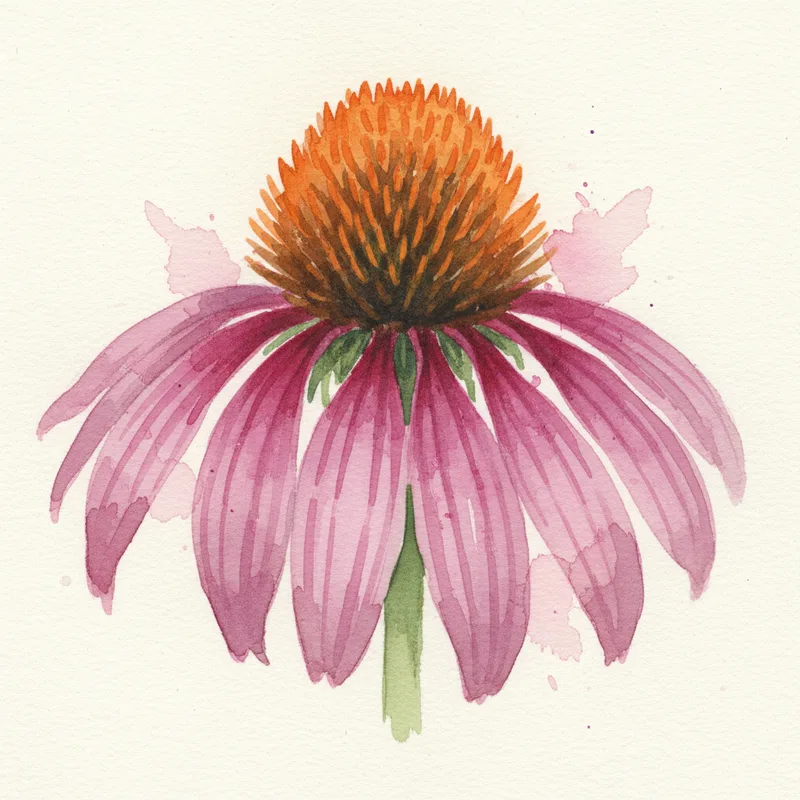
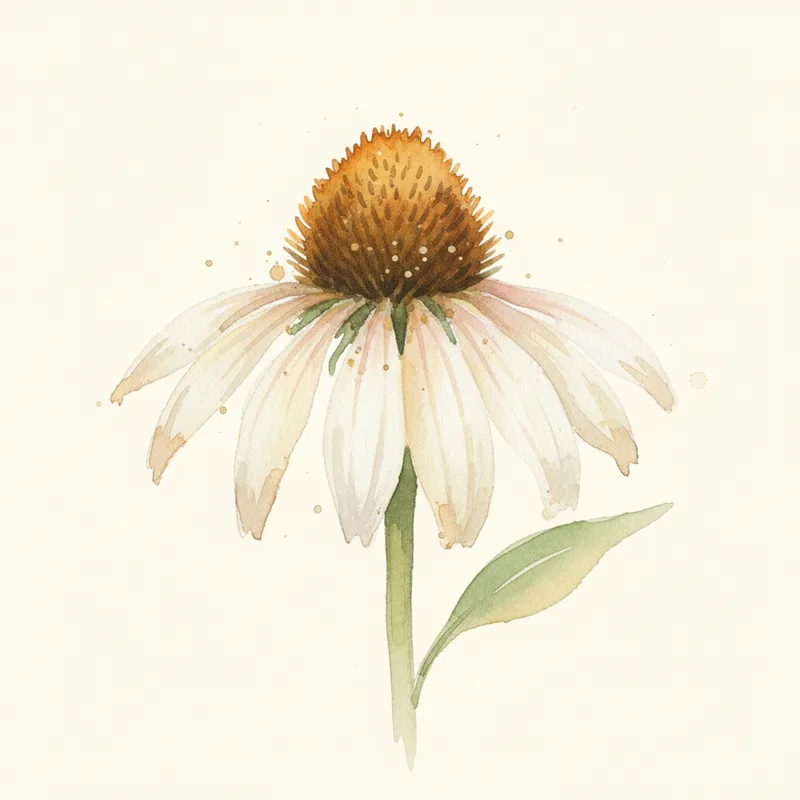
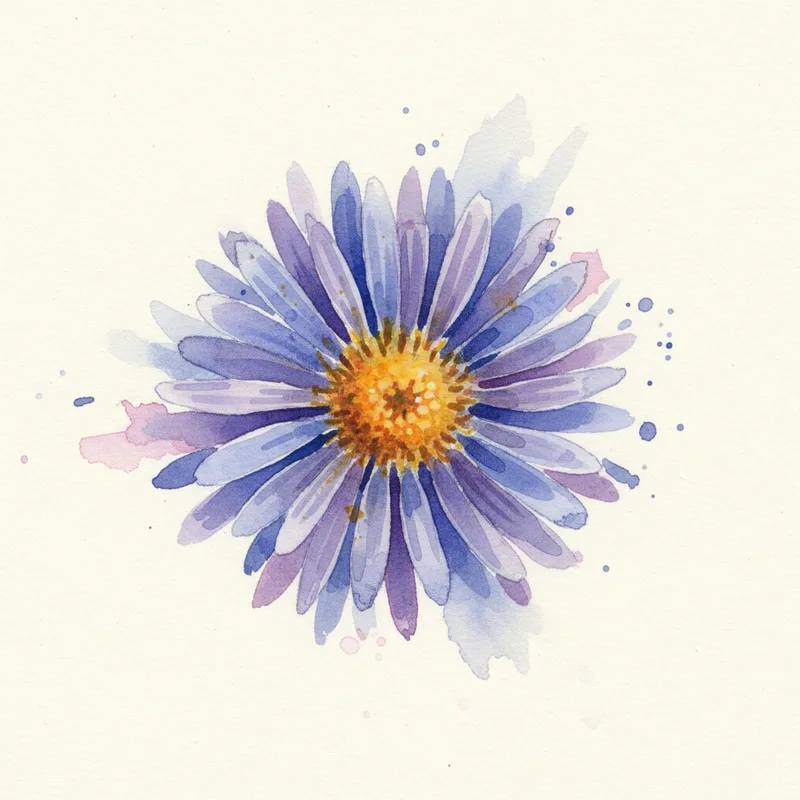
Here is the single most useful thing to know about echinacea. The species behind the name, Echinacea purpurea, the classic purple coneflower, is a tough prairie native that returns dependably and even seeds itself around. Its old, proven selections, like Magnus and the creamy White Swan, behave the same way: plant them once, enjoy them for years.
The trouble started when breeders began chasing color. The wave of newer coneflowers in hot oranges, reds, and doubles are often complex hybrids, and many of them are far less reliably perennial than the straight species. They can be dazzling in year one and simply gone by year two or three, especially in heavy or wet soil. This is not an absolute rule, since some perform well, but if your goal is a plant that returns every year, the honest advice is to lead with purple coneflower and treat the fancy colors as a gamble you take with your eyes open.
Where purple coneflower wants to live
Give it full sun and drainage and it asks for little else. Coneflower is a prairie plant at heart, happiest in six or more hours of direct sun, in ordinary or even poor soil, as long as water does not sit around its roots. It shrugs off drought once established, tolerates clay and sand, and is hardy roughly from zone 3 through zone 9. The one place it sulks is rich, damp, shady ground: too much shade and it flops and blooms poorly, too much winter wet and it rots. Right plant, right place here means sun and sharp drainage.
When it blooms, and it is blooming right now
Purple coneflower hits its stride in the heat of midsummer, which is exactly why you are seeing it in every good garden this month. From roughly July into September it carries its daisy-like flowers on strong stems, and a single established clump can bloom for two months or more. Deadheading through the season nudges it to keep producing, though as we will get to, there is a good reason to stop deadheading toward the end.
Planting it so it actually comes back
Plant in spring or early fall so the roots settle before the extremes of summer or winter. Space plants about 18 inches to two feet apart, since a happy clump widens over time. Water it through its first season while it roots in, then ease off, because this is a plant that resents pampering. Skip the rich compost and the regular feeding that other perennials enjoy: soft, overfed coneflower is floppier and shorter-lived than a plant grown a little lean. The goal is a tough, well-drained home, not a luxurious one.
A pollinator magnet that deer tend to skip
Few perennials pull in more life. The flat flower heads are landing pads for bees and butterflies all summer, and when the petals fade, goldfinches arrive to pick the seeds from the spiky central cones. The name echinacea comes from the Greek for hedgehog, for exactly that prickly seedhead. Deer, meanwhile, tend to leave coneflower alone, though as with any plant no gardener should call it deer-proof, since a hungry enough deer will sample almost anything. If pollinators are your aim, coneflower belongs in the plan. Browse our Pollinator Powerhouses collection for the rest of the cast.
Deadhead for more flowers, or leave the seedheads for the goldfinches
This is the honest tradeoff, the same one you face with black-eyed Susan. Snip off spent blooms through July and August and the plant pushes more flowers and looks tidy. Stop deadheading in late summer and you trade some of those late blooms for a standing crop of seedheads that feed the goldfinches, hold their shape through winter for real cold-season structure, and drop seed to give you free new plants next spring. There is no wrong answer. Many gardeners deadhead early for the show, then put the shears away in September and let the birds and the winter have the rest.
The one thing that kills coneflower: wet winter soil
If a coneflower fails to return, the culprit is almost always drainage, not cold. The plant is hardy well into the north, but its crown rots in soil that stays soggy over winter. If you garden on heavy clay, plant it high, work in grit, or choose a slope rather than a low spot where water pools. The other common disappointment is the one above: a short-lived colored hybrid doing what short-lived colored hybrids do. Straight Echinacea purpurea in a sunny, well-drained bed is about as close to plant-it-and-forget-it as a flowering perennial gets.
What to plant with purple coneflower
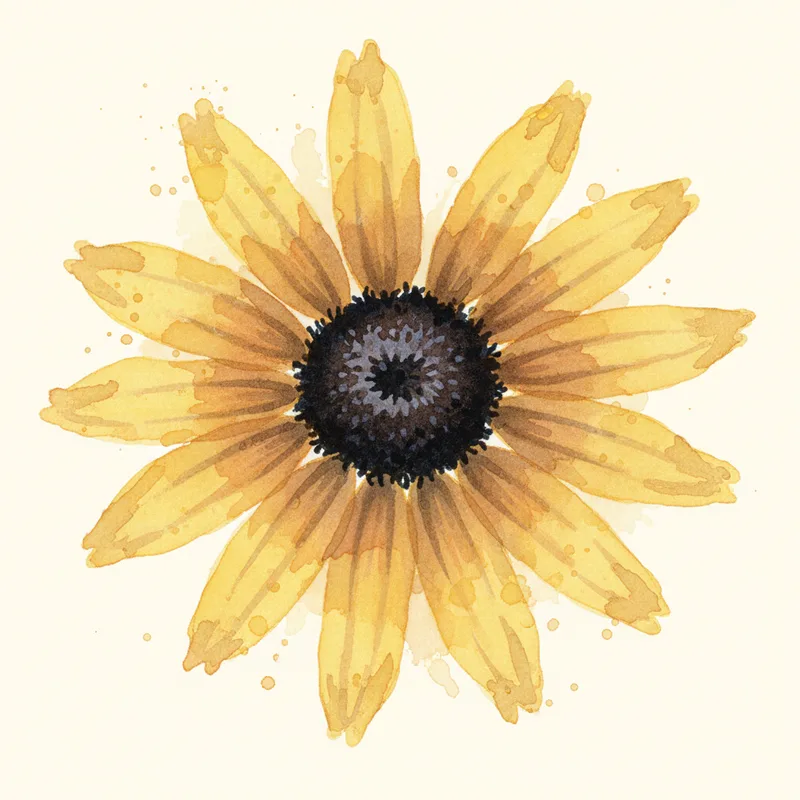
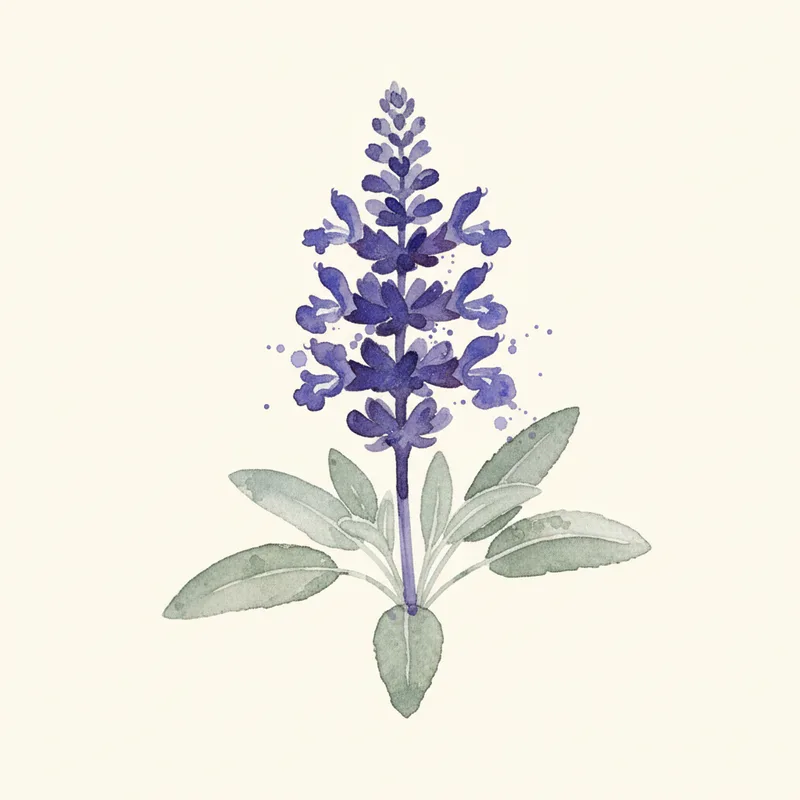
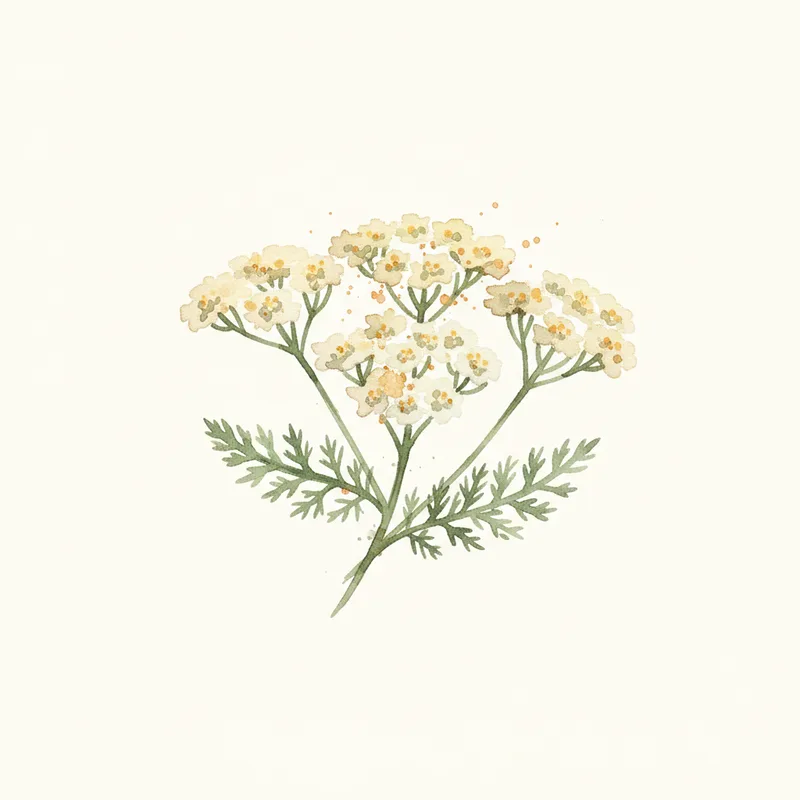
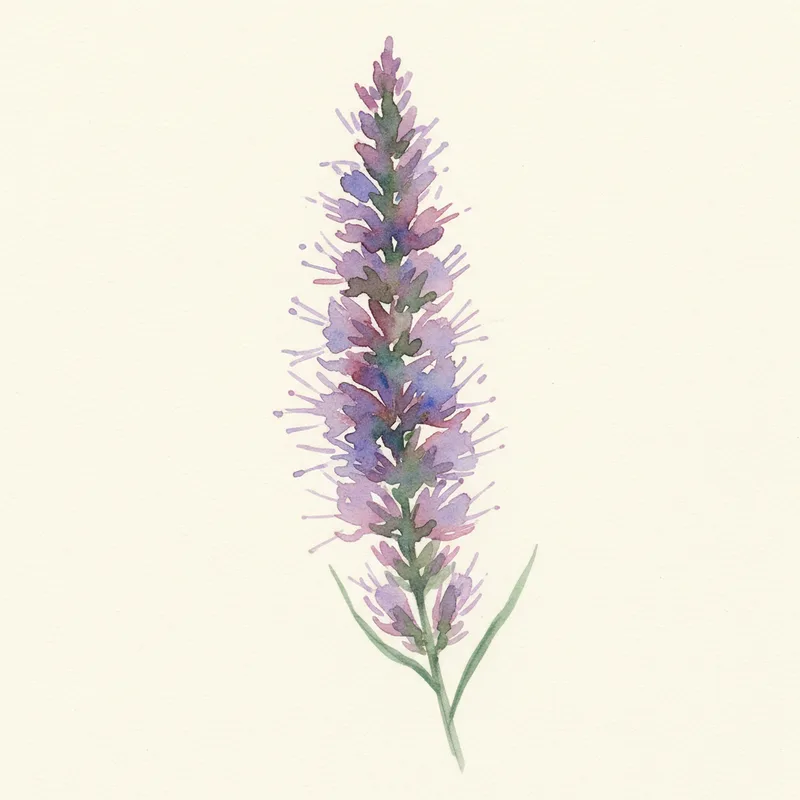
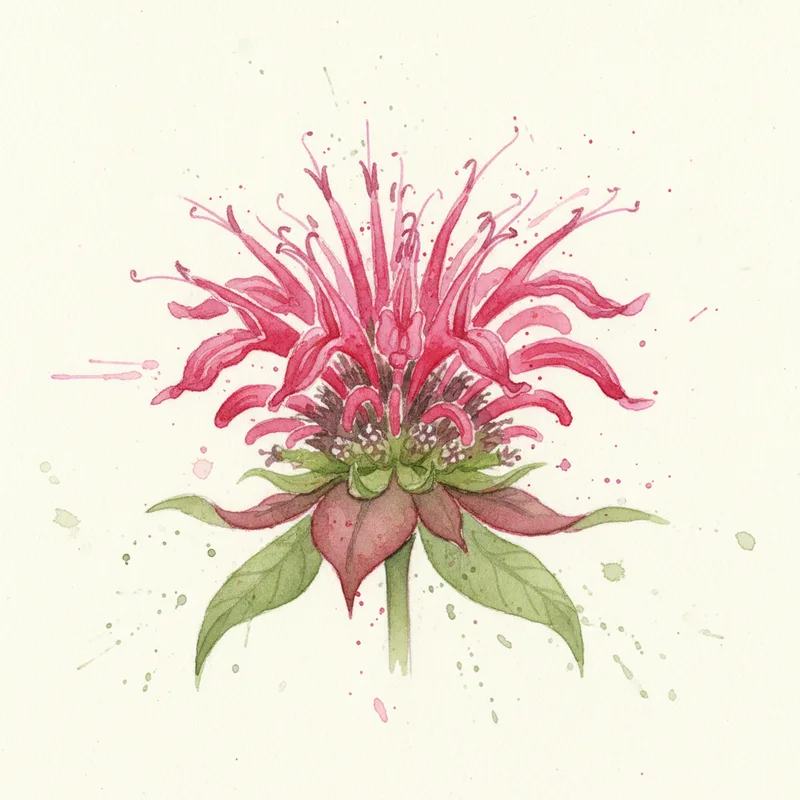
Coneflower is a natural in a sunny, prairie-style planting, so surround it with plants that share its love of sun and drainage. It is the classic partner for Black-Eyed Susan, and it looks wonderful threaded through the purple spikes of Liatris and the airy haze of Russian Sage. For color and pollinator pull, add Bee Balm, Salvia, and Yarrow. And nothing sets off its flat flower heads like the movement of a fine grass, so try Little Bluestem or Switchgrass behind it. For a whole bed that runs itself, see our Drought-Proof and Zero-Effort Garden collections.
Common echinacea questions
Does echinacea come back every year? The straight purple coneflower, Echinacea purpurea, and its classic selections do, reliably, in a sunny and well-drained spot. Many of the newer double-flowered and unusual-colored hybrids are less dependable and may last only a year or two.
Why did my coneflower not come back? Almost always one of two reasons: it was a short-lived colored hybrid, or its crown rotted in soil that stayed wet over winter. Sun and sharp drainage fix the second problem, and choosing the straight species fixes the first.
How much sun does purple coneflower need? At least six hours of direct sun. In too much shade it flops, blooms poorly, and is more prone to disease.
Should I cut coneflowers back in fall? You do not have to. Leaving the seedheads feeds goldfinches and gives winter structure. Cut back in late winter or early spring before new growth begins if you prefer a tidy bed.
Related reading
If you like a plant that comes back on its own terms, read our guide to growing rudbeckia that returns, coneflower's constant border companion, and our roundup of the easiest perennials for beginners. For another plant-it-and-forget-it favorite, allium asks almost nothing of you.
Grow coneflower in your zone
Browse by zone: Zone 4 · Zone 5 · Zone 6 · Zone 7 · Zone 8 · Zone 9. Or filter by the pollinator and low-maintenance traits on the browse page.
What's growing, what's blooming, what's worth planting.
For gardeners who like to stay ahead.