The 7 Best Roses to Plant If You Have Killed Roses Before
Roses do not have to be hard. Most rose regret comes from picking the wrong variety, not from caring for them wrong. Here are seven varieties bred for forgiveness, organized by what kind of rose you actually want, plus the four rules that turn rose-killers into rose-growers.
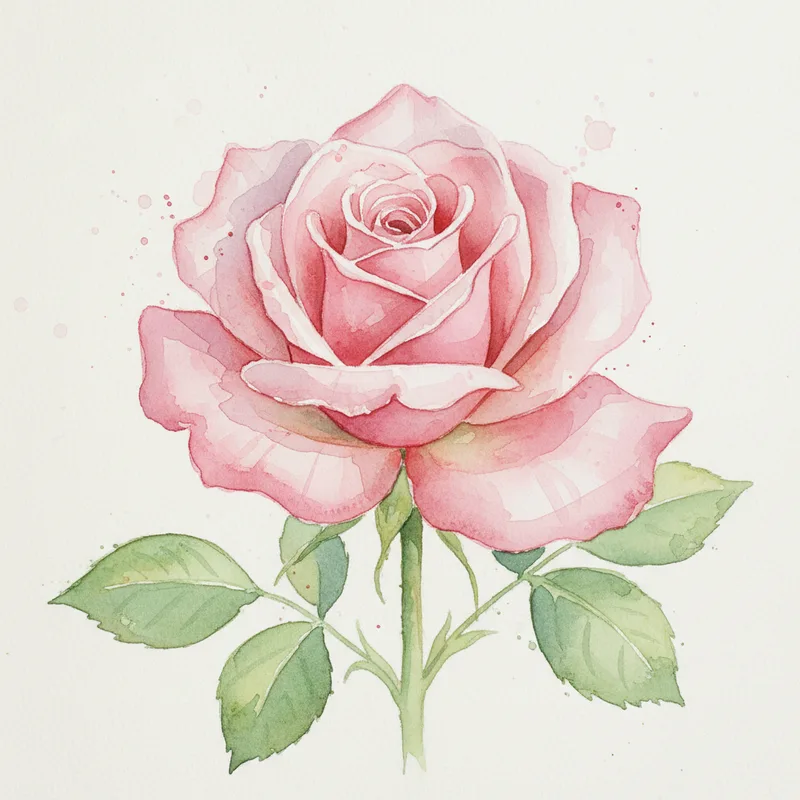
The single most common gardening conversation in North America: someone tried to grow a rose, it got black spot, lost all its leaves by July, and they decided roses are not for them. It is almost always the wrong diagnosis. Roses are not actually hard. The rose they picked was hard. There is a category-wide difference between the disease-prone, high-maintenance hybrid teas that dominated 20th century rose breeding and the modern bulletproof shrub roses that have replaced them. The latter are easier than peonies. They bloom for six months instead of two. And they ask for almost nothing in return.
Here are seven varieties bred for forgiveness, organized by what you actually want a rose to do.
The bulletproof shrubs (if you have killed roses before, start here)
1. Knock Out Rose
The Knock Out rose is the plant that changed the entire rose industry. Bred by William Radler in 1989 and introduced commercially in 2000, it was the first rose to combine three traits in one plant: disease-resistant enough to grow without fungicide, self-cleaning so spent blooms drop without deadheading, and reblooming so it flowers continuously from May to first frost. The first commercial release sold a million plants in its first year. Twenty-five years later it is still the bestselling rose in North America for the same reason: it just works.
Plant in full sun, water at the base (not overhead), mulch in spring, and walk away. No spraying. No fussing. Zones 5 to 9, 3 to 4 feet tall, available in red, pink, sunny yellow, and white. If you have ever lost a rose to black spot, this is the variety that will restore your faith. Honest caveat: the original Knock Out is single-petaled, which some gardeners find less "rose-like." If you want fuller flowers, see Double Knock Out next.
2. Double Knock Out Rose
Double Knock Out has the same engineering as the original (disease resistance, self-cleaning, continuous bloom) but with the fuller, multi-petaled flower form that most people picture when they think "rose." It is what to buy if you want the bulletproof performance with a more classical look. Same zones, same care, same low fuss.
3. Drift Rose
If your rose problem has been "no room for a shrub," Drift roses are the answer. They are a cross between groundcover roses and miniature roses, growing 18 to 24 inches tall and 2 to 3 feet wide. Same disease resistance as the Knock Outs, but in a footprint that fits the front of a border, a slope, or a large container. Available in pink, peach, coral, red, and lemon. Zones 4 to 11, which is the widest hardiness range of any modern rose family.
The fragrant ones (when you want a rose that smells like a rose)
4. Olivia Rose Austin (David Austin)
David Austin roses combine the form and fragrance of old garden roses with the repeat bloom and disease resistance of modern ones. They are widely considered the most beautiful roses in cultivation. The catch: many of them require more care than the Knock Out family. Some are notably better than others for beginners.
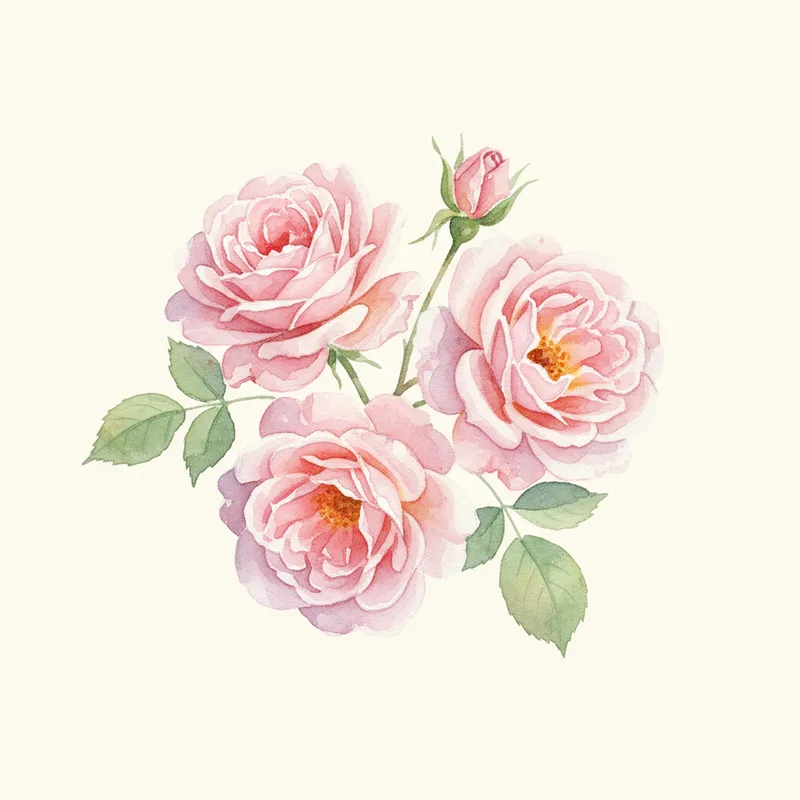
Olivia Rose Austin is the beginner-friendly David Austin. Soft pink rosettes with a sweet fruity fragrance, exceptional disease resistance for an Austin (this matters), and reliable repeat bloom. David Austin himself named it the best rose he ever bred. If you want the romance of an Austin rose without the maintenance reputation, start here.
5. Lady of Shalott (David Austin)
Lady of Shalott is the second-best beginner Austin and the most generous repeat bloomer in the whole Austin catalog. Coppery orange buds open to salmon-pink cups with golden undersides. The plant produces flowers continuously rather than in distinct flushes, which is unusual for the Austin family. Disease-resistant, vigorous, and tolerates a wider range of conditions than most Austins. Zones 4 to 9.
6. Double Delight (hybrid tea)
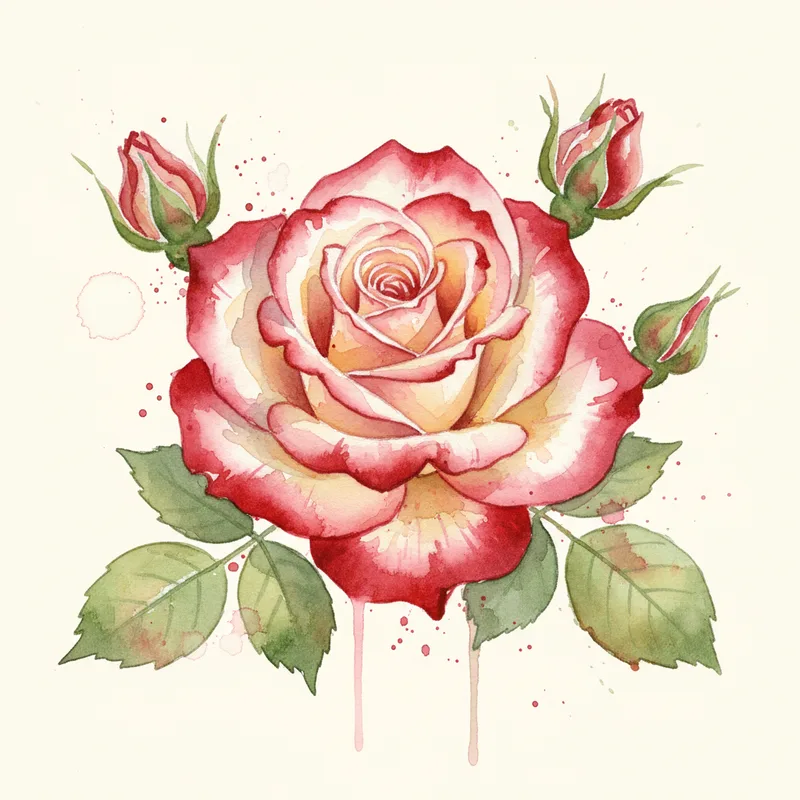
If you specifically want a rose for cutting and for fragrance, and you are willing to accept slightly more care, Double Delight is the hybrid tea worth planting. Creamy white petals that blush to strawberry red at the edges, exceptional fragrance, long straight stems built for the vase. Bred in 1977 and still the most popular bicolor hybrid tea ever introduced. It does need more spraying than the shrubs above (typical hybrid tea behavior), but the trade-off is the strongest fragrance and the best cutting stems on this list.
The climber that actually climbs reliably
7. New Dawn (climbing rose)
Most climbing roses are temperamental. New Dawn is not. Introduced in 1930, voted "world's favorite rose" by the World Federation of Rose Societies, and the standard climber against which all others are measured. Soft blush-pink semi-double blooms with a sweet light fragrance, vigorous to 12 to 15 feet, and remarkably disease-resistant for a climber. Repeats bloom through the summer rather than putting on one big show and quitting.
For a deeper red climber with stronger fragrance, Don Juan is the alternative. Velvety crimson, classic rose perfume, slightly less vigorous than New Dawn (8 to 12 feet) but easier to keep contained.
Honorable mentions worth knowing
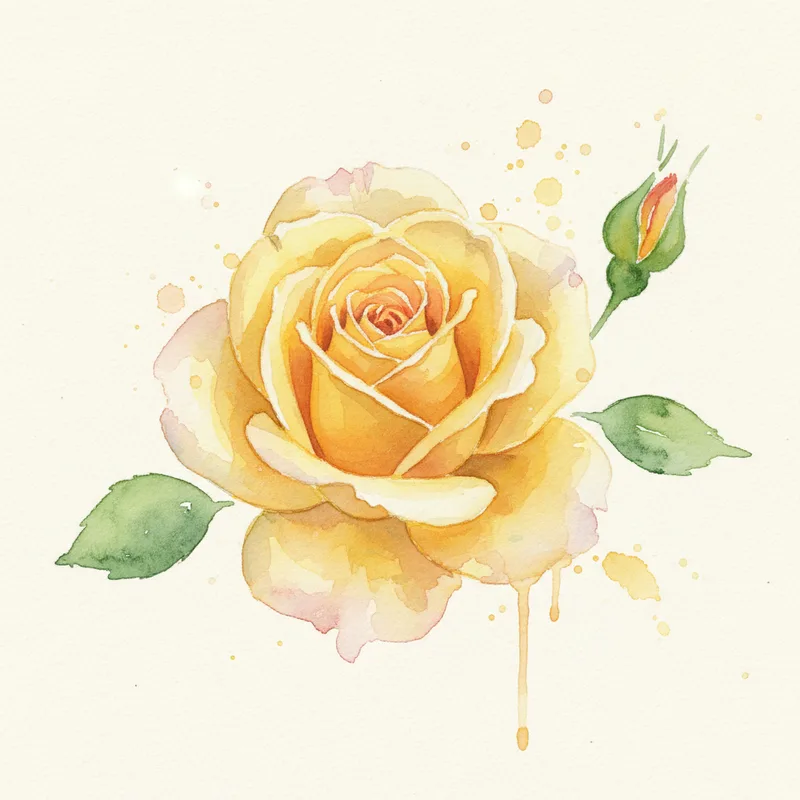
Graham Thomas is the most-photographed David Austin: rich gold cups with strong tea-rose fragrance. Slightly more demanding than Olivia Rose Austin, but the gold color is unmatched.
Gertrude Jekyll has been voted "world's favorite rose fragrance" multiple times. Bold rich pink rosettes on a plant vigorous enough to train as a short climber.
Munstead Wood is the darkest red Austin: deep velvety crimson cups with old-rose fragrance, petals aging to plum-purple. The rose to plant if you love moody dark roses.
For native plant gardeners, Nootka Rose and Swamp Rose are wild species roses with single-form pink blooms and large rose hips that persist through winter. Less showy than the bred varieties but valuable for wildlife and tough as nails.
The four rules that turn rose-killers into rose-growers
Most rose failure traces back to one of four mistakes. Fix these and almost any modern shrub rose will thrive:
- Pick the right type for your skill level. If you have killed roses before, start with a Knock Out family rose or a Drift. Do not start with a hybrid tea, a Tea rose, or an Old Garden Rose. Skill level matters more than aesthetic preference at this stage.
- Plant in full sun. Six hours of direct sun minimum, eight is better. Roses in part shade get more disease, less bloom, and weaker stems. There are almost no exceptions to this rule.
- Water at the base, not overhead. Wet leaves are how black spot and powdery mildew spread. Water early in the morning so any splash dries before evening. Drip irrigation or a soaker hose at the base is the single most effective disease-prevention move you can make.
- Prune in early spring, not fall. Cut back to about 18 inches from the ground just as the buds start to swell (March in zone 5, February in zone 7). Fall pruning leaves cuts open during winter and causes dieback. Knock Outs and Drifts can be sheared with hedge trimmers if you have a lot of them; David Austins need cleaner cuts with bypass pruners on each cane.
What to plant near roses
Roses look better with companions, and the right ones also confuse pests and pathogens. The classic combinations: lavender in front (the scent confuses aphids), catmint spilling at their feet, salvia as the vertical accent, and allium in the bed to deter fungal disease. Avoid planting roses too close to bee balm or phlox, both of which carry powdery mildew that can jump to roses.
Buying tips
Roses are sold three ways at retail:
- Bare root (late winter, January to March): The cheapest option. Comes dormant, with bare roots packed in moss. Plant immediately. Bare root roses establish faster than potted ones because their roots are not bound or circling. Best for serious gardeners.
- Potted, dormant (early spring): Mid-priced. Plant within a few weeks of buying. The most common form at independent garden centers.
- Potted, in bloom (late spring to early summer): The most expensive. You can see exactly what you are getting (color, form), but the plant has less time to establish before summer heat. Pay attention to root health when buying. If roots are circling tightly inside the pot, the plant is rootbound and will struggle.
Skip "boxed" roses sold in cardboard at big-box stores in late winter. The roots are often dried out and the plants underperform compared to bare-root or potted roses from a real nursery.
Related reading
- How to build a cottage garden (roses are central)
- The 7 best peonies to plant this fall
- The 6 best hydrangeas to plant this spring
- Fragrant flowers for every season
- Father's Day garden gifts for the gardener who has everything
Browse rose-friendly zones
What's growing, what's blooming, what's worth planting.
For gardeners who like to stay ahead.