The 6 Best Spring Bulbs to Plant This Fall (and When to Order)
Spring bulbs are the single highest-return investment in any flower garden. A 50-cent crocus blooms every year for a decade. Here are the six worth planting this October, when to order, and the planting depths that decide whether they come back.
A bag of spring-blooming bulbs is the highest-return investment in any flower garden. A single crocus bulb costs about 50 cents, lives for 10 to 15 years, and produces flowers every spring for that entire run. That works out to roughly four cents per bloom over the lifetime of the bulb. Nothing else in the catalog comes close. The catch is that you order in summer, plant in fall, and wait until spring to see the payoff. Anyone who plants bulbs once does it every year for the rest of their gardening life.
Here are the six worth planting this fall, in the order they bloom in spring, plus the order calendar and planting rules that decide whether they actually return.
The bulb-ordering calendar
Most home gardeners shop bulbs in October at the big-box rack. That is fine, but it is also the bottom of the barrel. Serious bulb buyers move on a different schedule:
- May to July: Specialty Dutch importers (Brent and Becky's, Colorblends, John Scheepers, Van Engelen) open summer preorder for fall shipping. The rarest cultivars and the biggest bulb sizes move now. Prices are best.
- August to September: Main shopping window. Shipping starts. Selection is still strong if you go to the specialty importers; big-box and garden centers start stocking the common varieties.
- October to early November: Planting window in zones 4 to 8. What you see at retail by now is leftovers. Specialty importers are sold out of premium cultivars.
- November to December: Last call. Many bulbs are now half-priced clearance, but quality is variable. Some are still plantable in mild zones.
The actionable takeaway: if you are reading this in May or June, order from a specialty importer now for September shipping. Do not wait for October. You will have the best selection of the year, the largest bulb sizes (which produce significantly more flowers), and the best per-bulb pricing.
The six worth planting this fall
1. Crocus (the first bloom of spring)
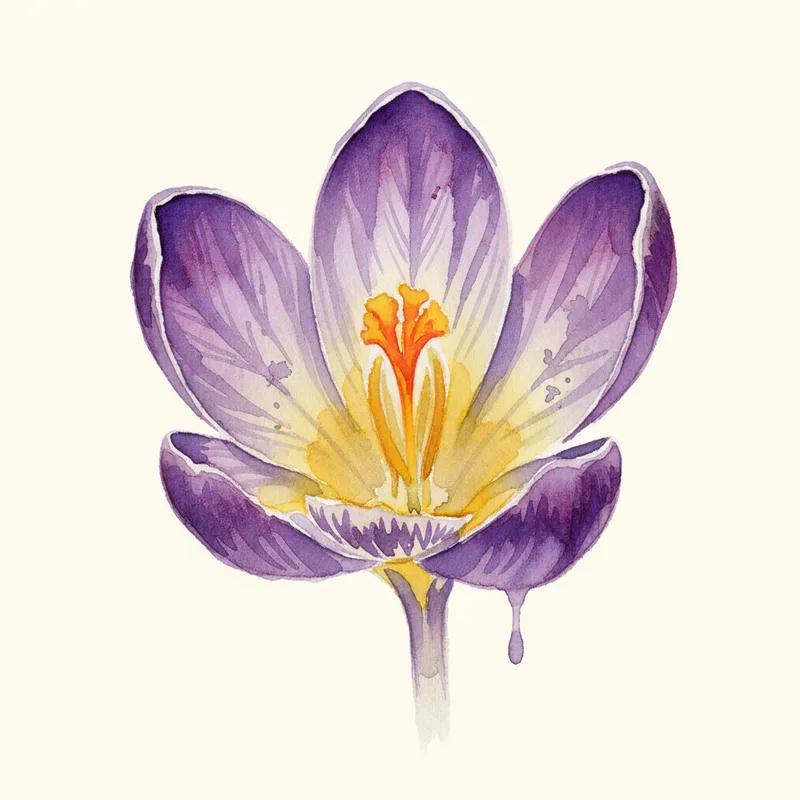
The crocus pushes through late-winter snow with jewel-toned cups in purple, white, and yellow. Blooms in February to March in most zones, dying back before the lawn even needs mowing. Plant 100 in a 4-foot diameter circle under a deciduous tree and you create a postcard for one month every year. Pollinator value is enormous because they bloom when literally nothing else is available for early bees. Plant 3 to 4 inches deep, 3 to 4 inches apart, in fall. Naturalizes over time, so the patch grows every year.
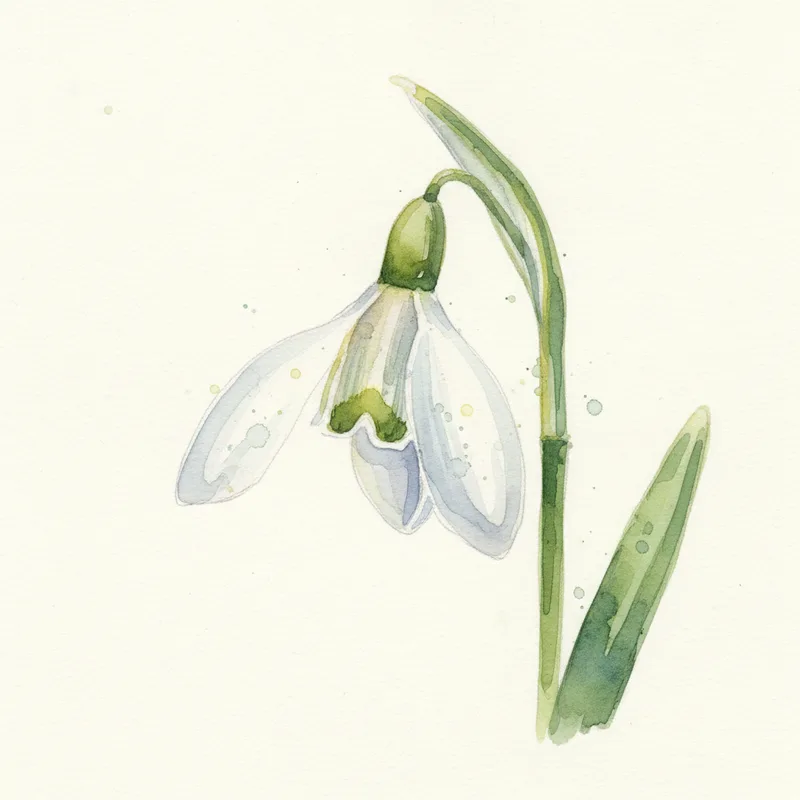
For an even earlier bloom, plant snowdrops alongside. They flower in January and February in milder zones, often through snow cover. The two together give you nearly two months of "the garden is technically alive" before anything else opens.
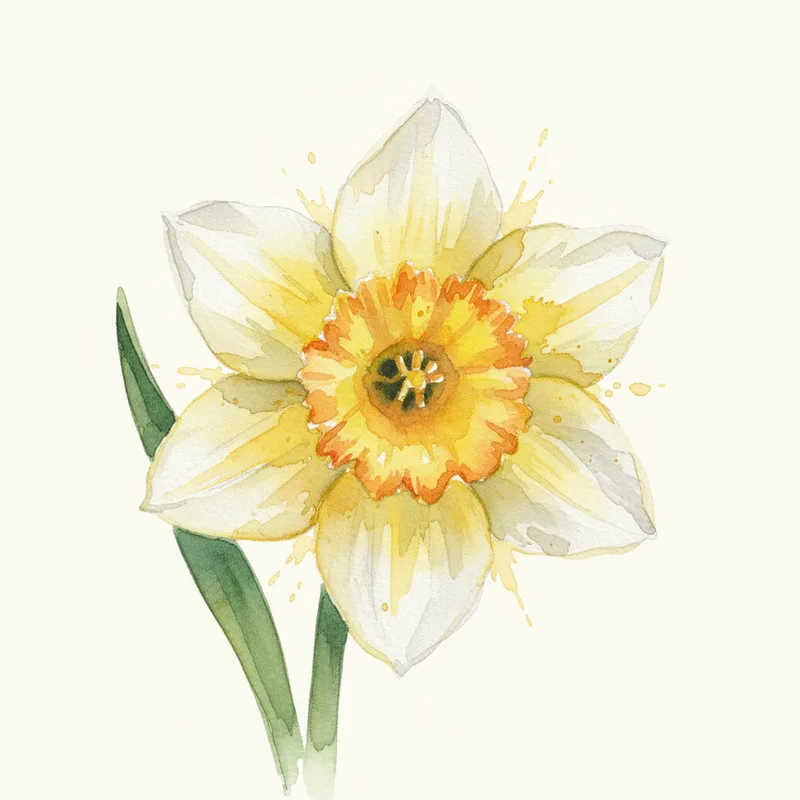
2. Daffodil (the deer-proof workhorse)
The daffodil is the most reliable spring bulb in North America. Cheerful yellow trumpets that come back stronger every year, naturalize aggressively in lawns and woodland edges, and are completely deer- and rodent-proof because of toxic alkaloids in the bulbs. A single planting performs for 20-plus years. Plant in October, 6 inches deep, 4 to 6 inches apart. The classic variety to start with is "King Alfred" (huge yellow trumpets) or "Dutch Master" (slightly smaller but more weather-resistant).
Pro tip: do not plant in straight rows. Toss a handful and plant them where they fall. The clusters always look more natural than the grid.
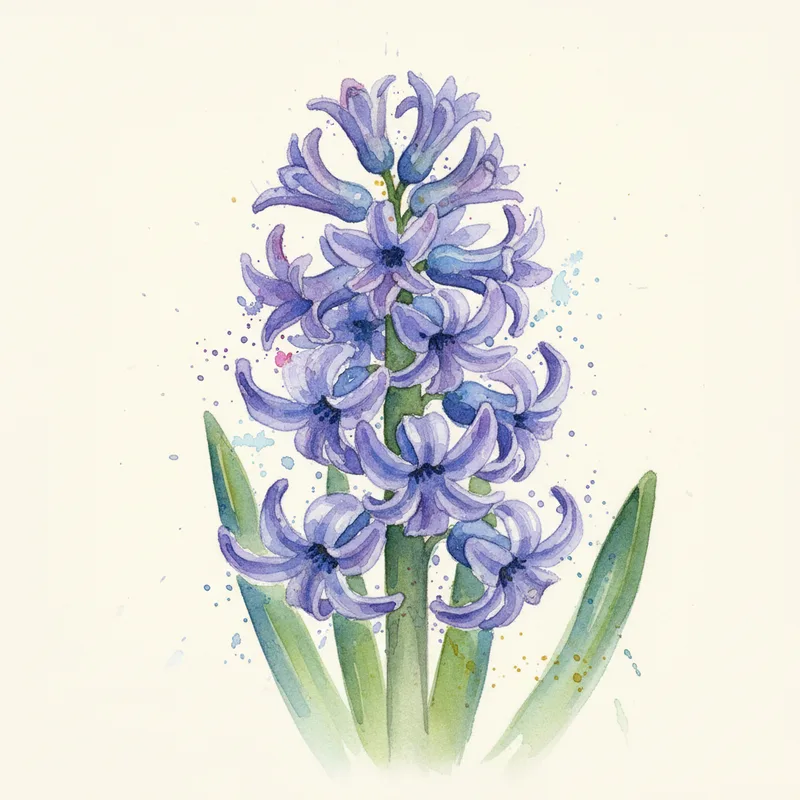
3. Hyacinth (the fragrance bulb)
The hyacinth is the bulb you plant for scent, not for flower color. Dense, intensely fragrant spikes in purple, pink, blue, and white. A single hyacinth bulb can perfume an entire bedroom if you bring a stem indoors. In the garden, plant them in groups of 5 to 9 along walkways and entries where the scent will catch you. They naturalize less aggressively than daffodils but reliably return for 5 to 8 years. Plant 6 inches deep in October, 4 to 5 inches apart.
4. Grape Hyacinth (the spreader)
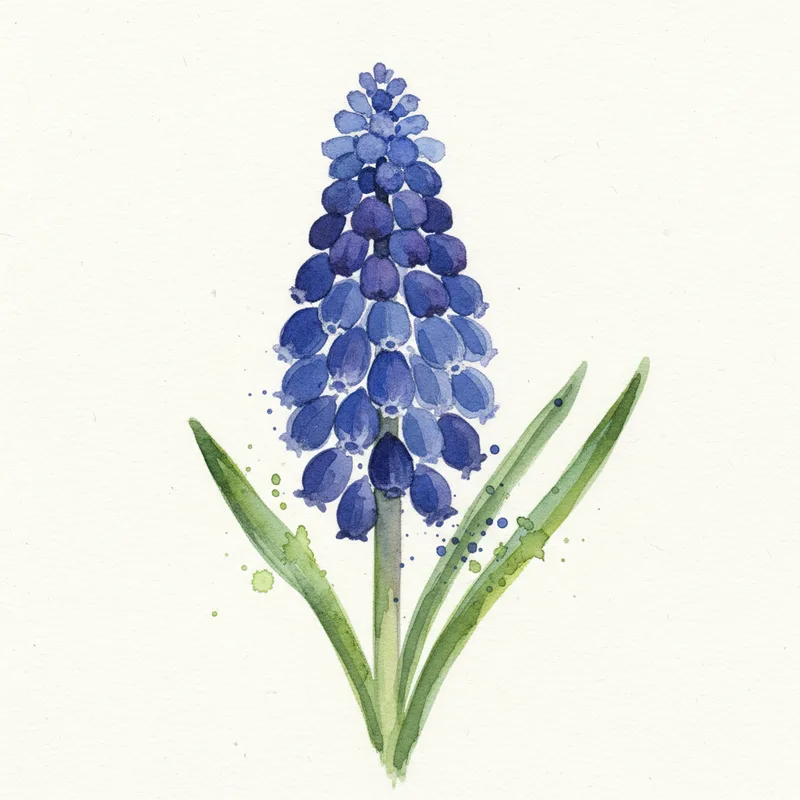
Muscari (grape hyacinth) is the bulb that does the hardest job in any spring garden: it covers the ground in a river of blue. Tiny grape-like clusters on 6-inch stems that spread by both bulb division and self-seeding. After 5 years a planting of 50 bulbs becomes 200. After 10 years, it is a flowing carpet. Plant in October at 3 to 4 inches deep, in irregular drifts rather than rows.
The classic move: plant grape hyacinth in a band that flows between daffodil clumps. The yellow and blue combination is a spring garden cliche for a reason. It works.
5. Allium (the post-tulip bridge)
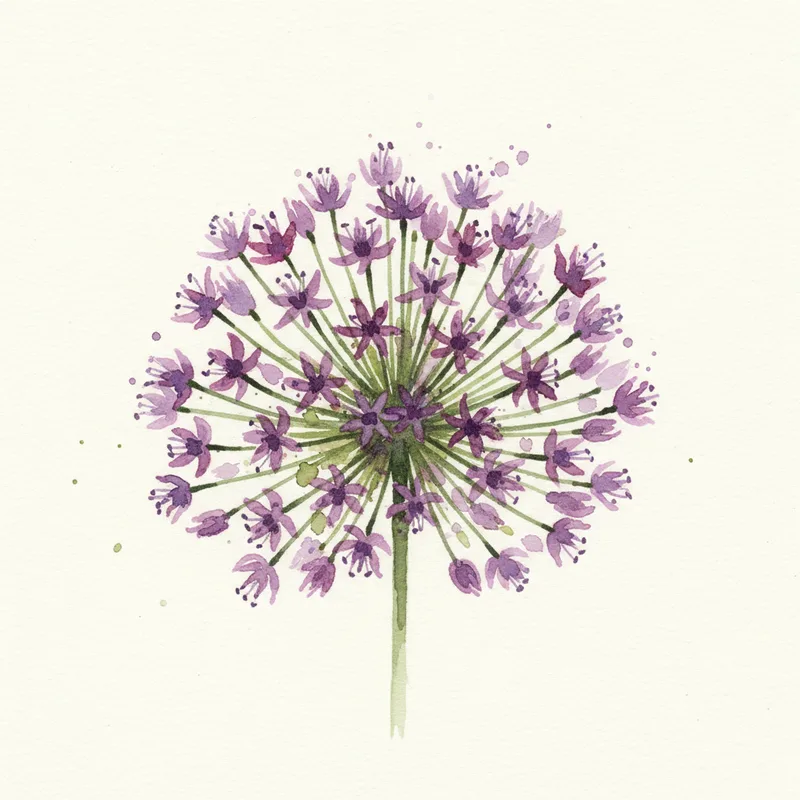
If you have ever wondered why your spring garden goes dead in the gap between tulip-finish and the start of summer perennials, alliums are the answer. Giant purple globes on tall stems that bloom in May and June, hold for two to three weeks, and bridge the spring-to-summer transition. Deer- and rabbit-proof (they are ornamental onions). Plant in October at 6 to 8 inches deep, 8 to 10 inches apart. The variety to know is Allium giganteum (4-foot stems, 6-inch purple globes) or Allium 'Purple Sensation' (slightly smaller, more reliable repeat).
Honest note: alliums are pricier than the other bulbs on this list. Expect $2 to $4 per bulb for premium varieties. The flowers are large enough that 7 to 10 bulbs make a substantial visual impact, so the total cost is reasonable even at that per-bulb price.
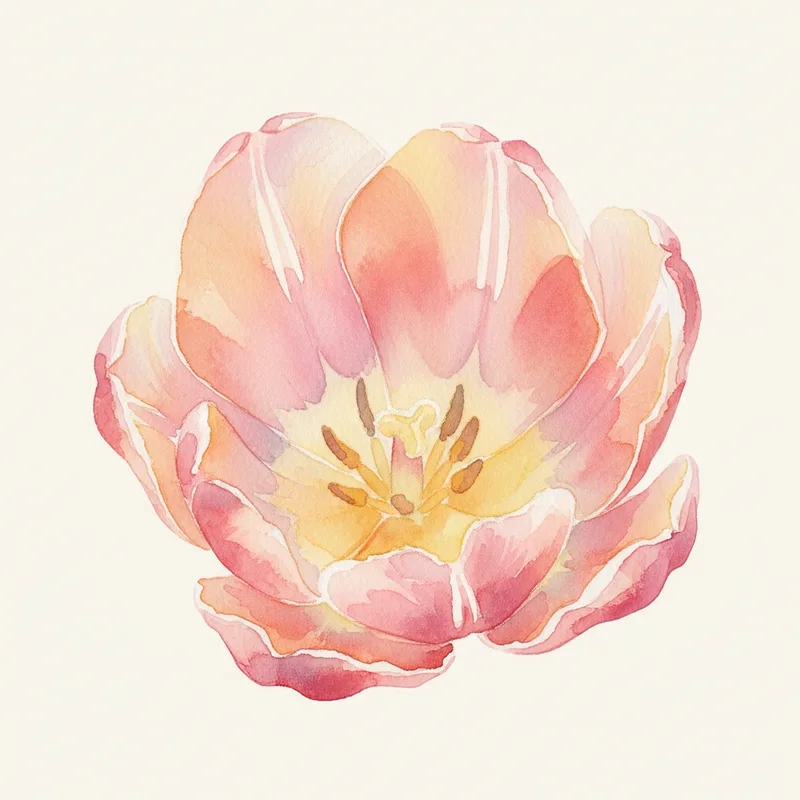
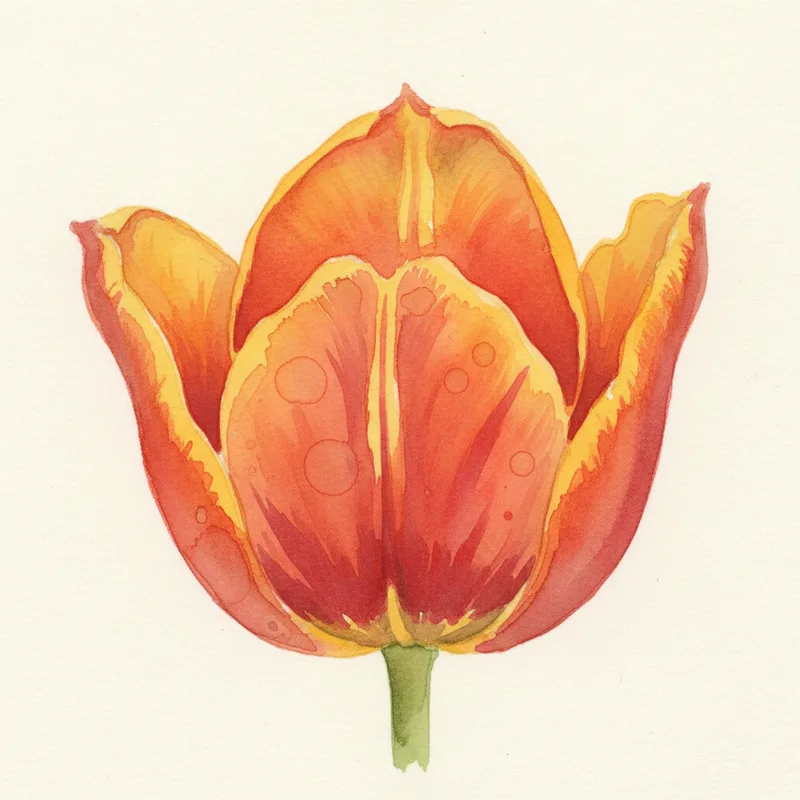
6. Tulip (the April headline)
The classic tulip is the headline of spring. Plant in groups of at least 15 to 20 of the same variety for impact. The honest truth: most tulips are functional annuals in zones 7 and warmer, returning thinly in year two and dying out by year three. They need a long cold winter to set buds for the next year. To extend their life, pick Darwin Hybrid types (the Apeldoorn series is the standard) which are the most reliably perennial of all the tulip groups. Plant 8 inches deep in October, 4 to 6 inches apart.
The cold-climate trick: in zones 3 to 5, plant tulips even deeper (10 to 12 inches) than the package says. The extra depth protects the bulb from frost heave and rodent damage and significantly improves multi-year return.
Five more worth knowing about
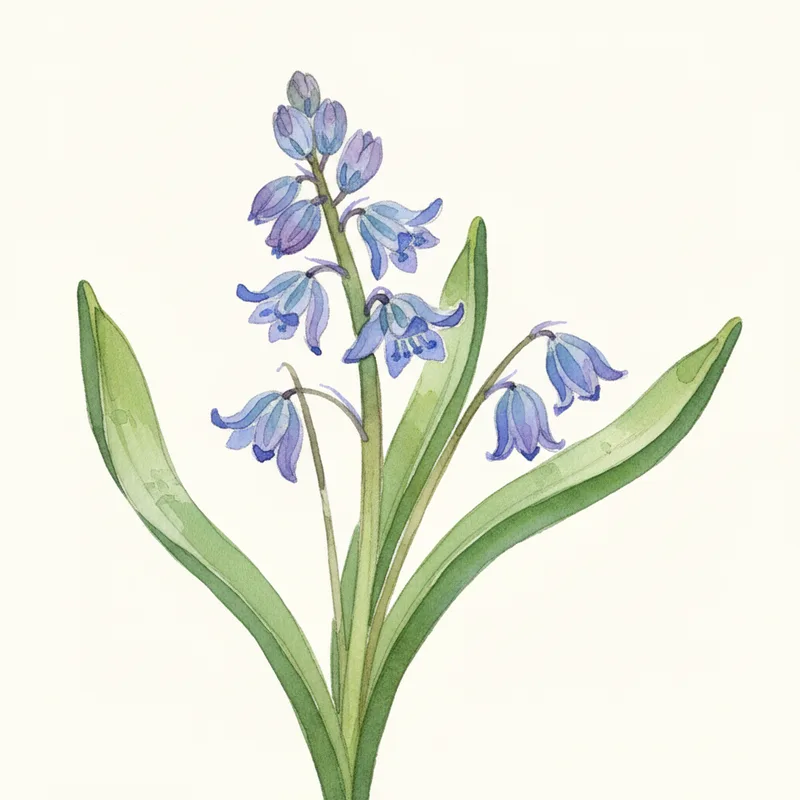
- Scilla siberica: Tiny intensely blue stars in March, naturalizes into a lawn beautifully. The bluest bloom in any spring garden.
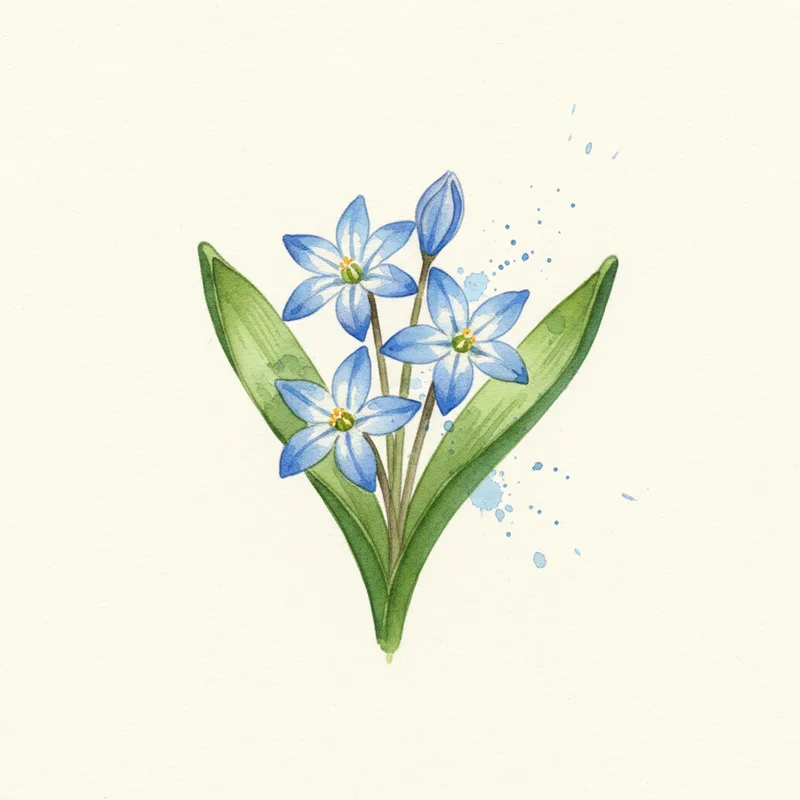
- Glory-of-the-Snow: Star-shaped lavender-blue flowers, even earlier than scilla. Spreads in long-lived clumps.
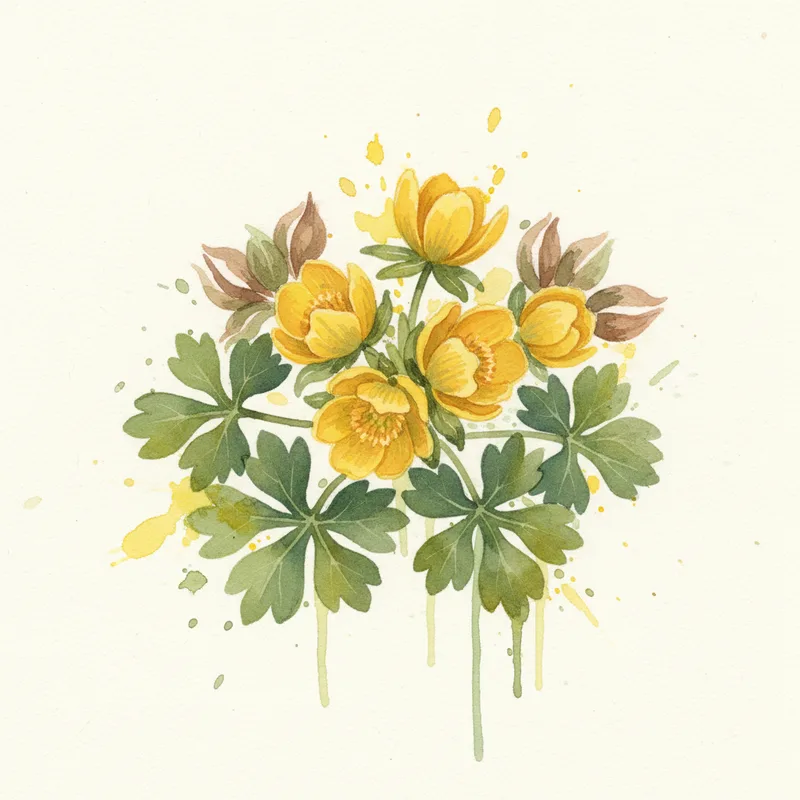
- Winter Aconite: Buttercup-yellow blooms with green ruffs, often the first to bloom in February. Naturalizes under deciduous trees.
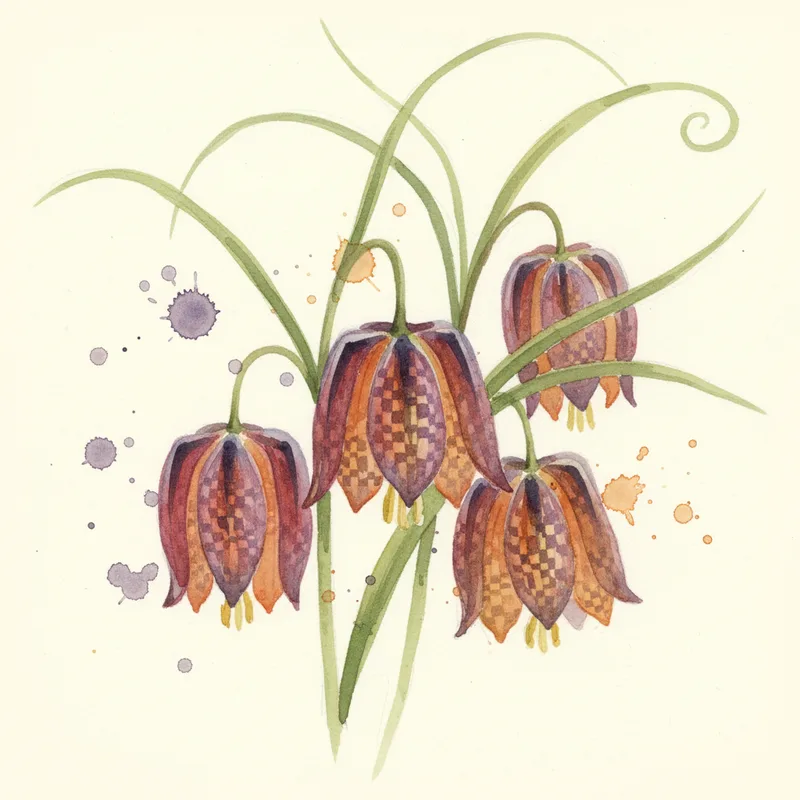
- Fritillaria meleagris (checkered lily): Nodding bells with a checkered pattern, blooms in May, prefers moist soil. Tolerates more shade than most bulbs.
- Camassia: Tall blue spikes in late May, native to the western US, naturalizes in meadow conditions.
The planting depth rule that decides everything
If a bulb does not return year after year, the most common cause is wrong planting depth. The rule of thumb: bulbs are planted at 3 times the height of the bulb. A 2-inch tall daffodil bulb goes 6 inches deep. A 1-inch crocus goes 3 inches deep.
Too shallow and the bulb dries out, freezes, or gets eaten by squirrels. Too deep and the bulb does not produce enough leaf surface to feed itself for next year. The 3x rule is forgiving in either direction by an inch, but consistent skew in one direction is what kills bulbs over multiple seasons.
What to do after the bulbs bloom
The single most important rule for perennial bulb success: do not cut back the foliage until it turns yellow naturally. The leaves are recharging the bulb for next year's bloom. Cut them off green and the bulb starves over summer. Expect 6 to 8 weeks of "messy fading foliage" after the flowers finish. Plant later-emerging perennials (hosta, daylily, peony) nearby to camouflage the dying foliage.
Related reading
- What blooms after tulips fade (closing the late-April gap)
- The 7 best peonies to plant this fall
- The 6 best hydrangeas to plant this spring
- Dahlia varieties worth pre-ordering
One timing note that costs people the cultivars they actually wanted: order in August, not September. Suppliers list their deepest inventory in early summer and the named varieties sell through before shipping starts. For the rest of the month's jobs, see What to Plant in August.
Browse spring bulb zones
What's growing, what's blooming, what's worth planting.
For gardeners who like to stay ahead.