The 7 Best Peonies to Plant This Fall (and Why Fall Beats Spring)
Peonies live for 75 years. The variety you pick now is the one your grandchildren will inherit. Here are seven cultivars worth that commitment, ranked by what they actually do in the garden, plus the fall-planting rules that decide whether the roots establish before winter.
A peony planted correctly in October 2026 will still be blooming in October 2101. Seventy-five years is the standard lifespan, and 100-year-old clumps are common in old farmhouse gardens. There is no other ornamental in temperate North America that asks so little and gives so much for so long. The catch is that the variety you pick now is the one you keep. Peonies hate being moved. The right choice the first time is the only choice that matters.
Fall is also the only correct time to plant them. Spring-planted bare roots usually live, but they rarely bloom for two to three years. Fall-planted roots establish through the cool autumn, sit dormant through winter, and push their first stems in spring already settled. Most growers will not even ship bare roots in spring. The serious nurseries open their fall preorder windows in February and ship in September and October. If you want a specific cultivar, you order in summer.
Here are the seven varieties worth that long-term commitment, ranked by what they actually do in the garden.
The classics worth the hype
Sarah Bernhardt
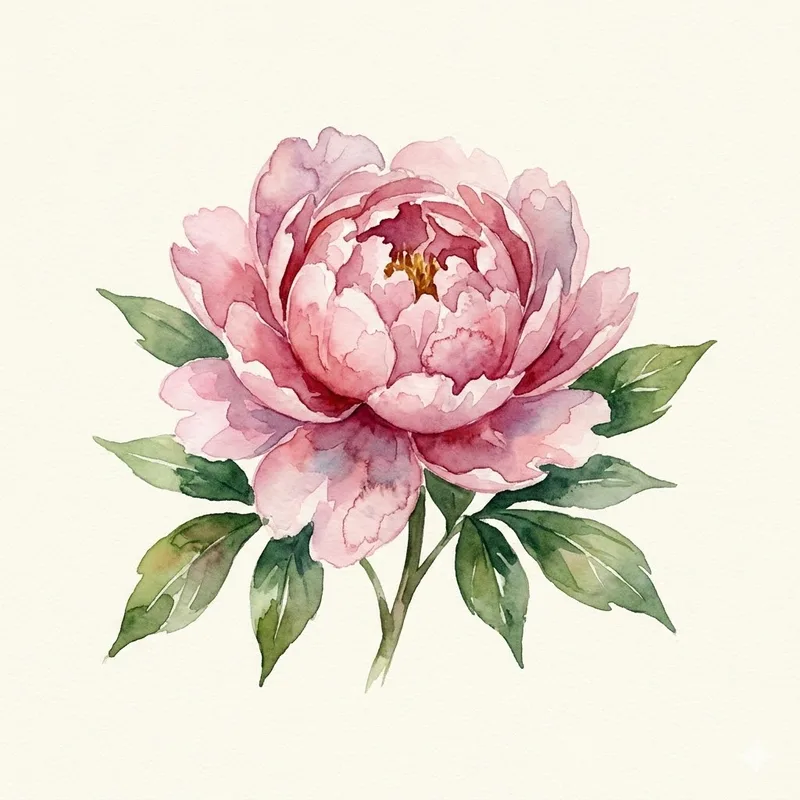
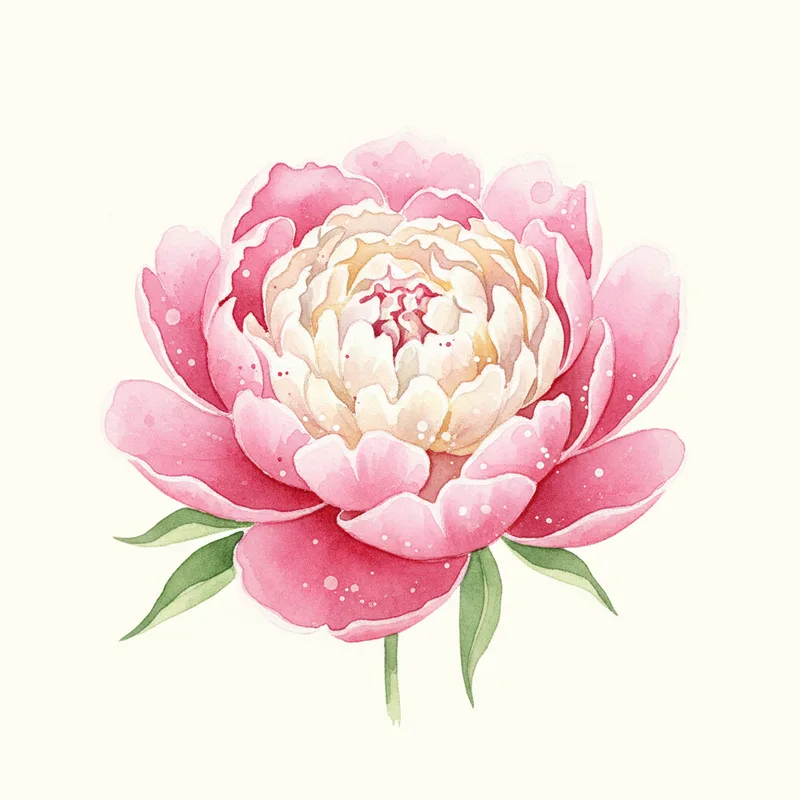
Sarah Bernhardt is the most-planted peony in history. Introduced in 1906, still the bestseller more than a century later, and the reason is simple: she does everything well. Fully double apple-blossom pink blooms, 6 to 8 inches across, ruffled and heavy enough to nod gracefully on the stem. Sweetly fragrant, prolific, cold-hardy to zone 3, and tolerant of less-than-perfect soil. If you only plant one peony in your life, this is statistically the right one. Plan to stake her. The flowers are heavy enough that a single hard rain will lay them on the ground without support.
Festiva Maxima
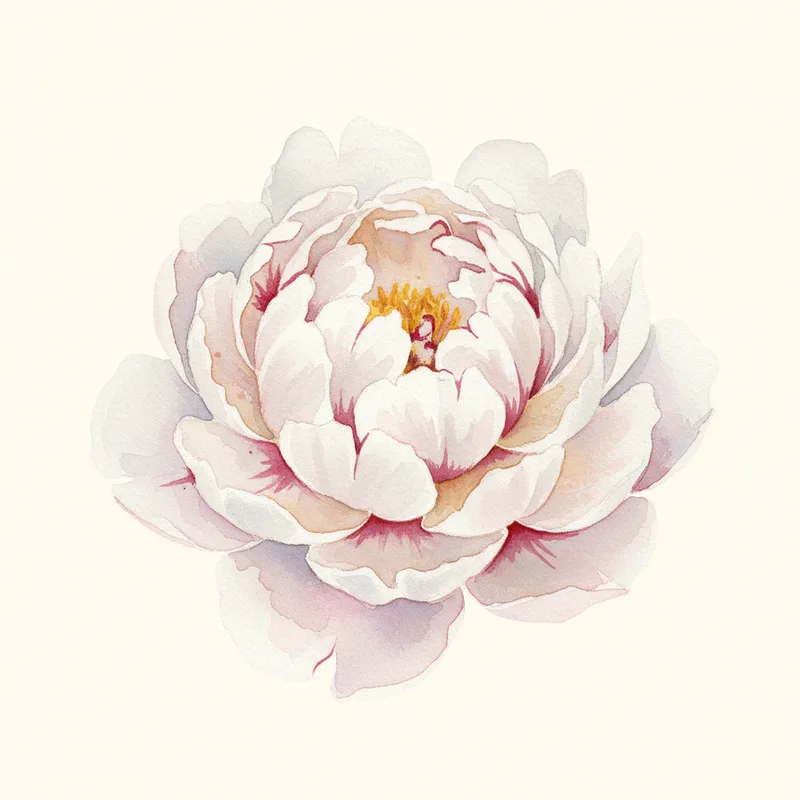
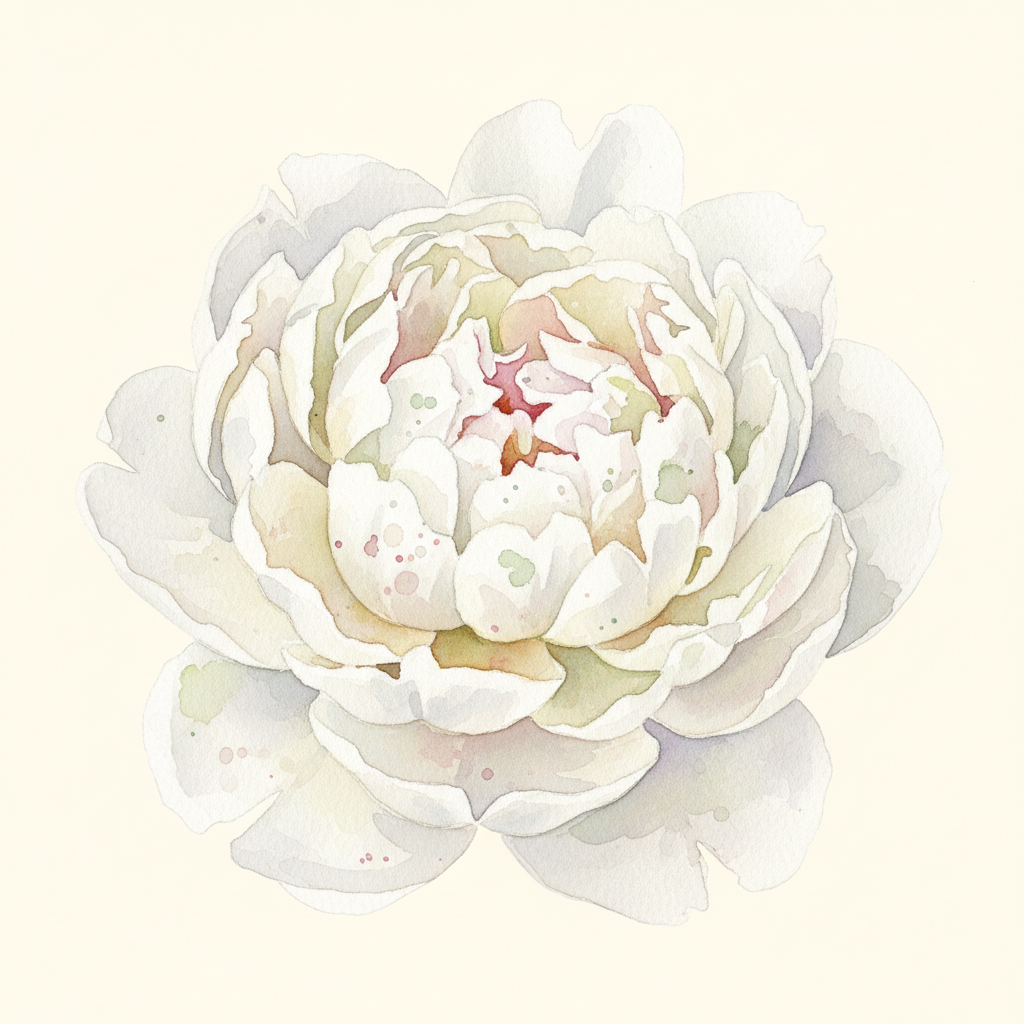
Festiva Maxima has been in cultivation since 1851 and has never been improved on. Pure white double blooms flecked with a streak of crimson at the very center, like the petals were brushed with red ink. Strong stems, intense fragrance, blooms a week earlier than Sarah Bernhardt, and tolerates heavier shade than most peonies. A foundational variety for white moon gardens and the only white peony most serious gardeners agree on.
Karl Rosenfield
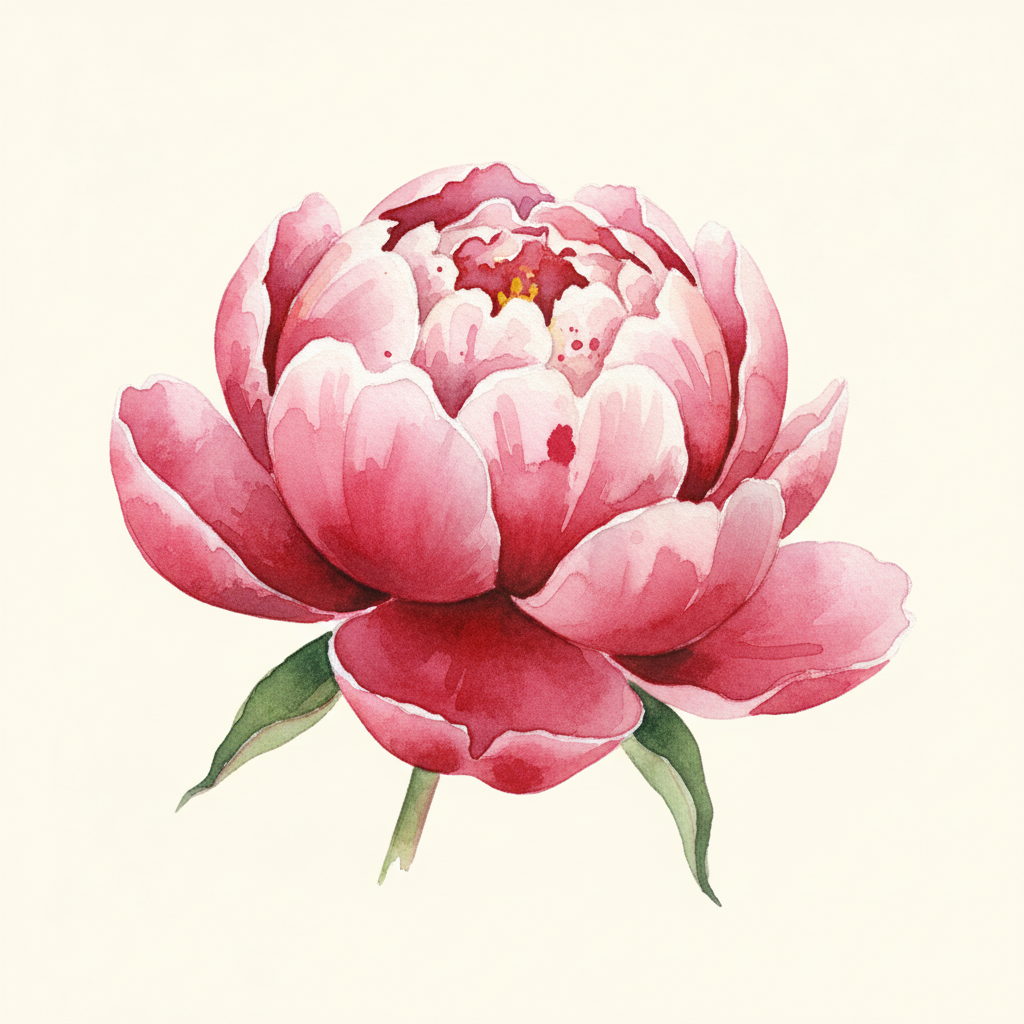
If you want red, Karl Rosenfield is the answer. Deep ruby double blooms with stiff ruffled petals on stems strong enough that staking is optional. Bred in 1908, still the standard red against which others are measured. Blooms slightly later than the pink and white classics, which means it extends the peony season by a week or two in most gardens. The color photographs beautifully against blue sage and white iris.
The conversation pieces
Coral Charm
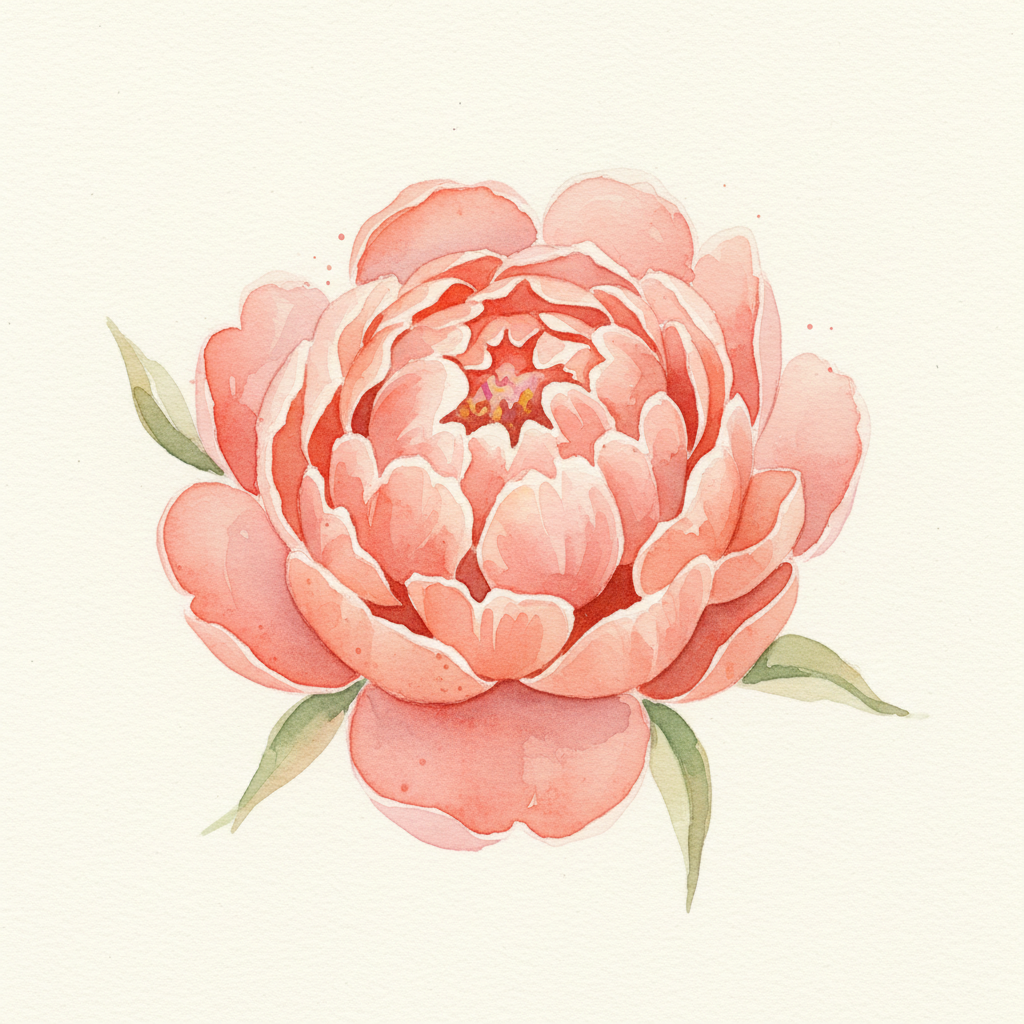
Coral Charm is the peony that changed what gardeners thought peonies could be. Semi-double blooms open vivid coral-peach, age through apricot, and fade to soft butter cream over the course of about ten days. A single plant in a vase shows you three or four different flowers at once, depending on which buds opened when. The 1964 Sam Wissing introduction is responsible for the entire "coral peony" market. Honest warning: it blooms slightly earlier than the pink classics, so plant Coral Charm with later-blooming companions if you want a long peony season in one bed.
Bowl of Beauty
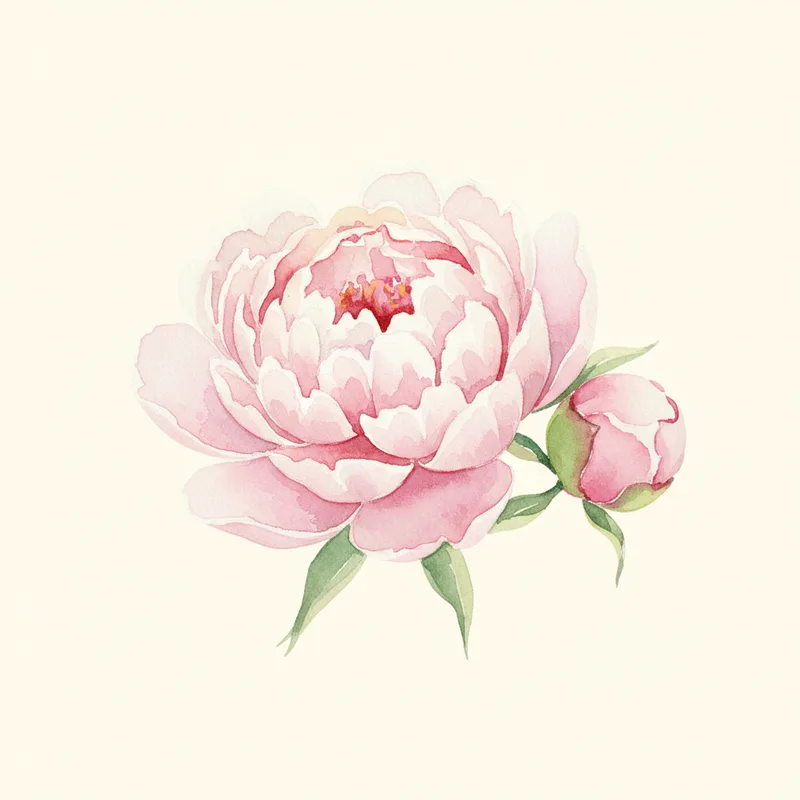
Bowl of Beauty is a Japanese-form peony with hot pink outer petals cupping a creamy center of narrow petaloids. The contrast between the saturated outer petals and the pale fluffy center reads almost like two flowers in one. Strong stems hold the blooms upright without staking, which makes it the easiest peony on this list for a beginner. The 1949 cultivar still wins floral design awards.
Bartzella
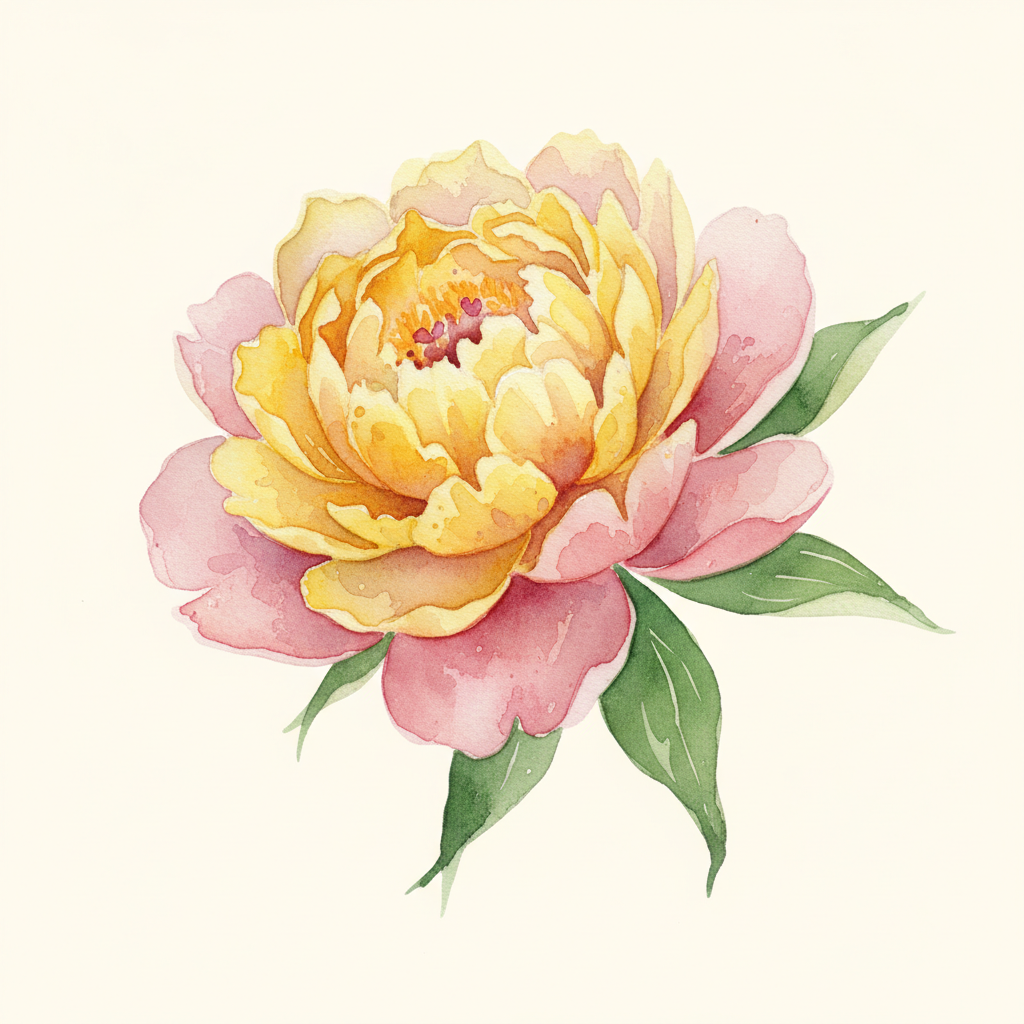
The only yellow peony anyone actually plants. Bartzella is an intersectional Itoh hybrid, meaning it is a cross between a tree peony and a herbaceous peony. The result: huge lemon-yellow double blooms with red flares at the center, on a plant that dies back to the ground in winter like a normal peony but produces foliage and flower stems with the rigidity of a tree peony. A mature plant can produce 50+ flowers per season. Bartzella is expensive (typically $50 to $80 per bare root versus $15 to $25 for the classics) but the only true yellow peony worth growing, and one division will outlive you.
The pollinator pick
Krinkled White
If you want bees, plant Krinkled White. Single peonies are open-centered with a visible boss of yellow stamens, and the bees can actually reach the pollen. Krinkled White is the standard single white: large bowl-shaped flowers with crinkled silk-paper petals around a brilliant yellow center. Strong stems, no staking needed, holds up to wind, and remains one of the more elegant peonies in the garden even after the petals drop. Plant it where you can watch the bees.
How to plant a peony correctly
This is where most peonies fail, and it is almost always a depth problem.
Peony bare roots have visible buds called "eyes" at the crown. The single most important rule of peony planting: the eyes must be no deeper than 2 inches below the soil surface. Plant them 3 inches deep and the peony will live for decades but never bloom. Plant them at 1 to 2 inches and they will bloom on schedule. This is the entire trick.
The rest is easier:
- Full sun. Six hours minimum. Peonies tolerate part shade but bloom less.
- Well-drained soil. Peonies tolerate clay but will rot in standing water. Slope or raised beds help on heavy ground.
- Space them 3 feet apart. A mature peony is a 3-foot-wide clump. Crowding causes airflow problems and powdery mildew.
- Plant in September or October. The soil is still warm enough for root growth but the foliage is dying back, so the plant invests all its energy in establishment.
- Do not amend the planting hole with fertilizer. Peonies are slow-starting and do not want a nitrogen push. Compost mixed into the backfill is enough.
- Patience. Year one: maybe one or two blooms. Year two: a small show. Year three: the real performance starts. From year five onward, a peony just gets better every year for the rest of your life.
What to plant near peonies
Peonies bloom for about two weeks in May and June, then become a 3-foot mound of glossy green foliage for the rest of the season. The companions you choose are the difference between an interesting bed and a boring one for ten months of the year.
The classic combinations: bearded iris blooming simultaneously, catmint spilling at their feet, allium globes rising above. After the peonies fade, lean on coneflower, black-eyed Susan, and tall garden phlox in the same bed for summer. The peony foliage stays attractive and acts as a quiet backdrop for the warmer-toned summer bloomers.
Ordering and timing
Specialty peony nurseries open fall preorders in February and March. Sarah Bernhardt is always available. Coral Charm and Bartzella sell out earliest. By August, the most desirable cultivars are gone, and by late September you are choosing from leftovers.
If you are reading this in May or June, you have one month to figure out what you want and place orders for September delivery. By July the best stock is already spoken for. If you are reading this in October, you have one week to get any remaining bare roots into the ground before the soil cools below 50°F and root establishment slows to nothing.
Bare root quality matters. Look for at least 3 to 5 visible eyes per division. A 1-eye division will eventually become a full plant but will take 5 to 7 years to perform. A 3-to-5-eye division is the standard professional grade and will bloom in year two. Avoid potted peonies sold in spring at big-box stores. They are usually 1-eye divisions buried too deep and they almost never thrive.
Related reading
- How to build a cottage garden
- Best perennials for nonstop color
- Best dahlia varieties to plant in May
- Why your hydrangea is not blooming
Peony roots ship and plant in fall, but the choosing happens earlier, and the best cultivars are spoken for by late summer. August is the month to decide: see What to Plant in August for the rest of that month's order-now list.
Browse peony-friendly zones
What's growing, what's blooming, what's worth planting.
For gardeners who like to stay ahead.