Allium: How to Grow Ornamental Onion for Bold Globes
Allium delivers architectural purple globes in late spring, and deer never touch it. How to grow ornamental onion from fall planting to dried seedhead.
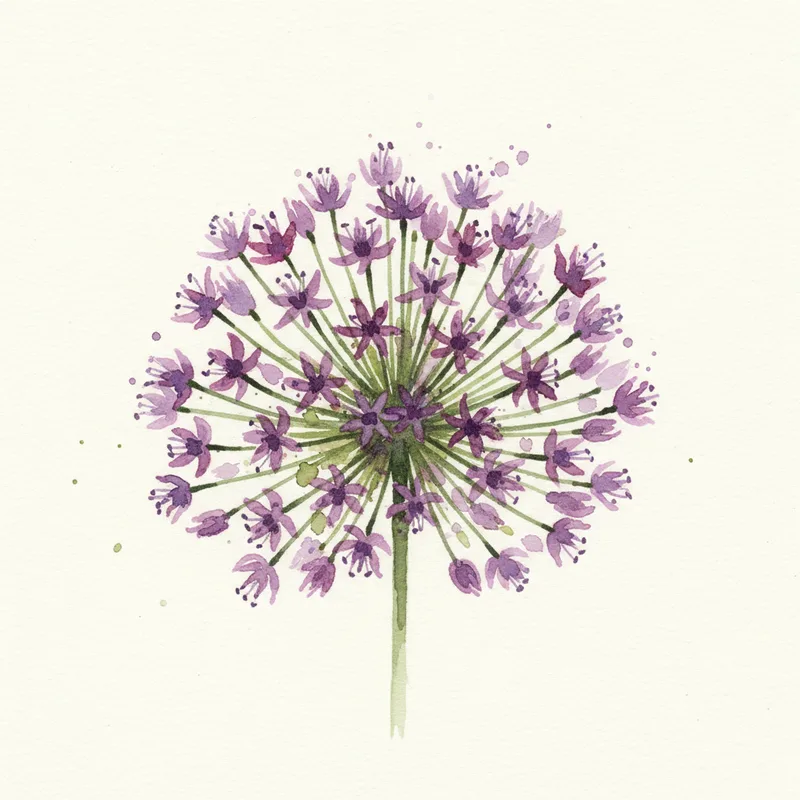
Allium, the ornamental onion, is the bulb that makes visitors stop and ask what on earth that is. Picture a perfect lavender-purple sphere the size of a softball, floating on a bare three-foot stem with nothing else around it, dozens of them drifting through the border at once. That is allium, and it does something almost no other plant manages: it is genuinely architectural, it blooms in the awkward gap after the tulips fade and before the summer perennials arrive, and because it is an onion relative, deer, rabbits, voles, and squirrels will not touch it. Plant it once in fall, leave it in the ground, and it returns every spring with zero fuss.
What ornamental allium actually is
Ornamental allium is the flowering side of the onion family, genus Allium, grown for its dramatic spherical flower heads rather than anything you would eat. Each "flower" is actually a cluster of dozens to hundreds of tiny star-shaped florets packed into a globe that can range from 2 inches across on the small types to a full 10 inches on the giants. The colors run through purple, lavender, violet, white, and pink, with the deep purples being the signature look. Heights span an enormous range, from 6-inch edging types to stems reaching 48 inches, so there is an allium for the very front of a bed and one for the back of it.
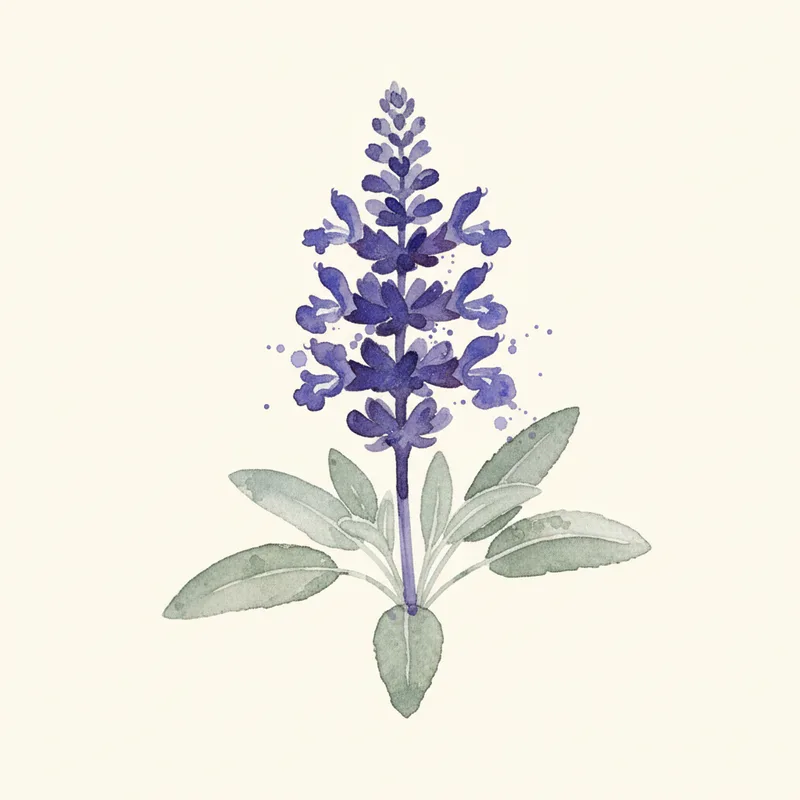
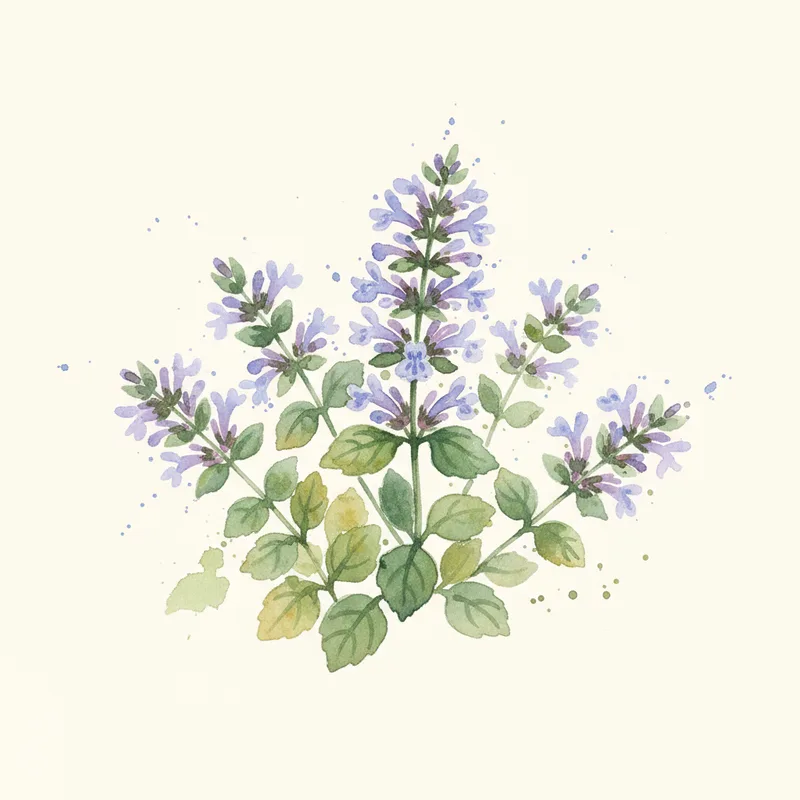
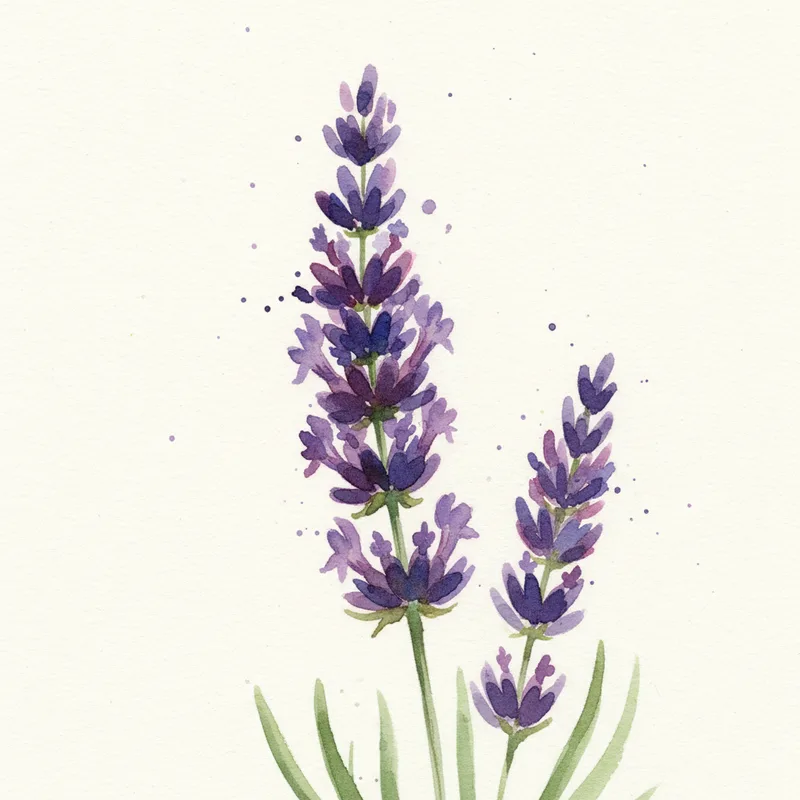
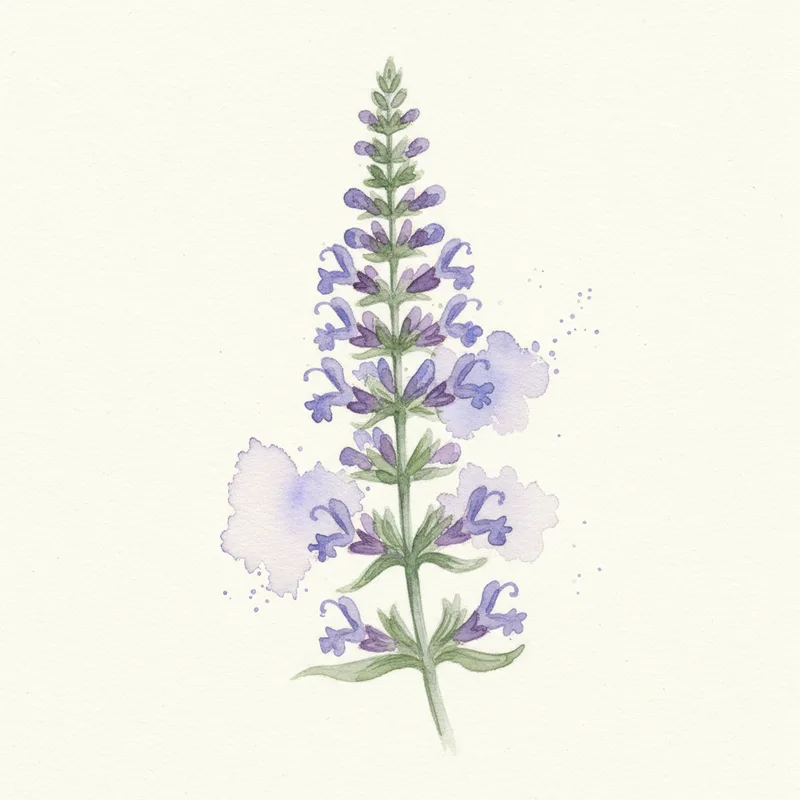
The reason allium feels so modern and sculptural is the bare stem. The flower head sits alone on a clean, leafless stalk, which is why designers love planting it in big repeating drifts: the globes read as floating dots of color and give a border rhythm and structure that softer, bushier plants cannot. It pairs beautifully with airy, mounding companions like catmint, salvia, and lavender, whose haze of blue and purple sits right at the base of the stems.
When and how to plant allium bulbs
Allium is a fall-planted bulb, full stop. You buy the bulbs in autumn and get them in the ground while the soil is still workable but the weather has turned cool, the same window you would use for tulips and daffodils. The bulbs need that winter chill to trigger spring flowering, so spring planting does not work for the classic types.
The planting rules are simple and worth following exactly:
- Depth: plant each bulb about three times as deep as the bulb is tall. For a big Globemaster bulb that can mean a 6- to 8-inch hole; for small drumstick alliums, 3 to 4 inches. Pointed end up.
- Sun: full sun. Allium wants at least six hours of direct light to bloom well and to keep those tall stems from flopping toward the light.
- Drainage: well-drained soil is non-negotiable. These are onions, and onions rot in standing water. If your soil is heavy clay, work in grit or compost, or plant on a slight slope or raised bed.
- Spacing: give the big types 8 to 12 inches between bulbs and the small types 3 to 4 inches. Allium looks best in odd-numbered clusters or generous drifts, not lonely single stems.
Water them in once at planting, then largely forget about them. Established alliums are drought-tolerant and rarely need supplemental water once spring rains arrive.
When alliums bloom and how long they last
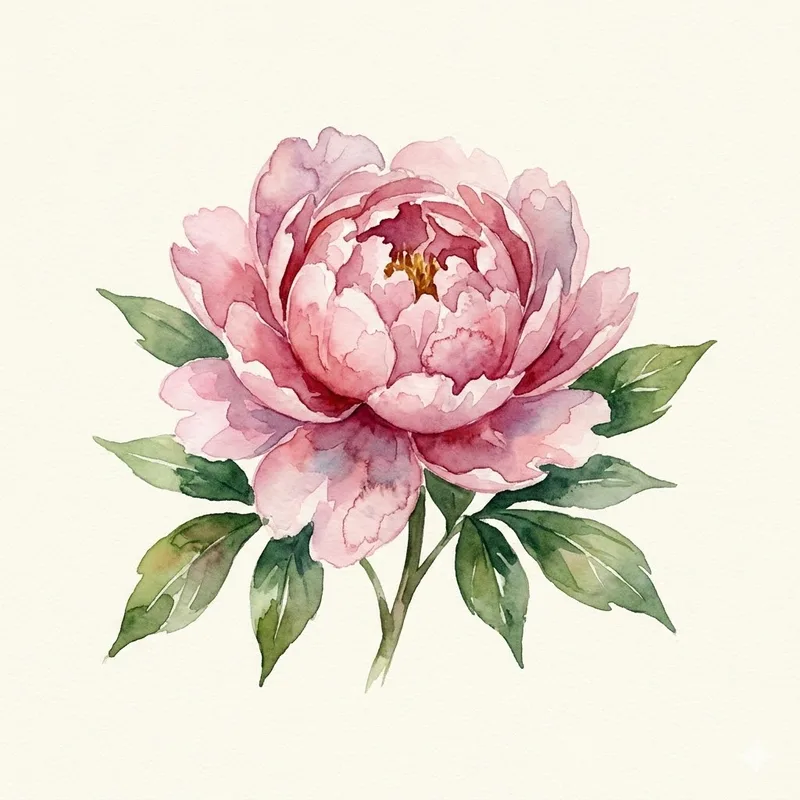
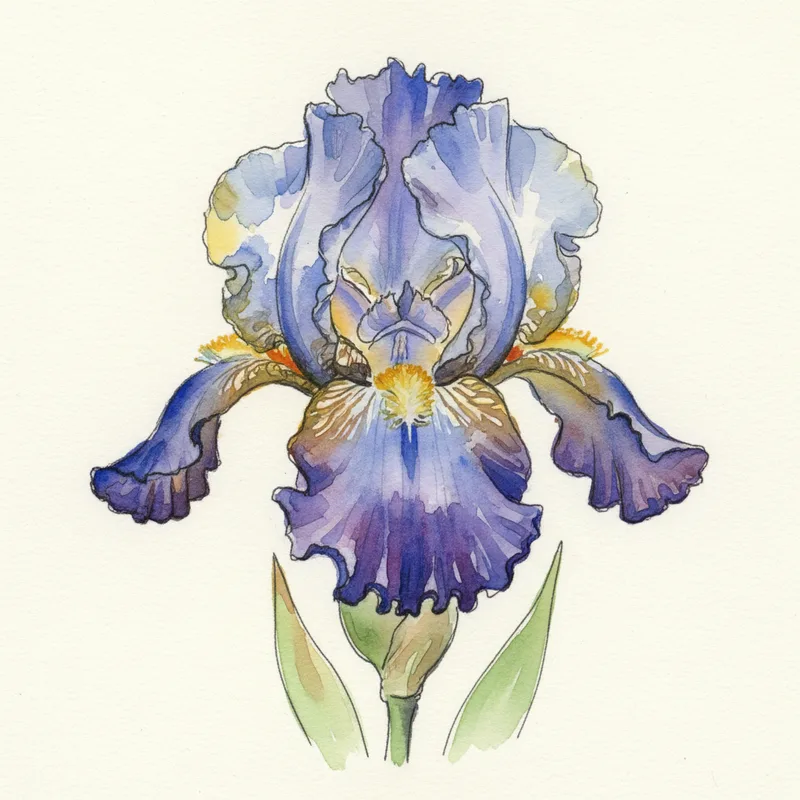
Ornamental allium blooms in late spring into early summer, generally May into June depending on your zone and the cultivar. This timing is the whole point. Allium bridges the dead zone between the last spring bulbs and the first big flush of summer perennials, keeping the garden full when it would otherwise look like it is holding its breath. Pair it with bearded iris and early peony for a knockout late-spring combination, then let the summer bloomers take over as the allium fades.
The flower heads themselves hold for two to three weeks of strong color, and then they keep going in a different way: as the florets dry, they form a beige, geometric seedhead that stays standing for weeks or months more. Smart gardeners leave the spent globes in place precisely for that structure. A border full of dried allium spheres catching autumn light is one of the quiet pleasures of the plant.
A note on cultivars worth knowing
A few standout ornamental allium cultivars deliver reliably:
- Purple Sensation is the classic entry point: deep violet-purple globes about 3 to 4 inches across on roughly 30-inch stems. If you grow one allium, grow this.
- Globemaster and Gladiator are the giants, producing softball-size to grapefruit-size heads that stop traffic.
- Mount Everest is the white version, tall and clean, gorgeous against dark green foliage or a hedge.
- Drumstick allium (Allium sphaerocephalon) breaks the mold with small, egg-shaped, wine-red heads on wiry stems that weave through other plants in early-to-mid summer.
- Millenium is the one that changes the rules: a summer-blooming, clump-forming ornamental onion with rosy-purple pompoms that does not need replanting and behaves like a tidy perennial, not a bulb.
The dying foliage problem (and how to hide it)
Here is the single thing that worries new allium growers, so let us be direct about it: the strappy, basal leaves of most tall alliums yellow, soften, and flop over right as the flowers are opening. This looks alarming. It is completely normal. The plant is pulling energy back down into the bulb for next year, and the leaves are supposed to wither while the flower is at its peak.
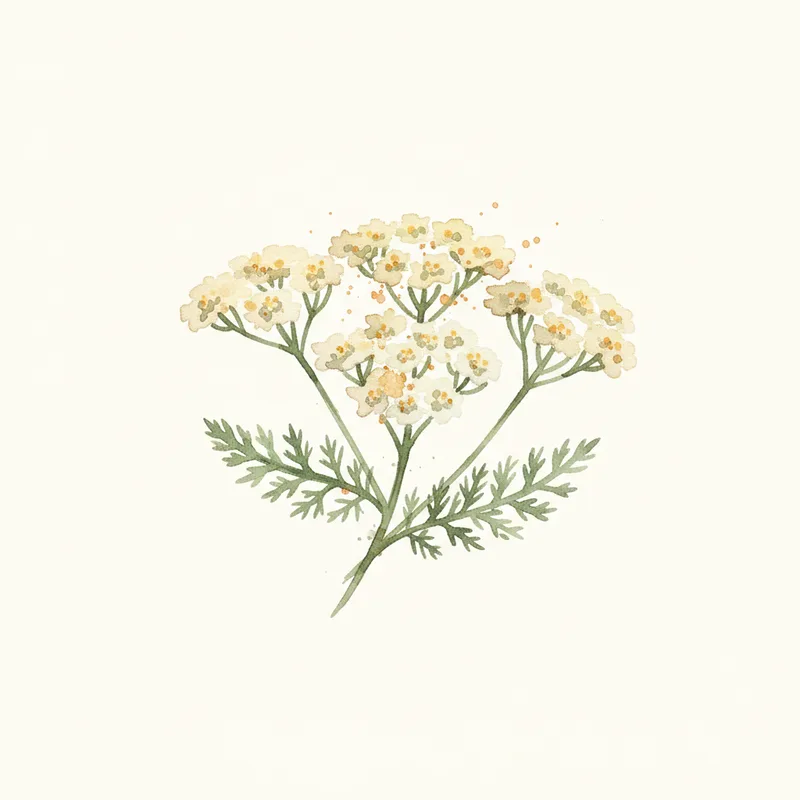
The mistake is cutting the foliage off because it looks messy. Do not. The leaves need to die back naturally to recharge the bulb, exactly like daffodil foliage. Cutting it green starves next year's bloom. The real fix is design, not pruning: plant allium behind or among low, leafy companions that mask the dying leaves while the globes rise above them. Excellent screens for floppy allium foliage include catmint, salvia, dianthus, yarrow, and the gauzy clouds of Russian sage. Set the allium bulbs a few inches behind that front row and the eye never sees the mess.
Why deer and rodents leave allium alone
Allium's superpower in a problem garden is that nothing chews it. Because it is a true onion relative, the entire plant carries the oniony, sulfurous compounds that browsing animals find repellent. Deer skip it. Rabbits skip it. And unlike tulips, whose bulbs are basically candy to voles, chipmunks, and squirrels, allium bulbs are left untouched underground. You can plant a fortune in allium bulbs in fall without waking up to excavated holes.
This makes allium one of the best tools for gardeners fighting deer pressure, and it doubles as a defensive companion: interplanting allium among more vulnerable favorites like peony and iris can help mask their scent. For a deeper roster of plants animals avoid, see the guide to deer-resistant plants that actually look good.
Allium as a pollinator magnet and cut flower
While the foliage repels mammals, the flowers do the opposite for insects. Those globes are made of hundreds of tiny nectar-rich florets, and bees, butterflies, and other pollinators swarm them when they open. A drift of blooming allium hums audibly. If you are building habitat, allium earns its place; pair it with the strategies in the pollinator garden planning guide.
Allium is also a first-rate cut flower. The long, sturdy, leafless stems are practically built for the vase, the globes last well once cut, and the dried seedheads work beautifully in everlasting arrangements. Cut when about half the florets in the globe have opened for the longest vase life. For more on growing flowers to cut, see the cut flower garden guide.
Do alliums come back? Naturalizing and long-term care
Yes. Allium is a perennial bulb that you leave in the ground year after year. Most ornamental types are hardy in USDA zones 4 to 8, with some tough species reliable down to zone 3. You do not dig them up, you do not store them, and many types will slowly naturalize, multiplying into bigger clumps and occasionally self-sowing into pleasant surprises nearby.
Long-term care is minimal: full sun, sharp drainage, and patience with the foliage. An optional handful of bulb fertilizer or compost in fall keeps the giant cultivars vigorous over the years, since the very large hybrids can lose a little steam after several seasons. But the baseline truth holds: plant it once, and allium largely takes care of itself.
Common allium questions
Do alliums come back every year?
Yes. Ornamental allium is a hardy perennial bulb, reliable in roughly zones 4 to 8 and some types to zone 3. You leave the bulbs in the ground and they return each spring, often multiplying into larger clumps over time. There is no need to lift or replant them.
Are alliums deer resistant?
Allium is one of the most deer-resistant bulbs you can grow. As an onion relative, the whole plant carries pungent sulfur compounds that deer and rabbits avoid, and the bulbs are also passed over by voles, chipmunks, and squirrels underground. It is about as close to animal-proof as flowering bulbs get.
When do alliums bloom?
Most ornamental alliums bloom in late spring into early summer, generally May into June, filling the gap between spring bulbs and summer perennials. Each globe holds strong color for two to three weeks, then dries into a structural seedhead that can stand for months. A few types, like the clumping Millenium, push their show into mid and late summer.
Do you have to dig up allium bulbs?
No. Unlike tender bulbs such as dahlias or gladiolus, hardy ornamental alliums stay in the ground all year. Digging them up is unnecessary and counterproductive, since they naturalize best when left undisturbed. The only reason to lift them is to divide an overcrowded clump or move it to a better spot.
Are ornamental alliums edible?
Ornamental alliums are in the same genus as culinary onions, garlic, and chives, and they are not toxic, but they are bred for flowers, not flavor, and are best treated as ornamental only. Enjoy them in the border and the vase rather than the kitchen, and grow named culinary onions and chives if you want something for the plate.
What should you do with allium foliage after blooming?
Leave it alone and let it yellow and die back naturally. The strappy leaves flop and fade right as the flowers open, which is normal: the plant is recharging the bulb for next year, exactly like daffodil foliage. Cutting the leaves while they are still green weakens next season's bloom, so hide the dying foliage behind low companions instead of trimming it.
Related reading
- Best Spring Bulbs to Plant This Fall
- Spring Bulbs to Plant After Tulips
- Deer-Resistant Plants That Actually Look Good
- Pollinator Garden Planning
- The Cut Flower Garden Guide
- How to Grow Dianthus
Browse sunny-border zones
Find late-spring and summer plants for your area: Zone 4 spring · Zone 5 spring · Zone 6 summer · Zone 7 summer.
What's growing, what's blooming, what's worth planting.
For gardeners who like to stay ahead.