Dianthus: How to Grow Pinks for All-Season Bloom
Dianthus, the clove-scented 'pinks,' are tidy evergreen edgers that bloom spring into fall. Sun, soil, and the one-third shear that triggers rebloom.
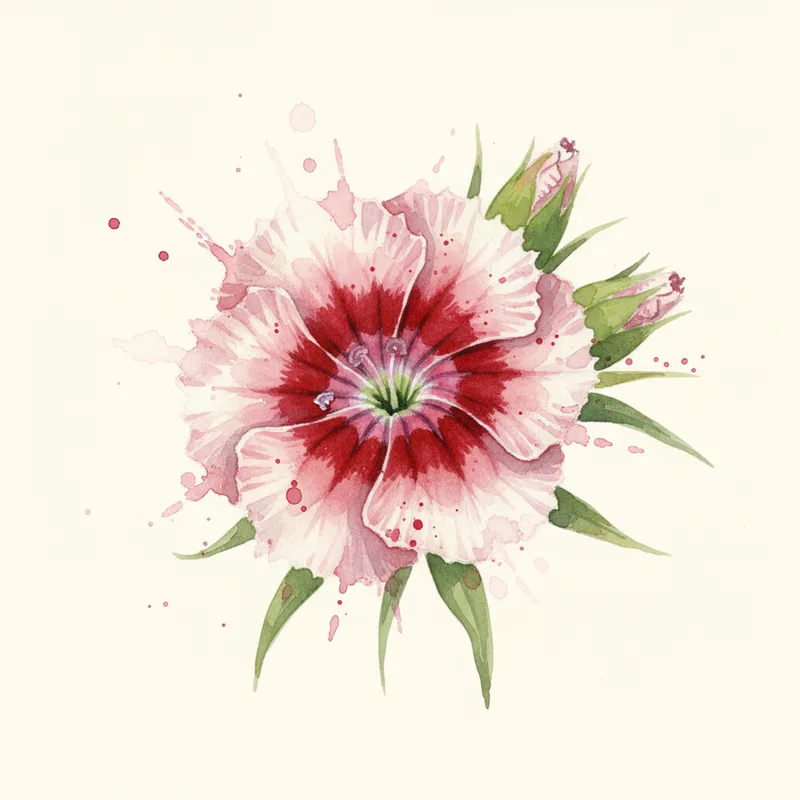
Dianthus is the quiet overachiever of the sunny border: a low cushion of blue-gray, grassy foliage that stays good-looking all twelve months, topped from late spring through summer with fringed, spice-scented flowers in pink, rose, red, white, and salmon. Crush a bloom and you get a hit of clove or cinnamon that explains why these have been cottage-garden staples for centuries. The whole genus goes by the common name "pinks," and the single most useful thing to know about growing them is this: shear the entire plant back by about a third right after the first flush, and you buy yourself a second and sometimes third round of bloom that runs into fall. Most gardeners skip that step and wonder why their dianthus quit in July.
The myth in the name: "pinks" is not about the color
Almost everyone assumes "pinks" describes the flower color. It does not. The name comes from the petal edges, which look as if they were trimmed with pinking shears: that fringed, zigzag, finely cut margin. The verb "to pink" (to cut a serrated edge) is older than the use of pink as a color word, and some etymologists argue the color was actually named after the flower rather than the other way around. Either way, you will find white pinks, red pinks, and bicolor pinks with a dark contrasting eye. Judge a dianthus by its fringe, not its hue.
Dianthus is a big genus with a few players worth knowing by name:
- Cheddar pinks (Dianthus gratianopolitanus): the hardiest and most heat-and-humidity tolerant group, named for Cheddar Gorge in England. Tight evergreen mats, fragrant flowers, the best choice for tough sites and the Southeast. Look for varieties like Firewitch and Bath's Pink.
- Cottage pinks (Dianthus plumarius): the classic fringed, intensely clove-scented garden pinks, often double.
- Sweet William (Dianthus barbatus): a short-lived biennial or perennial grown for dense, flat-topped flower clusters in strong colors. It typically blooms big in its second year, then self-seeds to keep itself going.
- Carnations (Dianthus caryophyllus): the florist's flower and the original "clove gilliflower," taller and frillier, less reliably hardy in the open garden than the low border pinks.
Is dianthus a perennial or an annual?
This is the question people search most, and the honest answer is "it depends which dianthus." Most garden pinks (cheddar pinks and cottage pinks especially) are short-lived perennials, hardy roughly across USDA zones 3 to 9, with cheddar pinks the toughest of all. Sweet William behaves as a biennial or short-lived perennial that keeps the colony going by self-seeding. A few large-flowered bedding types are sold and treated as annuals in hot climates. The practical takeaway: buy a perennial cheddar or cottage pink if you want a plant that returns and slowly forms a wider mat year after year, and give it the lean, sharp-draining conditions below so it actually survives the winter rather than rotting.
Where dianthus wants to live: think lavender conditions
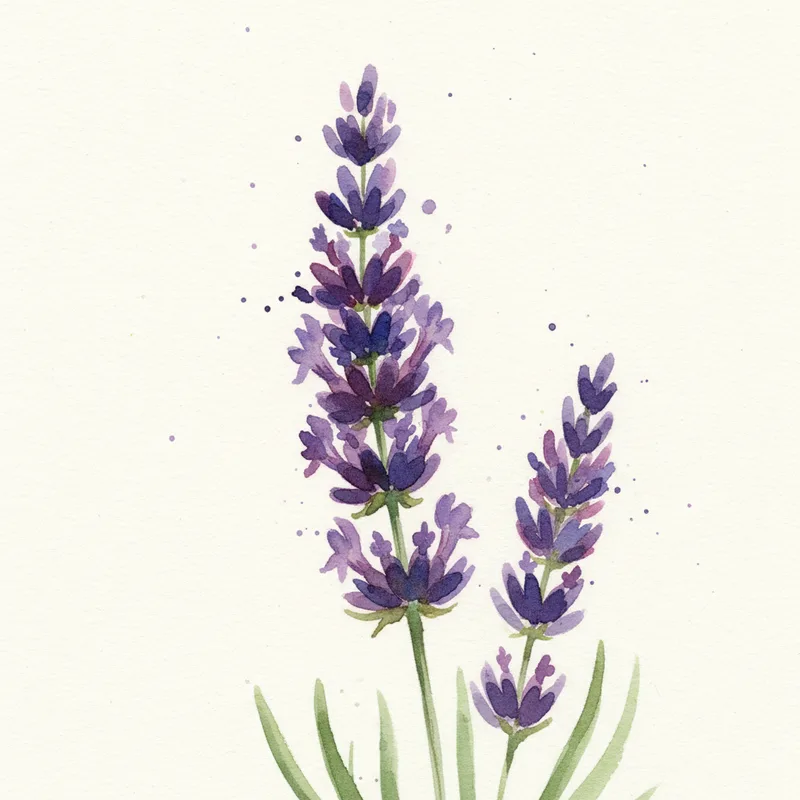
If you can grow lavender, you can grow dianthus, because they want nearly identical conditions. Both are Mediterranean-minded plants that thrive on lean soil, sharp drainage, and full sun, and both are killed far more often by kindness (rich soil, heavy mulch, too much water) than by neglect.
- Sun: full sun, meaning 6 or more hours of direct light. In hot southern gardens a little afternoon shade is tolerated, but shade brings floppy growth and few flowers.
- Soil: neutral to slightly alkaline, gritty, fast-draining soil. Dianthus famously sulks in acidic, soggy ground. If your soil is heavy or acidic, work in coarse grit and a little lime, or plant in a raised bed or rock garden.
- Drainage: non-negotiable. Wet feet in winter cause crown rot, the number one killer of dianthus. Plant the crown slightly high and never pile mulch over it.
- Water: low once established. Water new plants until rooted, then back off. Established pinks are notably drought-tolerant and prefer to dry out between drinks.
- Mulch: go gravel, not bark. A mulch of grit or fine gravel keeps the crown dry and reflects heat; a thick organic mulch holds moisture against the stem and invites rot.
Size and spacing
Border dianthus run about 6 to 18 inches tall, depending on type, with the foliage mat staying low (often just 4 to 8 inches) and the flower stems carrying the blooms above it. Space plants roughly 6 to 12 inches apart so air moves freely through the cushions; crowding traps humidity and encourages fungal trouble. That compact, mounding habit is exactly why dianthus is one of the best front-of-border edgers and rock-garden plants going, and why it shines tumbling over the lip of a container or wall.
The all-season bloom trick: shear, don't just snip
Dianthus naturally flowers heavily in late spring and early summer. Left alone, many plants slow to a trickle by midsummer. The fix is a hard, confident haircut rather than picking off spent blooms one at a time.
- Let the first big flush bloom and start to fade.
- Take hedging shears or scissors and cut the whole plant back by about one third, removing the spent flower stems down into the top of the foliage cushion.
- Water it once, then leave it. Within a couple of weeks the mound flushes with fresh growth and sets a second round of buds.
- Repeat after that flush if the season is long enough. In mild zones this can carry color into fall.
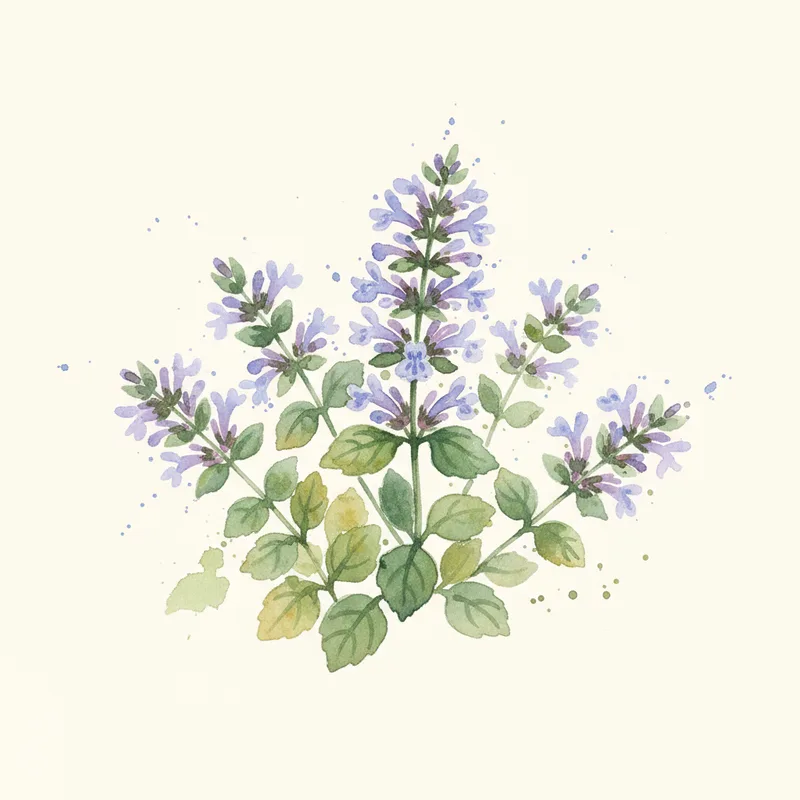
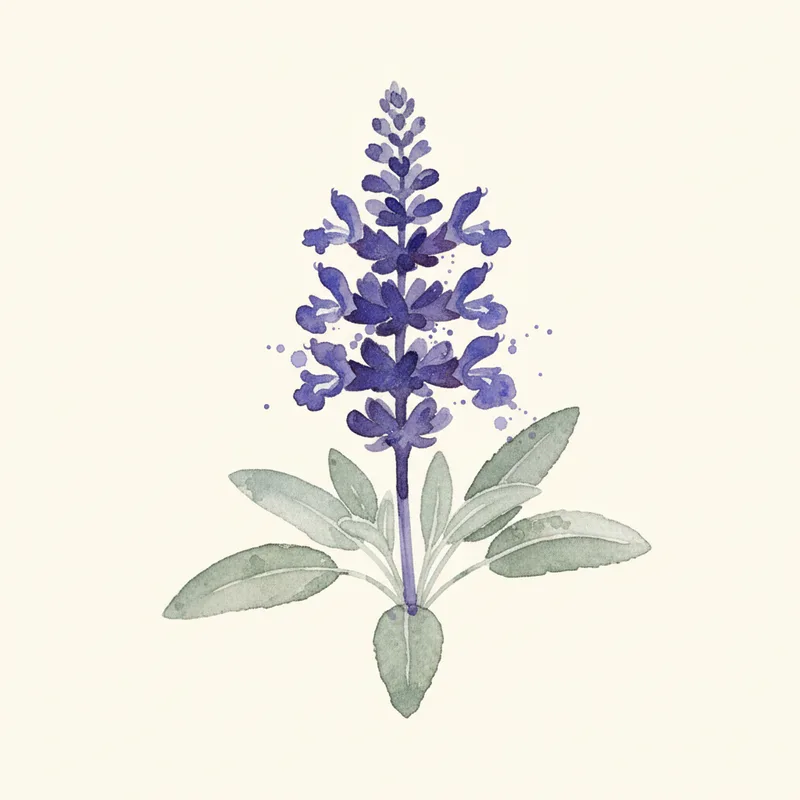
This shearing is also what keeps the plant dense and tidy instead of going woody and bare in the center. For the wider logic of cutting plants back to force more flowers across your whole garden, see the deadheading guide linked below. The same one-third shear is the secret behind nonstop catmint and salvia, two perennials that pair beautifully with pinks and respond to identical treatment.
Designing with dianthus
Because the foliage is a cool blue-gray and the flowers are warm pinks and reds, dianthus reads as a crisp, slightly silvery edge that flatters almost everything behind it. A few combinations that work:
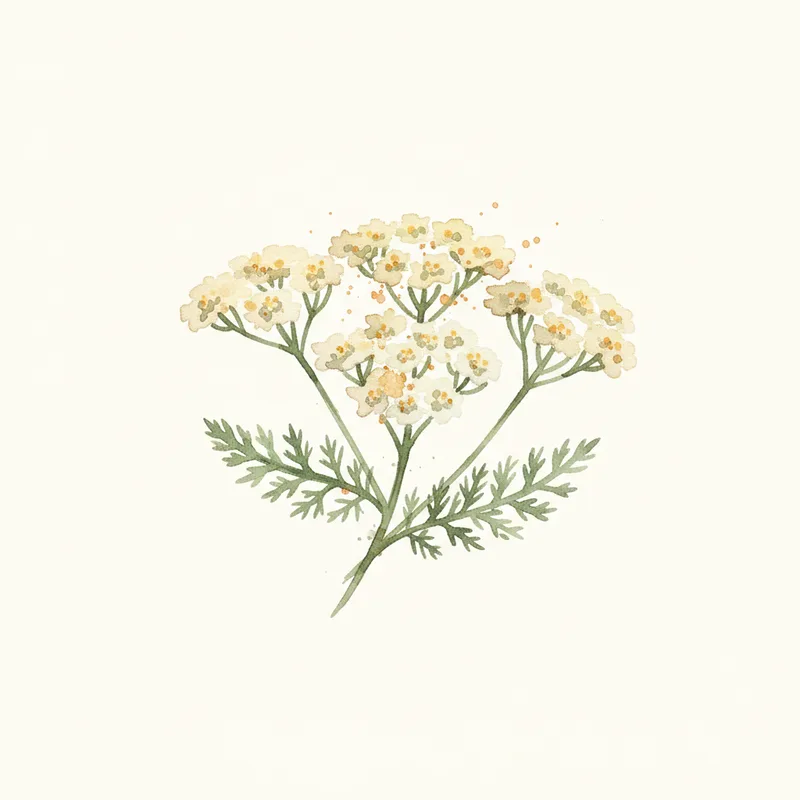
- As a fragrant front-of-border ribbon ahead of taller sun-lovers like salvia and yarrow.
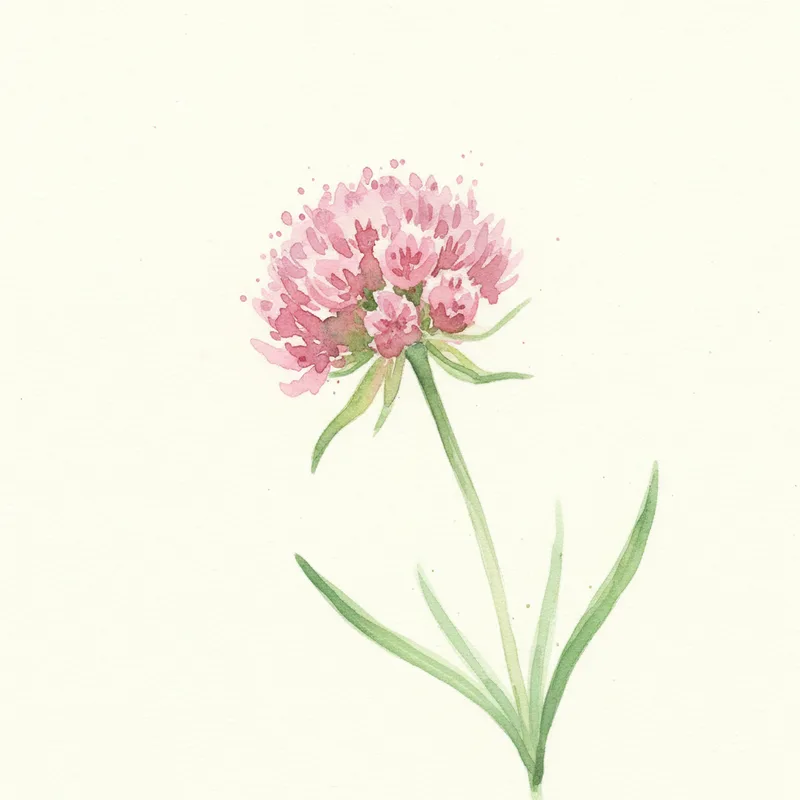
- Threaded through a rock garden or gravel garden with sea thrift, whose grassy tufts and round pink pom-poms echo the dianthus palette and share its love of lean soil.
- Spilling over a low wall or container edge beside lavender for a double dose of scent.
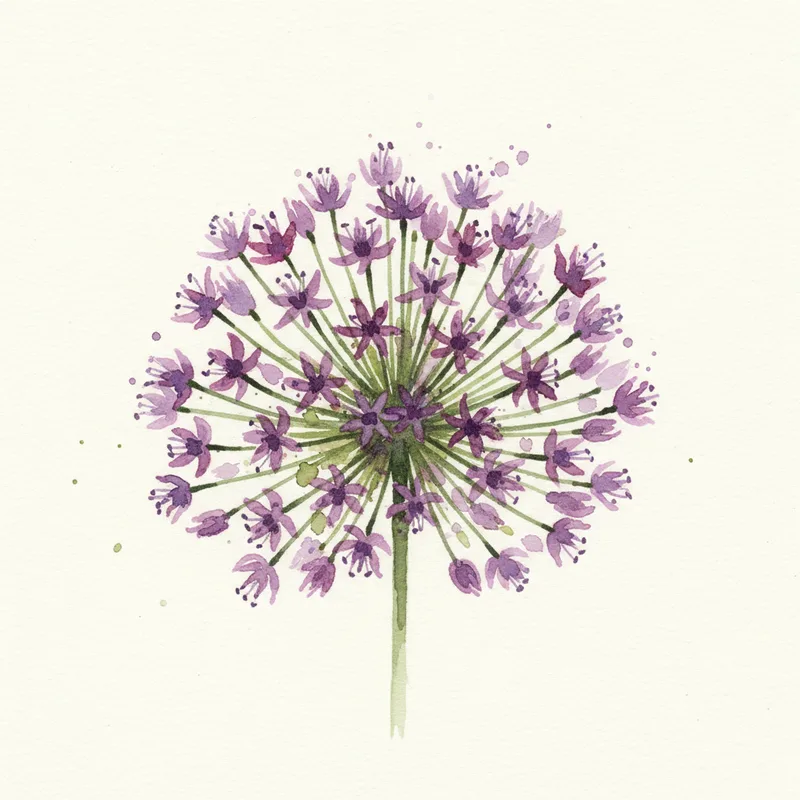
- Underplanting spring bulbs like allium, whose tall purple globes rise cleanly out of the low evergreen mat.
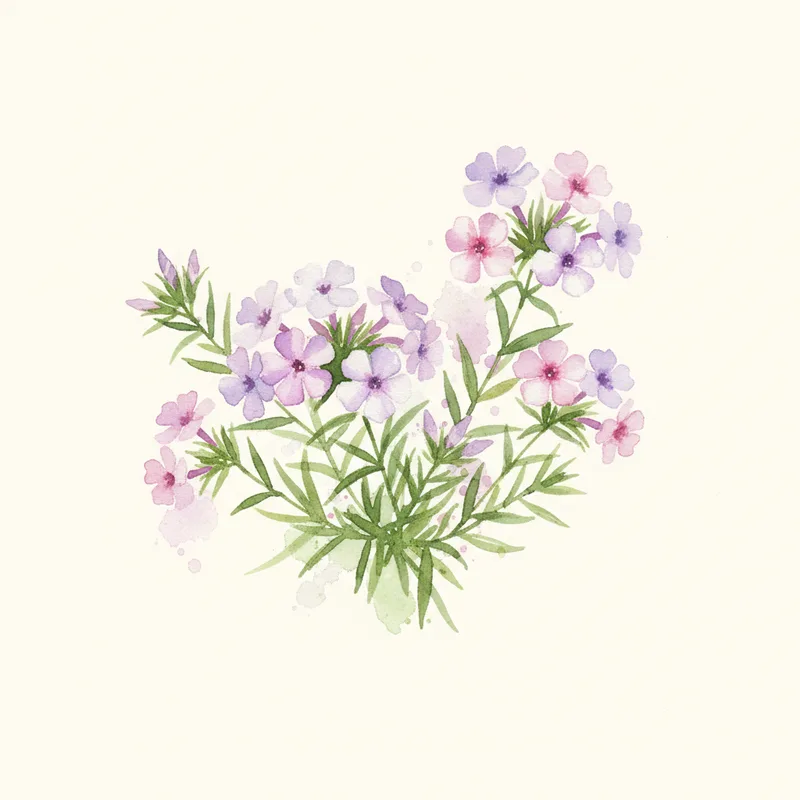
- As an edging companion to creeping phlox for a long one-two punch: phlox carpets in April and May, dianthus picks up the baton and runs through summer.
What can go wrong
Dianthus is genuinely easy, but three things trip people up. Crown and root rot from wet, heavy soil is the big one, and it is nearly always a drainage and mulch problem, not a disease you can spray away. Floppy, flowerless growth means not enough sun or too much nitrogen; dianthus wants lean soil and bright light, not feeding. And a woody, hollow center on an older clump is the plant telling you it skipped its haircuts: shear it hard, and if it is truly spent, take a few non-flowering shoots as cuttings or simply let Sweet William types self-seed a fresh generation. Fungal leaf spots show up mainly where air is stagnant, so spacing and a gravel mulch solve most of it.
Common dianthus questions
Does dianthus come back every year?
Perennial types like cheddar pinks and cottage pinks come back for several years and slowly widen into bigger mats, especially in zones 3 to 9 with sharp drainage. They are short-lived as perennials go, so plan to divide or replace clumps every few years, and let Sweet William reseed itself to keep that colony perpetual. The fastest way to lose a dianthus is winter wet, so drainage matters more than cold for return performance.
Why is my dianthus not blooming?
The usual culprits are too much shade, too much nitrogen, or no midseason shear. Dianthus needs 6 or more hours of direct sun and lean soil to flower hard; rich, fertilized ground gives you lush leaves and few blooms. If it bloomed in spring and then stopped, you almost certainly missed the cut-back: shear the whole plant by about a third right after the first flush to trigger a fresh round.
Is dianthus deer resistant?
Yes. Dianthus is reliably deer-resistant and rabbit-resistant, thanks to the spicy, clove-scented foliage and flowers that browsing animals dislike. No plant is ever fully deer-proof in a hungry winter, but pinks rank among the safer bets for unfenced gardens, alongside companions like lavender, catmint, and yarrow.
Full sun or shade for dianthus?
Full sun, without much hedging. Give dianthus at least 6 hours of direct light for compact growth and heavy bloom. In the hottest southern zones it will accept a touch of afternoon shade, but anything approaching real shade produces leggy, sparse, flop-prone plants. Treat it like lavender: the sunnier and leaner the spot, the happier it is.
How do you deadhead dianthus?
For a few flowers, pinch or snip individual spent stems back to a leaf. But the move that actually keeps it blooming is to shear the entire plant by about one third once the first flush fades, cutting the old flower stalks down into the top of the foliage cushion. Water once afterward and the mound regrows and reblooms within a couple of weeks. This also keeps the cushion dense instead of going woody in the middle.
Is dianthus fragrant, and does it make a cut flower?
Most pinks and all true carnations carry a distinctive clove or cinnamon spice scent, strongest in cottage pinks and many cheddar pinks (a few modern bedding strains have traded away fragrance for flower size, so sniff before you buy). The flowers are excellent small cut flowers with a long vase life, perfect for tiny posies, and the low, fragrant, drought-tolerant cushions make dianthus a standout in containers and along paths where you brush past the scent.
Related reading
- Fragrant Flowers for Every Season
- The Best Long-Blooming Perennials
- The Easiest Perennials for Beginners
- Cottage Garden Flowers and Design
- How to Deadhead Flowers for More Blooms
- Drought-Tolerant Plants for a Water-Wise Garden
- How to Grow Allium
Browse sunny-border zones
See what blooms alongside dianthus in your region: Zone 5 in summer, Zone 6 in summer, Zone 7 in spring, and Zone 8 in summer.
What's growing, what's blooming, what's worth planting.
For gardeners who like to stay ahead.