Rudbeckia: How to Grow Black-Eyed Susan That Returns
Rudbeckia hirta reseeds and fades. Rudbeckia fulgida 'Goldsturm' is the perennial that returns. How to grow black-eyed Susan, and when to deadhead.
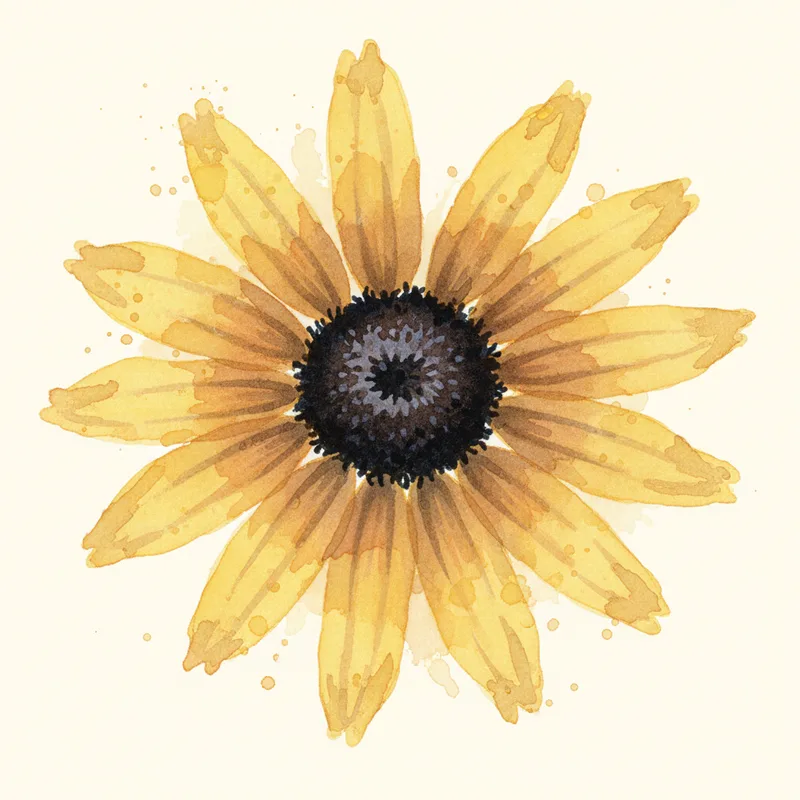
In the second week of July, when the peonies are a memory and the asters are still a rumor, one plant carries the whole border: a knee-high thicket of golden daisies with a dark chocolate button at the center. Black-eyed Susan is the flower people point at from the car. It is also the flower people buy twice, because two very different plants share that name and the nursery tag rarely tells you which one is in the pot. One of them lives a season or two and reseeds itself. The other is a rhizome-spreading perennial that will hold the same square yard for a decade. Knowing which one you are holding is most of what there is to know about growing rudbeckia well.
Two rudbeckias, two completely different plants
Rudbeckia is a genus of North American daisies, and two species do nearly all the work in home gardens. They look like siblings and behave like strangers. For the other half of that late-season pairing, see how to grow asters, where the naming confusion runs deeper still.
- Rudbeckia hirta is the roadside wildflower. Missouri Botanical Garden calls it an "annual, biennial, or short-lived perennial," winter hardy in USDA zones 3 to 7, that flowers in its first year from seed sown in early spring, and lists its suggested use as an annual. North Carolina State Extension describes the same plant as a biennial or short-lived perennial, often mistaken for an annual because it blooms right away. Gloriosa daisies belong here: Missouri Botanical Garden says plants of this species are sometimes commonly called gloriosa daisy, particularly the larger-flowered cultivars. So do 'Indian Summer' and 'Prairie Sun,' which Missouri Botanical Garden files as R. hirta cultivars, and 'Cherry Brandy' and 'Autumn Colors,' which Penn State Extension calls technically biennials, treated as annuals and replanted yearly. Plant it for this summer, and let it seed itself into the next one.
- Rudbeckia fulgida is the perennial. Missouri Botanical Garden describes it as an upright, rhizomatous, clump-forming perennial, hardy in zones 3 to 9, whose plants slowly spread in the garden by rhizomes. This is the one you plant once.
Where they come from is less settled than a plant tag suggests. Missouri Botanical Garden gives R. hirta's native range as the central United States, while NC State calls the same species native to the eastern United States. Missouri Botanical Garden files R. fulgida under the southeastern United States. Do not buy on geography. Buy on lifespan.
The cultivar that made the species famous is 'Goldsturm' (Rudbeckia fulgida var. sullivantii 'Goldsturm'). The Perennial Plant of the Year listing tells the story: Heinrich Hagemann spotted an exceptional plant at a Czech nursery in 1937, the war delayed its debut, and it was not until 1949 that the plant we now call 'Goldsturm' began its run. (Missouri Botanical Garden dates the introduction to 1937, the year of the find.) The Perennial Plant Association named it Perennial Plant of the Year in 1999, and the award's own listing calls it one of the most popular perennials of the past fifty years. Missouri Botanical Garden puts it at 2 to 3 feet tall and 1 to 2 feet wide, blooming June to September. One catch is worth knowing at the register: 'Goldsturm' does not come true from seed and has to be propagated vegetatively, so any seedlings that turn up around an established clump will not match their parent.
Where rudbeckia wants to live
This is a prairie plant with a prairie plant's tastes: bright light, ordinary soil, no standing water. It is far easier to kill with kindness (deep shade, soggy ground, daily irrigation) than with neglect.
- Sun: full sun, meaning 6 or more hours of direct light. Missouri Botanical Garden says best bloom occurs in full sun, although plants will tolerate some light shade. Shade buys you leggy stems and half the blooms.
- Soil: average is perfect, though the exact recipe shifts by species. Missouri Botanical Garden calls for dry to medium, organically rich to average, well-drained soil for R. fulgida; average, medium-moisture, well-drained soil for R. hirta; and average, moist, well-drained soil for 'Goldsturm.' NC State Extension lists clay, loam, and sand, across acid, neutral, and alkaline pH, for R. hirta and for 'Goldsturm.' There is no soil-prep ritual to perform here.
- Clay: tolerated. Clay soil sits on the tolerance list at Missouri Botanical Garden for R. hirta, R. fulgida, and 'Goldsturm' alike, and the Perennial Plant of the Year listing says 'Goldsturm' tolerates clay soils. Soggy is the line: Missouri Botanical Garden says R. hirta takes a wide range of soils except poorly-drained wet ones, and NC State lists R. fulgida's drainage needs as good drainage, moist, or occasionally dry.
- Water: regular the first season, then mostly, but not entirely, on its own. Missouri Botanical Garden says established plants have some tolerance for drought, and every rudbeckia page we checked credits the plant with drought tolerance once it is established. Read the hedge. The same page says 'Goldsturm' prefers consistent moisture throughout the growing season, and the Perennial Plant of the Year listing has it tolerating clay and mild droughts while growing best in consistently moist soil. Water new plants until they root. After that, keep watering an established clump through a dry summer. This is not a plant for a xeriscape.
- Air: leave room for a breeze. Missouri Botanical Garden's culture note for 'Goldsturm' is brief and worth obeying: good air circulation is appreciated. NC State says 'Goldsturm' may be susceptible to angular leaf spots, Septoria leaf spots, and powdery mildew, primarily in humid areas of the southern United States where plants are crowded. Spacing is a disease decision as much as a design one.
Size and spacing
Missouri Botanical Garden puts 'Goldsturm' at 2 to 3 feet tall and 1 to 2 feet wide; the Perennial Plant of the Year listing gives 18 to 30 inches tall and 24 inches wide. R. hirta runs about the same, 2 to 3 feet tall and 1 to 2 feet wide. Set plants roughly 18 to 24 inches apart and let a fulgida clump close the gaps on its own. It widens by rhizome, slowly, rather than running.
When it blooms
The sources disagree, which is itself useful. Missouri Botanical Garden lists June to September for both R. hirta and 'Goldsturm,' and July to October for the species R. fulgida. The Perennial Plant of the Year listing gives 'Goldsturm' mid-July to October. Penn State Extension says established plants bloom from July into October. NC State puts R. fulgida's flowers at August to October. Nobody agrees on the edges.
Our own read, laying those listings side by side: August and September are the only two months all of them include. July is in every listing but NC State's. June belongs to R. hirta and 'Goldsturm' at Missouri Botanical Garden and nobody else, and October is a bonus your autumn either grants or does not. Count on August and September, in other words, and treat the shoulders as your season's business. That lands rudbeckia squarely in the midsummer window when a spring-heavy garden usually goes quiet, and it hands off cleanly to aster and goldenrod in the fall.
Deer tend to leave it alone
Every source we checked lists deer resistance. Missouri Botanical Garden puts deer on the tolerance list for R. hirta, R. fulgida, and 'Goldsturm.' NC State Extension rates R. hirta moderately deer resistant, and calls R. fulgida occasionally damaged by deer but moderately resistant.
As for why, Penn State Extension credits texture: the coarse, hairy foliage provides some deer resistance. That is the mechanism an extension source will actually put in writing, and it is worth taking literally. Bristly leaves discourage browsing. They do not poison anything. Note the hedging in all three listings, too: "some" resistance, "moderately" resistant, "occasionally damaged." Not one of them calls the plant deer-proof, and none of them can account for a hard winter and a hungry herd. Penn State also reports finding newly planted rudbeckia irresistible to rabbits, and advises protecting young plants until they are well established.
It self-seeds, and whether that is a gift depends on your garden
R. hirta does not survive by living long. It survives by reseeding. Missouri Botanical Garden says plants freely self-seed and will usually remain in the garden through self-seeding, and the same page files "can self-seed freely" under Problems. Both statements are true. Which one applies to you is a design question, not a botany question.
In a meadow, a gravel garden, a hell strip, or any bed where you want drifts, self-seeding is the entire point. The colony drifts toward the conditions it likes and you get more plants for nothing. In a tight, edged, formal border it is a chore, and Penn State Extension's advice is the right one: they self-seed, so choose a spot in the garden where you will enjoy this plant long term. R. fulgida spreads by rhizome, and NC State tags it as self-seeding as well, though without saying more than that. Two controls work. Deadhead before the heads ripen and almost no seed sets. Or let it seed and edit the volunteers in spring, when the low leafy rosettes are easy to recognize and easy to pull.
The honest tradeoff: deadhead, or feed the goldfinches
Here is the choice that never makes it onto the plant tag. You cannot have both halves of it.
Deadhead and you get more flowers. Missouri Botanical Garden's instruction for 'Goldsturm' is one line: deadhead spent flowers to encourage additional bloom. NC State Extension agrees, and puts a horizon on it: deadheading spent blooms will promote reblooming throughout the season. Penn State adds that cutting stems for bouquets does the same work.
Leave the heads and you get birds. NC State's advice for R. fulgida is direct: leave the seed heads on as a winter food source for the birds, and it names American goldfinches as the songbirds that eat the seeds in fall. Penn State says several species of birds will feast on the mature seeds of the flower heads if they are left intact at the end of the growing season.
A deadheaded flower makes no seed. That is the whole tension. Every head you cut is one more bloom and one less meal. Anyone who promises you nonstop deadheading and a full winter seed crop is describing two different plants.
Here is how we split it. Deadhead through July and August, while cutting still buys another flush. Stop in early September and let the last round ripen. You trade a couple of weeks of late flower for a standing crop of seed heads, a bed that looks like something in January, and goldfinches working the stems in the snow. If you cannot stand a scruffy border, split it by clump instead of by calendar: shear the ones along the path, leave the ones at the back.
One complication. If leaf spot has wrecked the foliage, the disease advice runs the other way. Missouri Botanical Garden's guidance for rudbeckia leaf spots is to collect and dispose of old foliage in the fall or by late winter to help prevent early infection, and NC State's 'Goldsturm' page says to remove the dead foliage in fall. Healthy clumps can stand all winter. Spotted ones should be cleaned up.
Leaf spot, and the Goldsturm problem
Rudbeckia has one real disease story and 'Goldsturm' sits at the center of it. Missouri Botanical Garden describes two leaf spots on rudbeckia, one fungal (Septoria rudbeckiae) and one bacterial (angular leaf spot), and states that angular leaf spot is most common on the cultivar 'Goldsturm.' Penn State puts it bluntly: 'Goldsturm' is particularly prone to angular leaf spot, and combined with Septoria it can leave the foliage looking very unsightly by the end of the growing season. The flowers stay fine. The lower leaves go brown to black and the damage climbs.
The cultural fixes are the ordinary ones. Water at the soil rather than overhead, with a soaker hose or an early watering so leaves dry before dark. Give plants room. Collect infected foliage and dispose of it rather than composting it.
There is also a partial genetic fix, and the limit on it matters. 'American Gold Rush' is a hybrid whose narrow, hairy foliage was bred for resistance to Septoria leaf spot. All-America Selections, which named it a 2020 herbaceous perennial winner, says the hybrid shows no signs of the fungus even in wet, humid conditions, and it went on to become the Perennial Plant Association's Perennial Plant of the Year for 2023. Read that claim precisely: Septoria is the fungal half of the problem. No source we found says 'American Gold Rush' resists angular leaf spot, the bacterial disease Missouri Botanical Garden ties specifically to 'Goldsturm.' What the Perennial Plant of the Year listing does say is that it is a great substitute for the brassier 'Goldsturm,' which it calls highly susceptible to leaf spotting.
Two things to check before you swap. It is not the tidier plant: the Perennial Plant of the Year listing gives 'American Gold Rush' 22 to 27 inches tall and up to 40 inches wide, against 18 to 30 inches tall and 24 inches wide for 'Goldsturm,' so you are buying a broader clump, not a smaller one. (All-America Selections puts it at 22 to 24 inches tall and asks for 18 to 24 inches of spacing.) And it is one zone less hardy: the Perennial Plant of the Year listing rates it USDA zones 4 to 9 and All-America Selections calls it hardy to zone 4, while 'Goldsturm' is rated 3 to 9. Zone 3 gardeners should keep 'Goldsturm' and manage the leaf spot culturally. For everyone else, in a humid summer garden, this is the version of the plant we would put in the ground now.
What to plant with rudbeckia
- The prairie standard. Coneflower (how to grow it so it returns), liatris, and rudbeckia, with switchgrass or little bluestem behind them for movement.
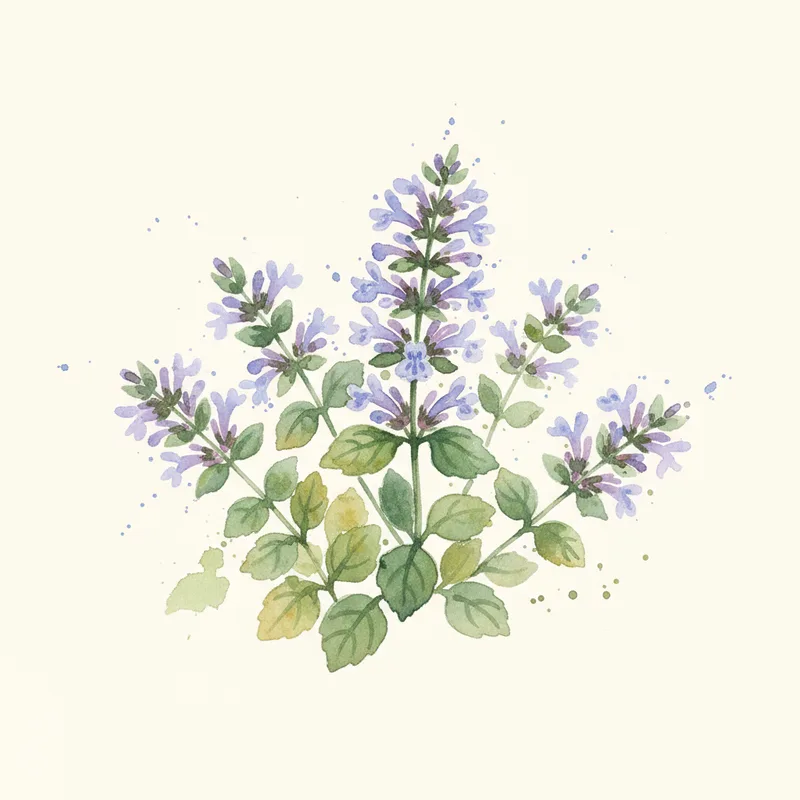
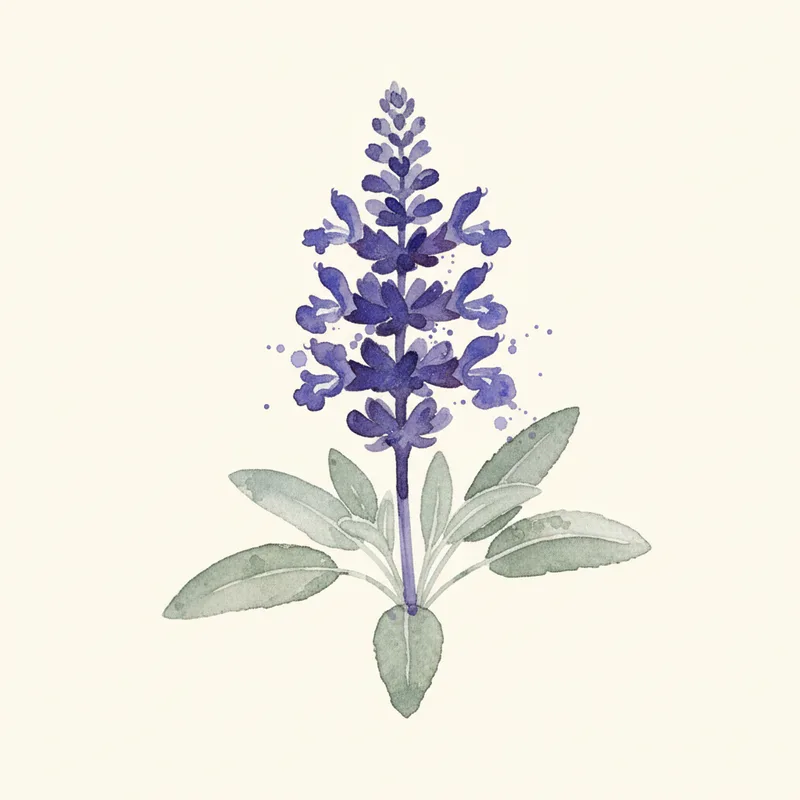
- Cool against hot. The gold reads twice as bright next to Russian sage, catmint, or a blue salvia.
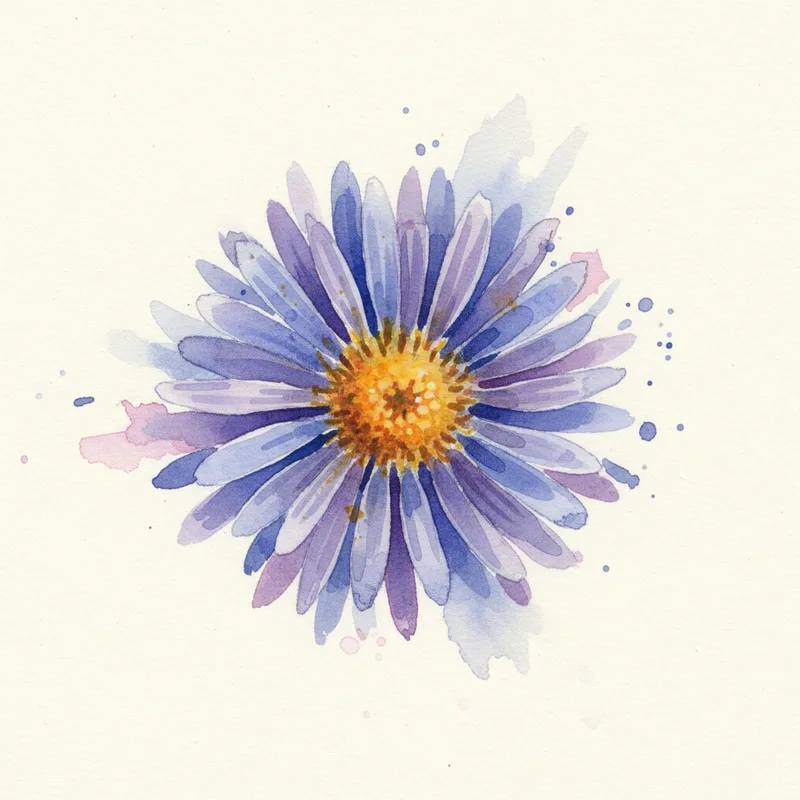
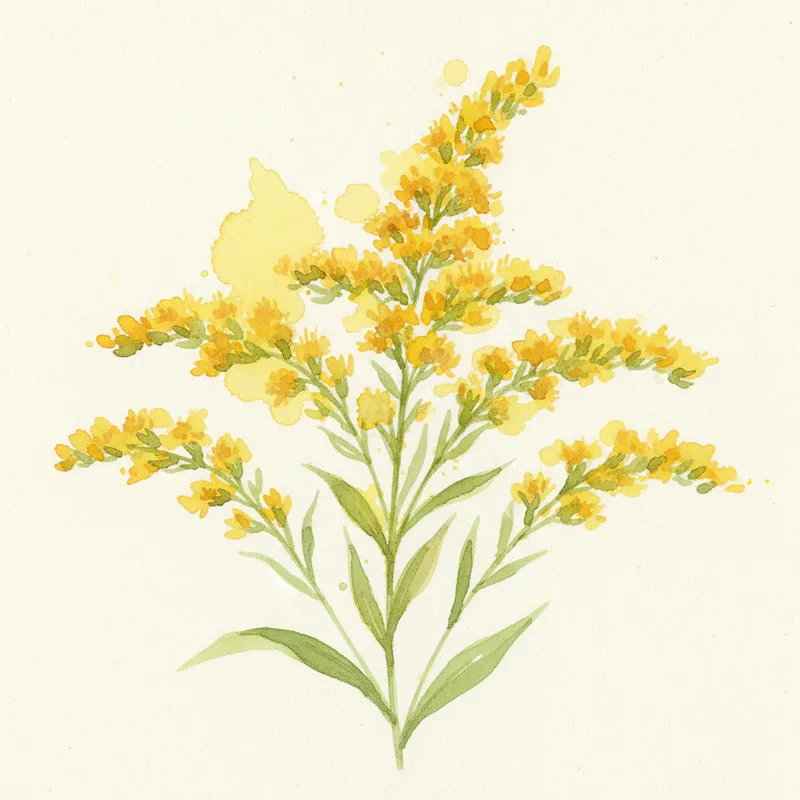
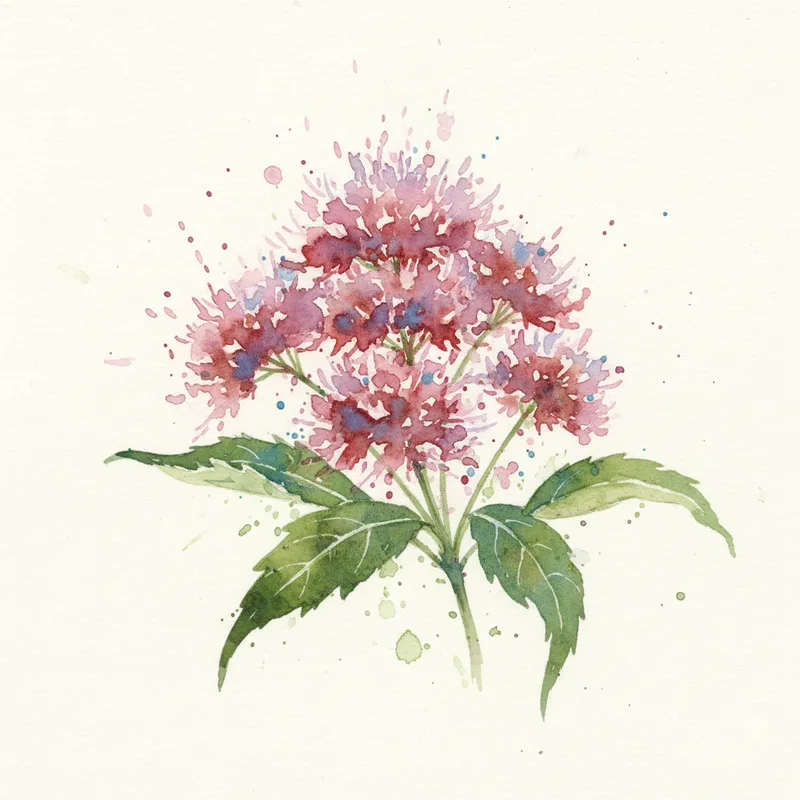
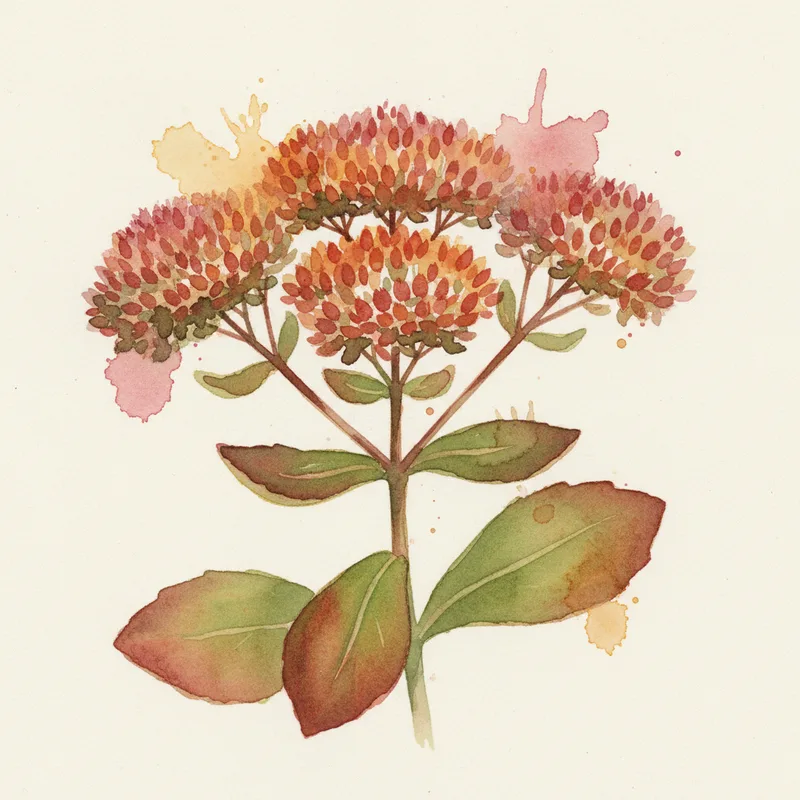
- The late relay. Joe-Pye weed, 'Autumn Joy' sedum, aster, and goldenrod pick up where the daisies fade and carry the seed-head-and-stem look into winter.
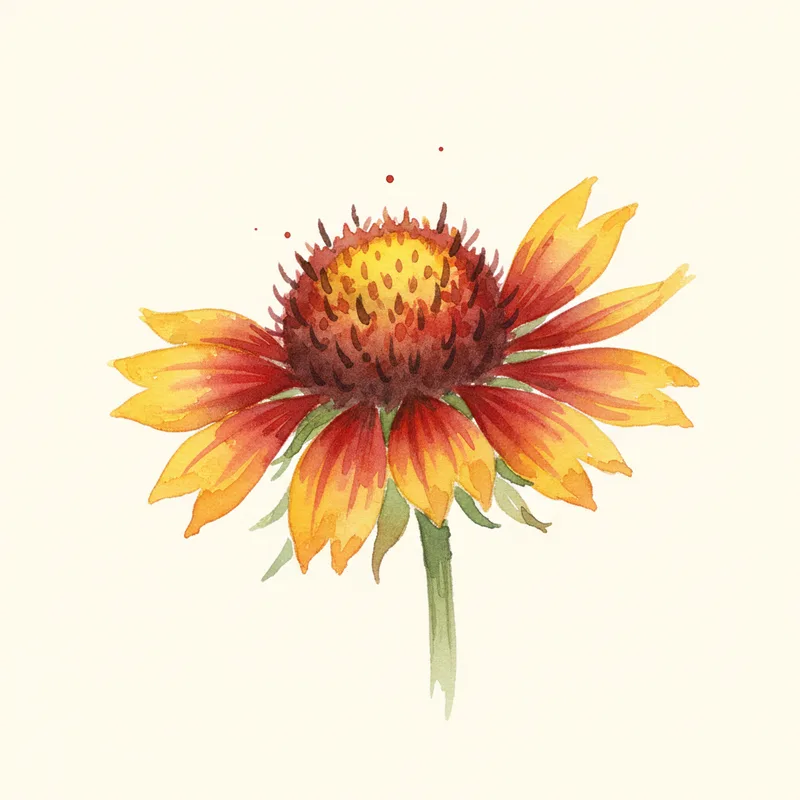
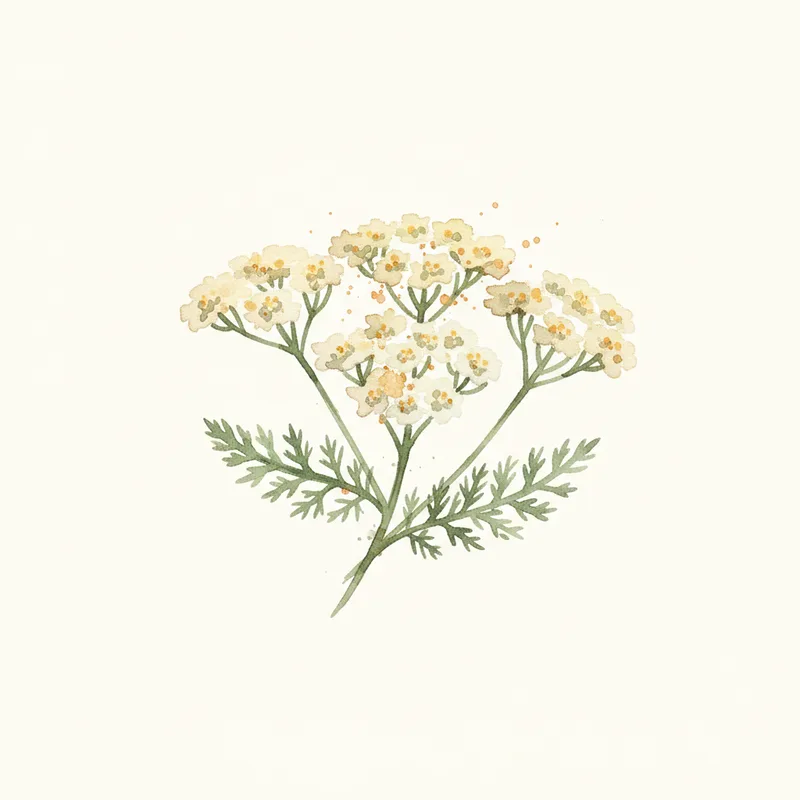
- Same treatment, no extra thought. Blanket flower and yarrow want the same open, sunny, well-drained spot, and they will forgive a dry week even faster than rudbeckia does.
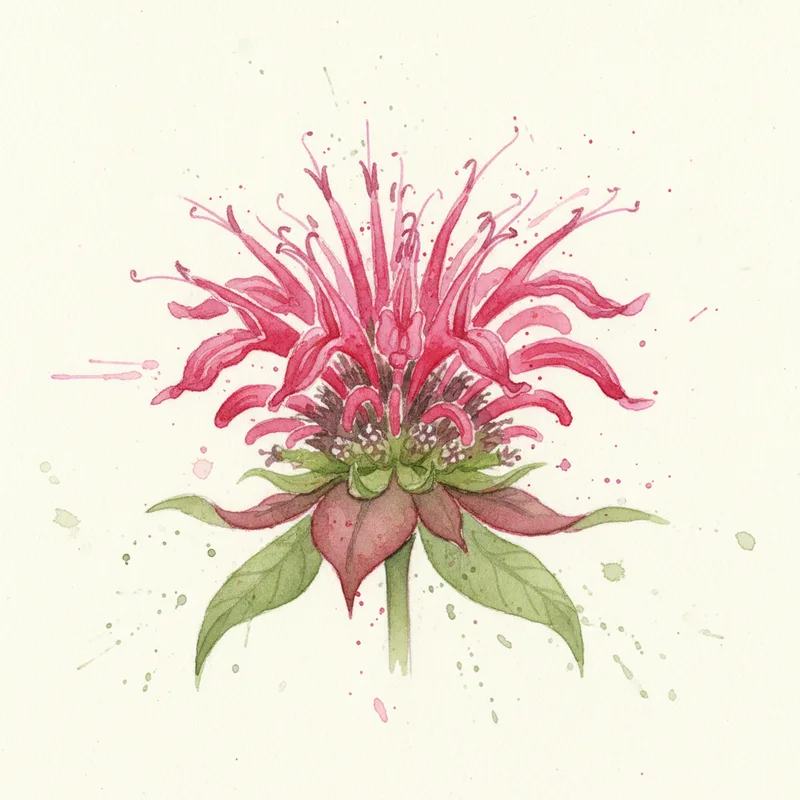
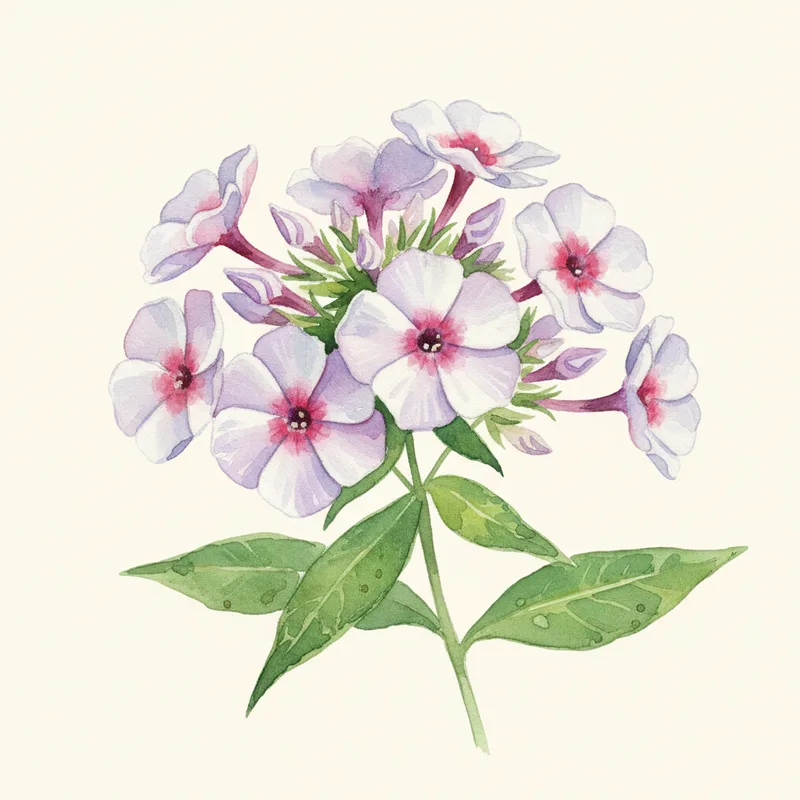
- Pollinator weight. Bee balm and garden phlox add scent and nectar to a planting that is already doing heavy work for butterflies.
Common rudbeckia questions
Is black-eyed Susan an annual or a perennial?
It depends entirely on the species, and this is the single most useful thing to check before you buy. Missouri Botanical Garden describes Rudbeckia hirta as an annual, biennial, or short-lived perennial, winter hardy in zones 3 to 7, that flowers in its first year from seed sown in early spring; it lists the plant's suggested use as an annual. Rudbeckia fulgida, including 'Goldsturm,' is a true herbaceous perennial in zones 3 to 9 that spreads slowly by rhizomes. If you want the plant to return, buy fulgida. If the tag only says "Rudbeckia," find the species name before you commit a spot to it.
Does rudbeckia come back every year?
Rudbeckia fulgida and its cultivar 'Goldsturm' do, reliably, in zones 3 to 9, widening by rhizome each season. Rudbeckia hirta usually comes back as a new generation rather than the same plant: Missouri Botanical Garden notes that it freely self-seeds and will usually remain in the garden through self-seeding. One wrinkle for 'Goldsturm' owners: that cultivar does not come true from seed, so volunteers under an established clump will be variable rather than identical copies.
Is rudbeckia deer resistant?
Usually, but no source calls it deer-proof. Missouri Botanical Garden lists deer tolerance for R. hirta, R. fulgida, and 'Goldsturm.' NC State Extension rates R. hirta moderately deer resistant, and R. fulgida as occasionally damaged by deer but moderately resistant. Penn State Extension attributes the effect to the coarse, hairy foliage, which it says provides some deer resistance. Every one of those ratings is hedged, and none of them can predict a hard winter and a hungry herd, so treat rudbeckia as a plant deer prefer to skip rather than one they cannot eat. Penn State also reports that newly planted rudbeckia is irresistible to rabbits, and advises protecting young plants until they are well established.
Should I deadhead black-eyed Susan or leave the seed heads?
You have to pick, because a deadheaded flower cannot set seed. Missouri Botanical Garden's advice for 'Goldsturm' is to deadhead spent flowers to encourage additional bloom, and NC State says deadheading spent blooms will promote reblooming throughout the season. Leaving the heads gives you a winter food source for birds, and NC State names American goldfinches as the songbirds that eat rudbeckia seed in fall. Our compromise is to deadhead through July and August, then stop in early September and let the final flush ripen into seed heads for the birds and for winter structure. The exception is disease: if leaf spot has browned the foliage, clean the plant up in fall regardless, since Missouri Botanical Garden advises collecting and disposing of old foliage in the fall or by late winter to help prevent early infection.
Why does my Goldsturm have black spots on the leaves?
Almost certainly leaf spot, and 'Goldsturm' is the cultivar most associated with it. Missouri Botanical Garden identifies two culprits on rudbeckia, a fungal Septoria leaf spot and a bacterial angular leaf spot, and notes that angular leaf spot is most common on 'Goldsturm.' Penn State says the combination can leave the foliage looking very unsightly by the end of the growing season. Stop watering overhead, thin crowded clumps so leaves dry faster, and remove infected foliage in fall or by late winter. If it recurs every year, consider 'American Gold Rush,' whose hairy foliage was bred for resistance to Septoria, the fungal one. No source claims it resists the bacterial angular leaf spot, though the Perennial Plant of the Year listing does call it a great substitute for 'Goldsturm,' which it rates highly susceptible to leaf spotting. Check your zone first: 'American Gold Rush' is rated hardy to zone 4, one zone shy of 'Goldsturm.'
When does black-eyed Susan bloom?
Midsummer into fall, with the edges depending on which source and which species you ask. Missouri Botanical Garden lists June to September for R. hirta and for 'Goldsturm,' and July to October for the species R. fulgida. The Perennial Plant of the Year listing gives 'Goldsturm' mid-July to October. Penn State Extension puts established plants at July into October, and NC State puts R. fulgida at August to October. August and September are the only months every one of those listings covers, so treat those two as the guarantee and the shoulders as a function of your species and your season.
Does black-eyed Susan grow in clay?
Yes. Clay soil is on the tolerance list at Missouri Botanical Garden for R. hirta, R. fulgida, and 'Goldsturm.' NC State Extension lists clay, loam, and sand across acid, neutral, and alkaline pH for R. hirta and for 'Goldsturm'; for R. fulgida it lists clay and shallow rocky soils. What it will not take is standing water: Missouri Botanical Garden says R. hirta handles a wide range of soils except poorly-drained wet ones, so a clay bed that stays saturated after rain needs raising or amending before you plant. Once the clump is established it tolerates dry spells, but do not read that as drought-proof. Missouri Botanical Garden says 'Goldsturm' prefers consistent moisture through the growing season, and the Perennial Plant of the Year listing rates its drought tolerance as mild.
Related reading
- Deer-Resistant Plants That Actually Look Good
- Best Long-Blooming Perennials (June Through Frost)
- Native Plants by Region: What to Grow Where You Live
- How to Build a Pollinator Garden That Works
- How to Deadhead Flowers (And Which Ones to Leave Alone)
- Fall Garden Cleanup: What to Cut Back and What to Leave
- Best Plants for Clay Soil (That Actually Thrive in It)
- Building a Winter Interest Garden (Plants for the Bare Months)
- How to Divide Perennials (When, Why, and Without Killing Them)
Browse summer zones
See what blooms alongside rudbeckia where you live: Zone 4 in summer, Zone 5 in summer, Zone 6 in summer, and Zone 7 in summer.
What's growing, what's blooming, what's worth planting.
For gardeners who like to stay ahead.