How to Grow Gladiolus: A Complete Guide to the 2026 Summer Bulb of the Year
Gladiolus is the 2026 Summer Bulb of the Year, and a corm you plant now throws a four-foot spike by July. Here is the zone-by-zone timing, the succession trick for blooms all summer, and the staking and care that separate towering spikes from flopped stems.
The gladiolus corm you push into warm soil this week will be sending up a four-foot spike of stacked blooms by mid-July, and it will keep opening from the bottom up for two solid weeks once it starts. There is a reason the National Garden Bureau named it the 2026 Summer Bulb of the Year. No other corm gives you this much vertical drama for the price of a coffee, and almost none is this forgiving of a gardener who plants it, walks away, and comes back at bloom time.
"Glads" carry a slightly dated reputation, the funeral-arrangement flower, the county-fair entry. Forget that. Planted in drifts, staked properly, and cut at the right moment, gladiolus is one of the most architectural and useful flowers you can grow, and the single best cut flower per square foot of any summer bulb. This guide covers the whole season: when to plant by zone, how to stagger plantings so you are never without spikes, how to keep them upright, and how to overwinter the corms so one purchase feeds you for years.
Why now is the moment to plant
Gladiolus corms go in after all danger of frost has passed and the soil has warmed to about 55°F at planting depth. Late May, for most of the country, is the sweet spot: the ground is warm, the long days of summer are ahead, and a corm planted now has the roughly 70 to 100 days it needs to bloom before fall. Plant today and you are looking at flowers in July and August, exactly when the early-summer perennials are fading and the garden needs a second act.
Glads bloom on a clock, not a calendar. Most varieties open 70 to 100 days after planting depending on size and weather. That predictability is what makes the succession trick below work so well.
Zone-by-zone planting timing
The rule is the same everywhere: wait for settled warm soil, then plant. What changes by zone is the window and how long it stays open.
- Zones 3 to 5: Plant from late May into June, once frost is reliably past. Your season is short, so get the first corms in as soon as the soil hits 55°F and stop new plantings by early July so the last batch can bloom before fall frost.
- Zones 6 to 7: Plant from mid-May through early July. This is the ideal gladiolus range: a long warm season with room for three or four succession plantings.
- Zones 8 to 9: Start in April and continue into summer. In the hottest stretch, plant where the spikes get afternoon shade to keep colors from bleaching.
- Zones 10 to 11: Plant in late winter through spring (January to March) for spring and early-summer bloom, and again in fall. Skip midsummer plantings; the heat shortens the show. Glads are hardy in the ground here and can be left to perennialize.
How to plant the corms
Three things decide whether you get a straight, tall spike or a stubby flopped one: depth, spacing, and sun.
Plant deep, pointed side up
Set corms 4 to 6 inches deep, flat (root) side down, pointed growing tip up. Depth is not optional with glads: a shallow-planted corm produces a top-heavy spike that topples in the first storm, while a corm planted a full 6 inches deep anchors itself and often needs no staking at all. In sandy soil, go to the deeper end of that range.
Space them for support and for cutting
Set corms 4 to 6 inches apart. Glads actually benefit from being planted close in blocks or double rows rather than single-file: the neighboring stems brace each other. If you are growing for cutting, plant in tight grids and let them lean on one another.
Give them full sun and free-draining soil
Gladiolus wants at least 6 hours of direct sun and soil that drains. The one reliable way to kill a corm is to leave it sitting in cold, wet ground, which rots it before it sprouts. Raised beds and sandy loam are ideal. Heavy clay needs amending with grit or compost first.
The succession trick: spikes all summer instead of all at once
This is the single most useful thing to know about glads, and the reason they belong in a cutting garden. Because each corm blooms on a predictable 70-to-100-day clock and then is essentially done, a single big planting gives you a glorious two-week wall of flowers followed by nothing.
The fix is succession planting. Instead of putting all your corms in at once, plant a handful every 10 to 14 days from your last-frost date until about 90 days before your first expected fall frost. Each batch blooms in sequence, so you get a continuous rolling supply of spikes from midsummer until the cold shuts it down. A flower farmer's standard is a new row every two weeks; a home gardener can do the same with a dozen corms a fortnight.
To find your last planting date, count back roughly 90 days from your average first fall frost. In zone 5 that means stopping around mid-July; in zone 7, early August; in zone 8 and warmer, you have until late August or beyond.
Staking: do it early or not at all
Tall gladiolus varieties (the four-to-five-foot show types) will lean toward the light and snap in summer thunderstorms if they are top-heavy. There are three ways to keep them vertical, in order of preference:
- Plant deep. A corm set 6 inches down often stands on its own. This is why depth matters so much.
- Block-plant for mutual support. Corms grown close in grids brace each other and rarely need stakes.
- Stake or net early. If you grow individual show spikes, drive a stake at planting time (not after, when you would slice through the corm) or stretch horizontal netting for the stems to grow up through. Hilling soil up around the base of the stems as they grow also adds support.
Watering and feeding
Glads are thirsty while building their spike. Give them about an inch of water a week, more in heat, and keep it consistent once the flower stalk emerges; uneven water makes uneven spikes. Water at the base, not overhead, to keep the foliage dry and discourage disease.
Feed at planting with a balanced or slightly low-nitrogen fertilizer, then again when the flower spikes first show. Skip high-nitrogen feeds, which push floppy leaves at the expense of bloom. After the corms sprout, a side-dressing of 5-10-10 at the two-to-three-leaf stage and again when buds color up is plenty.
Cutting glads for the vase
Gladiolus is built for cutting, and harvesting actually helps the corm by directing energy back below ground. Cut in the cool of the morning when the lowest one to three florets are just showing color but not yet fully open; the rest open in sequence in the vase over a week or more. Use a sharp knife and cut on a slant, but leave at least four leaves on the plant: the foliage is what recharges the corm for next year. Stand cut spikes upright in water, because if you lay them flat the tips curve upward toward the light within hours.
Varieties worth planting
Glads come in nearly every color, in heights from 18-inch dwarfs to five-foot giants, and in standard large-flowered types as well as smaller, more graceful forms. A few to look for:
Large-flowered standards (the four-to-five-foot show spikes)
- 'Green Star': Pure chartreuse-green, the florist's favorite for unexpected color in arrangements.
- 'Black Star': Deep velvety purple-maroon, nearly black, dramatic in a dark border.
- 'Priscilla': Ivory-white ruffled florets edged in pink, the classic wedding glad.
- 'Plum Tart': Saturated wine-purple, holds its color in heat better than most.
Smaller and species types (looser, more naturalistic)
- Hardy gladiolus (Gladiolus nanus, the 'Nanus' types): Shorter (18 to 24 inches), winter-hardy to zone 5 with mulch, and far more graceful than the big show spikes. 'Nathalie' and 'Las Vegas' are standouts.
- Byzantine gladiolus (Gladiolus communis subsp. byzantinus): Magenta species type, hardy to zone 5, naturalizes in drifts like a wildflower. The cottage-garden glad.
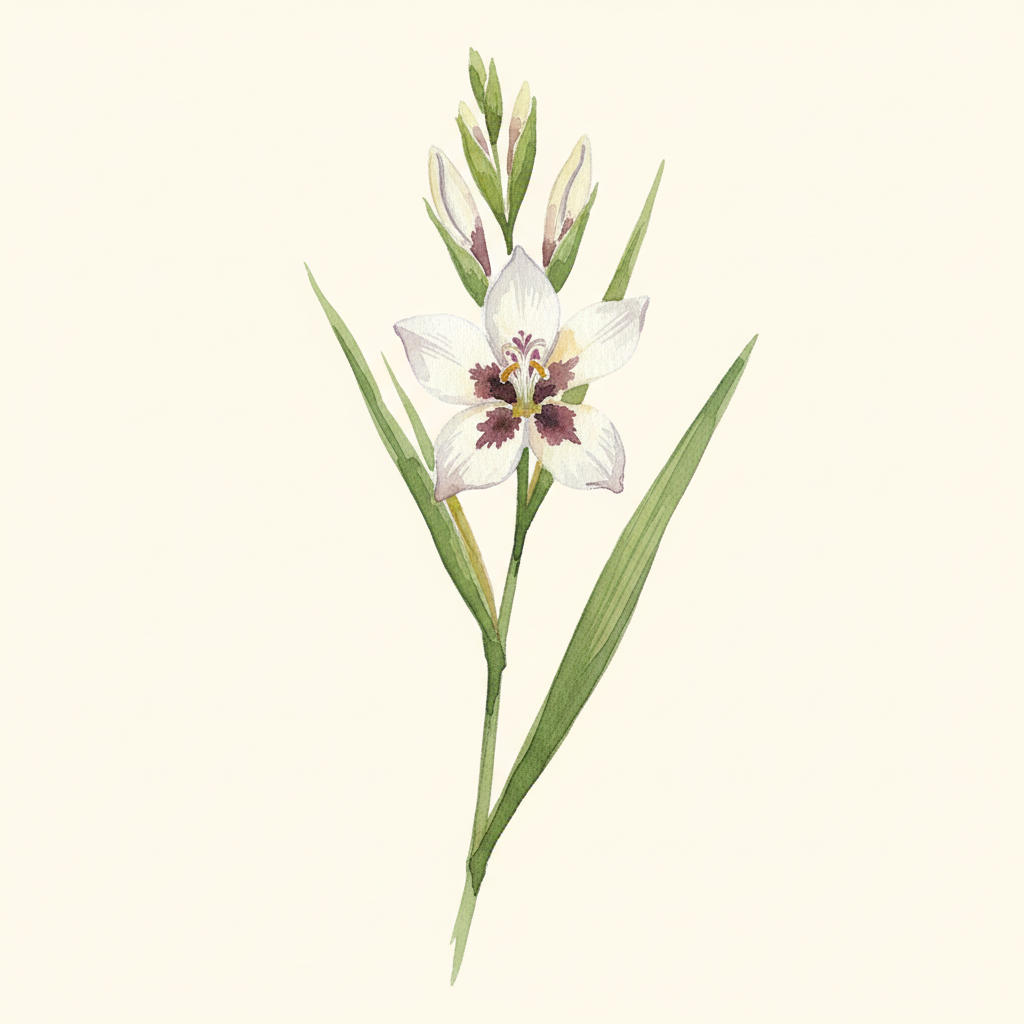
- Acidanthera (Gladiolus murielae): The elegant late-summer cousin. Arching stems carry fragrant white blooms with a deep maroon throat. Smaller, looser, and scented where standard glads are bold and unscented. Plant it alongside the big types for a softer, perfumed finish to the season.
Overwintering the corms by zone
How you treat glads in fall depends entirely on your cold.
- Zones 8 to 11: Leave standard gladiolus corms in the ground. Mulch in zone 8 for insurance. They will multiply and return.
- Zones 7 and colder: Standard large-flowered glads are not reliably hardy and should be lifted. After the first light frost blackens the foliage, dig the corms, cut the tops to an inch, and cure them in a warm, airy spot for two to three weeks. Then snap off the old shriveled corm beneath the new one, dust off the soil, and store the cleaned corms in mesh bags or paper sacks somewhere cool, dark, and dry (35 to 45°F) until spring. Each corm will have produced small cormels you can grow on for free plants.
- Hardy types (Nanus, Byzantinus): These overwinter in the ground down to zone 5 with a layer of mulch. No lifting required.
What to plant alongside gladiolus
Glads give you the vertical line; pair them with rounder and airier shapes for a full bed and a fuller vase.
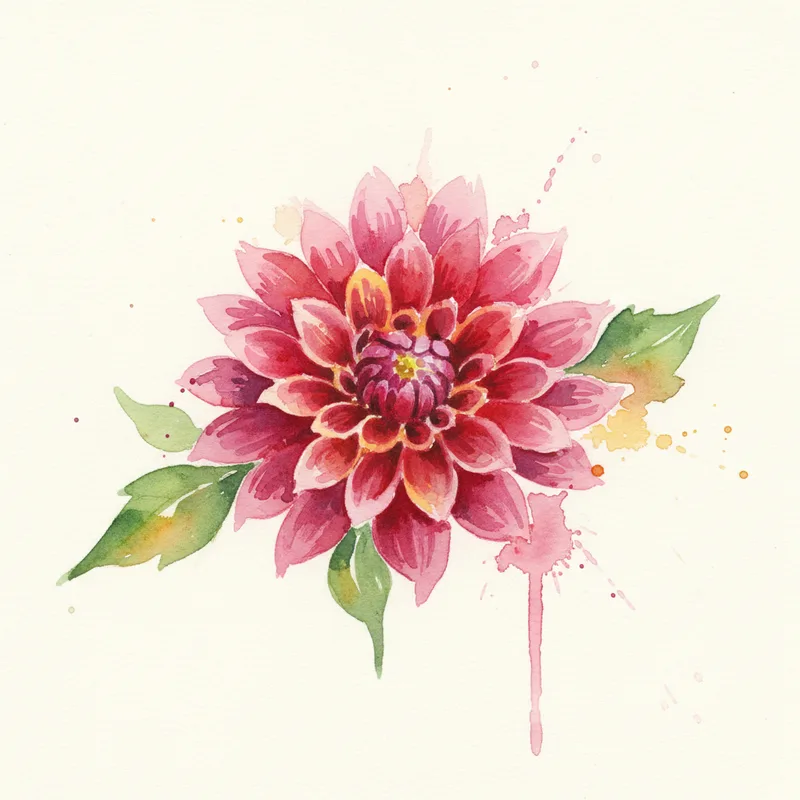
- Dahlias for matching midsummer-to-frost cut-flower production at the same scale
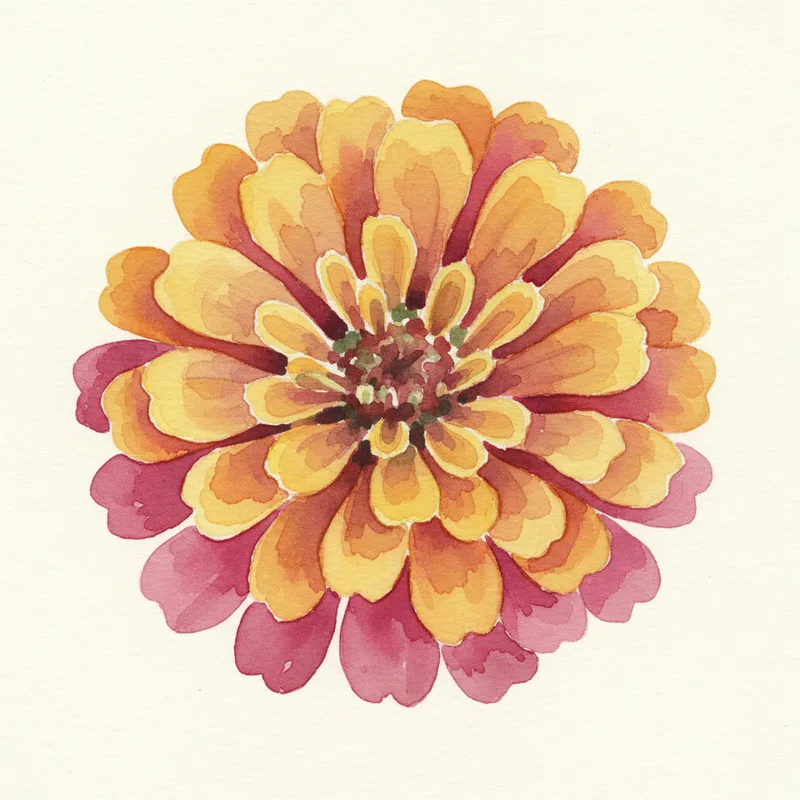
- Zinnias for flat, bright faces that contrast the glad's spike
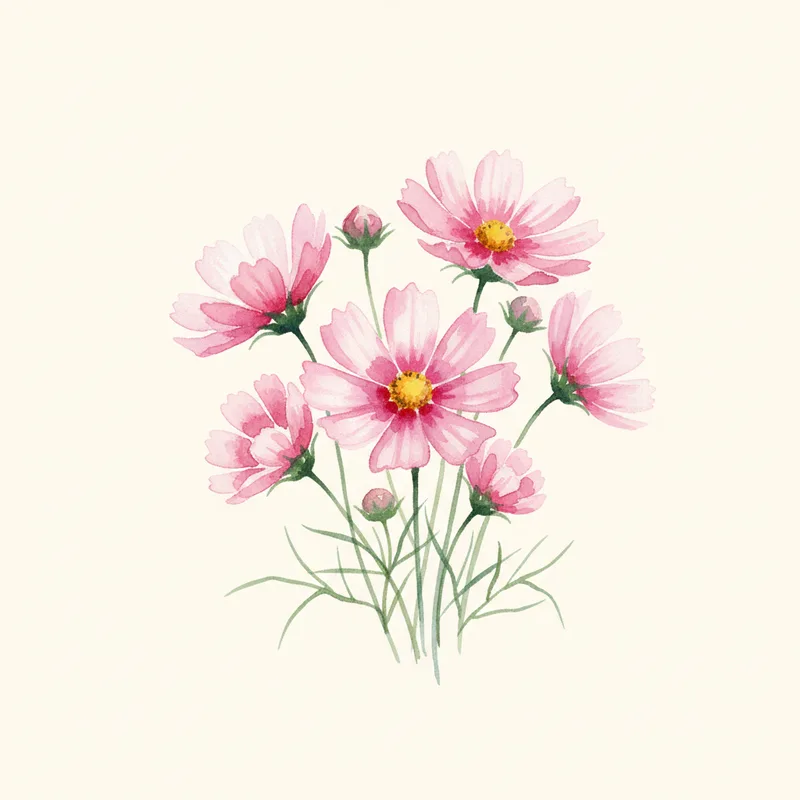
- Cosmos for airy filler that softens the stiff vertical lines
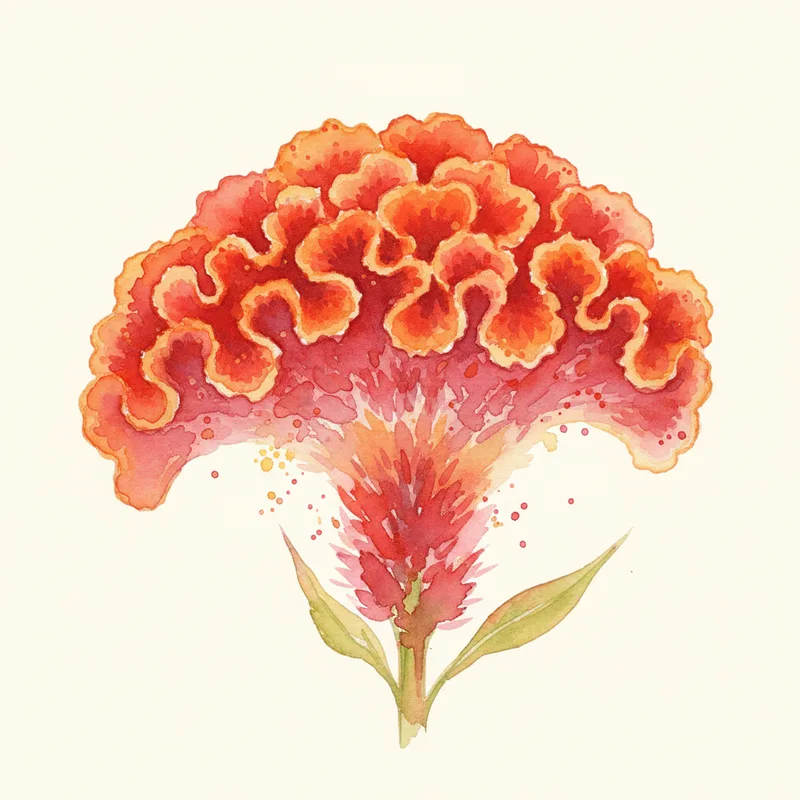
- Celosia for textural plumes and crests in the same hot palette
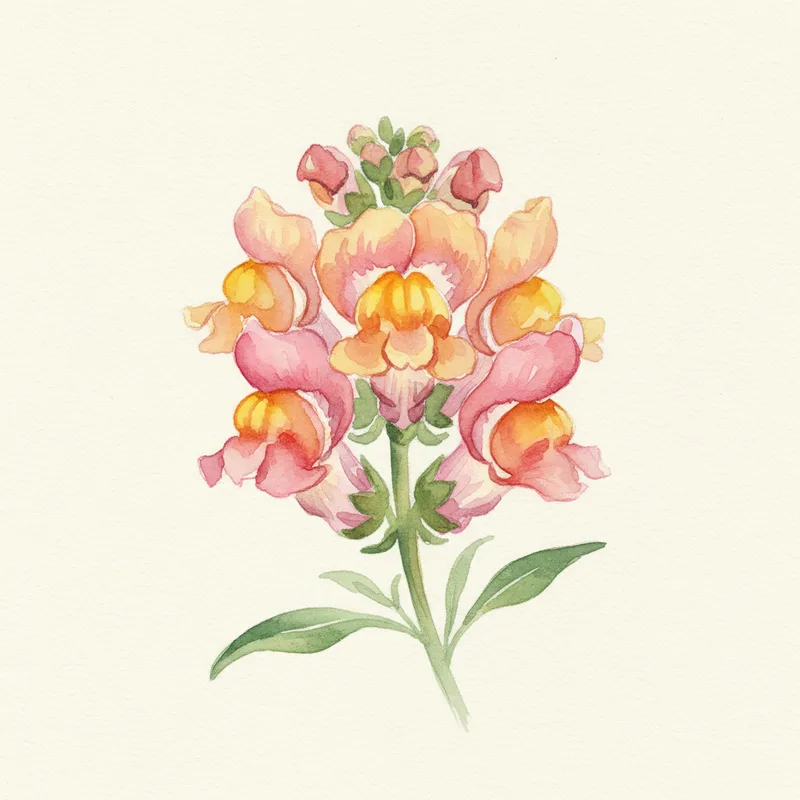
- Snapdragons for a second, shorter spike that carries the vertical theme earlier in the season
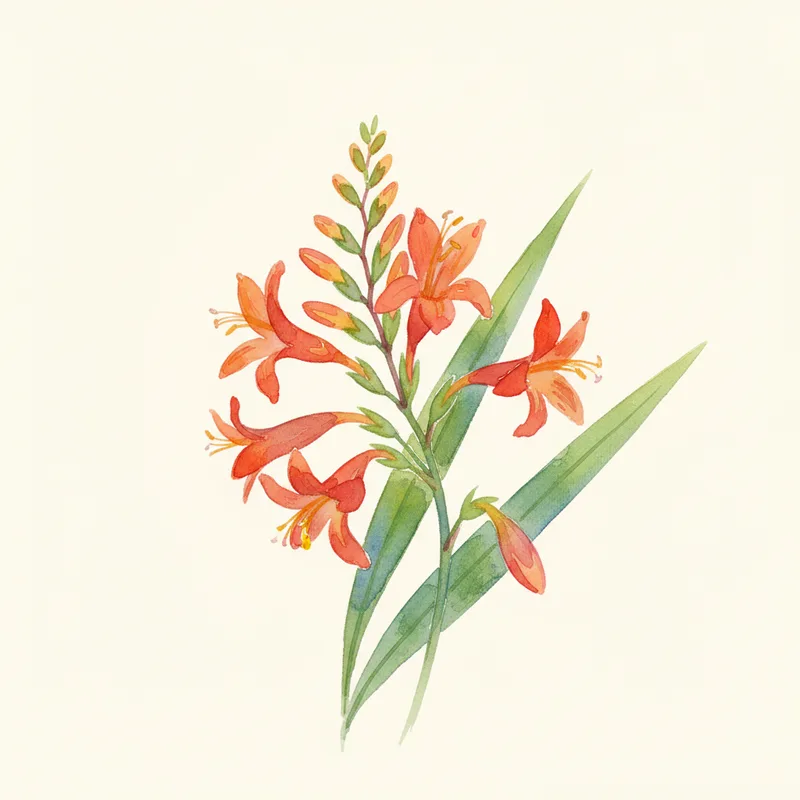
- Crocosmia for arching red-orange sprays that echo the sword-shaped foliage
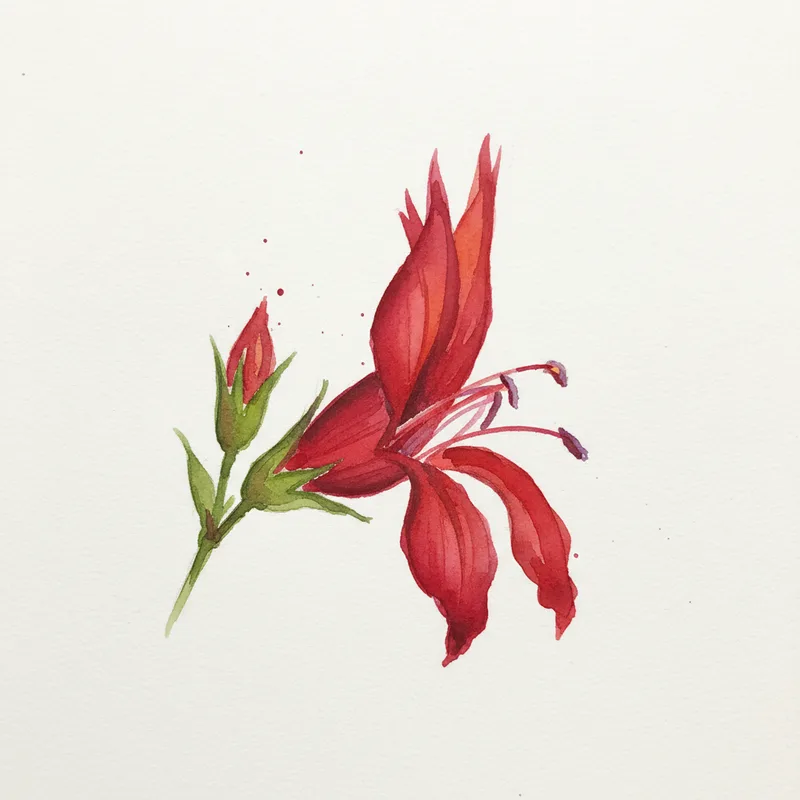
- Cardinal Flower for vivid red spikes in the moist spots glads avoid
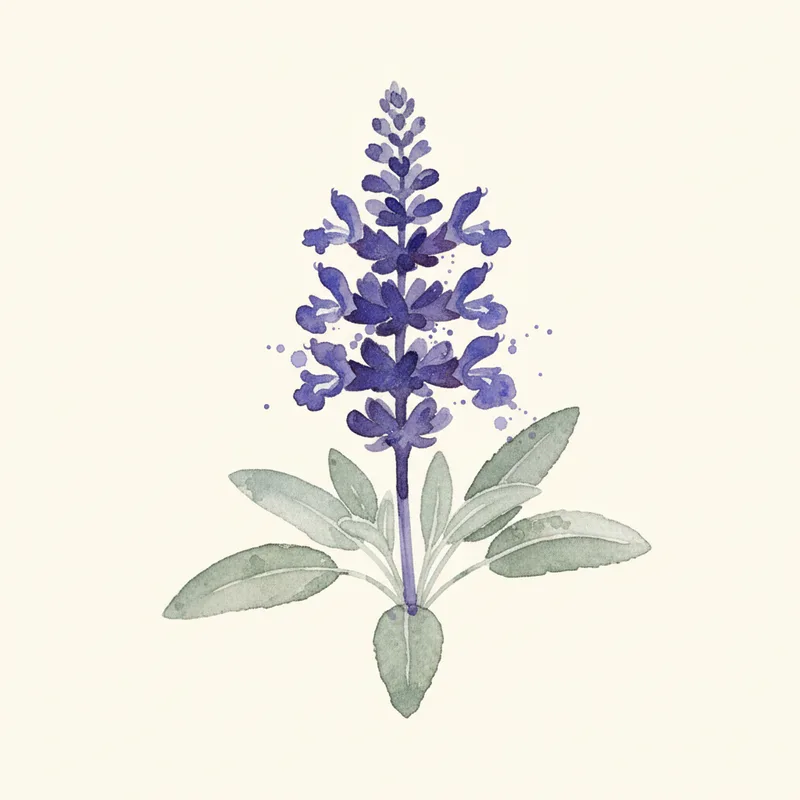
- Salvia as a long-blooming front-of-border anchor
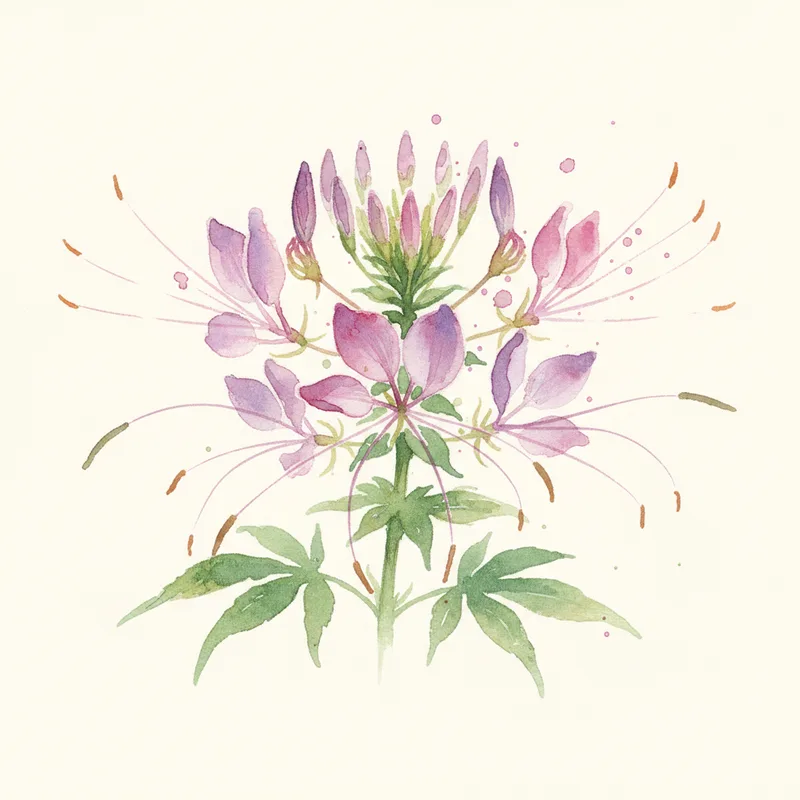
- Cleome for tall, see-through structure behind the glads
The bottom line
Gladiolus earned its 2026 Summer Bulb of the Year title the honest way: it is cheap, it is dramatic, and it is nearly foolproof if you get three things right. Plant the corms deep (4 to 6 inches) in full sun and free-draining soil, stagger your plantings every couple of weeks so the spikes roll in all summer instead of all at once, and either plant deep enough to skip staking or stake at planting time. Do that, and a handful of corms tucked in this week becomes a towering, cut-and-come-again supply of flowers from July straight through to frost.
Related reading
- Summer-blooming bulbs to plant this spring
- How to grow a cut flower garden
- Best dahlia varieties to plant in May
- What to plant in May
Find gladiolus partners by zone
What's growing, what's blooming, what's worth planting.
For gardeners who like to stay ahead.