Grape Hyacinth: How to Grow Muscari for Rivers of Blue
Grape hyacinth (muscari) naturalizes into sweeping rivers of cobalt blue every spring. How to plant it, why it spreads, and where it belongs.
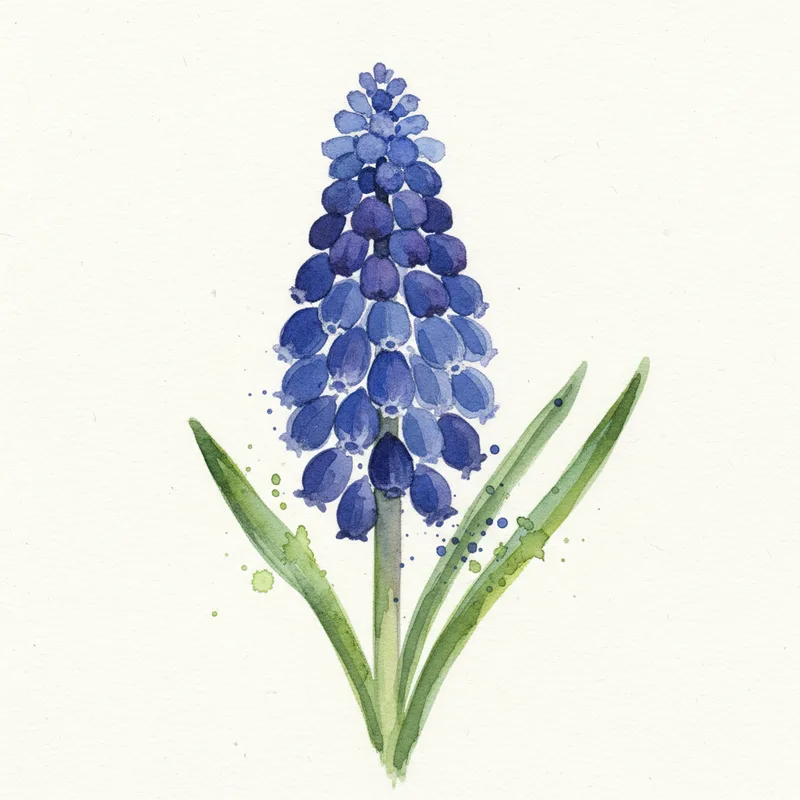
If you have ever seen a photograph of a flooded blue meadow at a botanical garden in April, a stream of impossible cobalt pouring downhill between the trees, you have seen grape hyacinth doing the one thing it does better than almost any other bulb: naturalizing into rivers of blue. Plant a few dozen this fall and within a few springs you will have a few hundred, knitting themselves into a low electric carpet that stops people on the sidewalk. It costs pennies a bulb, asks for almost nothing, and comes back stronger every single year. The only real question is whether you want it where it is going, because once grape hyacinth likes a spot, it stays and it spreads.
The name is a small lie worth clearing up first. Grape hyacinth is not a true hyacinth at all. It belongs to the genus Muscari, and the common garden species is Muscari armeniacum, the Armenian grape hyacinth. The flower is a dense spike of tiny, urn-shaped florets packed so tightly that the whole head looks like a miniature upside-down cluster of grapes, which is exactly where the name comes from. It is not edible, despite the fruit reference. What it is, is one of the toughest, cheapest, most rewarding spring bulbs a beginner can plant, and one that seasoned gardeners scatter by the literal hundreds.
What grape hyacinth actually looks like in the garden
Set your expectations correctly and you will love it. Grape hyacinth is tiny: most plants stand just 6 to 8 inches tall in bloom. This is not a back-of-the-border flower. It is an edger, a carpeter, a thing you plant in drifts at ground level where its color does the work that its height never could.
The signature shade is a saturated cobalt-to-violet blue that is genuinely hard to find anywhere else in the spring garden, which is half its appeal. But the genus offers more than that one note:
- The straight species, Muscari armeniacum, is the classic deep blue and the one you want for naturalizing en masse.
- 'Album' is pure white, like little strings of pearls, and glows against darker foliage.
- 'Valerie Finnis' is a soft, powdery ice blue that reads almost silver in a crowd, beautiful woven through the standard cobalt.
- 'Touch of Snow' is a two-tone selection, blue florets tipped in white, for a frosted effect up close.
Bloom comes early to mid spring, often April, arriving just after the crocus has faded and overlapping with daffodils and the early tulips. As an early-season nectar source it pulls in some of the first bees of the year, which is no small thing when little else is open.
Where to plant it: full sun, average soil, and somewhere spread is welcome
Grape hyacinth is hardy across USDA zones 3 to 8, which covers most of the country, and it is almost aggressively unfussy about conditions.
- Light: Full sun to part sun. It will bloom in light shade under deciduous trees too, since it does most of its work before the canopy leafs out, which makes it perfect for planting under and around trees.
- Soil: Average, well-drained soil. It is not picky and does not want pampering. The one thing it resents is soil that stays waterlogged, which can rot the bulbs over winter.
- Water: Low. Once established it gets by on normal rainfall in most regions and needs no supplemental watering.
- Cost: Very cheap, often pennies per bulb. This is precisely why gardeners buy bags of fifty or a hundred and plant them in sweeping drifts instead of polite little clumps.
Here is the most important siting decision you will make, and the one most people get wrong: grape hyacinth naturalizes aggressively. It multiplies by underground bulb offsets and it self-seeds, so over a few years a modest planting expands into those sweeping rivers of blue it is famous for. That is a gift in the right place and a headache in the wrong one. Plant it where spread is genuinely welcome: naturalized in a lawn, drifting under trees, running along a path or the edge of a woodland, colonizing a bank you would rather not mow. Do not tuck it into a tidy, high-maintenance mixed border expecting it to stay put. In that setting it can start to behave like a weed, popping up among your perennials and refusing to be edited out. Give it room to roam and it is a star. Pen it into a formal bed and it becomes a chore.
When and how deep to plant grape hyacinth
Grape hyacinth is a fall-planted bulb, like most spring bloomers. The bulbs need a long cold winter underground to trigger spring flowering, so get them in the ground in autumn, several weeks before the soil freezes hard.
- Plant in fall. Aim for the same window you would use for tulips and daffodils: roughly September through November depending on your zone, once the soil has cooled but before it is frozen solid.
- Depth: about 3 to 4 inches. A useful rule of thumb for any bulb is to plant it two to three times as deep as the bulb is tall. For these little bulbs that lands around 3 to 4 inches deep, pointy end up.
- Spacing: 2 to 3 inches apart. Set them close. Grape hyacinth is meant to be seen in a mass, not as polite individuals, and tight spacing reads as a solid carpet of color from day one. Plant in irregular drifts and clusters rather than straight soldier rows for the natural, flooded look.
- Plant by the dozen, or the hundred. A handful of grape hyacinth looks lonely. Their whole magic is in repetition and quantity, so be generous.
The famous quirk: why your muscari grows leaves in fall
This is the single most-searched worry about grape hyacinth, and the answer is reassuring: it is completely normal. Unlike almost every other spring bulb, grape hyacinth sends up its grassy foliage in the fall, not the spring. Those floppy, thin green leaves emerge in autumn, persist right through winter, and are already looking a bit tired and untidy by the time the flowers finally arrive in spring.
Nothing is wrong. The plant is not confused, frost-damaged, or blooming at the wrong time. This is just how Muscari is wired. The leaves are perfectly winter-hardy and will not hurt the spring show in the slightest. Resist the urge to cut them back when they look messy, since the plant is using them to gather energy for the bloom to come.
That fall foliage even has a practical use. Because the leaves mark exactly where every bulb sits, they act as a living map when you are planting companions in autumn, so you can layer other bulbs around them without spearing the muscari you already have in the ground.
Layering: the trick that makes grape hyacinth indispensable
The reason serious bulb gardeners never plant grape hyacinth alone is that it is the perfect bottom layer in a "bulb lasagna." Because it is so short, it makes an ideal blue underskirt beneath taller bulbs. Plant your tulips and daffodils deeper, then plant grape hyacinth in the same beds above and between them. In spring the taller flowers rise out of a low blue haze, and the effect of red or yellow tulips floating over a sea of cobalt is one of the best things you can engineer in a spring garden.
For combinations that lean into its strengths, pair grape hyacinth with these:
- Tulips and daffodils rising directly out of a muscari carpet, the classic layered planting.
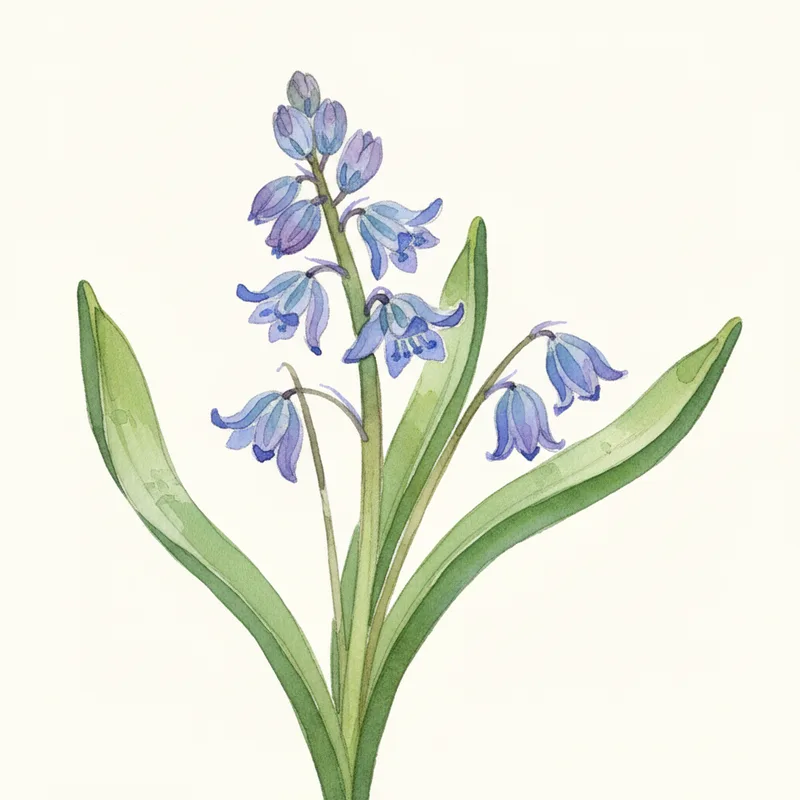
- Scilla (Siberian squill), another low, electric-blue early bulb that naturalizes the same way and doubles down on the blue-meadow effect.
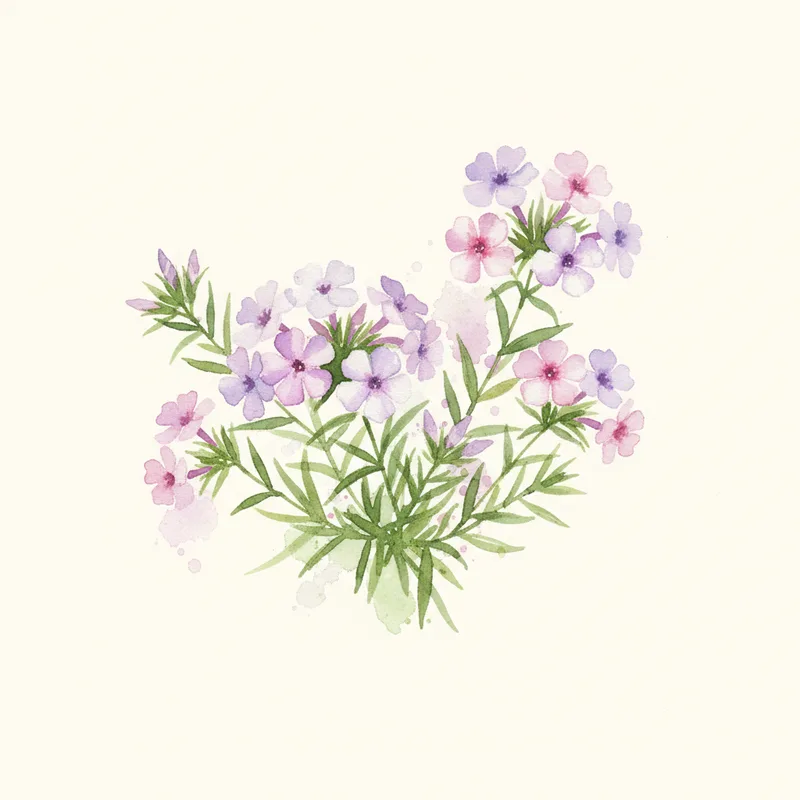
- Creeping phlox spilling over a wall or slope in pink, lavender, and white at the same moment, a gorgeous low-and-low contrast in color and texture.
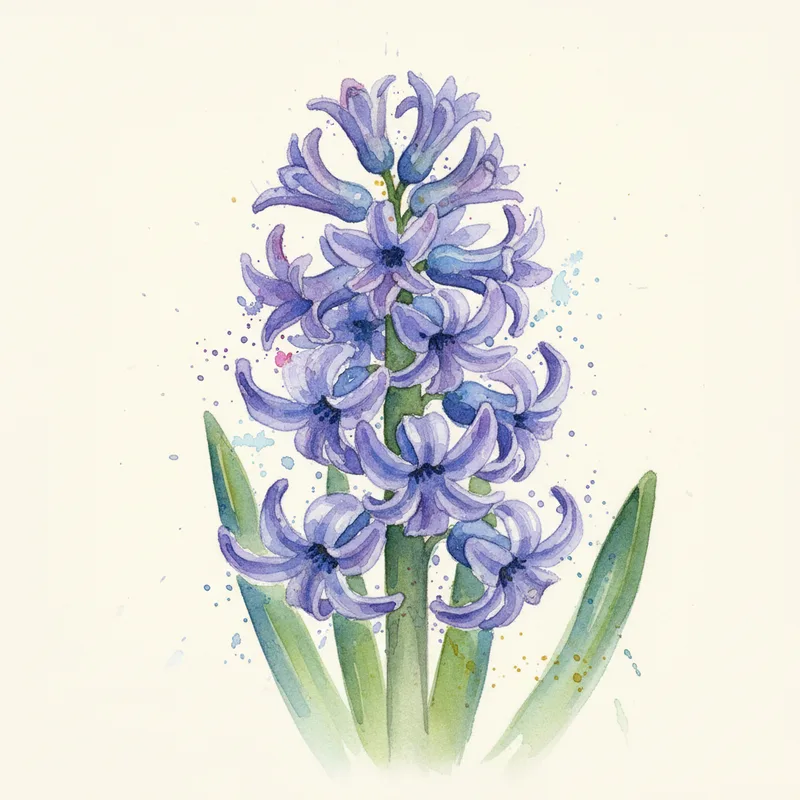
- Hyacinth, the larger true hyacinth, for fragrance and bigger spikes nearby (and an easy way to compare the real thing against its grape-named imposter).
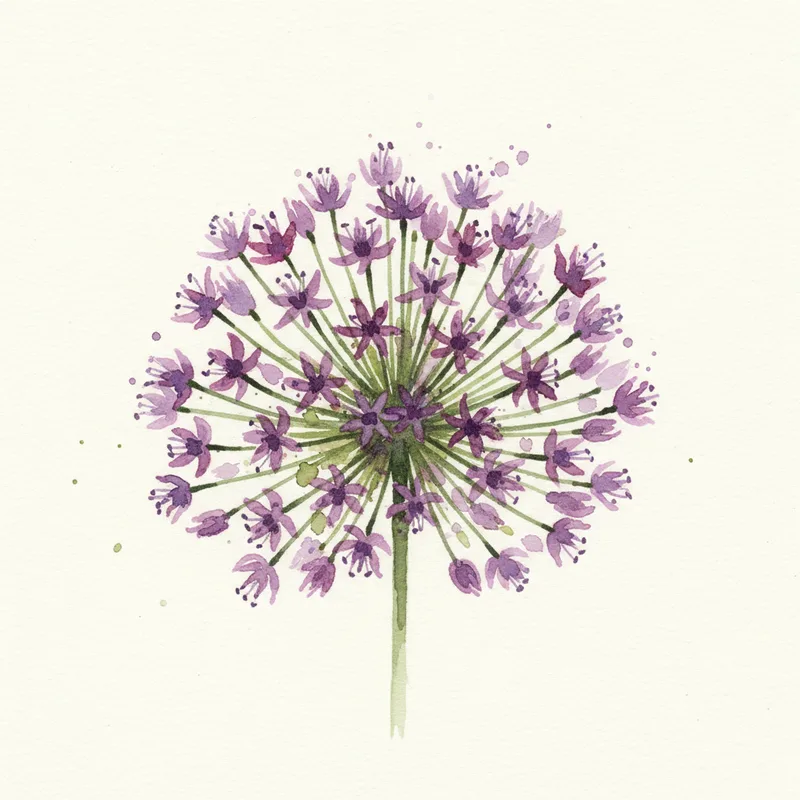
- Allium for later in the season, since the ornamental onions pick up after the muscari fades and extend the show into early summer.
The pest-proof, low-effort bulb
One of the quiet reasons grape hyacinth is planted by the hundreds is that almost nothing eats it. It is reliably deer-resistant and generally rodent-resistant too, so squirrels, voles, chipmunks, and deer tend to leave both the bulbs and the flowers alone. In a region where deer treat your tulips like a salad bar, that resistance is worth its weight in gold. It is the rare bulb you can plant freely without cages, repellents, or a defensive perimeter, which is one more reason it shows up everywhere.
Can you grow grape hyacinth in pots and lawns?
Both, and both are excellent. In containers, grape hyacinth makes a dense, jewel-like spring display: pack the bulbs in close, shoulder to shoulder, far tighter than you would in the ground, and use them as the carpet layer in a mixed bulb pot. In lawns, it is one of the best bulbs for naturalizing turf, since it is short enough to bloom and finish before you need to mow regularly. Scatter the bulbs across an area, plant them where they land for a natural look, and simply hold off mowing that patch until the foliage has yellowed and the bulbs have recharged.
Common grape hyacinth questions
Do grape hyacinths come back every year?
Yes. Grape hyacinth is a hardy perennial bulb in USDA zones 3 to 8, and it not only returns every spring, it multiplies. Left undisturbed in a spot it likes, the same planting will come back denser and wider each year for many years.
Do grape hyacinths spread or multiply?
Enthusiastically. They spread by underground bulb offsets and by self-seeding, which is how a small planting grows into the famous rivers of blue over a few seasons. Plant them where that spread is welcome, such as a lawn or under trees, rather than in a tidy border where you will be forever pulling out strays.
Why is my muscari growing leaves in fall?
That is completely normal for grape hyacinth and nothing to worry about. Unlike most spring bulbs, Muscari pushes up its grassy foliage in autumn and keeps it all winter, so the leaves often look floppy and tired by the time the flowers open in spring. Leave them be, since the plant uses them to fuel the coming bloom.
Are grape hyacinths deer resistant?
Yes, very. Deer almost always pass them by, and rodents like voles and squirrels generally ignore the bulbs as well. This makes grape hyacinth one of the safest bulbs to plant in gardens with heavy deer or critter pressure, no cages or repellents required.
When and how deep do you plant grape hyacinth?
Plant the bulbs in fall, several weeks before the ground freezes, on the same schedule you would use for tulips and daffodils. Set them about 3 to 4 inches deep and 2 to 3 inches apart, pointy end up, in average well-drained soil. Cluster them in drifts rather than rows for the most natural effect.
How tall does grape hyacinth get?
Short, only about 6 to 8 inches tall in bloom. That diminutive size is the whole point: it makes grape hyacinth ideal for the front edge of a bed, for carpeting under taller bulbs, and for naturalizing in lawns where height would be a problem.
Related reading
- The Best Spring Bulbs to Plant This Fall
- Daffodils: How to Grow the Easiest Spring Bulb
- Allium: How to Grow Ornamental Onions
- What to Plant After Tulips for Late-Spring Color
- What's Blooming in April
- Deer-Resistant Plants That Actually Look Good
Browse spring-bulb zones
See what thrives where you garden: Zone 5 spring, Zone 6 spring, and Zone 7 spring.
What's growing, what's blooming, what's worth planting.
For gardeners who like to stay ahead.