Weigela: How to Grow This Hummingbird-Magnet Shrub
Weigela is the easiest hummingbird shrub you can plant. Learn how to grow, prune, and pick the right cultivar for nonstop late-spring color.
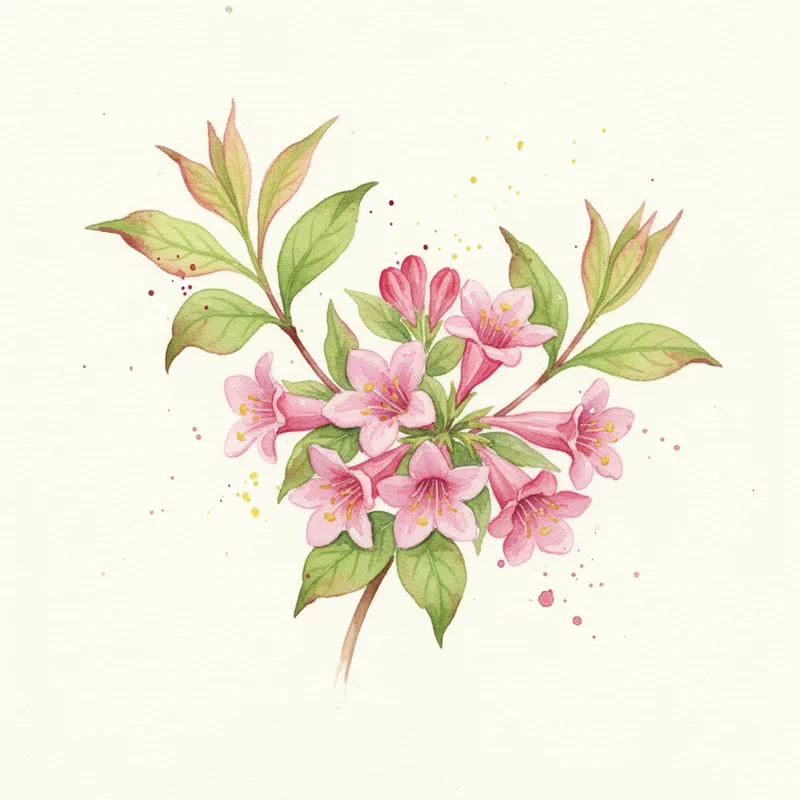
If you want a shrub that practically summons hummingbirds out of thin air and asks almost nothing in return, plant weigela. This old-fashioned deciduous shrub (mostly Weigela florida) erupts in late spring with hundreds of tubular, funnel-shaped flowers in pink, rose-red, or white, smothering its arching branches so completely that the foliage nearly disappears. Those trumpet-shaped blooms are built for hummingbird beaks, which is exactly why ruby-throats patrol a blooming weigela like it owes them money. It is tough, adaptable, forgiving of clay, and genuinely low-maintenance, which makes it one of the best beginner flowering shrubs in the country.
The catch (and there is exactly one worth knowing) is pruning timing. Get that right and weigela is close to foolproof. This guide covers the whole picture: where it grows, how big it gets, how to choose a cultivar that fits your space, and how to never accidentally cut off next year's flowers.
Where weigela grows and what it needs
Weigela is hardy across USDA zones 4 to 8, which covers most of the continental United States outside the deep South and the coldest northern tier. It is not fussy about much:
- Sun: Full sun (6 or more hours) gives the heaviest bloom and the deepest foliage color on the burgundy-leaf types. It tolerates part sun, but flowering thins noticeably in real shade. This is a sun shrub first and foremost.
- Soil: Adaptable to a fault. It handles clay, tolerates a range of pH, and only truly objects to soggy, poorly drained ground. Average garden soil is plenty.
- Water: Moderate. Water deeply through the first season to establish the roots, then it shrugs off normal summer weather. Established plants are reasonably drought-tolerant.
- Feeding: Minimal. A spring layer of compost or a single application of balanced shrub fertilizer is all it wants. Overfeeding pushes leafy growth at the expense of flowers.
Plant it in spring or fall, dig the hole twice as wide as the rootball, and mulch a few inches deep while keeping the mulch off the stems. That is the entire planting ritual.
When weigela blooms (and the rebloom question)
The main show arrives in late spring, roughly May into June depending on your zone, and it is a flood: masses of one-inch trumpets blanketing every arching stem at once. On classic Weigela florida, that flush is the headline event of the year, and it is spectacular while it lasts (two to three weeks of peak color).
Modern breeding changed the math. Reblooming series like Sonic Bloom and the Czechmark types flush again through summer and into fall, giving you waves of color rather than a single burst. If you want a weigela that keeps feeding hummingbirds into September, buy a named reblooming cultivar on purpose, because the old-fashioned forms generally bloom once and then coast on foliage.
Size ranges hugely: pick the right cultivar
Here is the single most important buying decision with weigela, and most people get it backwards. The genus spans an enormous size range, from knee-high mounds to shrubs taller than a person:
- Dwarf, 1 to 2 feet: Compact mounds for the front of a border or a large container. My Monet (variegated, dwarf) and Midnight Wine (tiny, near-black foliage) stay genuinely small.
- Mid-size, 3 to 4 feet: The sweet spot for most beds. Spilled Wine sprawls low and wide with dark burgundy leaves and magenta flowers, perfect for a sunny slope or a foundation strip.
- Large, 5 to 8 feet: Statement shrubs and informal hedges. Wine and Roses reaches 4 to 6 feet of deep wine foliage topped with rose-pink blooms, and the old species forms can push 8 feet across.
The lesson: choosing a cultivar sized for the space matters far more than trying to hack a naturally large weigela down to fit a small spot. A dwarf planted where you need 2 feet will always look better than a giant you fight with shears twice a year. The dark-leaved selections (Wine and Roses, Spilled Wine, Midnight Wine) earn extra credit because the burgundy foliage carries the plant all summer long after the flowers fade, working like a living backdrop for lighter perennials.
How and when to prune weigela (the part everyone gets wrong)
Read this section twice, because it is the answer to nearly every "why won't my weigela bloom" complaint on the internet.
Classic weigela blooms on old wood, meaning last year's growth carries this year's flower buds. The shrub sets those buds in summer for the following spring. So:
- Prune right after flowering, in early summer. As soon as the main flush fades (typically June), shape the shrub, remove any dead or crossing branches, and shorten overlong stems. This gives the plant the rest of the season to grow fresh wood and set buds for next year.
- Do NOT prune in fall, winter, or early spring. Cutting then removes the flower buds you cannot see, which is the number-one reason a healthy weigela produces leaves but no blooms. If your shrub looks fine but never flowers, a fall or spring haircut is almost always the culprit.
- Renew old shrubs gradually. For a tired, woody plant, remove up to one-third of the oldest stems at the base each year right after bloom, over three years. This rejuvenates the shrub without sacrificing an entire season of flowers.
Reblooming cultivars (the Sonic Bloom and Czechmark families) flower on both old and new wood, so they are far more forgiving of mistimed cuts. If pruning anxiety is keeping you up at night, buy a reblooming type and relax.
Weigela in the garden: pairings and wildlife
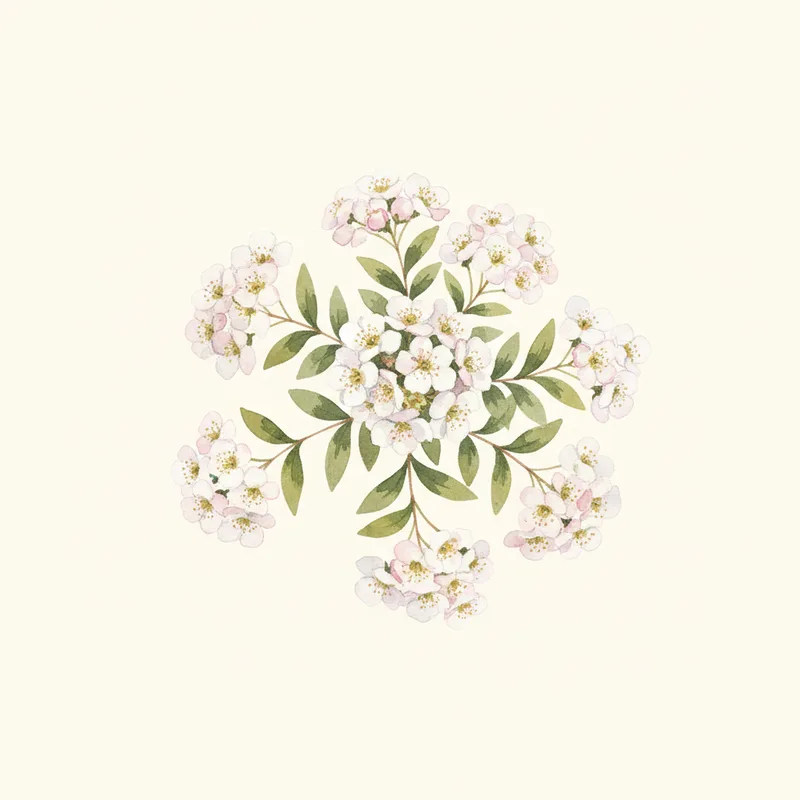
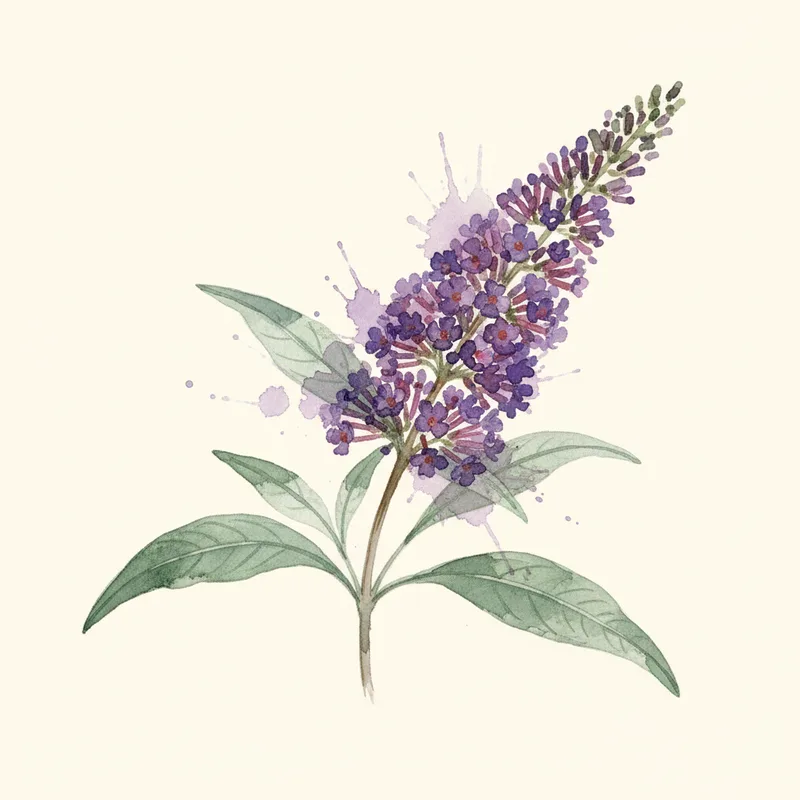
Weigela earns its keep as a pollinator plant well beyond hummingbirds: bees and butterflies work the flowers too during the spring flush. For a garden designed around nectar, it slots naturally beside other shrubs that extend the season. Pair the late-spring weigela bloom with early-summer spirea and the long, fragrant flower spikes of butterfly bush to keep hummingbirds and butterflies fed from May through frost.
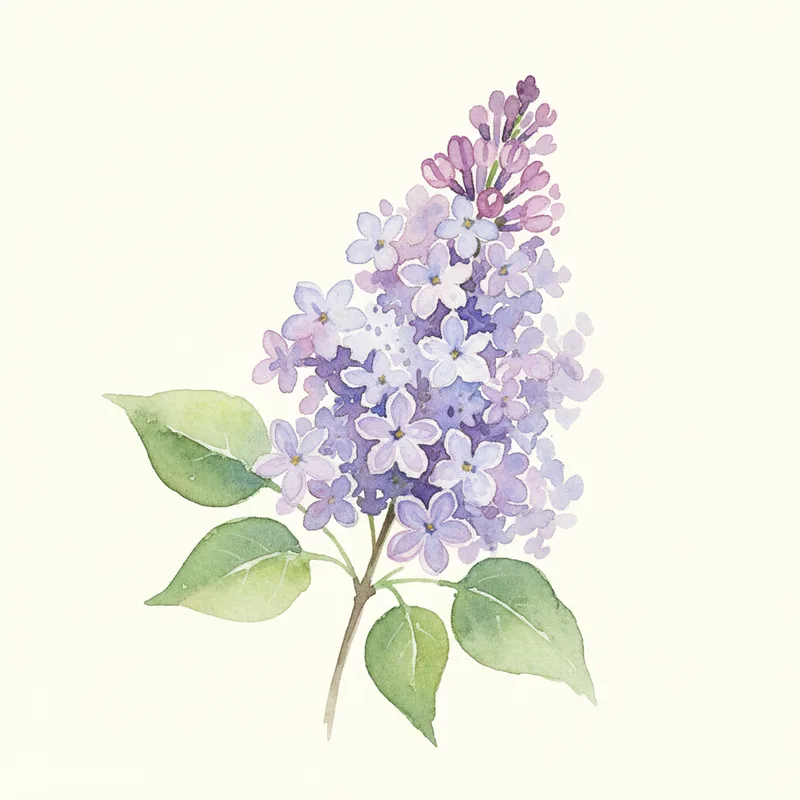
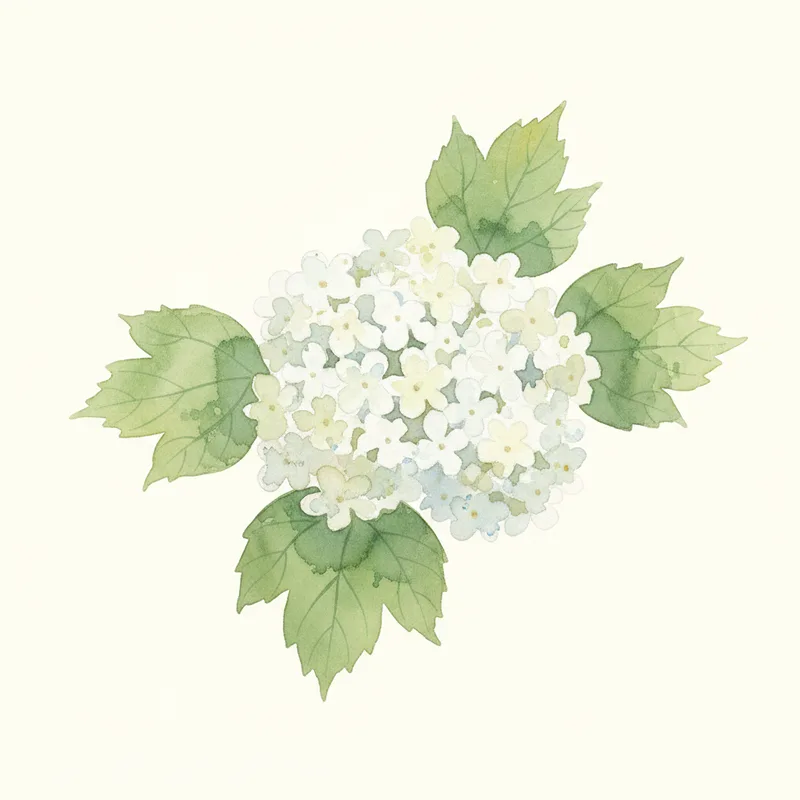
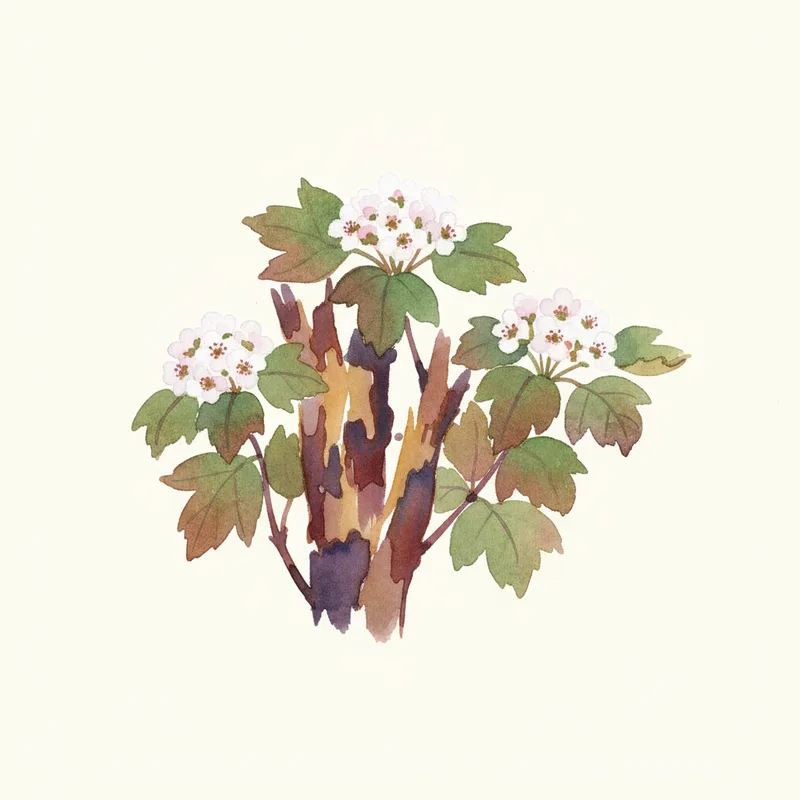
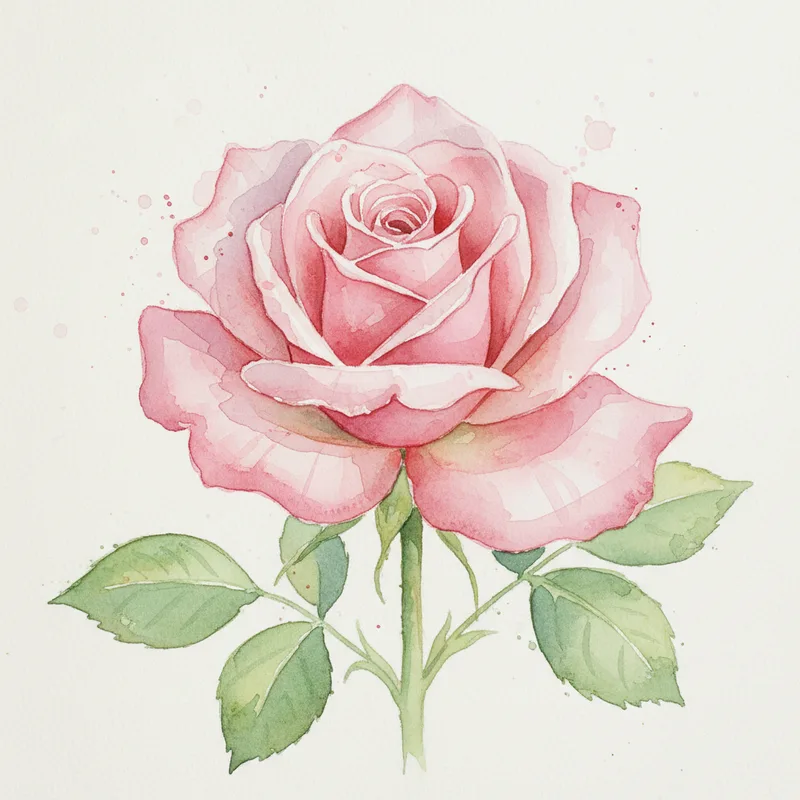
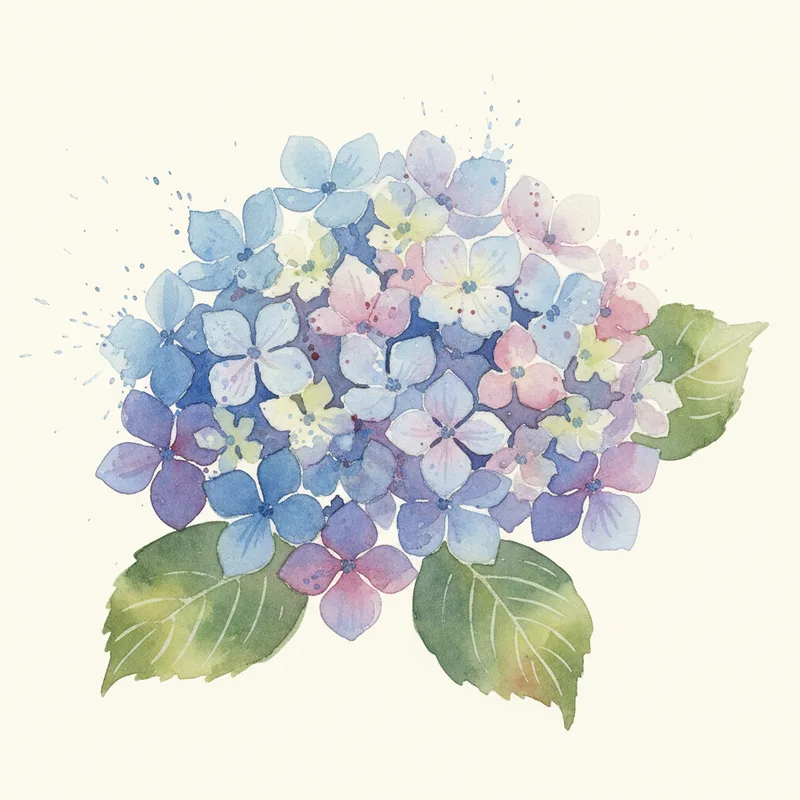
For structure and a layered border, it combines beautifully with the fragrant spring panicles of lilac, the four-season interest of viburnum, and the colorful, peeling-bark drama of ninebark, whose burgundy-leaved forms echo the dark foliage of Wine and Roses perfectly. Underplant with a flush of repeat-blooming roses or a backdrop of hydrangea for a full cottage-style shrub border that never has a dull month.
One honest caveat: deer
Weigela is not reliably deer-resistant. In high-pressure areas, deer will browse the tender new growth and flower buds, so do not plant it as a deer-proof solution and expect miracles. If deer are a constant problem, site it close to the house, interplant with genuinely deer-resistant companions, or use a repellent on fresh spring growth. It is worth being straight about this, because plenty of plant tags oversell weigela's deer resistance.
Common weigela questions
When and how do you prune weigela?
Prune classic weigela immediately after it finishes flowering in early summer (usually June). It blooms on old wood, so summer-set buds become next spring's flowers. Shape the plant, remove dead or crossing stems, and shorten long branches then. Avoid fall, winter, and early-spring pruning, which strips off the flower buds.
Does weigela bloom more than once?
It depends on the cultivar. Old-fashioned Weigela florida delivers one big late-spring flush and then coasts. Modern reblooming series like Sonic Bloom and Czechmark flower on old and new wood and flush again through summer into fall. If you want repeat color, buy a named reblooming type.
Why is my weigela not blooming?
The usual reason is pruning at the wrong time. Cutting in fall, winter, or early spring removes the flower buds the shrub set the previous summer, leaving you with a leafy plant and no flowers. Too much shade or excess nitrogen fertilizer can also suppress blooming. Prune only right after flowering, give it full sun, and go easy on the feed.
How big does weigela get?
Size varies enormously by cultivar, from dwarf 1-to-2-foot mounds like Midnight Wine up to large 6-to-8-foot shrubs like the old species forms and Wine and Roses. Always match the cultivar to your space rather than buying a large type and pruning it small year after year.
Is weigela deer resistant?
Not reliably. Deer will browse weigela, especially the tender spring growth and flower buds, in areas with heavy deer pressure. Do not treat it as deer-proof. Site it near the house or use a repellent on new growth if deer are a persistent problem.
Does weigela need full sun or shade?
Full sun for the best flowering and the deepest foliage color on the burgundy-leaved cultivars. It tolerates part sun, but bloom thins out noticeably in shade. Aim for at least six hours of direct sun a day.
Related reading
- Hummingbird Garden Plants That Actually Work
- How to Plan a Pollinator Garden
- Privacy Hedge and Flowering Screen Plants
- Cottage Garden Flowers and Design
- What's Blooming in May
- What to Plant in May
Browse flowering-shrub zones
Find more late-spring and summer shrubs for your region: Zone 5 spring, Zone 6 summer, Zone 7 spring, and Zone 8 summer.
What's growing, what's blooming, what's worth planting.
For gardeners who like to stay ahead.