The 6 Best Hydrangeas to Plant This Spring (and How to Pick the Right Type for Your Yard)
Most hydrangea regret comes from buying the wrong type, not the wrong variety. Once you know whether you need a macrophylla, paniculata, or arborescens, the variety becomes easy. Here are the six worth planting this spring, organized by type, with the buying rules that decide whether yours blooms.
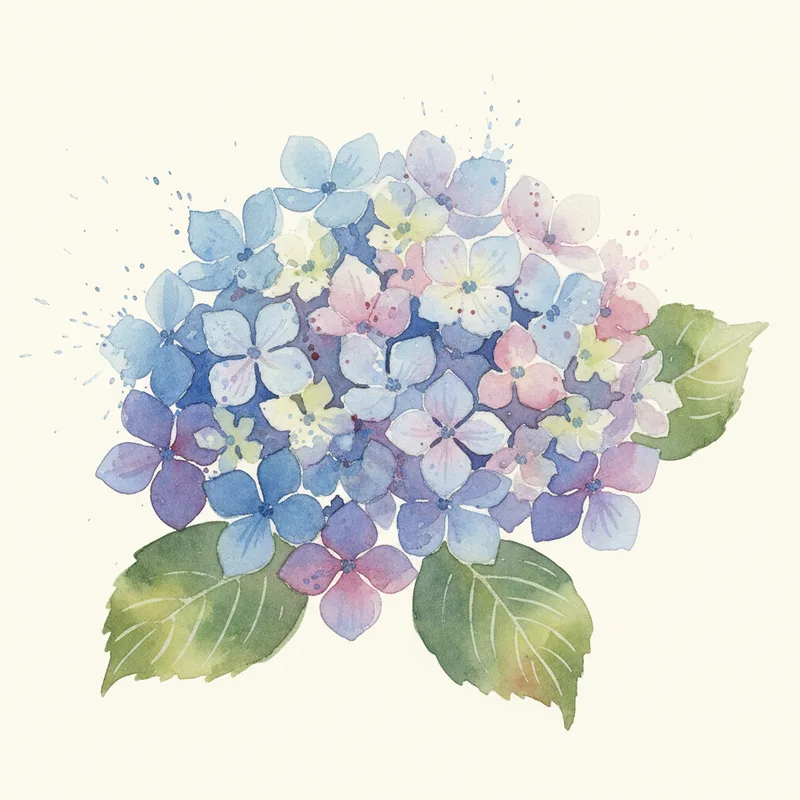
The number-one reason a hydrangea does not bloom is that someone planted the wrong type for their yard. Not the wrong variety. The wrong type. There are three main species of hydrangea sold in North America, and they have almost nothing in common except the name. Plant a macrophylla in full Texas sun and it will fry. Plant a paniculata in deep shade and it will live but never flower. Plant an arborescens in a windy spot and the stems will flop on every blossom. The species comes first. The variety comes second.
Here is what you actually need to know about each type, followed by the six varieties worth planting this spring.
The three types, explained in one paragraph each
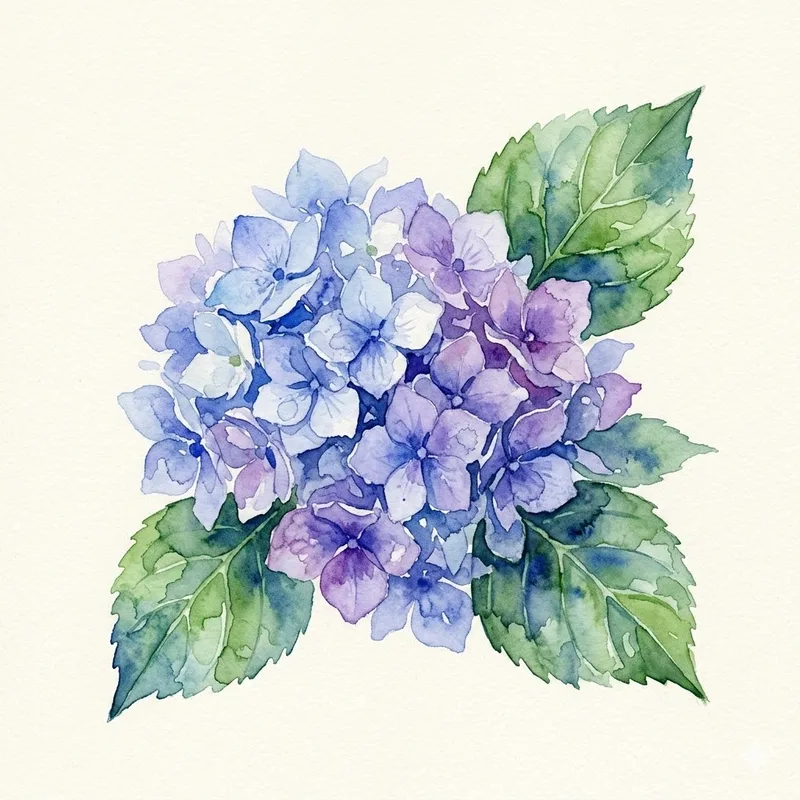
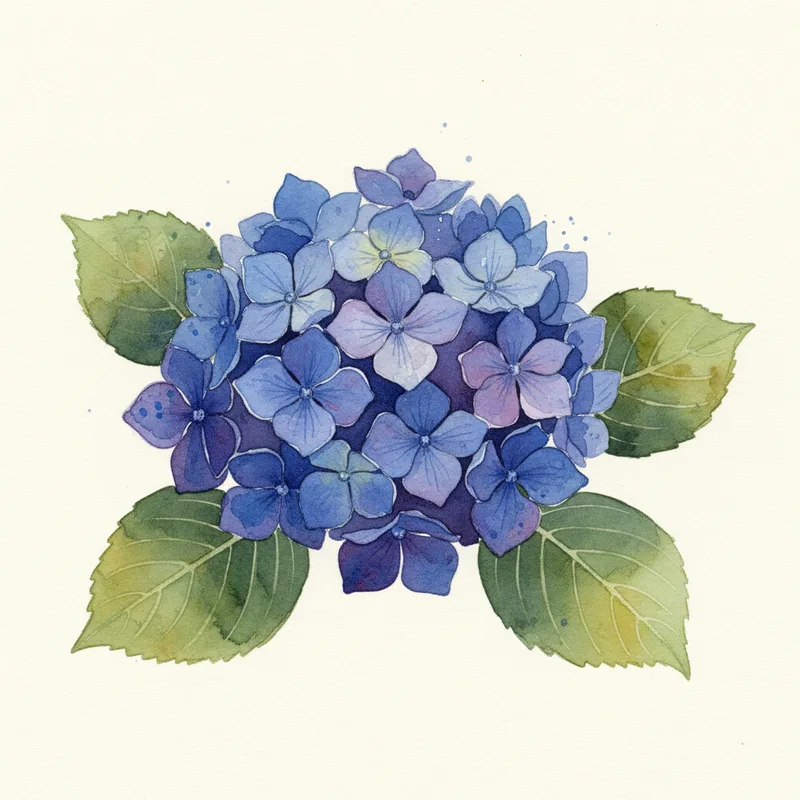
Macrophylla (bigleaf, mophead, lacecap) is what most people picture when they say "hydrangea." Big round flowers, blue in acidic soil and pink in alkaline, blooms in summer on growth from the previous year (old wood). The catch: a hard winter or a careless spring pruning can wipe out the entire next year's bloom. Best for zones 6 to 9 with part shade and protection from afternoon sun. The classic foundation-plant hydrangea.
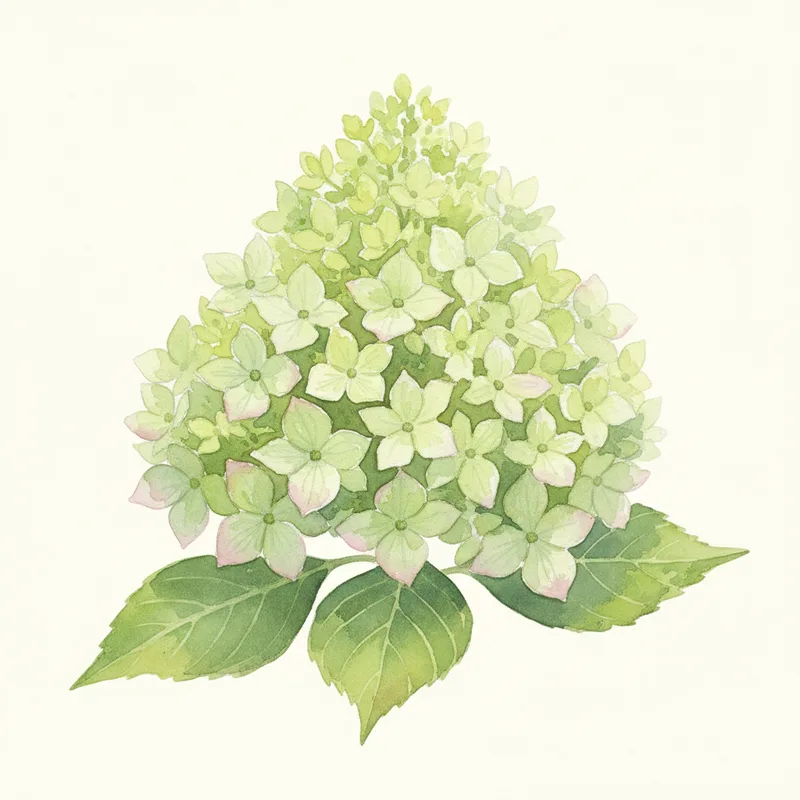
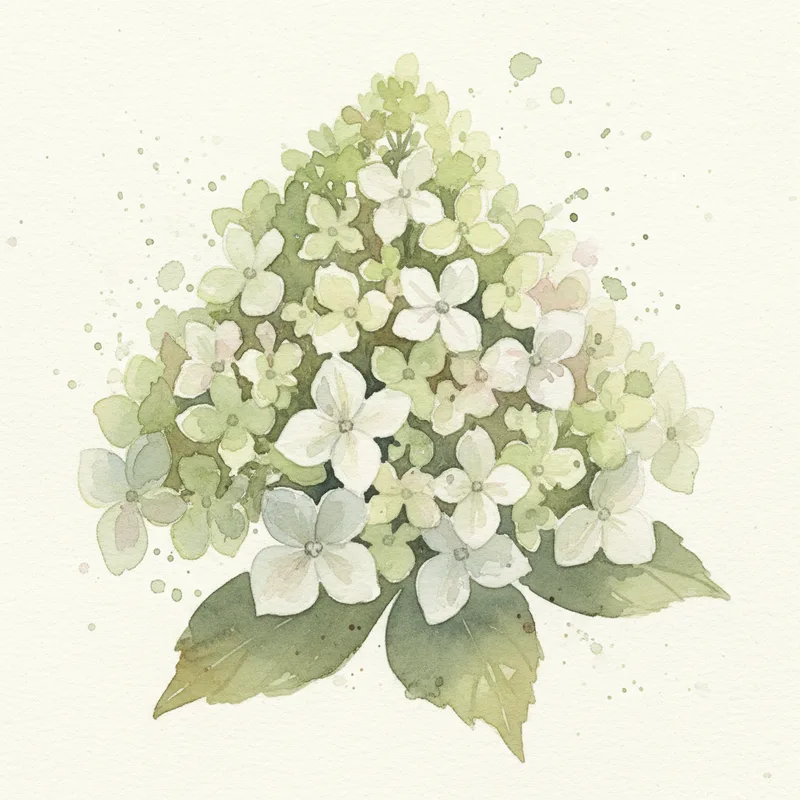
Paniculata (panicle hydrangea) is the easier cousin. Cone-shaped flowers that open white and age through pink to russet, blooms in late summer on new growth (so spring pruning is fine), and tolerates full sun and zones 3 to 8. Almost bulletproof. This is the hydrangea to plant if you have killed hydrangeas before.
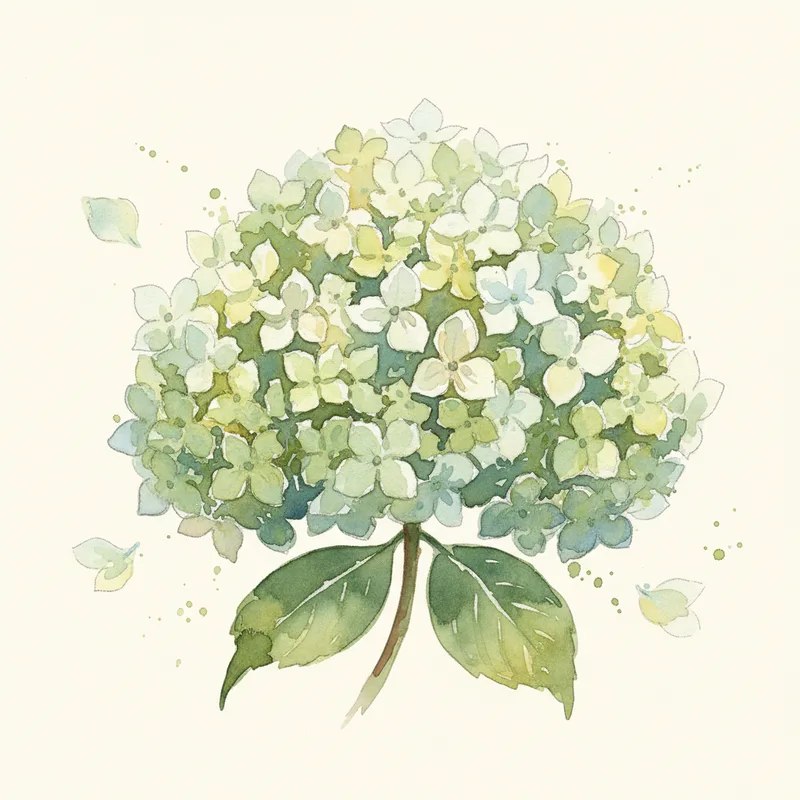
Arborescens (smooth hydrangea, the Annabelle family) is North American native, blooms huge white globes on new wood (also forgiving to prune), and tolerates deeper shade than the others. The older varieties flop under their own flower weight; the newer ones (Incrediball, Invincibelle Spirit II) have engineered stronger stems.
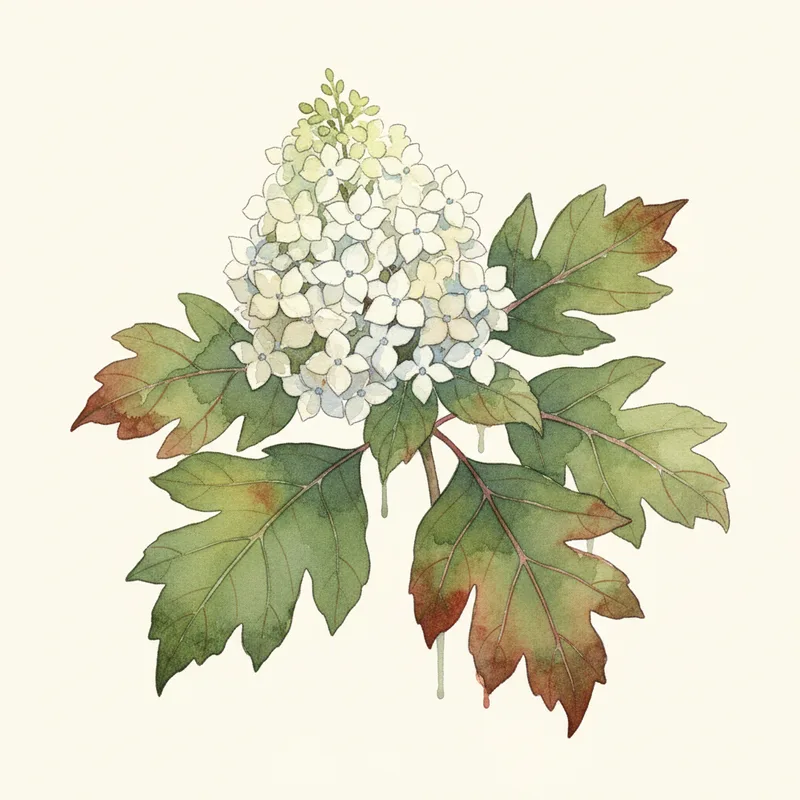
One bonus type worth knowing: Oakleaf (Hydrangea quercifolia) is the four-season native with white cones, exfoliating bark, and the best fall foliage color of any hydrangea. It blooms on old wood like macrophylla but is much hardier in heat.
The six worth planting this spring
1. Endless Summer (macrophylla)
Endless Summer solved the macrophylla problem. The classic Hydrangea macrophylla blooms on old wood, which means one cold winter kills next summer's flowers. Endless Summer blooms on both old and new wood, so even after a harsh winter you still get flowers in midsummer from the new growth. It is the most-bought hydrangea in North America for this exact reason. Blue in acidic soil, pink in alkaline, classic mophead form, zones 4 to 9.
Buying note: the trademarked Endless Summer line includes Original (blue/pink), Blushing Bride (white aging to pink), Twist-n-Shout (lacecap), and BloomStruck (purple-pink). They are all the same engineering, just different colors. Original is the one most people mean when they say "Endless Summer."
2. Nikko Blue (macrophylla)
If you want the postcard-blue mophead hydrangea and you live in zone 6 or warmer with protection from harsh winters, Nikko Blue is the classic. Rich, true blue in acidic soil. Not a rebloomer, so a cold winter can cancel a season, but in mild climates and with snow cover, it returns year after year and gets better with age. The hydrangea you see in old Cape Cod gardens, almost always Nikko Blue.
3. Limelight (paniculata)
Limelight is the easiest hydrangea most gardeners will ever grow. Six to eight feet tall, six to eight feet wide, full sun, blooms on new wood (so prune any time before May), and bears 8-inch cone-shaped blooms that open chartreuse, mature to white, and blush pink by fall. Zones 3 to 8. The hydrangea that made paniculata mainstream.
If you only have space for a smaller plant, Bobo is the dwarf version (3 feet tall) with the same color show. Container-friendly and bulletproof.
4. Annabelle (arborescens)
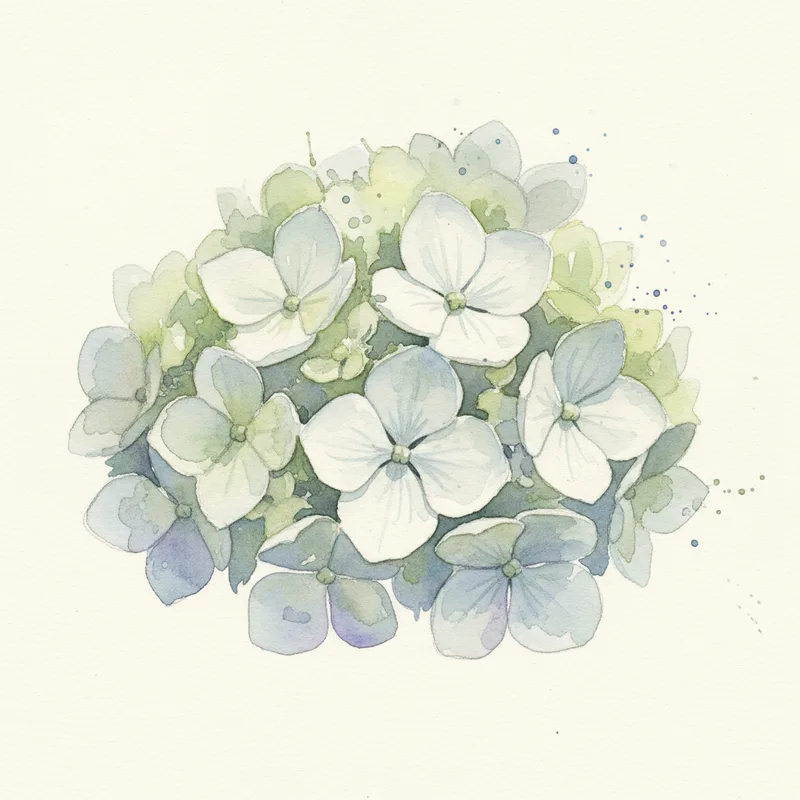
Annabelle is the native white snowball. Enormous round white blooms (10 inches across is normal) on a plant that dies to the ground every winter and pushes back to 4 feet by July. Blooms on new wood, so you cut it to the ground in late winter and start fresh. Tolerates deeper shade than any paniculata. Zones 3 to 9.
The honest weakness: the original Annabelle flops under the weight of its own flowers. The fix is its newer sibling, Incrediball, bred with stronger stems that never lay down. Same color, same hardiness, no staking. If you are buying for the first time, get Incrediball.
5. Oakleaf Hydrangea (quercifolia)
The native most home gardeners overlook. Oakleaf Hydrangea gives you white cone blooms in summer, oak-shaped leaves that turn burgundy and deep red in fall, and cinnamon-colored exfoliating bark in winter. Four seasons of interest in one shrub. Native to the southeastern US, deer-resistant, drought-tolerant once established. Zones 5 to 9. The hydrangea to plant if you only have room for one and want it to do something visually interesting all year.
6. Climbing Hydrangea (anomala petiolaris)
The hydrangea most people do not know exists. Climbing Hydrangea is a vine that scales walls, fences, and tree trunks via aerial roots, covering vertical surfaces with flat lacecap blooms in early summer. Slow to start (often three years to establish), but spectacular at maturity. Thrives in part to full shade where almost nothing else flowers. Zones 4 to 8.
Honest warning: once a climbing hydrangea is established, removing it is a job. The aerial roots leave residue on siding. Plant it on stone, brick, or a dedicated structure, not on wood you might want to repaint later.
Buying rules that prevent regret
- Match the type to the spot. Full sun? Paniculata or oakleaf. Part shade? Macrophylla, arborescens, or climbing. Deep shade? Climbing hydrangea or oakleaf, with the trade-off of fewer flowers.
- Match the size to the spot. Mature hydrangeas are 4 to 8 feet wide. If your spot is a 3-foot foundation gap, you want Bobo, Tuff Stuff, or Little Lime, not Limelight or Nikko Blue.
- Buy potted, not bare-root, hydrangeas. Unlike peonies and dahlias, hydrangeas establish much better from container plants. Bare-root hydrangeas exist but rarely thrive in home-garden conditions.
- Plant in spring or early fall. Spring is best. Six weeks of mild temperatures and reliable moisture get the roots established before summer heat hits.
- Water like you mean it for the first year. Hydrangeas have shallow roots and wilt fast in dry spells. Deep watering twice a week for the first 12 months is the single biggest predictor of long-term success.
- Soil pH for color (macrophyllas only). Acidic soil = blue. Alkaline soil = pink. To shift blue: add aluminum sulfate or sulfur. To shift pink: add garden lime. Paniculatas, arborescens, and oakleafs do not change color with soil pH.
What to plant near hydrangeas
Hydrangeas are anchor plants. They want supporting cast, not competition. The classic combinations: hosta at their feet, astilbe for early summer color in the same partly-shaded conditions, and Japanese anemone blooming above them in late summer when the hydrangeas start to fade. For paniculatas in full sun, lean on catmint, Russian sage, and coneflower.
If your hydrangea is not blooming
If you already have a hydrangea and it is producing leaves but not flowers, the diagnosis is almost always one of four things: wrong type for the conditions, pruned at the wrong time, late frost killed the buds, or too much nitrogen fertilizer. See our full guide on why your hydrangea is not blooming for the troubleshooting tree.
Related reading
- Why your hydrangea is not blooming
- The 7 best peonies to plant this fall
- Best plants for clay soil
- How to build a cottage garden
Browse hydrangea-friendly zones
What's growing, what's blooming, what's worth planting.
For gardeners who like to stay ahead.