5 Dahlia Varieties Worth Pre-Ordering for Spring (and Why the Best Ones Sell Out by February)
Premium dahlia tubers move on a different calendar than the big-box rack. The varieties that florists fight for sell out within 48 hours of preorder windows opening, sometimes seven months before they ship. Here are five worth waiting for, plus the order calendar that tells you when to refresh which nursery's site.
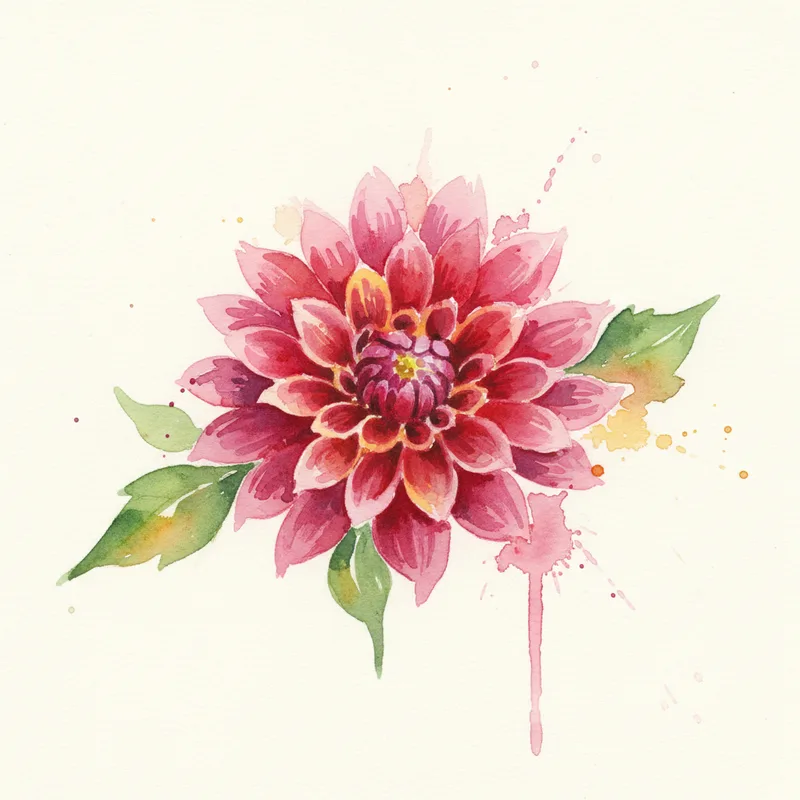
The dahlia tubers at the big-box rack in May are generics. Decorative red. Decorative pink. Cactus orange. They will bloom, and they will be fine. But the dahlias you see on flower-farm Instagram and in florist wedding portfolios are entirely different plants. Named, scarce, and moving on a calendar that does not include "I'll grab one in May." The best ones sell out in February, sometimes hours after the preorder window opens, for shipping the following spring.
Here are five varieties worth that level of advance planning, plus the order calendar that gets you on the list.
The order calendar
Premium dahlia growers operate on three windows:
- September to October: Some growers (Floret, Swan Island) open preorders for the following spring. This is when the rarest cultivars actually move.
- January to February: Most specialty growers open their main preorder window for May shipping. Cafe au Lait and Penhill Watermelon sell out within days.
- March to April: What is left at this point is what serious growers passed on. You can still get good cultivars but not the trophy ones.
- May: Big-box racks and what specialty growers had as overstock. Mostly generics by this point.
The implication: if you want a specific variety, set a calendar reminder for February of the year before you want to grow it. Sign up for grower email lists in fall. Be ready to checkout fast. This is not exaggeration. Some varieties sell out in under 90 minutes.
The five worth waiting for
1. Cafe au Lait
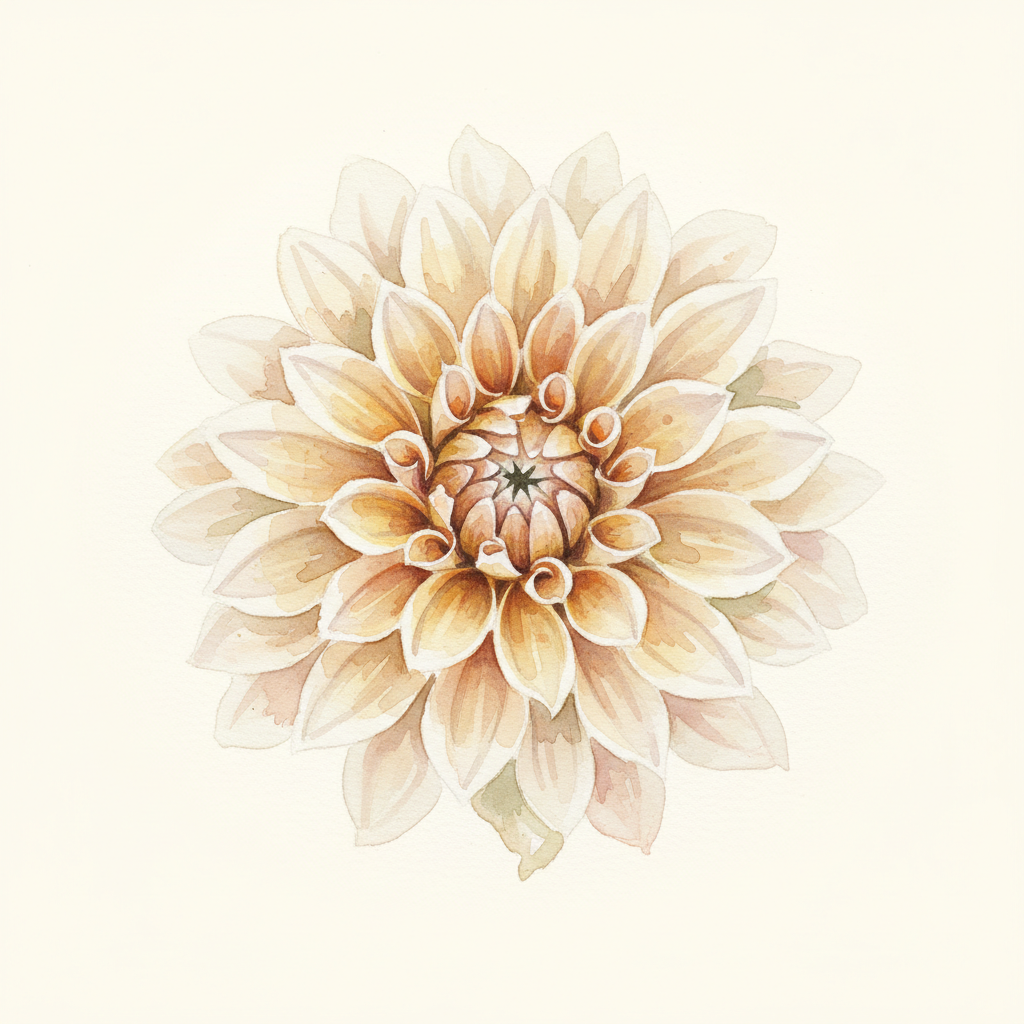
Cafe au Lait is the most-photographed dahlia in the world and the variety responsible for the entire creamy-blush wedding flower aesthetic of the last decade. Dinner-plate sized blooms up to 10 inches across in a shifting cream-blush-coffee-pink palette that changes with temperature. Cool nights bring out more pink; hot days push it toward ivory. Florists pay $8 to $15 per stem for these at wedding-flower wholesale, when they can get them at all. A single mature tuber produces 20 to 30 stems per season.
Honest warning: Cafe au Lait is the most-asked-for and the first to sell out. It is also fussy. Stake at planting, expect to lose buds to wind in exposed sites, and accept that the color is genuinely temperature-dependent. The plants do not perform in zones hotter than 8 without afternoon shade.
2. Penhill Watermelon
Penhill Watermelon is a cactus-form dinner plate in a swirled gradient of peach, coral, pink, and yellow. The petals twist and curve back like cactus dahlias do, and the colors actually shift across each flower from center to tip. The 4 to 5 foot plants need stout staking but produce flowers that genuinely look hand-painted. A flower-farm favorite for the way each bloom is slightly different from the next.
3. Thomas Edison
Thomas Edison is one of the few true royal-purple dinner-plate dahlias in cultivation. Formal decorative form, 8 to 10 inch blooms, rich saturated purple that holds its color in vase for a week. Bred in 1929 and never improved on for color depth. Late-summer beds with Thomas Edison as the anchor and chartreuse foliage (golden hostas, hakone grass) underneath are some of the more striking color combinations in any garden.
4. Bishop of Llandaff
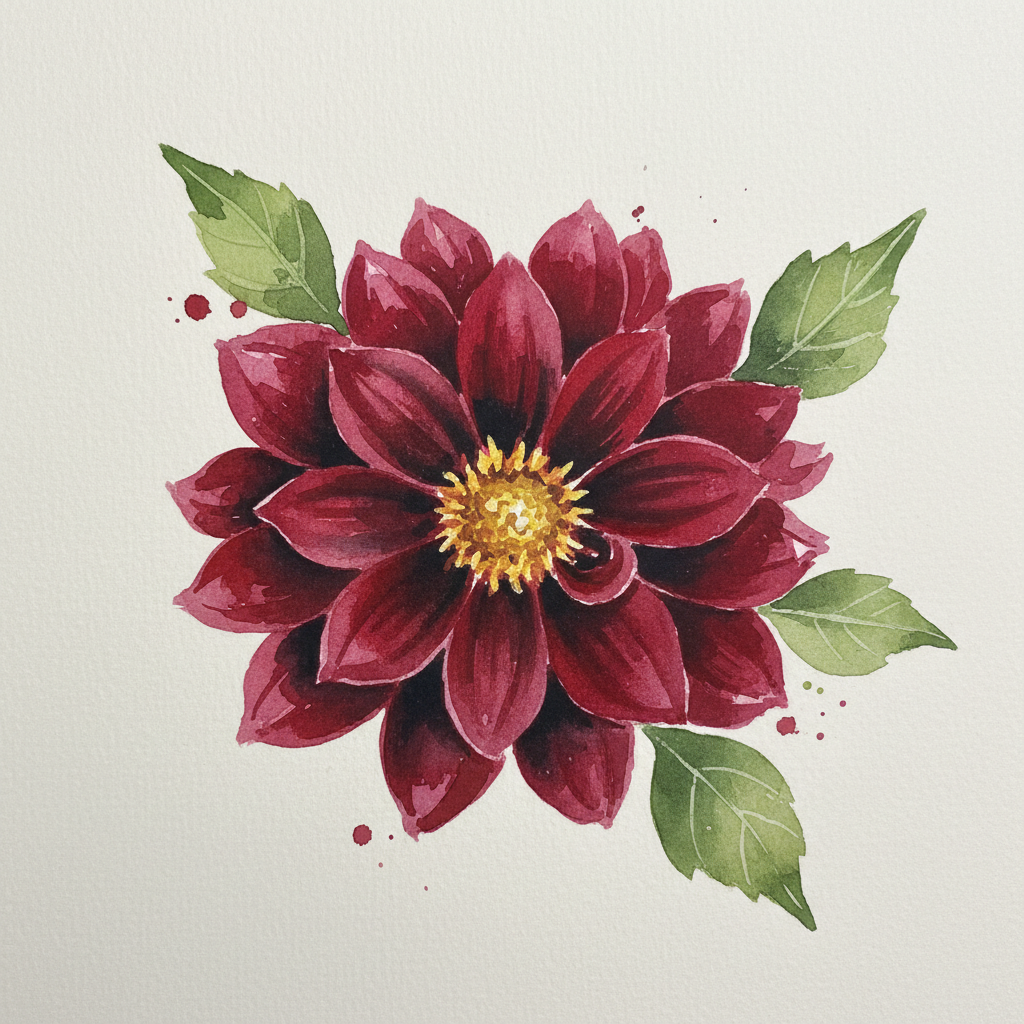
If you want a dahlia that does not need to be the same form as the others, Bishop of Llandaff is the answer. Brilliant scarlet semi-double flowers above near-black foliage. The contrast between the leaf and the bloom is unmatched anywhere in the dahlia world. Bred in Wales in 1924 and still the standard against which dark-foliage dahlias are measured. Strong stems, prolific, and a pollinator magnet because of the open semi-double form.
Bishop of Llandaff is one of the few specialty dahlias that is also reasonably easy to find. Not every grower carries it, but enough do that you can usually source it in early March if you missed the February rush.
5. Karma Choc
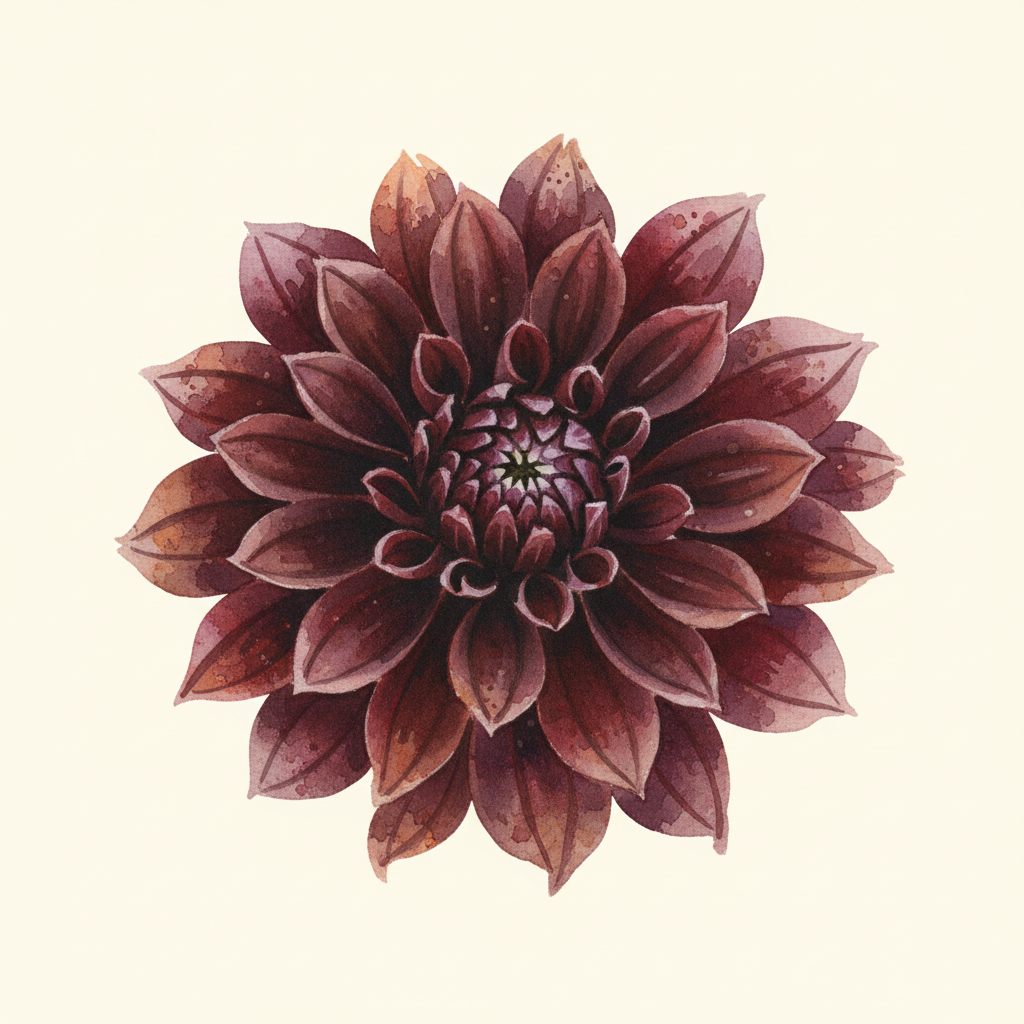
Karma Choc is the dahlia florists actually want for moody arrangements. Velvety dark burgundy waterlily-form blooms that read almost black in low light. The Karma series was specifically bred for cut-flower production: strong stems, long vase life (7 to 10 days, which is exceptional for dahlias), and consistent form. Karma Choc is the dark one in the series. Pairs with everything: cream, blush, peach, bright orange, deep purple. The dahlia equivalent of a little black dress.
What to do if you missed the preorder window
If you are reading this in May and you wanted Cafe au Lait but did not preorder, the options are:
- Floret Flower's late-spring tuber drop. They sometimes release small batches of held-back stock in April or May. Email list members get first notice.
- Local dahlia society sales. Most regions have a dahlia society that hosts a spring tuber sale where members trade and sell from their own stock. Often the only place to get genuinely rare cultivars in spring.
- Etsy sellers. Variable quality, but some serious dahlia growers sell smaller-quantity tubers there for May planting.
- Substitute strategically. If you wanted Cafe au Lait specifically for wedding-style flowers, Sweet Nathalie is the runner-up most florists use when Cafe au Lait is unavailable. Soft peach-pink, ball form, prolific cutting, and almost always in stock.
The fall pre-order trick
Serious dahlia gardeners have figured out that the fall preorder window (September to October, for shipping 18 months later) is where the genuinely rare stuff moves. Floret's "rare and unusual" sale is the canonical example. Sign up for the email list in summer, watch for the drop notice in late August or early September, and be ready to checkout within 30 minutes of the window opening.
This is overkill for most home gardeners. But if you have ever wanted a specific cultivar and watched it sell out three years in a row, the fall preorder is how you finally land it.
Storage between seasons
If you live in zone 7 or colder, you will need to dig and store tubers each fall. The process is straightforward: after the first hard frost blackens the foliage, cut stems back to 6 inches, dig the clump carefully, brush off soil, let cure for two weeks in a dry shaded spot, then pack in slightly damp peat moss or vermiculite in a labeled box, and store at 40 to 50°F. One tuber clump after one season is usually 4 to 8 new tubers. The pre-ordered varieties literally multiply themselves into a permanent collection.
Zone 8 and warmer can leave them in the ground with a thick mulch layer, but most growers still dig and divide every 2 to 3 years to maintain vigor.
Related reading
- Best dahlia varieties to plant in May
- The 7 best peonies to plant this fall
- How to plan a jewel-tone garden
- How to build a cottage garden
Browse dahlia-friendly zones



What's growing, what's blooming, what's worth planting.
For gardeners who like to stay ahead.