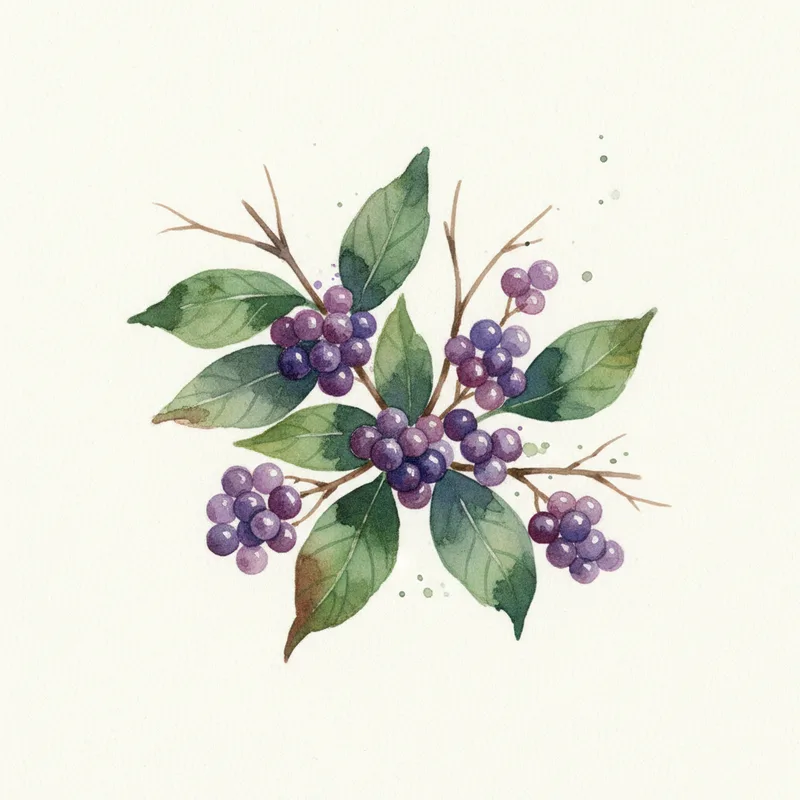
Inconspicuous flowers give way to stunning clusters of magenta-purple berries in fall. The berries are the show.
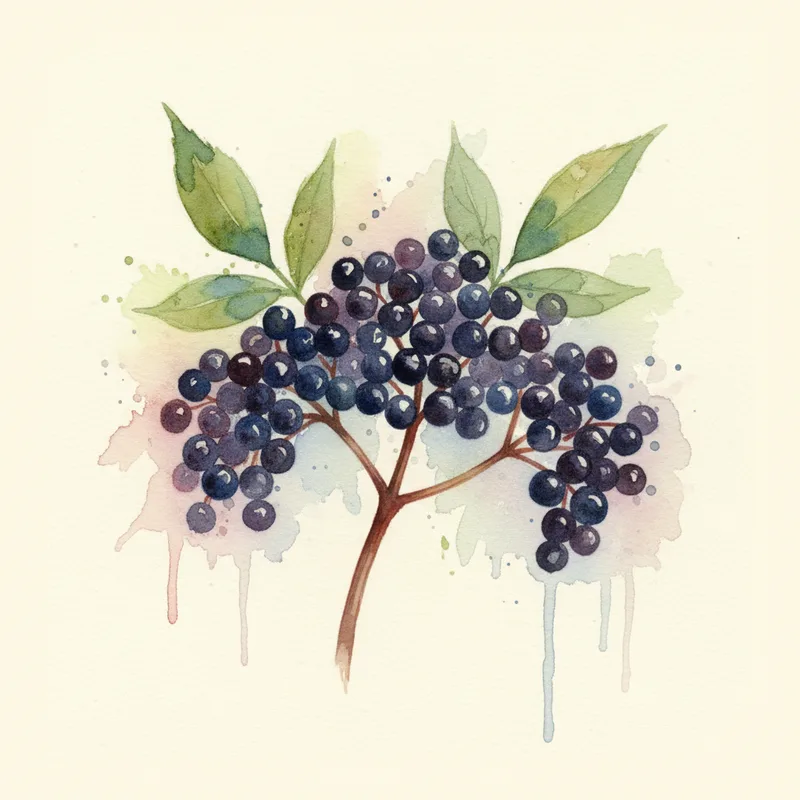
Large flat clusters of creamy flowers in early summer give way to dark berries for jams and wildlife.
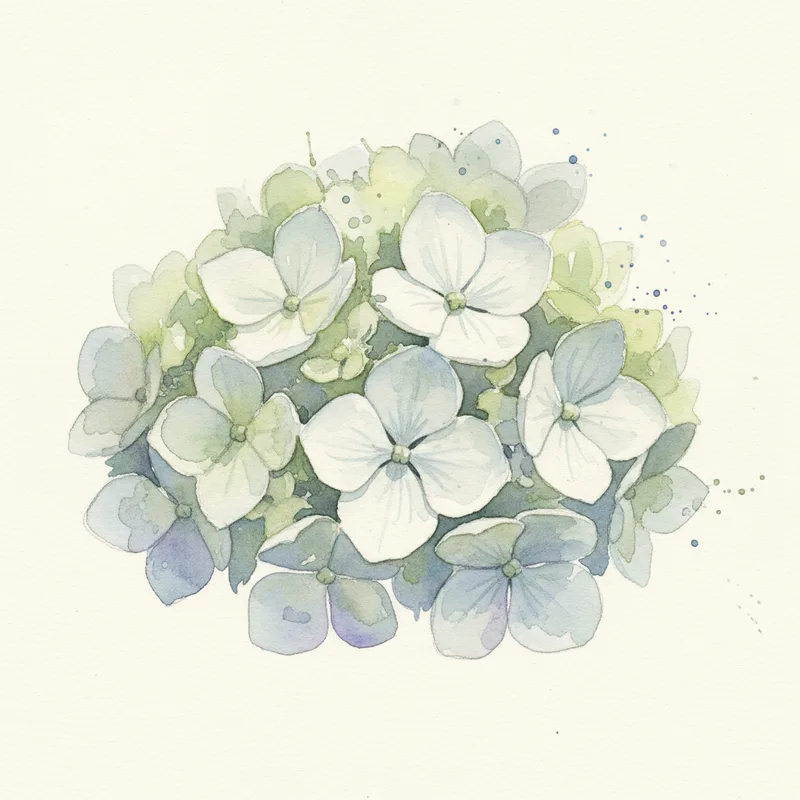
Enormous snowball blooms on a native species. Blooms on new wood, so prune hard in spring.
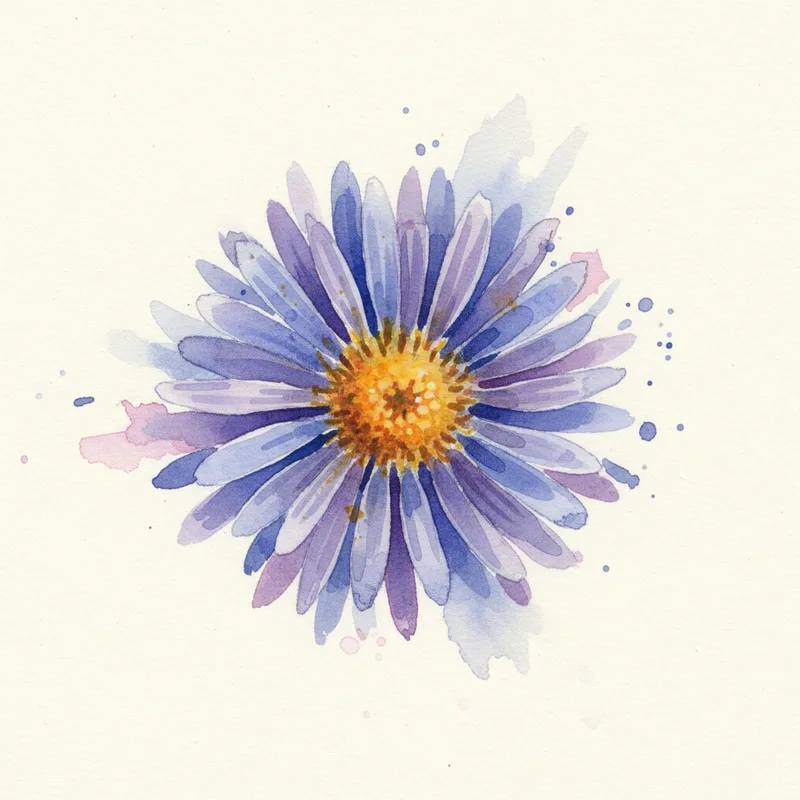
The grand finale of the garden season. Essential for fall pollinators.
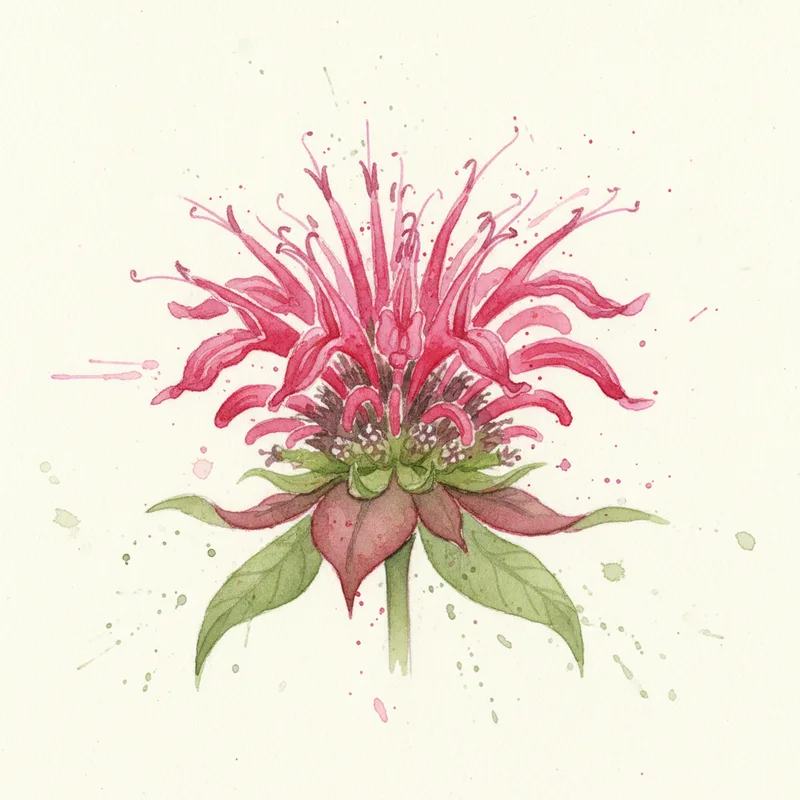
Shaggy, crown-shaped flowers that hummingbirds fight over.
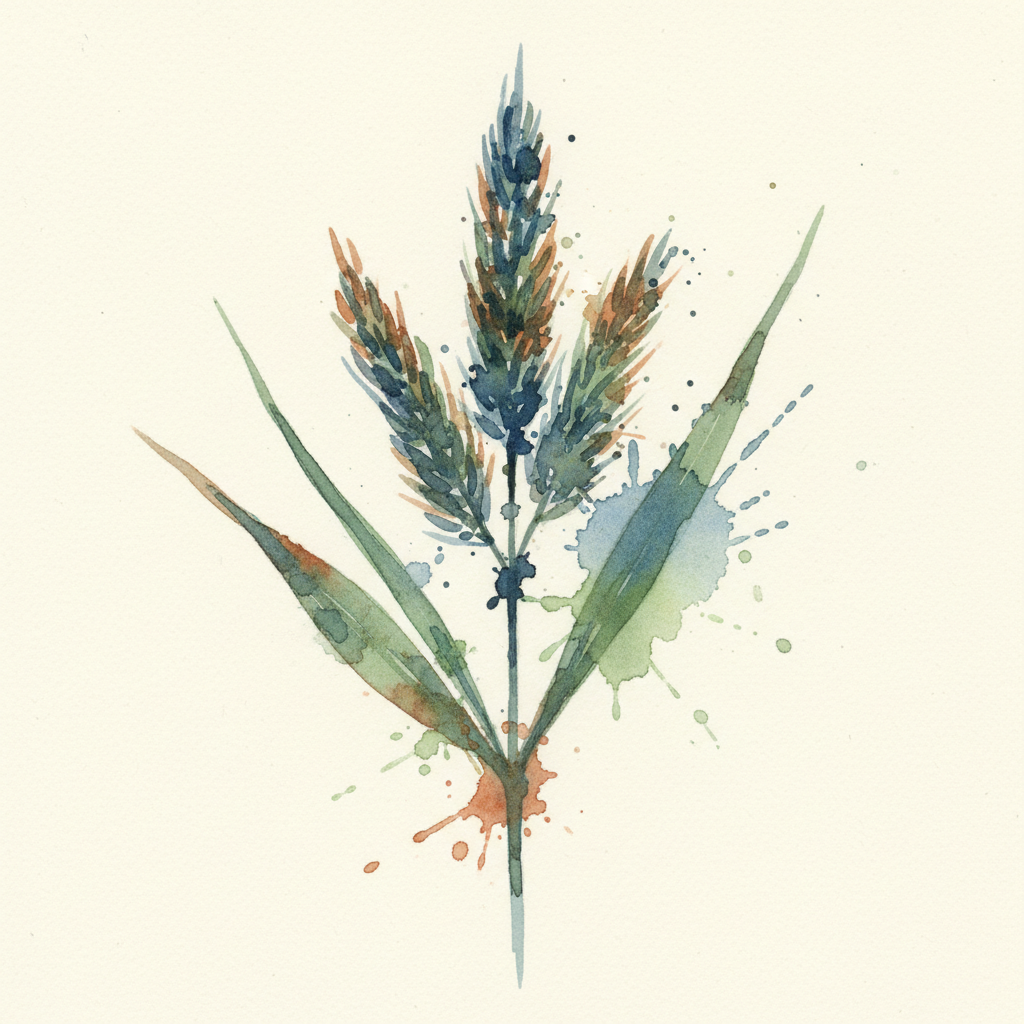
The signature grass of the tallgrass prairie, turning copper-bronze in fall with distinctive turkey-foot seed heads.
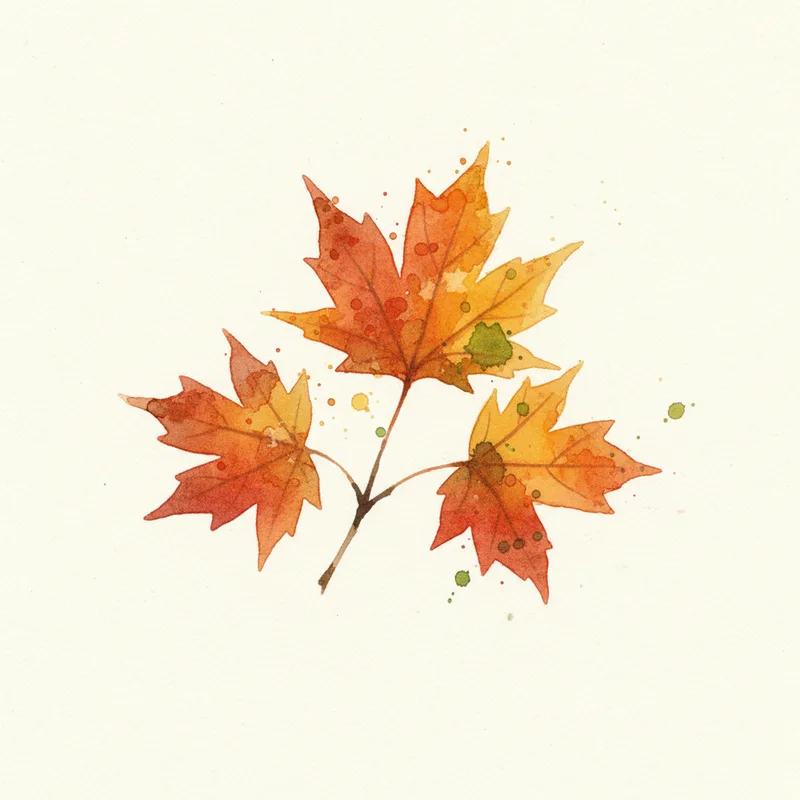
Mountain West maple with brilliant orange-red fall color and rugged drought tolerance.
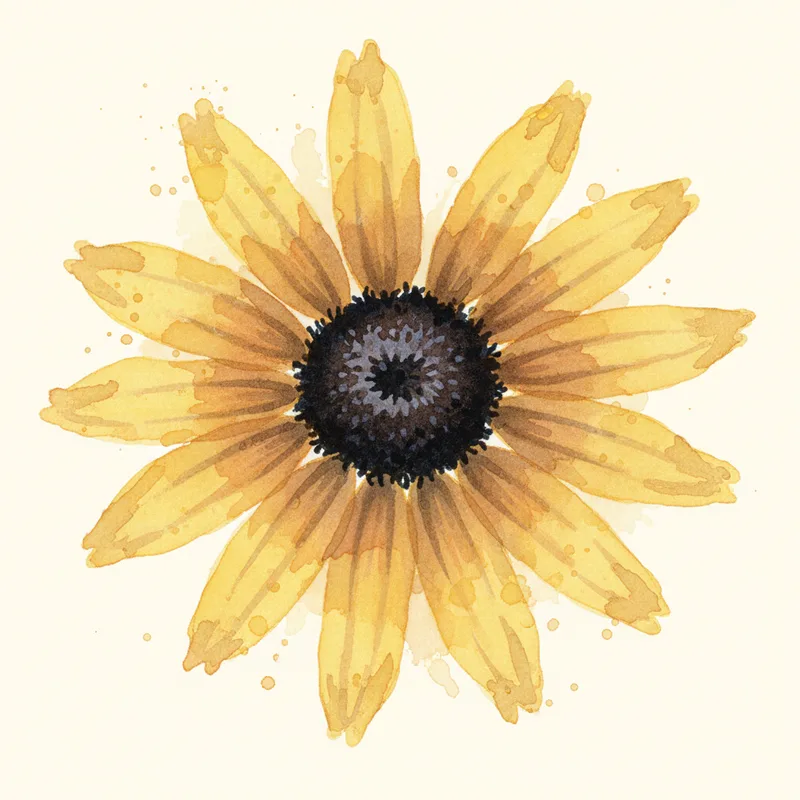
Golden prairie workhorse that lights up late summer meadows.
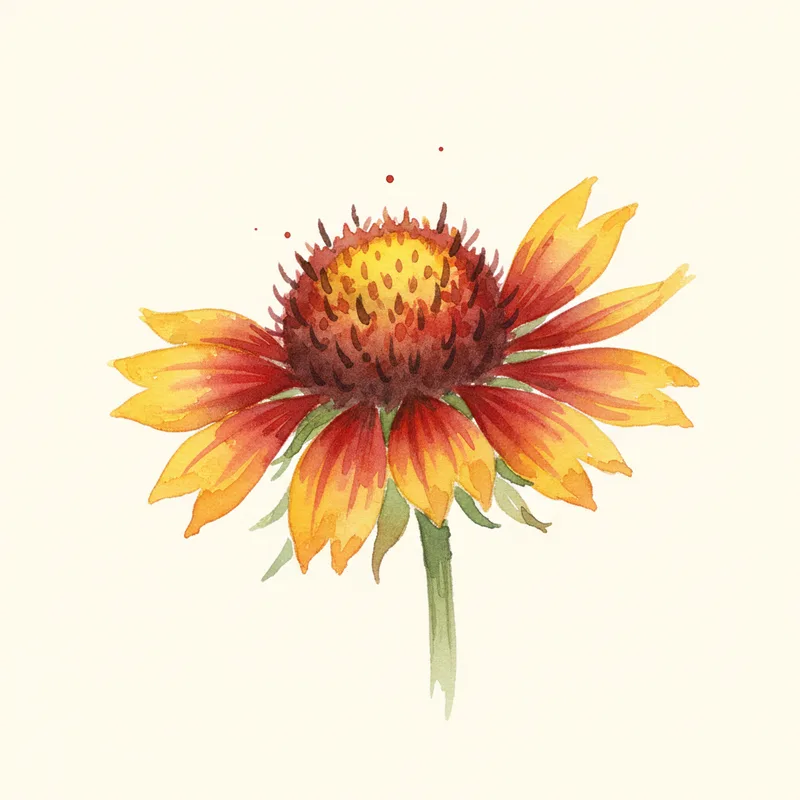
Fiery bicolor pinwheels that bloom nonstop in the worst heat and soil.
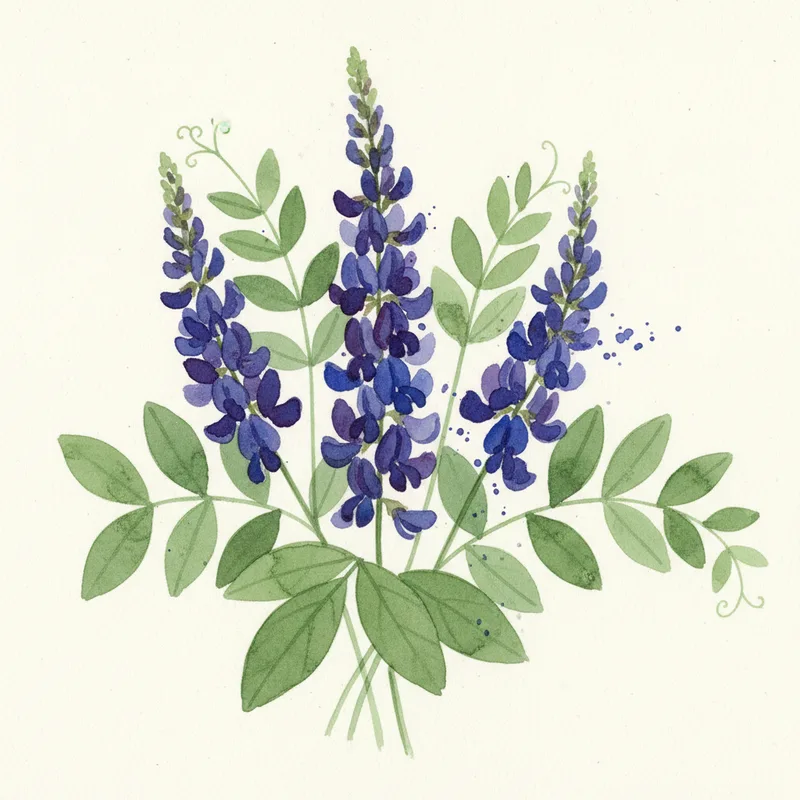
Lupine-like spikes on a native that lives forever. Gets better with age.
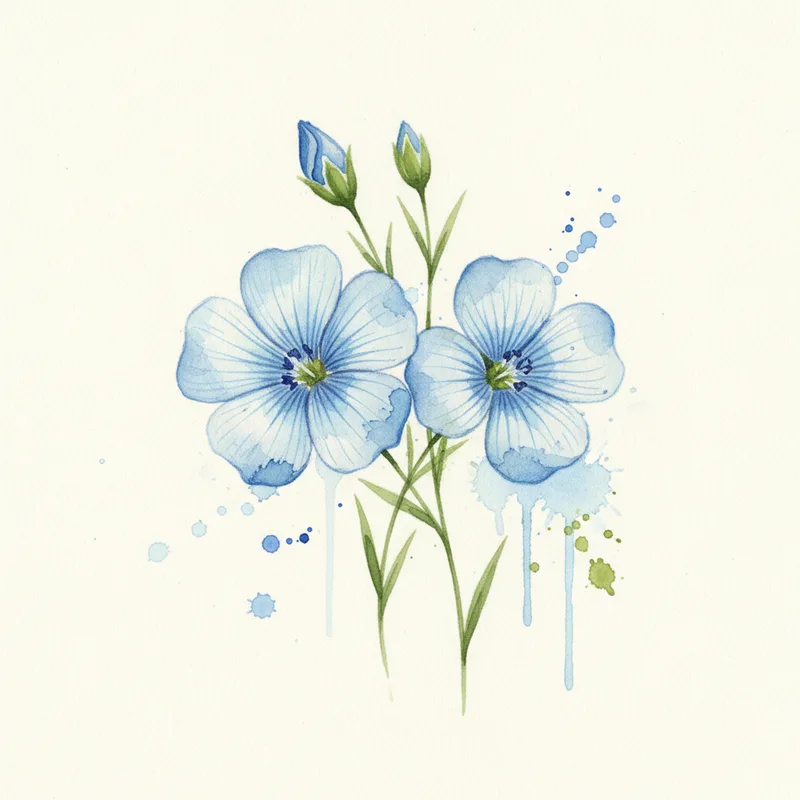
Delicate sky-blue flowers open each morning on airy stems over fine foliage.
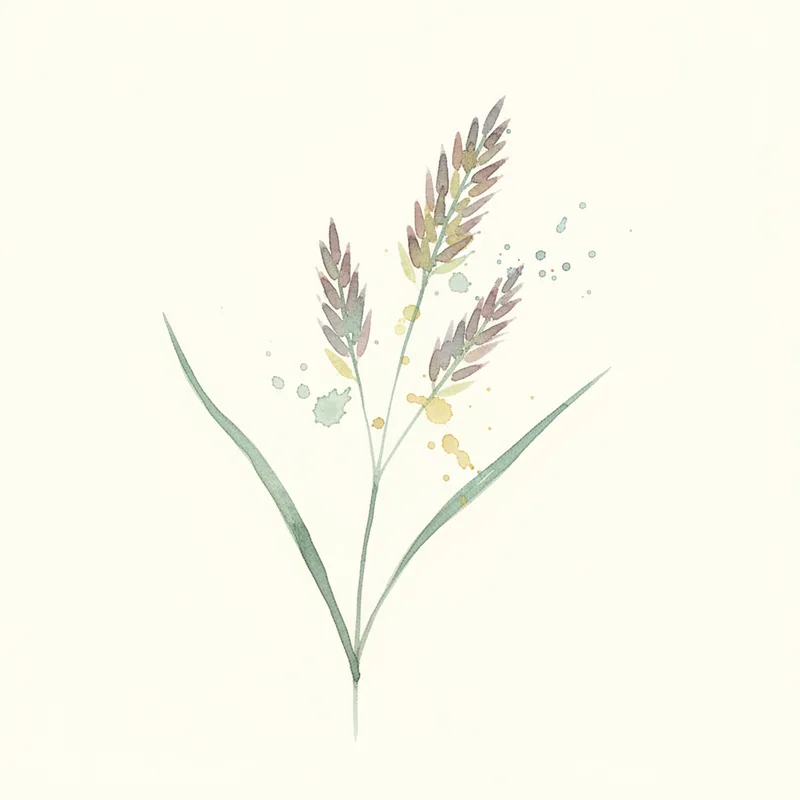
Short clumping grass with distinctive eyebrow-shaped seed heads thrives in dry soils.
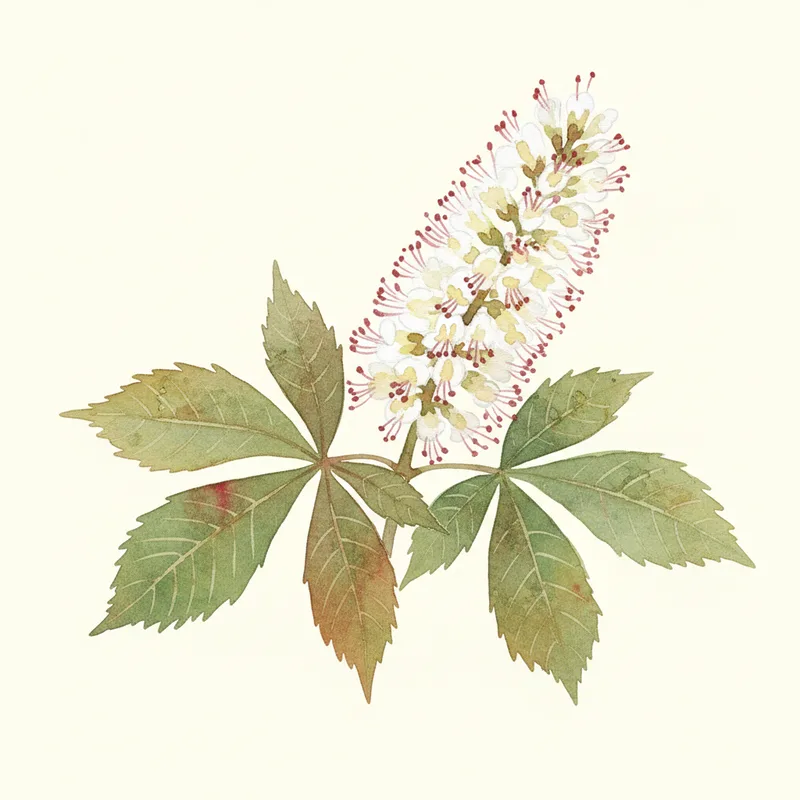
Massive suckering shrub with foot-long white flower candles. Showpiece for large shade gardens.
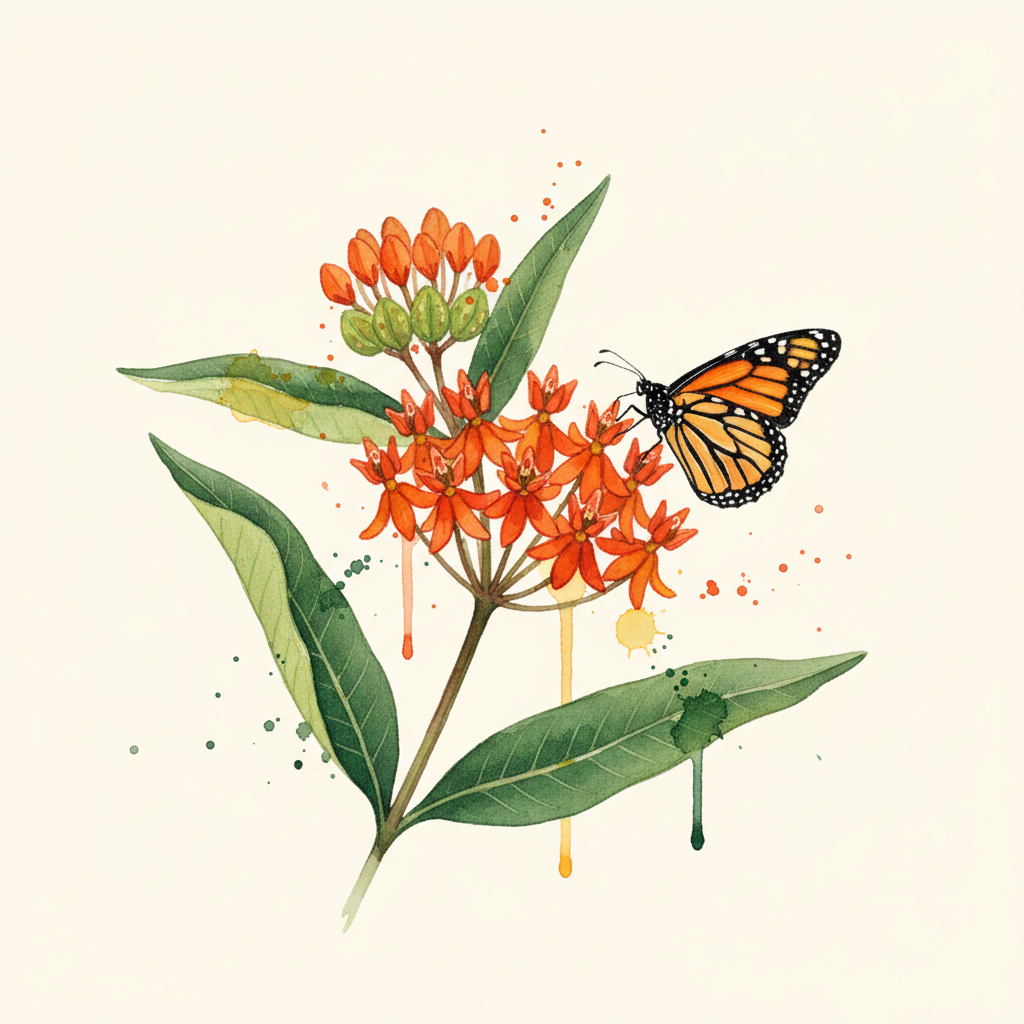
Vivid orange-red flat-topped clusters that monarchs and swallowtails cannot resist. Drought-proof once established.
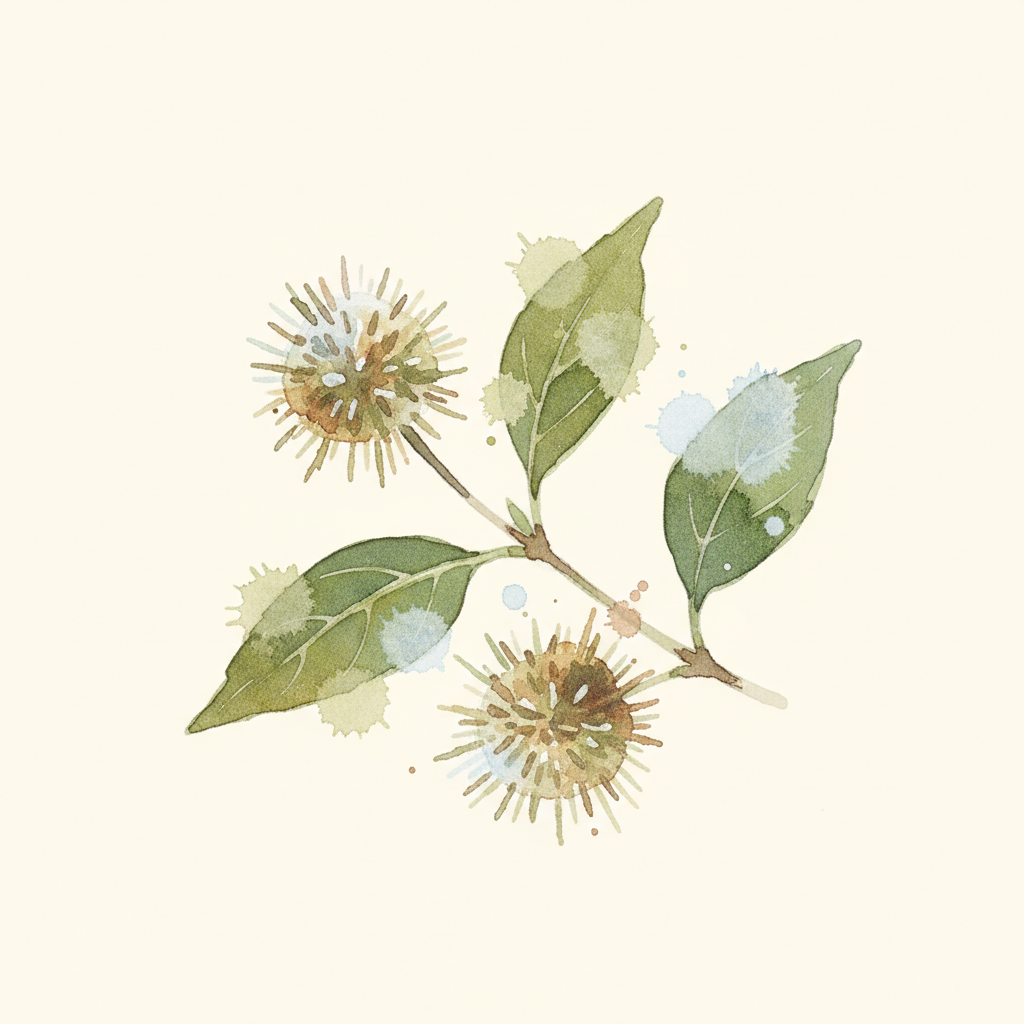
Weird and wonderful pincushion flowers like tiny white globes on a tough native that thrives in wet conditions.
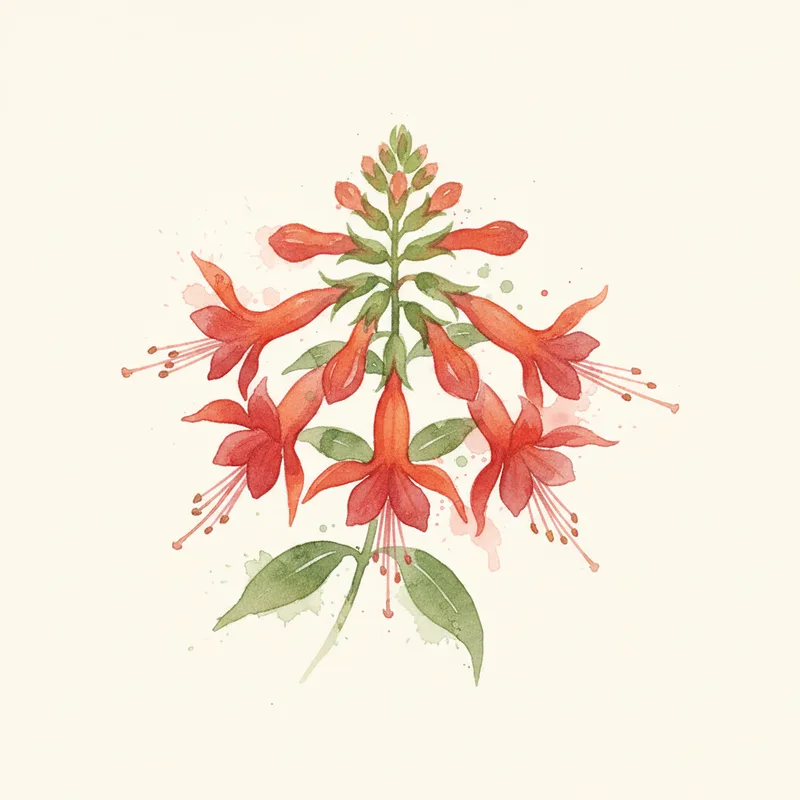
Low mounds of gray foliage are covered in tubular red-orange flowers in late summer.
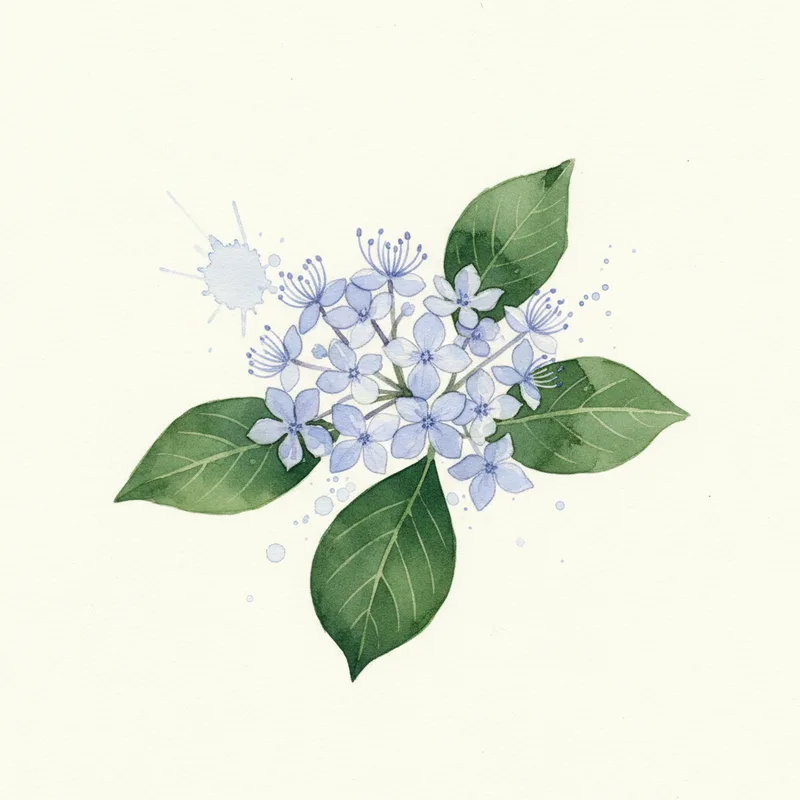
Electric blue flower clusters on an evergreen California native. Hummingbird and bee magnet.
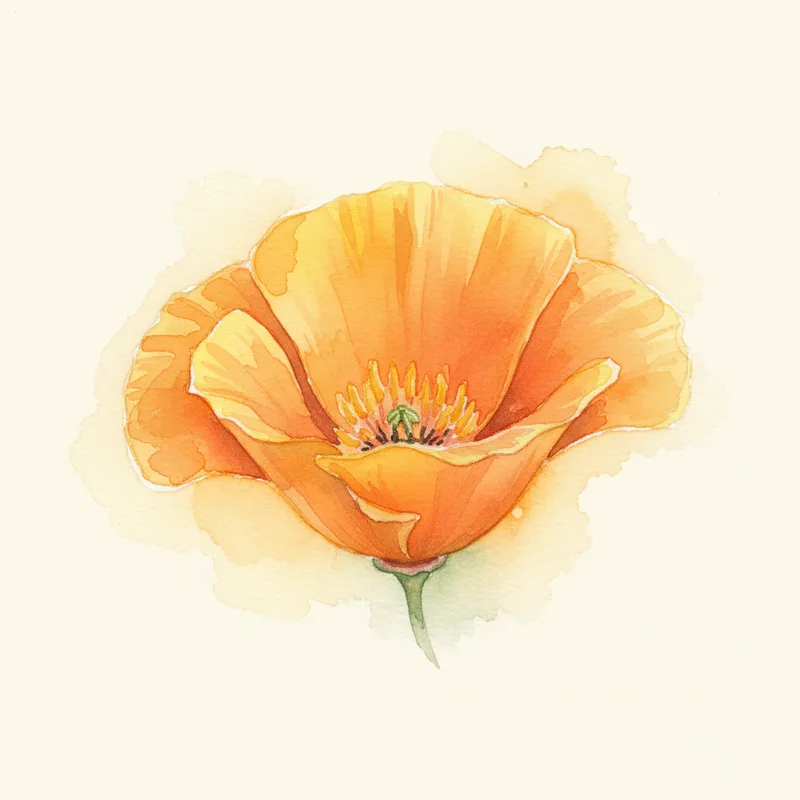
Golden cups that carpet hillsides across the state. Closes at night and on cloudy days.
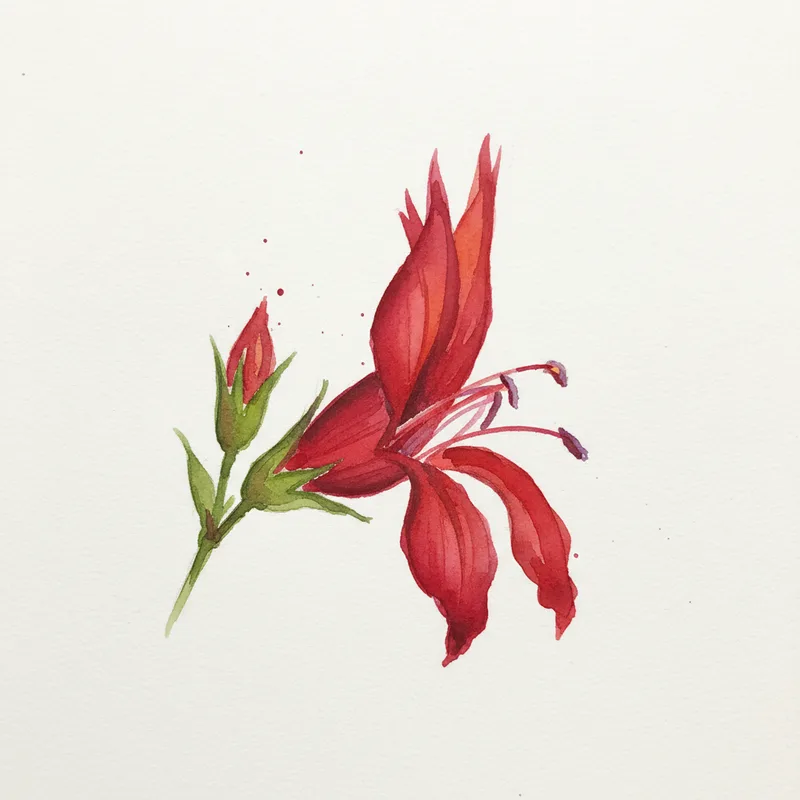
Screaming scarlet spikes. The most vivid red in the native plant world.
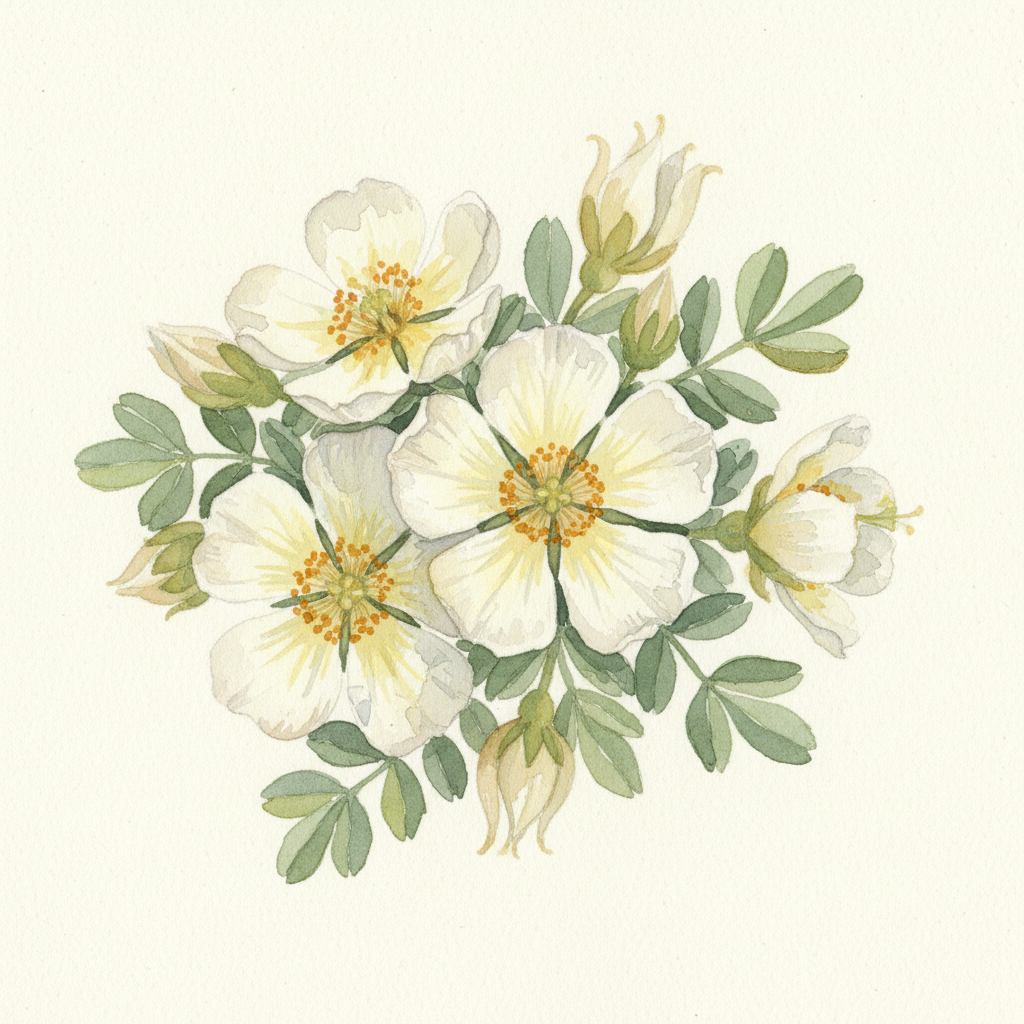
Creamy white rose-like flowers with sweet fragrance and feathery seed plumes on a tough Rocky Mountain native.
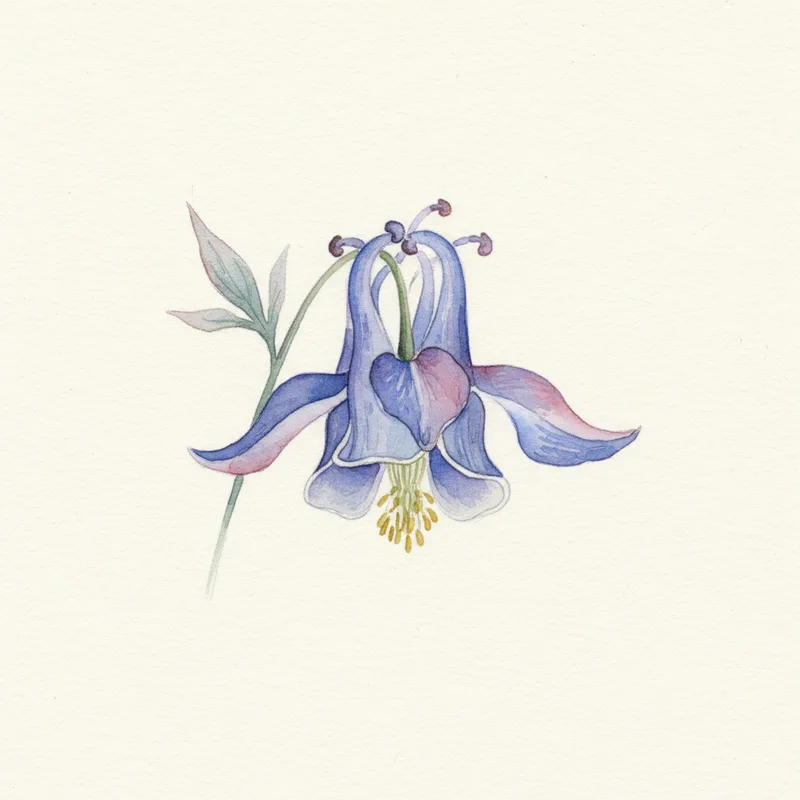
Delicate, spurred flowers that dance on wiry stems. Hummingbird favorite.
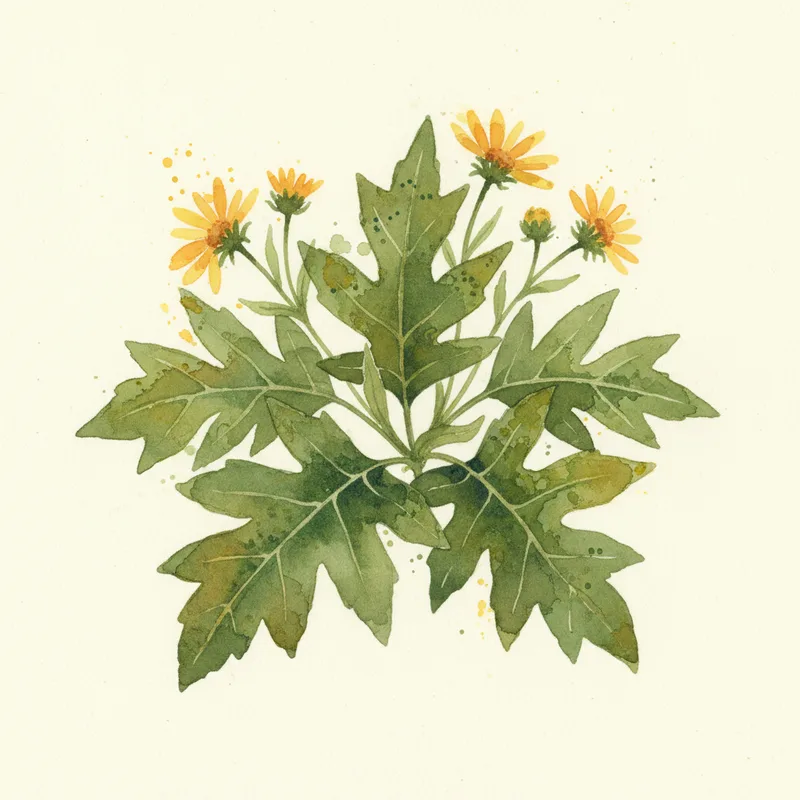
Tall stems with large yellow daisies tower over deeply cut basal leaves that align north-south.
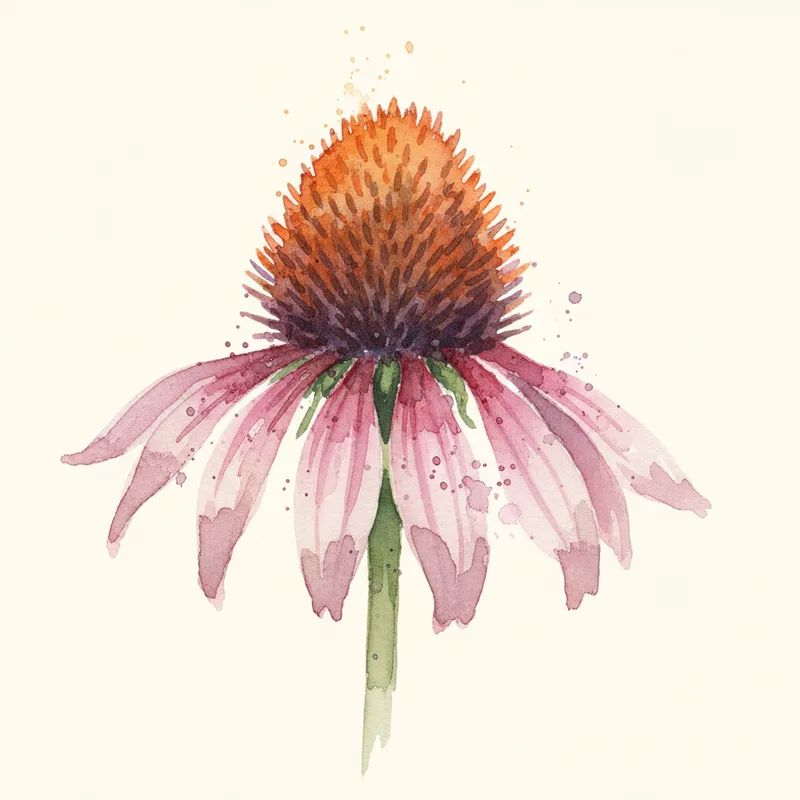
Tough prairie native with long bloom season and medicinal history.
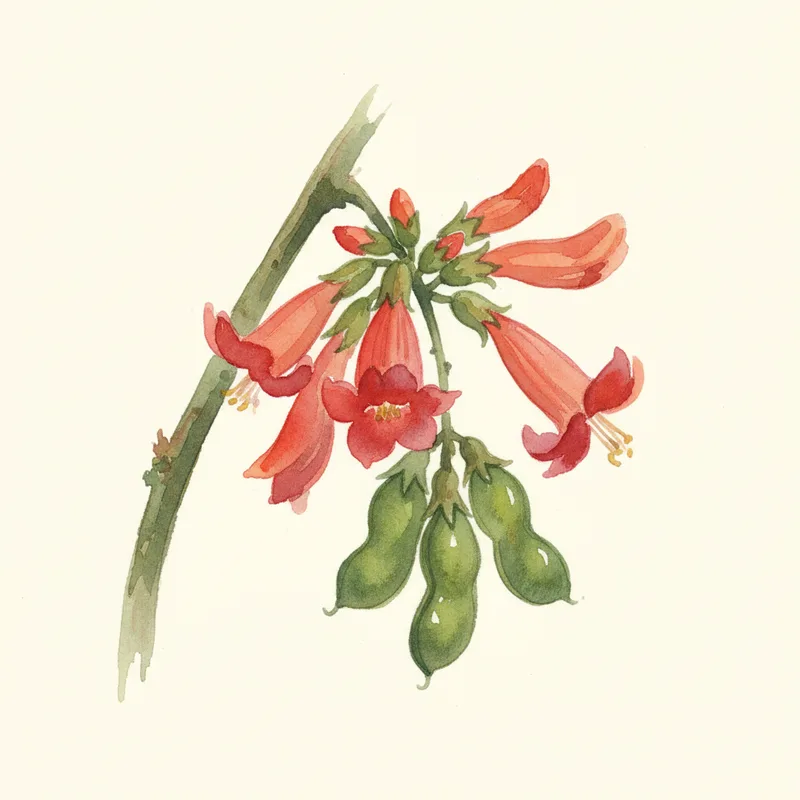
Bold spikes of tubular red flowers in spring attract hummingbirds before bean pods form.
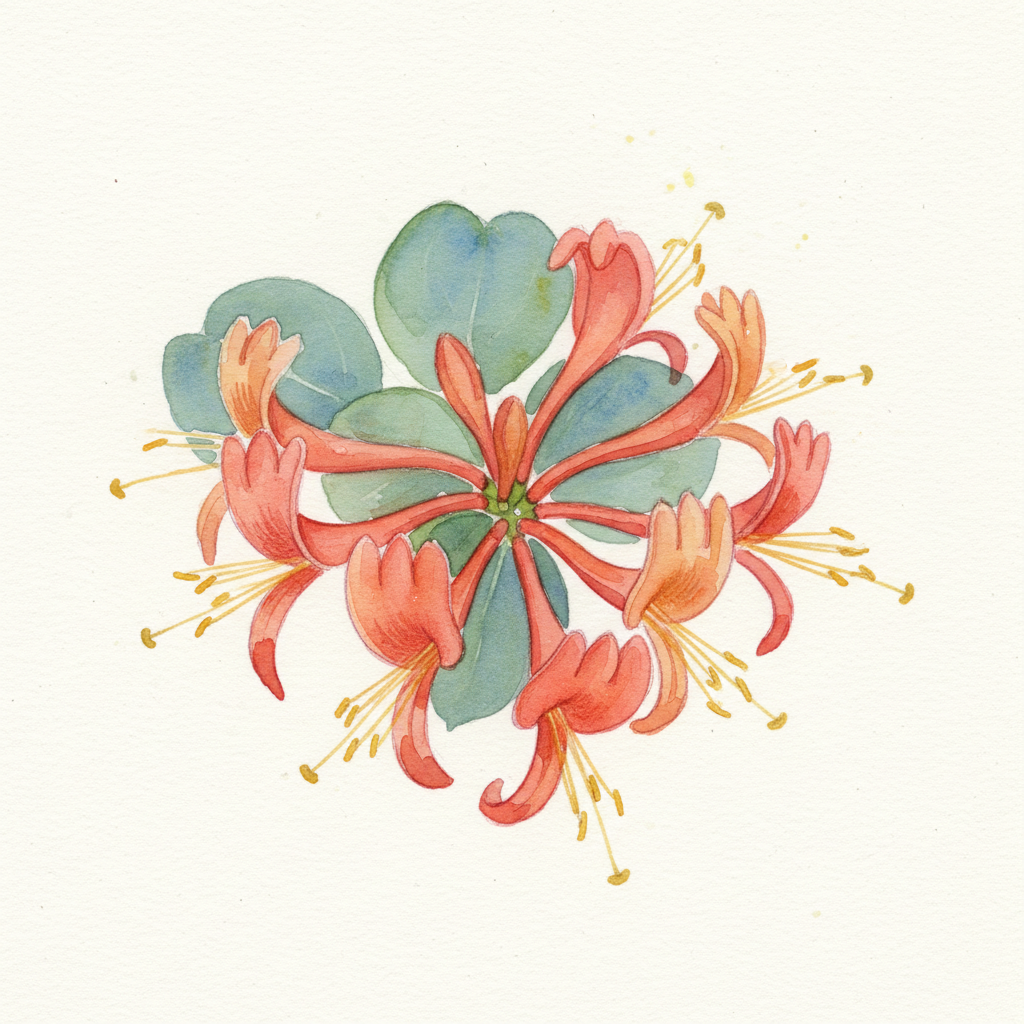
Non-invasive native honeysuckle with brilliant coral-red tubular flowers that hummingbirds hover at for months.
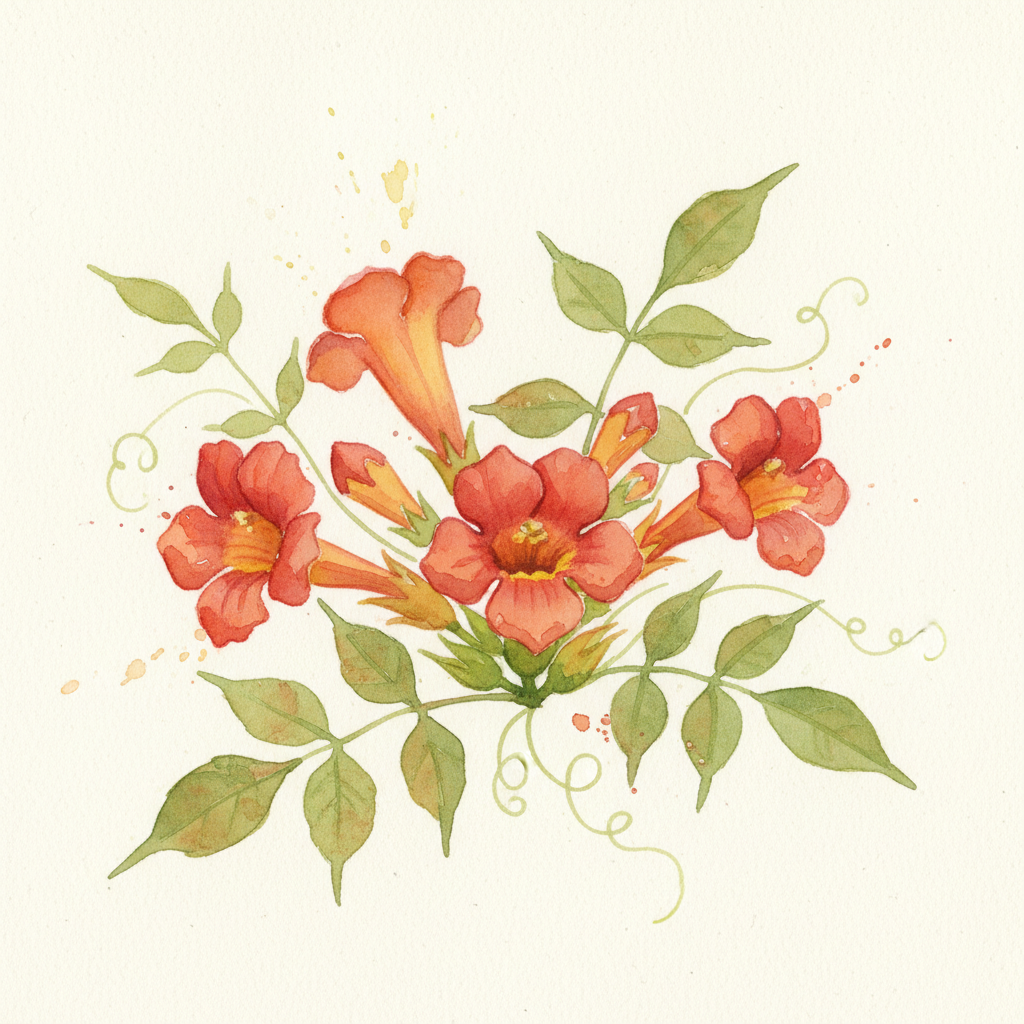
Tubular orange-red trumpets line this vigorous semi-evergreen vine in spring, attracting every hummingbird in the neighborhood.
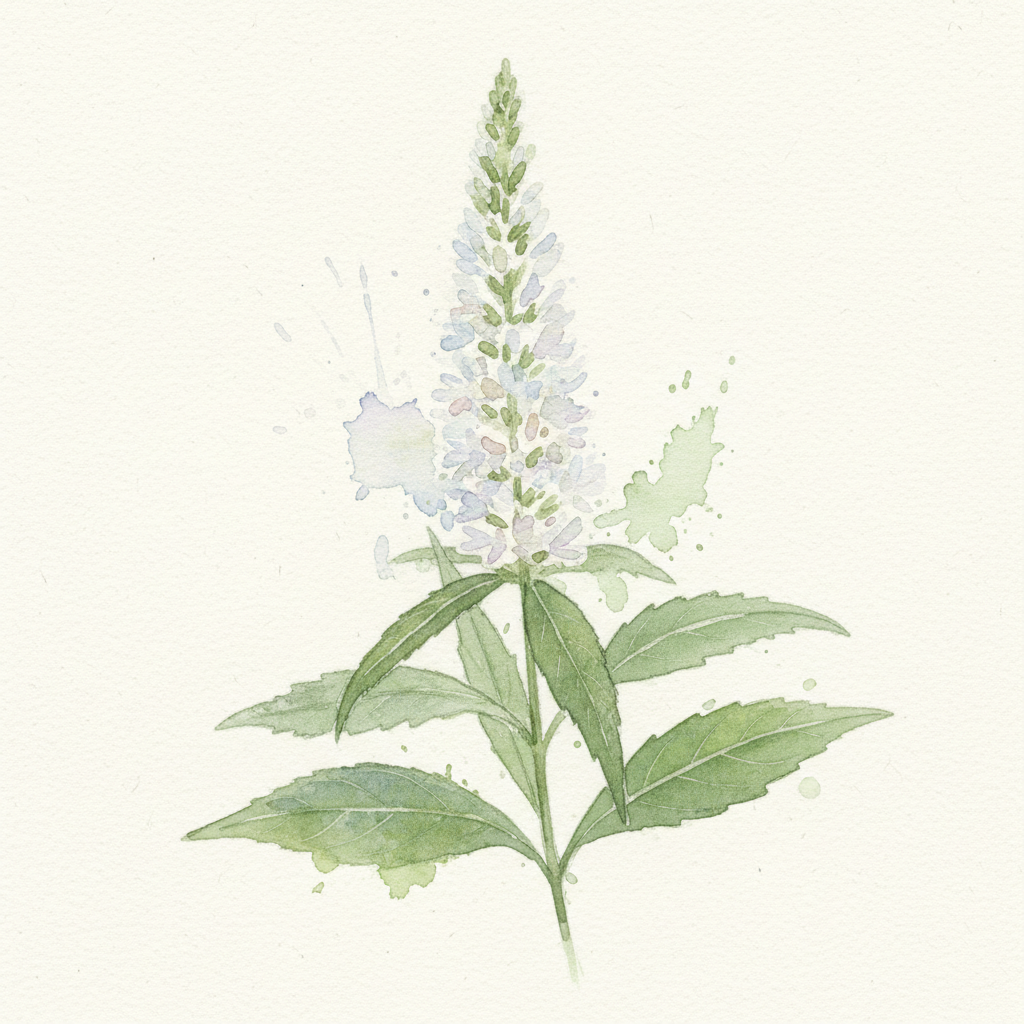
Tall tapering spires of tiny white flowers that bees mob. Vertical and elegant at the back of the border.
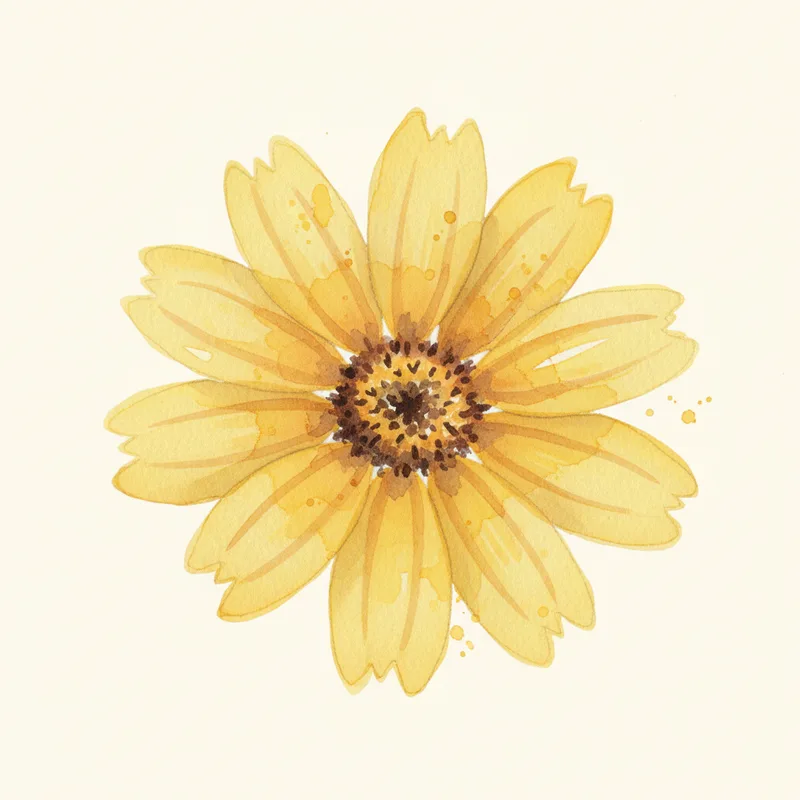
Cheerful desert wildflower that blooms almost year-round in warm climates. Thrives on neglect.
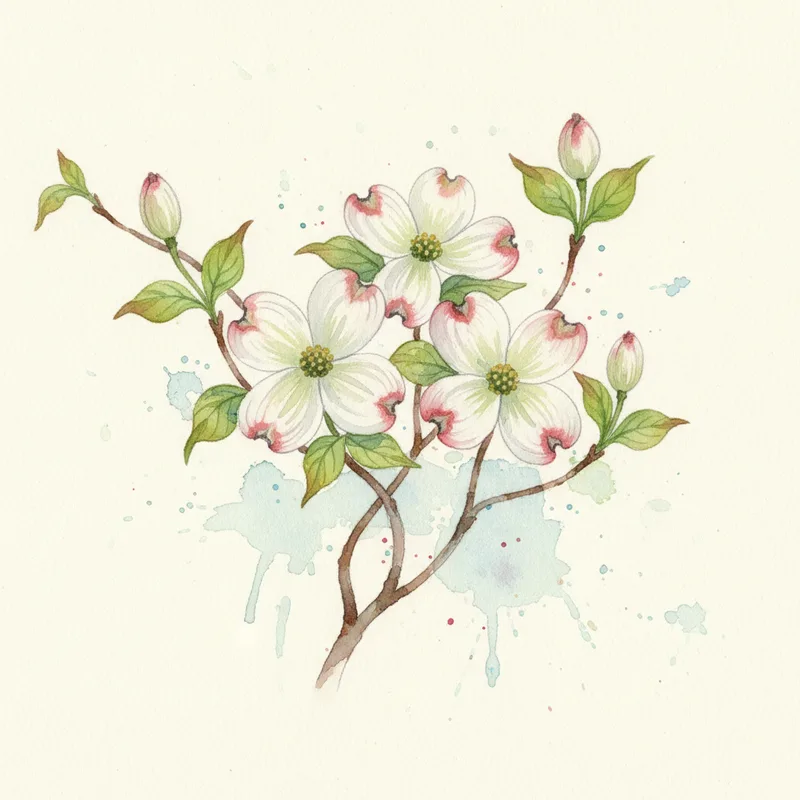
Iconic spring bloomer with fall berries and winter bark. Four-season beauty.
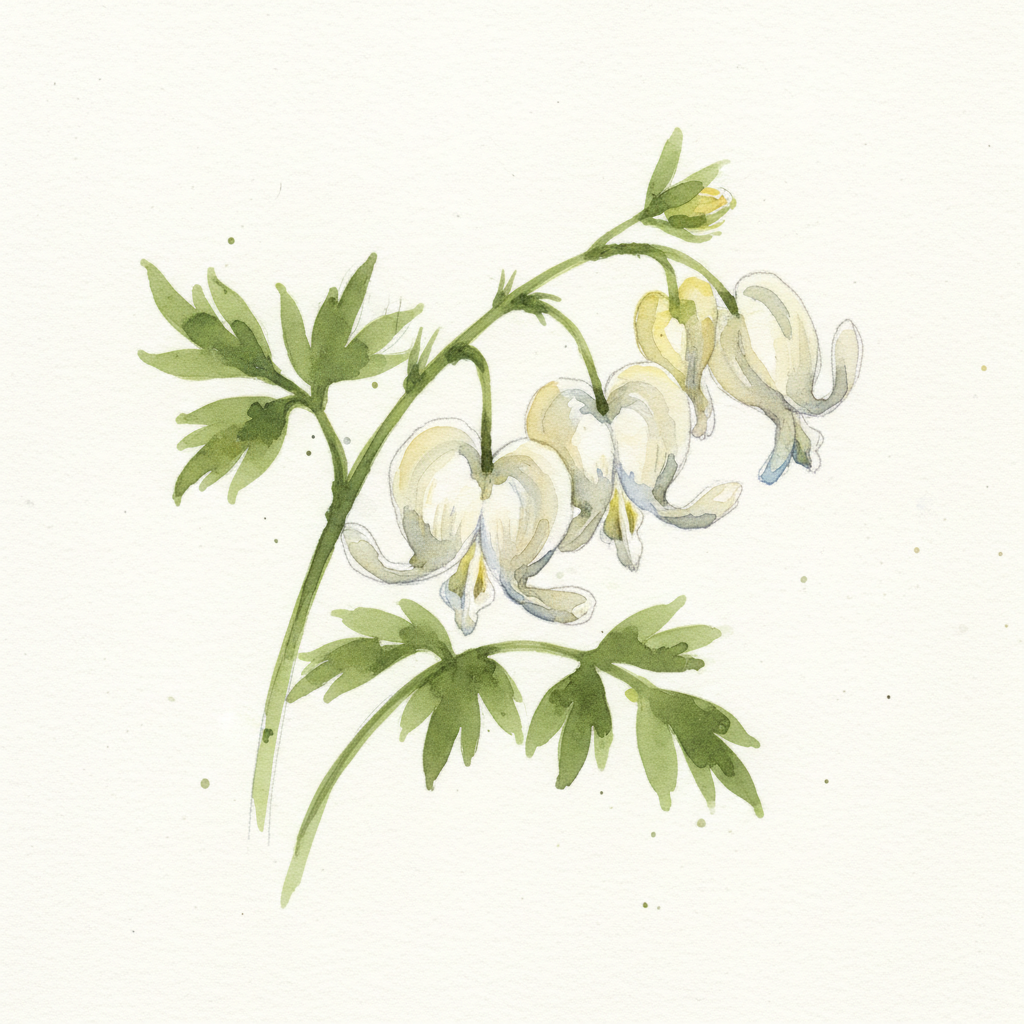
Finely cut foliage and clusters of puffy white pantaloon-shaped flowers in early spring. A charming ephemeral that disappears by summer.
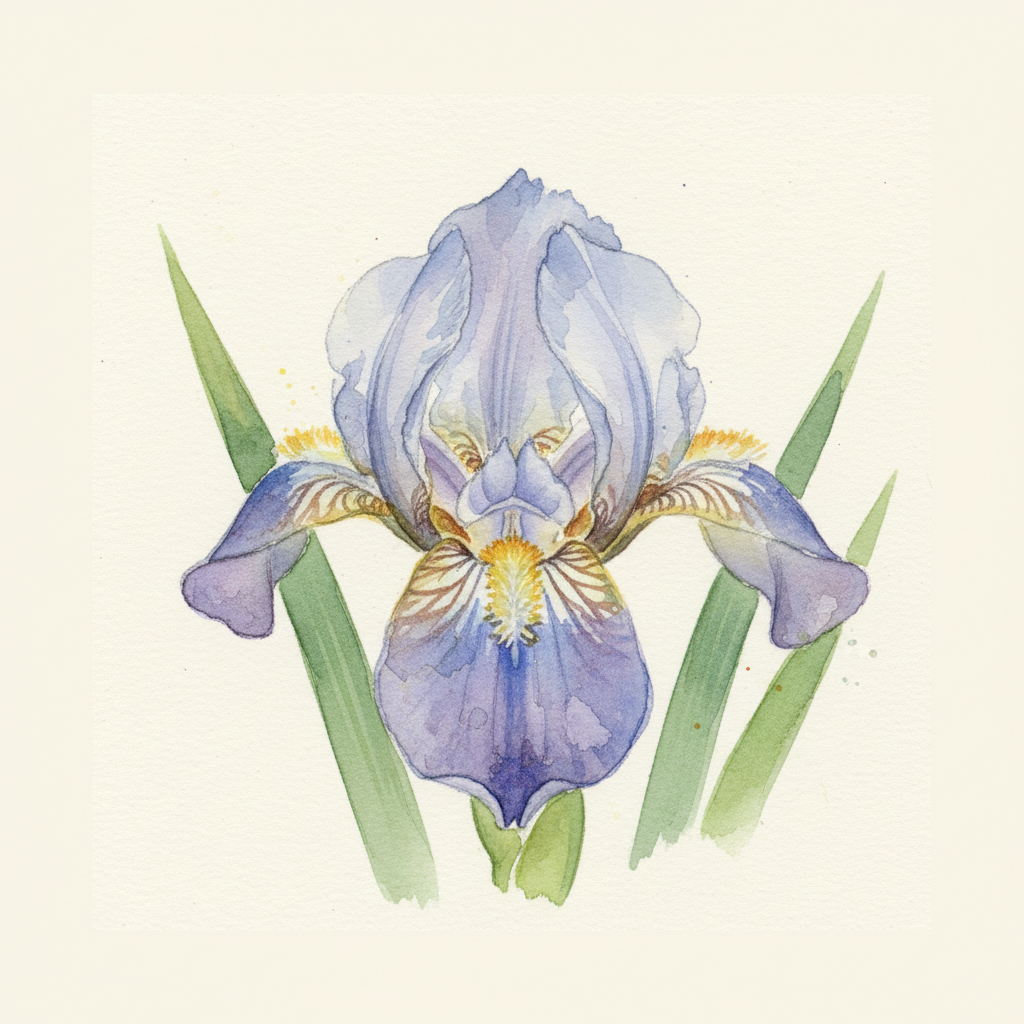
Tiny lavender-blue iris flowers with gold crests on a spreading native ground cover. A spring woodland treasure.
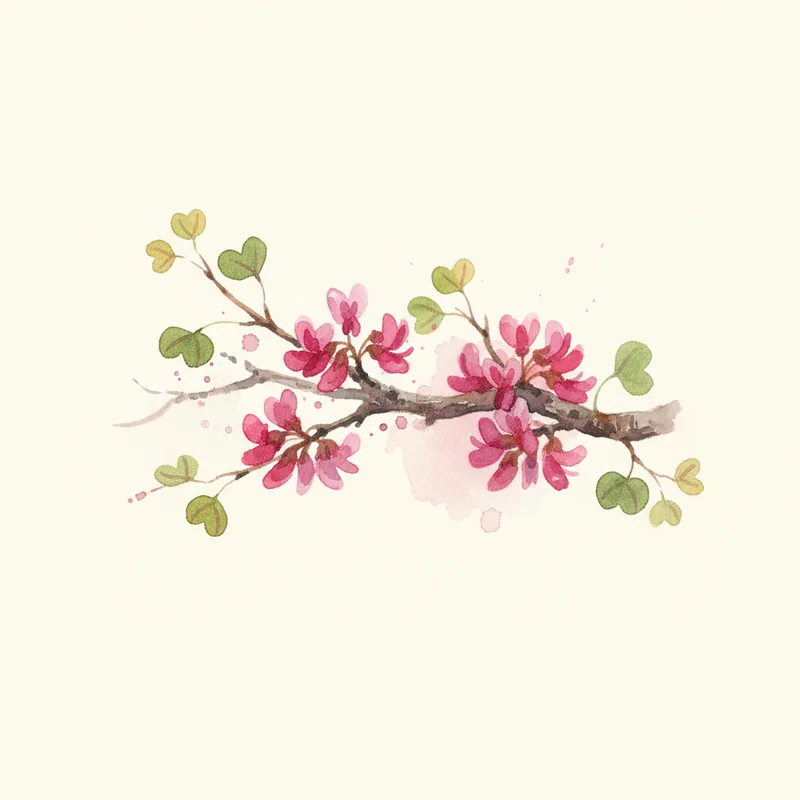
Magenta flowers erupt directly from bare branches. Spring showstopper tree.
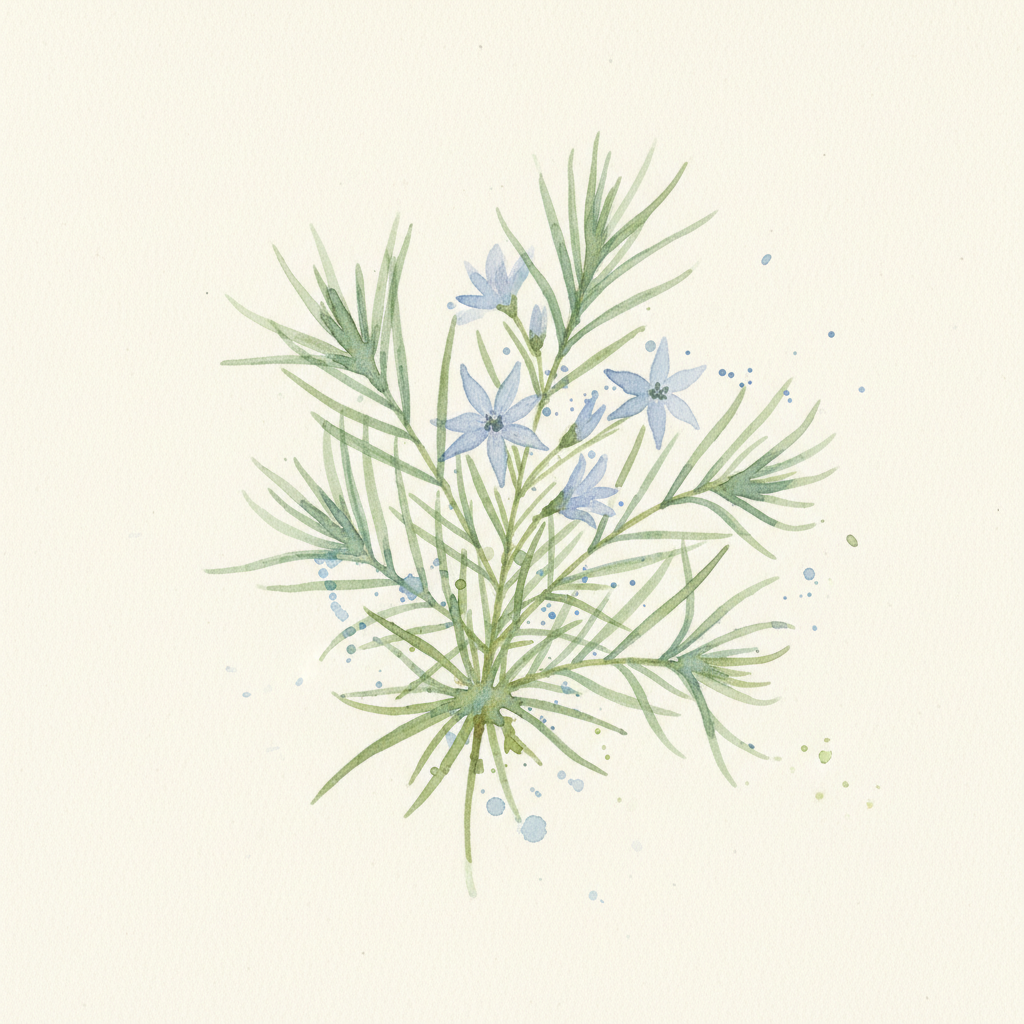
Pale blue starry flowers in spring give way to feathery foliage that turns brilliant gold in fall. Two seasons of beauty for zero effort.
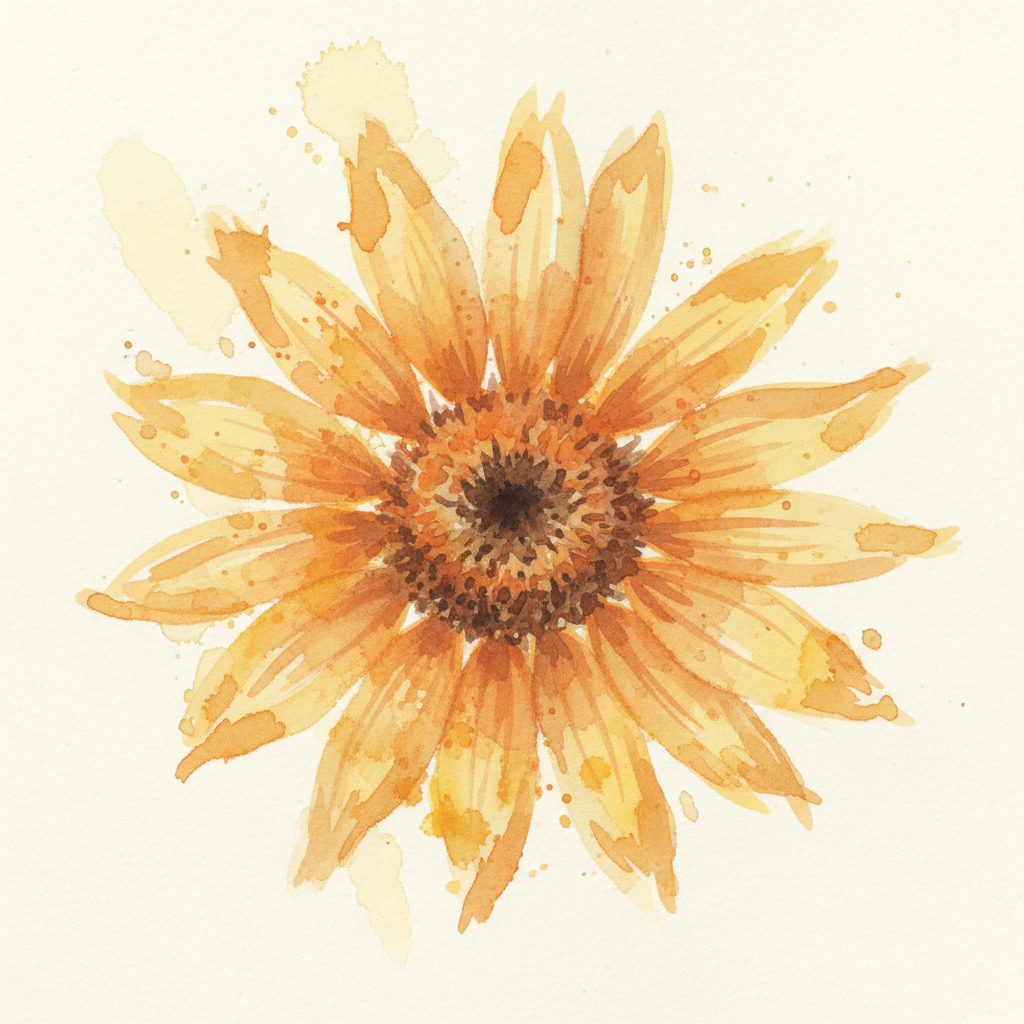
Cheerful golden-yellow daisies that bloom for months on a tough native perennial. The sunniest, most reliable workhorse in the border.
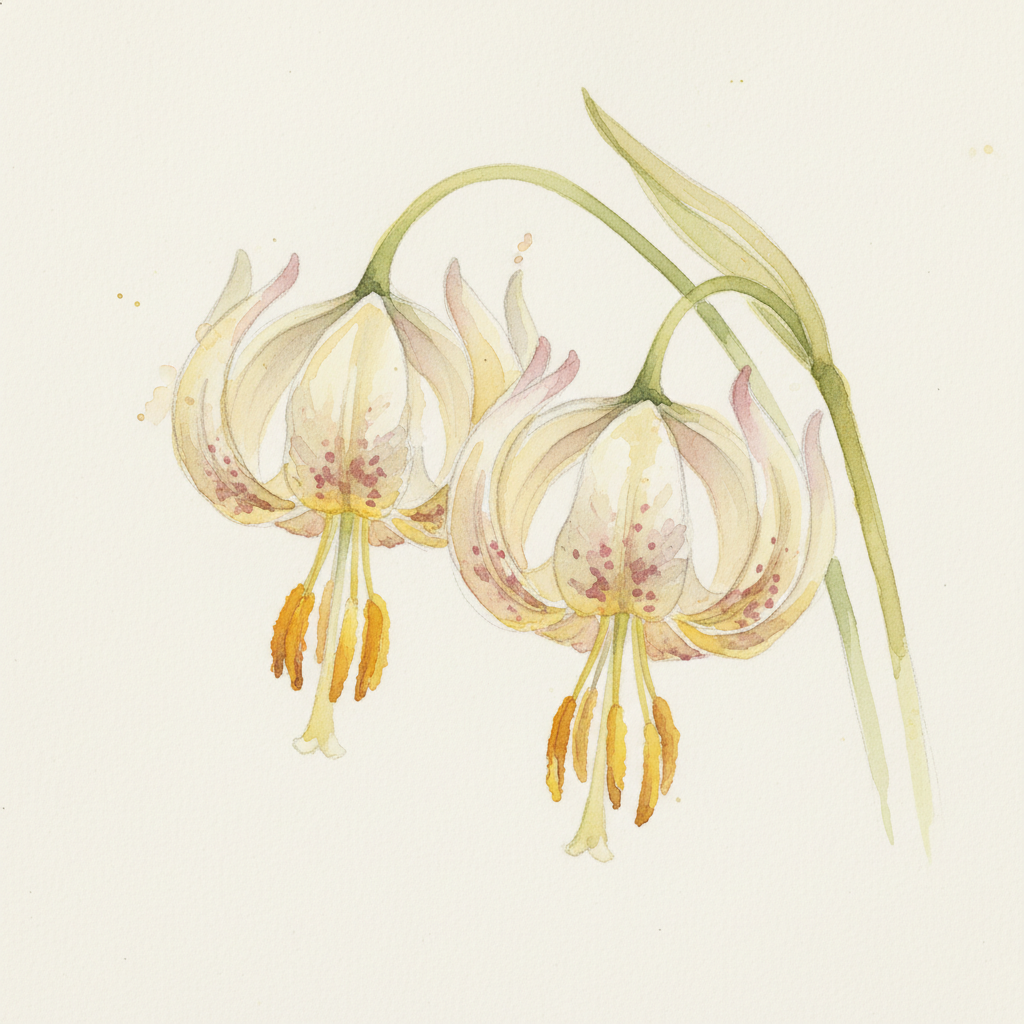
Mottled leaves and nodding white flowers with swept-back petals emerge in early spring from Pacific Northwest woodlands.
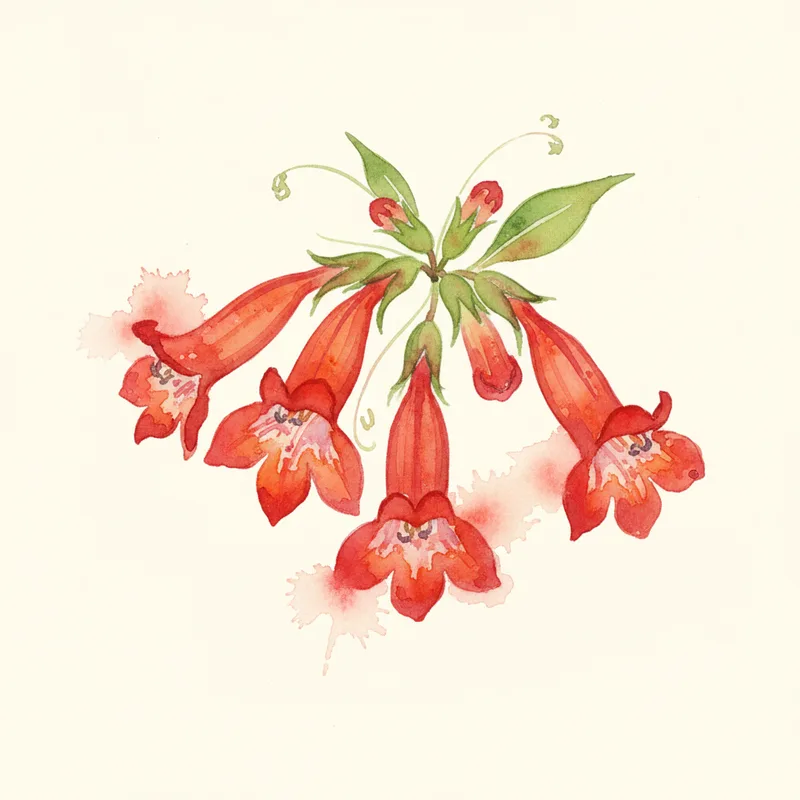
Spikes of scarlet tubular flowers that hummingbirds fight over. Southwestern native at its finest.
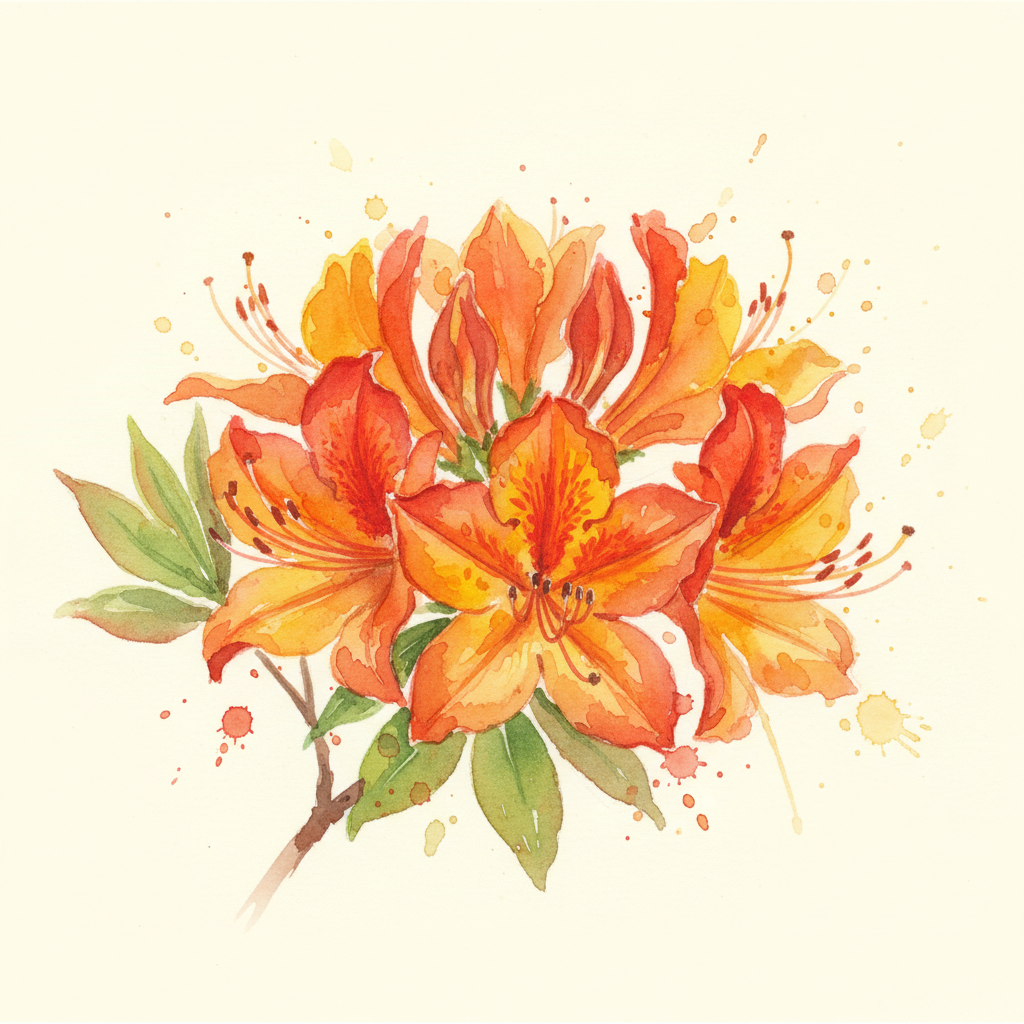
Outrageous blooms in hot orange, red, and yellow on a deciduous native azalea that stops people in their tracks.
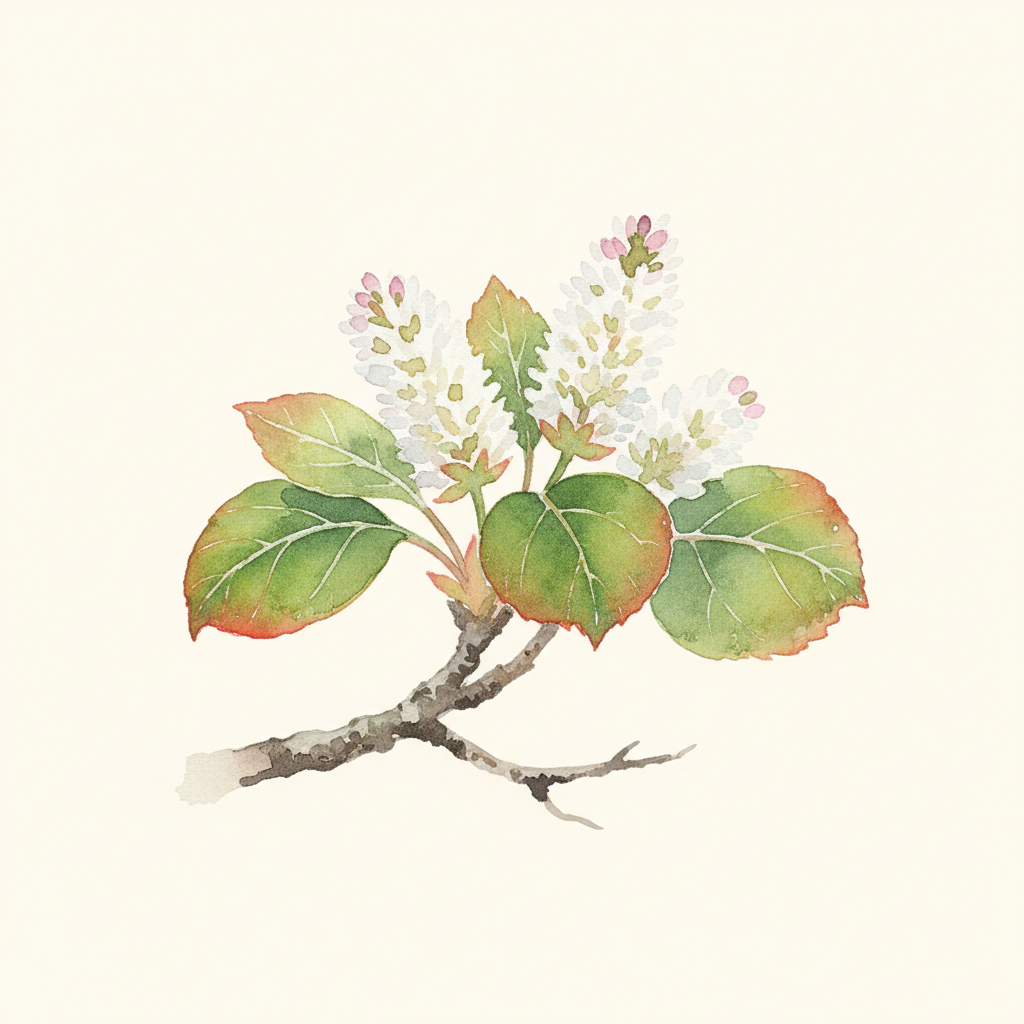
Fragrant white bottlebrush flowers in spring give way to some of the best orange-red fall color of any small native shrub.
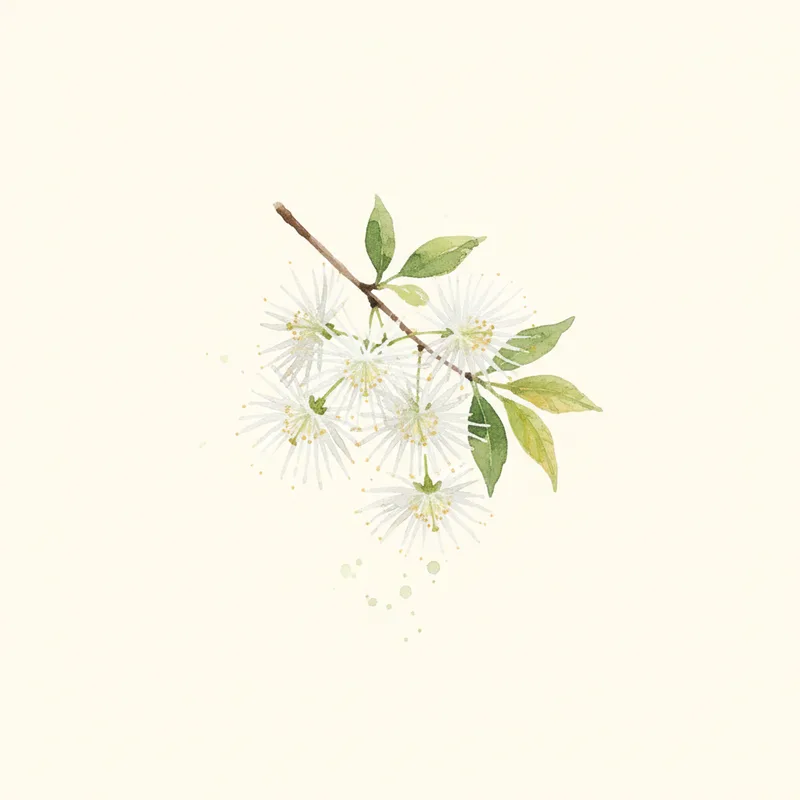
Clouds of white fringed petals dripping from branches in late spring. Fragrant and underused native.
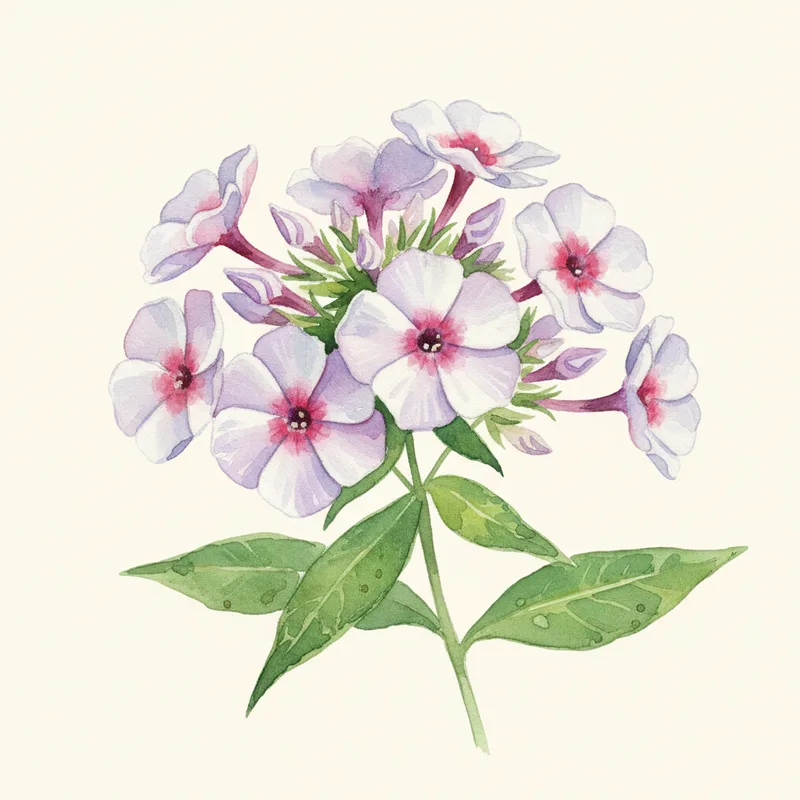
Billowing clusters of fragrant summer color. A butterfly magnet.
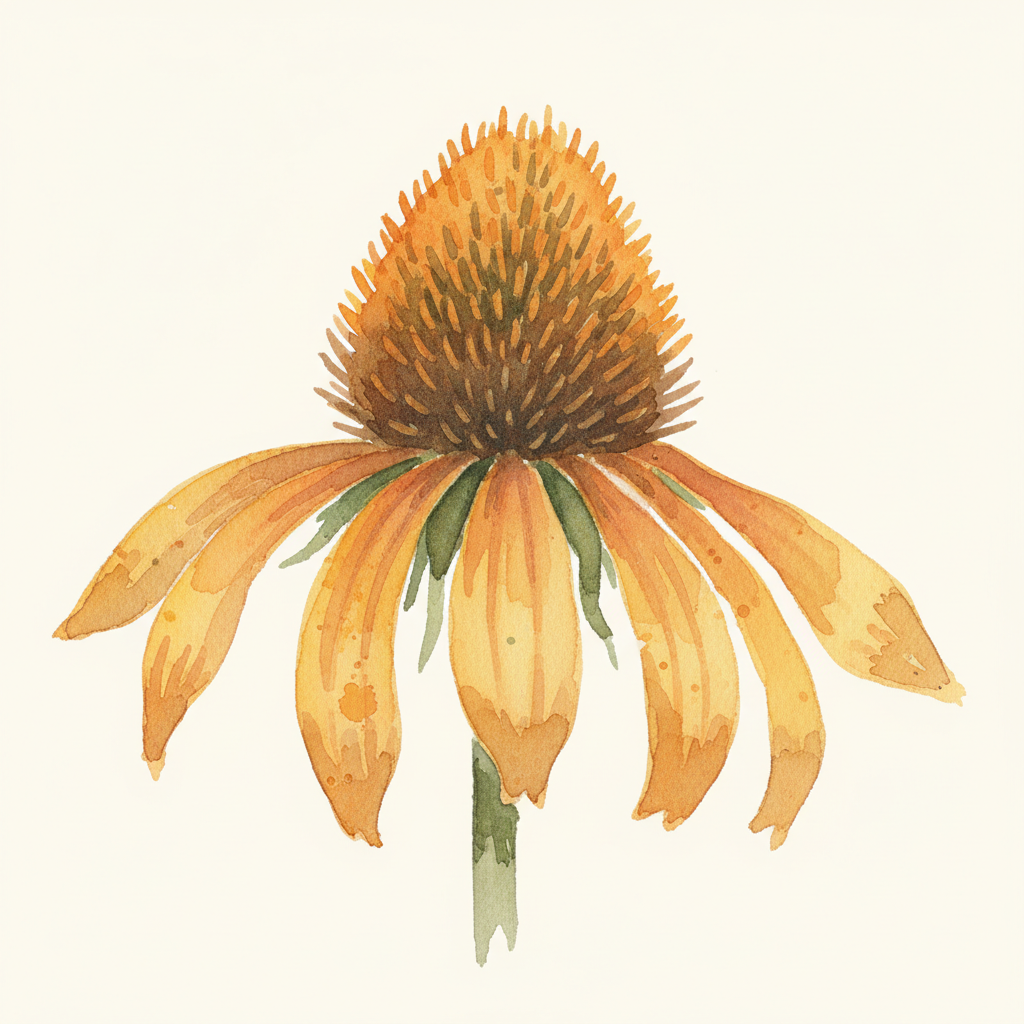
Towering stems with dramatically elongated cones rise above huge blue-green paddle leaves. An architectural native that commands attention.
Giant creamy plumes like an astilbe on steroids. Native woodland giant that anchors a shade border.
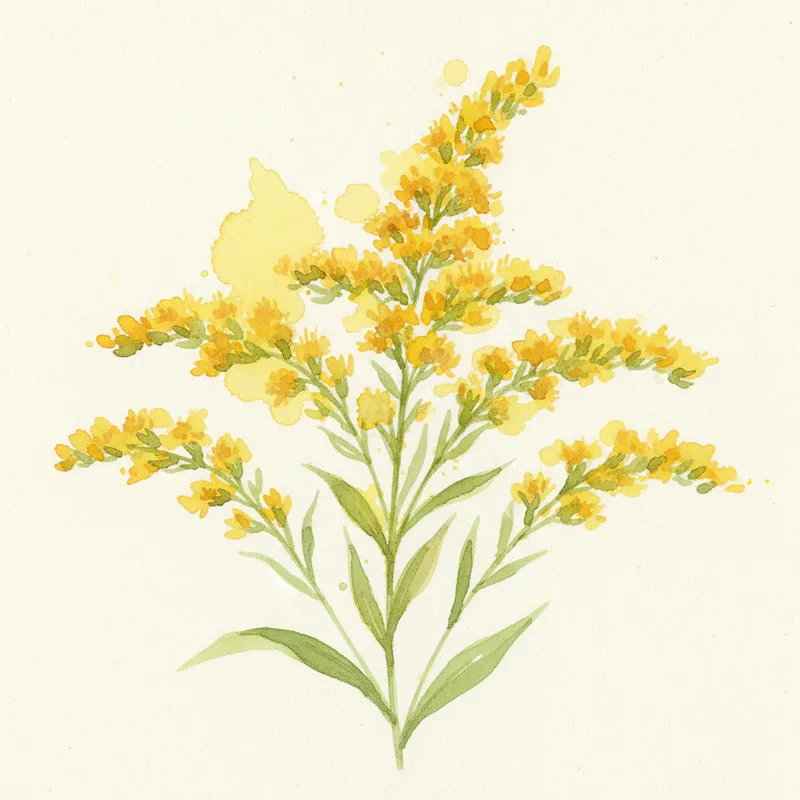
Wrongly blamed for allergies. A vital late-season pollinator magnet.
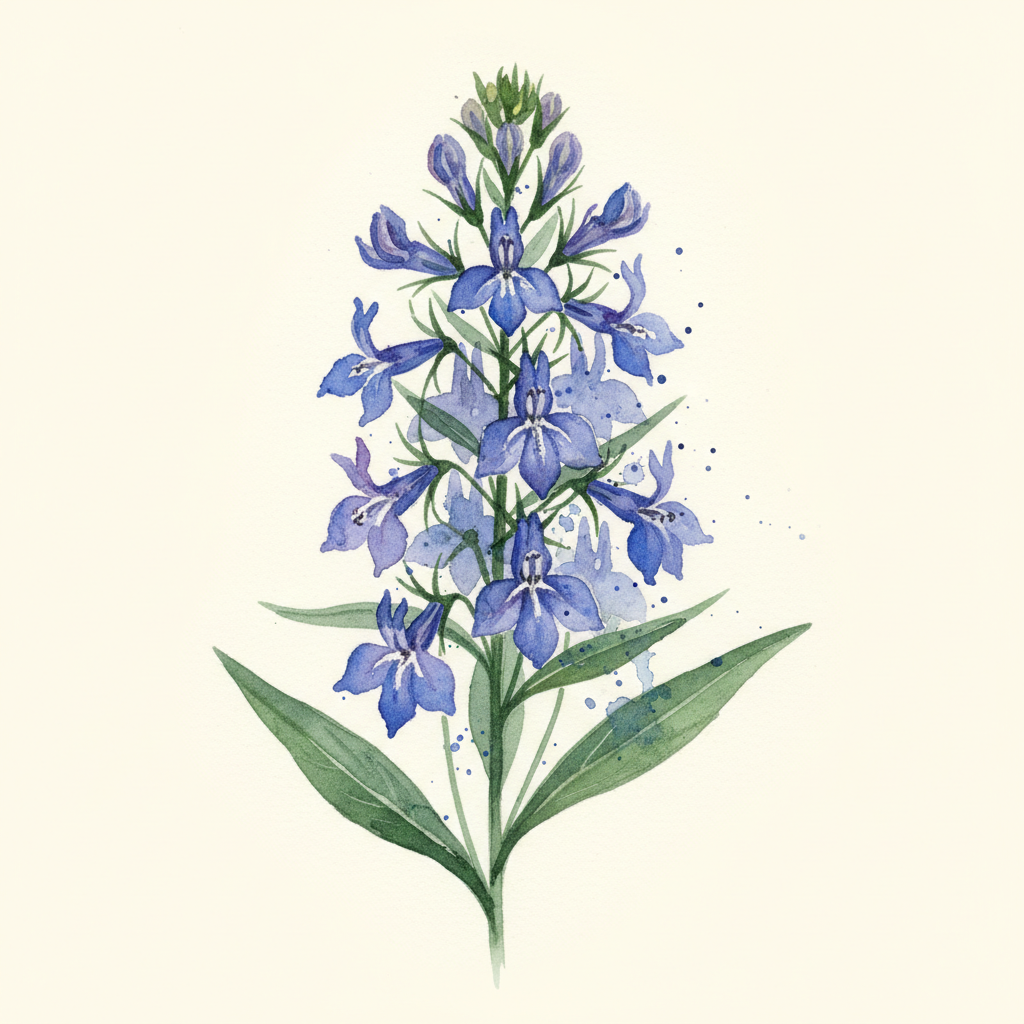
Intense blue flower spikes that hummingbirds and bumblebees fight over in late summer. The bolder, taller cousin of cardinal flower.
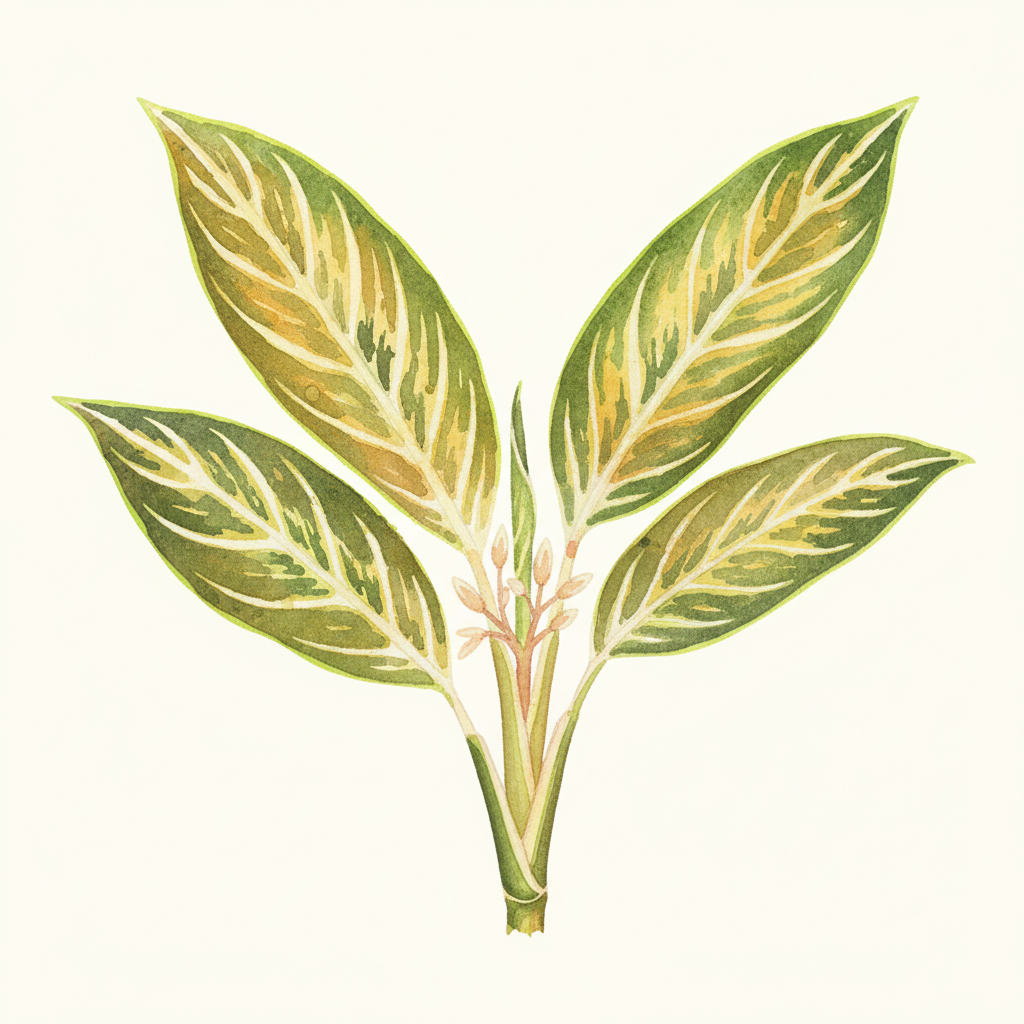
Bright yellow star flowers appear for months above mat-forming foliage. The best spring ground cover for the Southeast.
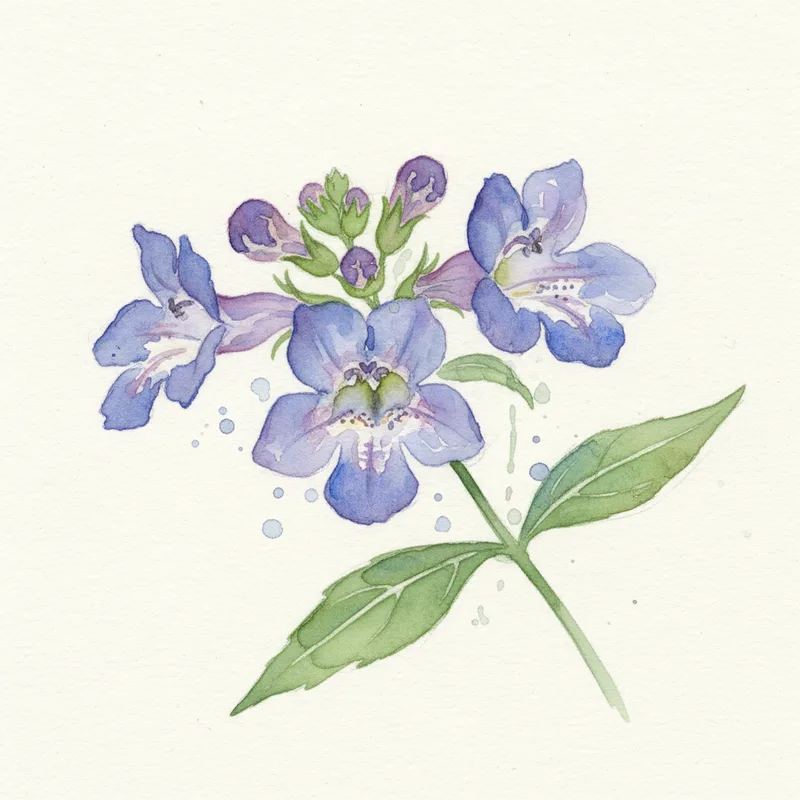
Nodding tubular flowers in soft lavender shades brighten moist woods of the Gulf Coast.
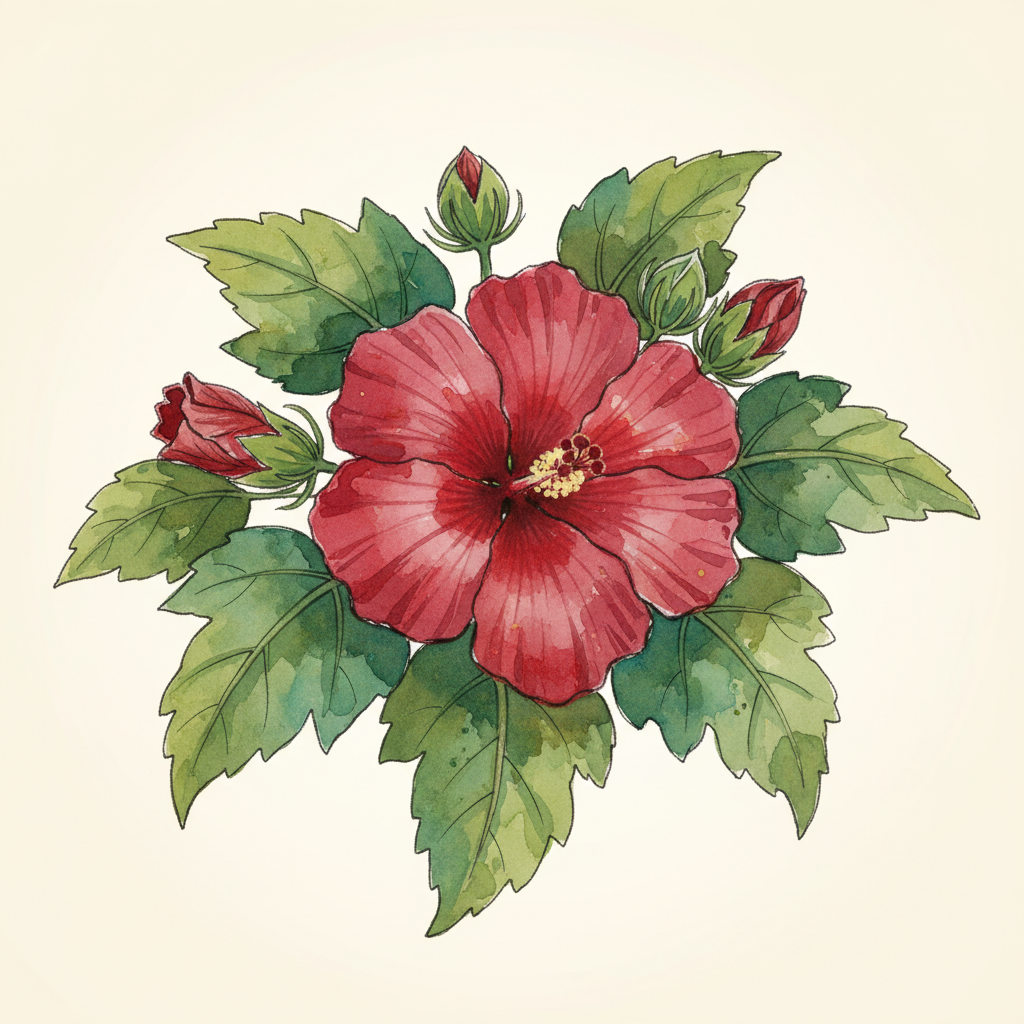
Dinner-plate blooms up to 12 inches across on a native perennial that dies to the ground and returns bigger each year.
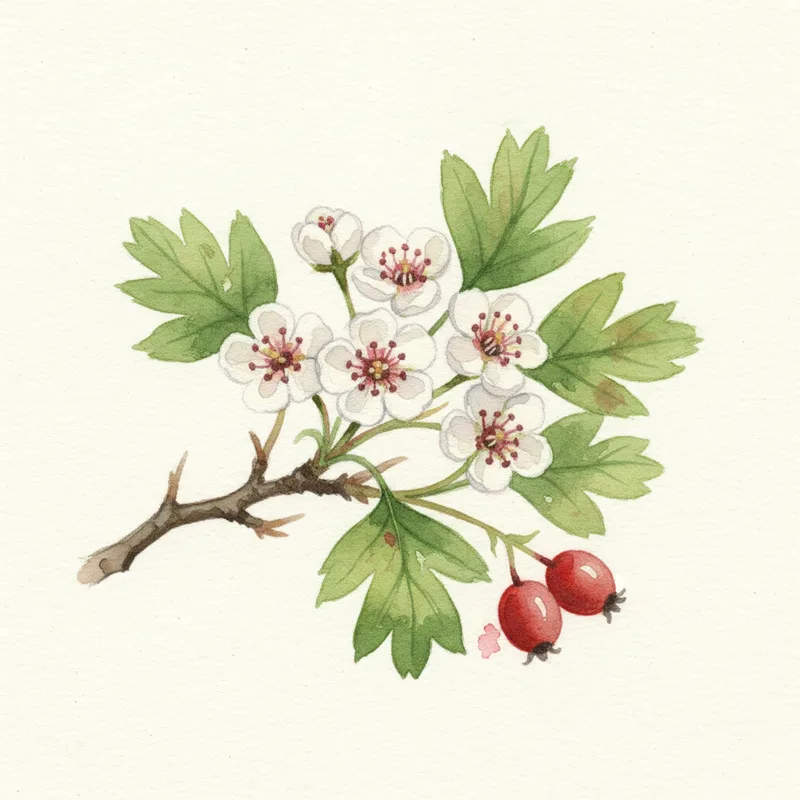
White spring flowers, glossy red fruit, and exfoliating bark. Thorny but beautiful native with winter interest.
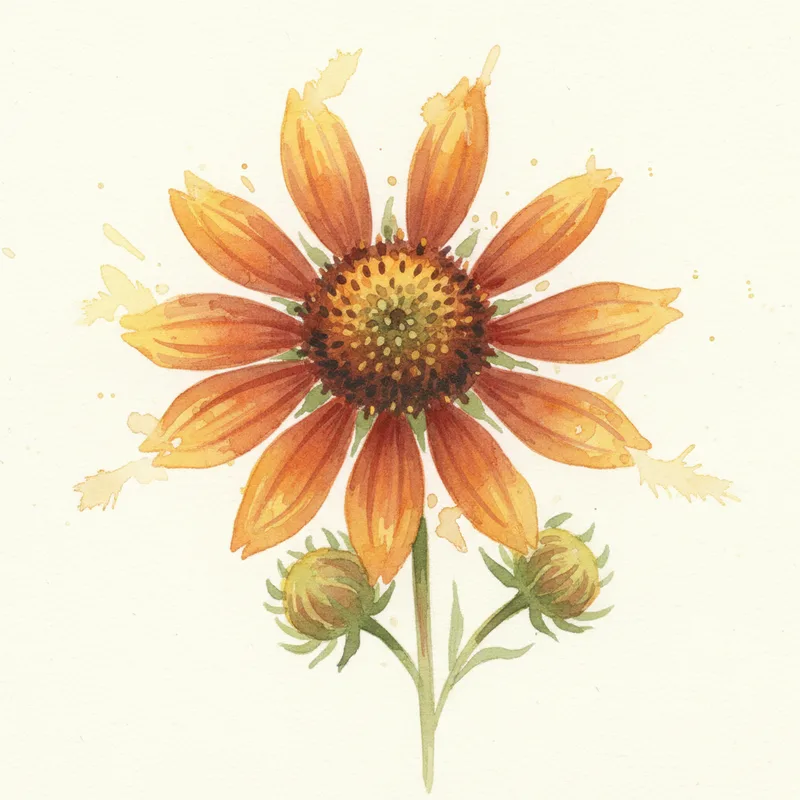
Warm-toned daisy-like flowers with raised centers bloom as summer turns to fall. Loves moist soil.
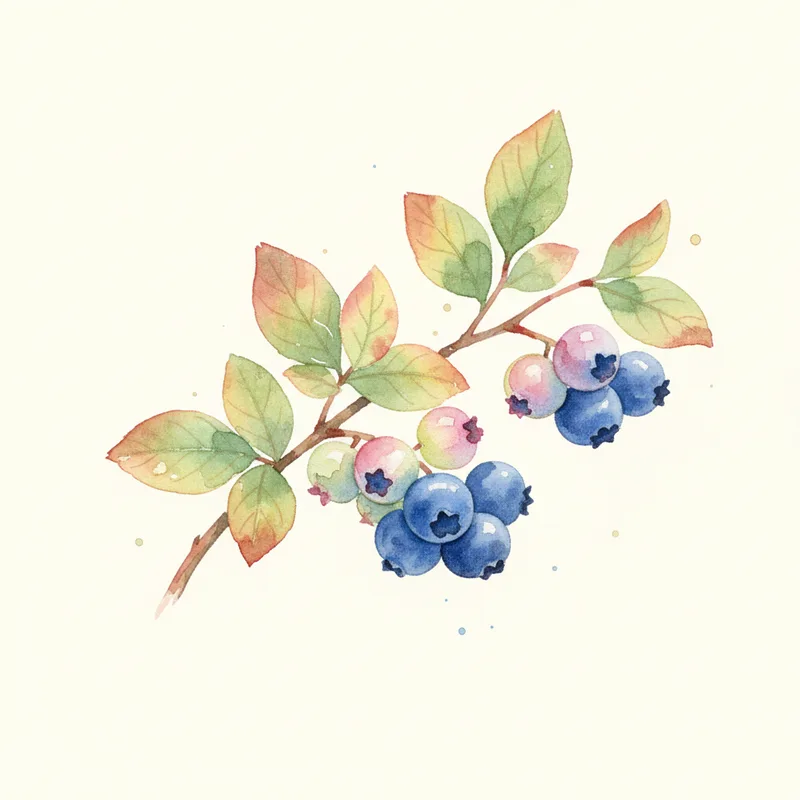
Bell-shaped spring flowers are followed by sweet blue berries and excellent fall color.
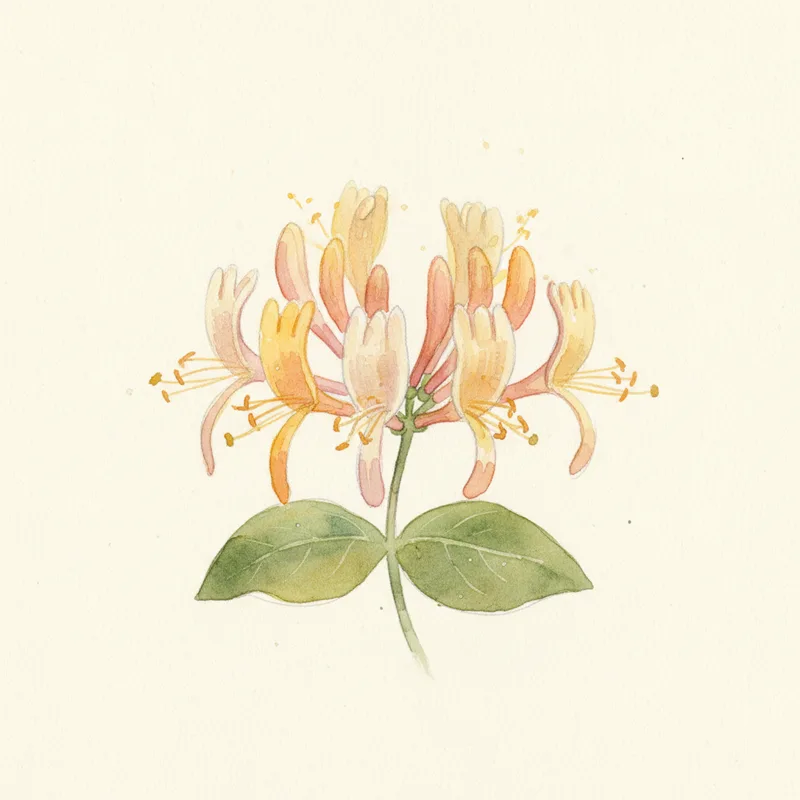
Tubular, nectar-rich flowers with a fragrance that defines summer evenings.
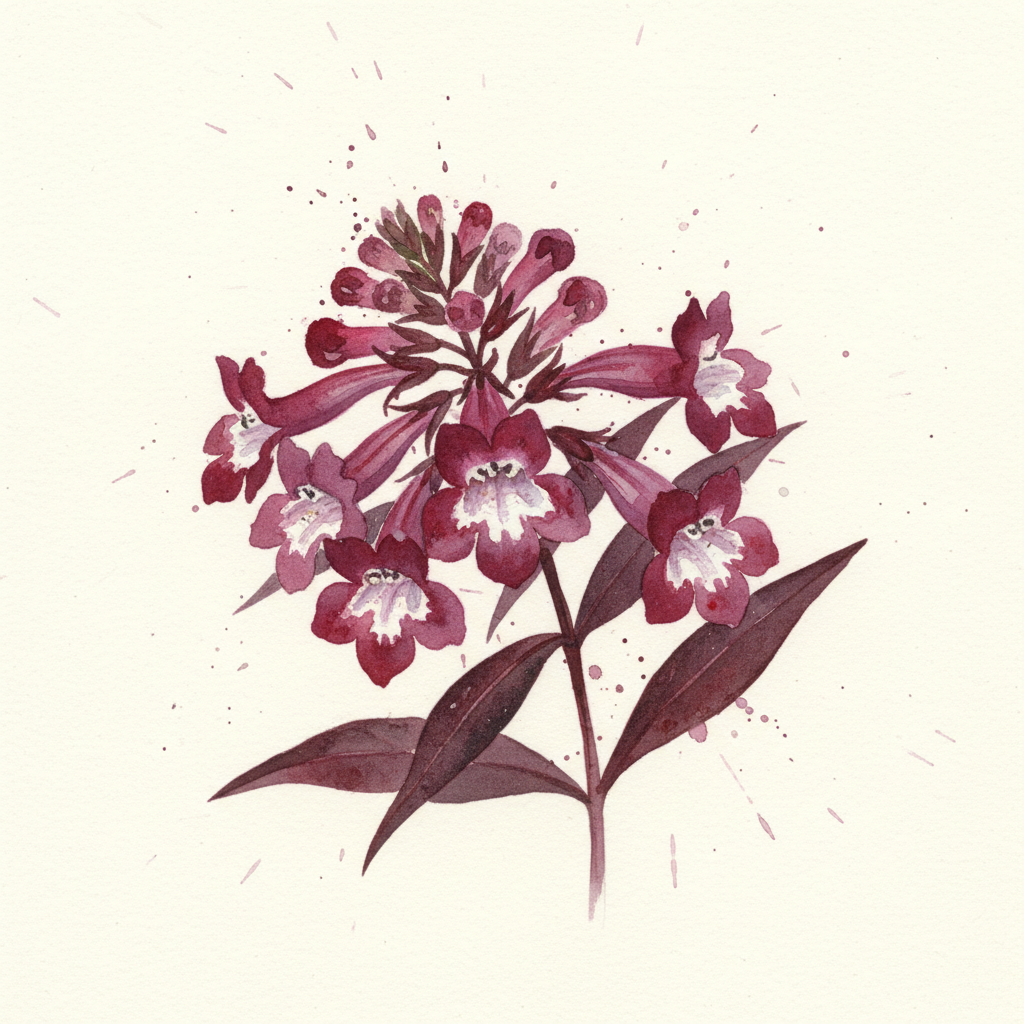
Dramatic burgundy-red foliage all season with white tubular flowers in late spring. The most striking native penstemon for gardens.
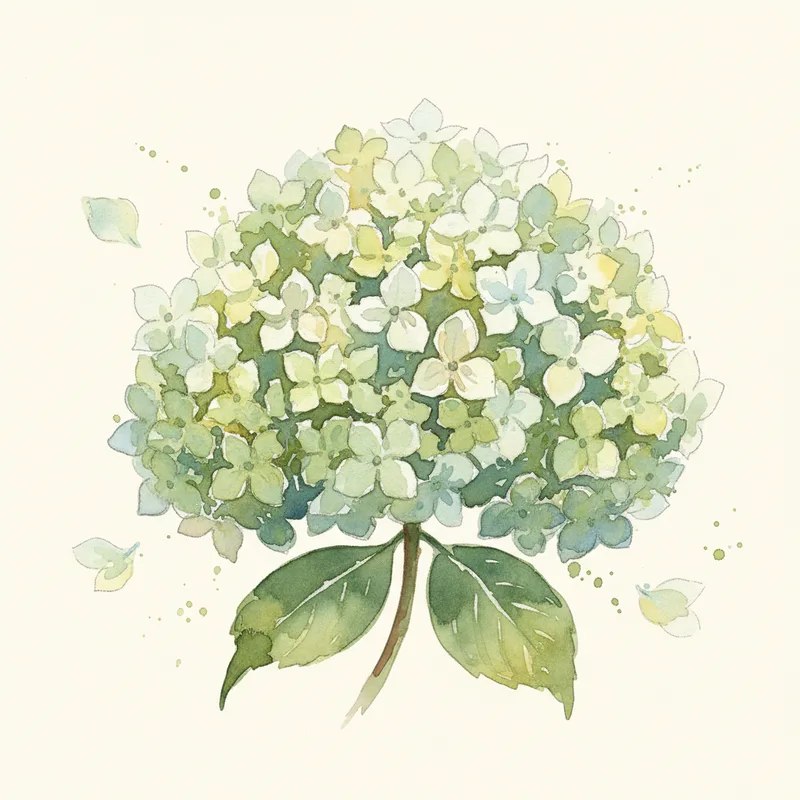
Annabelle's bigger sibling with stronger stems that don't flop. Blooms the size of basketballs.
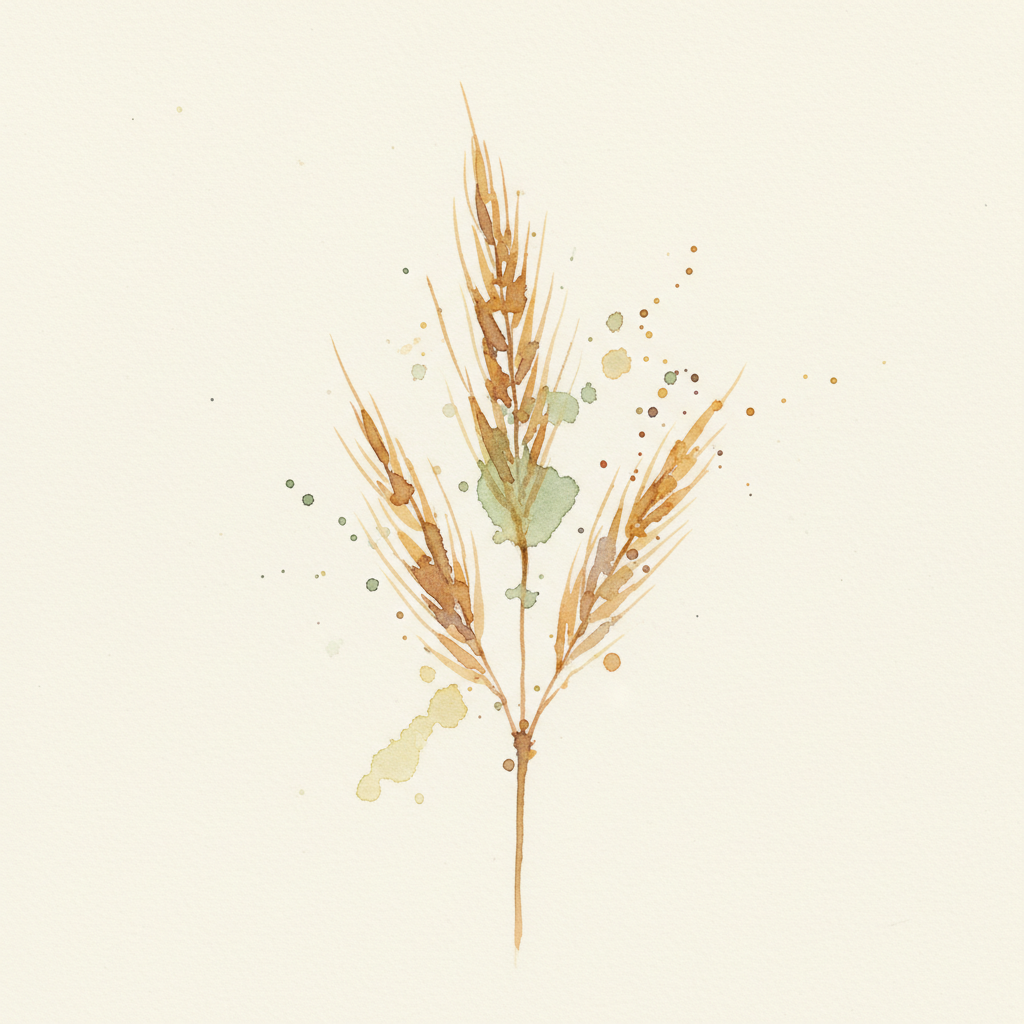
Golden-orange fall color and shimmering flower spikes make this tall prairie native one of autumn's best performers.
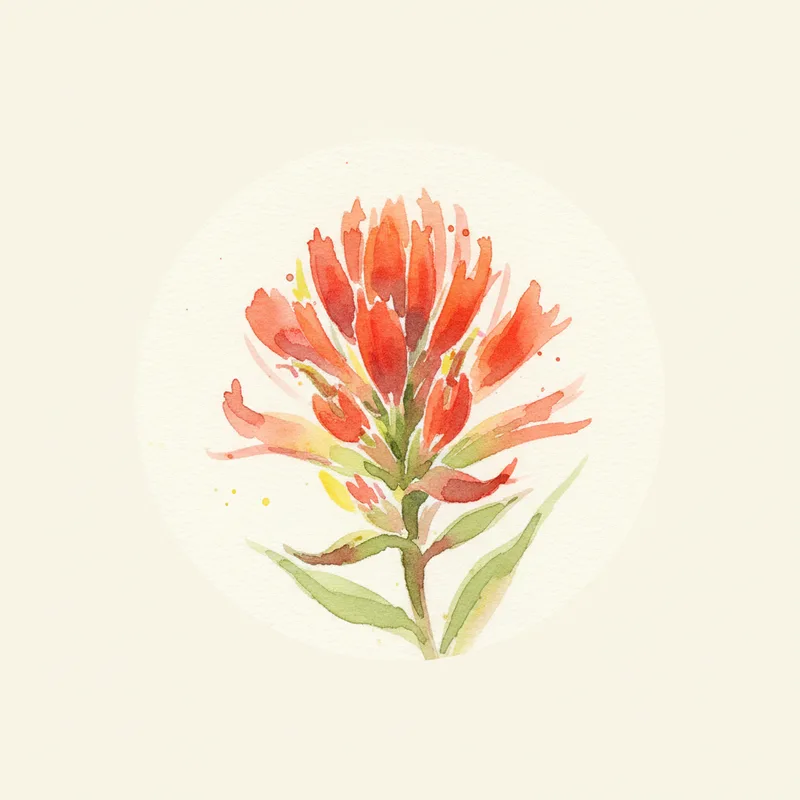
Bright red to orange bracts surround small flowers and glow across spring prairies.
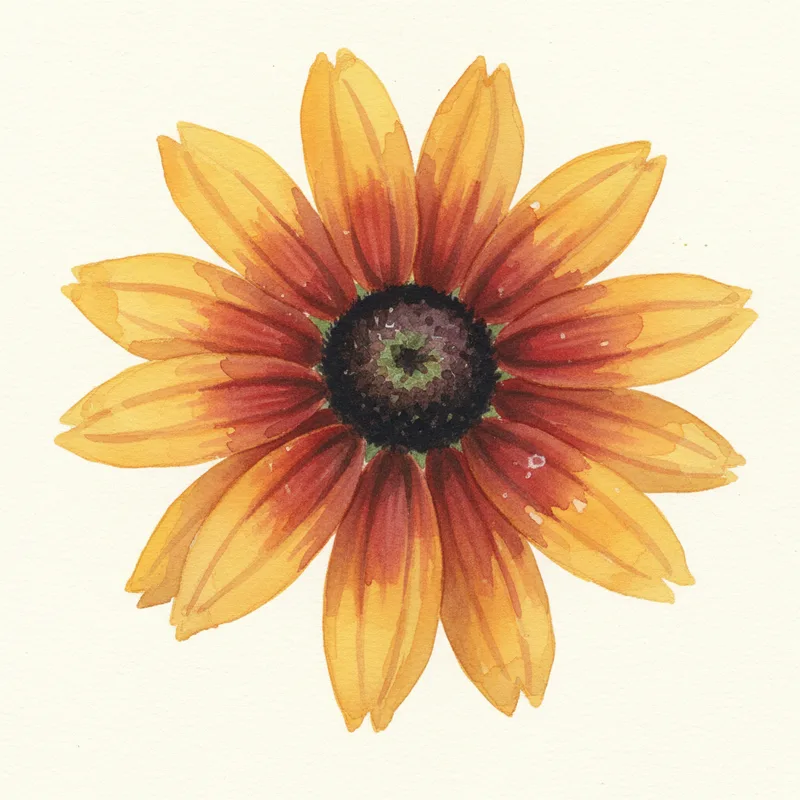
Massive 6-9 inch golden daisies on a short-lived plant. Bigger and bolder than perennial black-eyed susans.
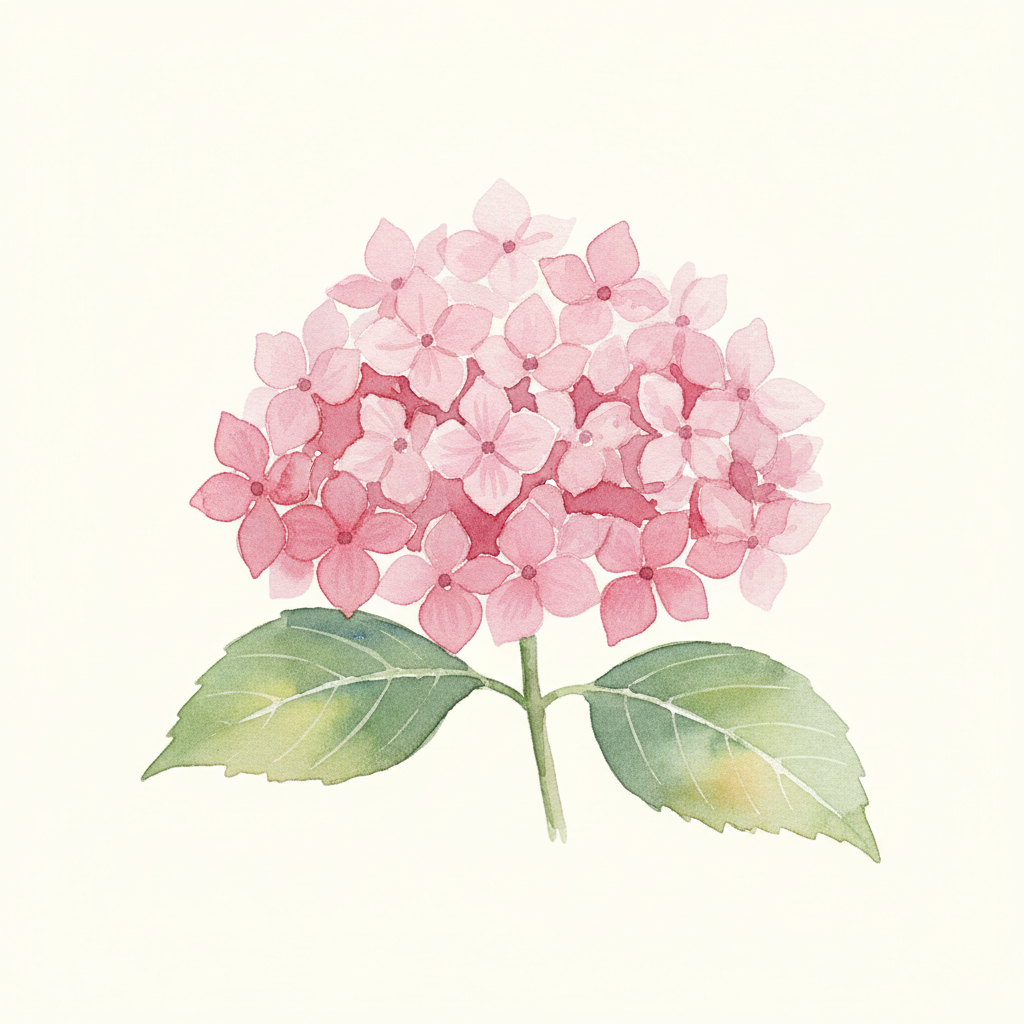
The first pink Annabelle-type hydrangea, with strong stems holding hot-pink globe blooms upright through the season.
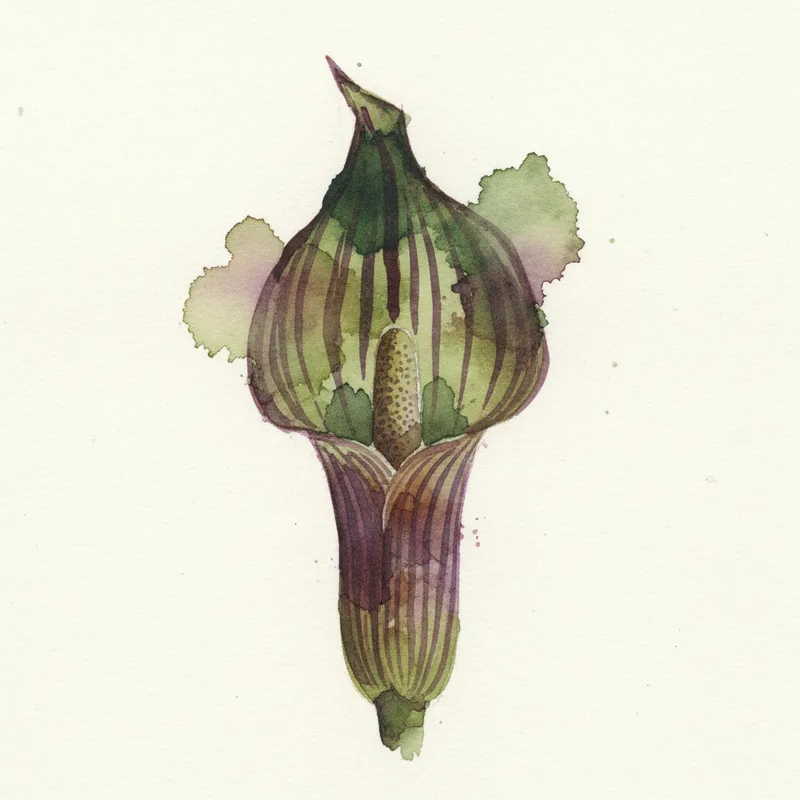
Hooded green-and-brown striped spathe sheltering a hidden spadix. Woodland curiosity followed by red berries.
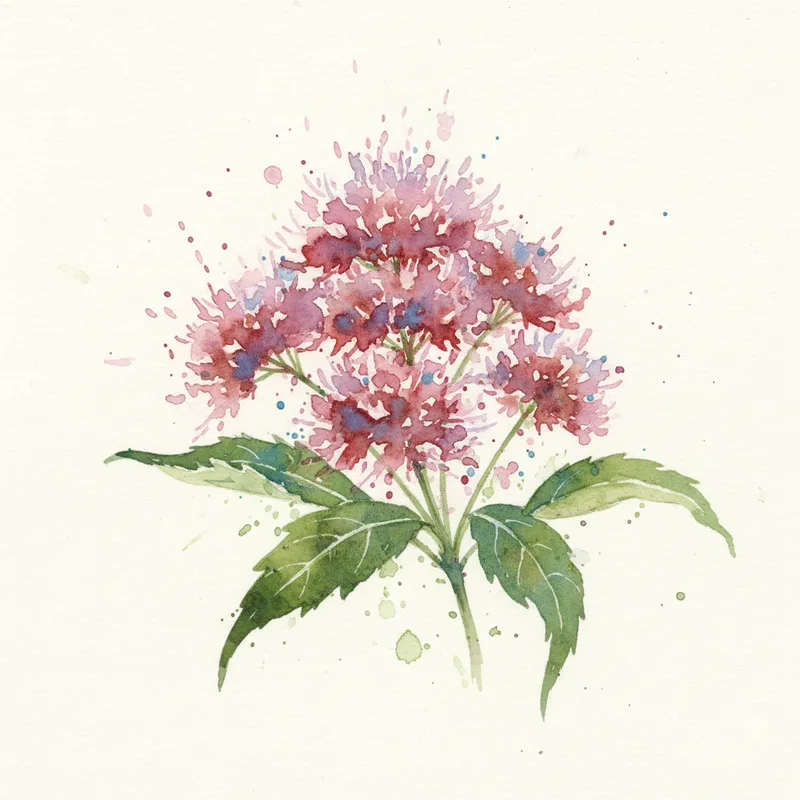
Towering native with mauve domes that butterflies swarm in late summer.
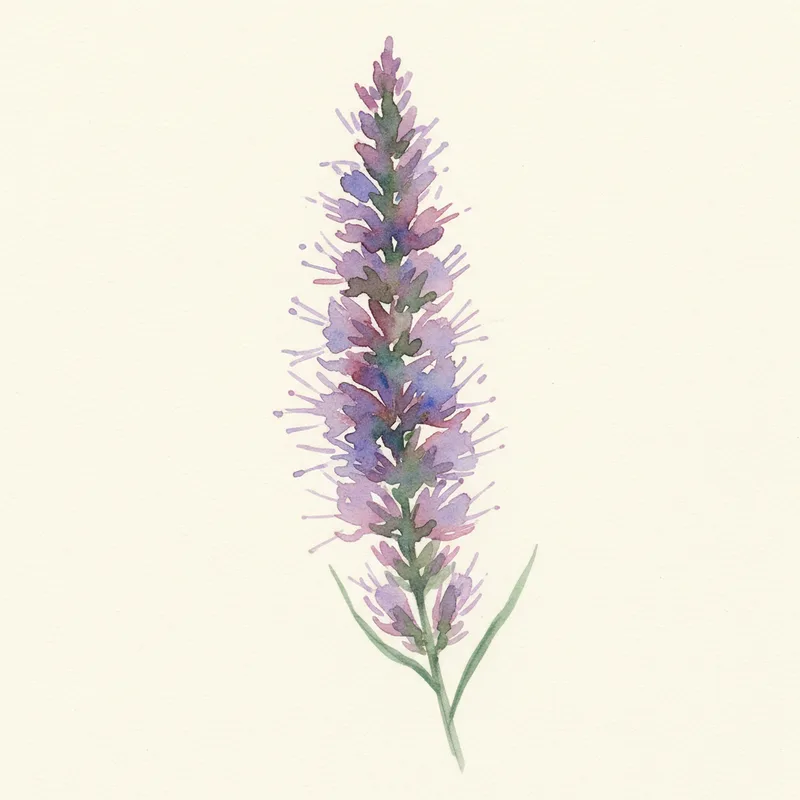
Blazing star. Spikes that bloom unusually from top to bottom.
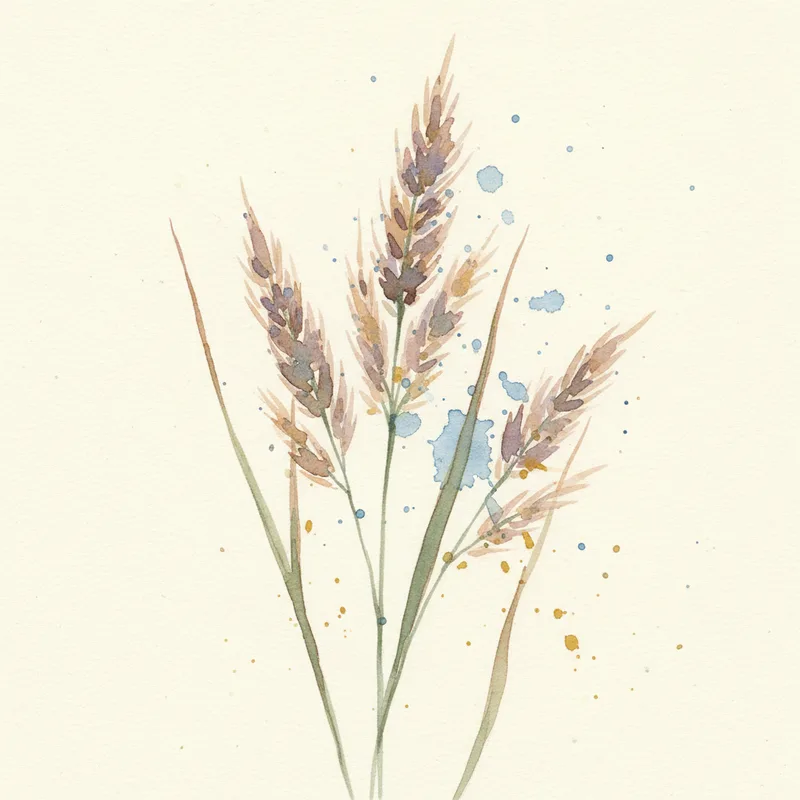
Upright clumps turn coppery orange in fall and stand well through winter.
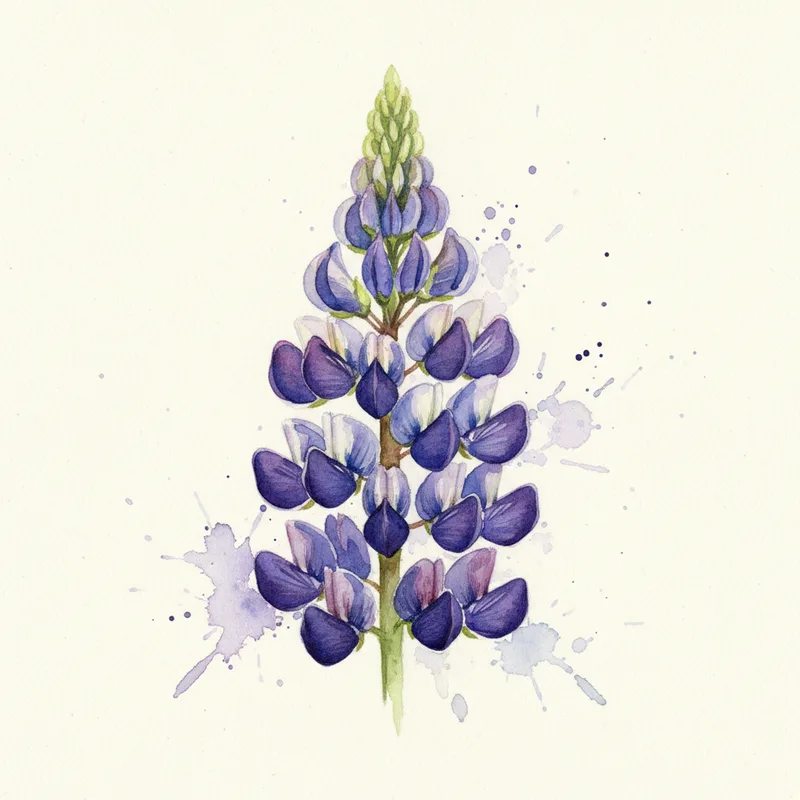
Dramatic spikes in every color. Short-lived but self-seeds generously.
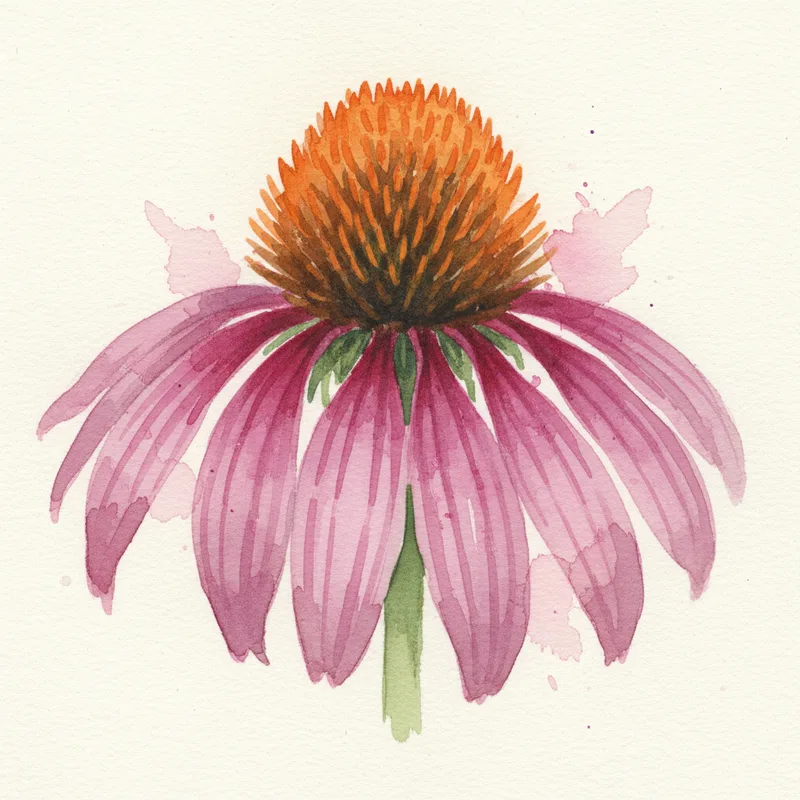
The gold standard coneflower. Flat, non-drooping petals around a bold copper cone. Perennial Plant of the Year.
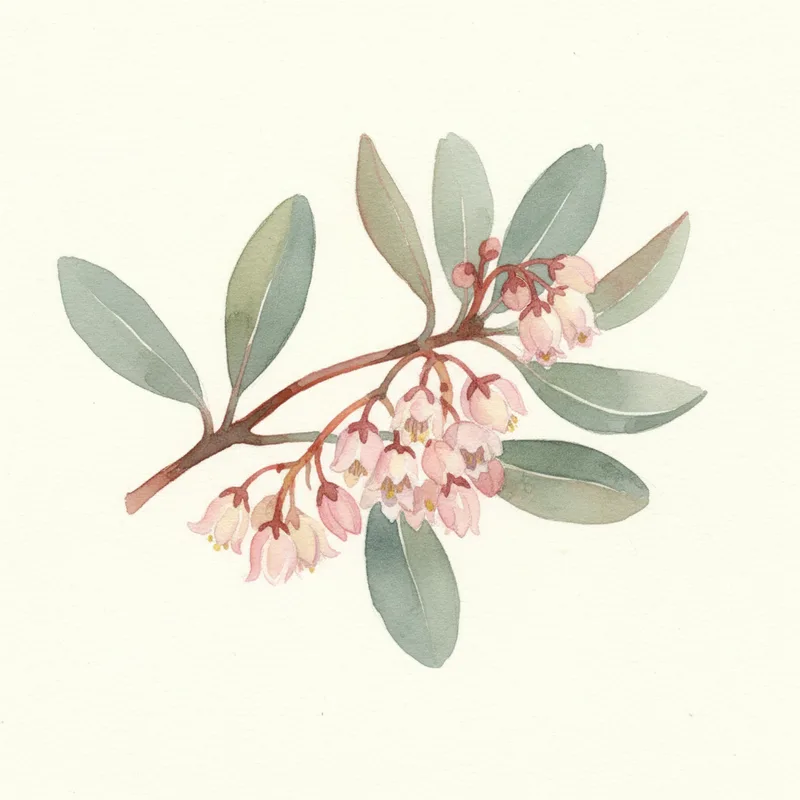
Smooth red bark with urn-shaped flowers that feed hummingbirds in late winter. Sculptural beauty.
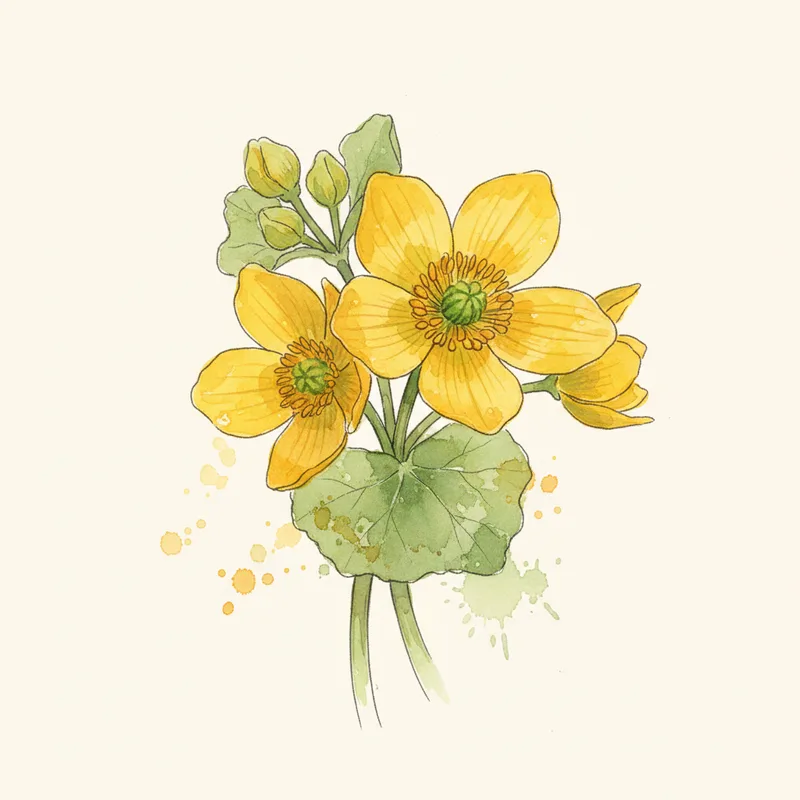
Glossy buttercup flowers in early spring along streams and wet areas. One of the first wetland bloomers.
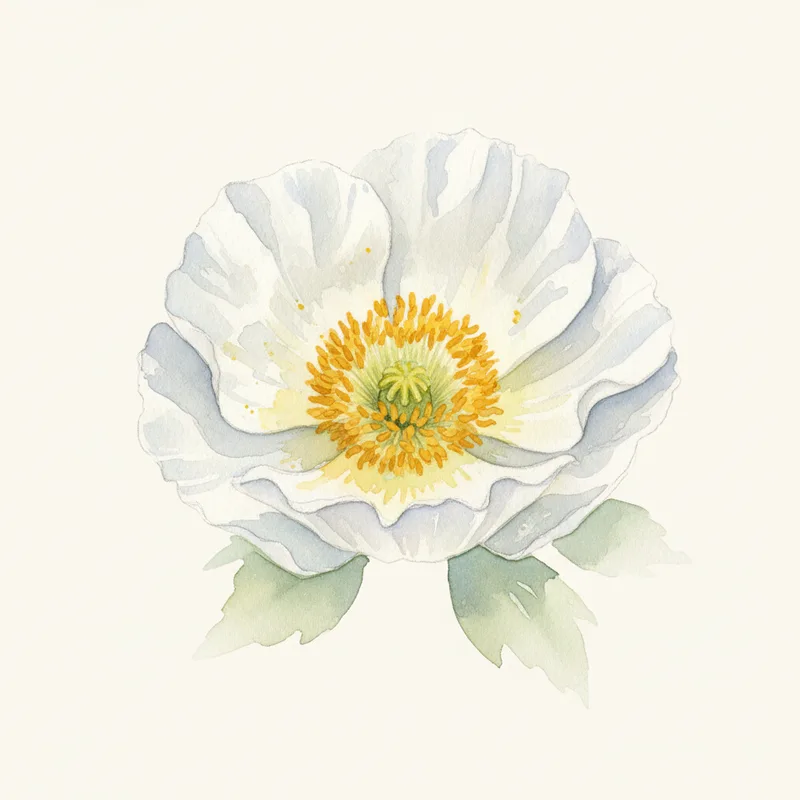
Enormous fried-egg flowers on blue-gray stems. California's largest native wildflower. Spreads aggressively.
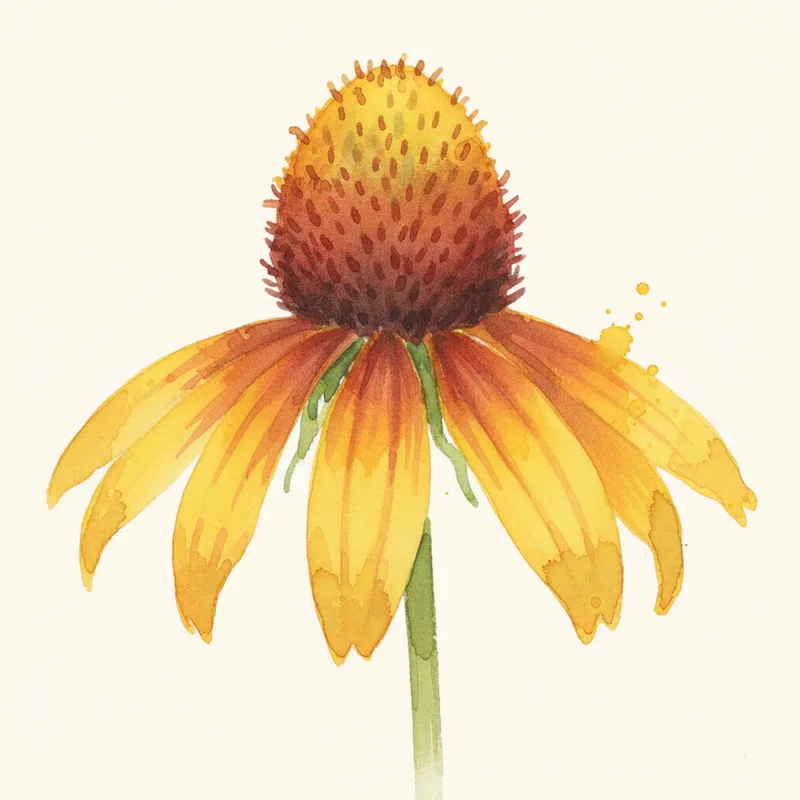
Distinctive sombrero-like flowers sway on wiry stems in summer prairies.
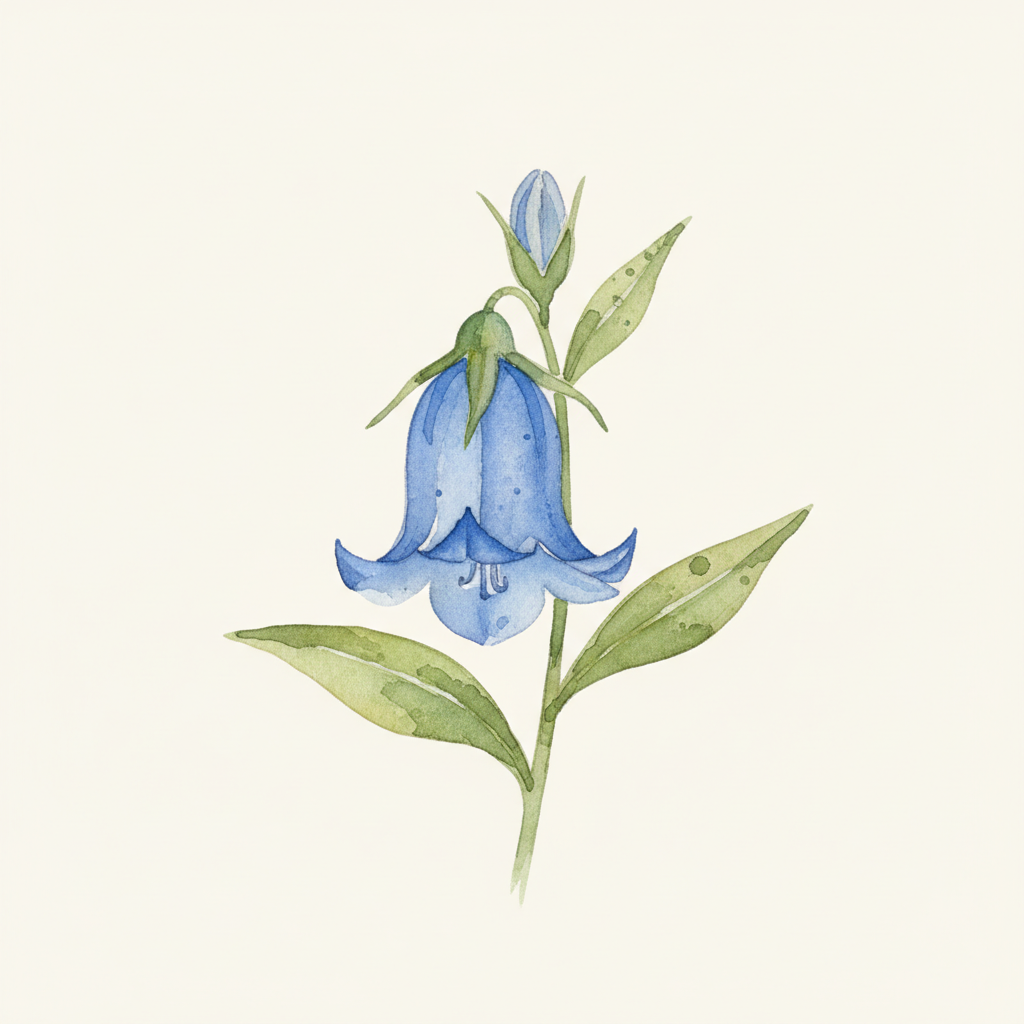
Sky-blue bell flowers on tall arching stems along mountain streams. The showy western cousin of Virginia Bluebell.
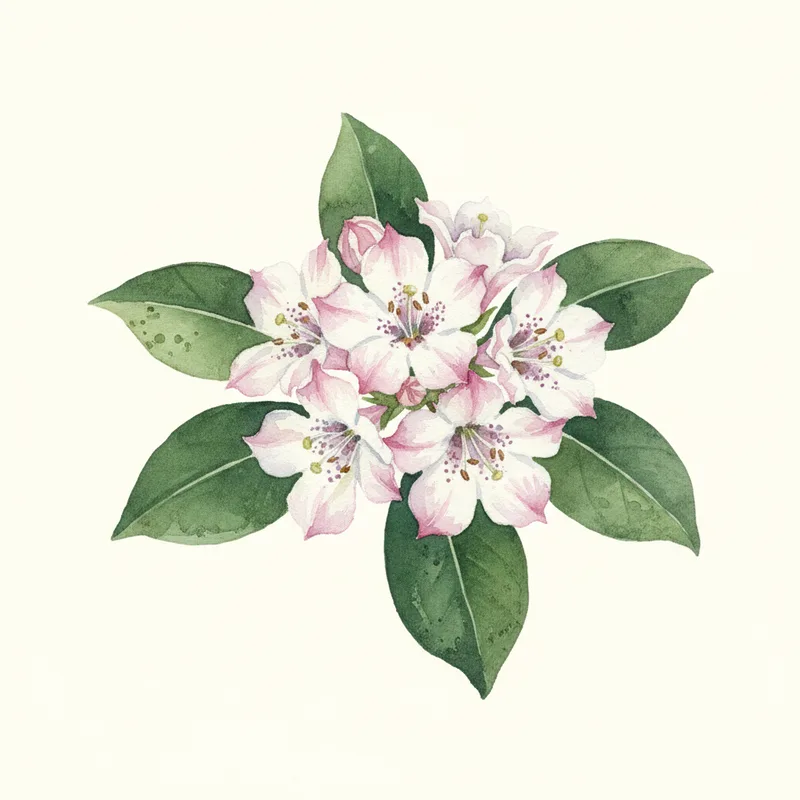
Exquisite geometric buds open to cupped flowers. A native evergreen gem.
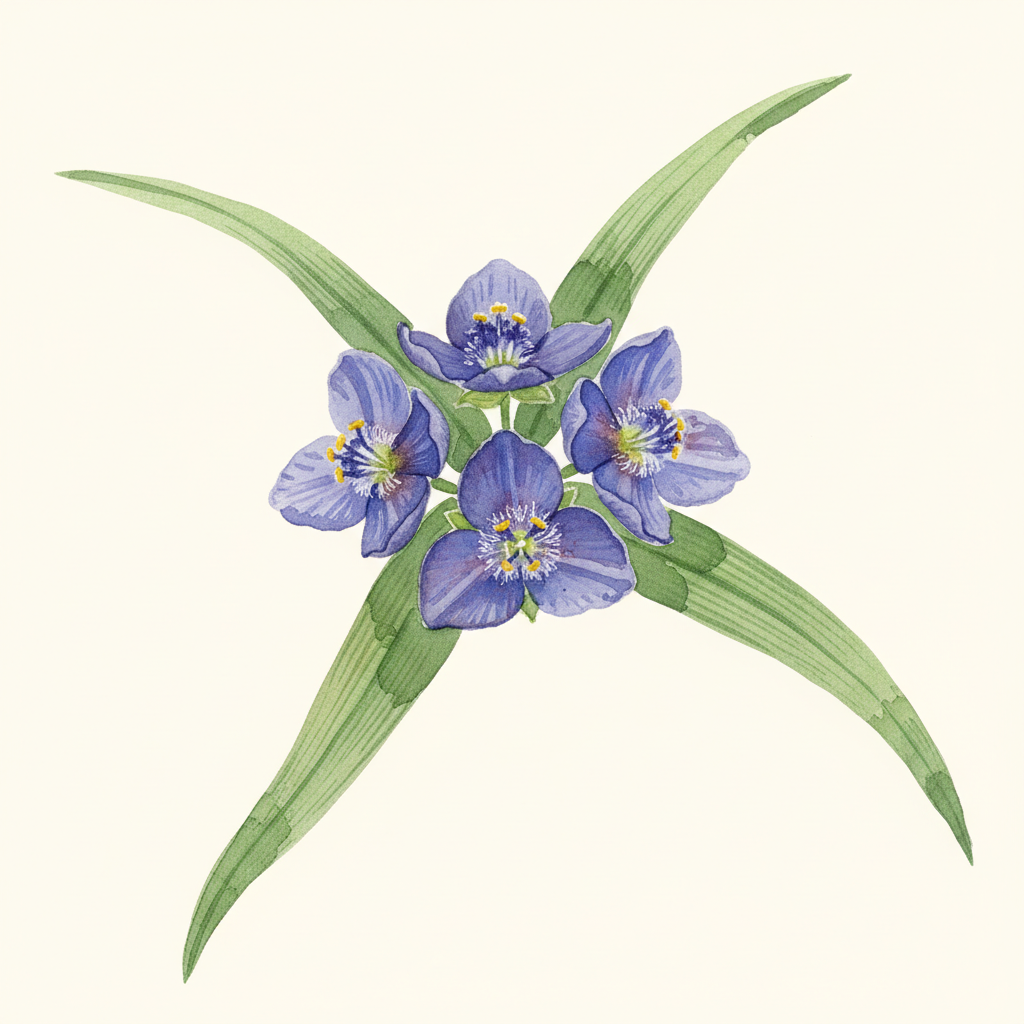
Three-petaled flowers in blue-purple open fresh each morning on a tough native that blooms for weeks and seeds freely.
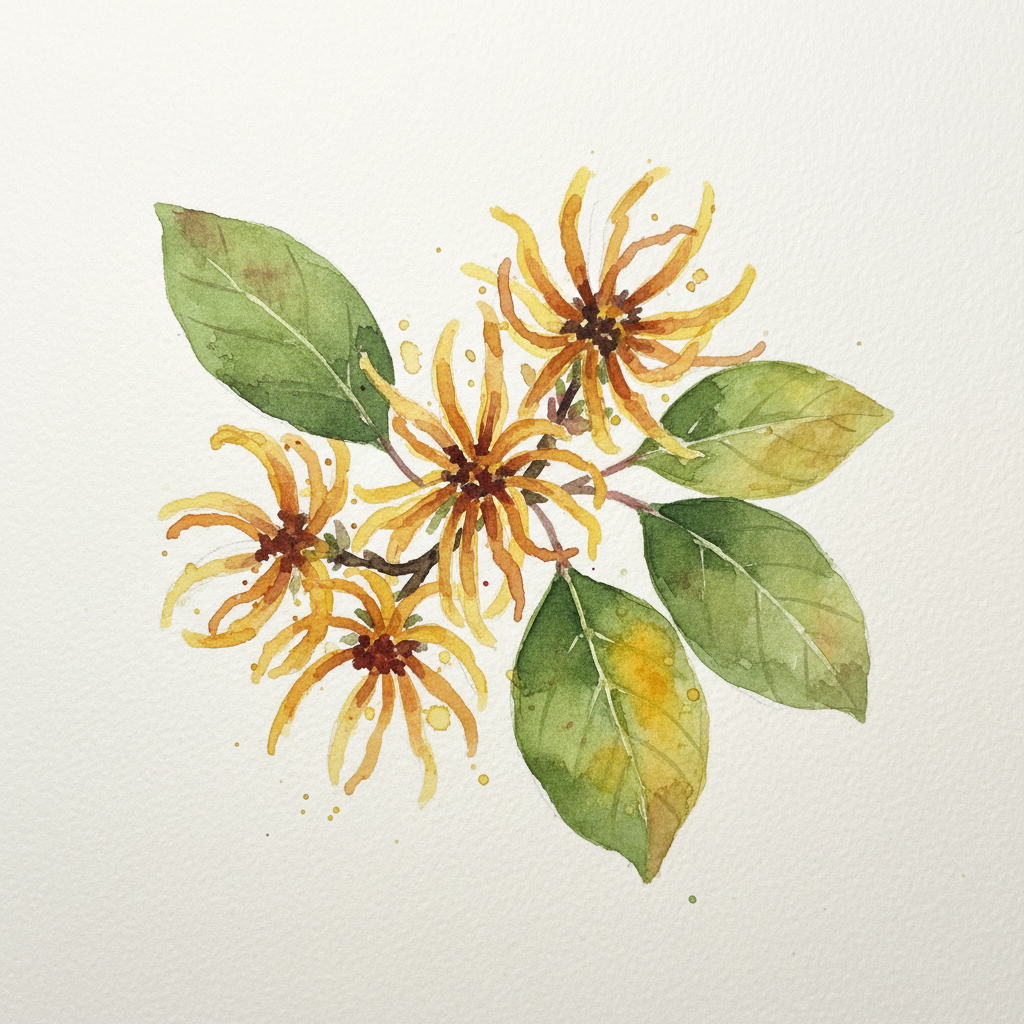
Spidery yellow flowers and intoxicating clove fragrance on bare branches in late fall. The last native shrub to bloom each year.
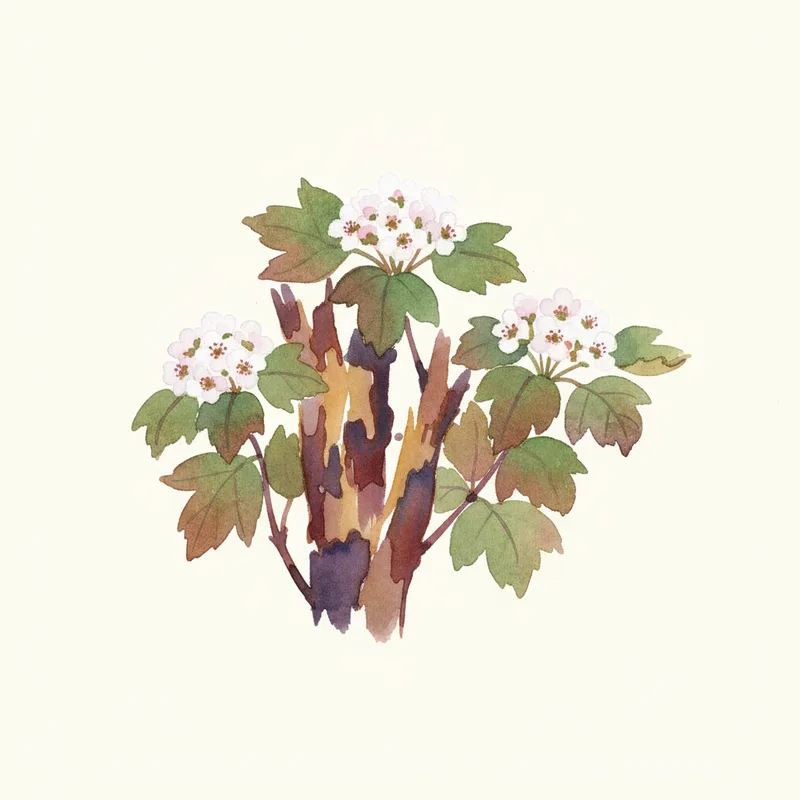
Peeling bark, burgundy foliage, and white puffs. A native multitasker.
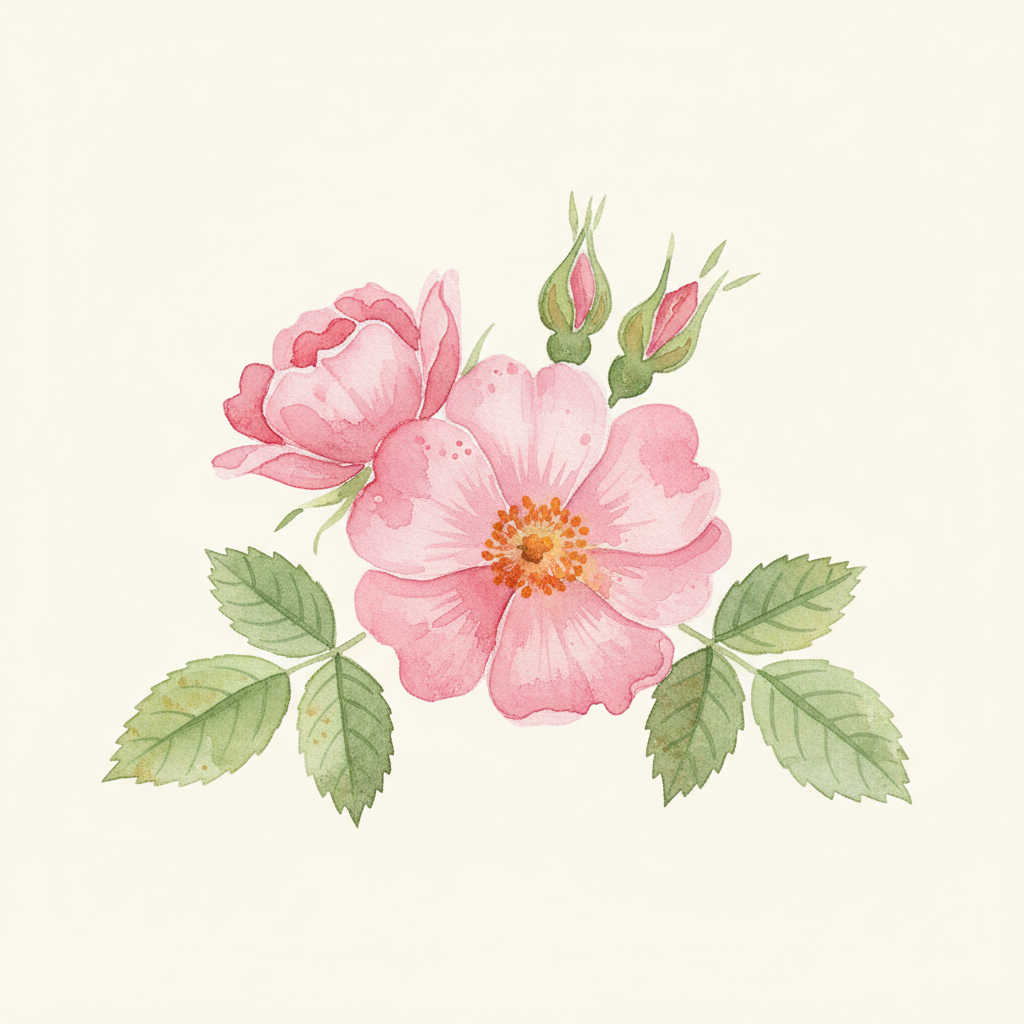
Single, apple-pink blooms followed by large rose hips that persist through winter on a vigorous Pacific Northwest native.
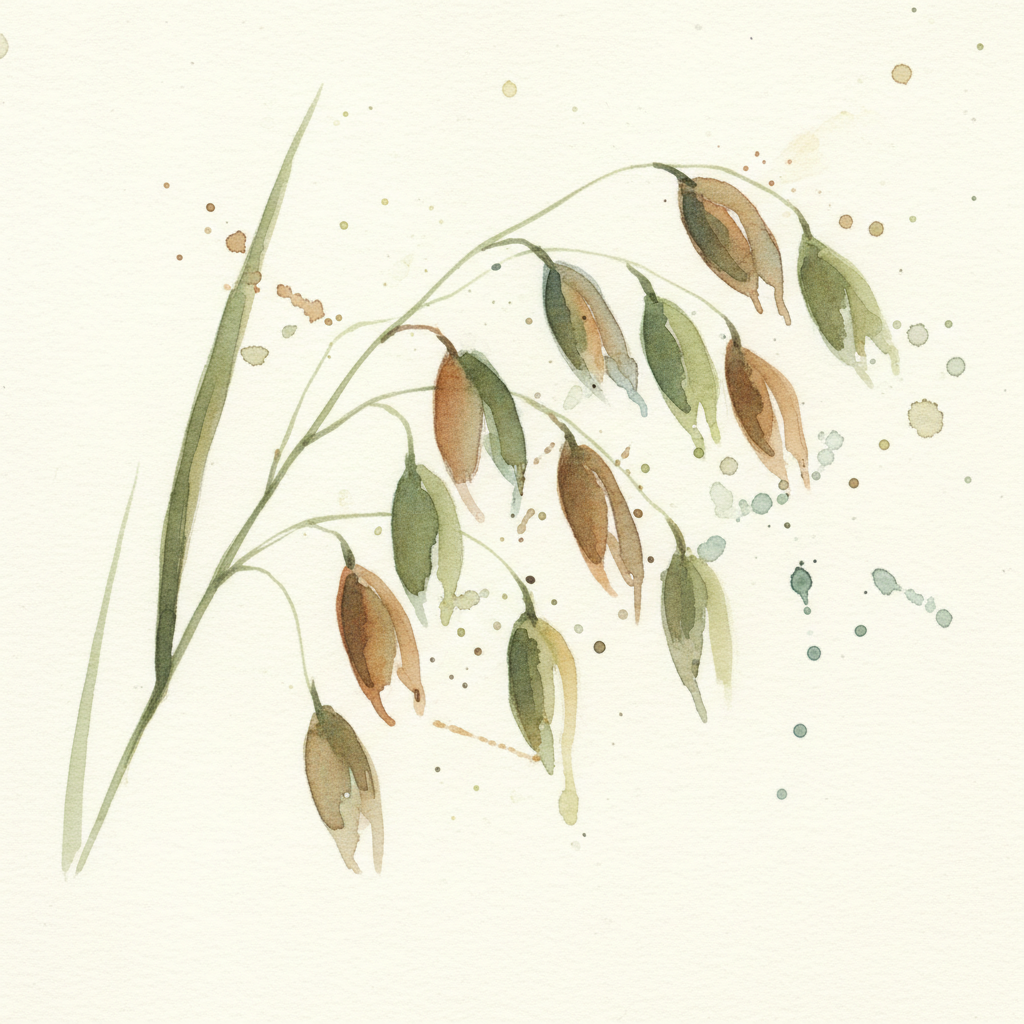
Flat seed heads dangle from arching stems and dance in the slightest wind. The best native grass for shade.
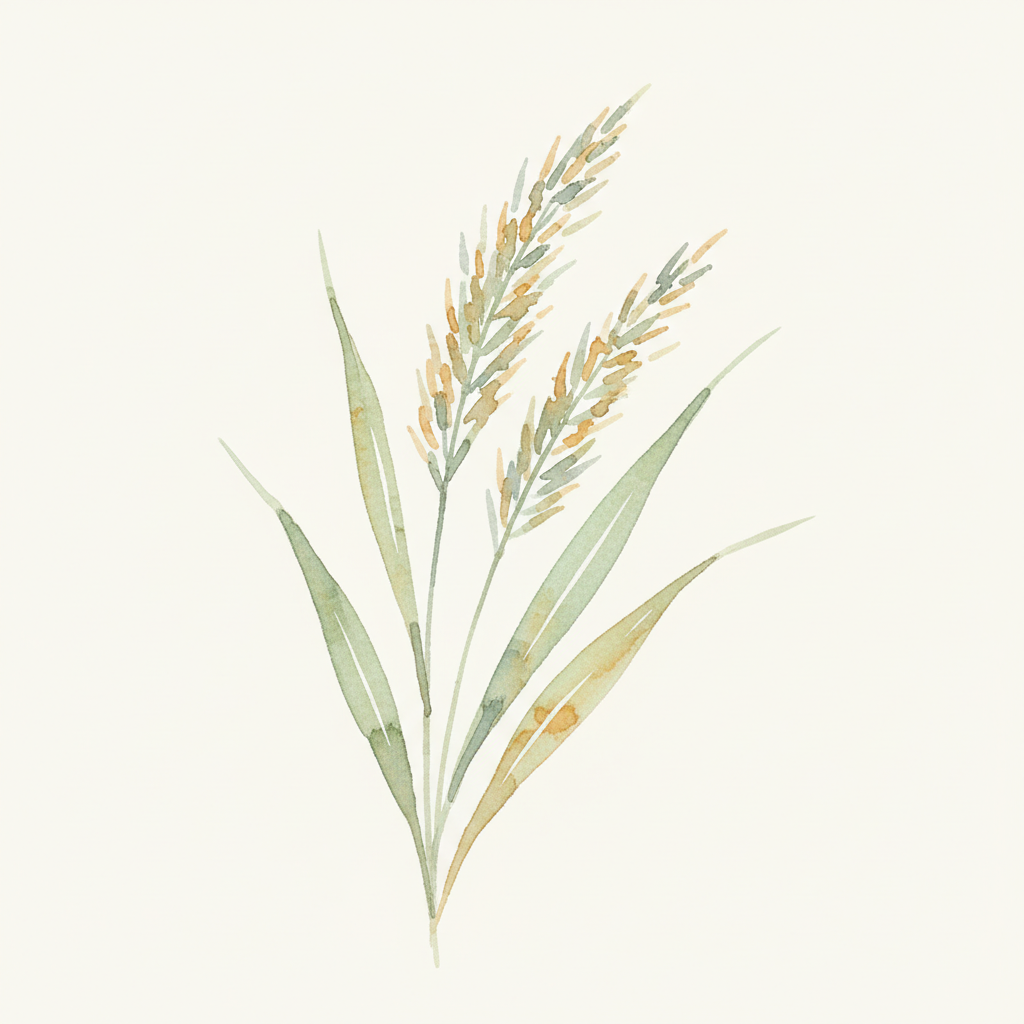
Stiffly upright blue-green foliage that never flops. The most architectural switchgrass available.
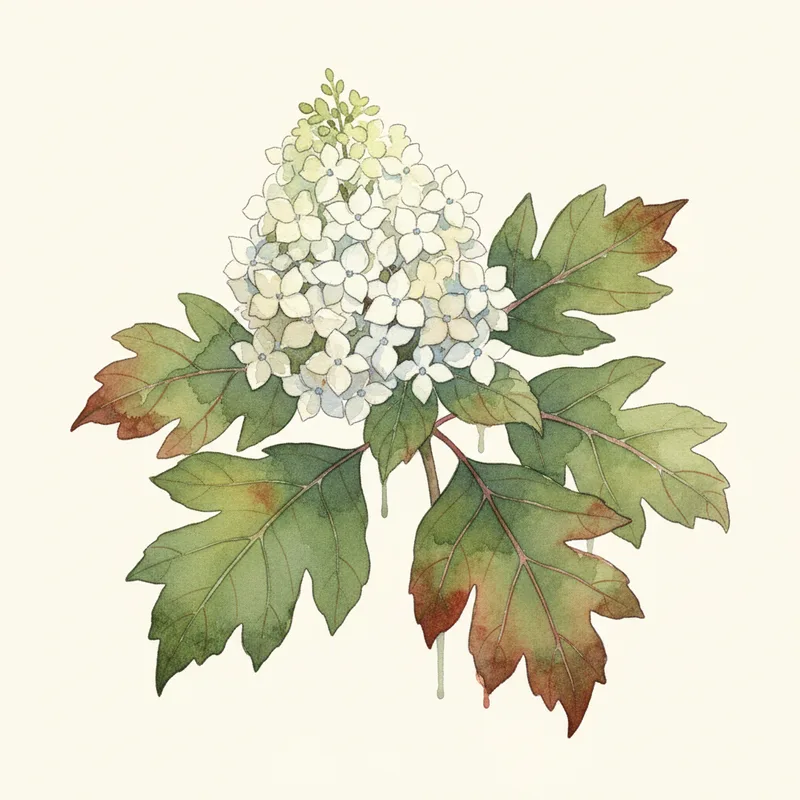
A four-season native flowering shrub with oak-shaped leaves that turn burgundy in fall, exfoliating cinnamon bark in winter, and foot-long white cone blooms in summer that age to dusty pink.
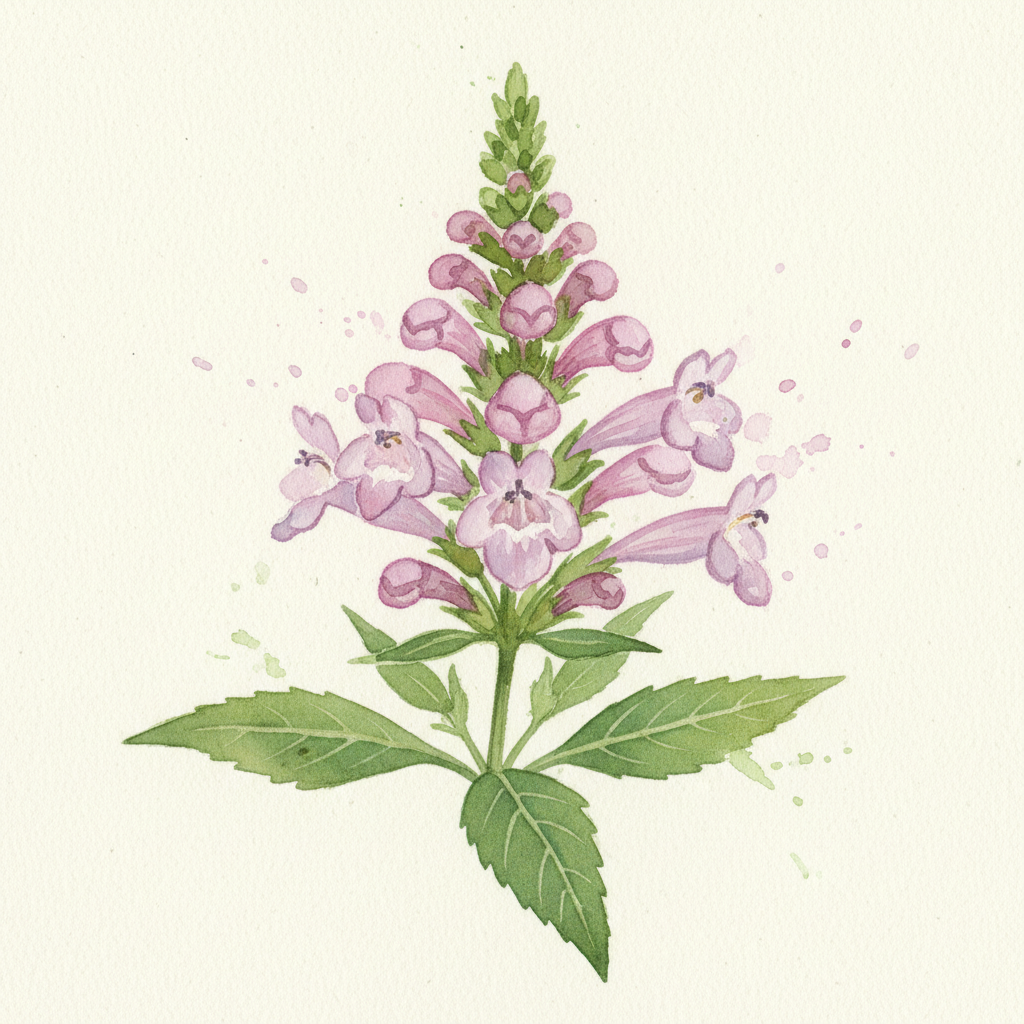
Spikes of snapdragon-like flowers that can be pushed and stay where moved, earning a very literal common name.
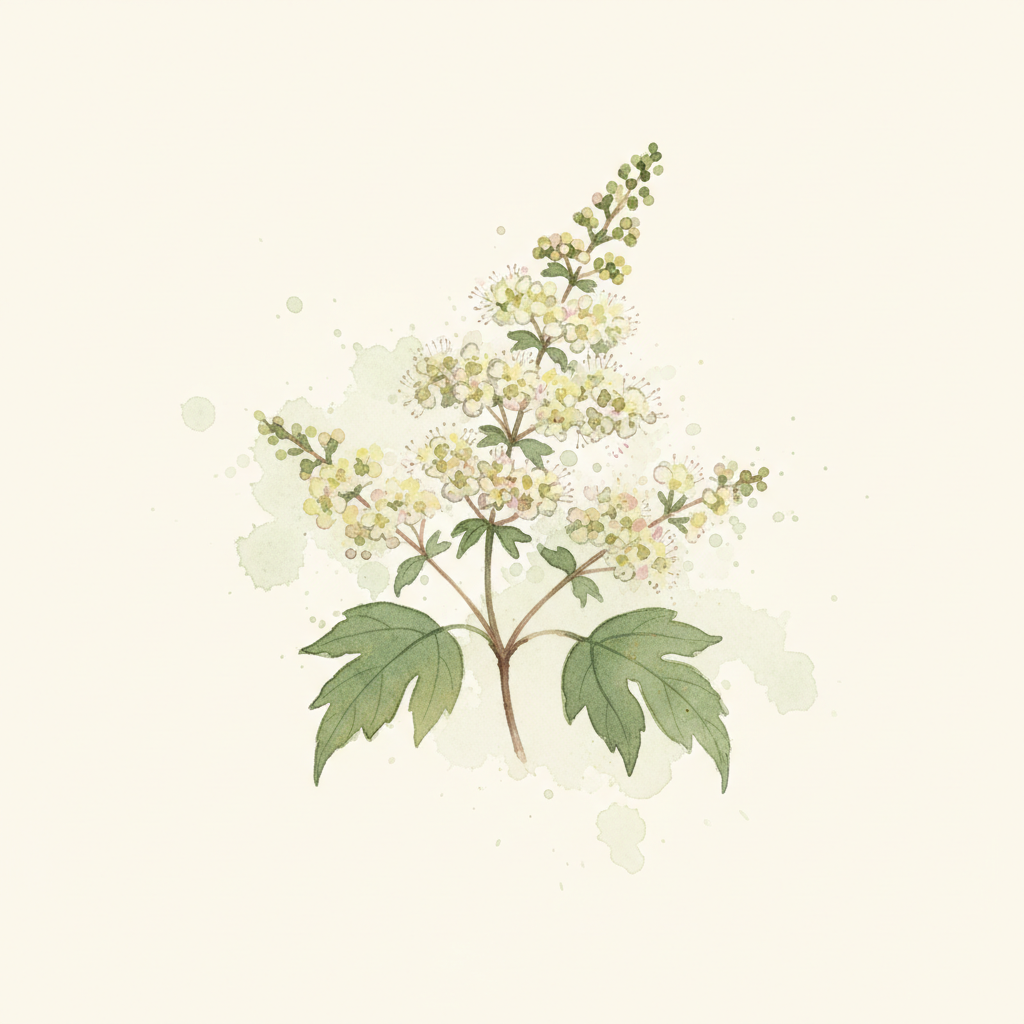
Cascading creamy white plumes on arching branches. Western Washington's summer answer to a native bridal veil.
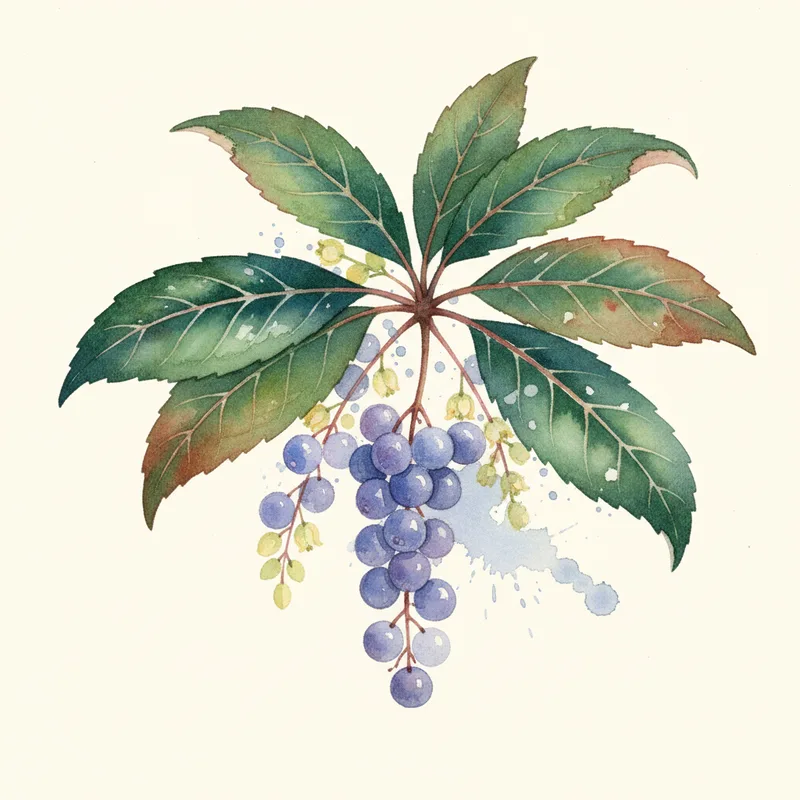
Holly-like evergreen with yellow flower clusters followed by blue berries. Tough, shade-loving native.
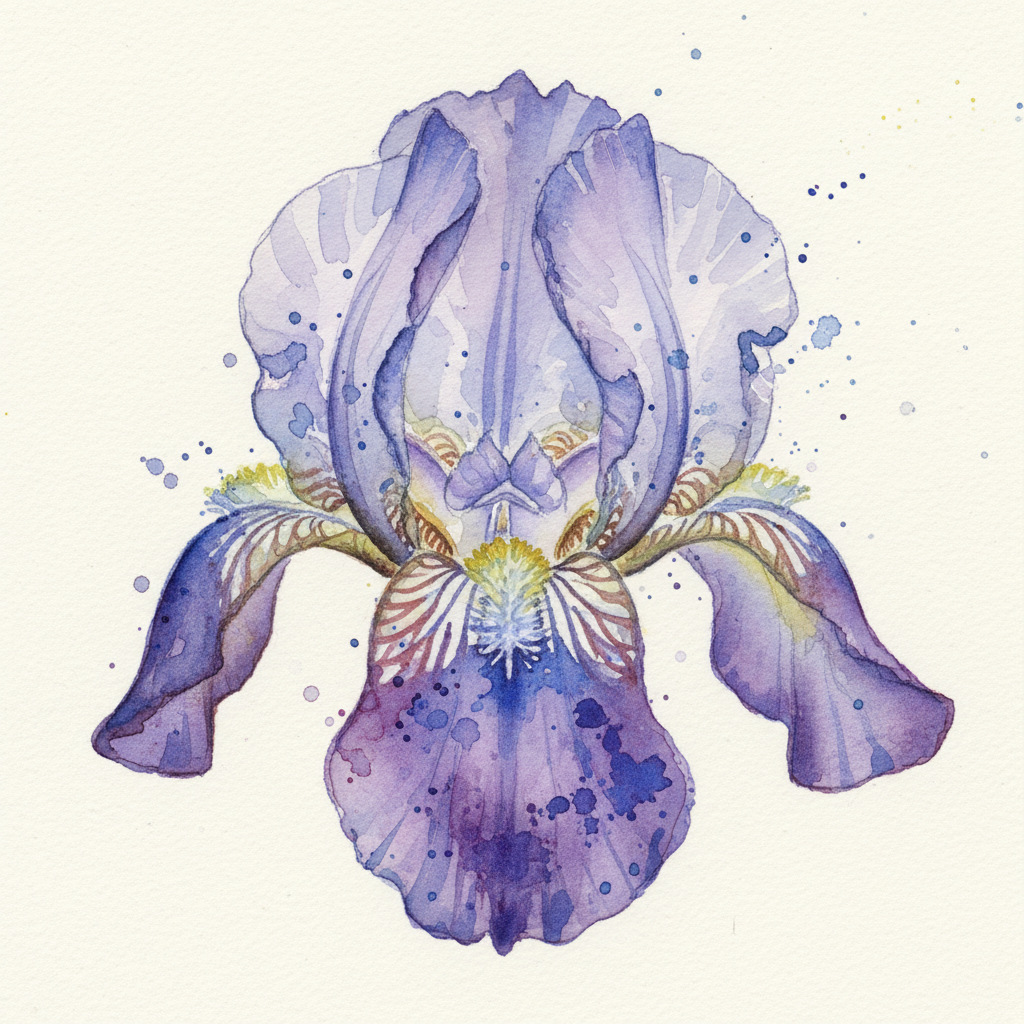
Small purple iris flowers with yellow signals on wiry stems. A tough, underappreciated Pacific Northwest native.
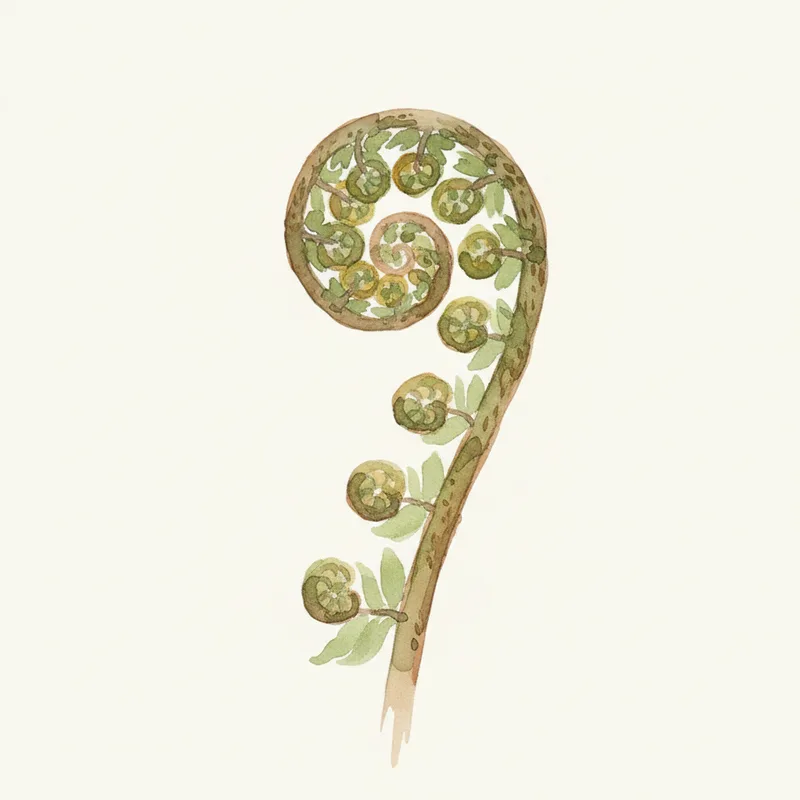
Tall vase-shaped fronds that unfurl from fiddleheads in spring. Spreads to form dramatic colonies.
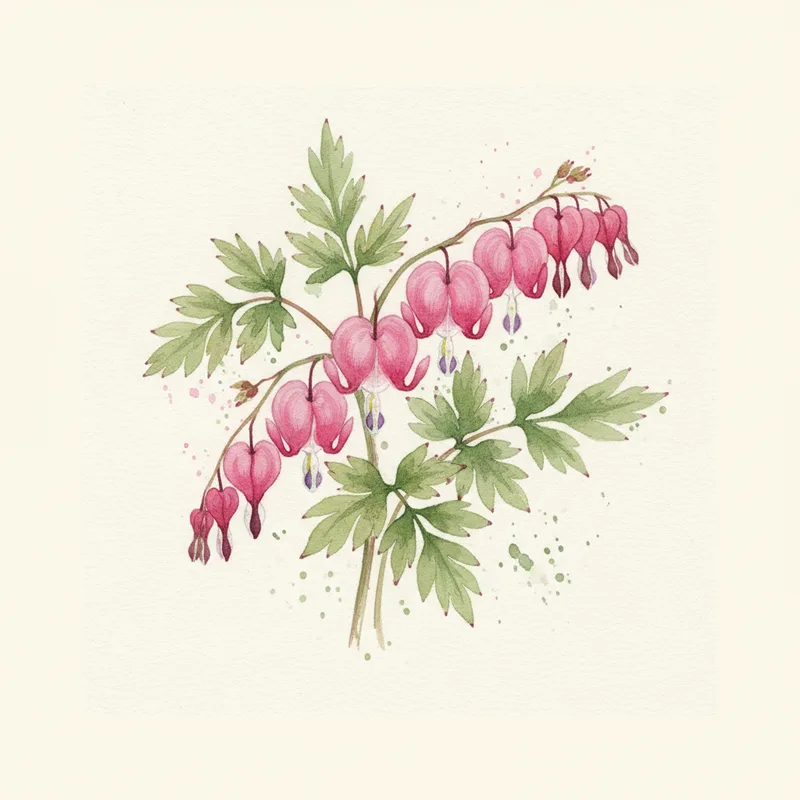
Western native that blooms much longer than its eastern cousin. Ferny foliage all season.
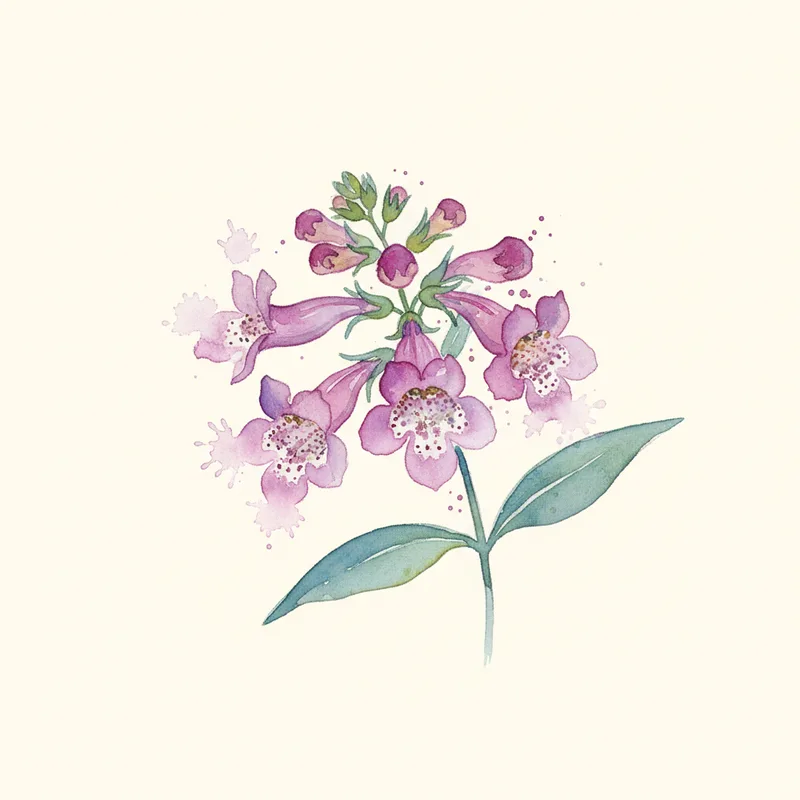
Tubular flowers on upright stems. Native hummingbird magnet for dry gardens.
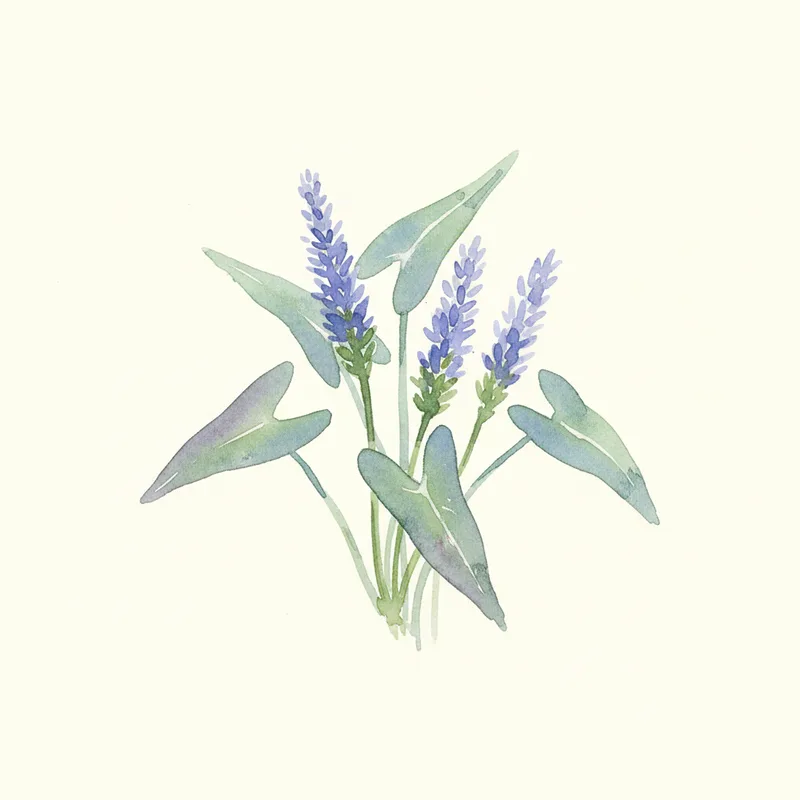
Spikes of violet-blue flowers above glossy arrow-shaped leaves. Native pond and stream bank staple.
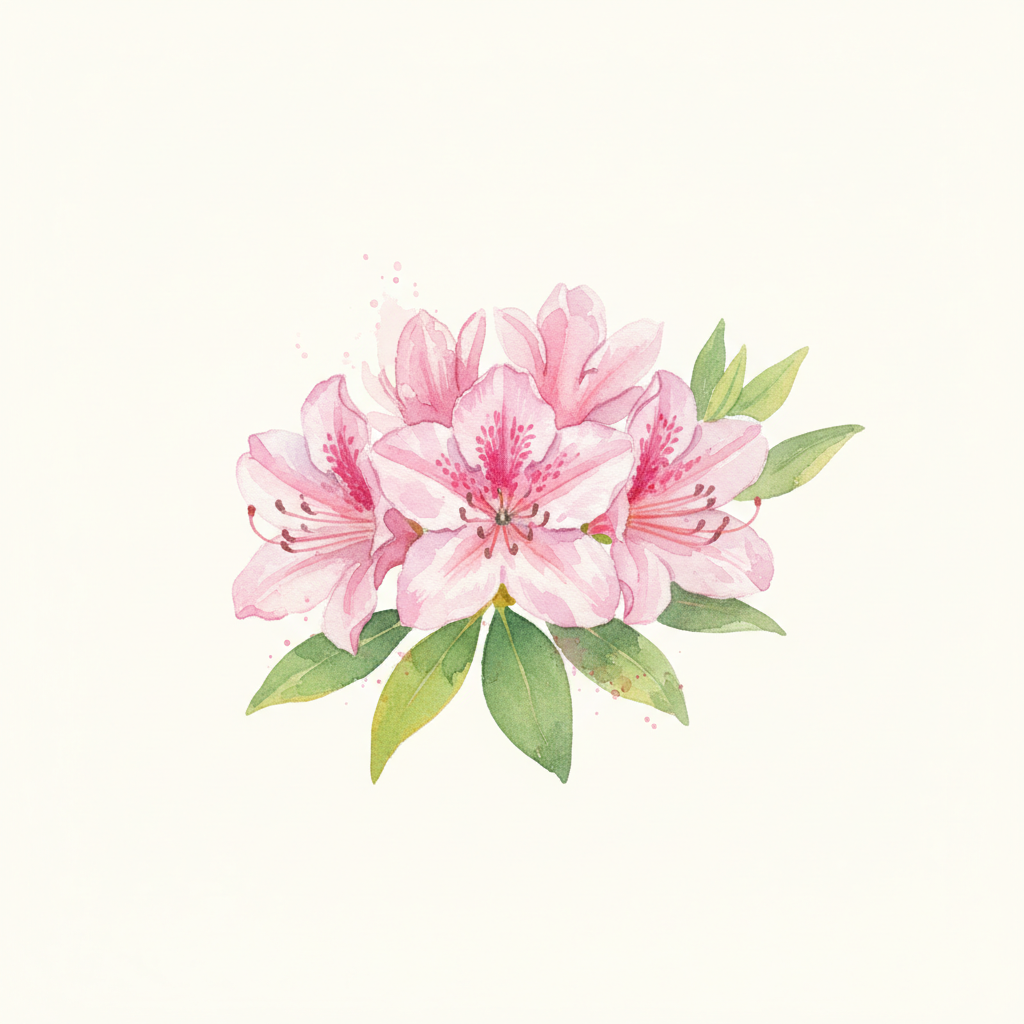
Fragrant pale pink to white flowers open before the leaves in early spring, filling lowland forests with sweetness.
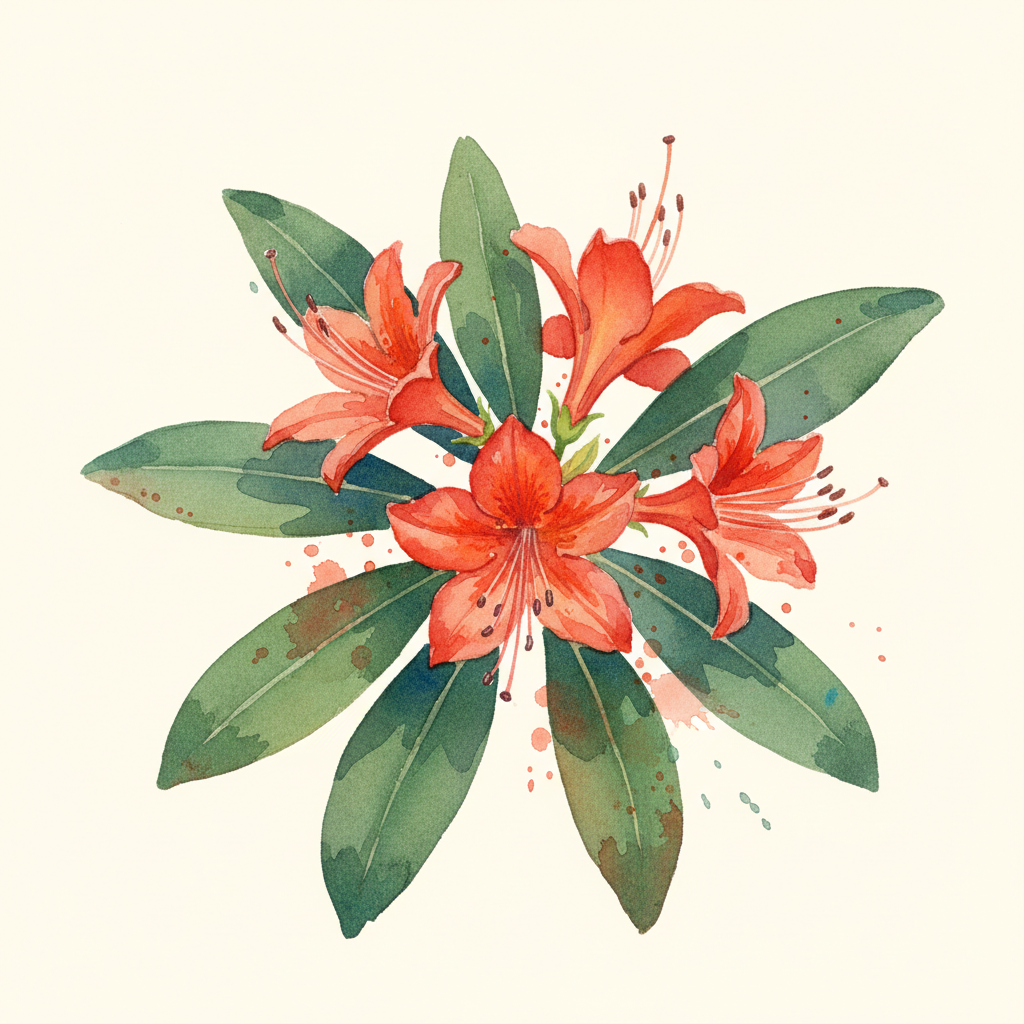
The only azalea that blooms in midsummer, with fiery orange-red flowers that light up the late-season shade garden.
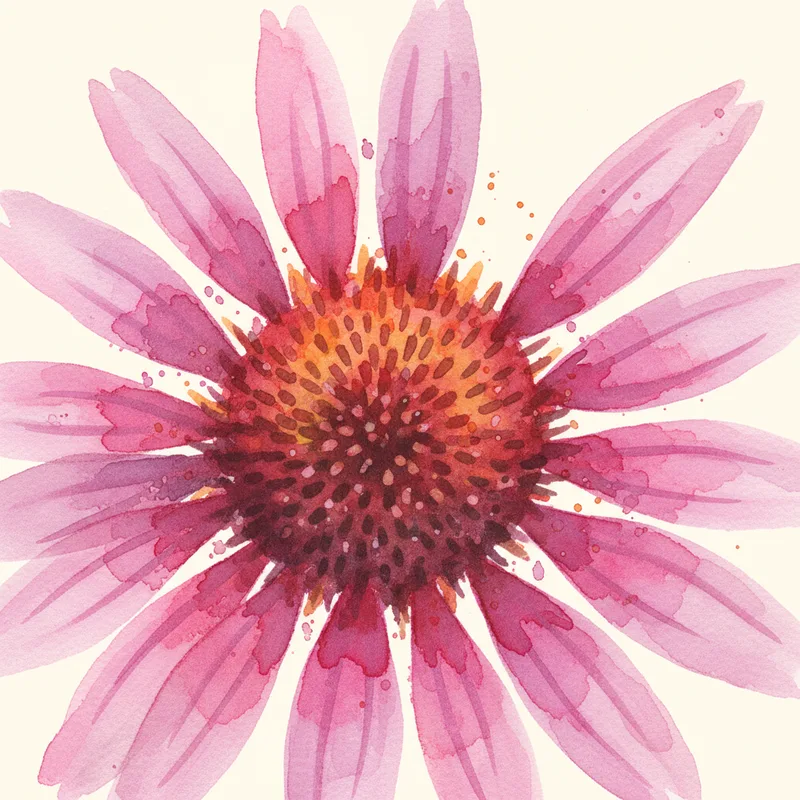
Deep rose-purple petals and a bronzy cone on a compact reblooming plant that won't sprawl.
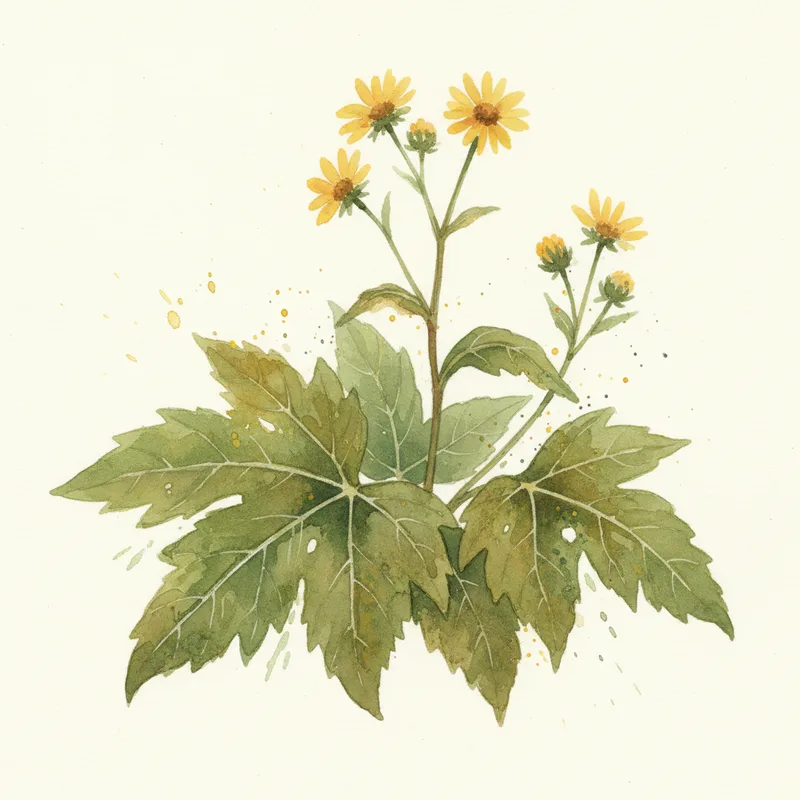
Huge basal leaves and tall stalks topped with yellow daisies give strong prairie structure.
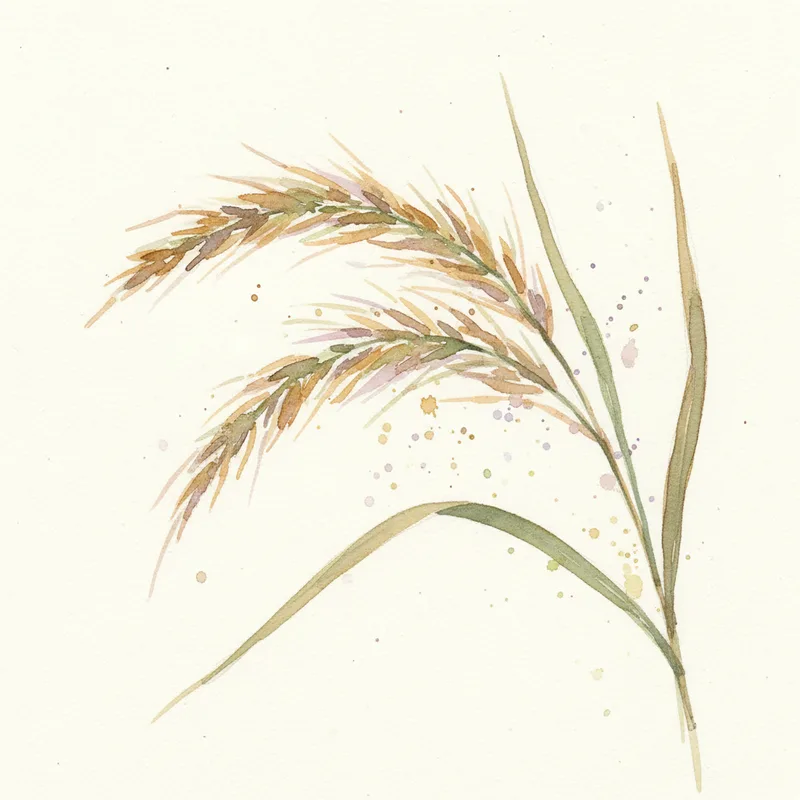
Fine-textured mounds send up airy fragrant flower sprays that persist into winter.
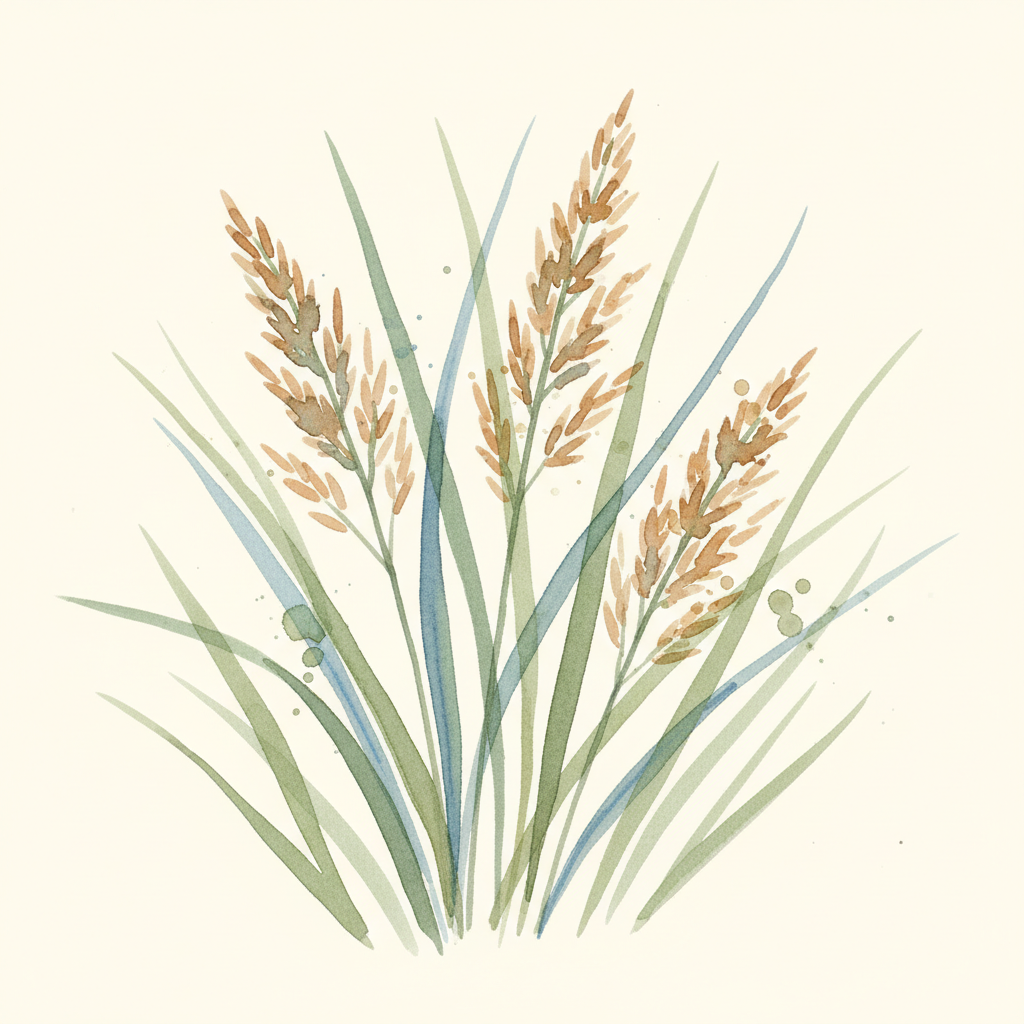
The bluest foliage of any switchgrass, with airy pink seed clouds drifting above in late summer.
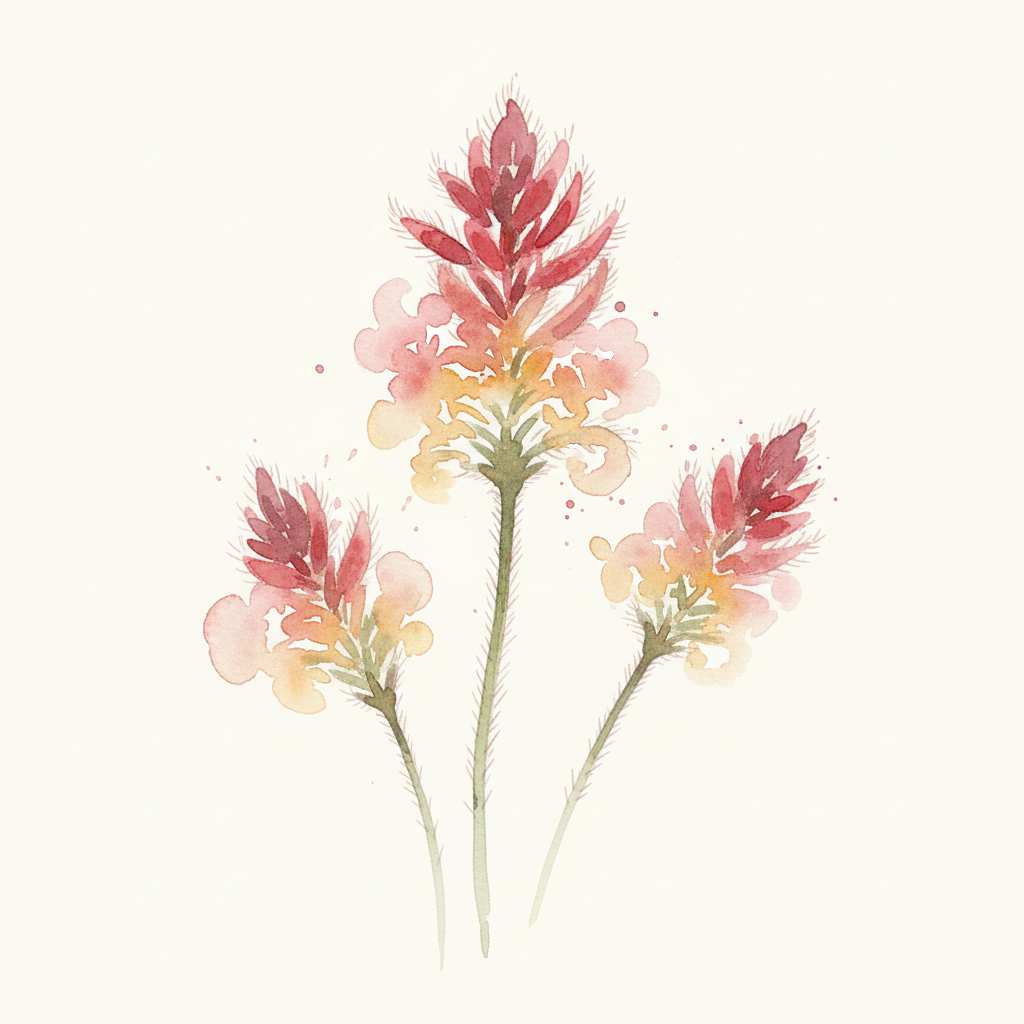
Nodding wine-red flowers transform into feathery pink seed plumes that persist into summer. Native prairie gem.
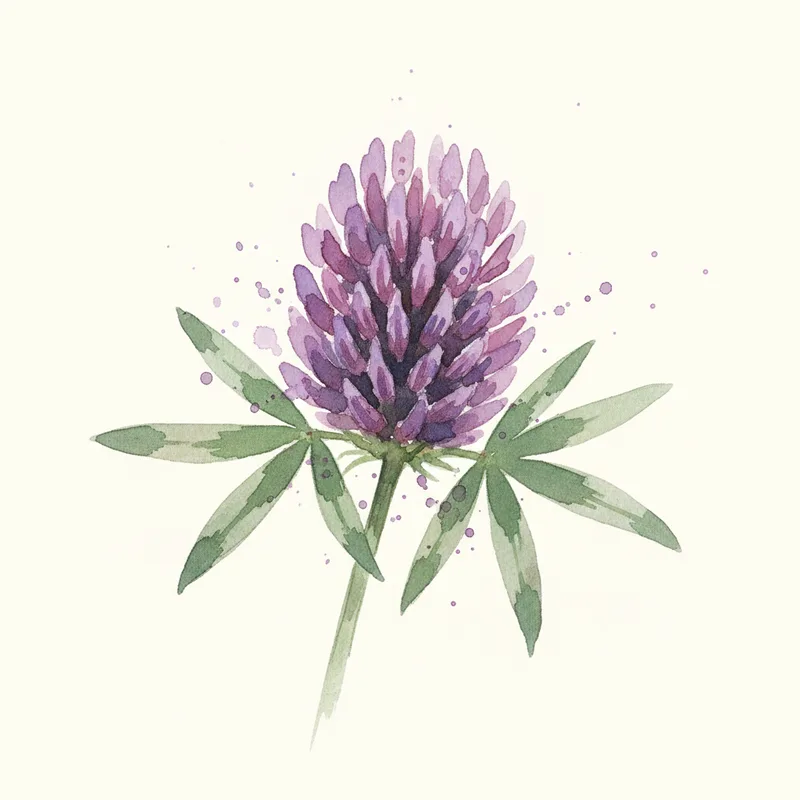
Brushy purple flower spikes rise over fine foliage and feed prairie pollinators.
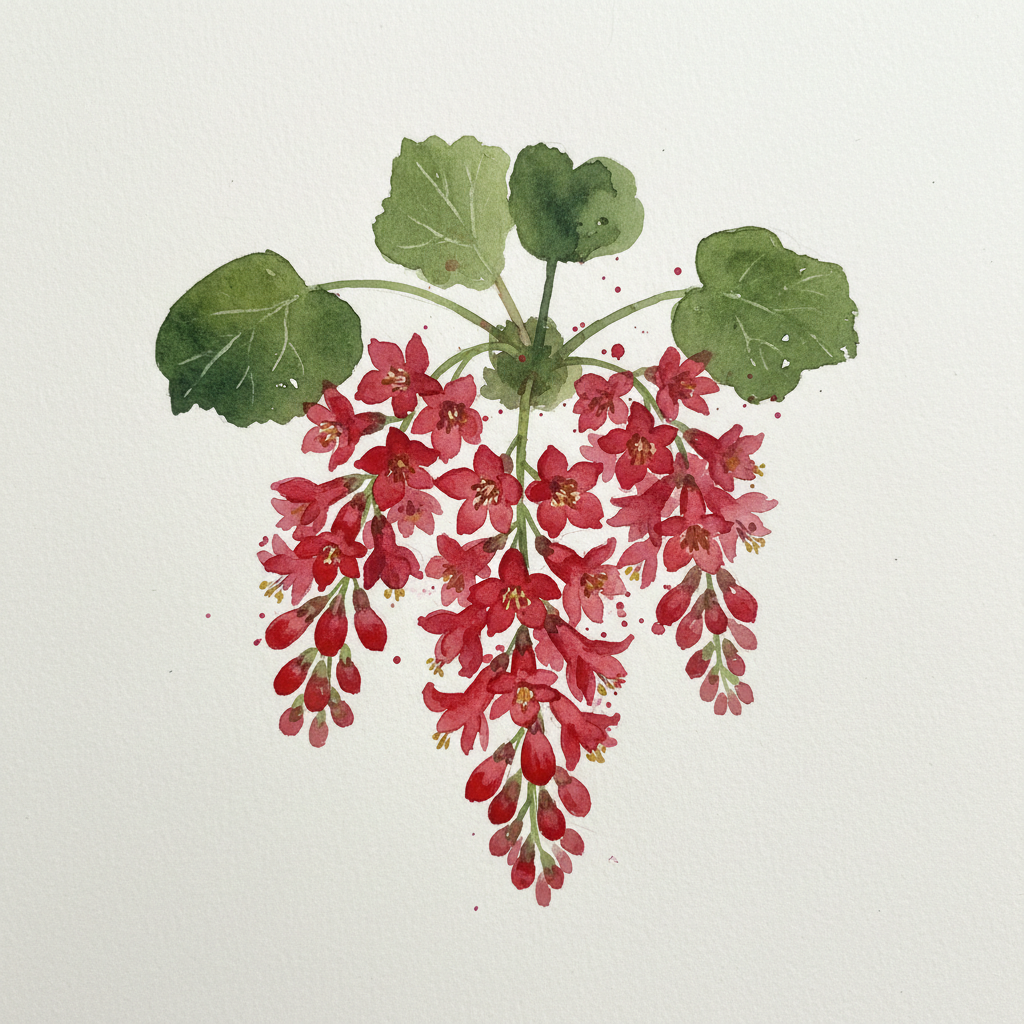
Among the first shrubs to bloom in Pacific Northwest gardens, dripping with rosy-pink racemes that hummingbirds arrive for before anything else has opened.
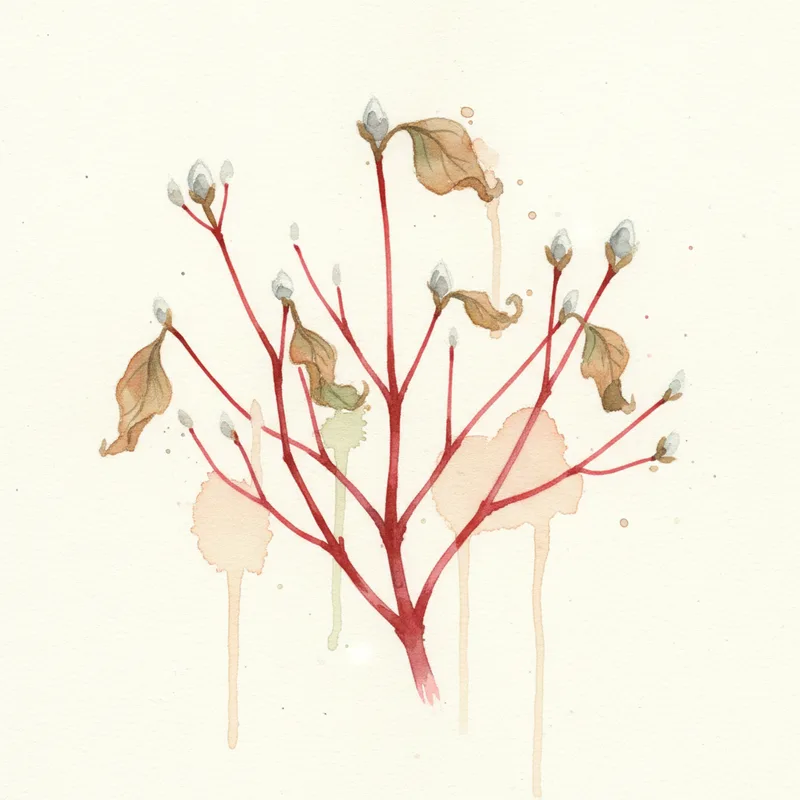
Flat clusters of white flowers and berries give way to vivid red stems that shine in winter.
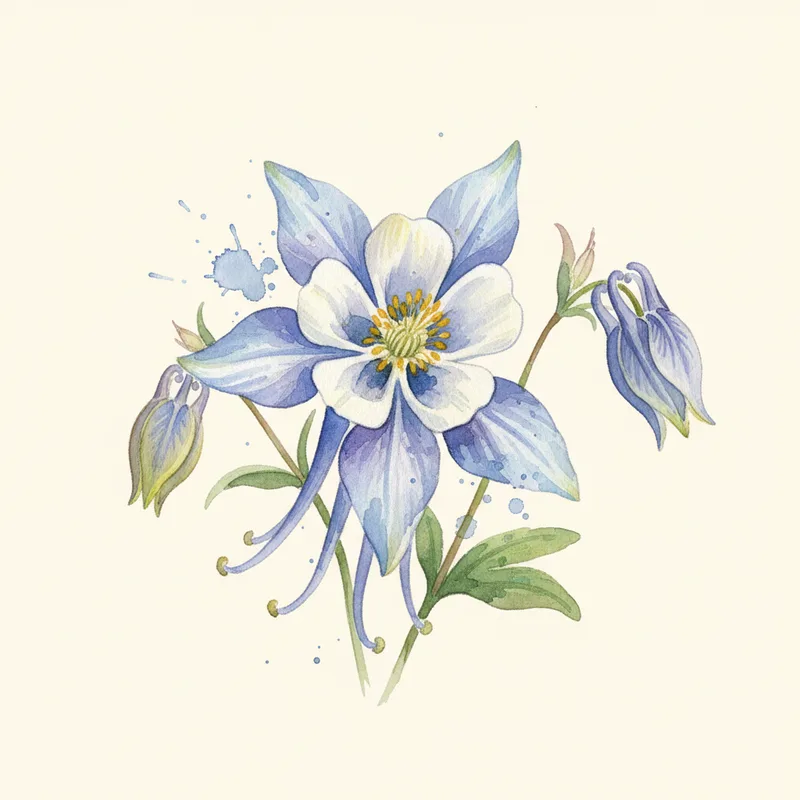
Large blue-and-white spurred flowers bloom in late spring above lacy foliage.
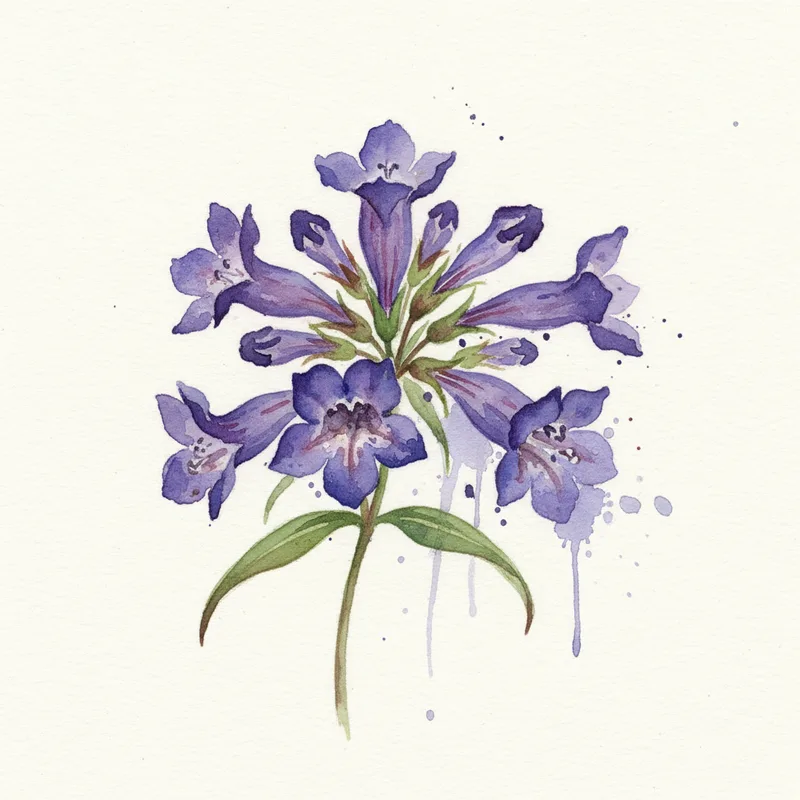
Spikes of deep blue tubular flowers rise above glossy evergreen foliage in early summer.
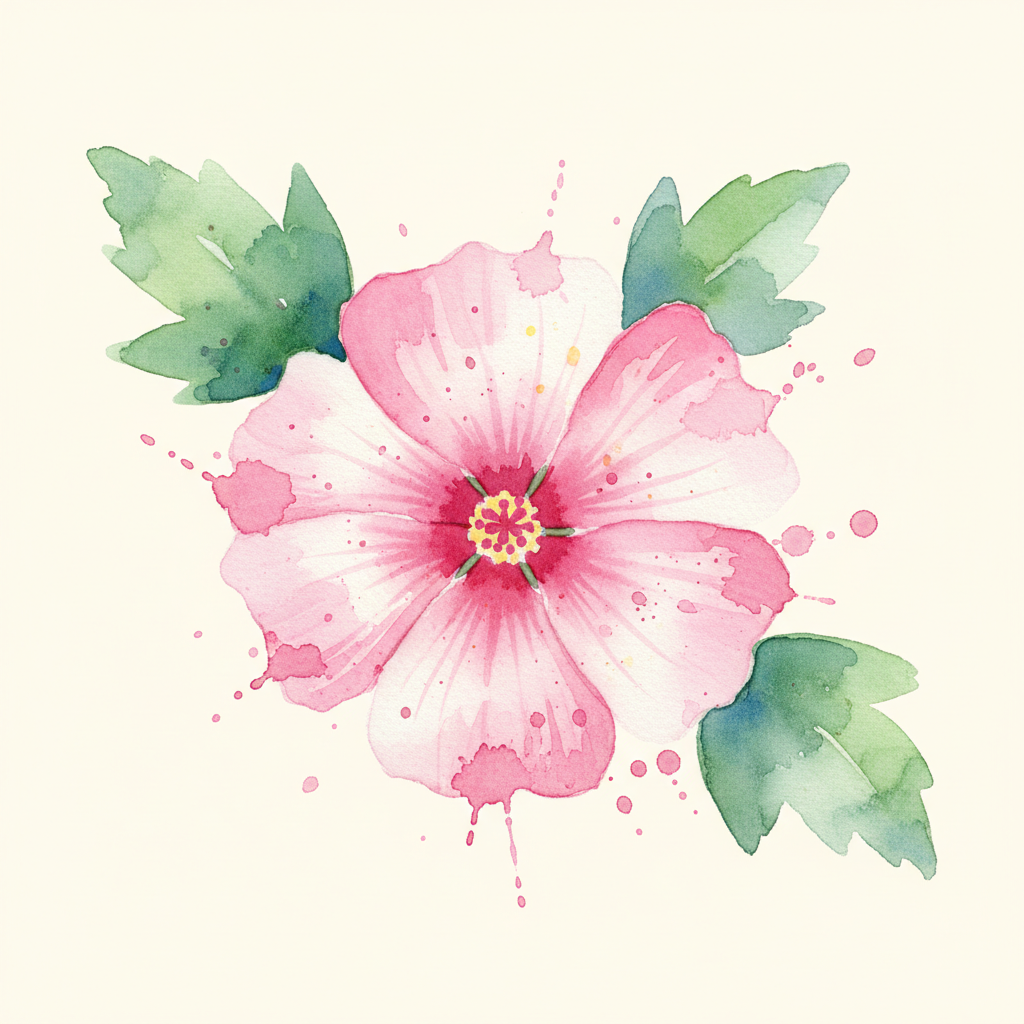
Enormous pale pink blooms up to 12 inches across on a wetland-loving native. Grow near a pond and you'll never look back.
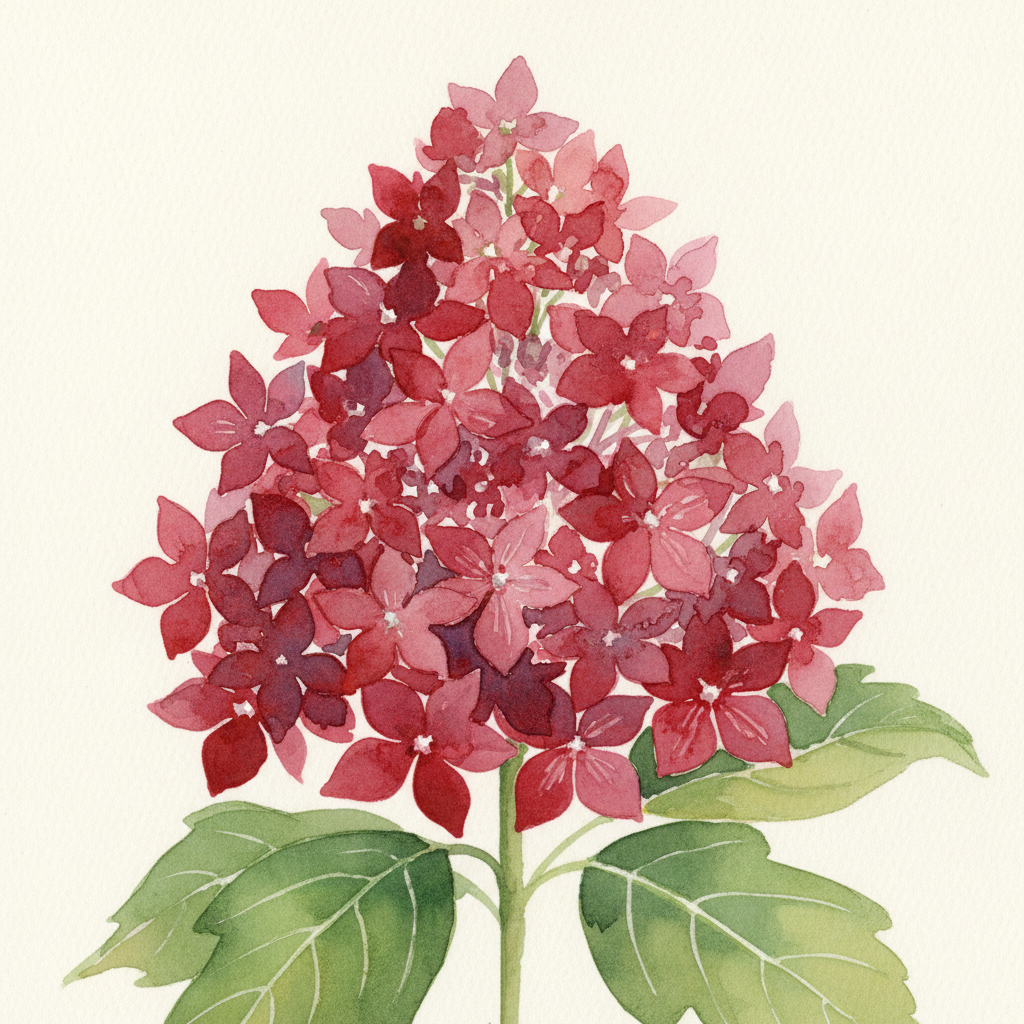
Compact oakleaf with cone blooms that open white and age to deep ruby red. Burgundy fall foliage finishes the show.
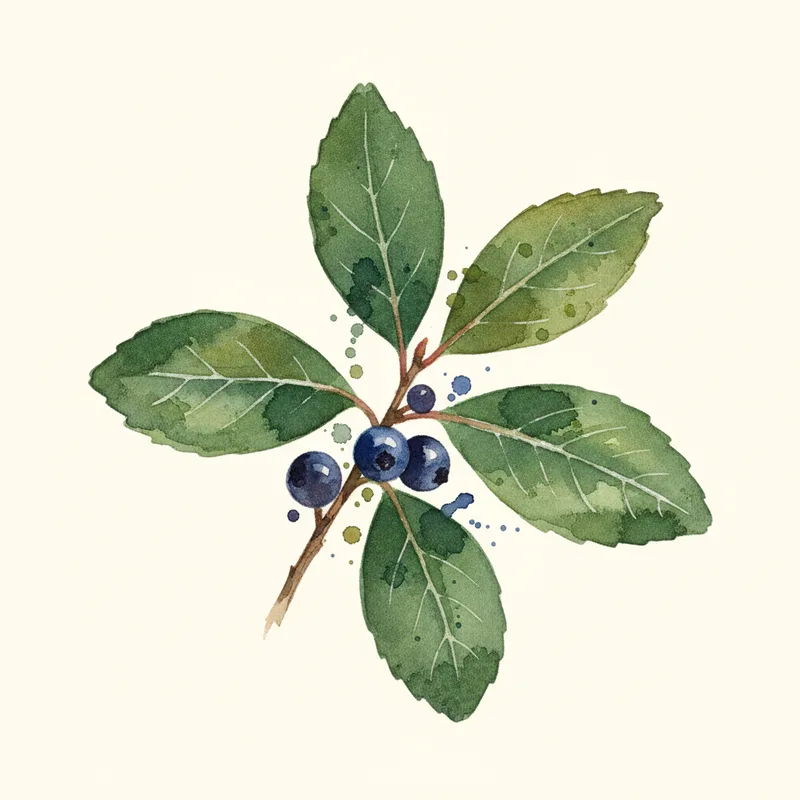
Leathery evergreen groundcover of Pacific Northwest forests. Urn-shaped flowers lead to edible berries.
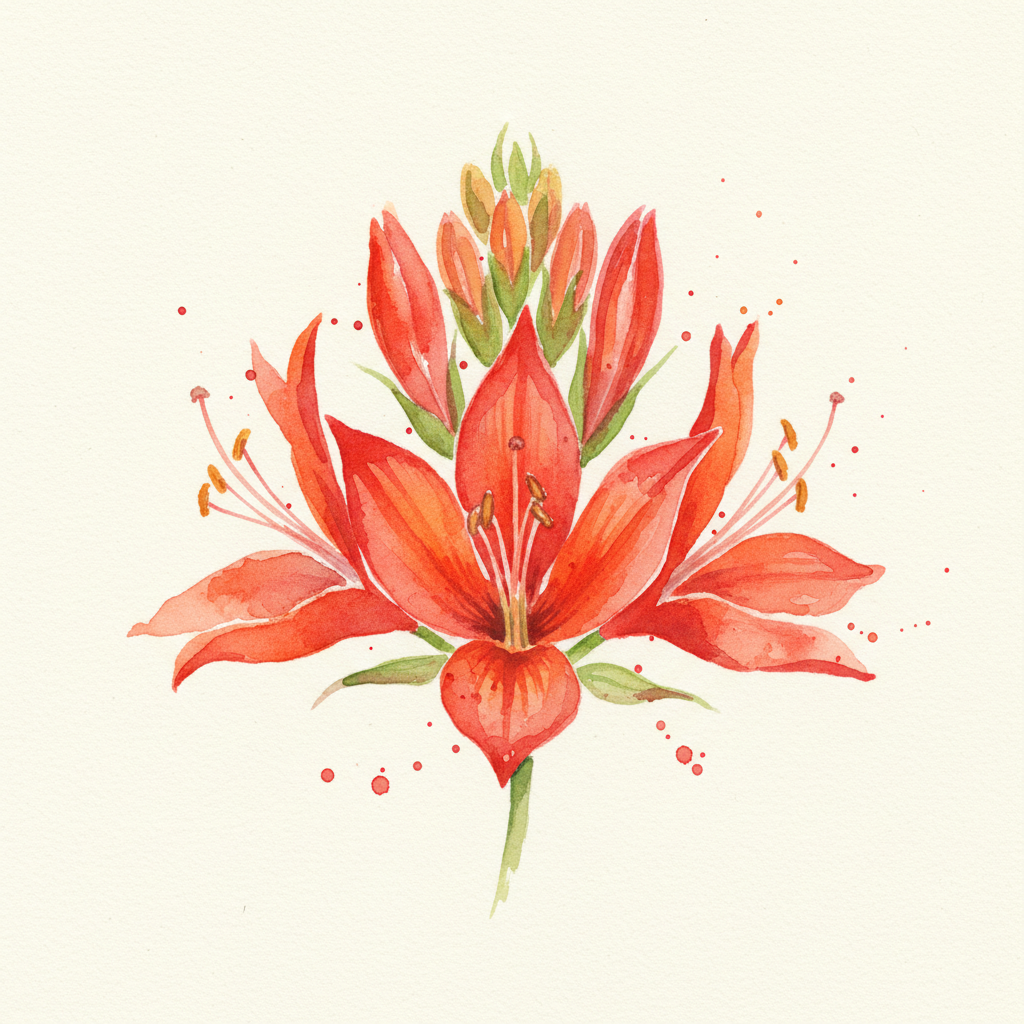
Tubular red trumpets on a wiry biennial that hummingbirds adore across the Mountain West. Blooms its second year, then self-sows.
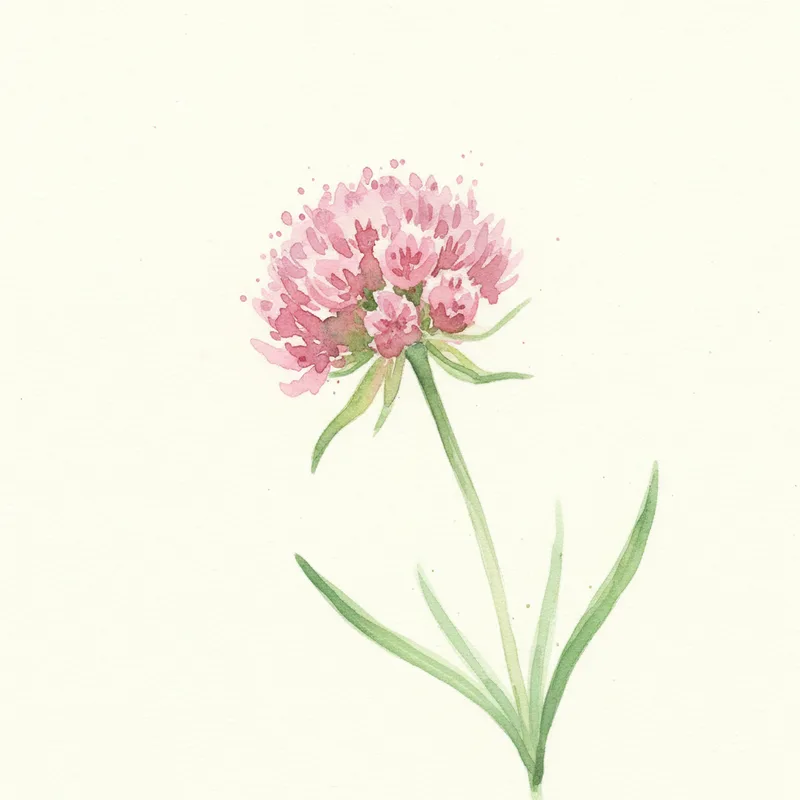
Grassy tufts topped with round pink pom-poms. Loves lean soil and coastal conditions.
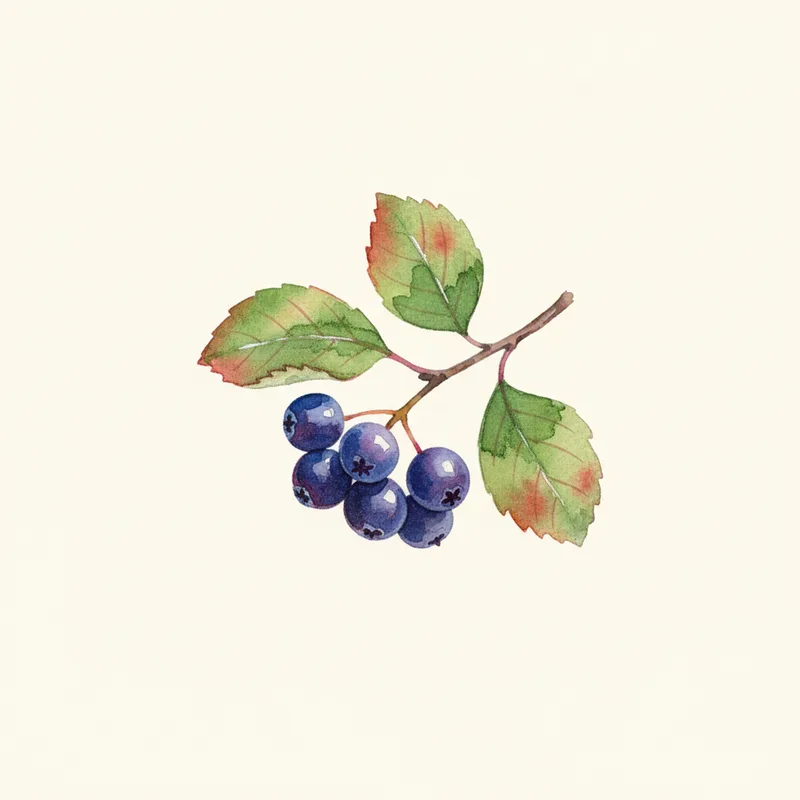
White spring clouds, edible berries, and blazing fall color. Four-season native tree that deserves more attention.
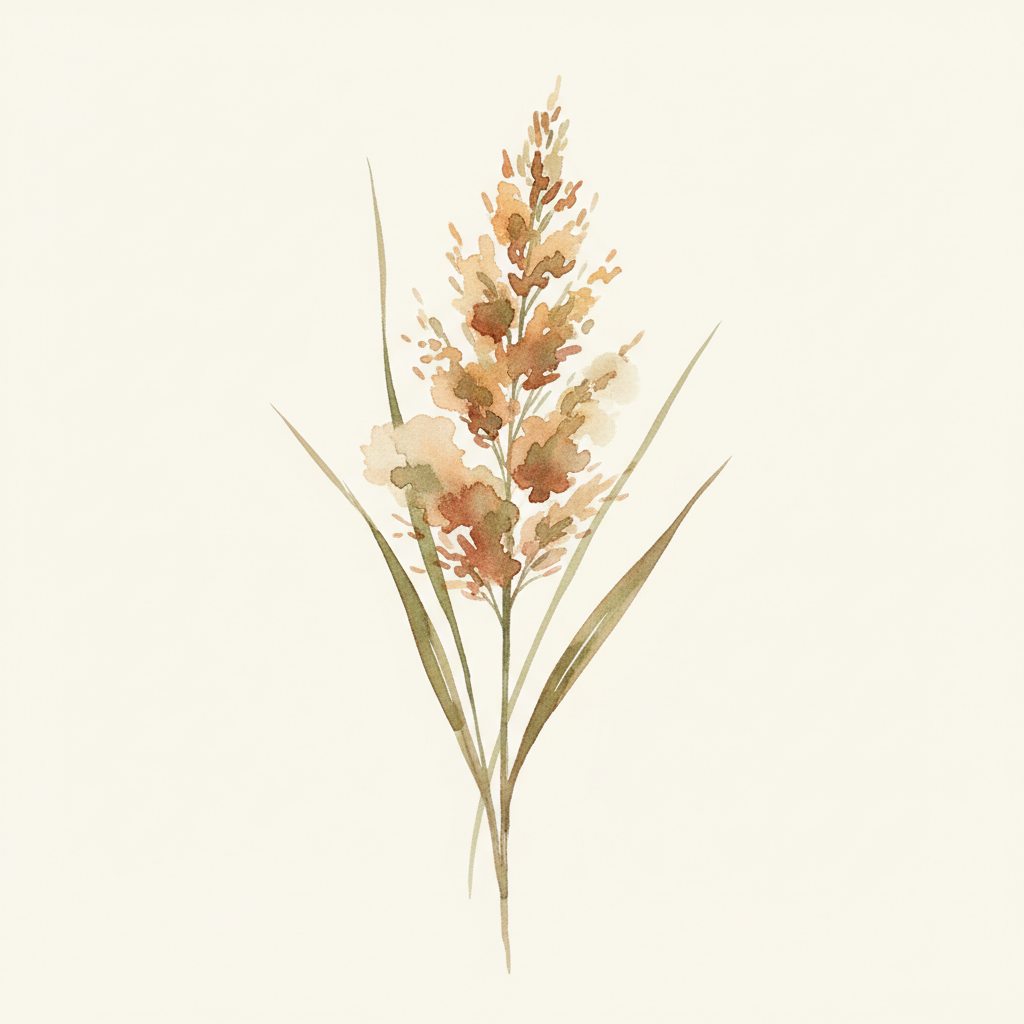
Compact selection that turns vivid burgundy-red in late summer earlier than any other switchgrass.
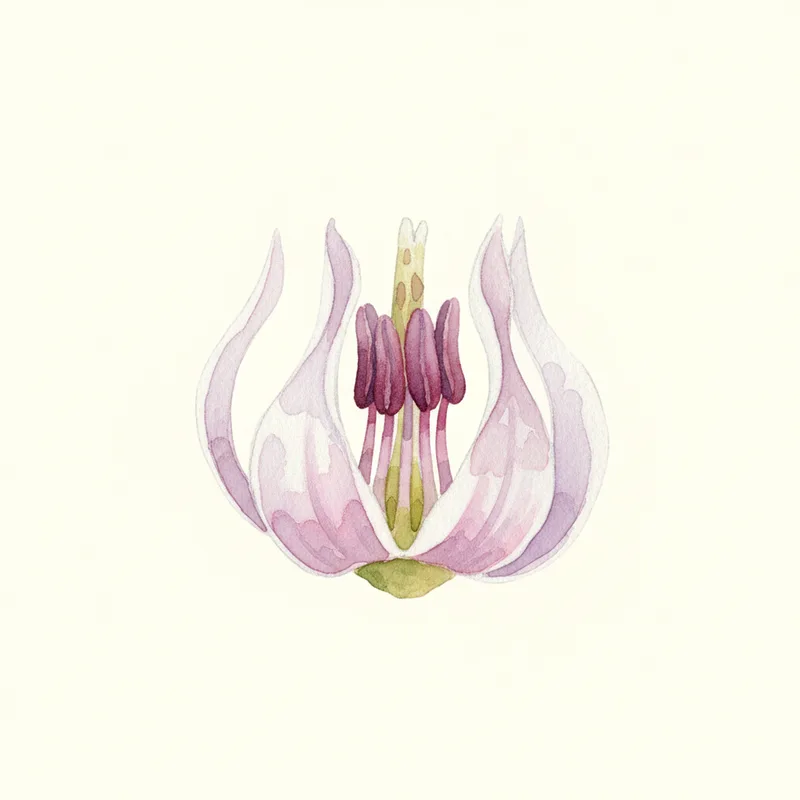
Nodding flowers with swept-back petals resemble tiny shooting stars in spring meadows.
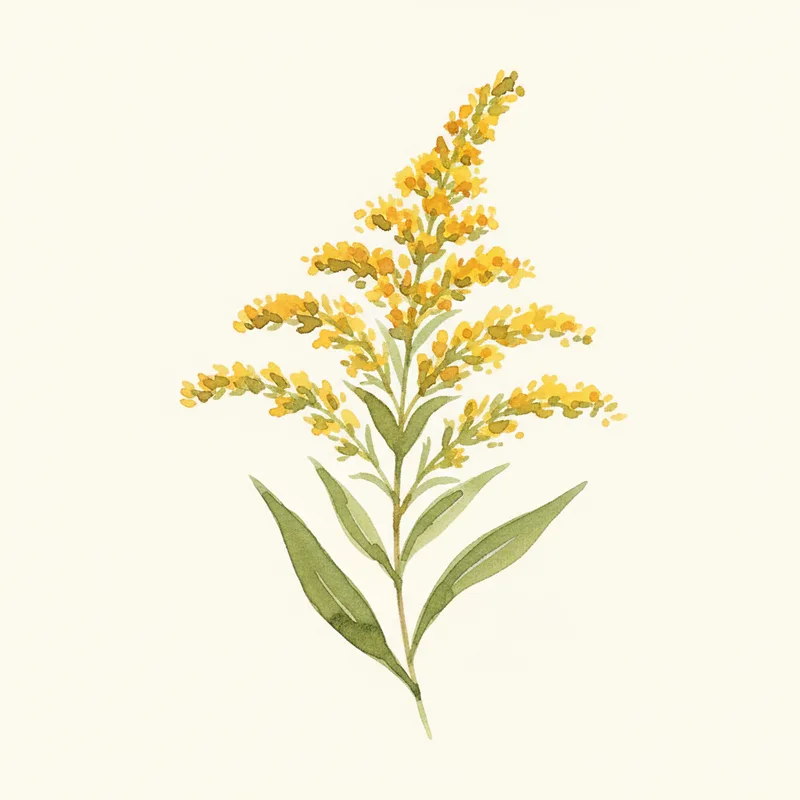
Upright spikes of bright yellow flowers feed late-season pollinators on dry prairies.
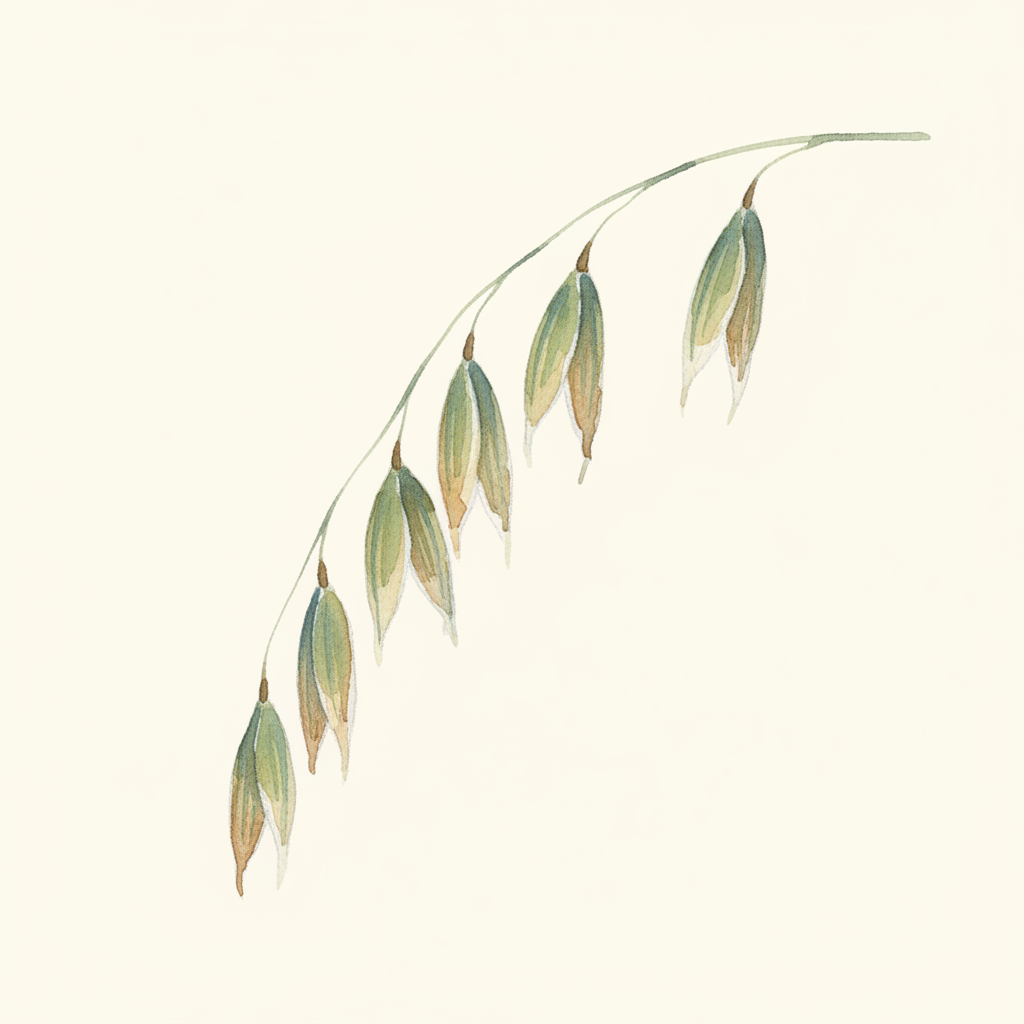
Seed heads hang like tiny flags along one side of the stem on this graceful, drought-tolerant prairie native.
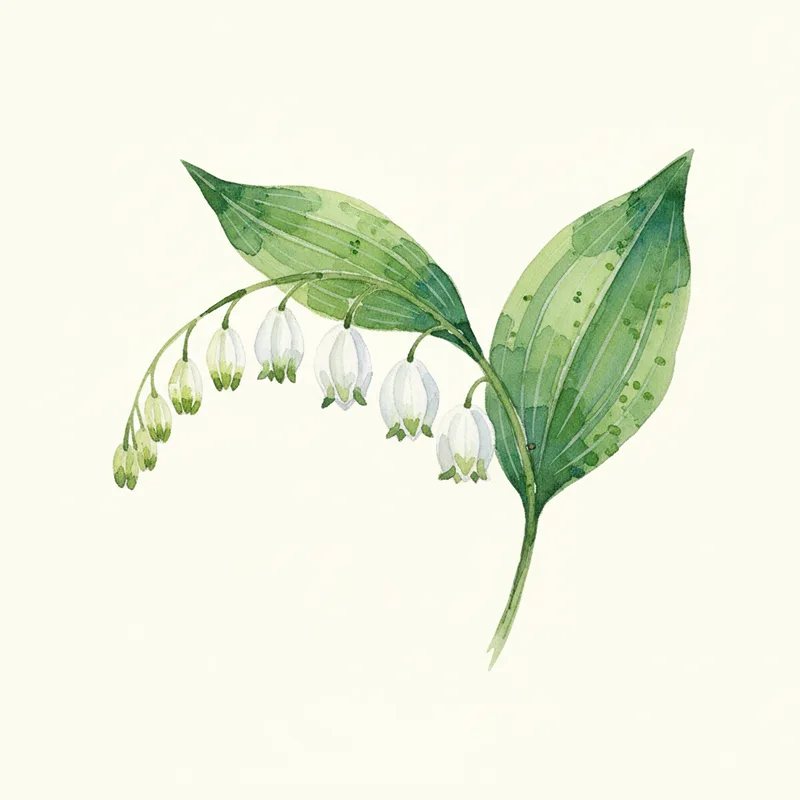
Arching stems hung with dangling white bells. Pairs of leaves create graceful, layered architecture.
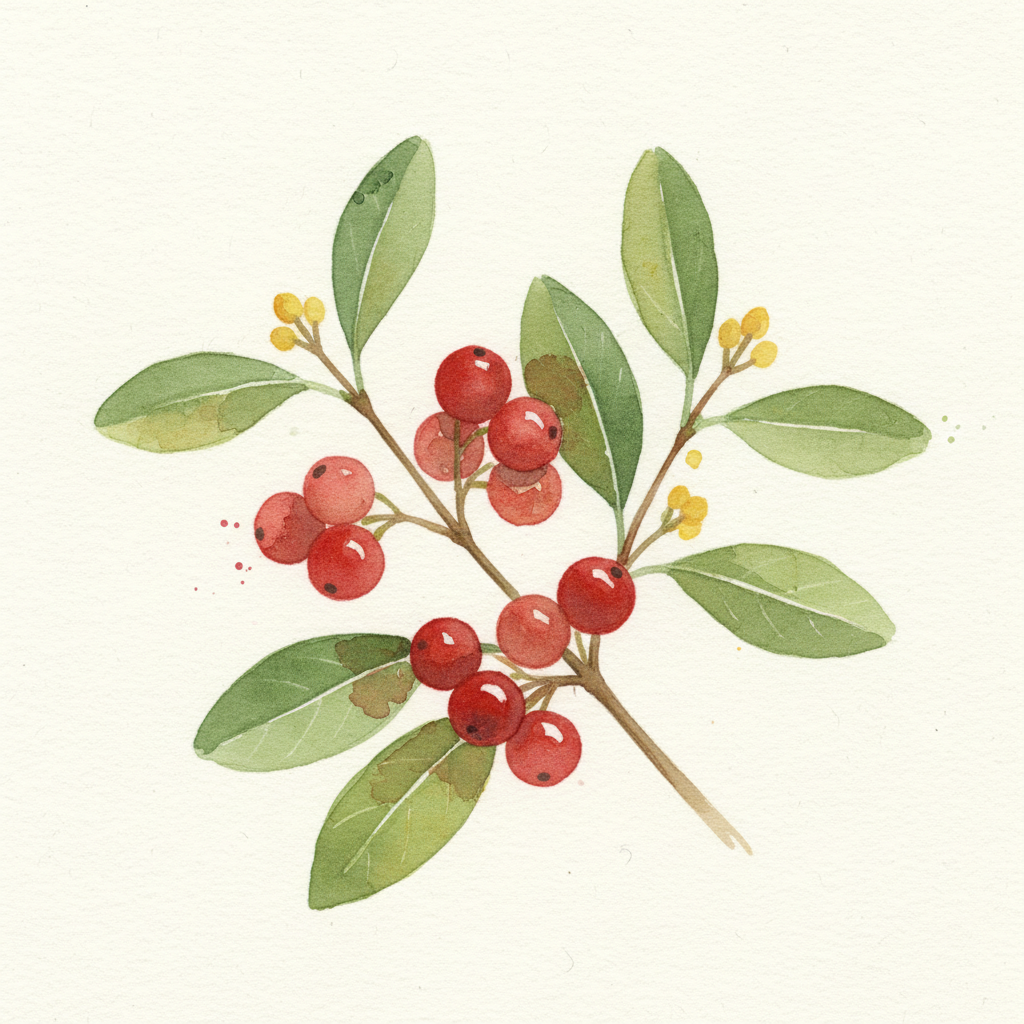
Clusters of tiny yellow flowers appear on bare branches in early spring on a fragrant native shrub with blazing yellow fall color.
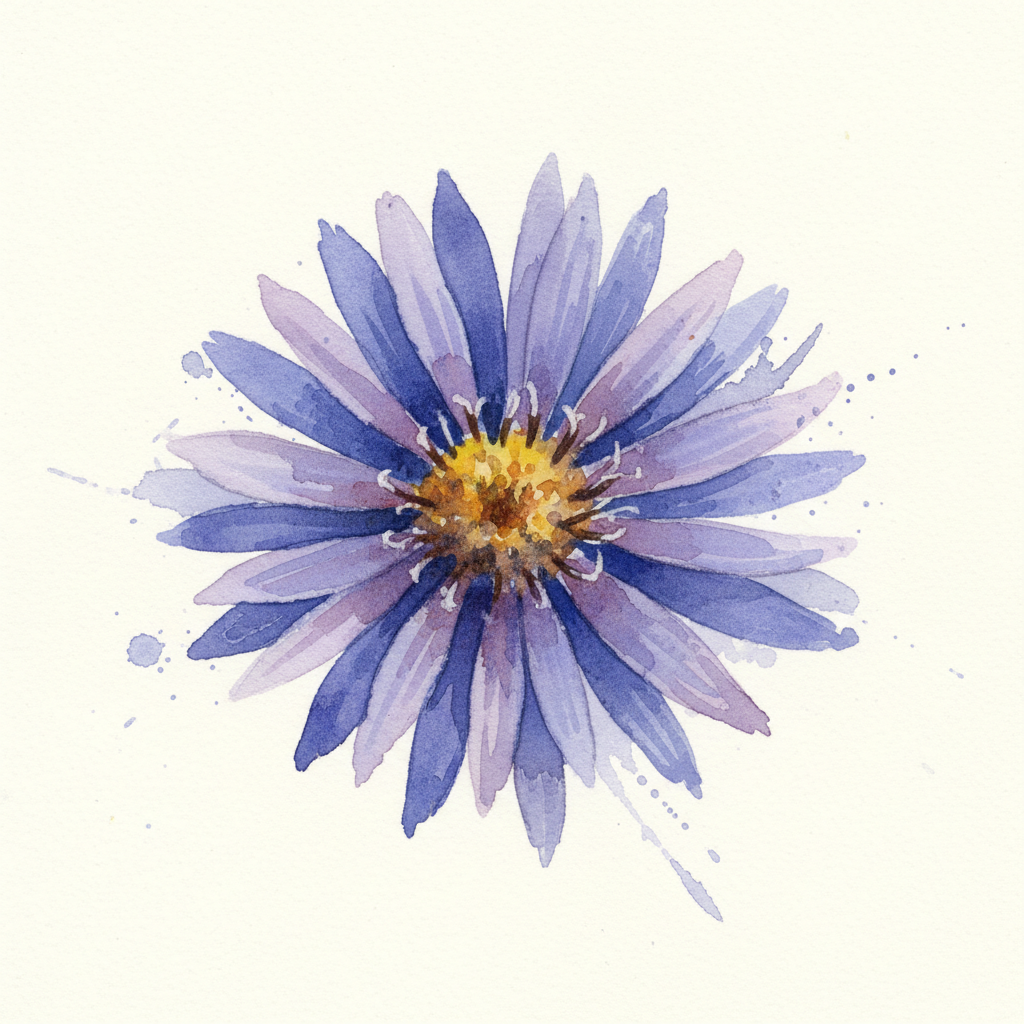
Fringed, shaggy-petaled flowers in shades of cornflower blue that bloom for weeks on a tough Southern native.
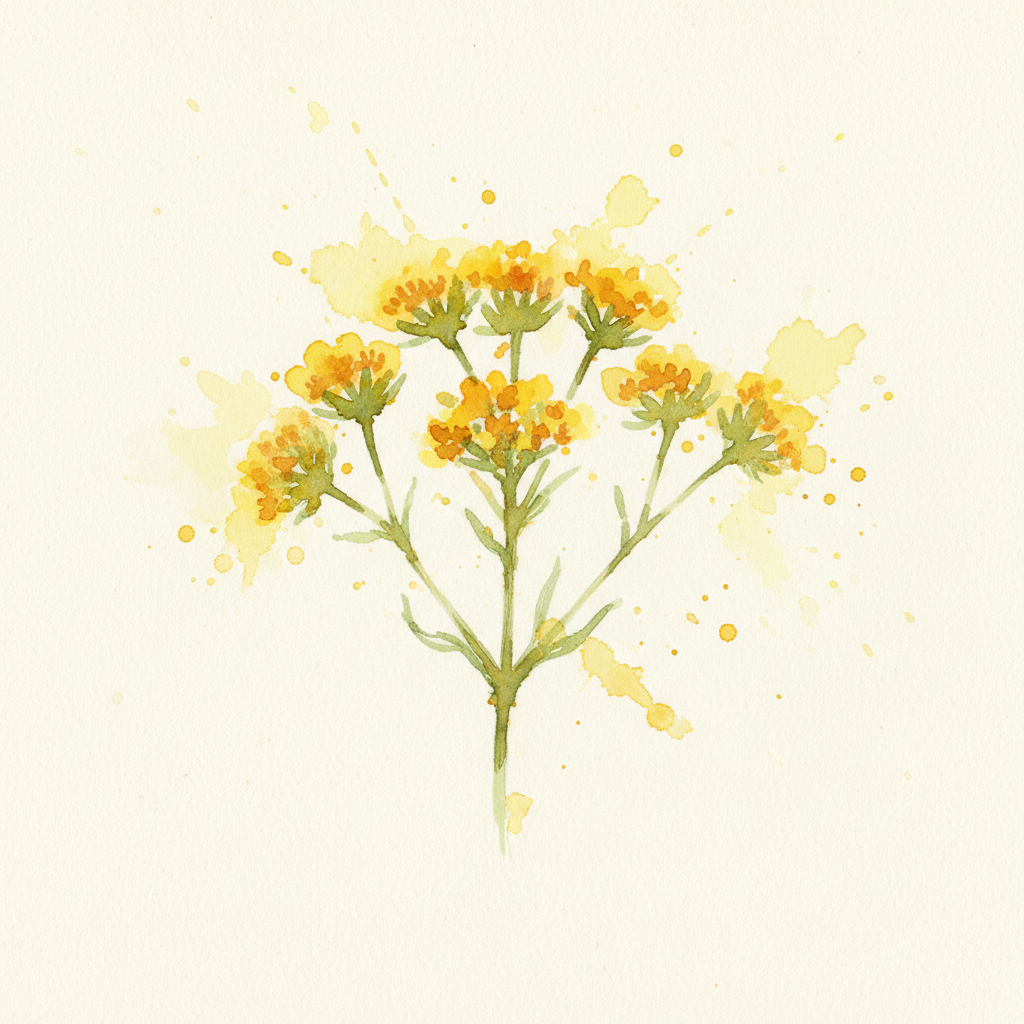
Sulfur-yellow flower clusters on a silvery-leaved cushion plant. One of the toughest and prettiest natives of the Mountain West.
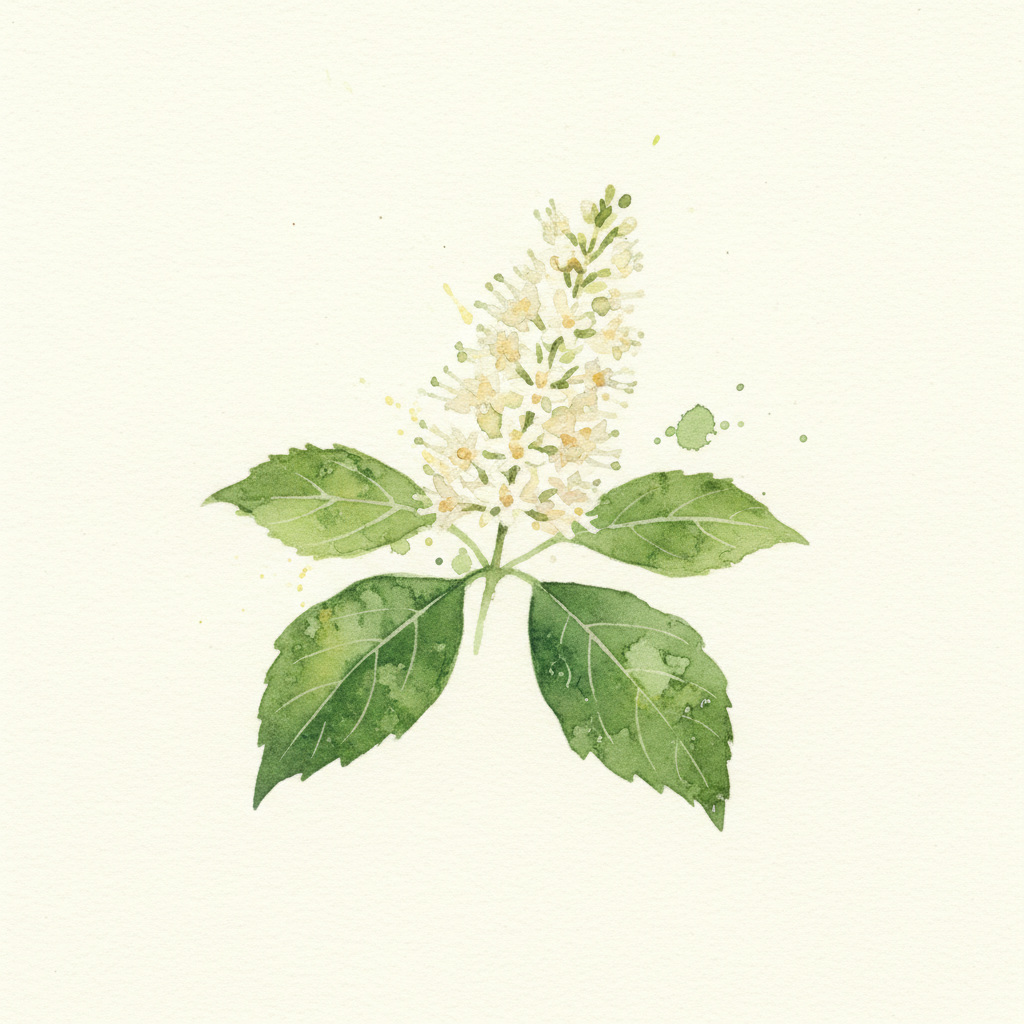
Spikes of intensely sweet-scented white flowers in midsummer, one of the best fragrant natives for shady spots.
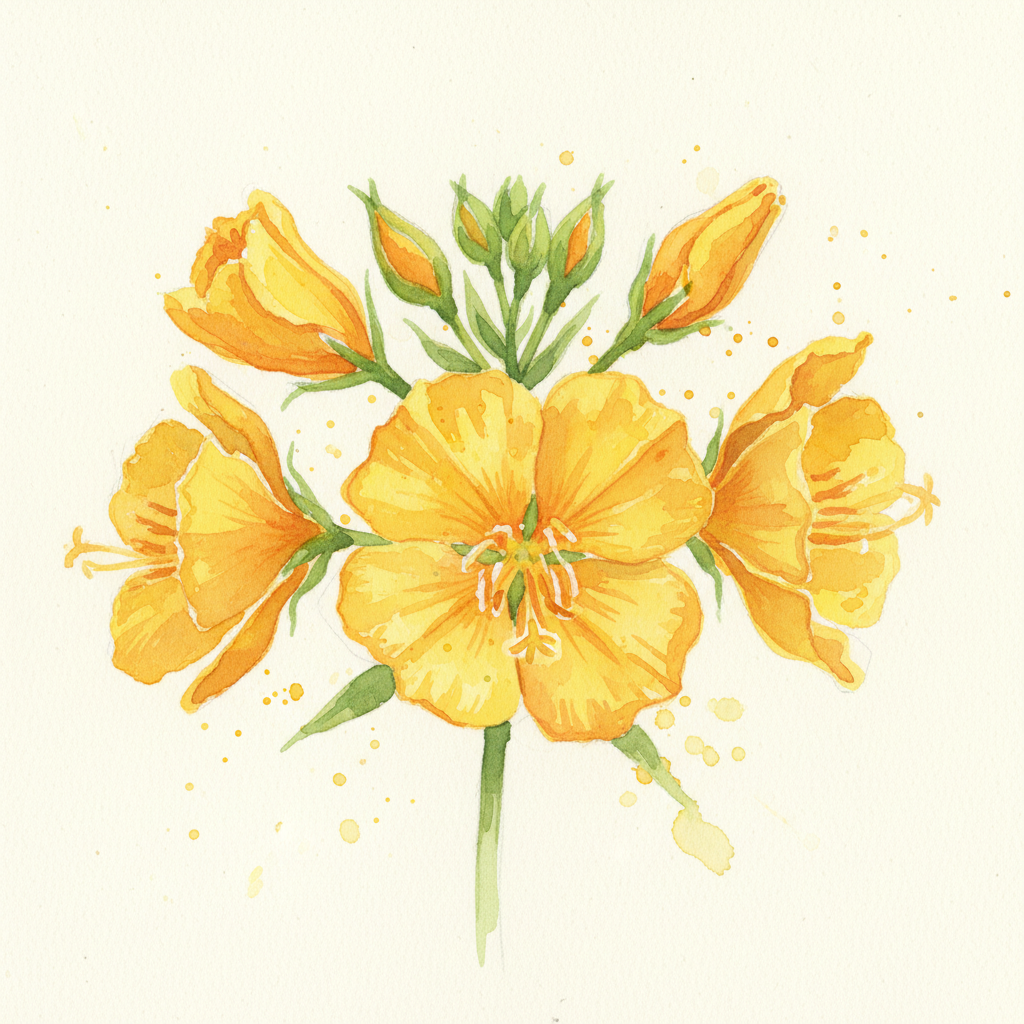
Bright yellow cups that open in daylight on a cheerful, drought-tolerant native that spreads into informal drifts.
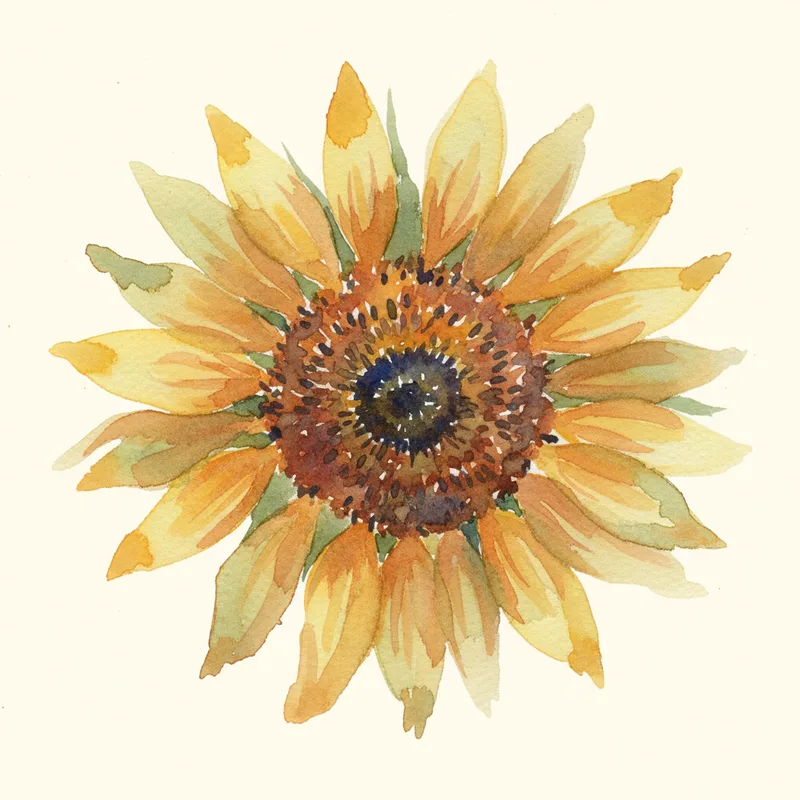
Pure joy on a stalk. Birds love the seeds, kids love the spectacle.
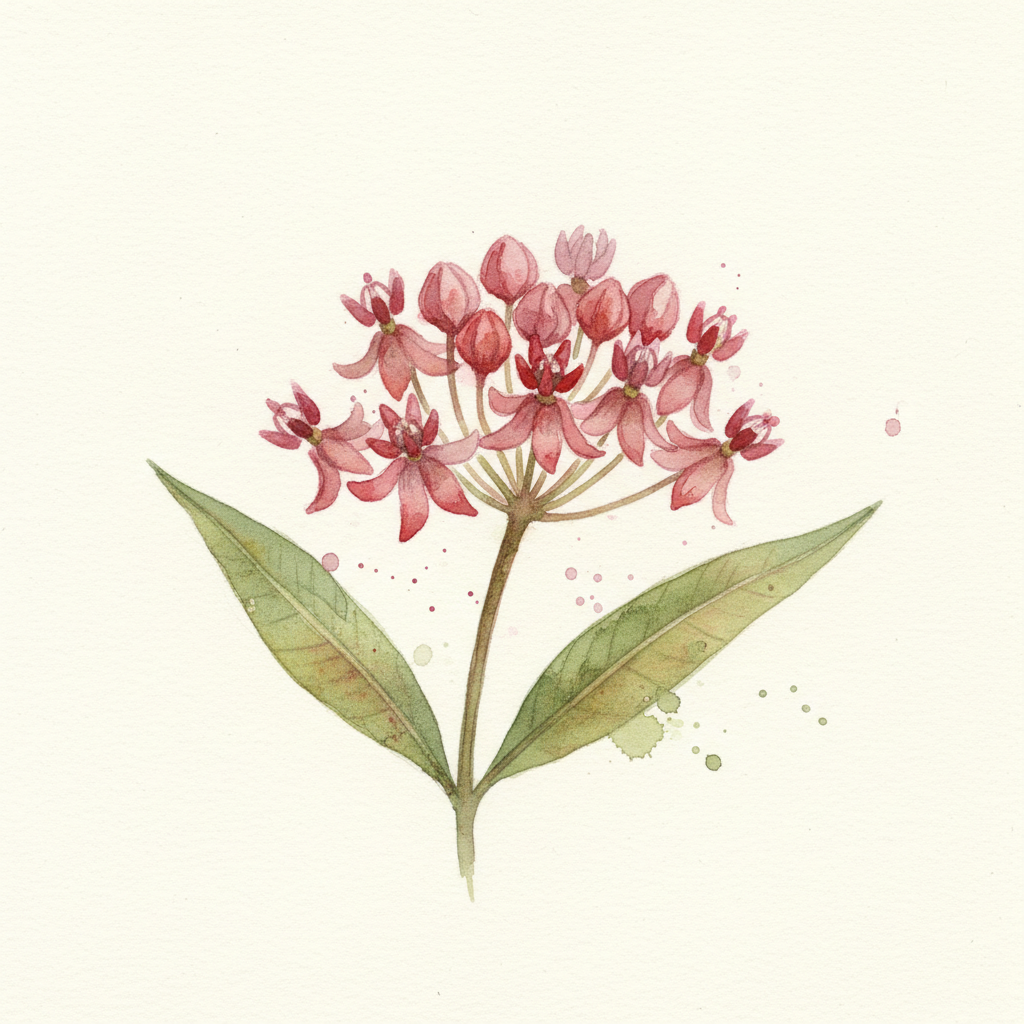
Soft mauve-pink clusters that monarch butterflies seek out for egg-laying. Thrives where it's consistently wet.
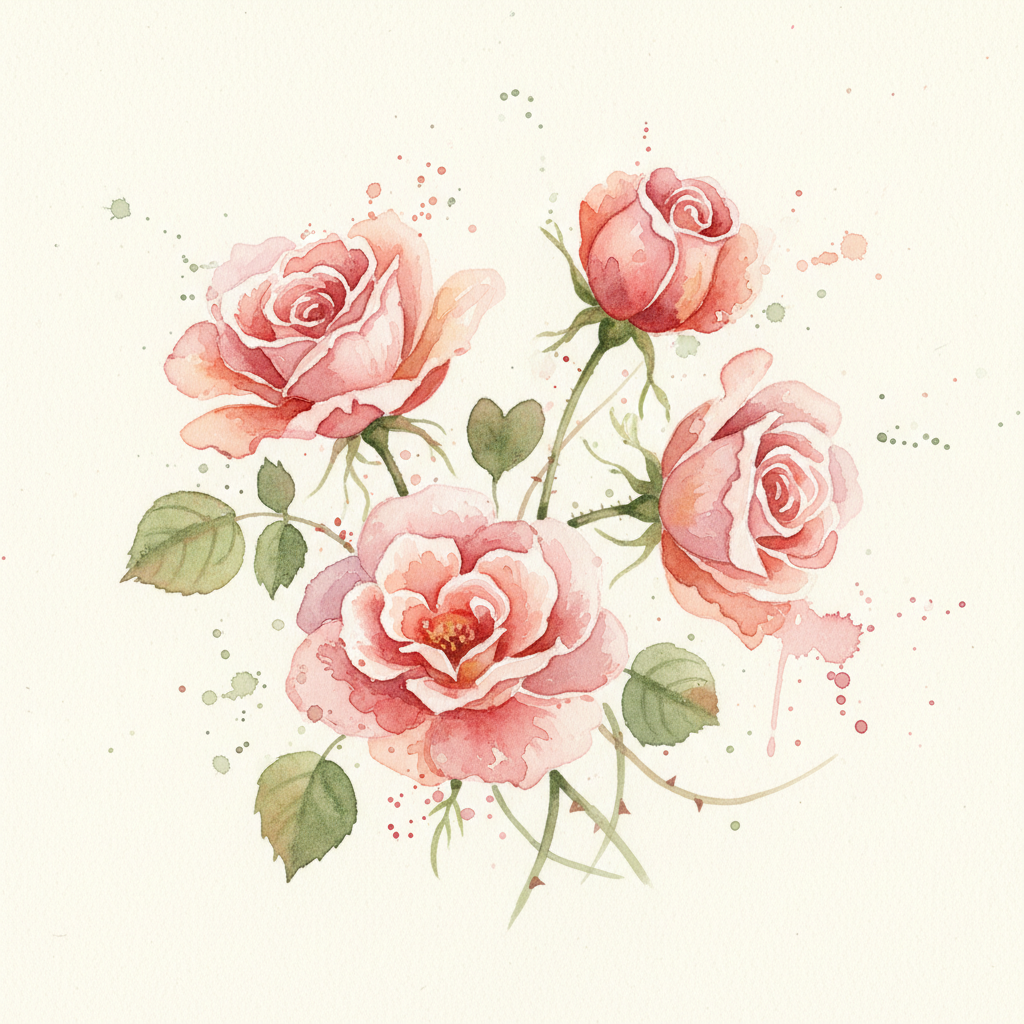
Clear pink single blooms on a native rose that thrives in wet spots, ditch edges, and rain gardens where other roses would drown.
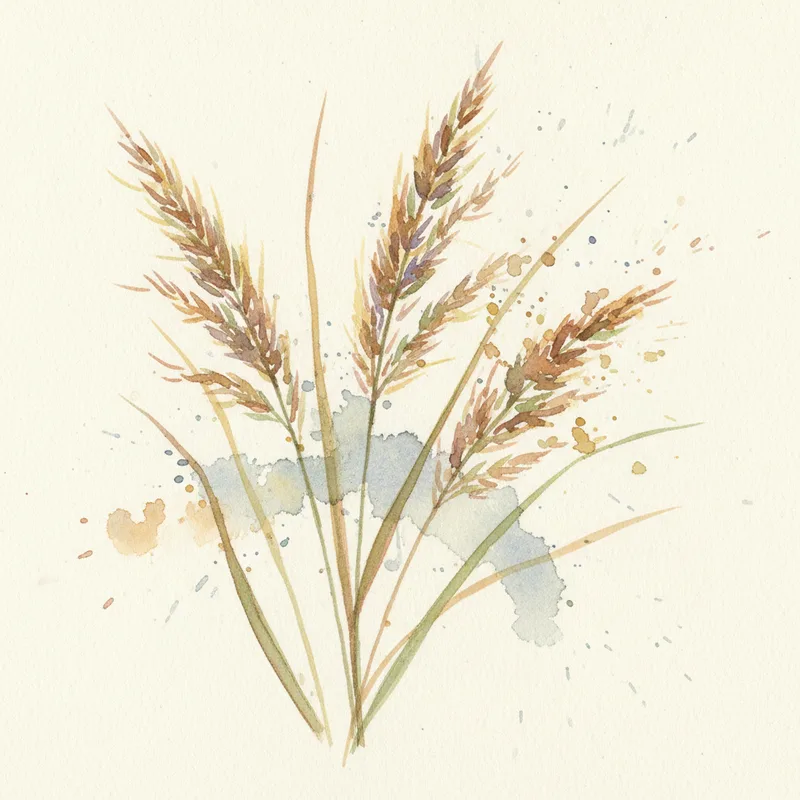
Upright native grass with airy seed heads. Gold and red fall color.
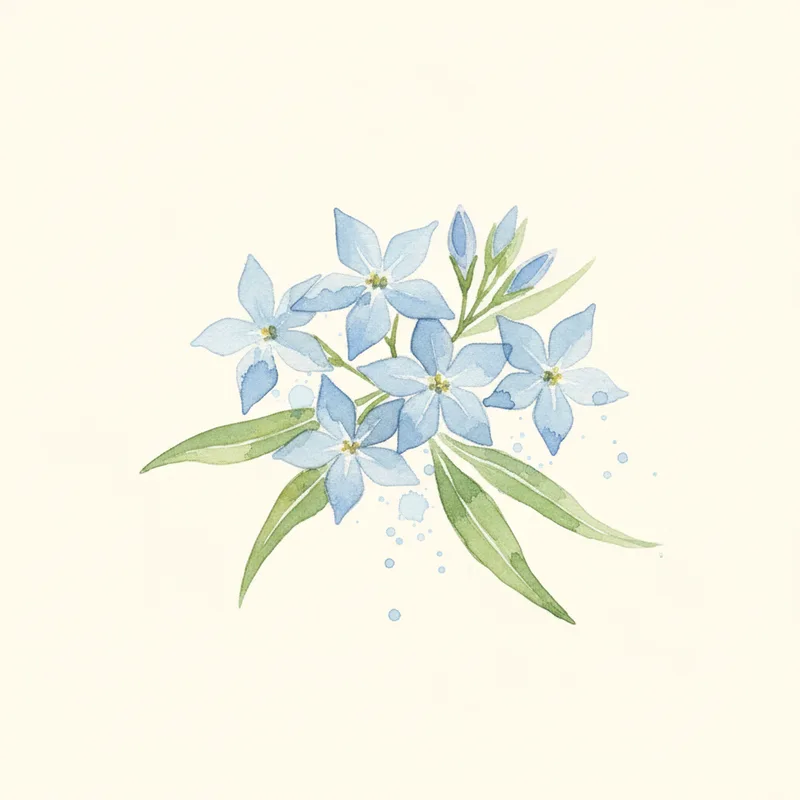
Fine foliage and pale blue starry flowers are followed by golden fall color.
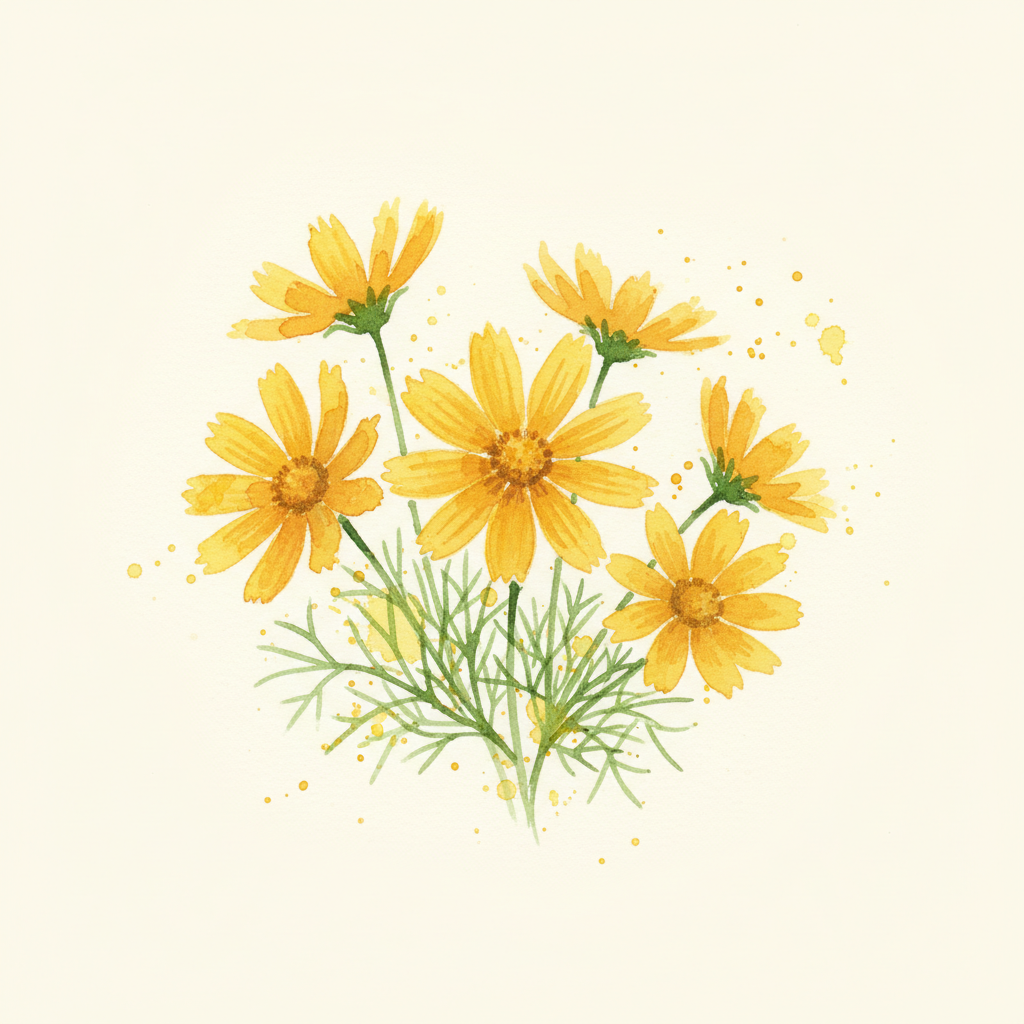
Thread-fine foliage and masses of tiny yellow stars bloom for months with zero effort. A perennial you can actually neglect.
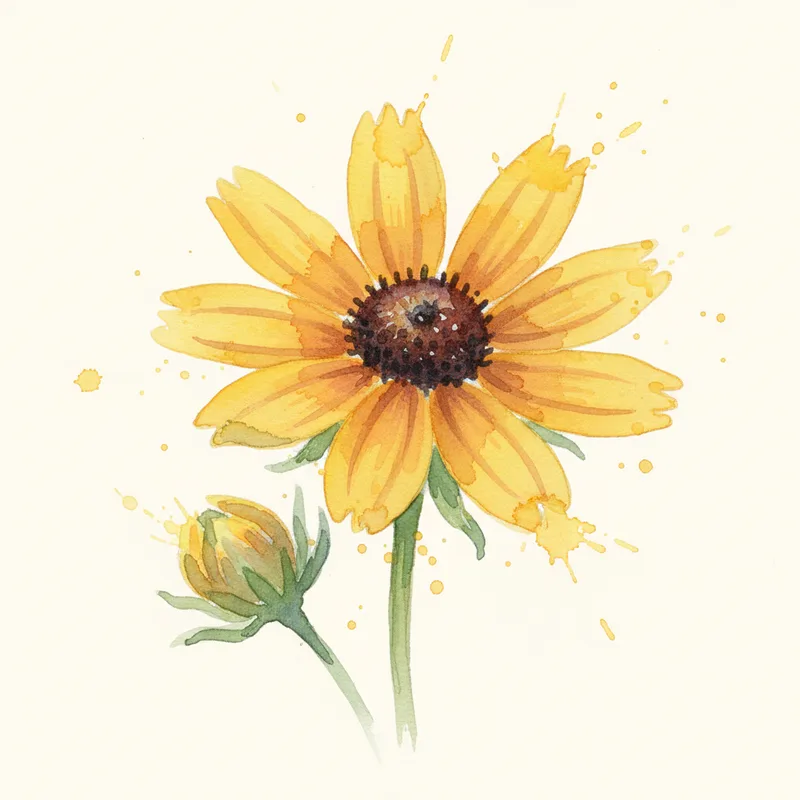
Cheerful native daisy that blooms for months with almost no care.
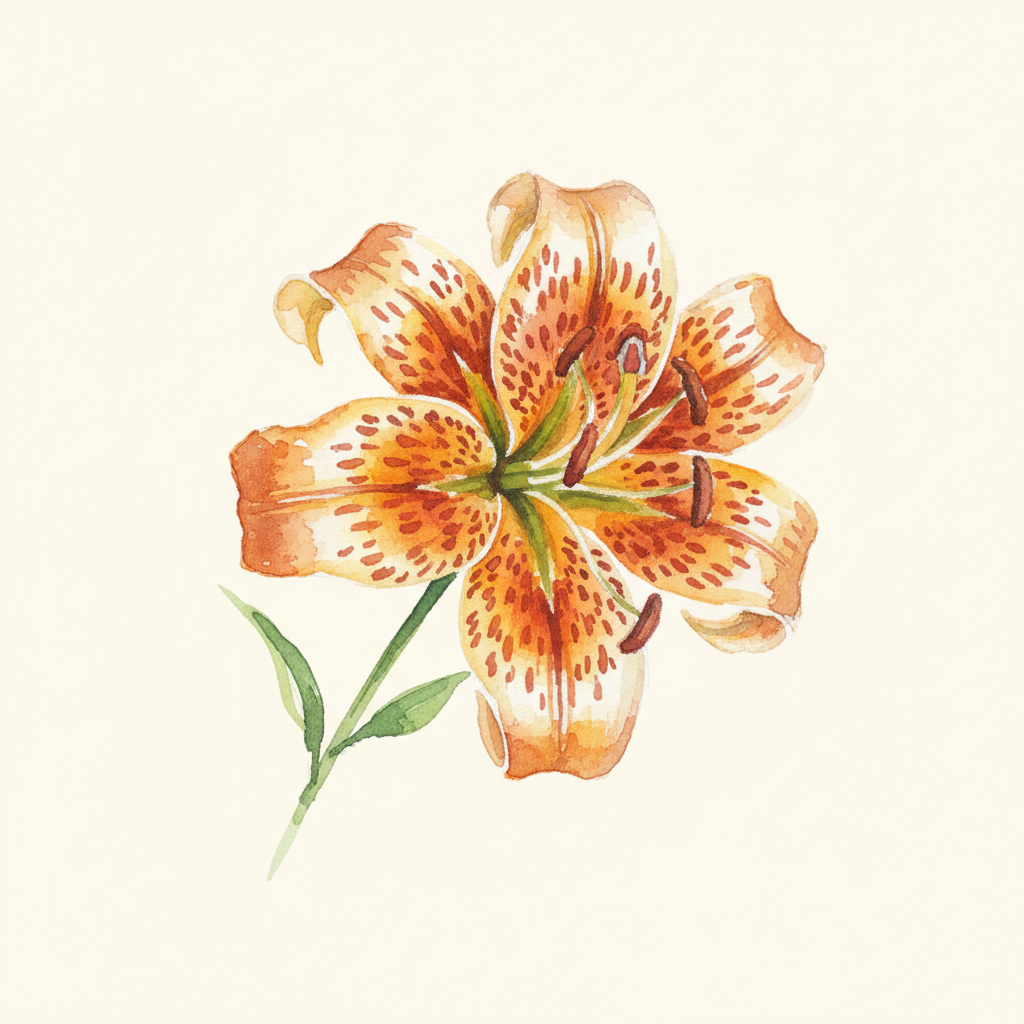
Spotted orange-yellow turk's cap blooms on tall stems. The fire-bright wildflower of Pacific Northwest meadows and open forests.
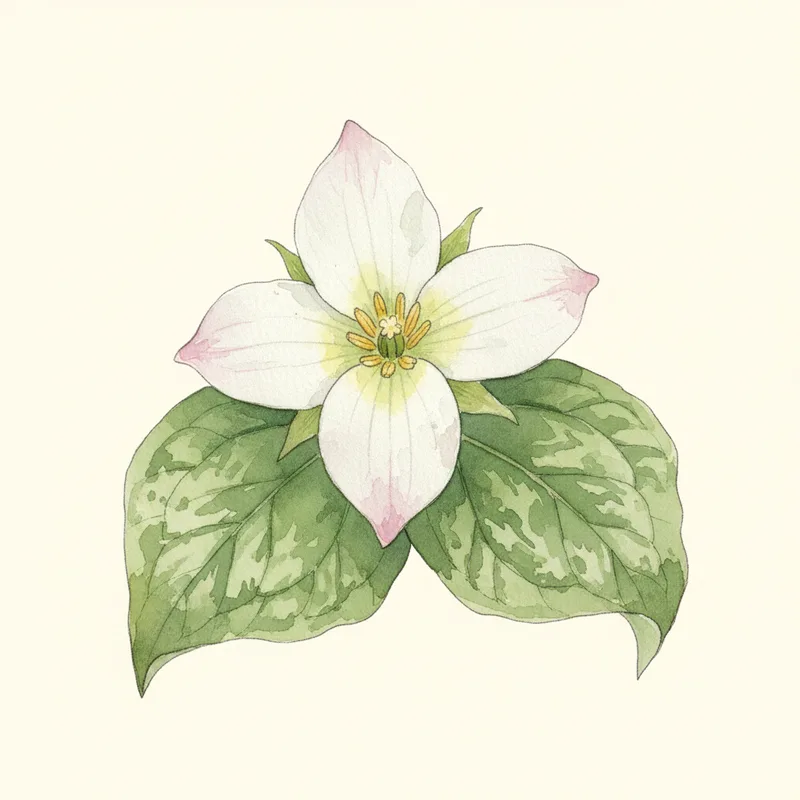
Three leaves, three petals, pure elegance. The jewel of eastern woodlands.
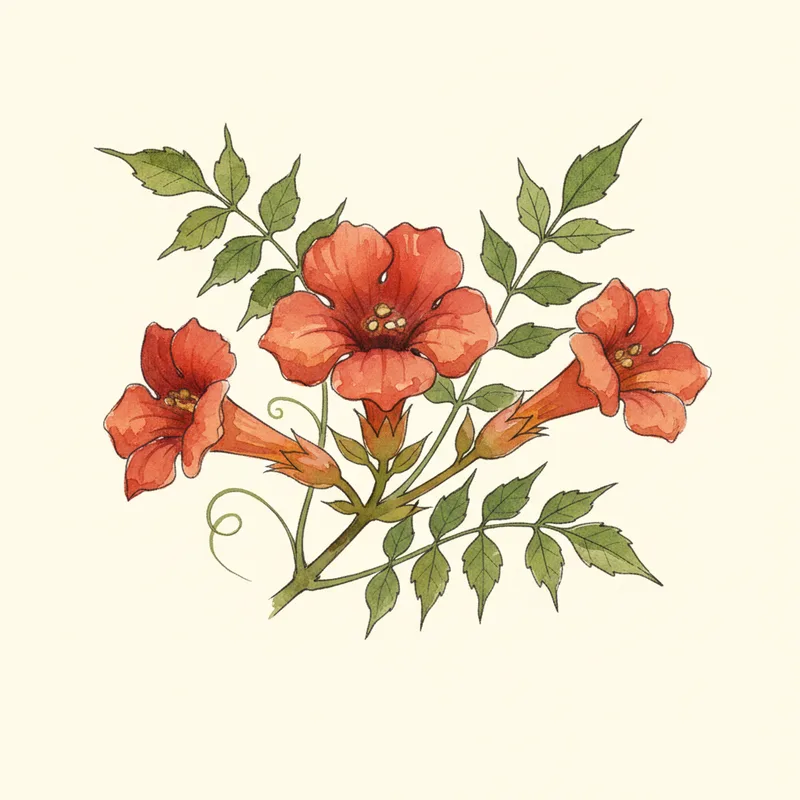
Aggressive native vine with fiery trumpets. Hummingbird highway.
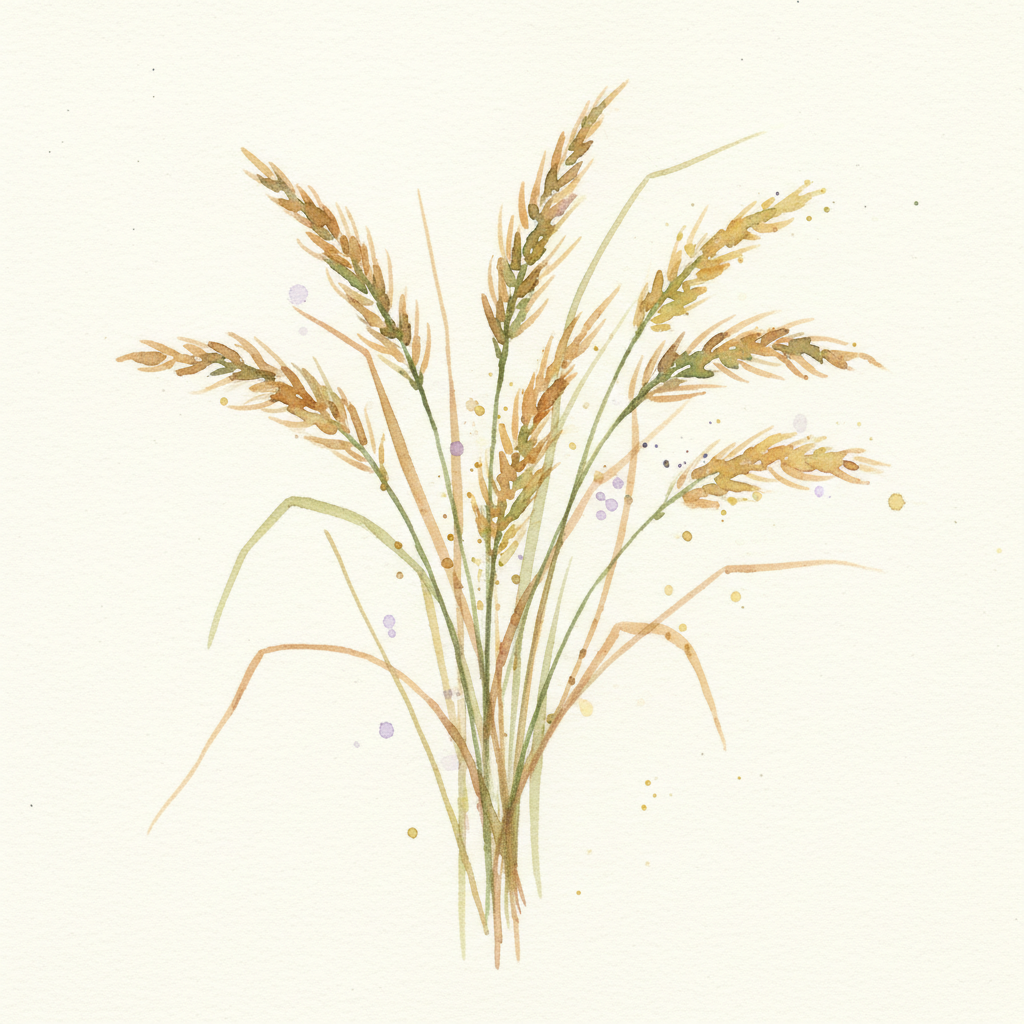
Airy gold-green flower clouds hover above dark evergreen tufts. One of the few grasses that thrives in moist shade.
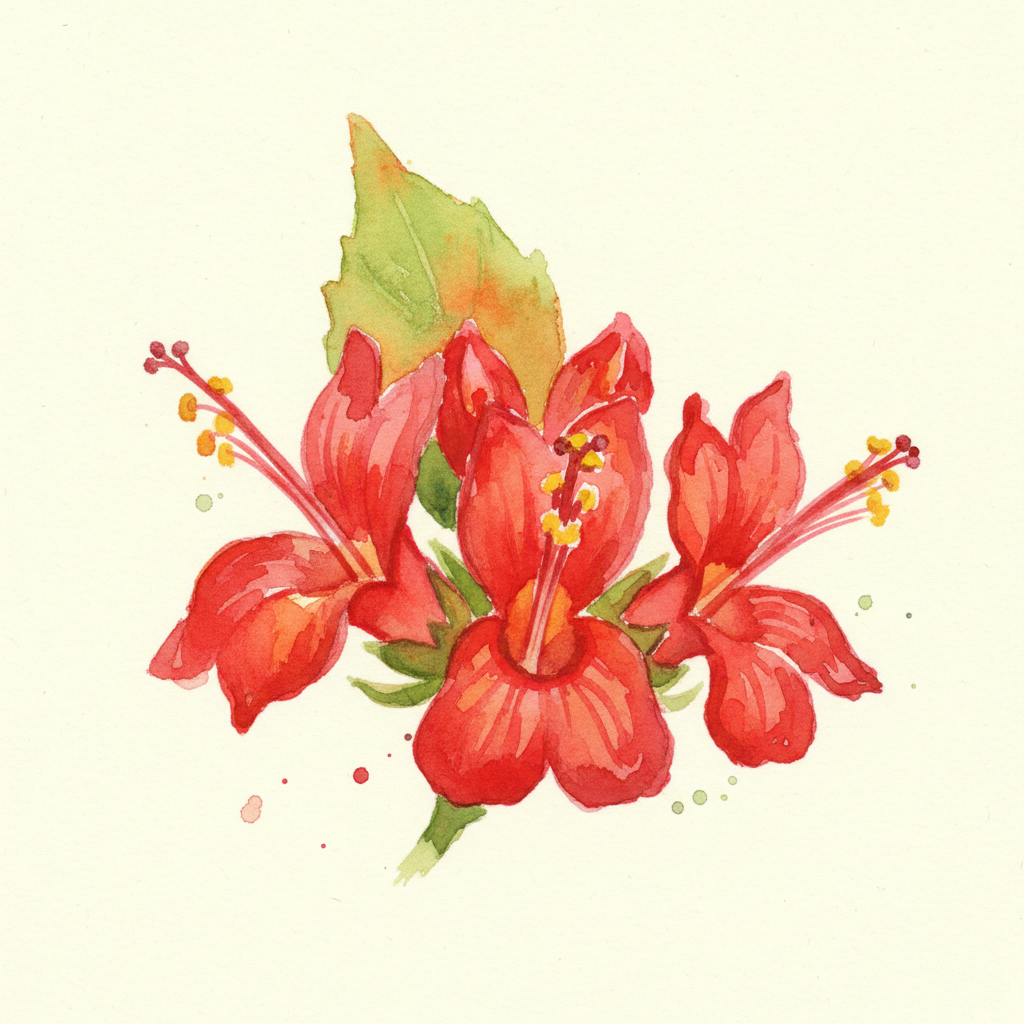
Nodding red hibiscus flowers that never fully open are pure hummingbird candy across the Gulf South.
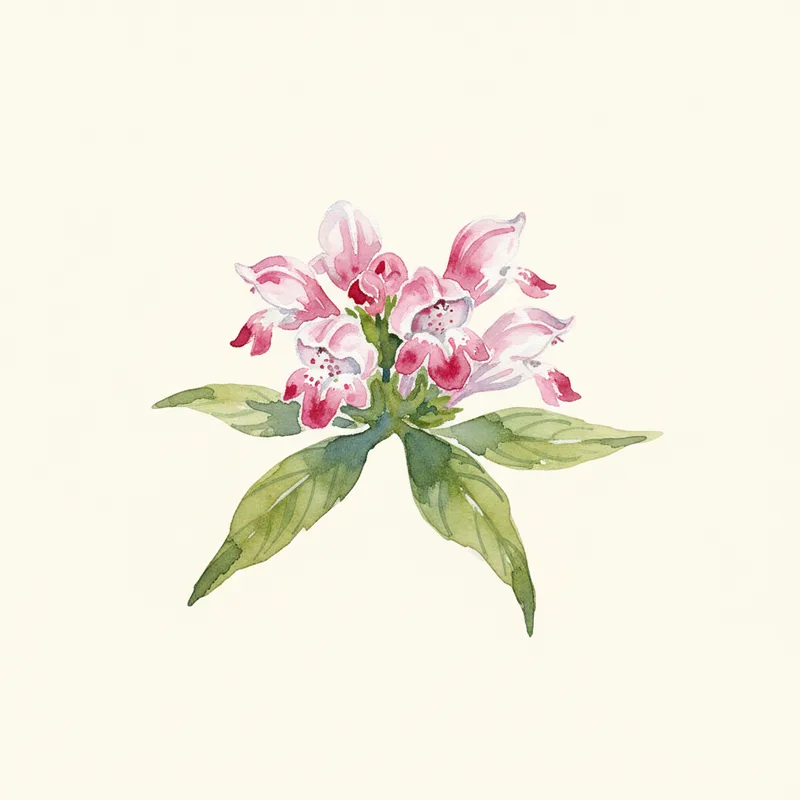
Snapdragon-like flowers shaped exactly like a turtle's head. Loves wet feet.
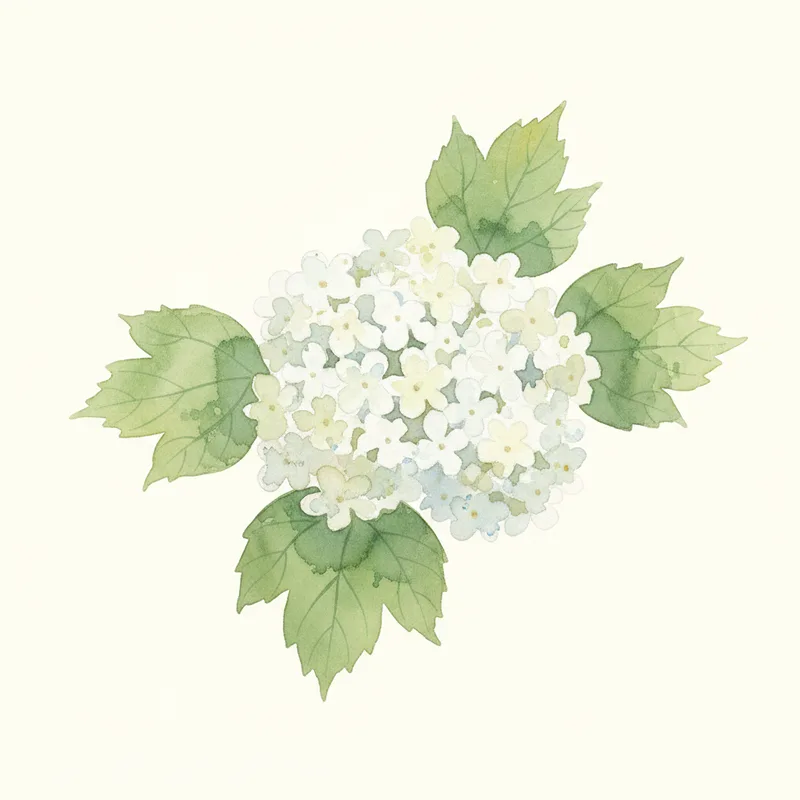
Fragrant snowball clusters in spring, then berries for birds in fall.
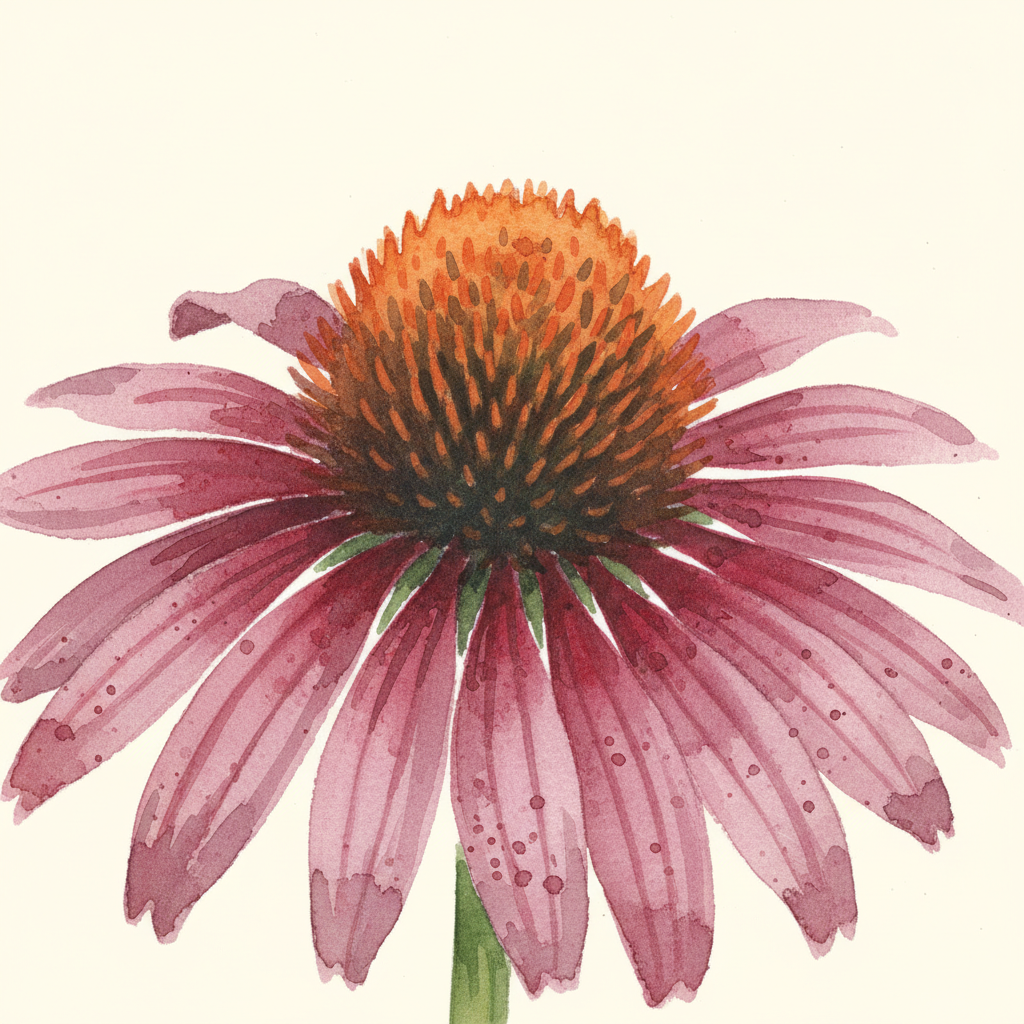
Wine-purple petals that age to rose on a robust, well-branched plant. One of the most floriferous echinacea you can grow.
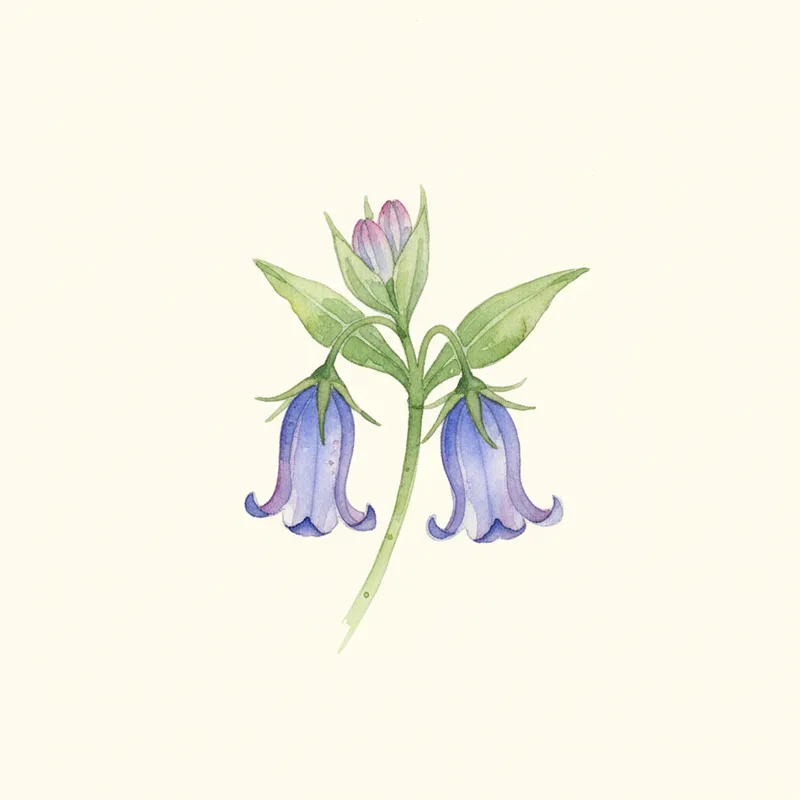
Woodland ephemeral with sky-blue bells. Disappears by summer, returns faithfully.
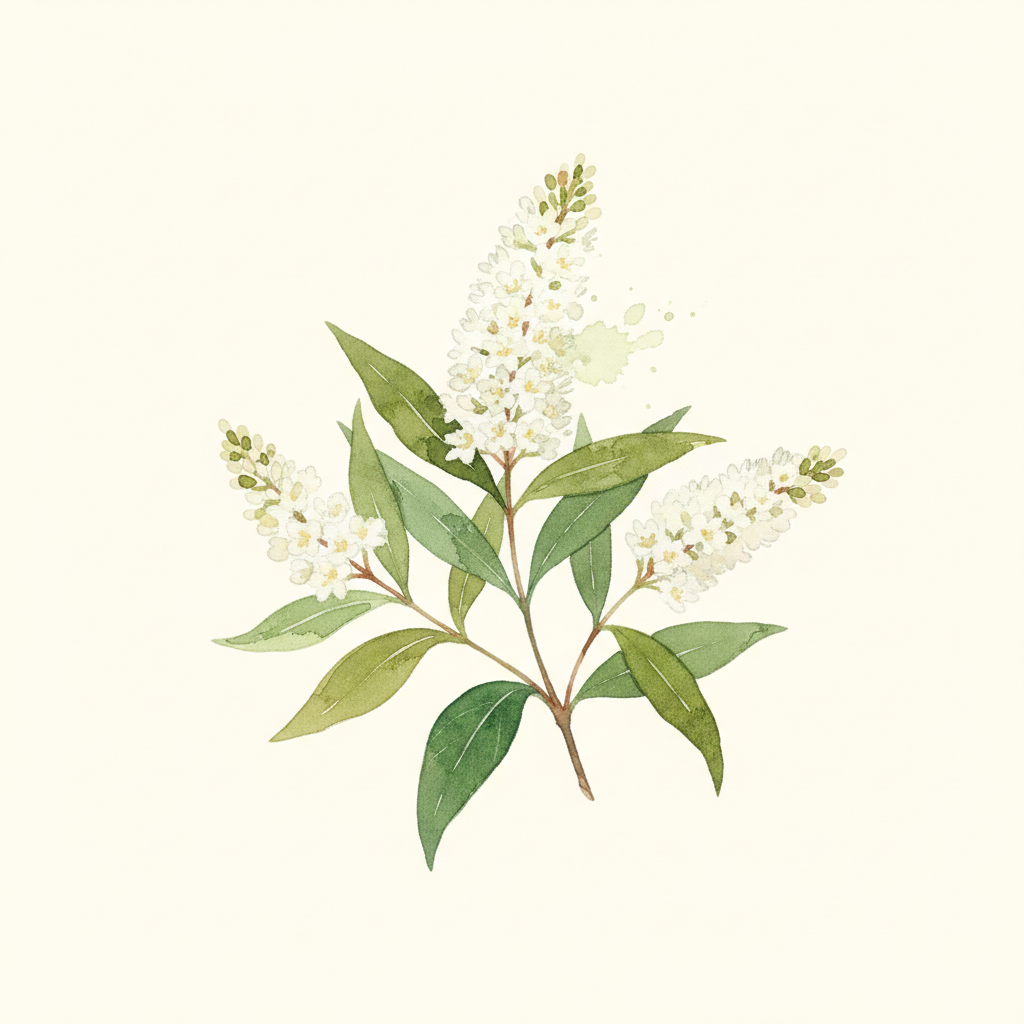
Fragrant white bottlebrush flowers followed by brilliant orange-red fall color on a shade-tolerant, deer-resistant native.
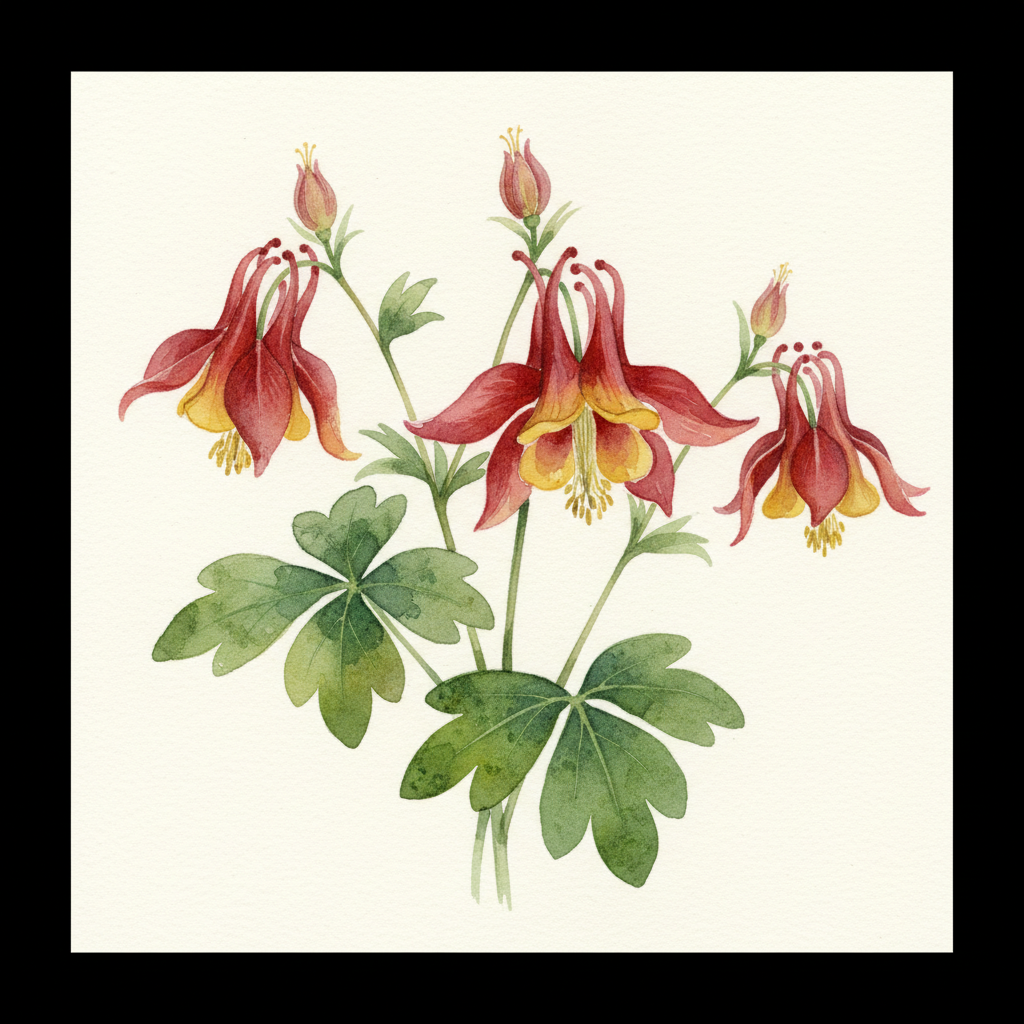
Scarlet and yellow spurred flowers that hummingbirds follow through the Pacific Northwest's mountain meadows.
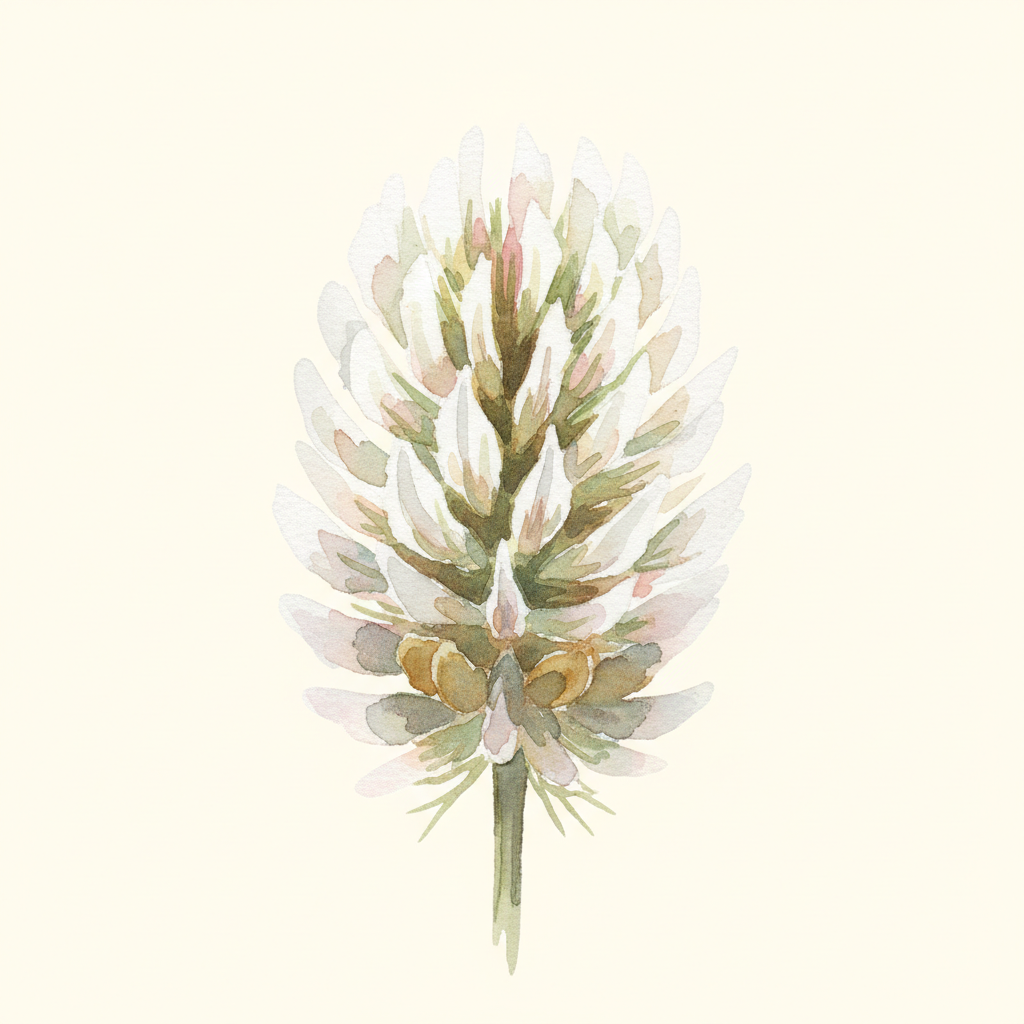
Cylindrical white flower spikes with orange anthers on a delicate, drought-proof prairie native that feeds bees all summer.
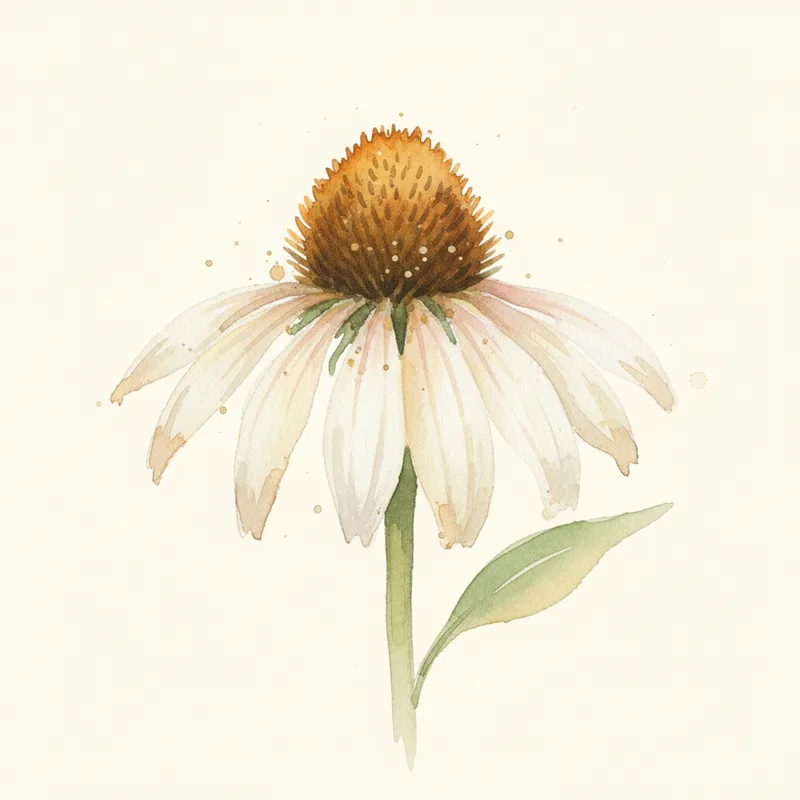
Pure white drooping petals around a bronze-orange cone. Elegant and underused.
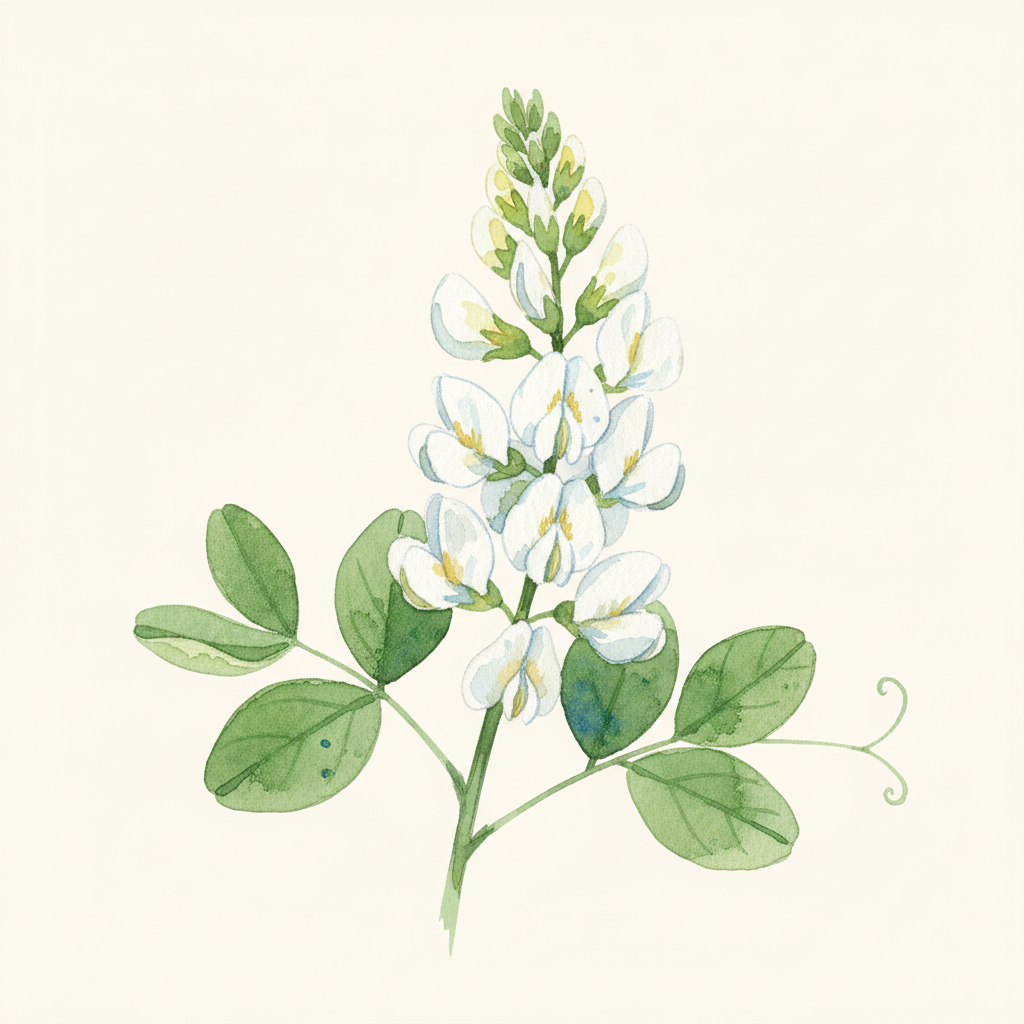
Luminous white lupin-like spikes on a structural native that's practically indestructible and improves with every year.
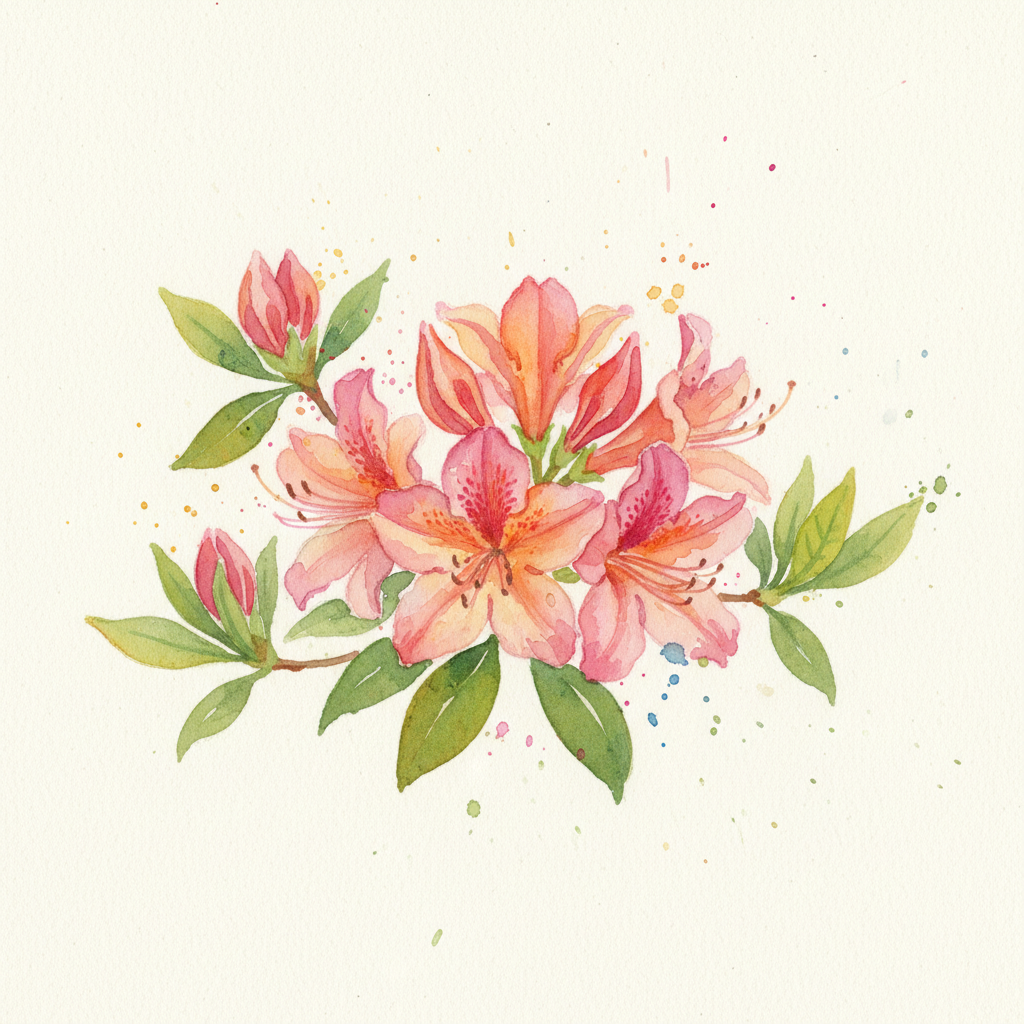
Sweetly fragrant pinwheel flowers on a deciduous native azalea that grows from New England to Georgia. Earlier and more cold-hardy than most.
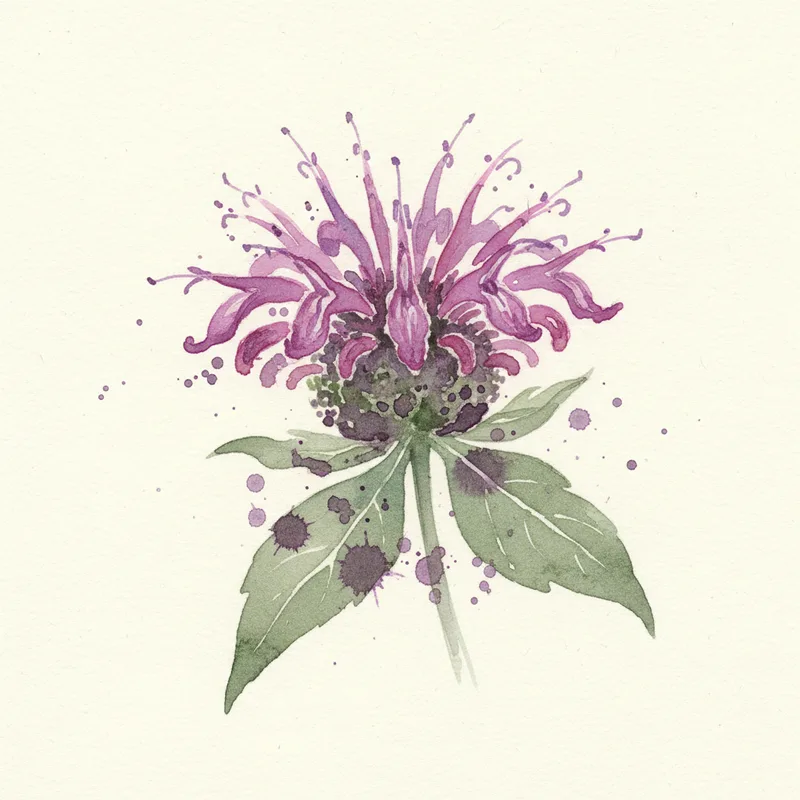
The wild cousin of bee balm. Lavender puffs alive with pollinators. Tougher and more mildew-resistant.
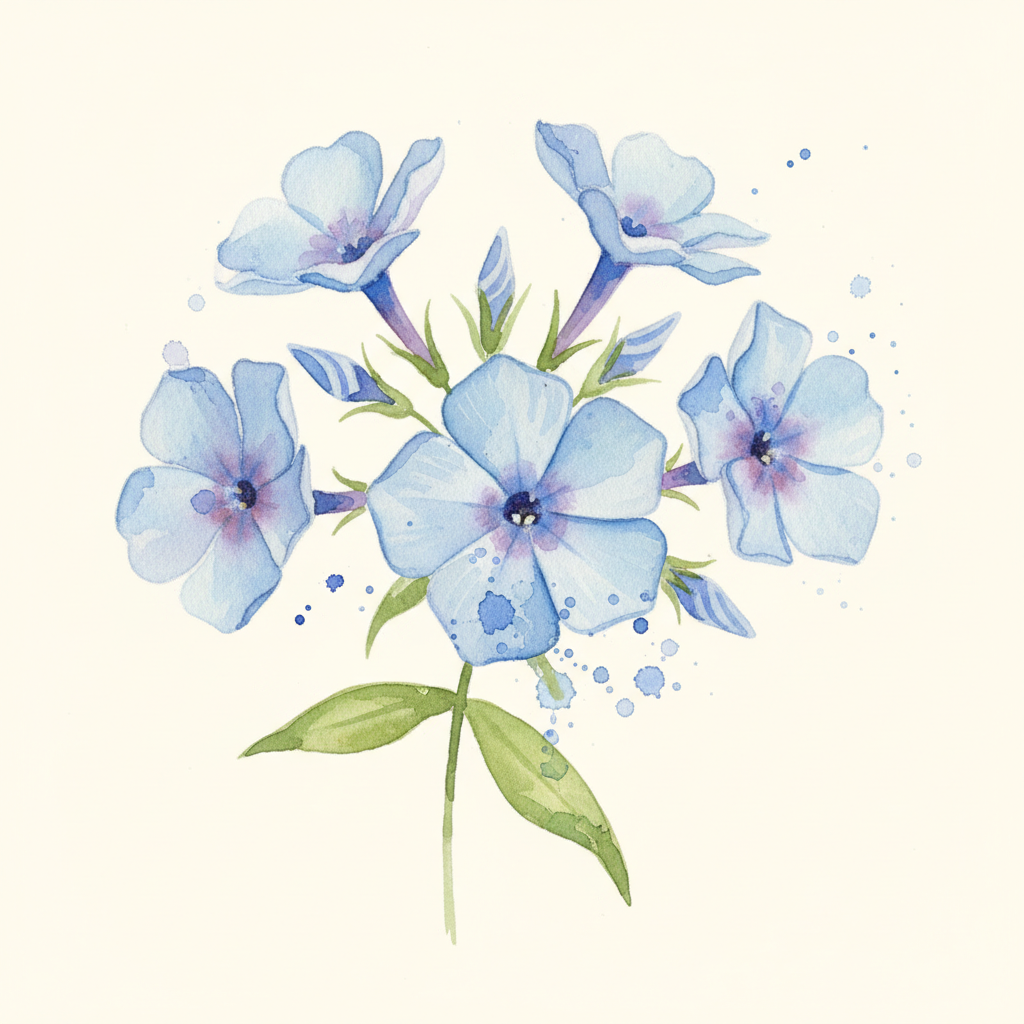
Loose clusters of sky-blue flowers float above woodland floors in spring on a fragrant, mat-forming native.
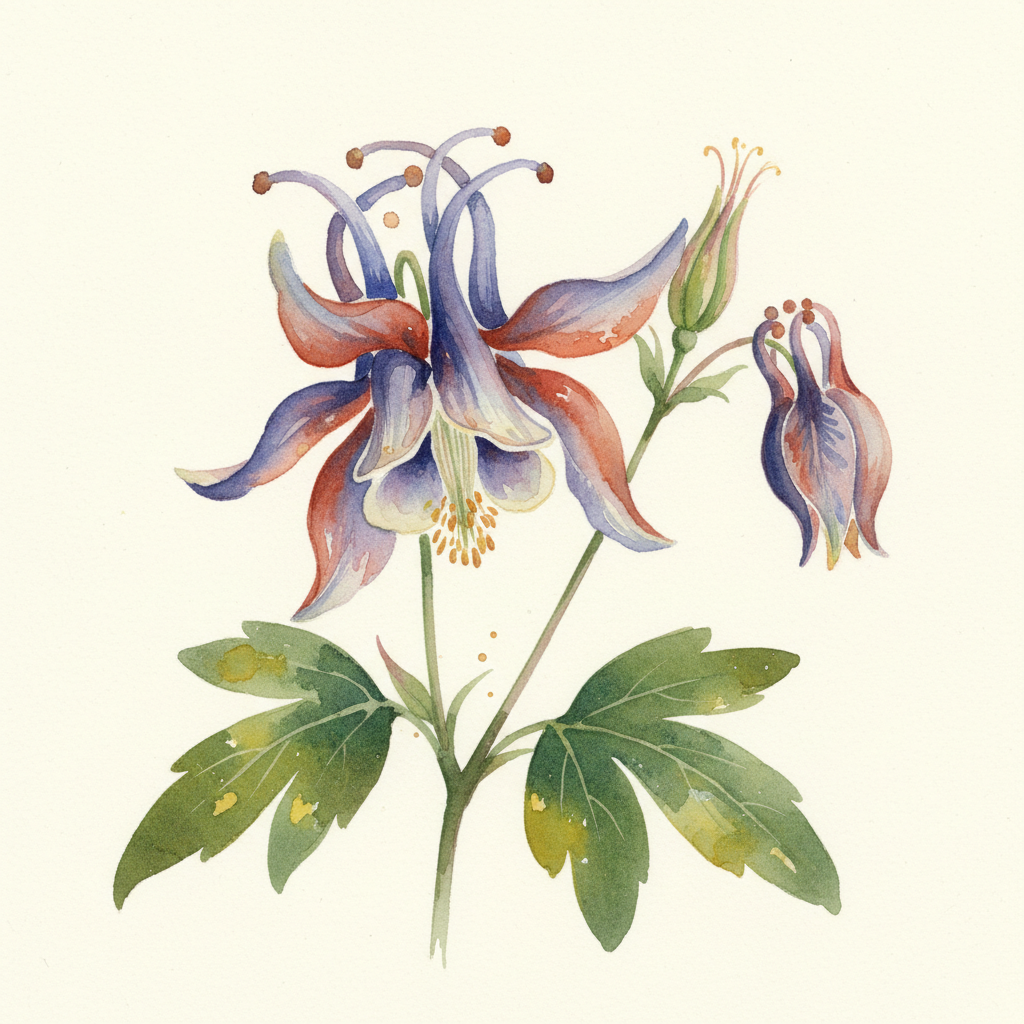
Nodding red-and-yellow spurred flowers that hummingbirds love on a self-sowing native that naturalizes along woodland edges.
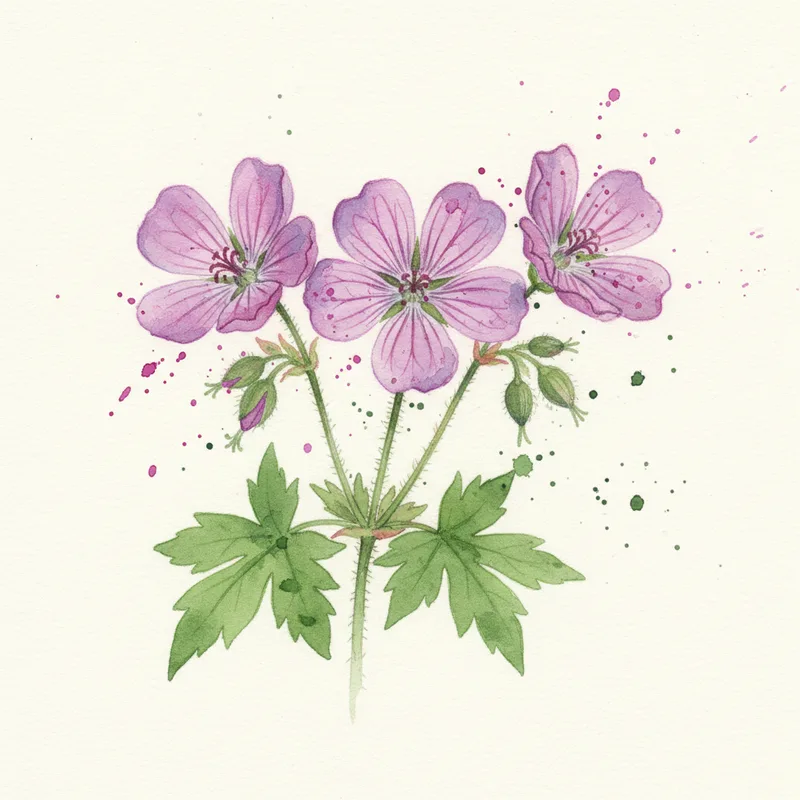
Soft pink blooms over deeply-cut foliage. A woodland edge staple.
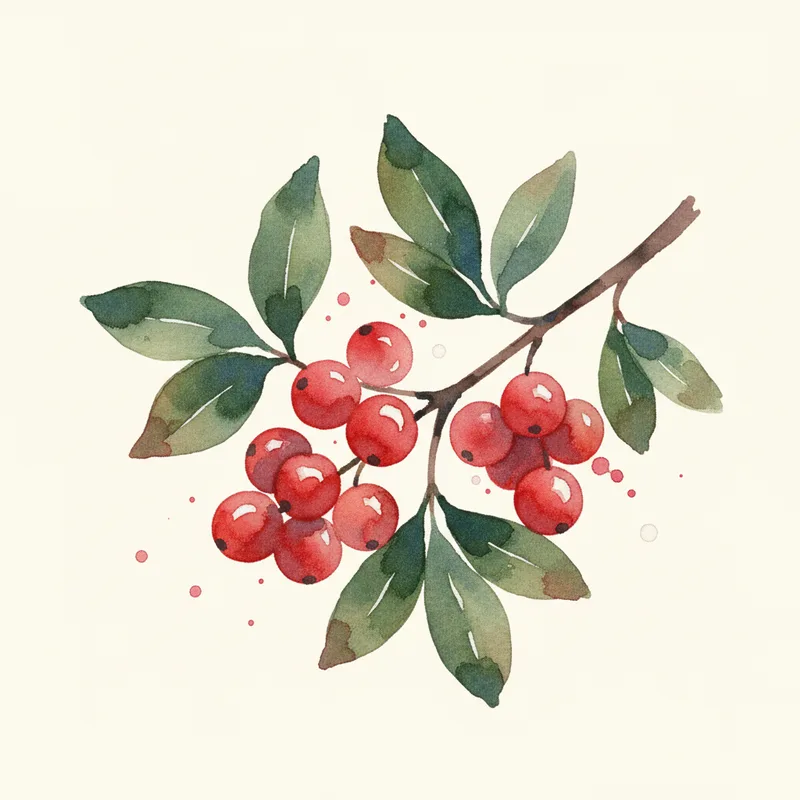
Inconspicuous blooms, but covered in brilliant red berries all winter long.
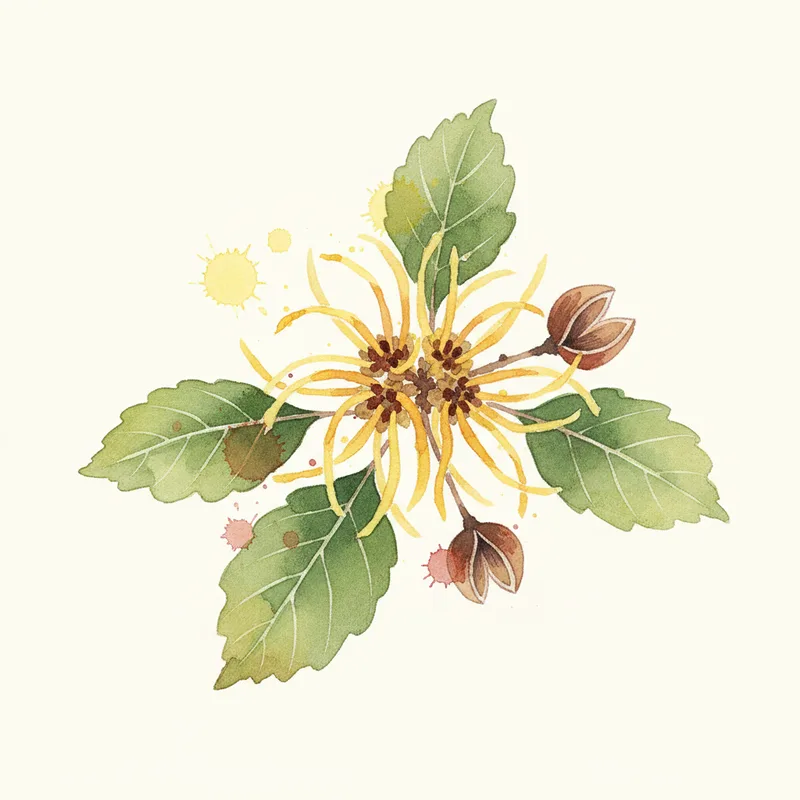
Spidery, fragrant blooms on bare branches when nothing else dares.
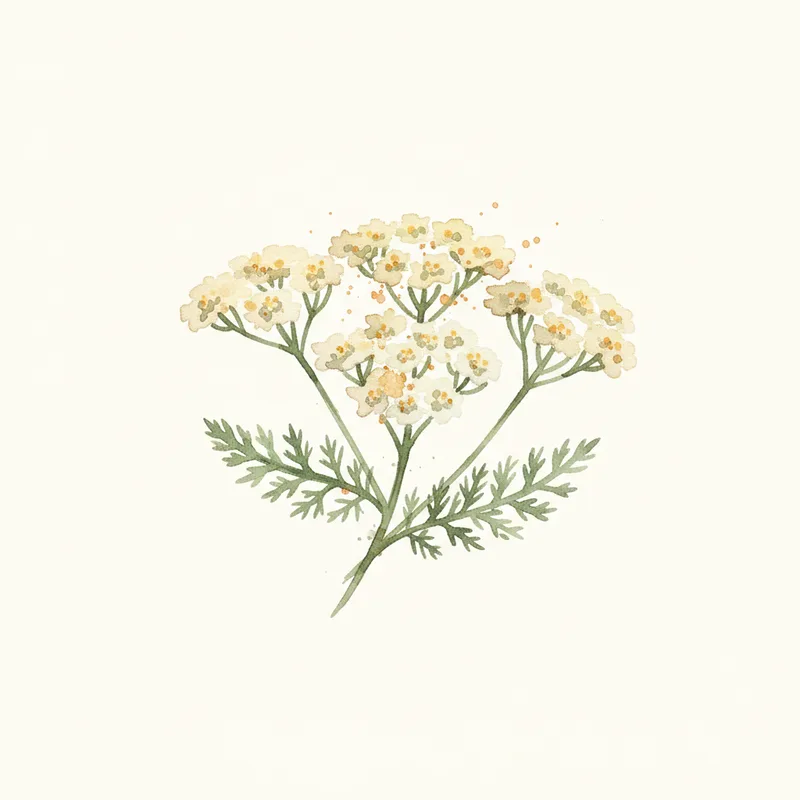
Flat-topped clusters on ferny foliage. Thrives on neglect in poor soil.
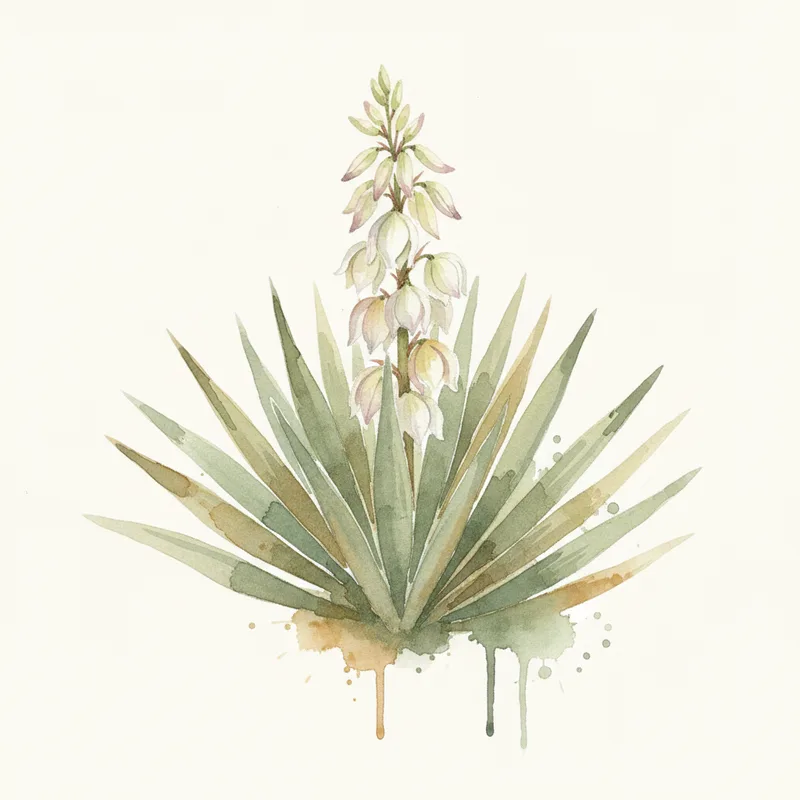
Sword-like evergreen foliage sends up dramatic stalks of white bells. Tough, architectural, underrated.