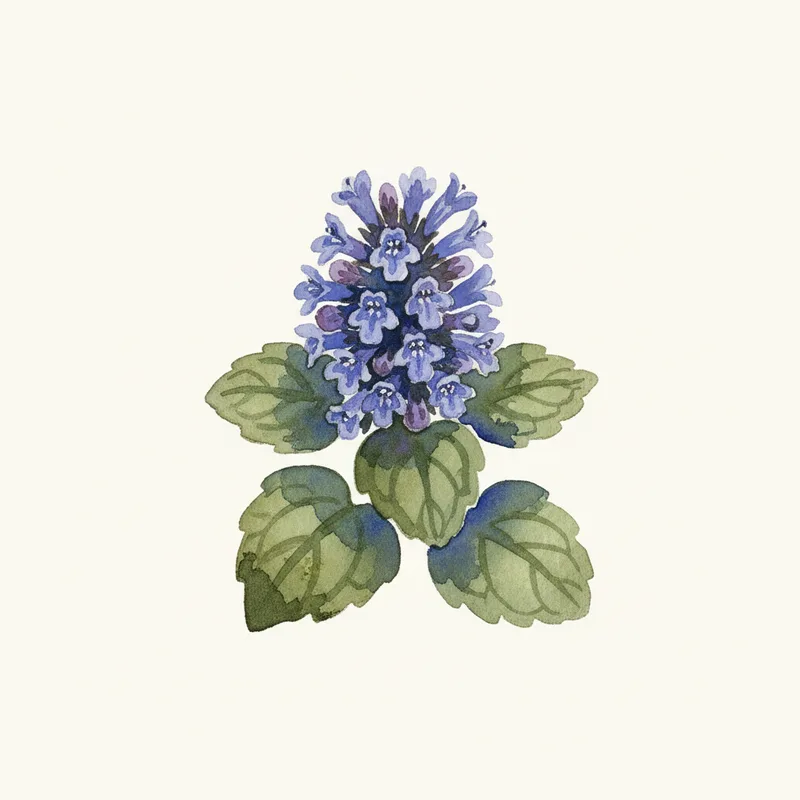
Bronze-purple foliage with blue spikes. Fills bare shade in one season.
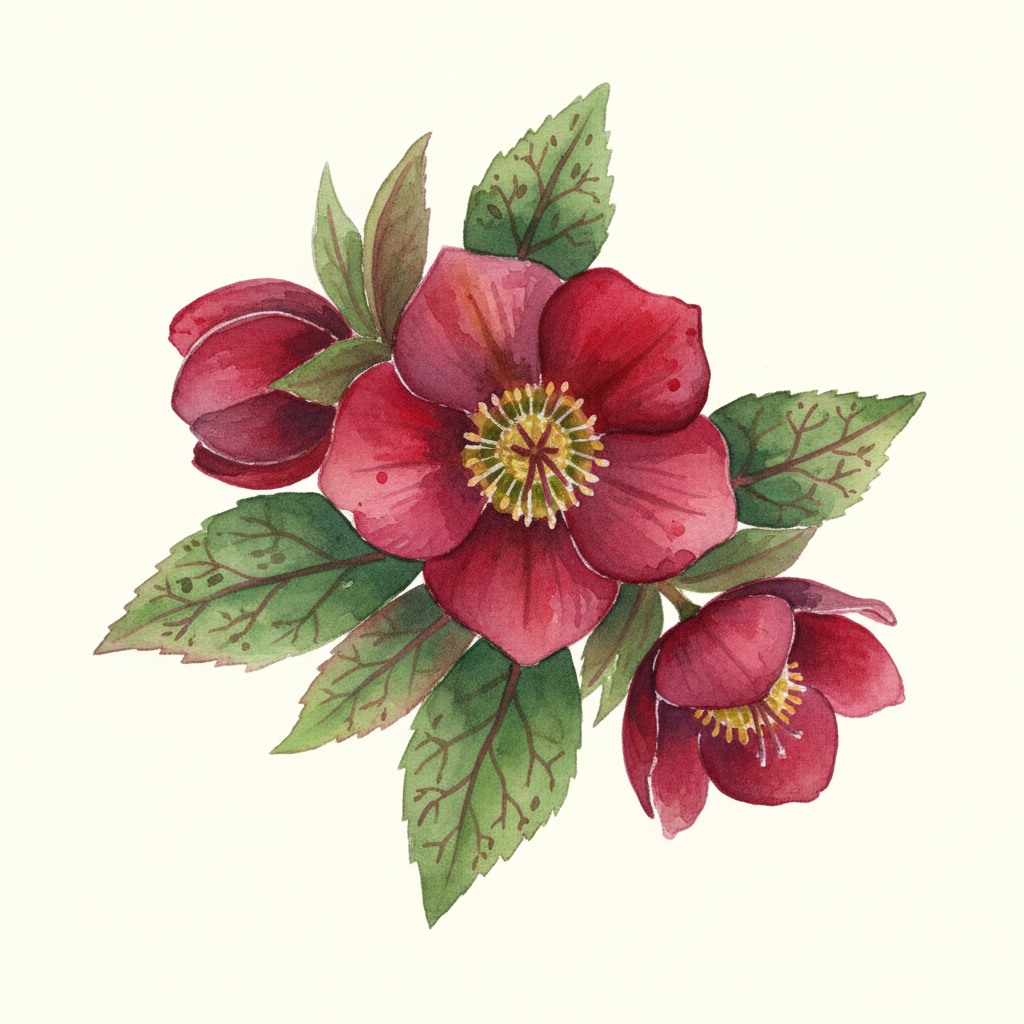
Wine-red outward-facing blooms above silver-marbled foliage. Bred to face the viewer, not the ground, like older hellebores do.
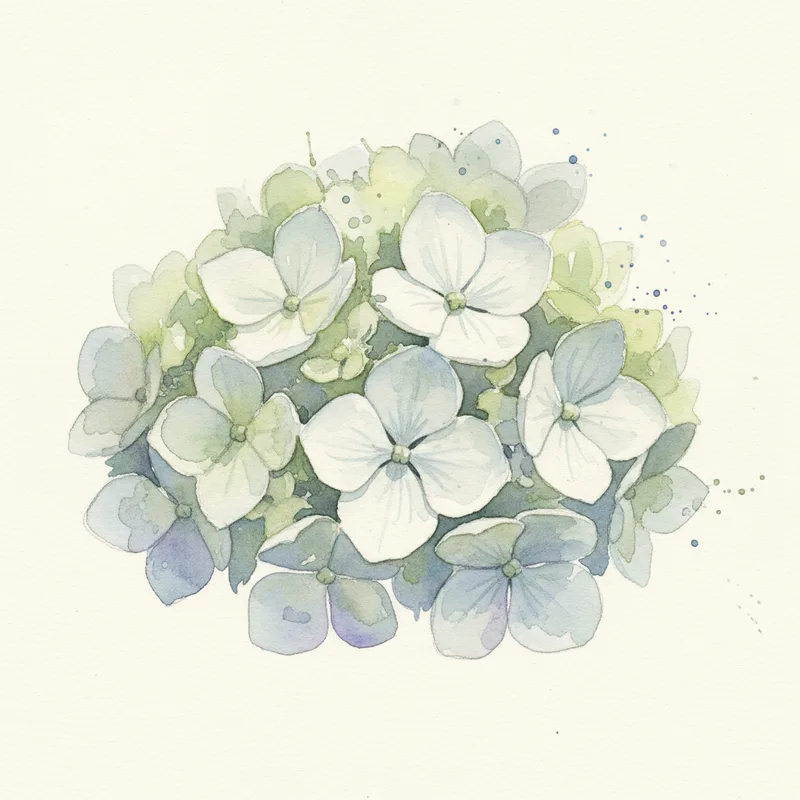
Enormous snowball blooms on a native species. Blooms on new wood, so prune hard in spring.
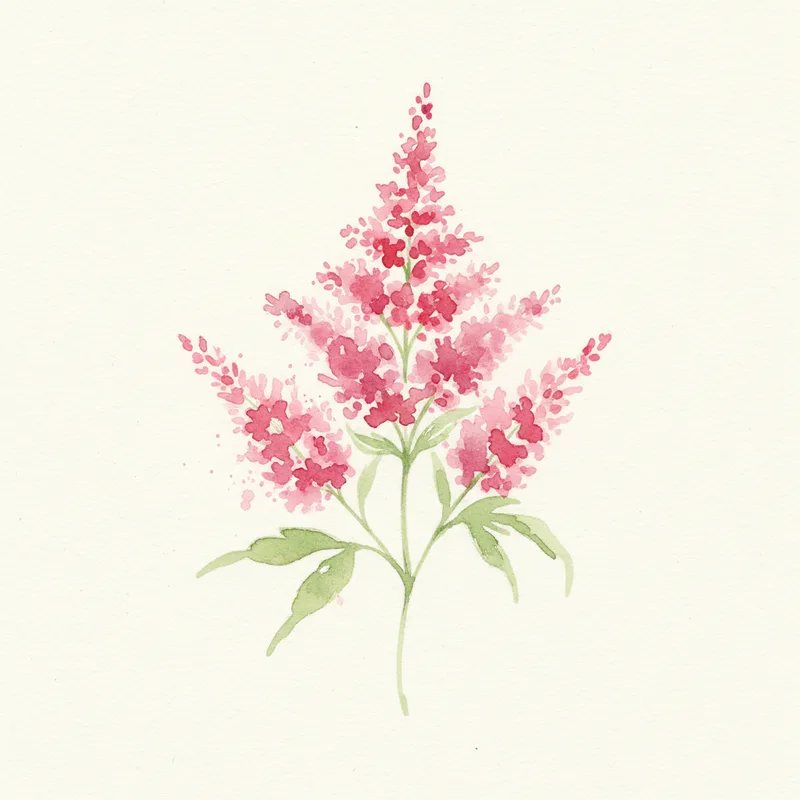
Feathery plumes that light up shady, moist spots like nothing else can.
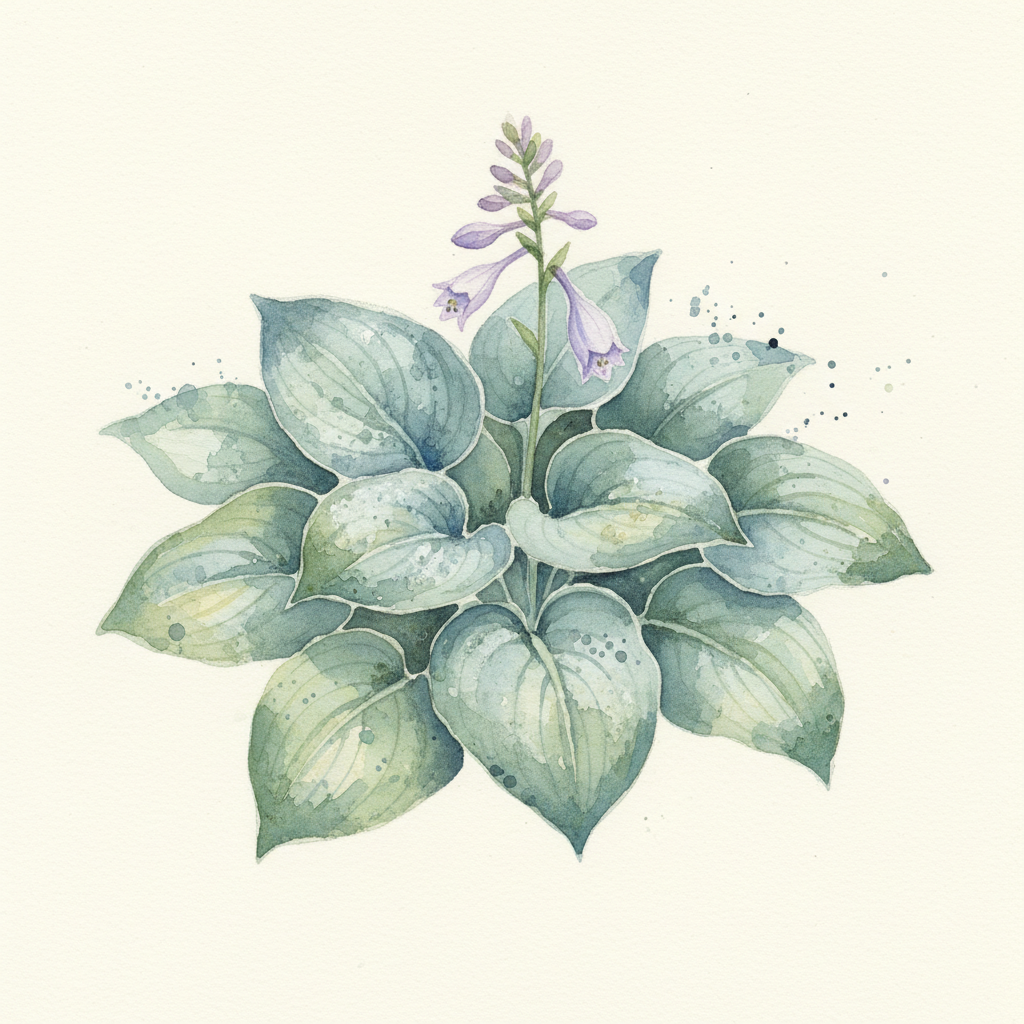
Glowing gold foliage all season, and one of the best hostas for brighter spots with some morning sun.
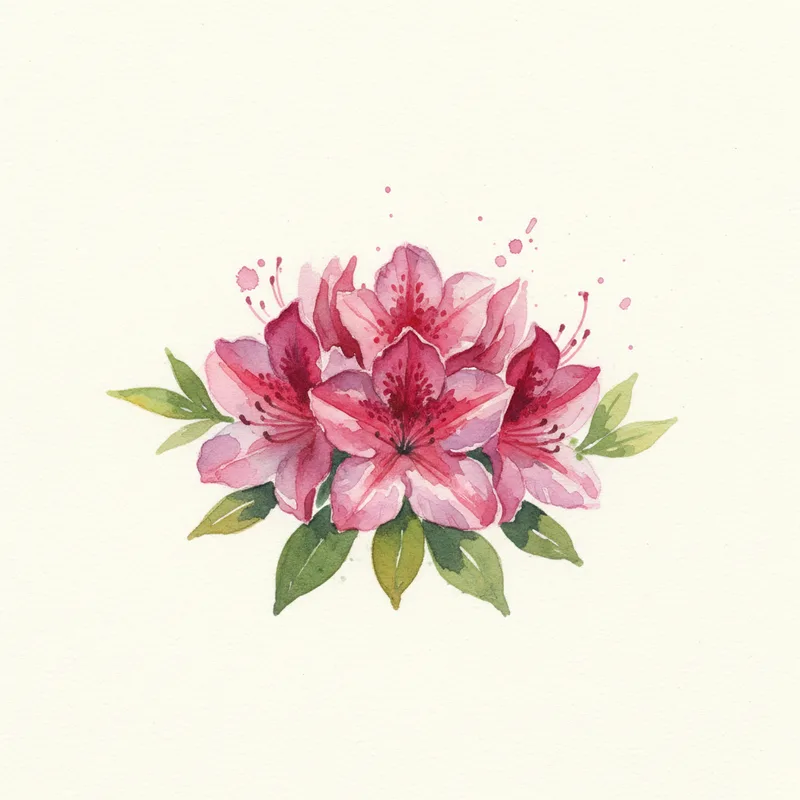
Explosive spring color in every warm hue. Acid-loving woodland classic.
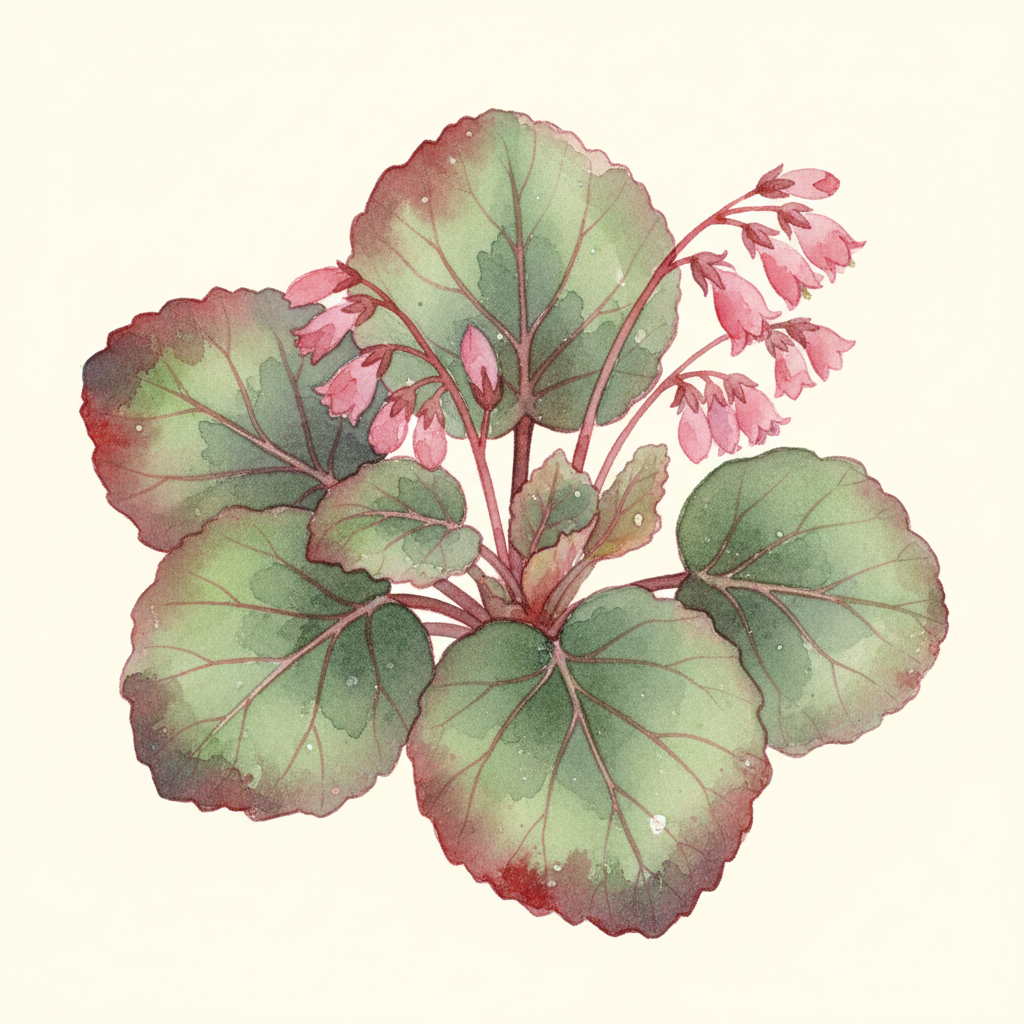
Bold rubbery leaves provide year-round structure and turn burgundy in winter. Early pink flowers arrive with the hellebores.
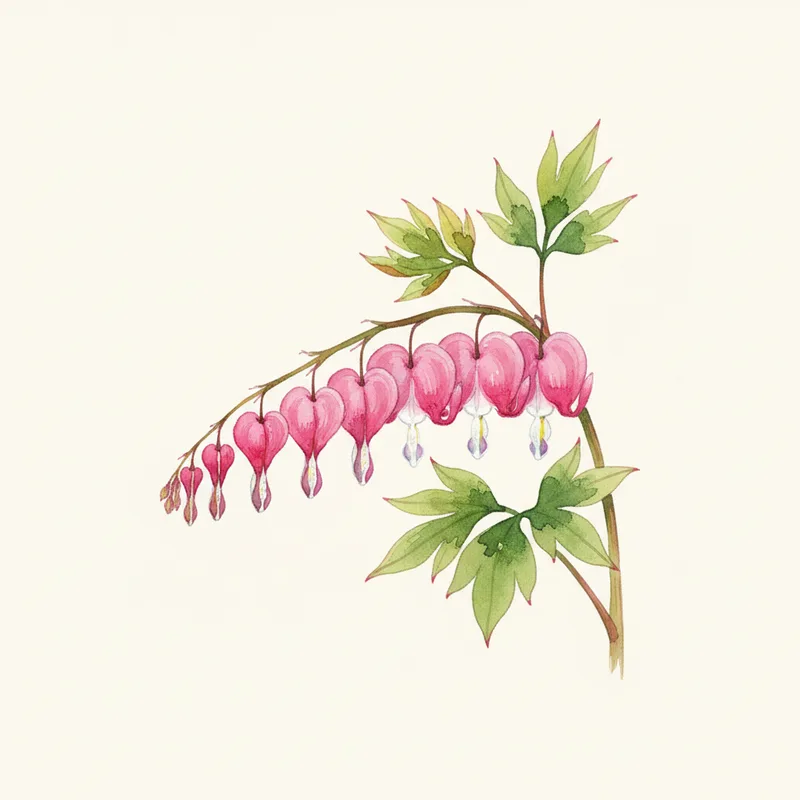
Arching sprays of heart-shaped flowers for shady woodland gardens.
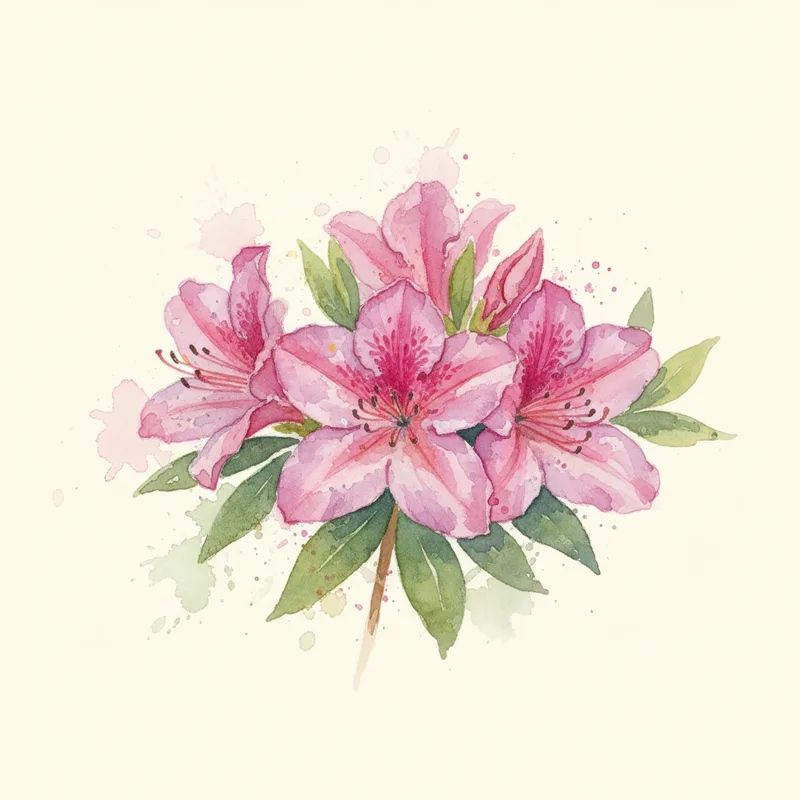
Repeat-blooming azalea with waves of color spring through fall. Evergreen in mild climates.
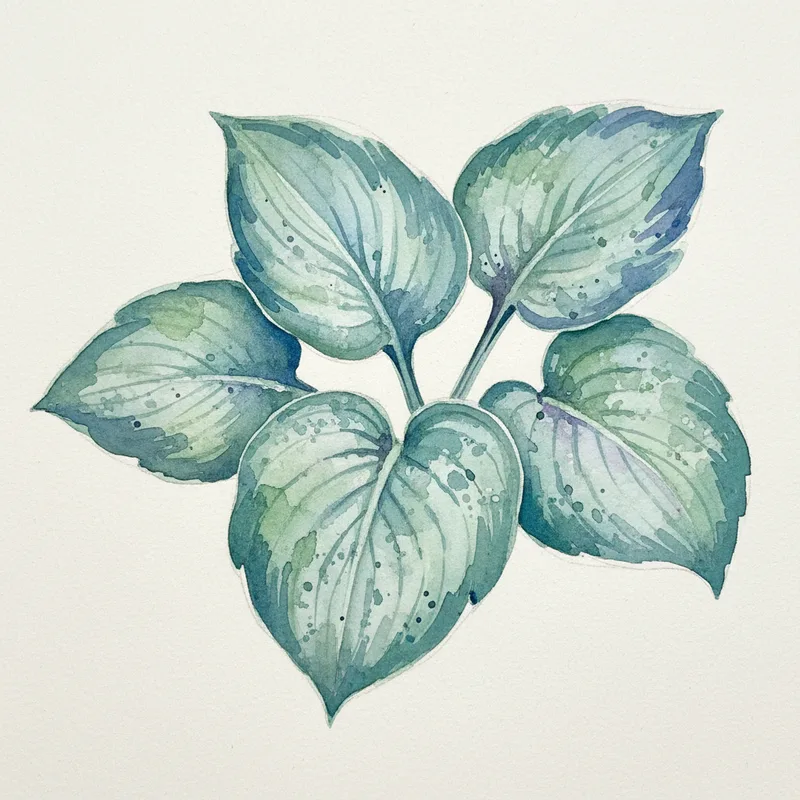
A mammoth shade-garden hosta with thick, corrugated blue-gray leaves up to 18 inches long that slugs leave alone, topped by fragrant lavender flower spikes in midsummer.
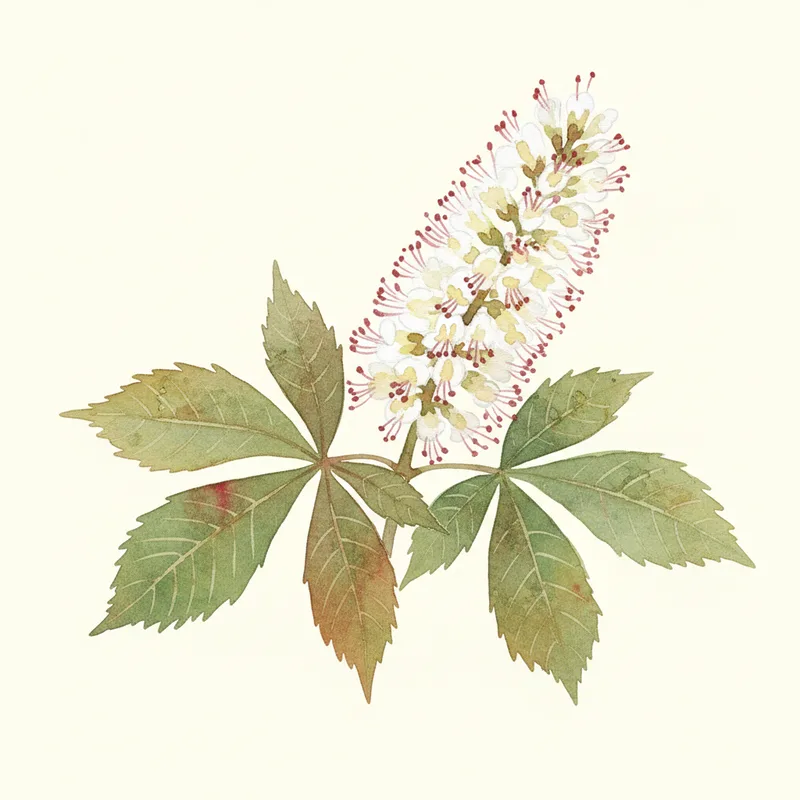
Massive suckering shrub with foot-long white flower candles. Showpiece for large shade gardens.
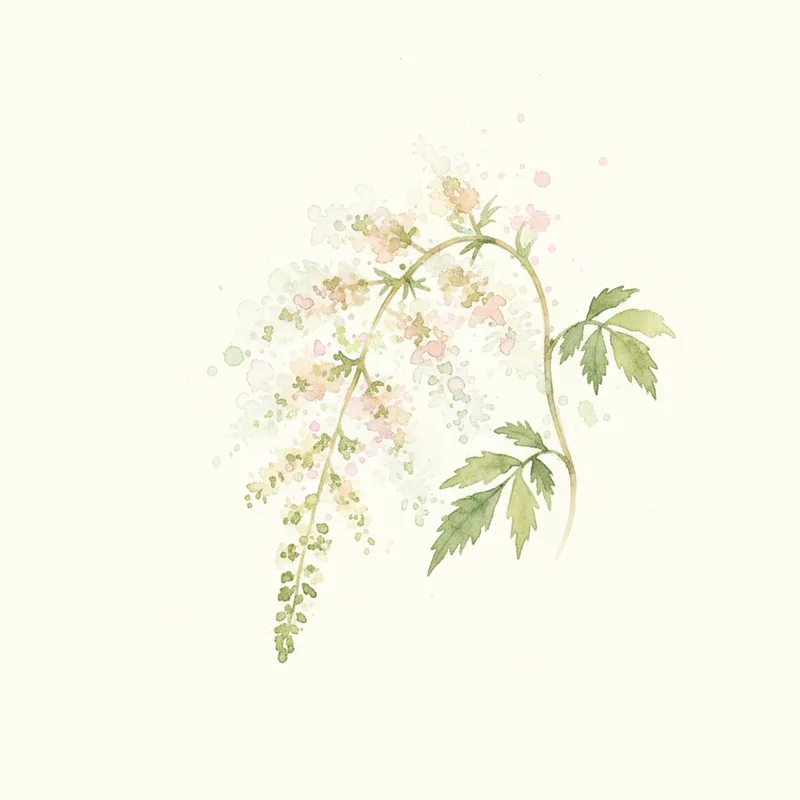
Graceful cascading white plumes on dark stems. Luminous in a shady corner.
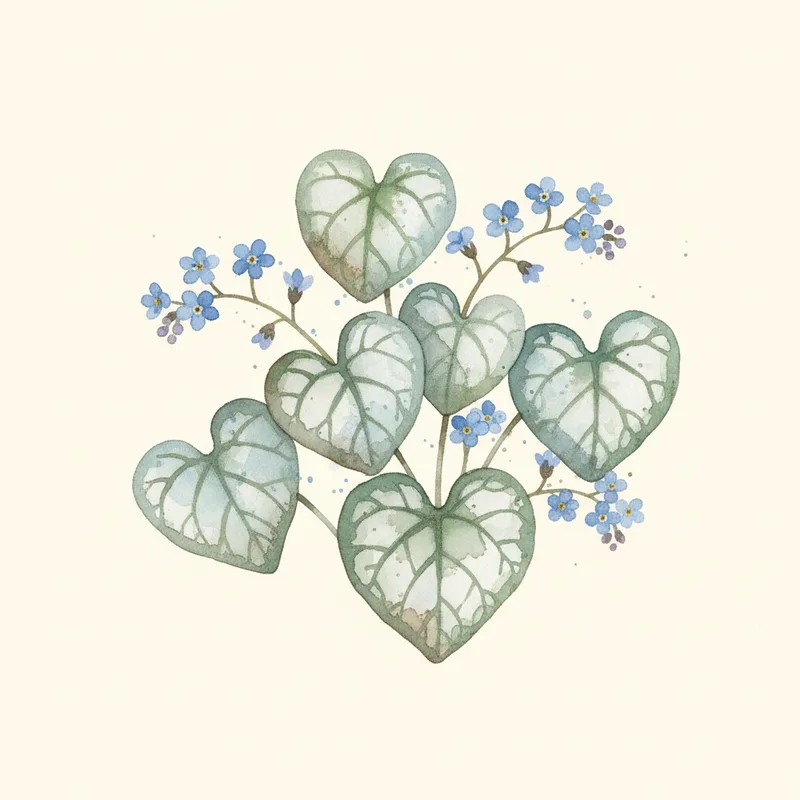
Clouds of tiny forget-me-not blue flowers over heart-shaped leaves. Thrives in dry shade once established.
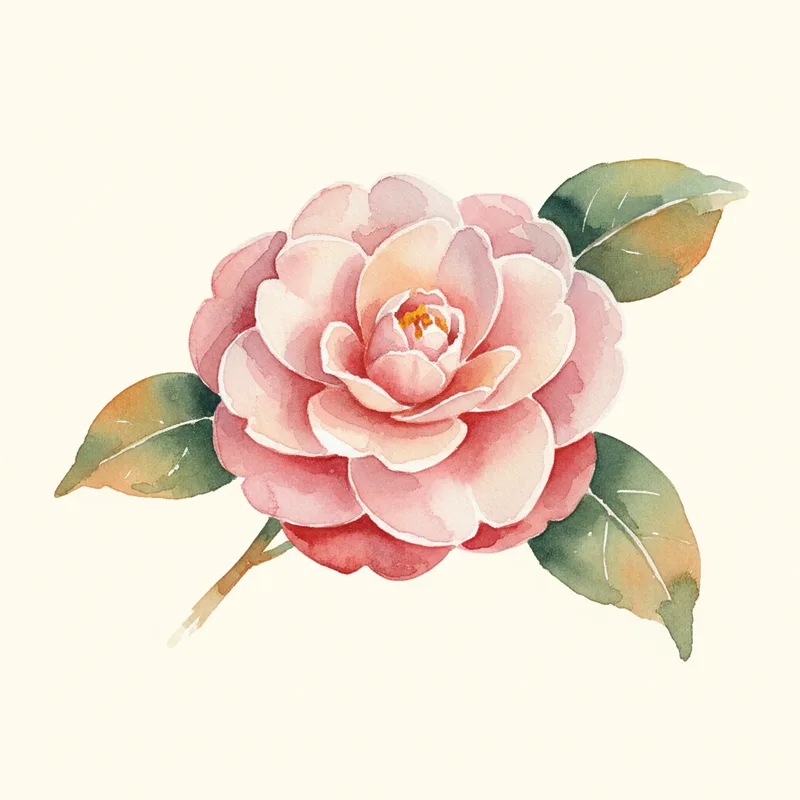
Glossy evergreen with rose-like blooms in the depths of winter.
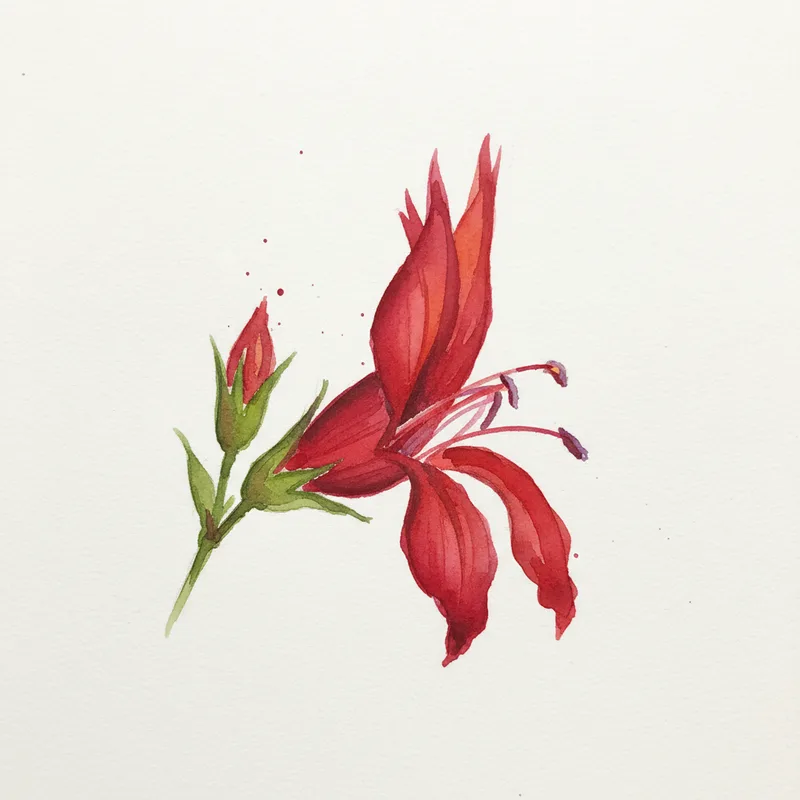
Screaming scarlet spikes. The most vivid red in the native plant world.
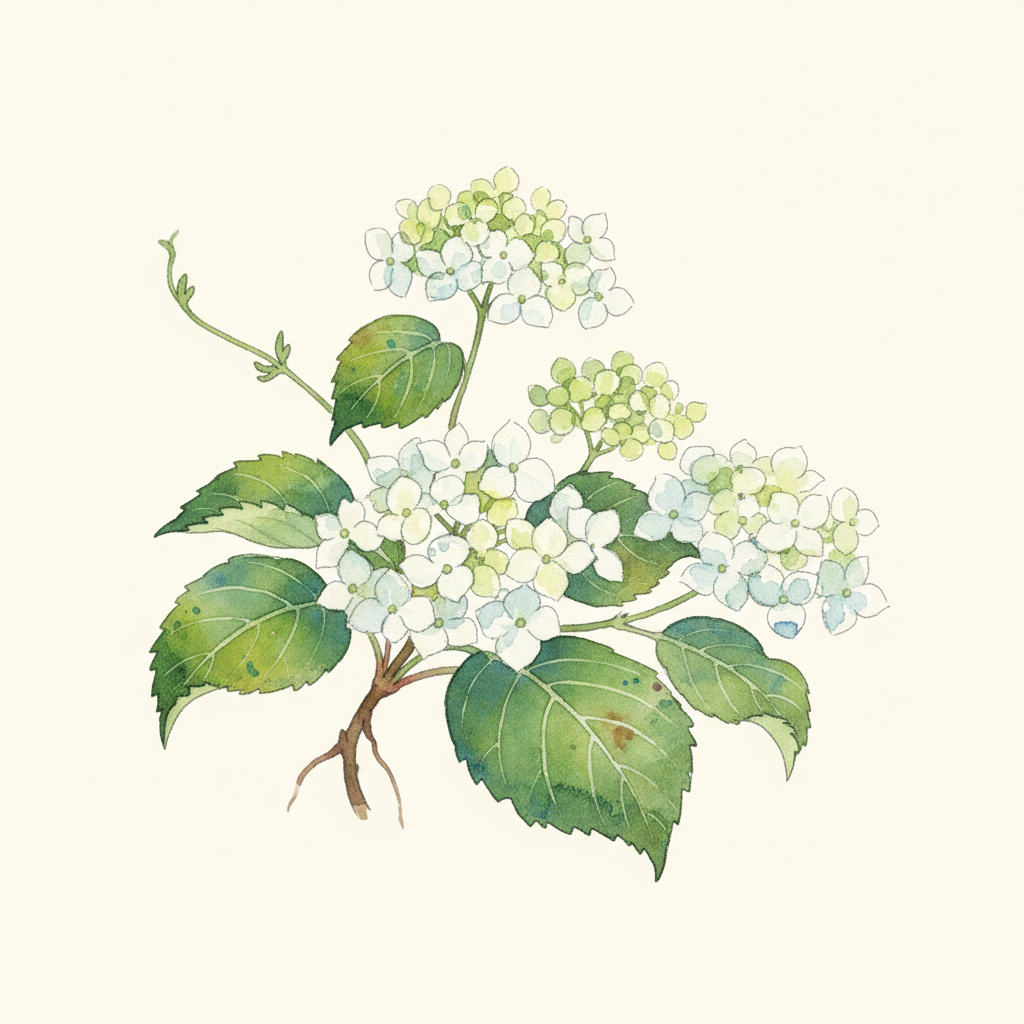
Slow to start but spectacular once established, covering shady walls with flat-topped white lacecap flowers and exfoliating bark.
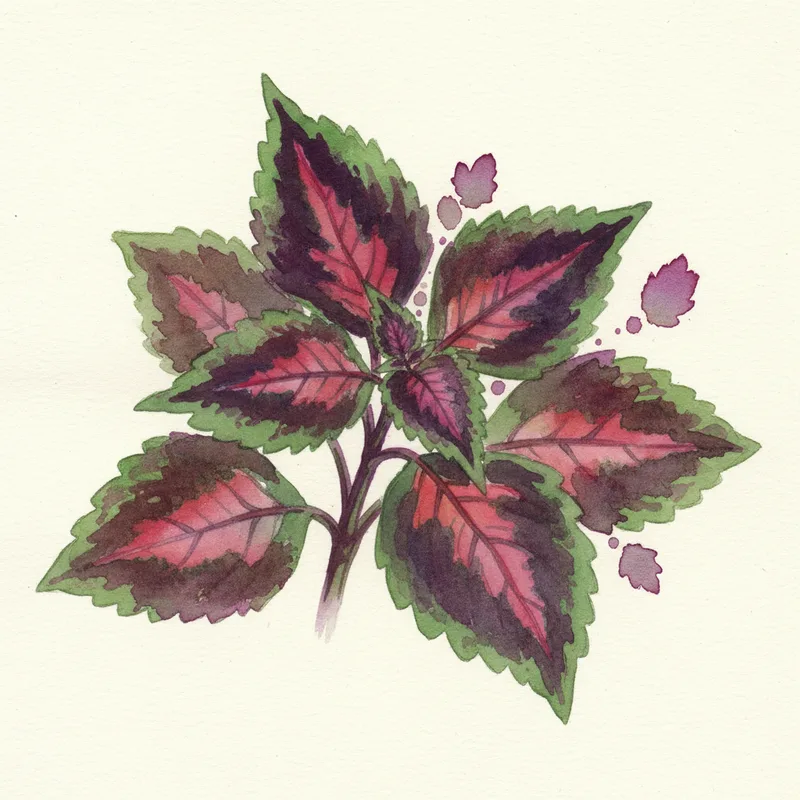
Grown for kaleidoscopic foliage, not flowers. Pinch blooms to keep energy in the leaves.
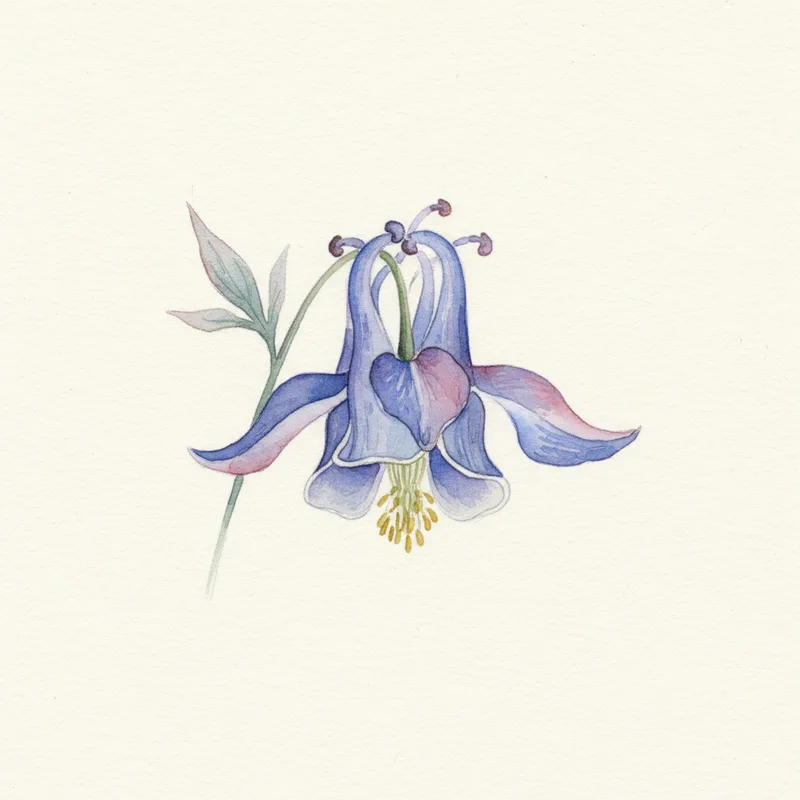
Delicate, spurred flowers that dance on wiry stems. Hummingbird favorite.
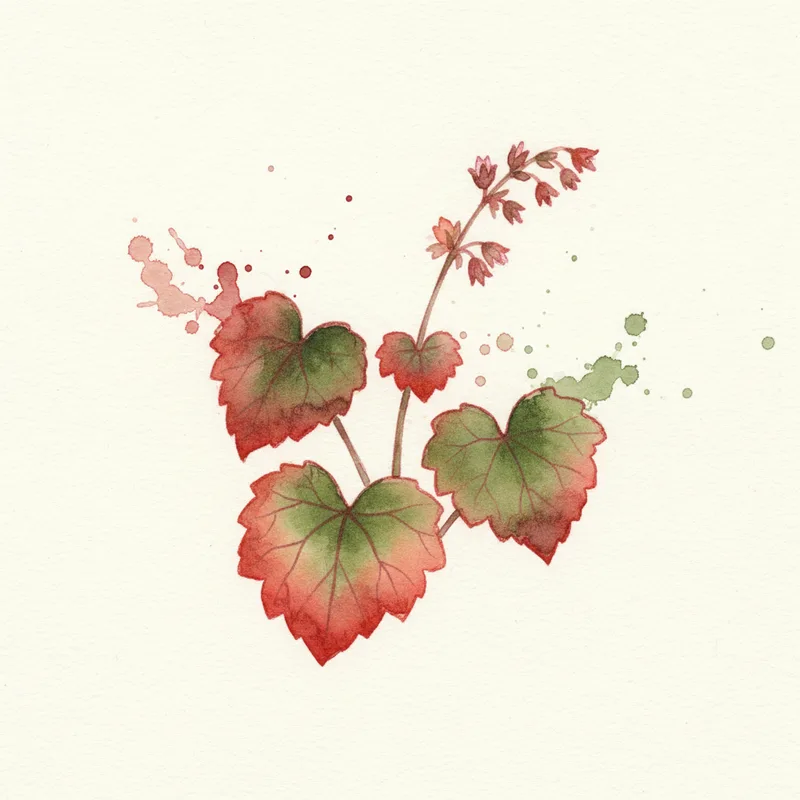
Grown mostly for dramatic foliage, but the tiny bell flowers are a bonus.
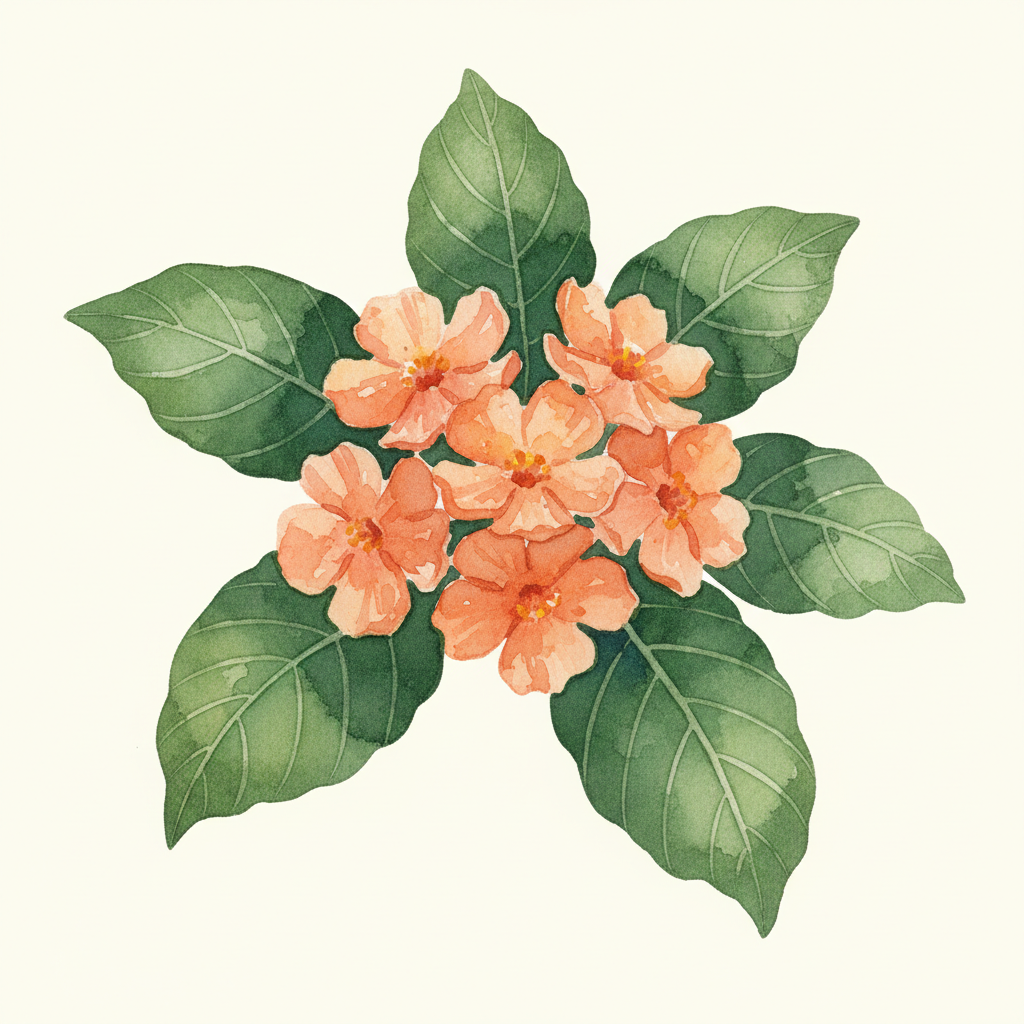
Glossy leaves and asymmetrical apricot-orange blooms held in tight spikes. Firecracker flower, blooms steadily in heat that wilts other tropicals.
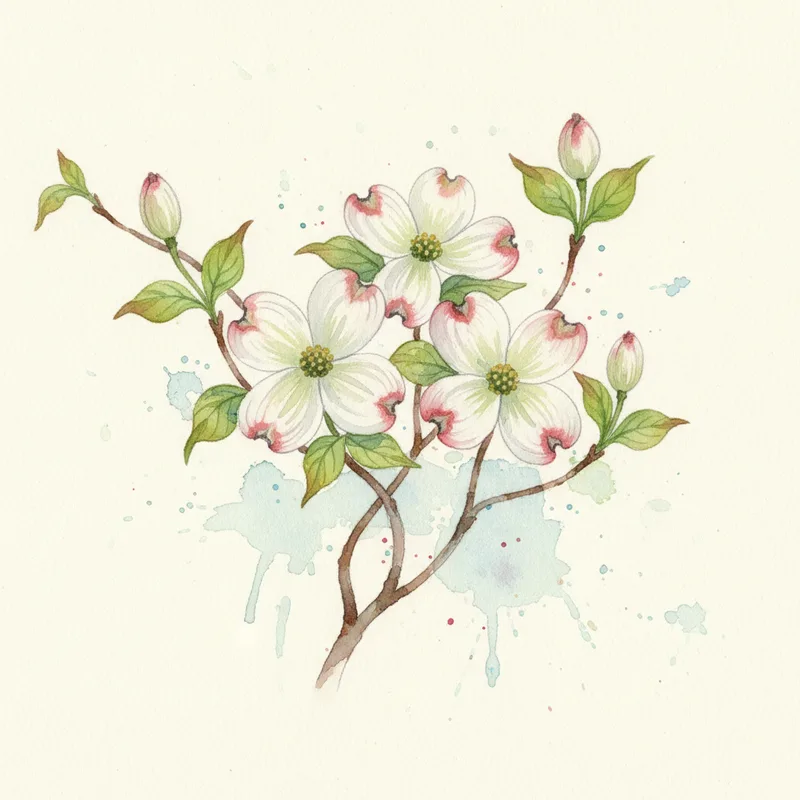
Iconic spring bloomer with fall berries and winter bark. Four-season beauty.
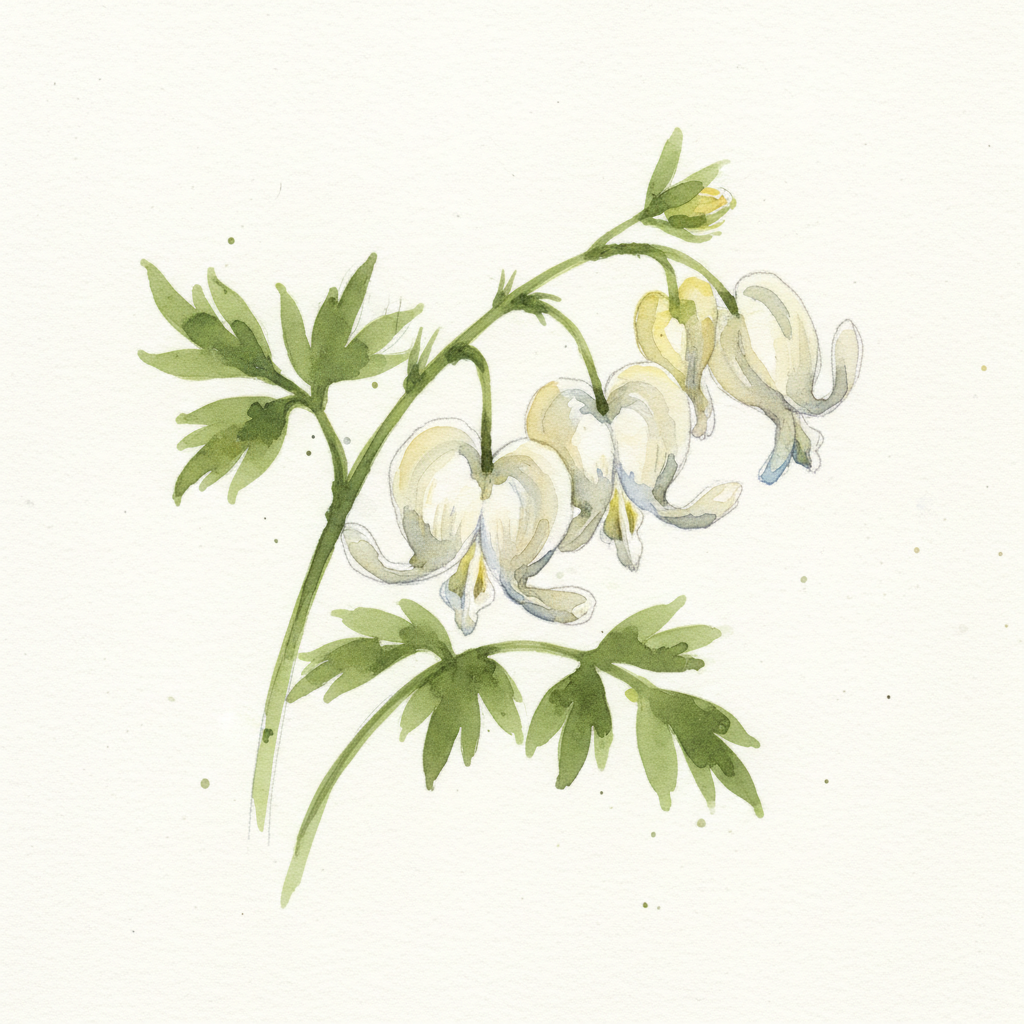
Finely cut foliage and clusters of puffy white pantaloon-shaped flowers in early spring. A charming ephemeral that disappears by summer.
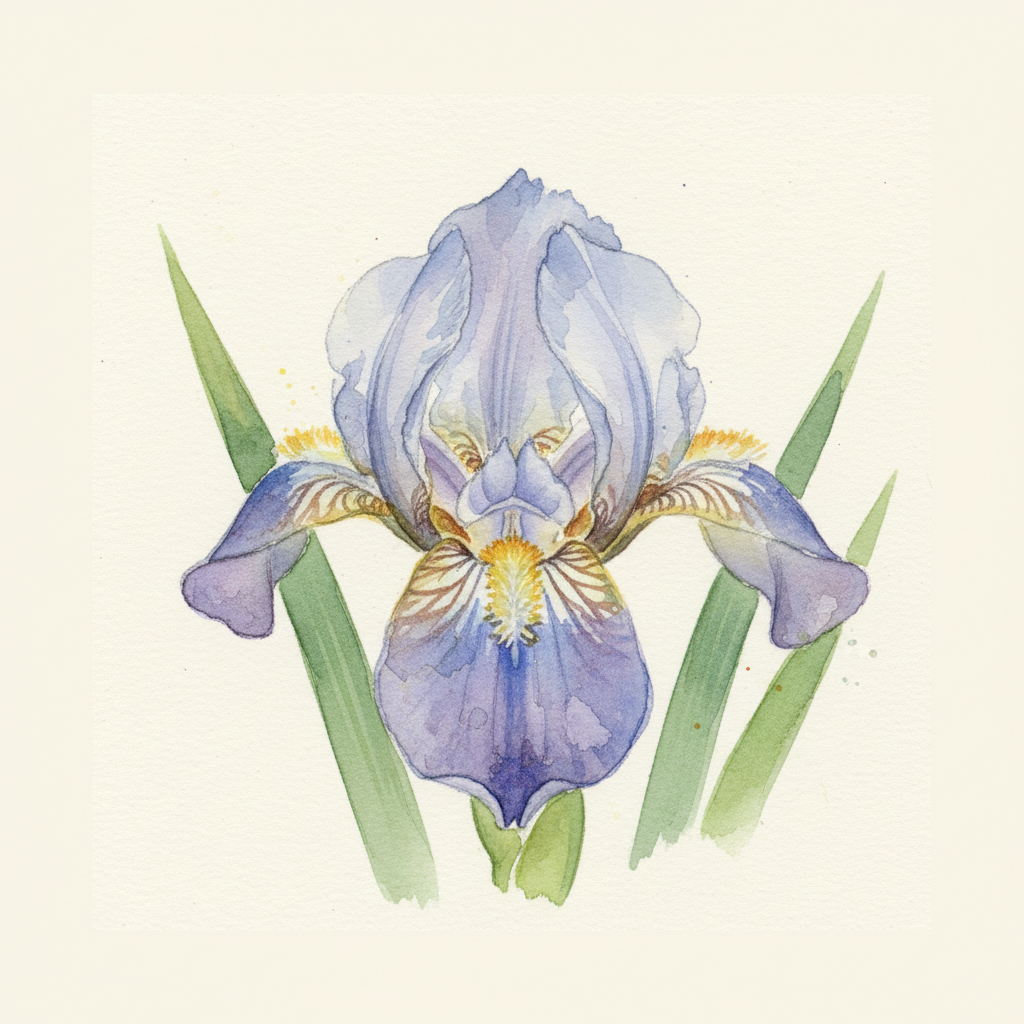
Tiny lavender-blue iris flowers with gold crests on a spreading native ground cover. A spring woodland treasure.
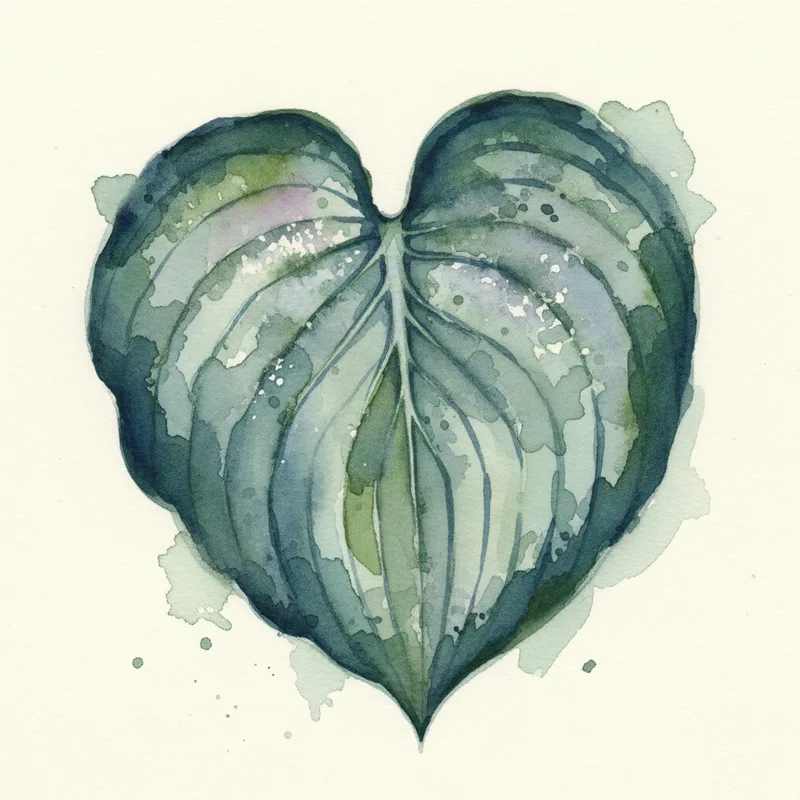
The world's largest hosta. Individual leaves can exceed two feet. A bold statement in any shade garden.
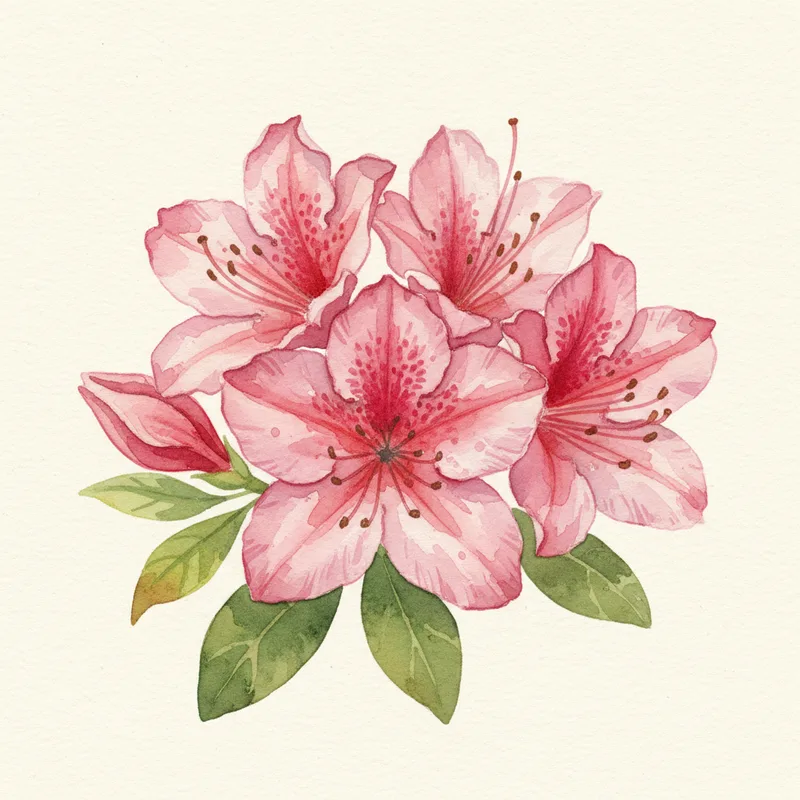
Spring blooms plus a full fall encore. Multiple color options in the Encore series.
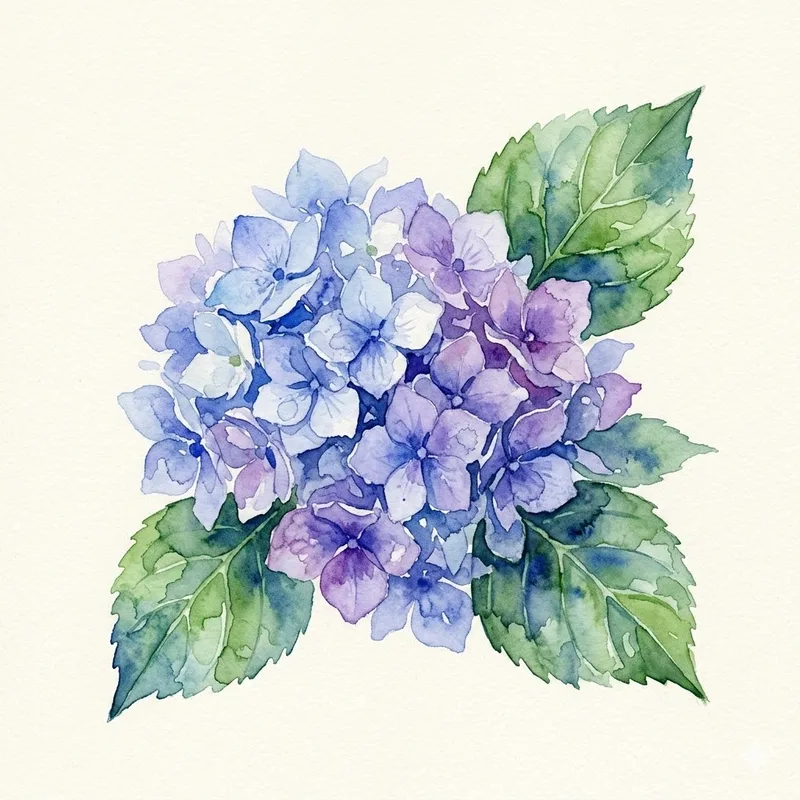
Reblooms on old and new wood, so you get flowers even after a harsh winter. Color shifts with soil pH.
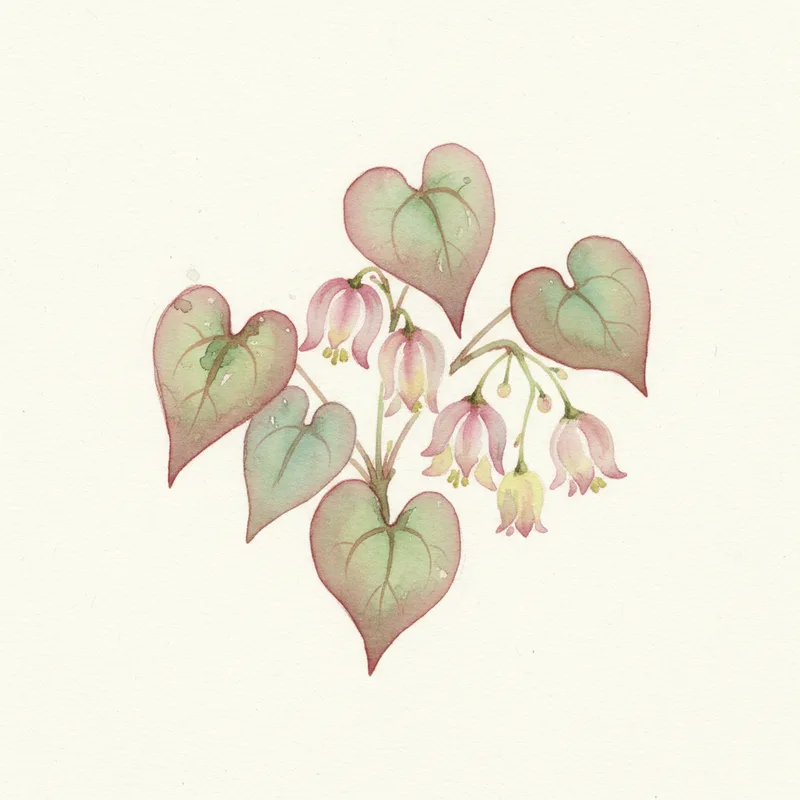
Delicate fairy-wing flowers above leathery foliage. One of the toughest dry shade groundcovers.
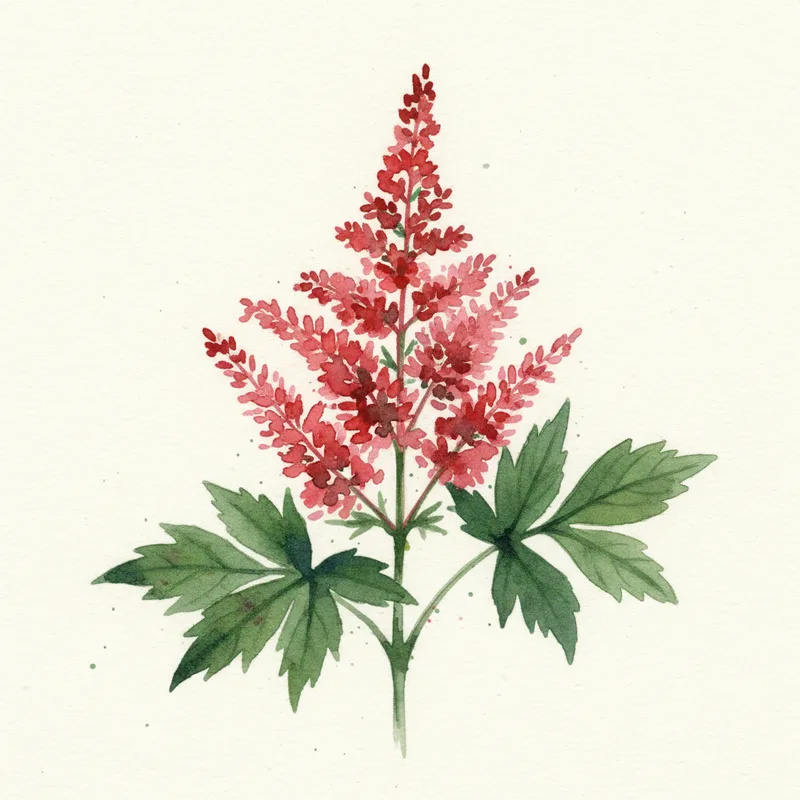
The deepest garnet-red of any astilbe. Dark bronze foliage makes those plumes glow.
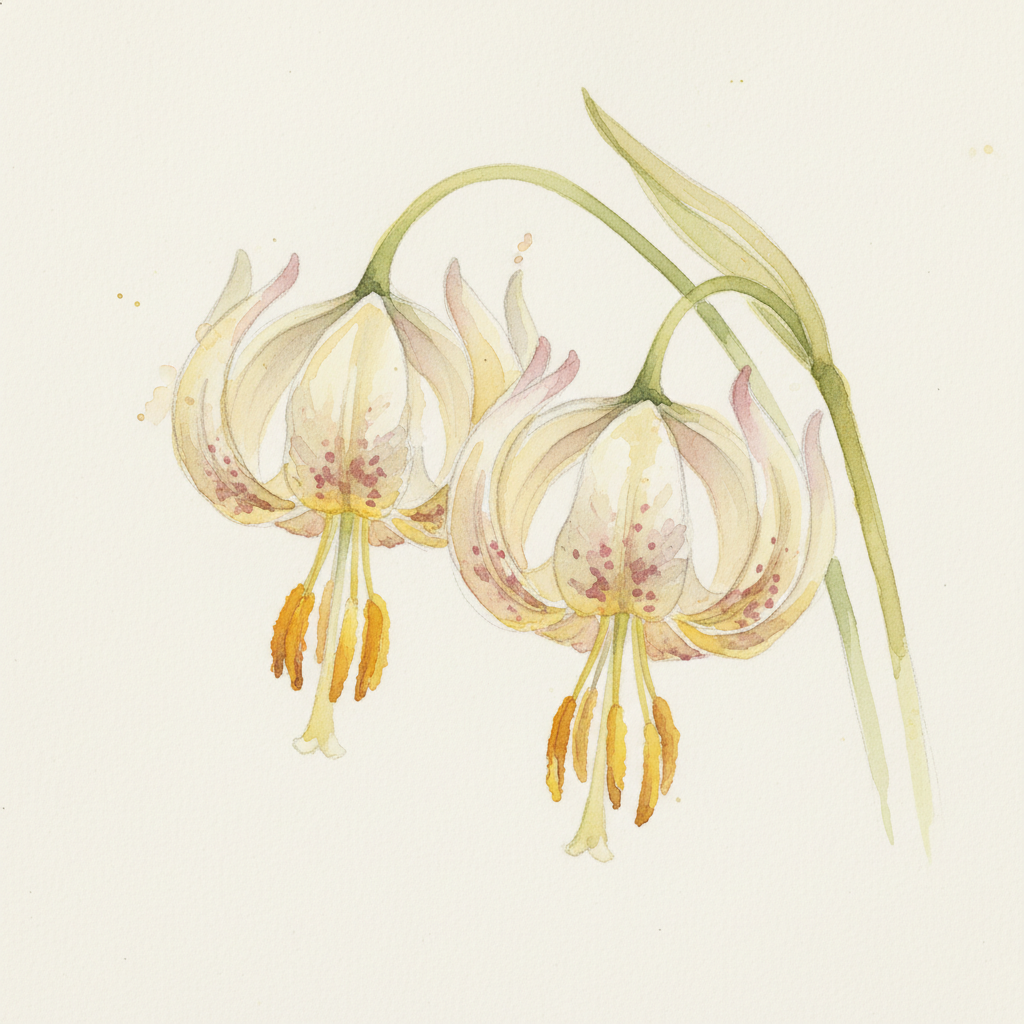
Mottled leaves and nodding white flowers with swept-back petals emerge in early spring from Pacific Northwest woodlands.
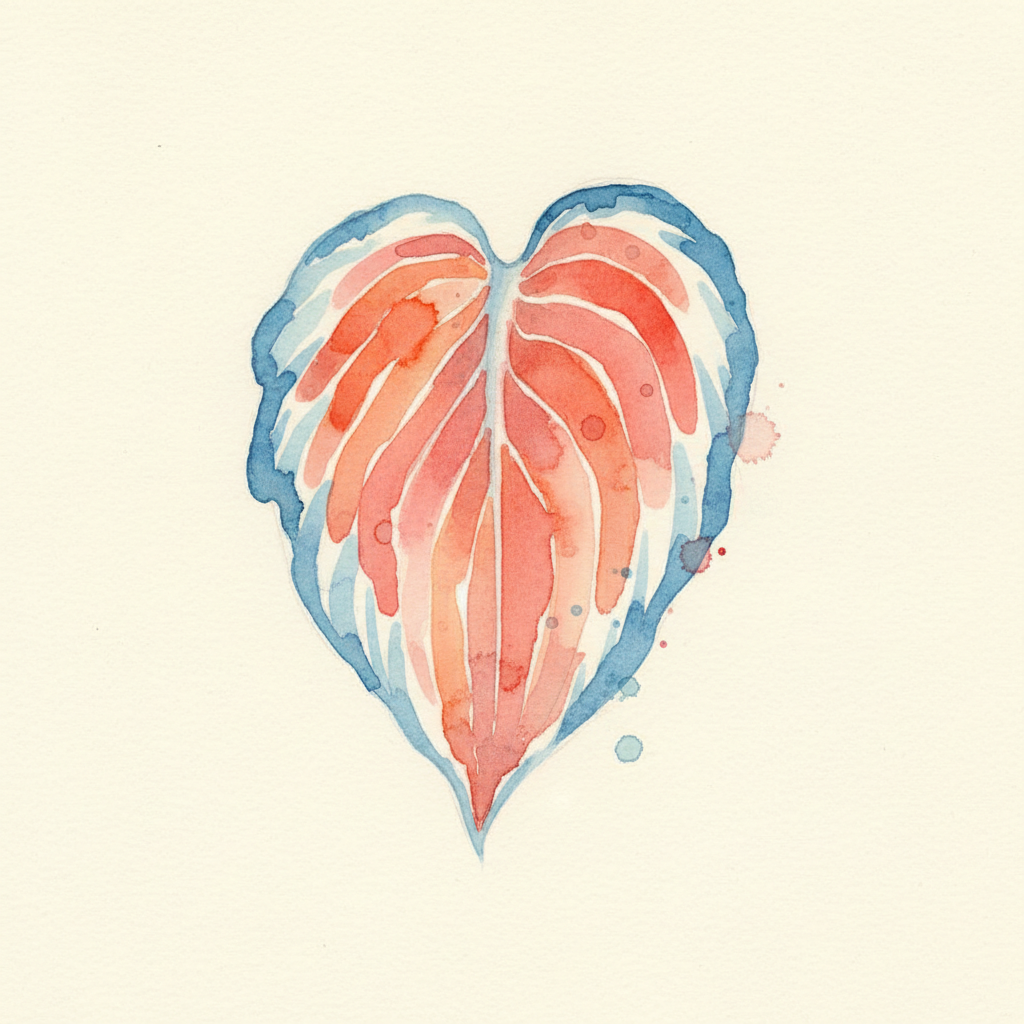
Stark white centers with deep green margins, high contrast that jumps out from a shady border.
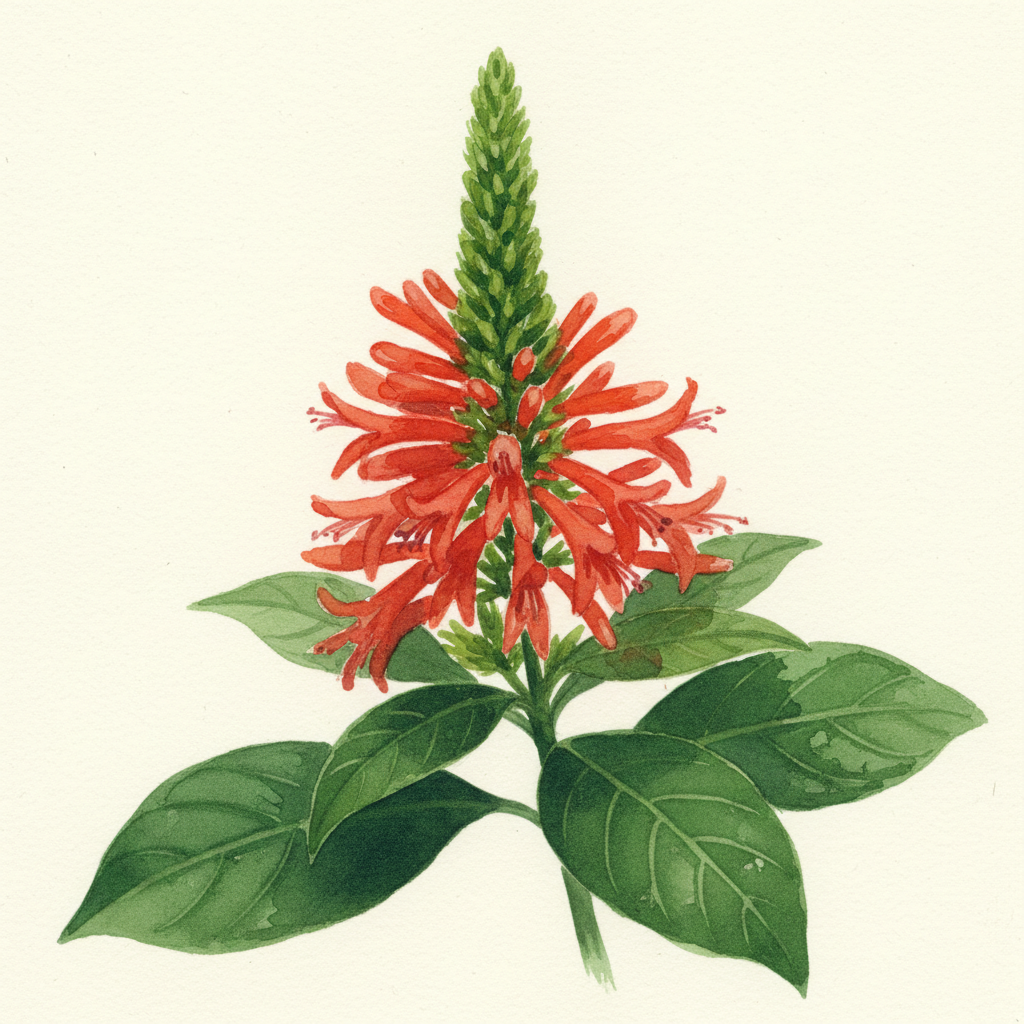
Tall spires of brilliant scarlet tubular flowers light up the fall garden. Hummingbird candy that thrives in the heat and humidity of the Gulf South.
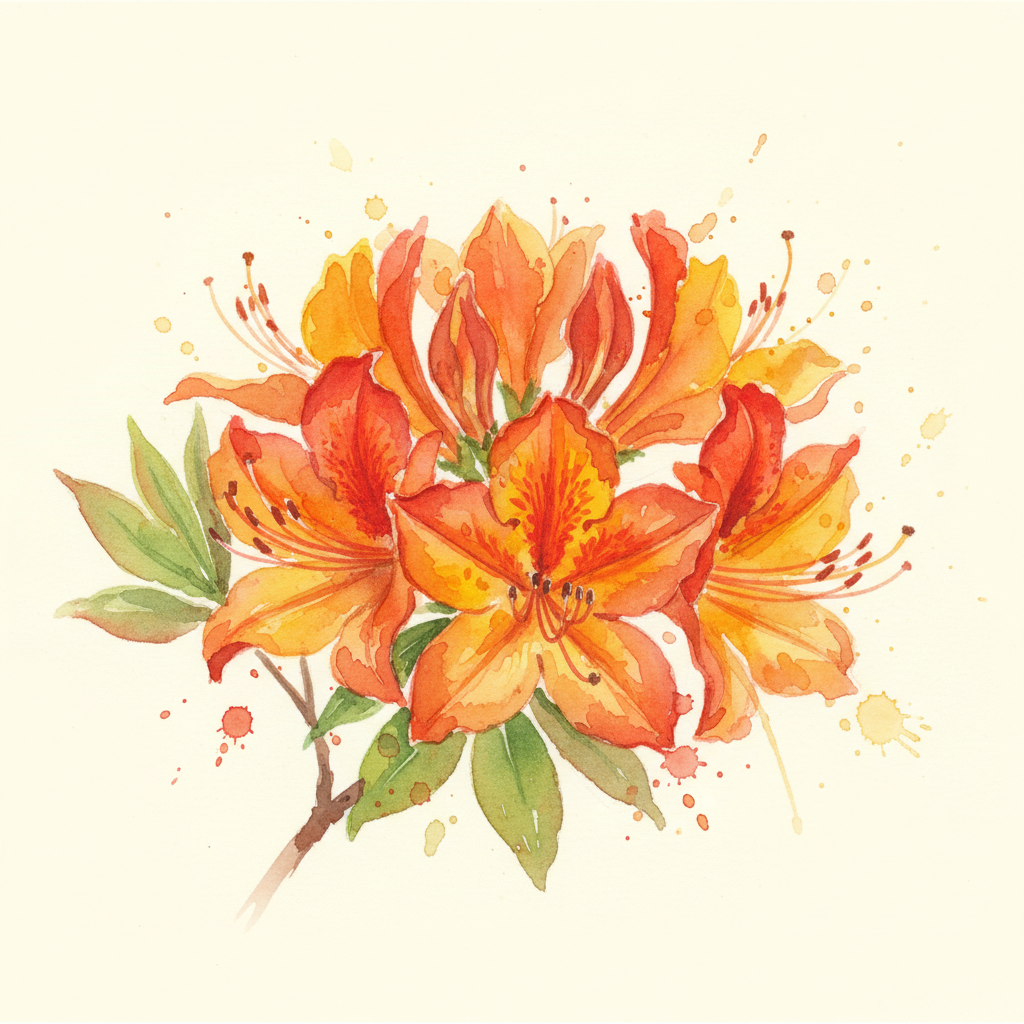
Outrageous blooms in hot orange, red, and yellow on a deciduous native azalea that stops people in their tracks.
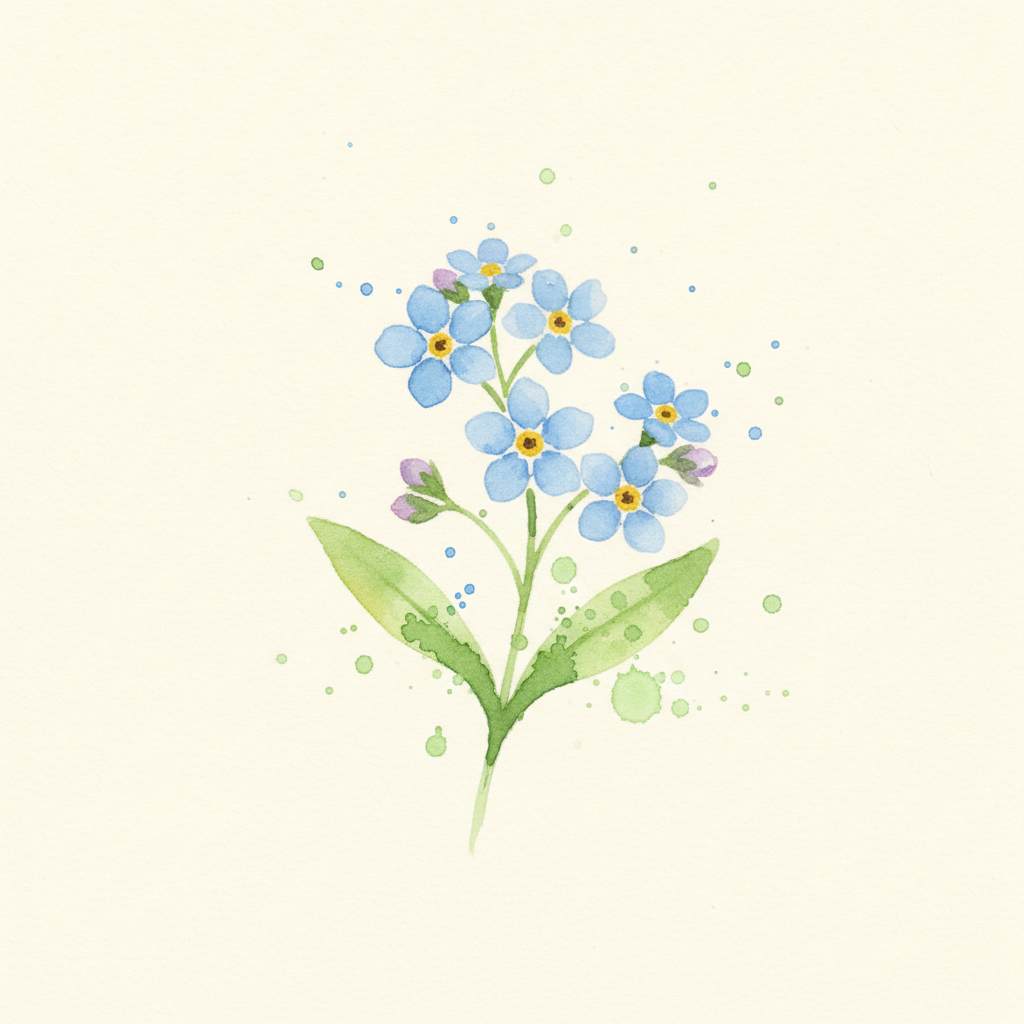
Clouds of tiny sky-blue flowers carpet the ground in spring. Self-sows freely under shrubs and around tulips.
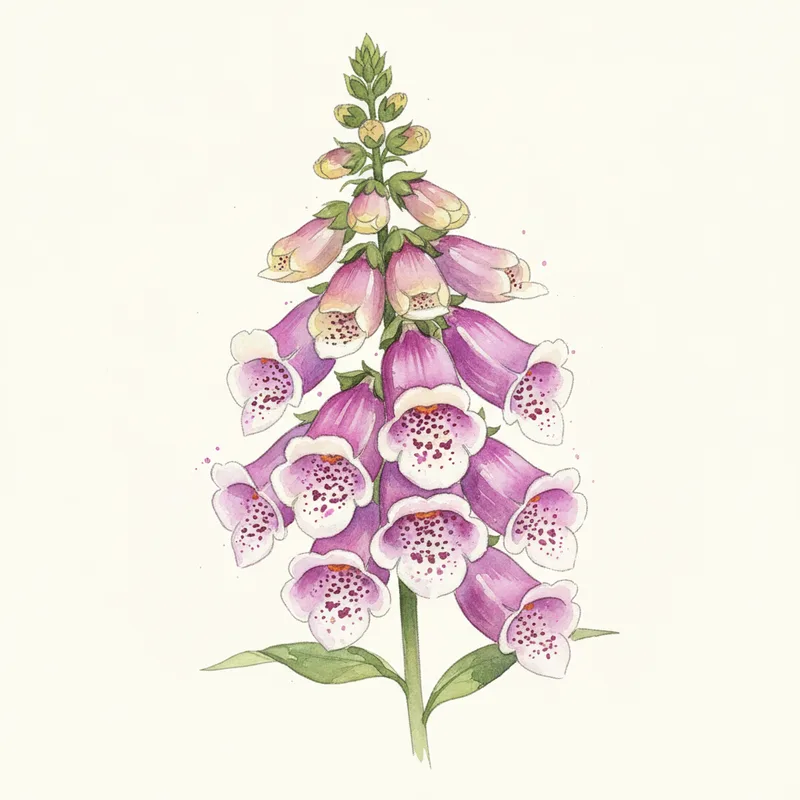
Stately spires of spotted, bell-shaped flowers. Cottage garden royalty.
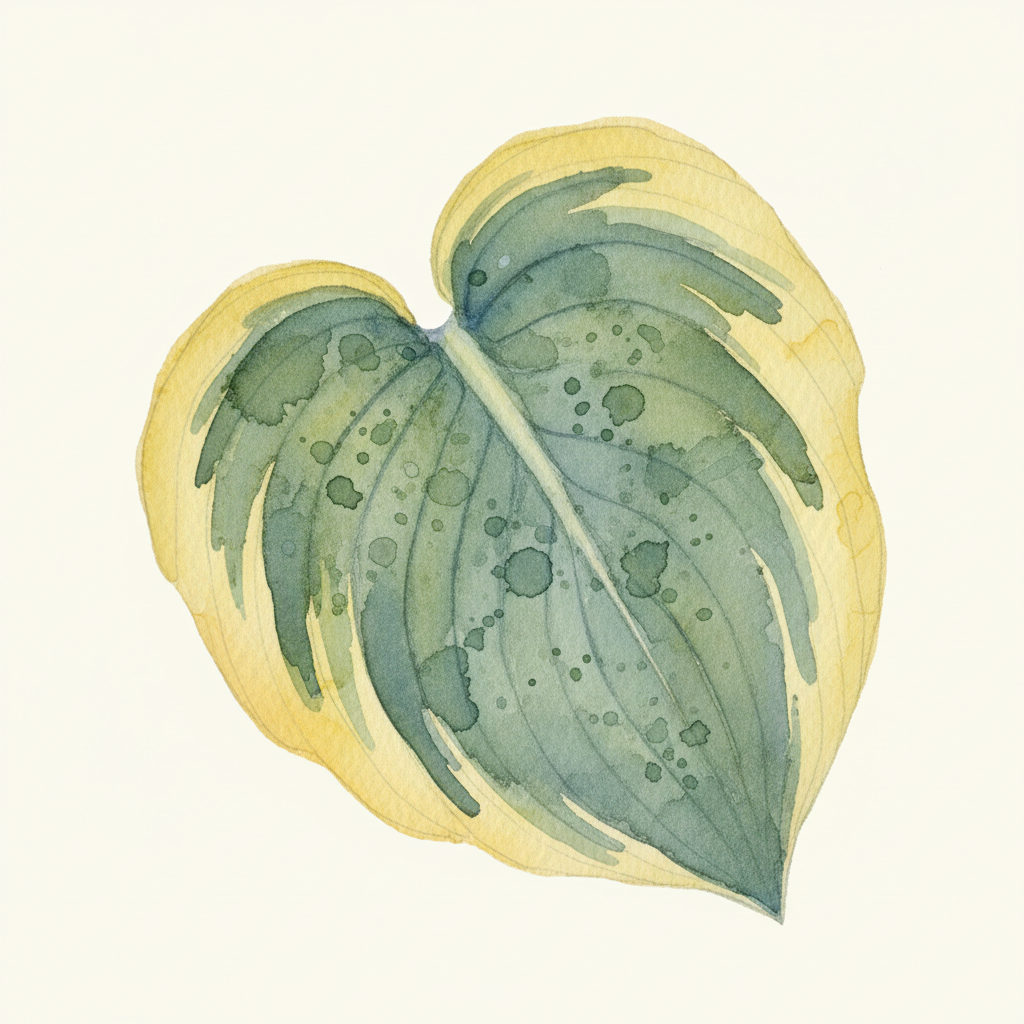
Classic blue-green heart-shaped leaves with wide gold margins that make this one of the all-time great hostas.
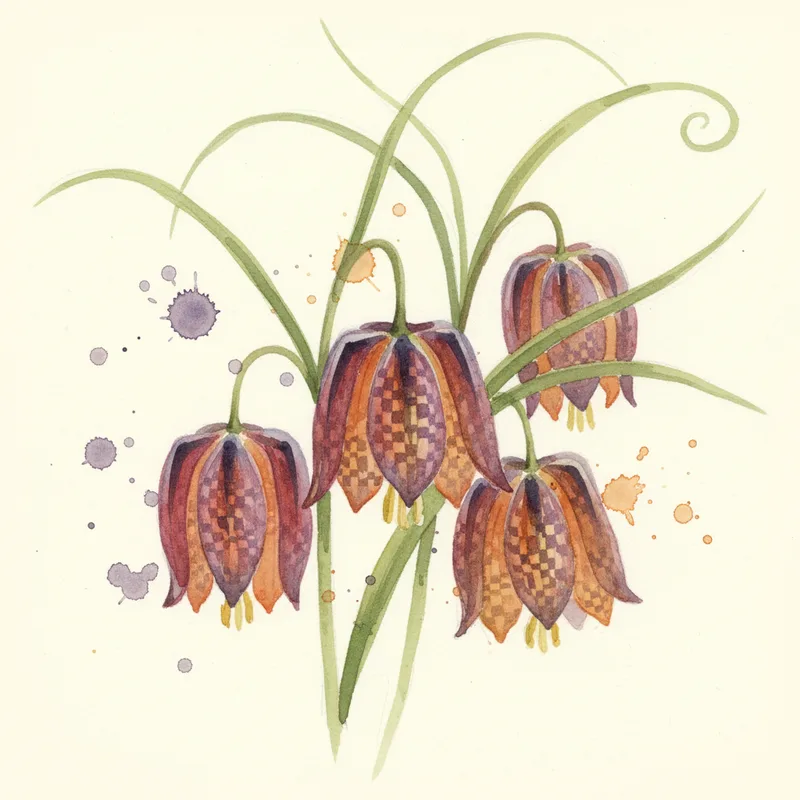
Checkered, nodding bells with an otherworldly pattern. A collector's favorite.
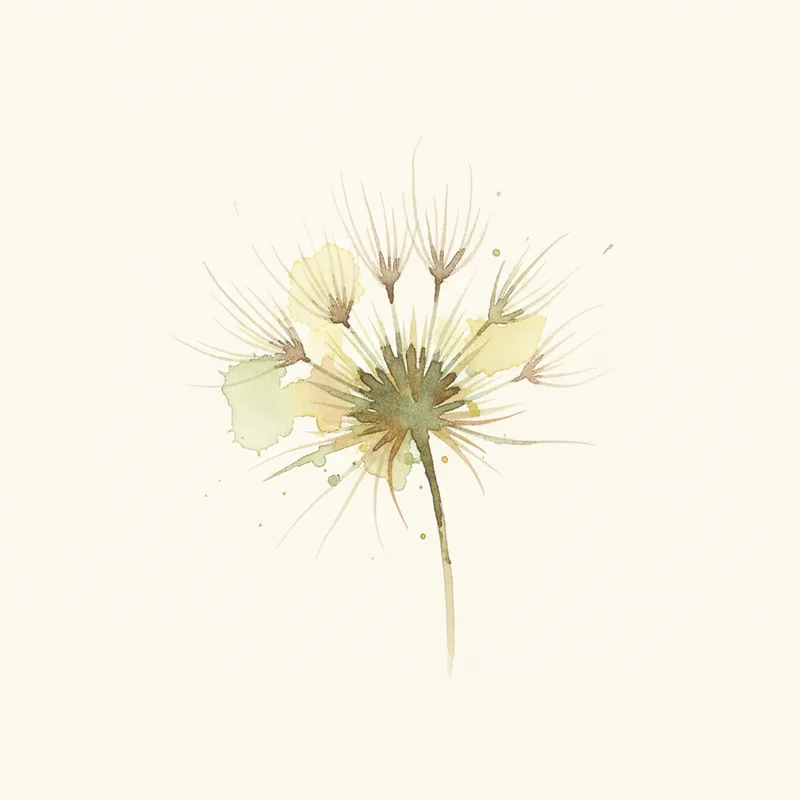
Giant creamy plumes like an astilbe on steroids. Native woodland giant that anchors a shade border.
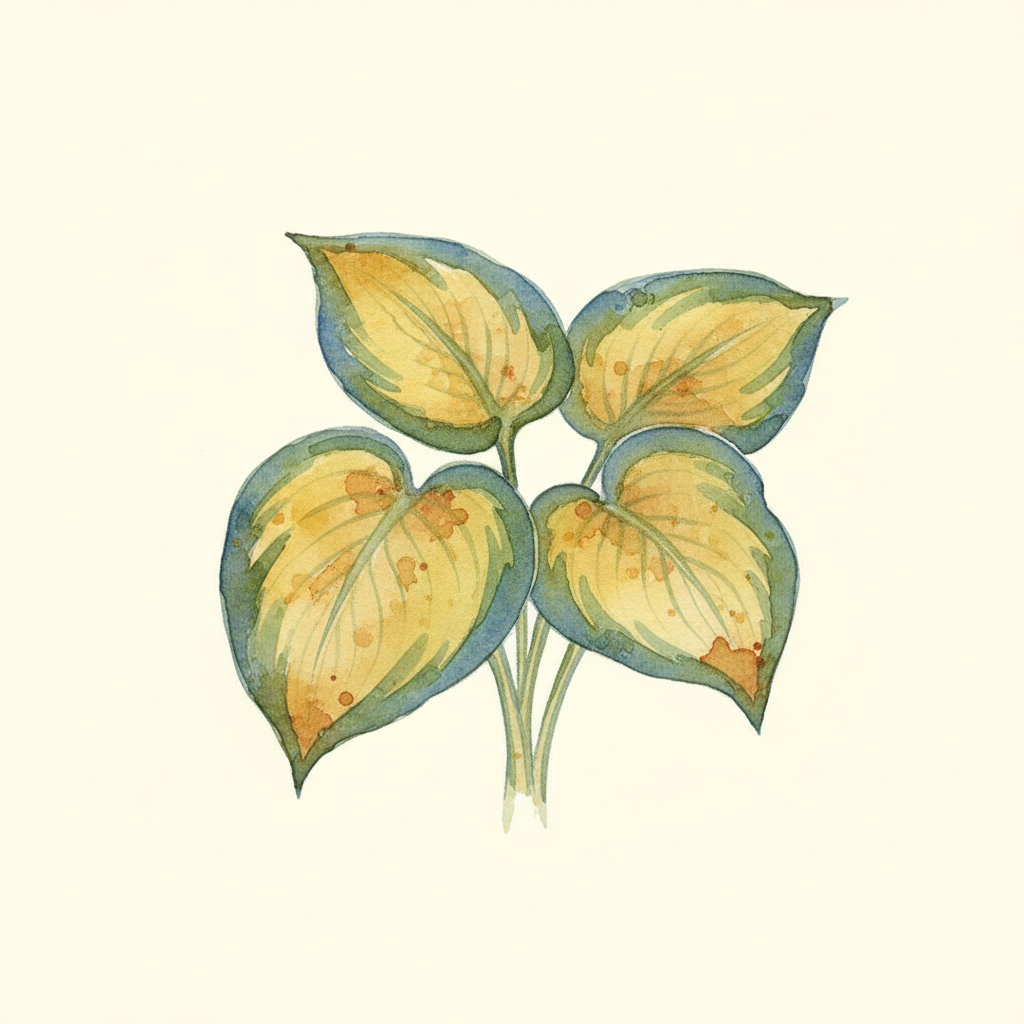
Small, fast-spreading mound with chartreuse-gold margins and one of the easiest hostas you can grow.
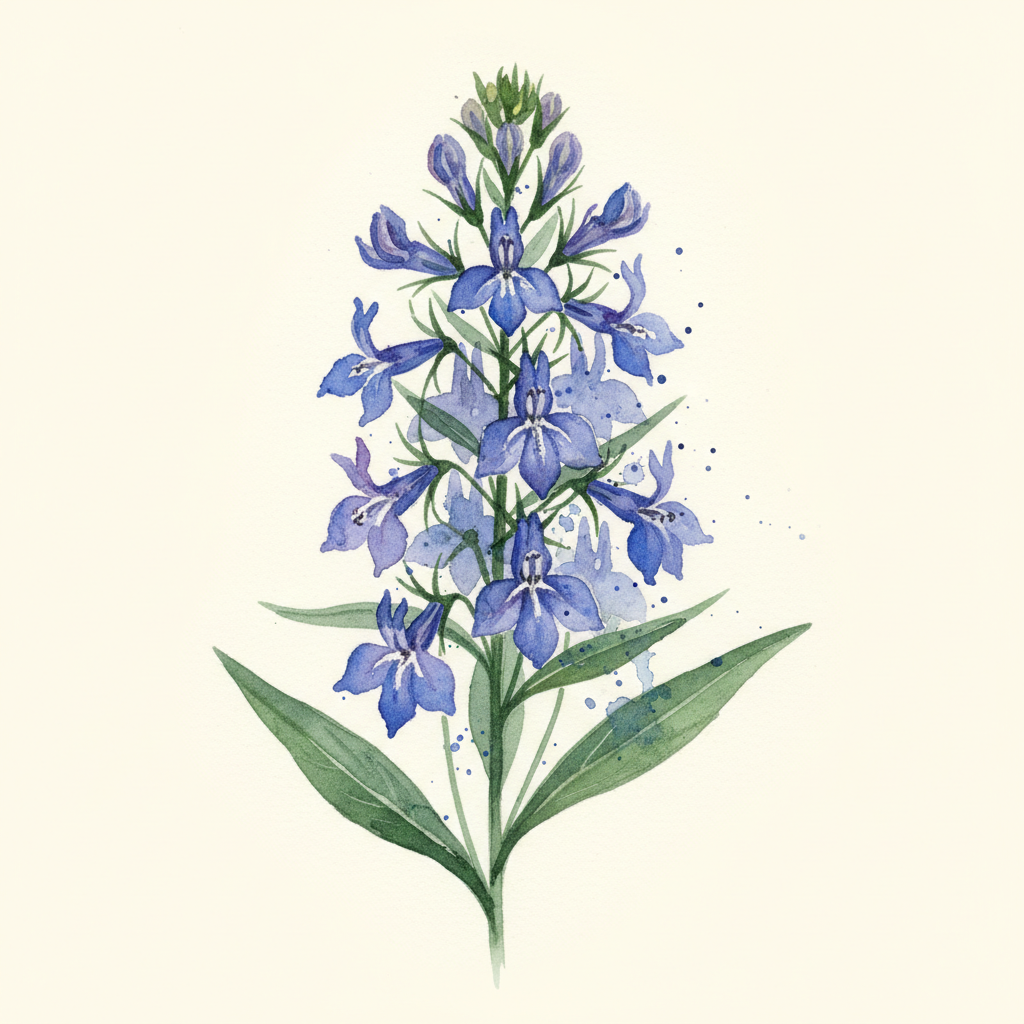
Intense blue flower spikes that hummingbirds and bumblebees fight over in late summer. The bolder, taller cousin of cardinal flower.
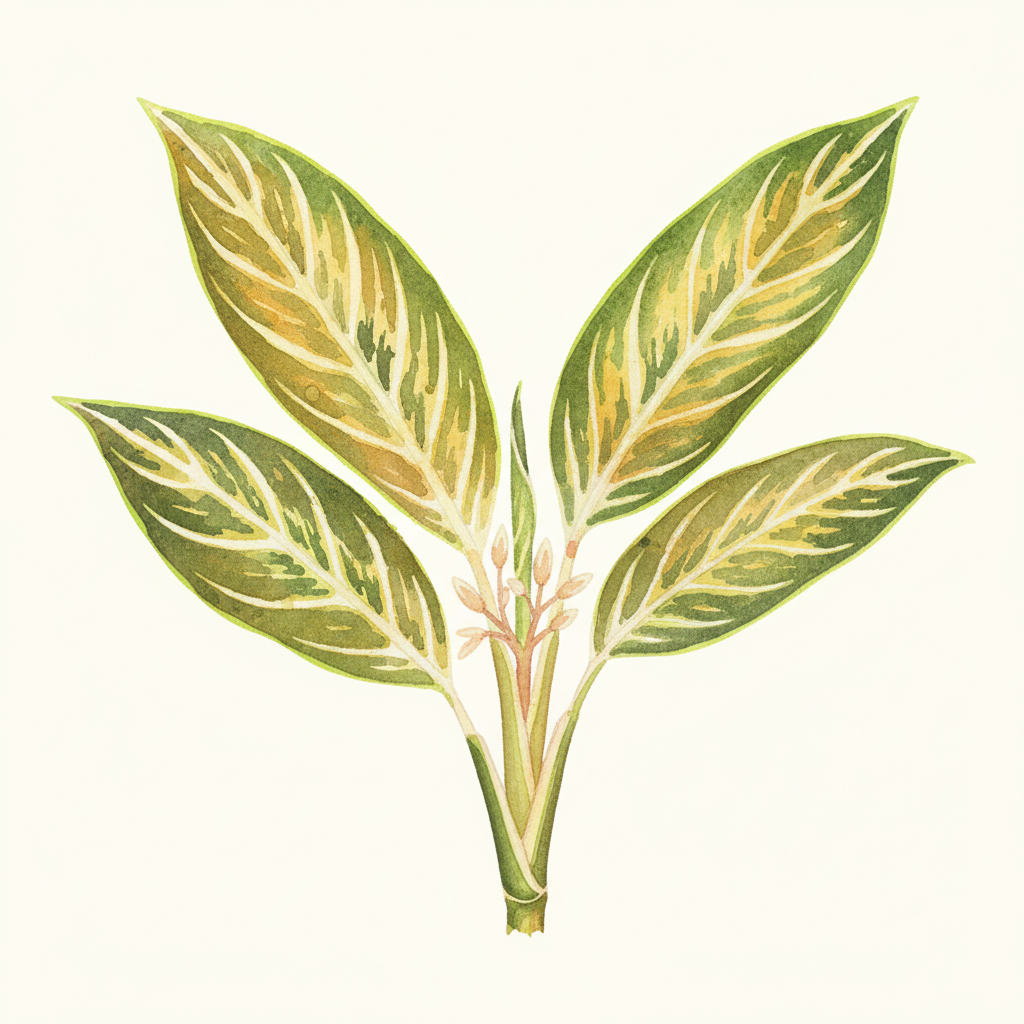
Bright yellow star flowers appear for months above mat-forming foliage. The best spring ground cover for the Southeast.
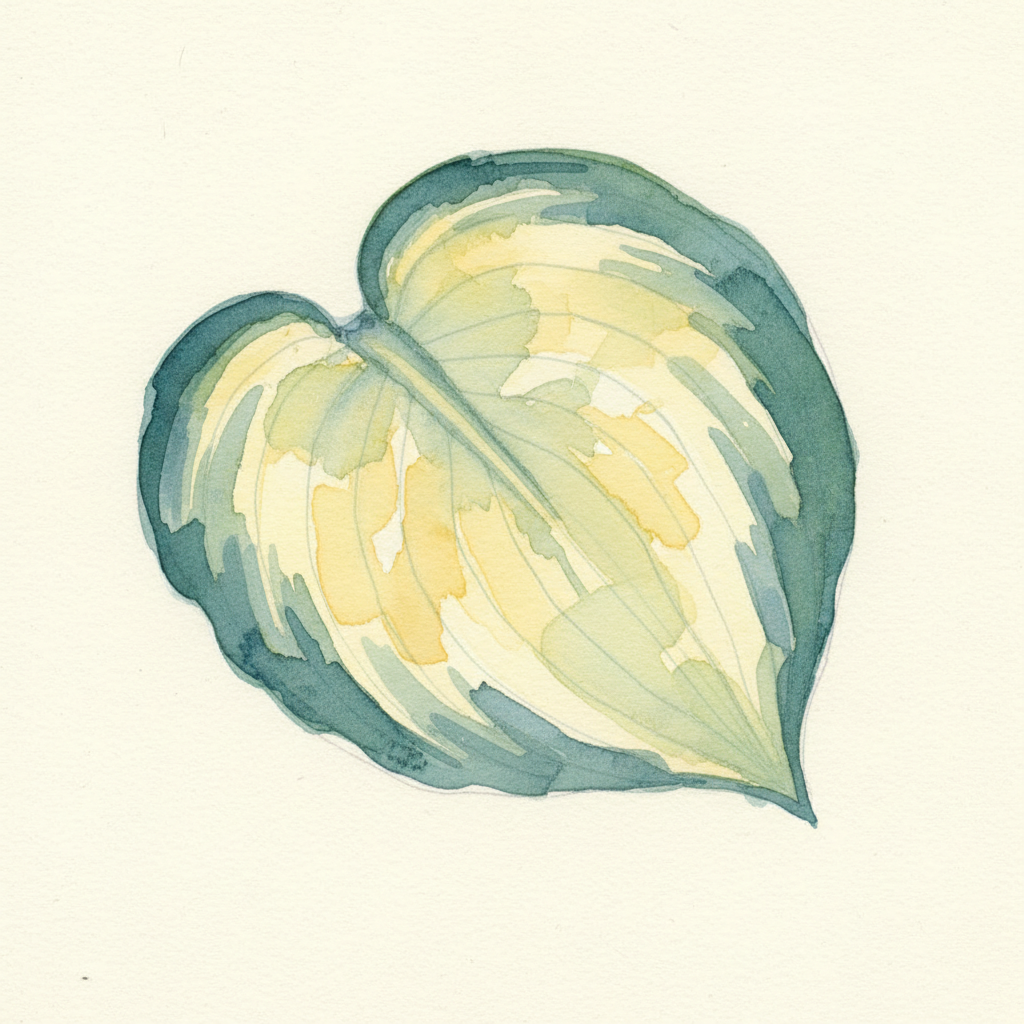
Chartreuse-gold leaves with dark green margins and sweetly fragrant white flowers that perfume the shade garden.
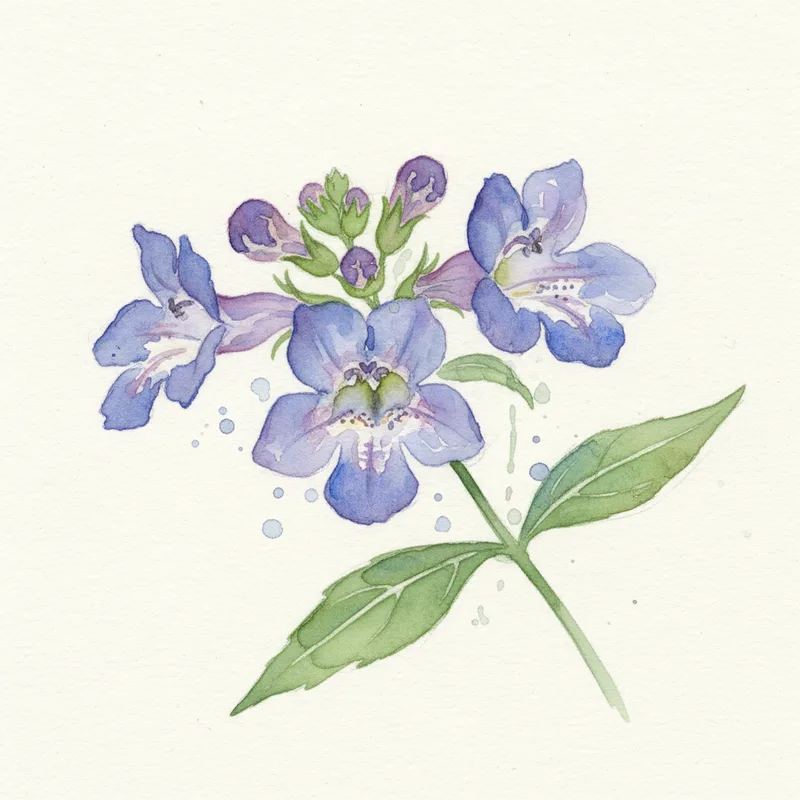
Nodding tubular flowers in soft lavender shades brighten moist woods of the Gulf Coast.
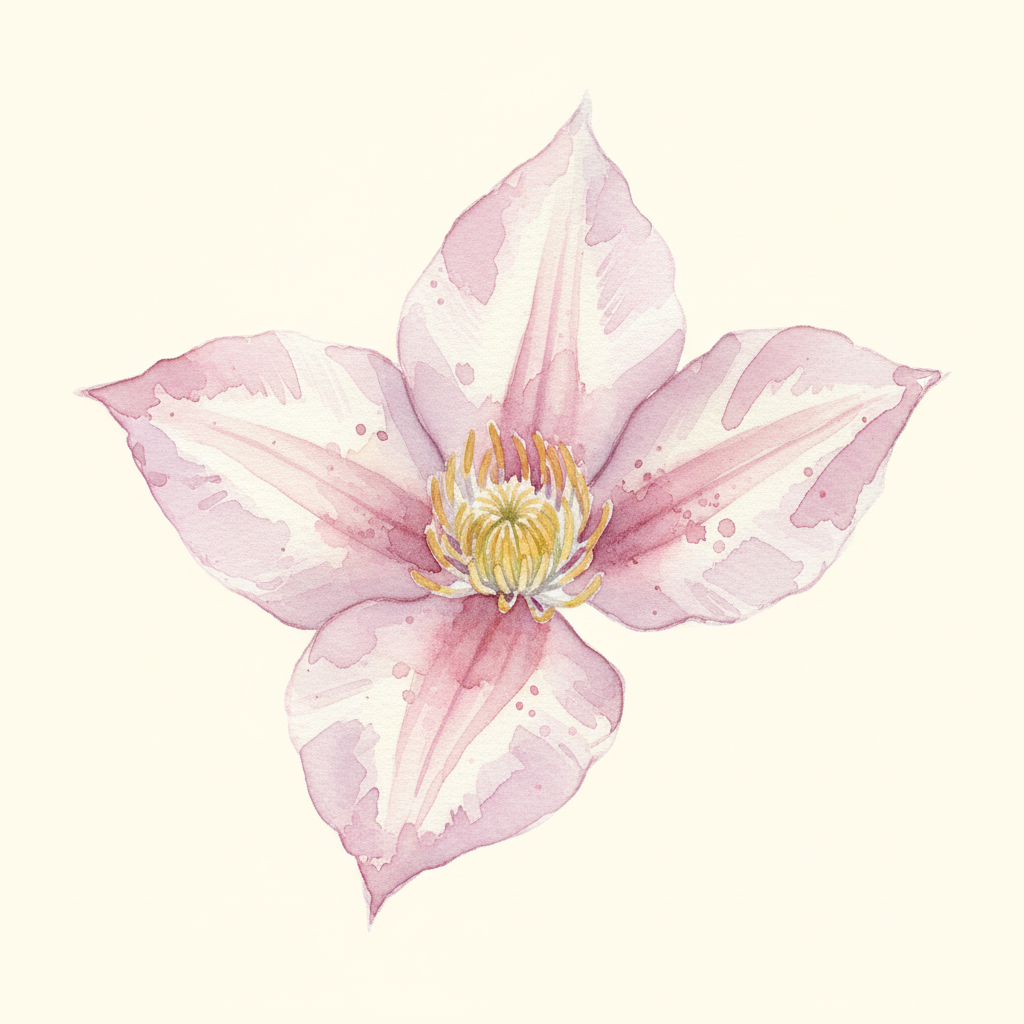
Soft shell-pink flowers with a hint of mauve that fade beautifully in part shade and bloom reliably all summer.
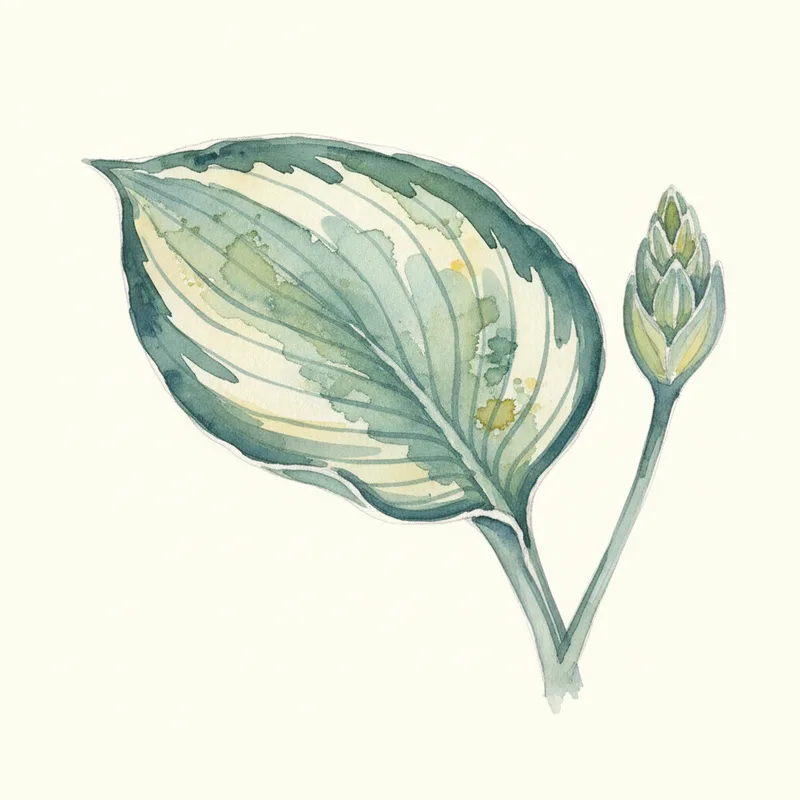
The bluest hosta you can grow. Thick, heavily textured leaves resist slugs better than most.
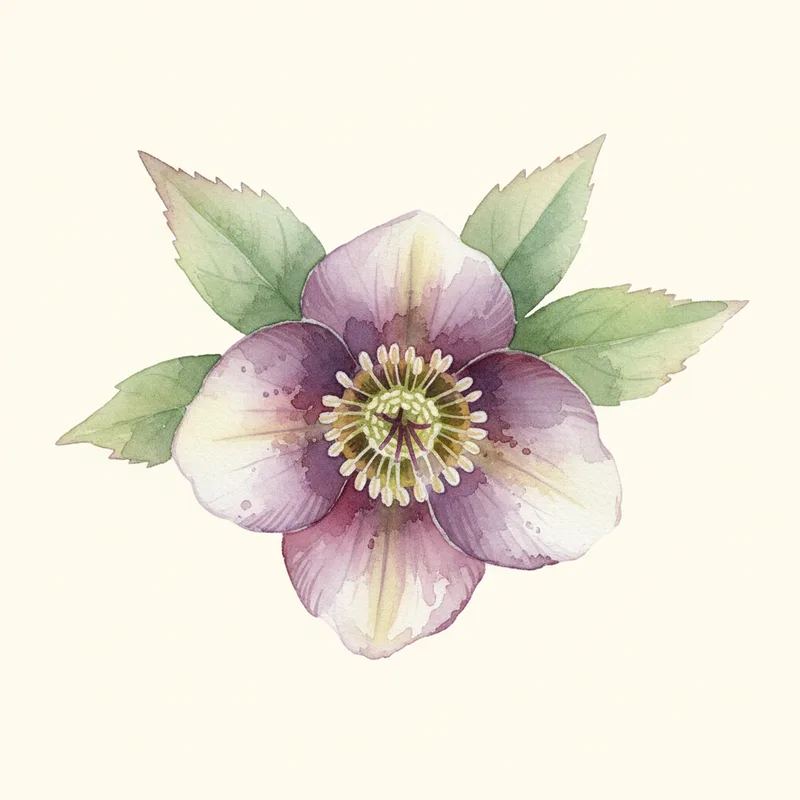
The Lenten Rose. Elegant nodding blooms that thrive in deep shade.
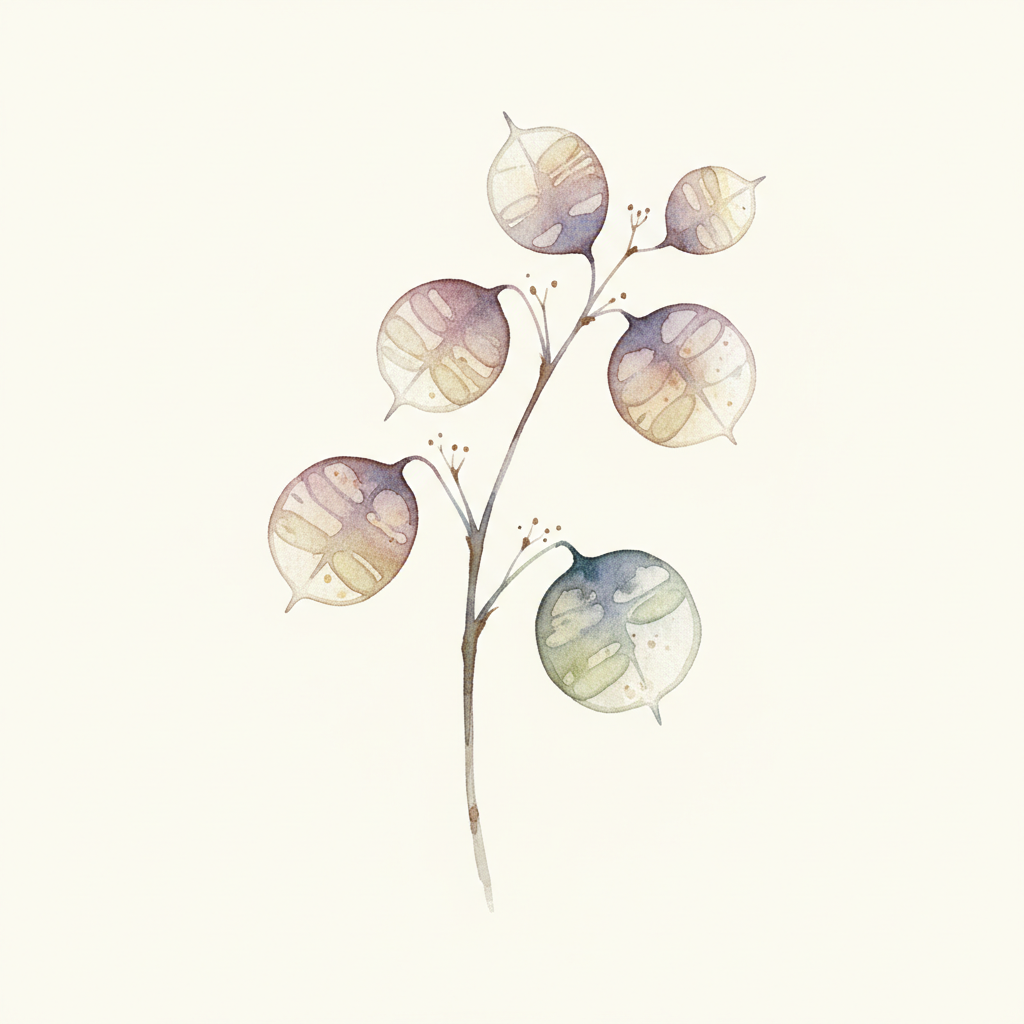
Purple spring flowers turn into translucent silvery seed pods like full moons. Biennial cottage classic that self-sows everywhere.
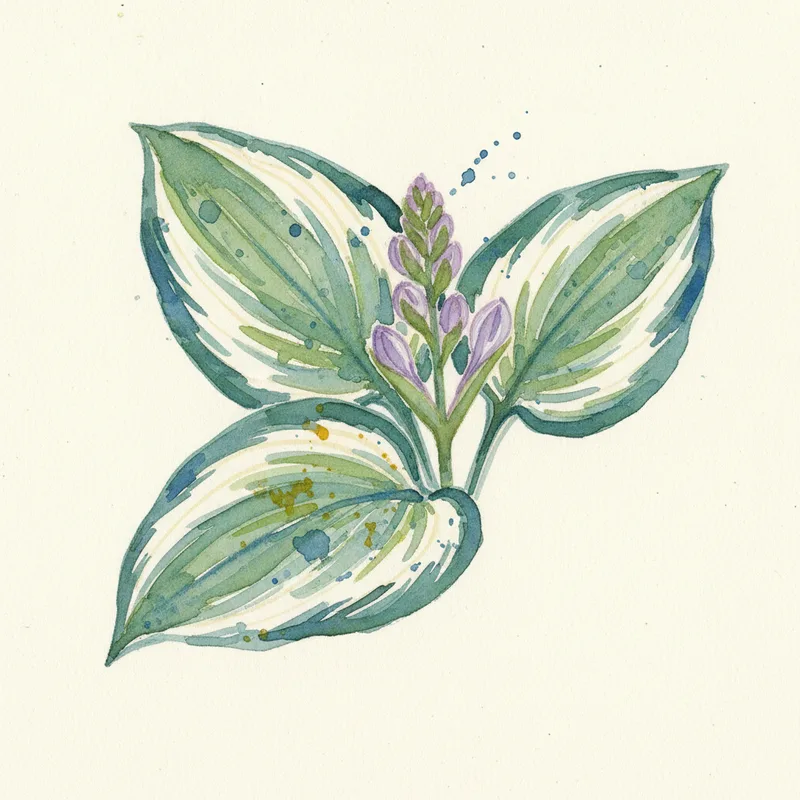
The undisputed queen of shade gardening. Foliage in every green and blue.
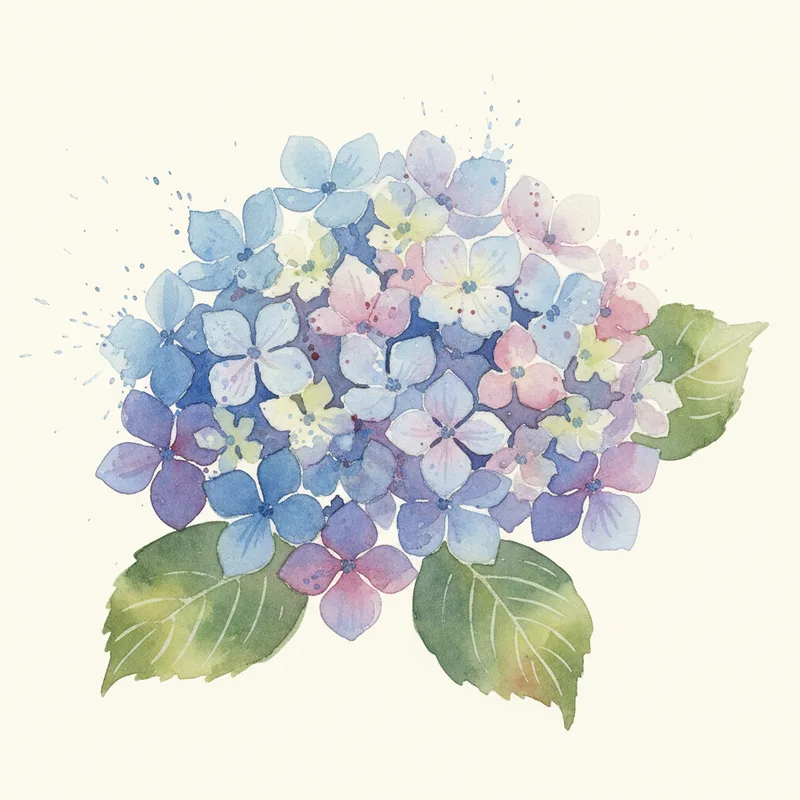
Massive mophead blooms that shift color with soil pH. Showstoppers.
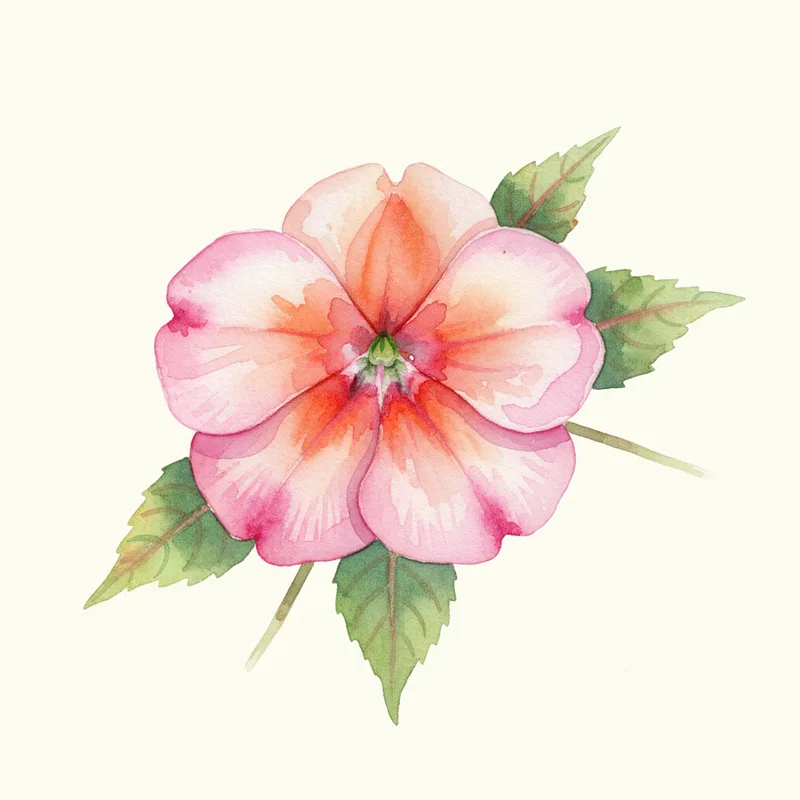
The shade annual champion. Flowers prolifically where nothing else will.
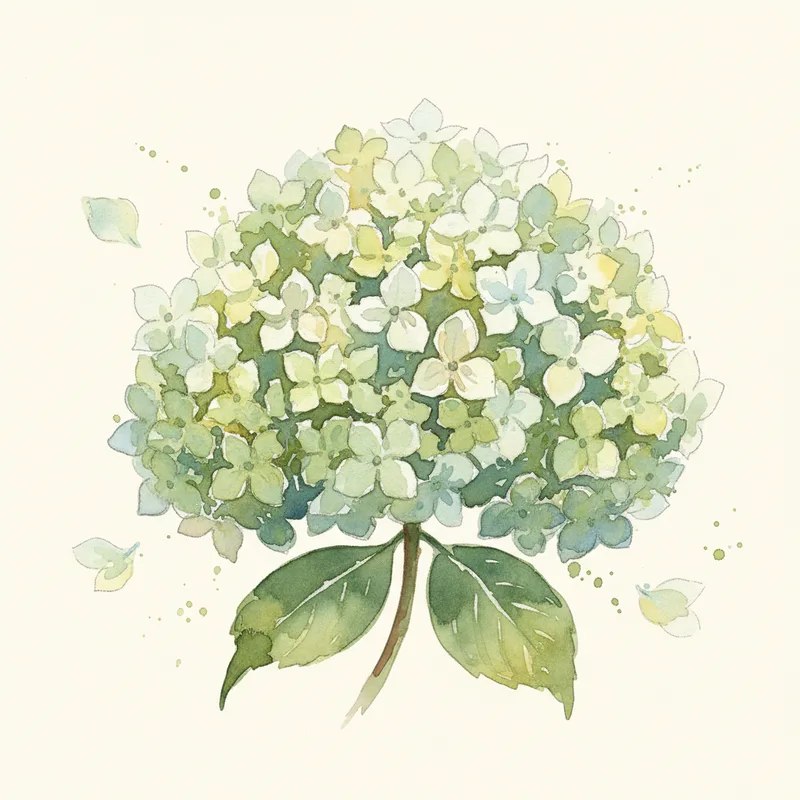
Annabelle's bigger sibling with stronger stems that don't flop. Blooms the size of basketballs.
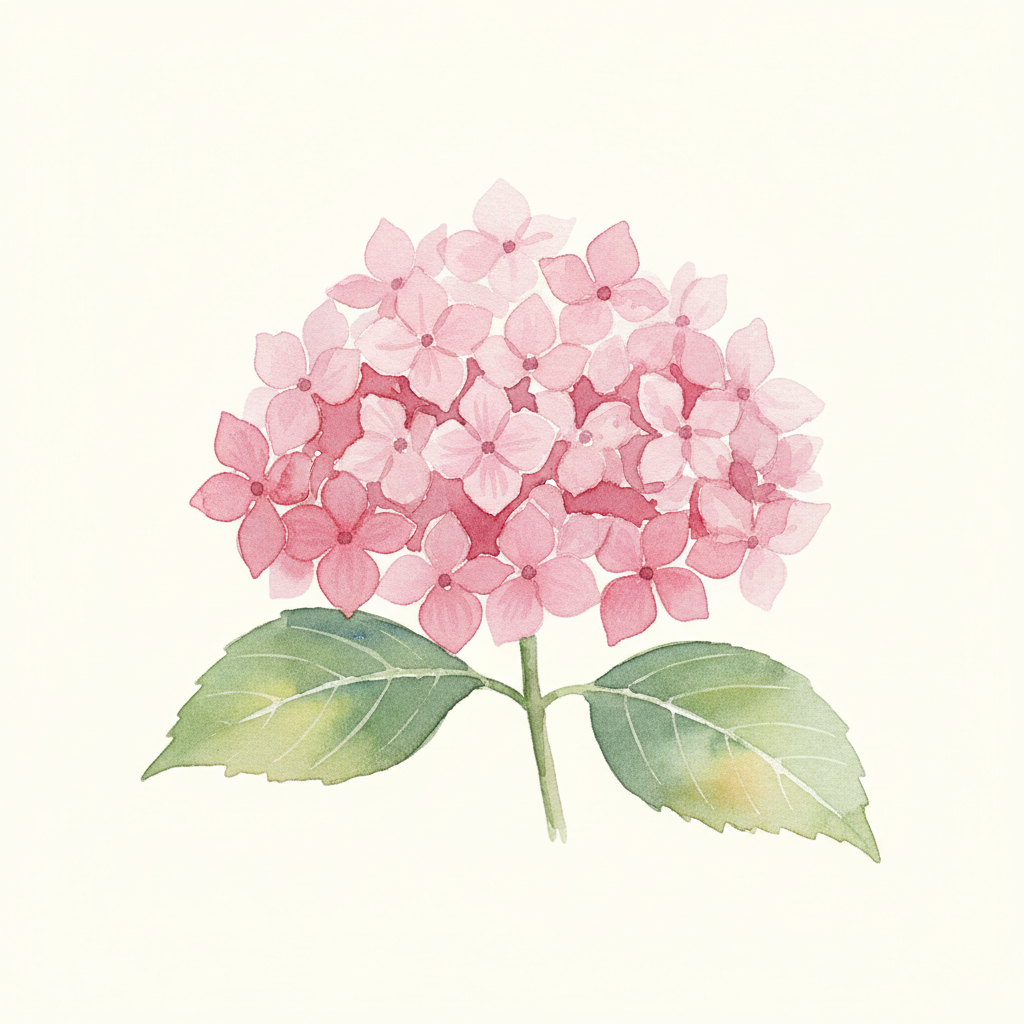
The first pink Annabelle-type hydrangea, with strong stems holding hot-pink globe blooms upright through the season.
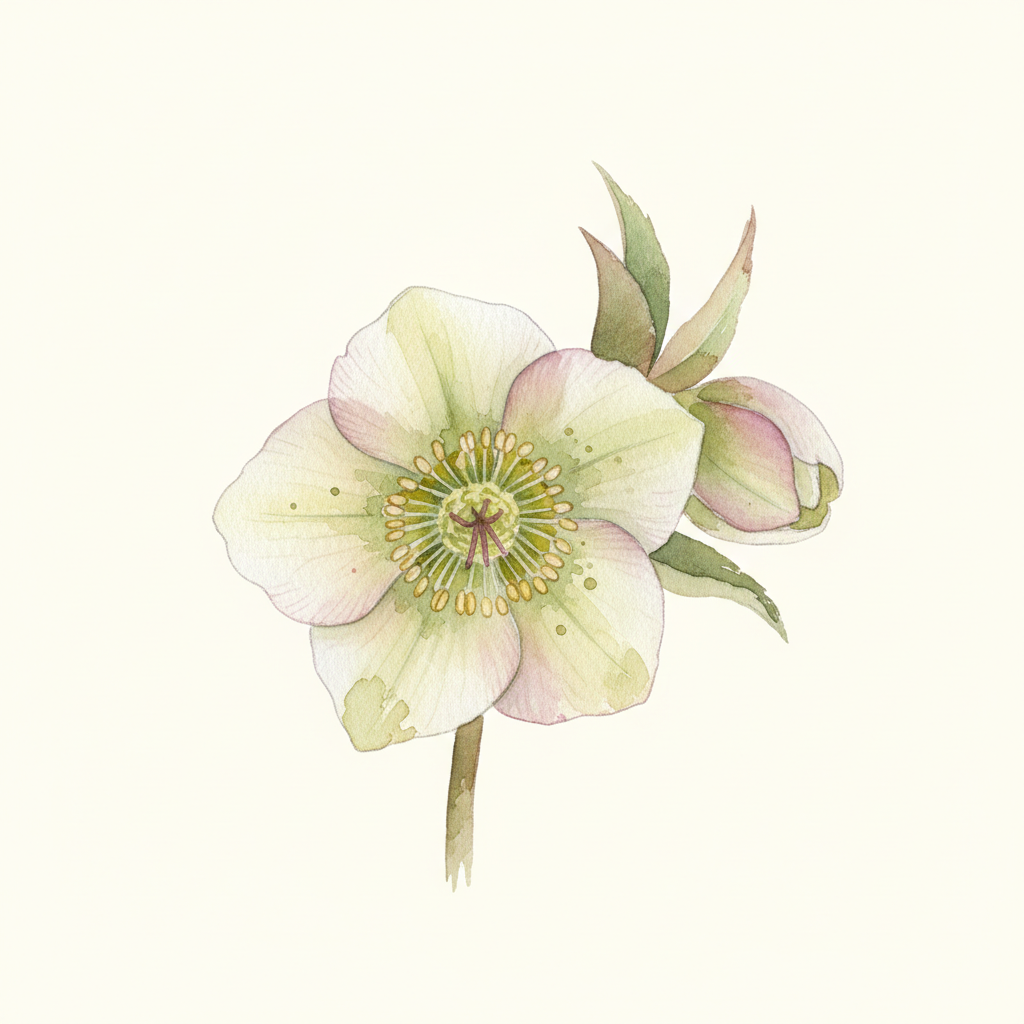
Outward-facing ivory blooms blushed with pink and chartreuse. Compact, tidy, and one of the longest-blooming hellebores in the catalog.
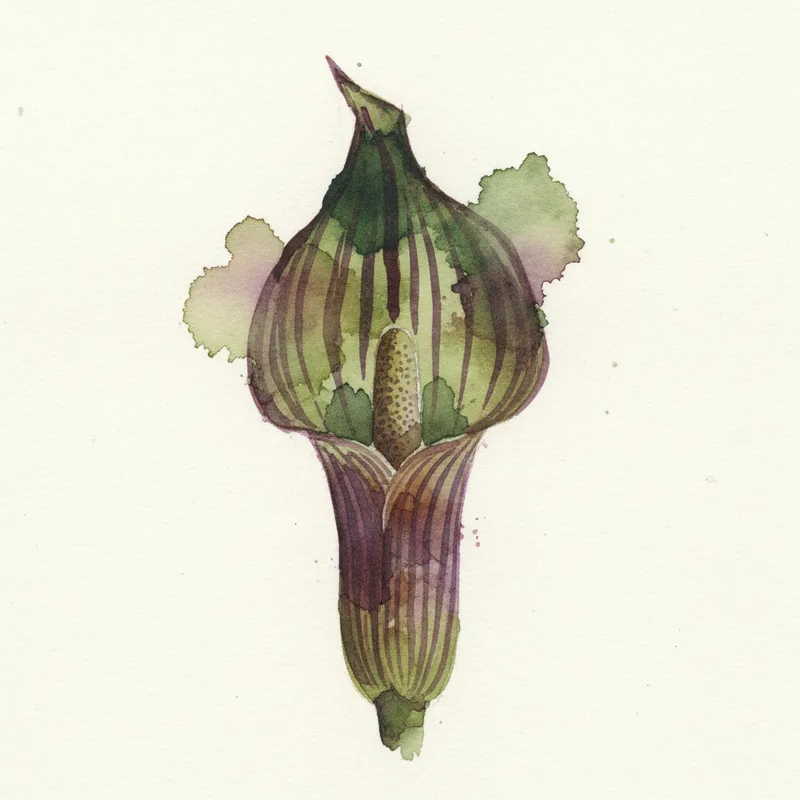
Hooded green-and-brown striped spathe sheltering a hidden spadix. Woodland curiosity followed by red berries.
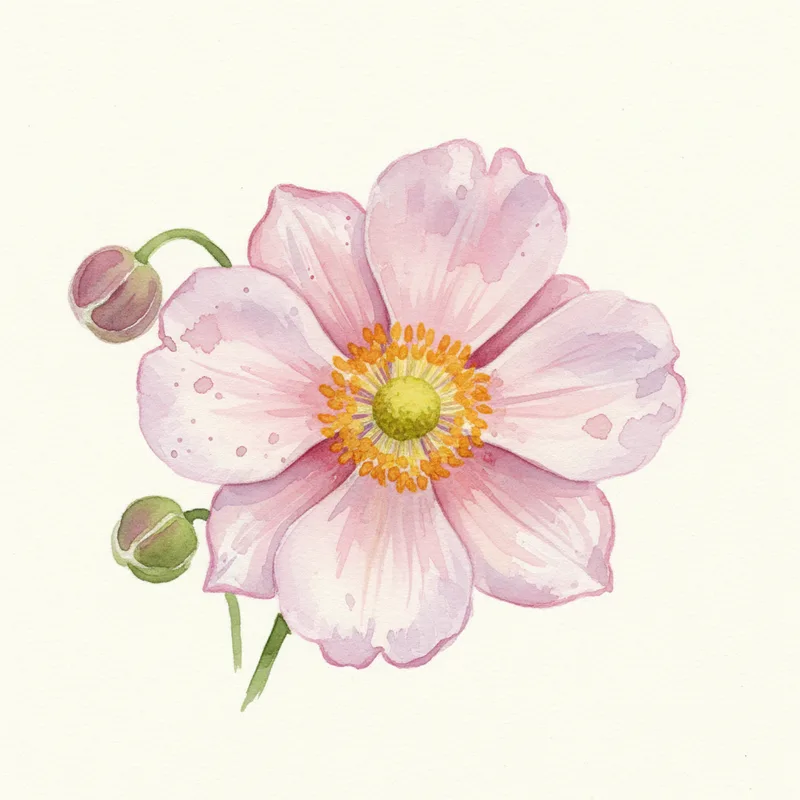
Graceful, swaying blooms on tall stems. Elegant in partial shade.
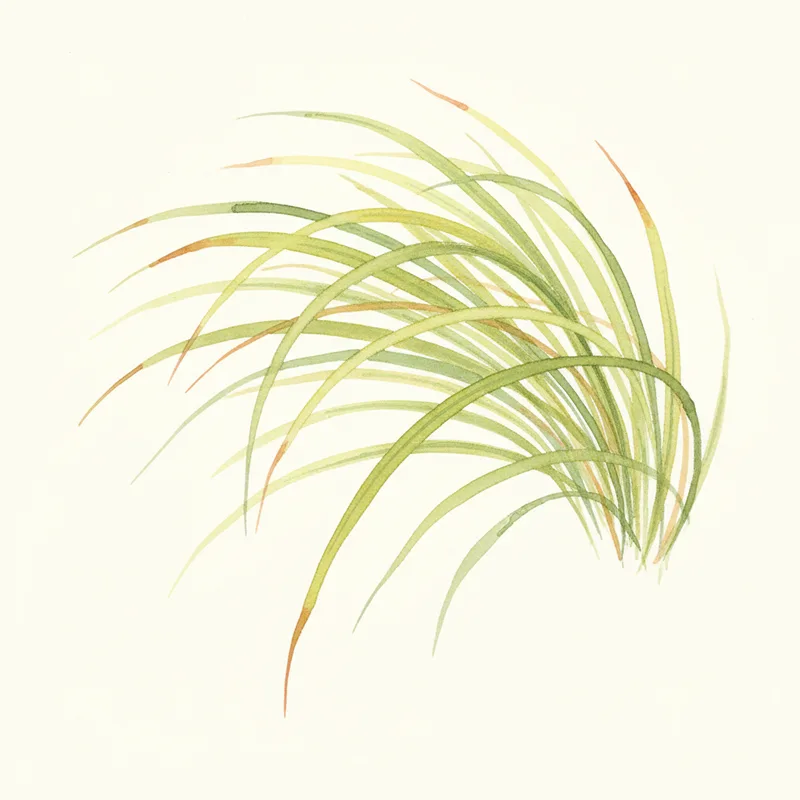
Arching variegated leaves form graceful cascades and brighten shady spots.
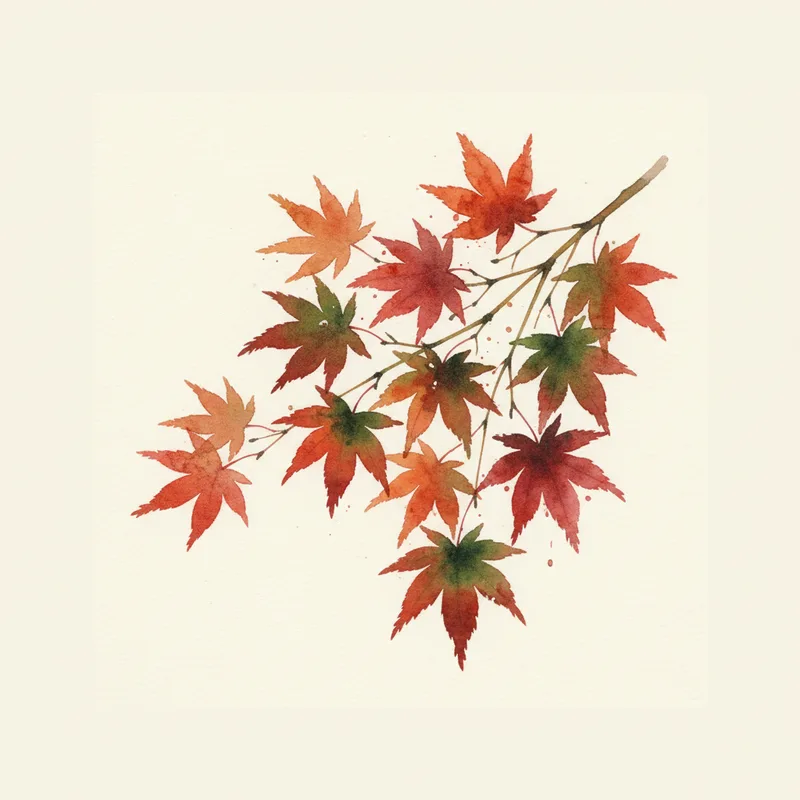
Small flowers are modest but foliage is the star. Hundreds of cultivars from laceleaf to upright. The connoisseur's tree.
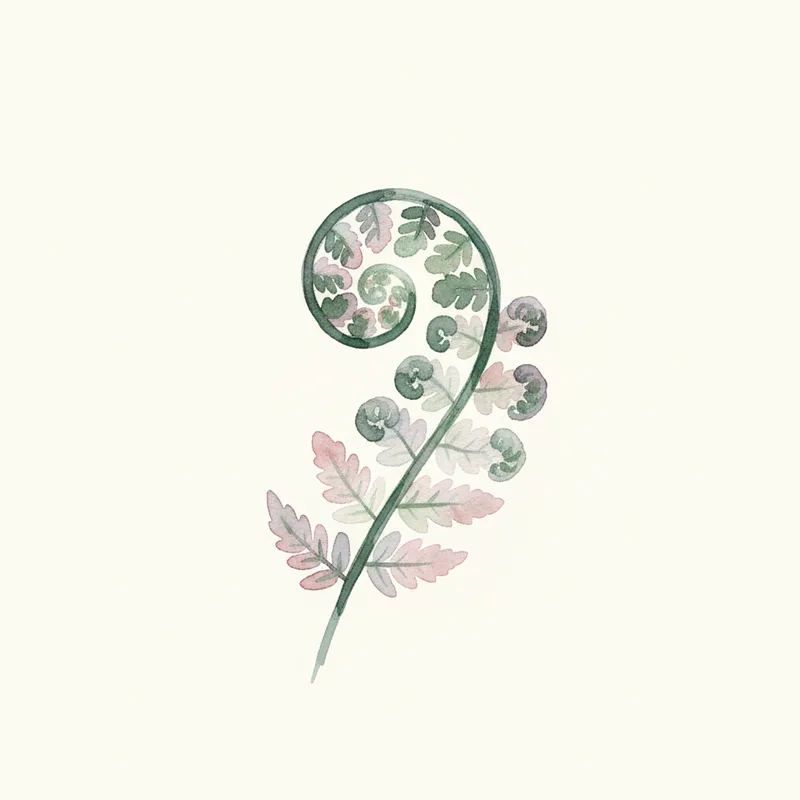
Silver and burgundy fronds unlike any other fern. Foliage plant that earns its keep on color alone.
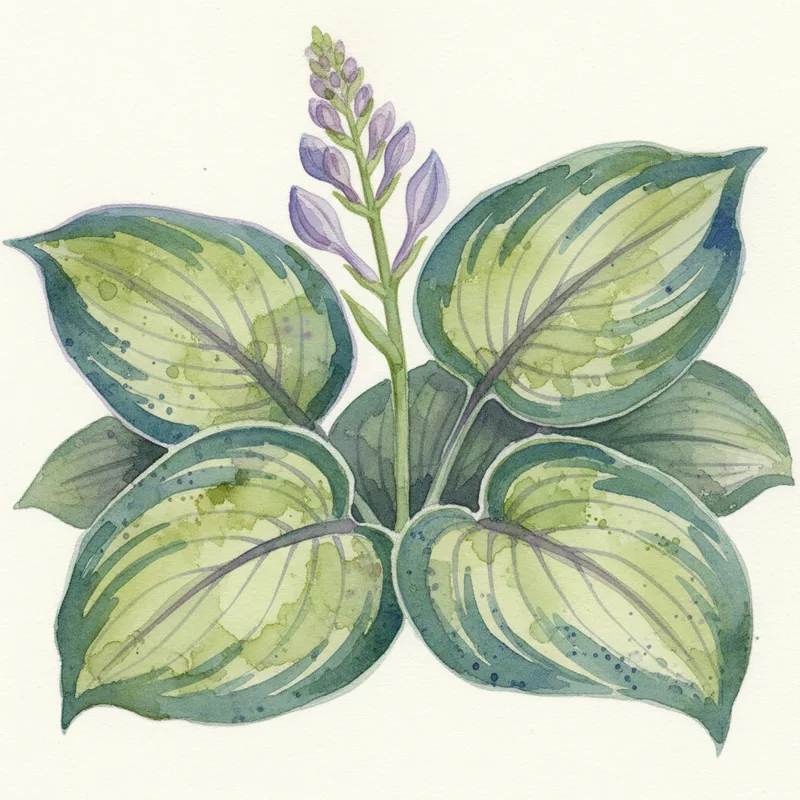
Gold center streaked with blue-green margins. Color shifts through the season. A collector's favorite.
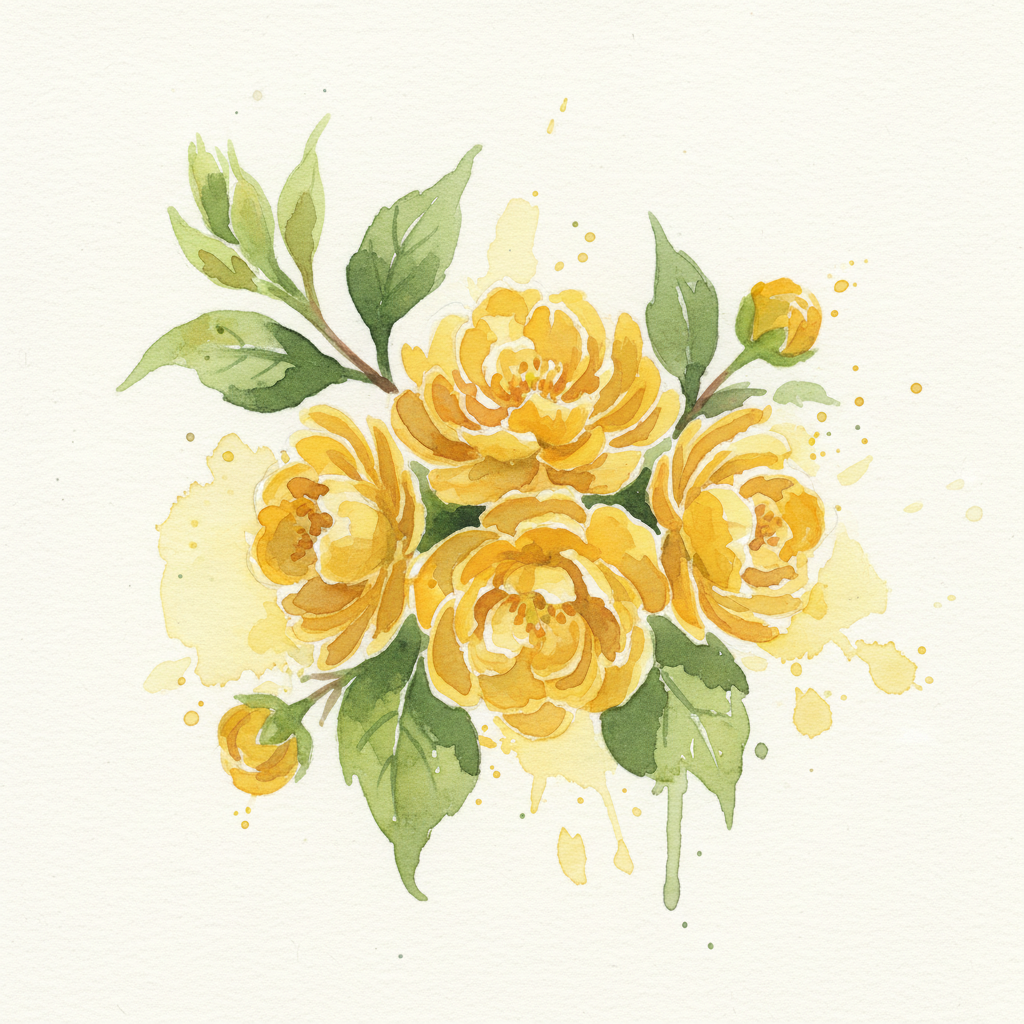
Cheerful golden-yellow pompoms on bright green stems that stay vivid green all winter. One of the easiest shade-tolerant shrubs.
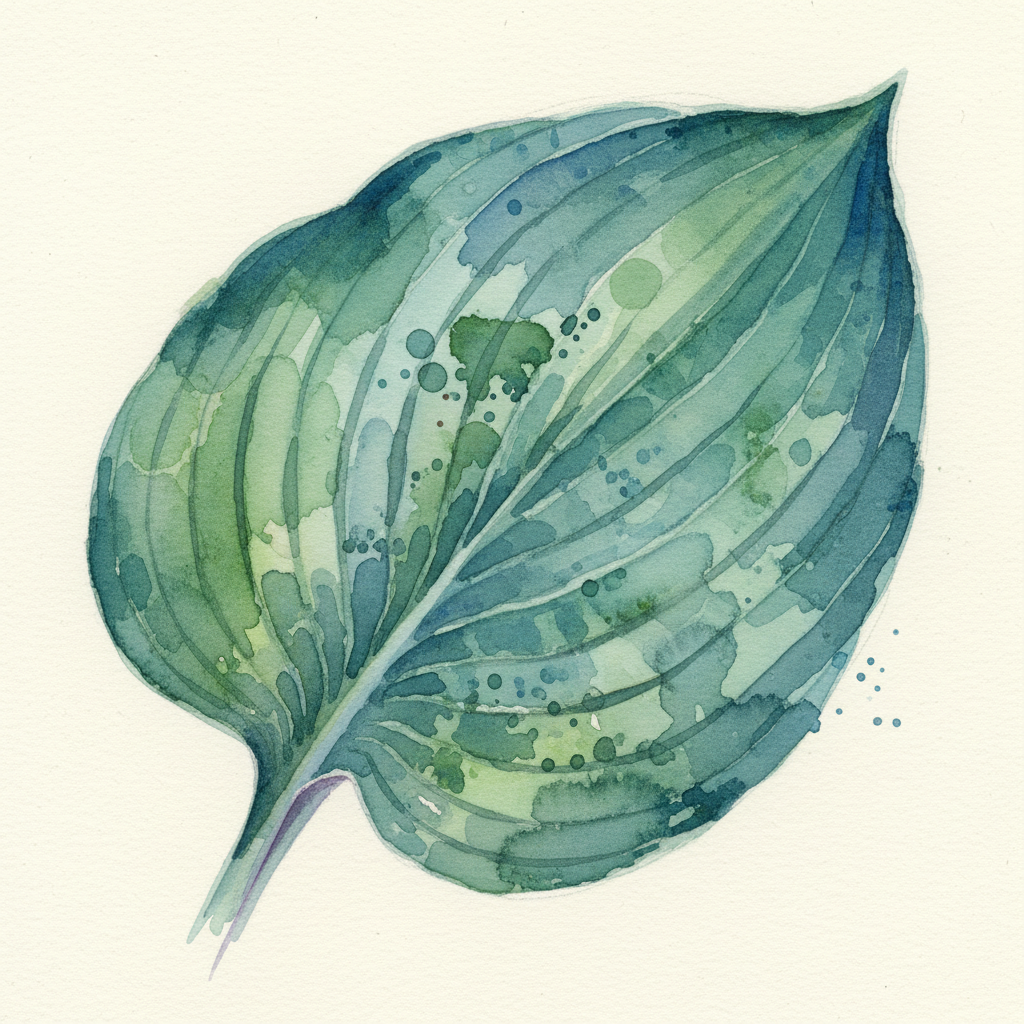
Stately vase-shaped form with silvery-blue leaves on long stems. Tall lavender flower spikes rise five feet above the foliage.
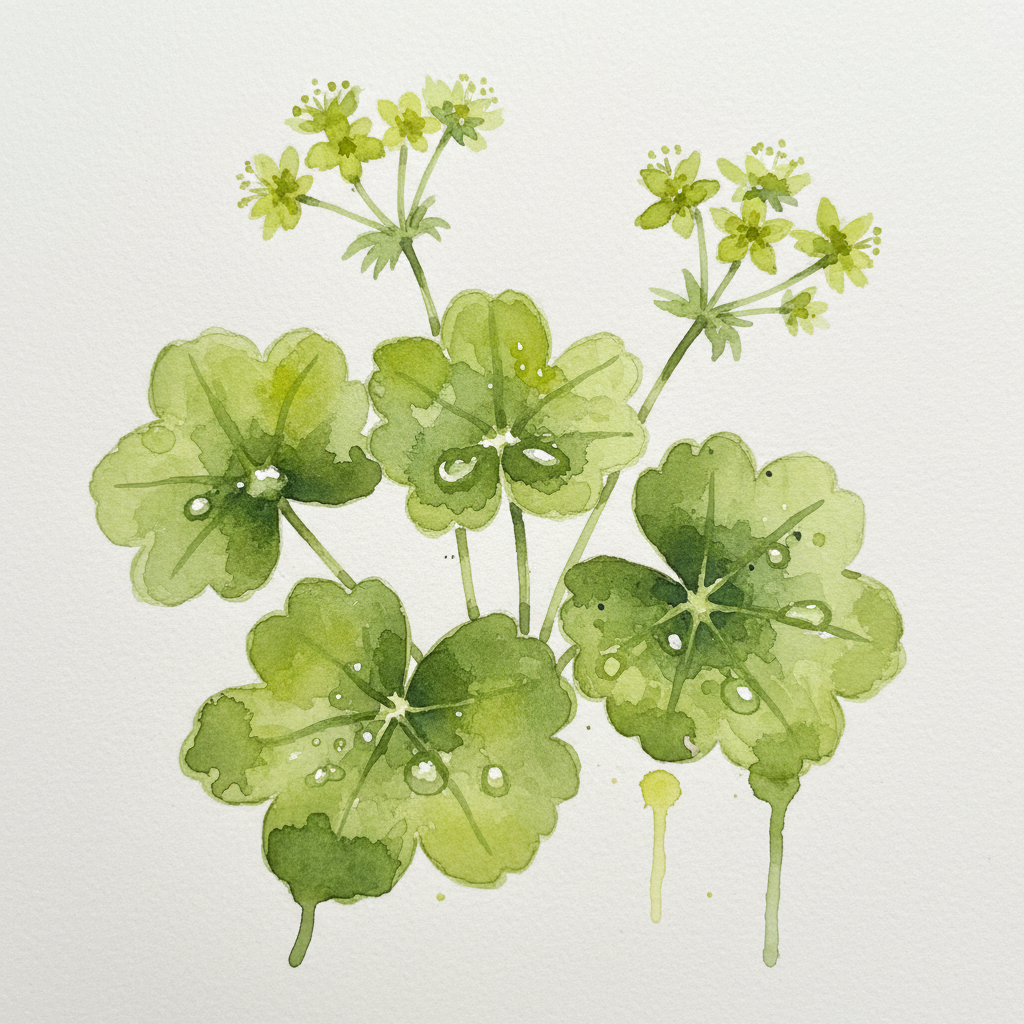
Chartreuse frothy flowers and pleated blue-green leaves that hold water droplets like mercury. The ultimate filler plant.
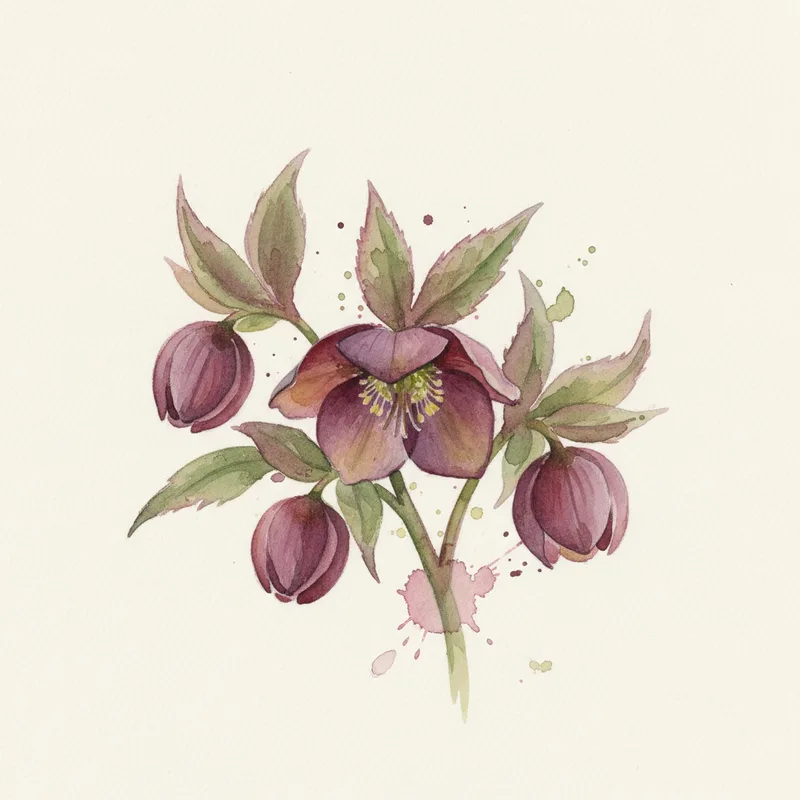
Nodding flowers in late winter when nothing else is blooming. Evergreen foliage adds year-round structure to shade gardens.
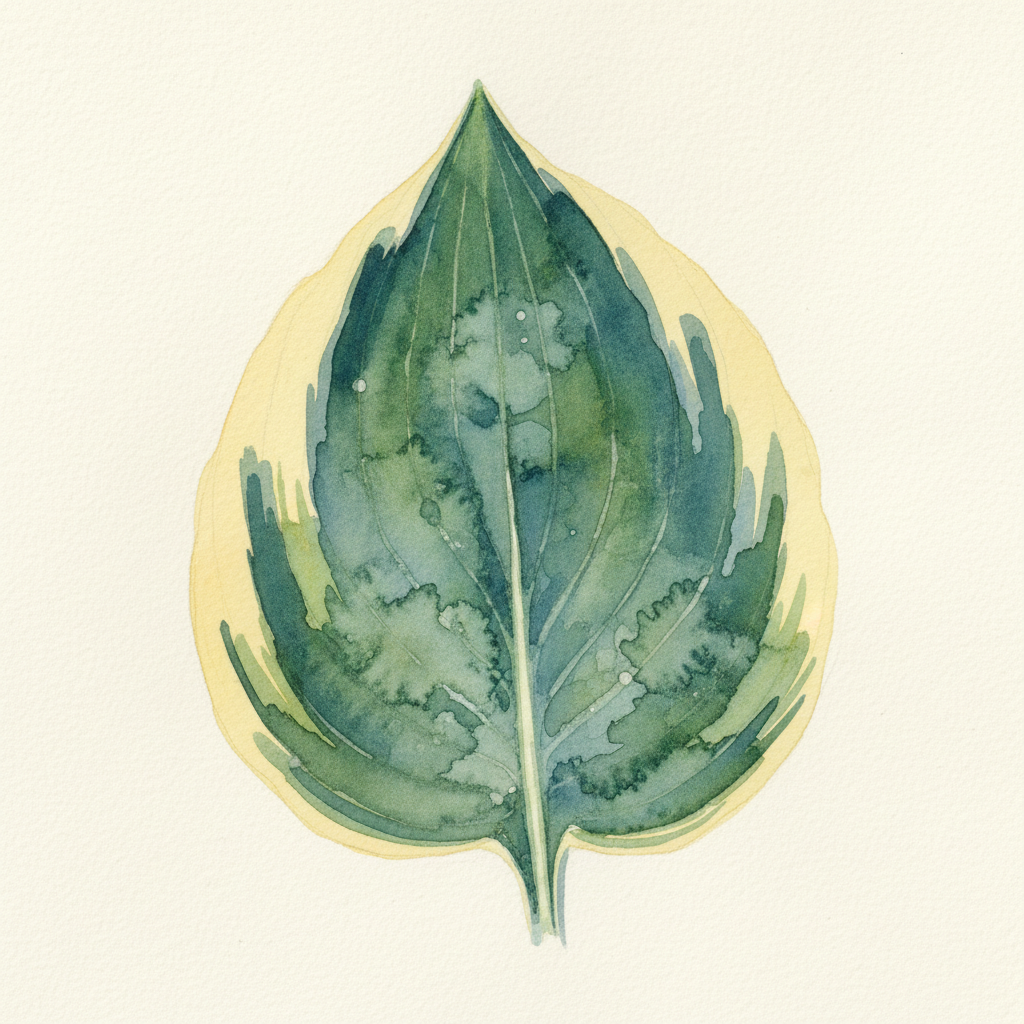
Large blue-green leaves with wide creamy yellow margins that whiten as the season ages. Bigger and brighter than First Frost, its parent.
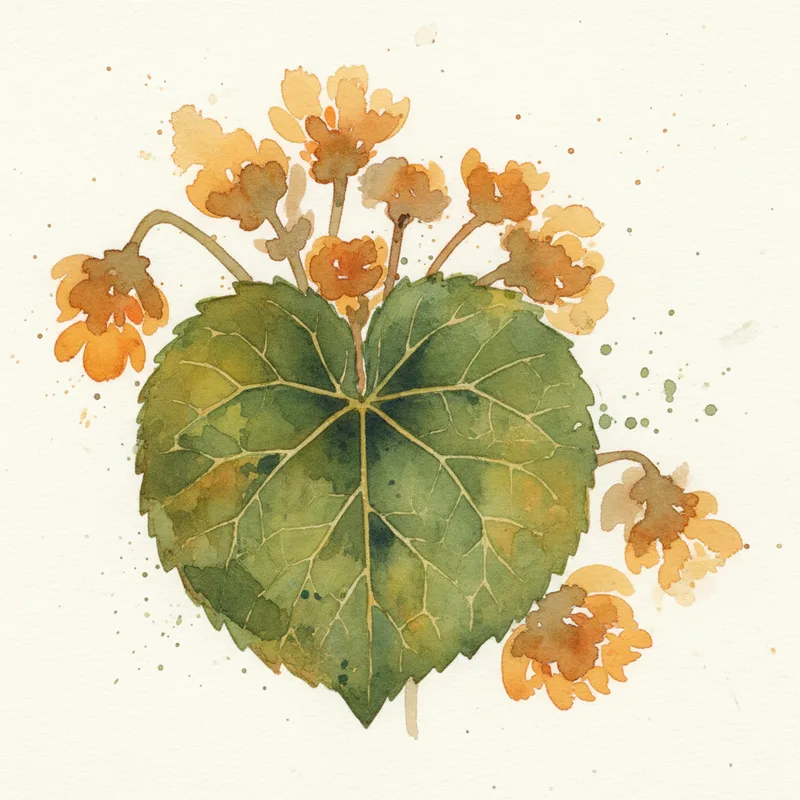
Bold, dinner-plate leaves with daisy-like flowers. Loves wet feet and will wilt dramatically if dry.
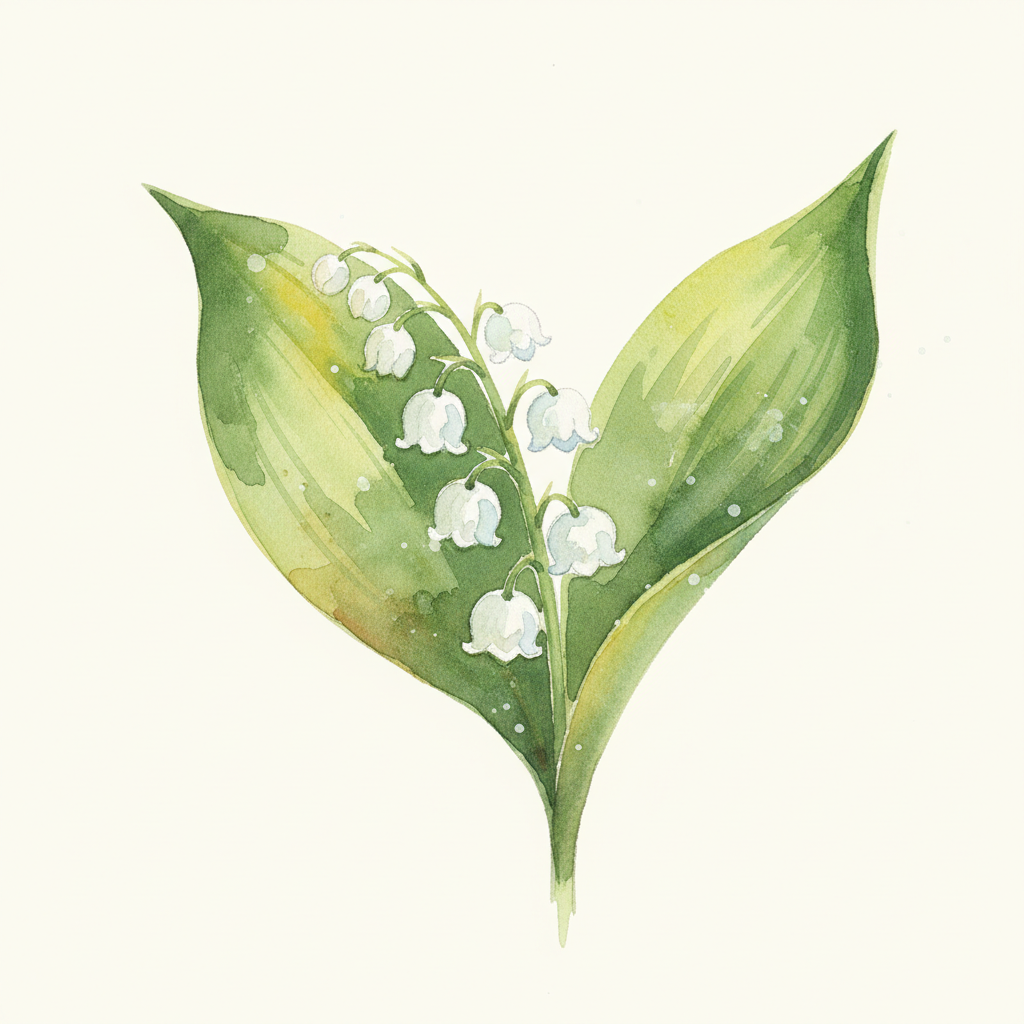
Tiny bell-shaped flowers with one of the most intoxicating fragrances in the plant world. Spreads into lush carpets under trees.
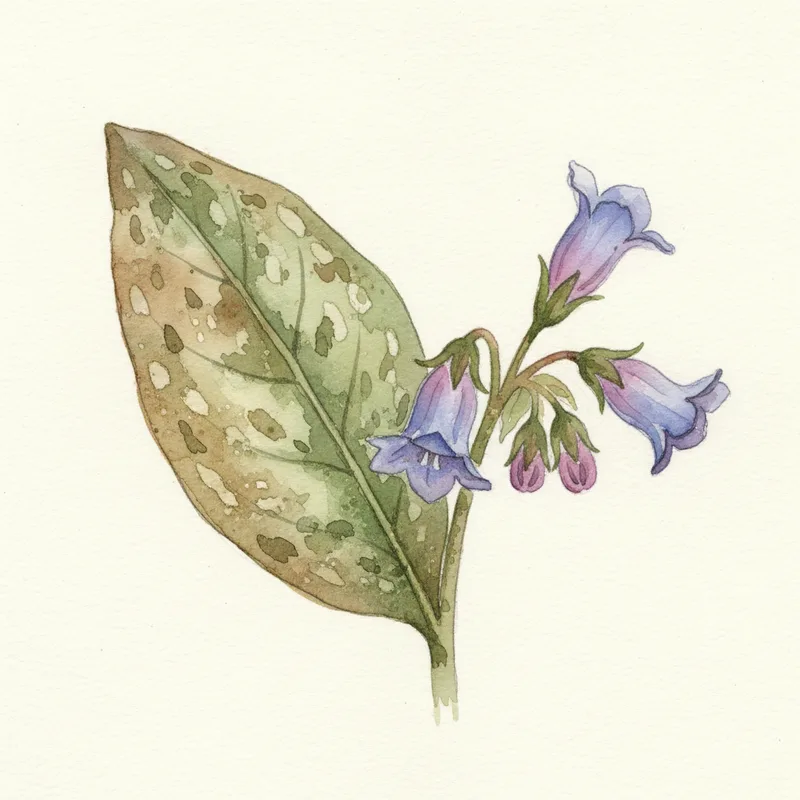
Flowers open pink and turn blue on the same stem. Silver-spotted foliage looks great all season.
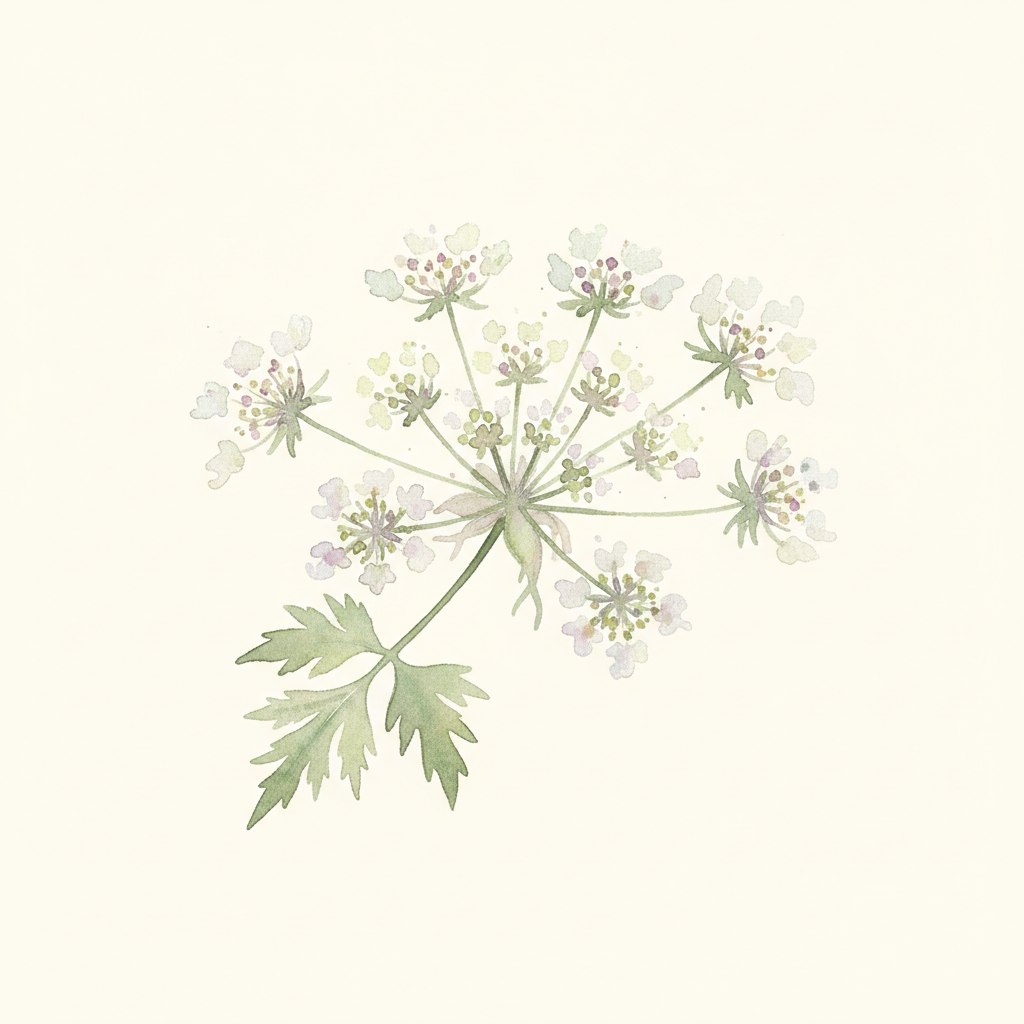
Intricate pincushion flowers surrounded by papery bracts in soft pinks and whites. Beloved by florists and shade gardeners alike.
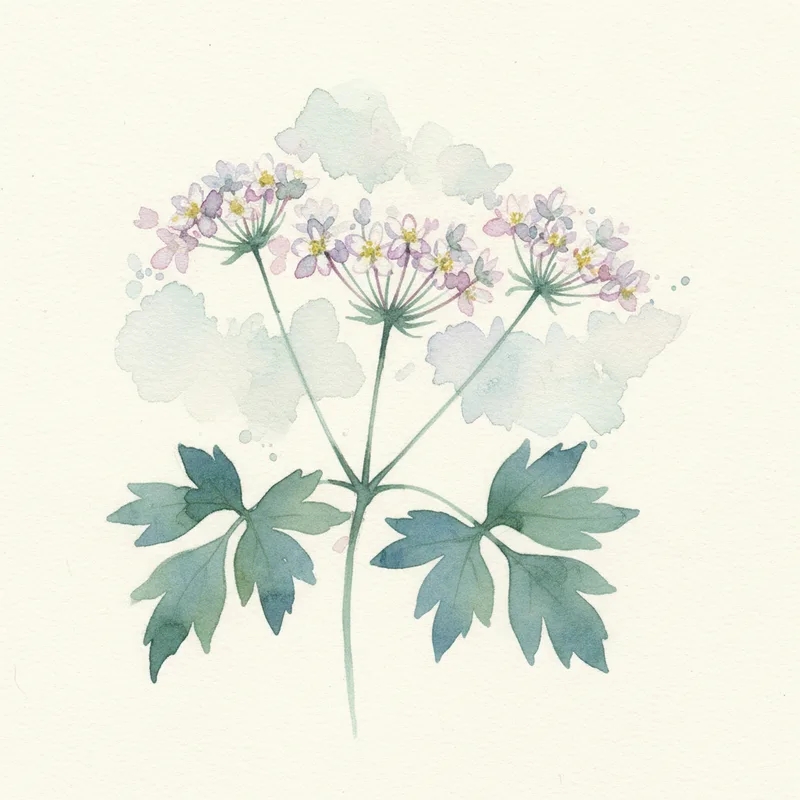
Fluffy puffs of bloom on tall, airy stems above columbine-like foliage. Light and ethereal.
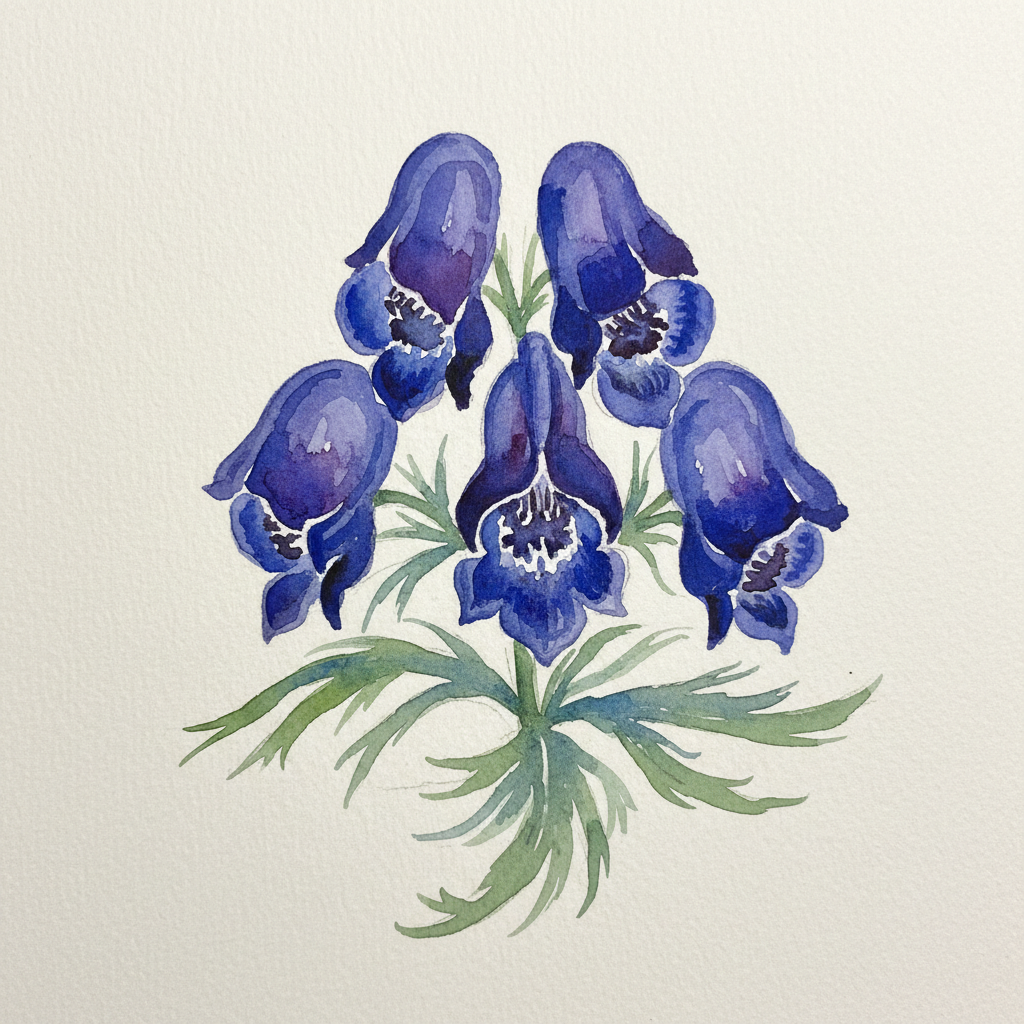
Deep indigo-blue hooded flowers on tall spikes in late summer. One of the few genuinely blue flowers that grows in shade.
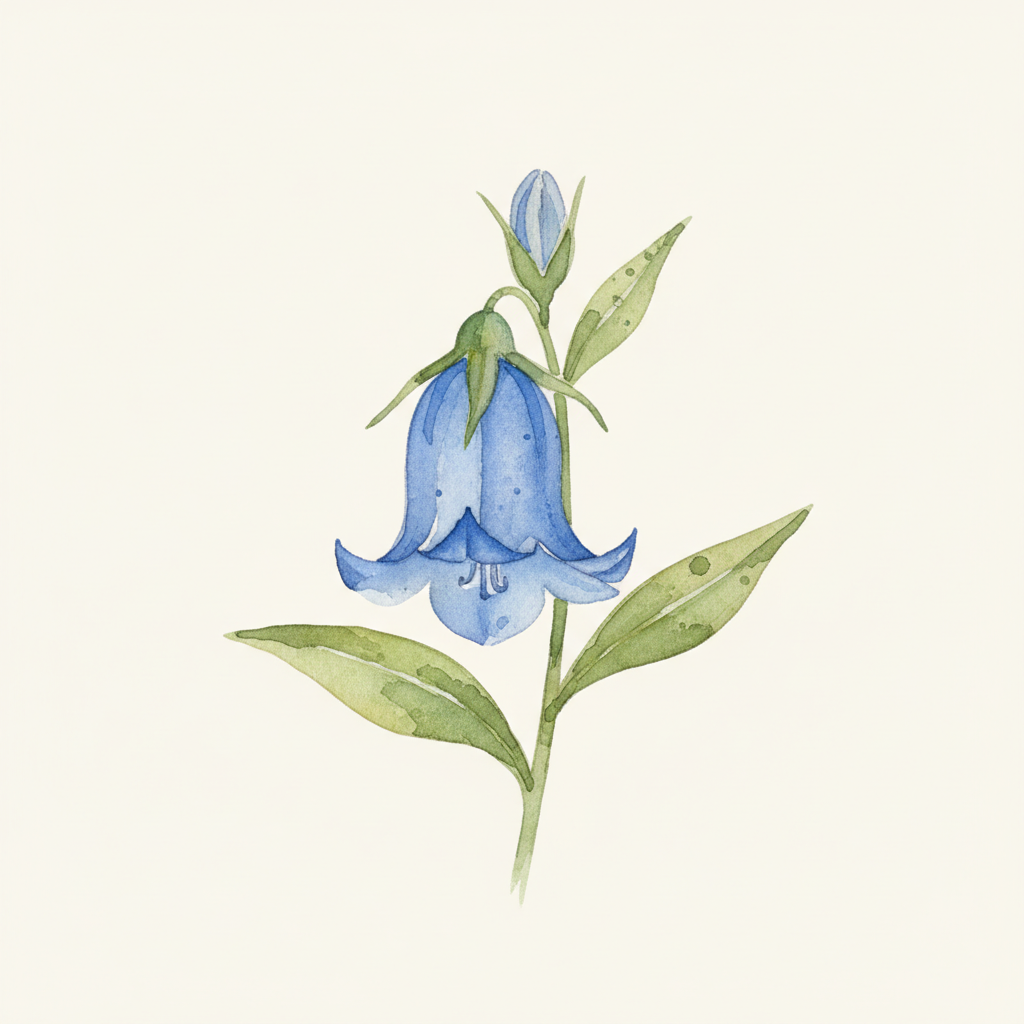
Sky-blue bell flowers on tall arching stems along mountain streams. The showy western cousin of Virginia Bluebell.
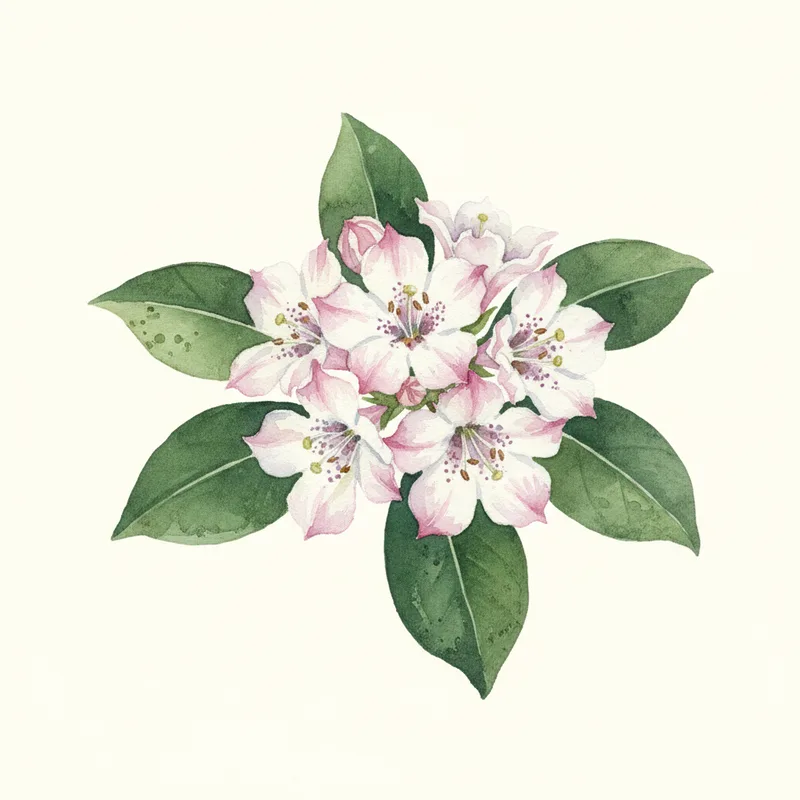
Exquisite geometric buds open to cupped flowers. A native evergreen gem.
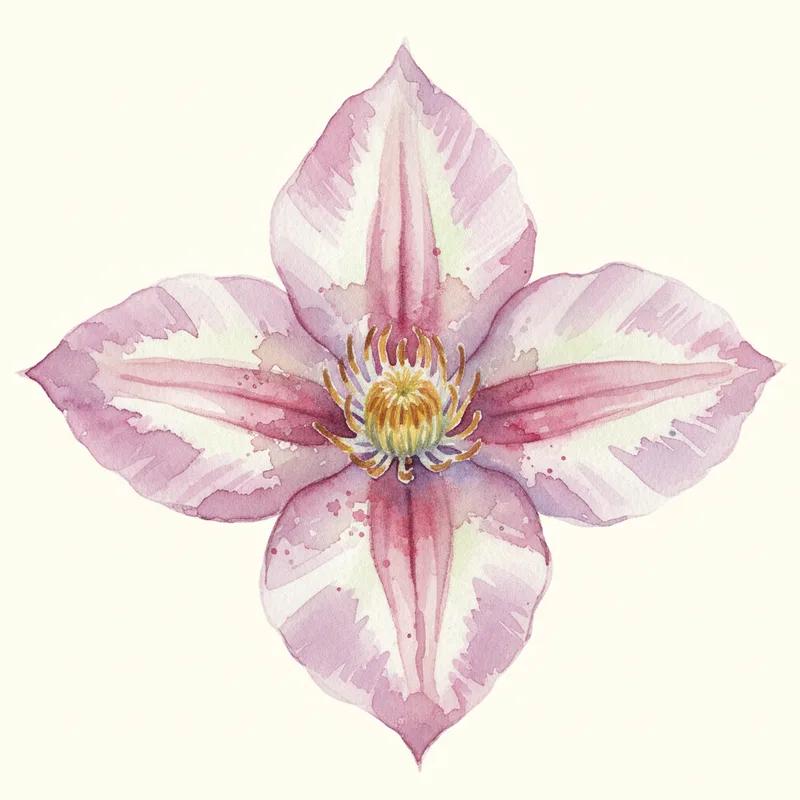
Pale pink petals with a darker pink bar down the center. Prefers some shade to prevent color fading.
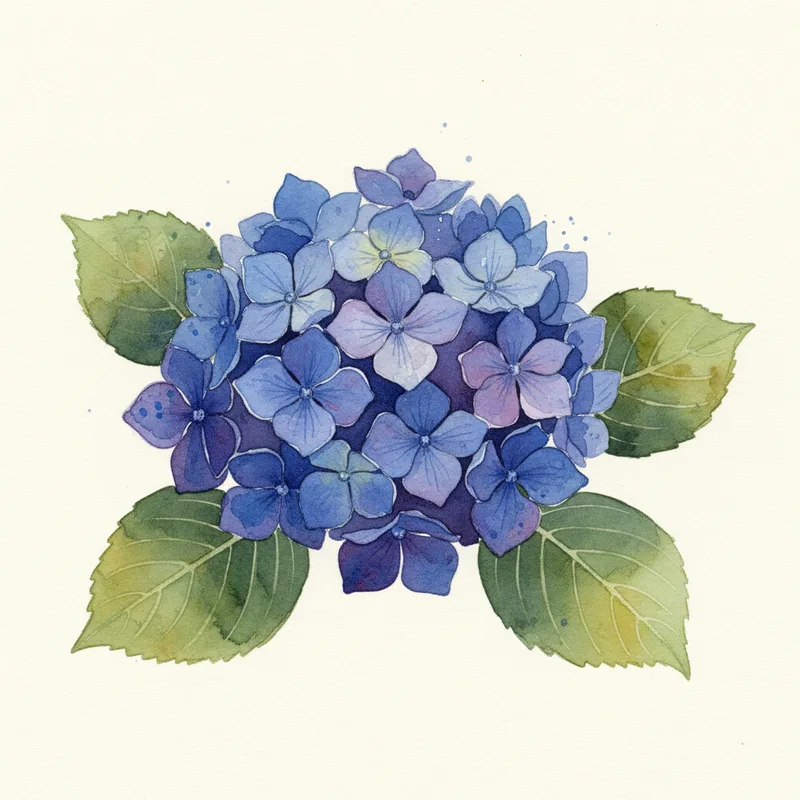
The classic blue mophead. Rich, true blue in acidic soil. A cottage garden essential.
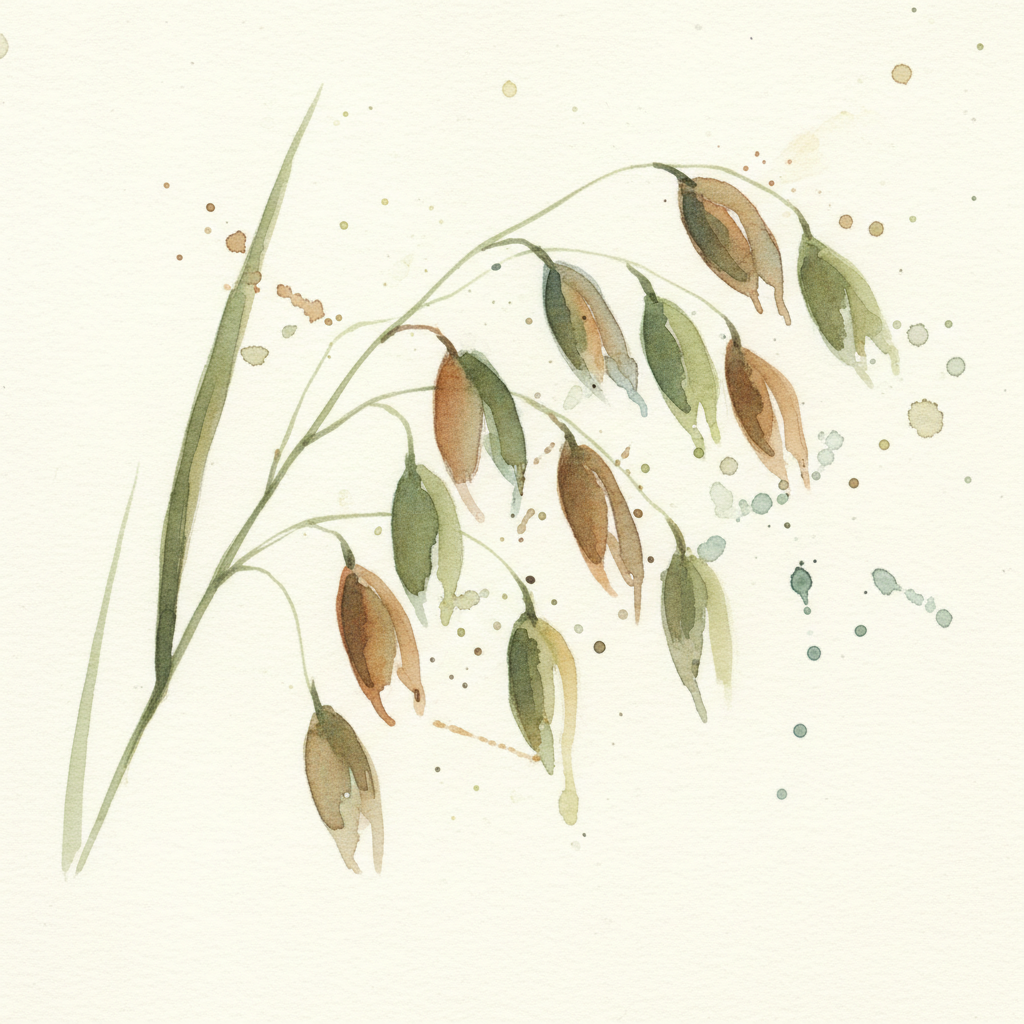
Flat seed heads dangle from arching stems and dance in the slightest wind. The best native grass for shade.
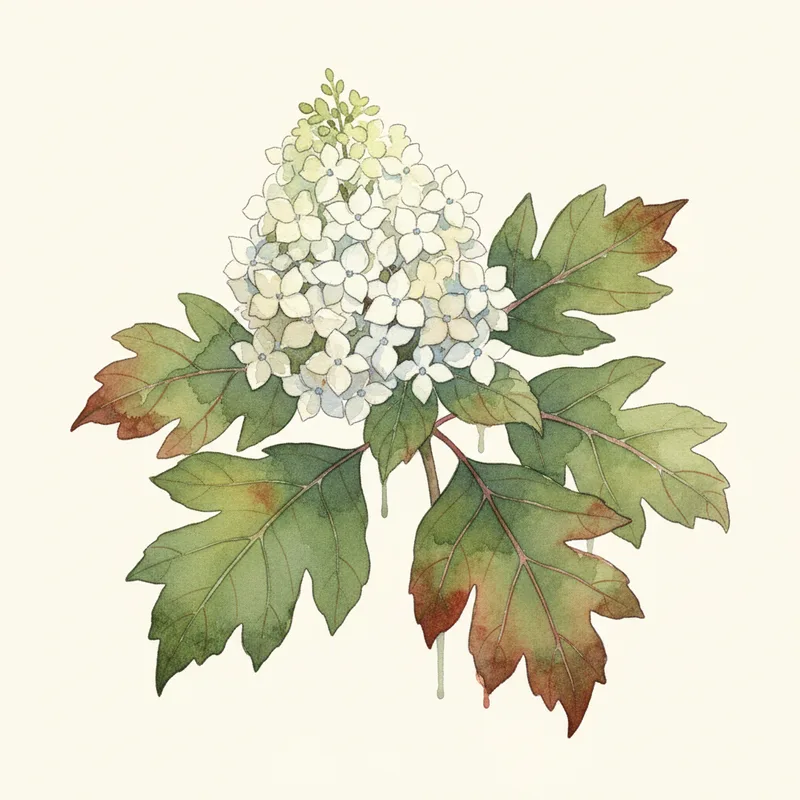
A four-season native flowering shrub with oak-shaped leaves that turn burgundy in fall, exfoliating cinnamon bark in winter, and foot-long white cone blooms in summer that age to dusty pink.
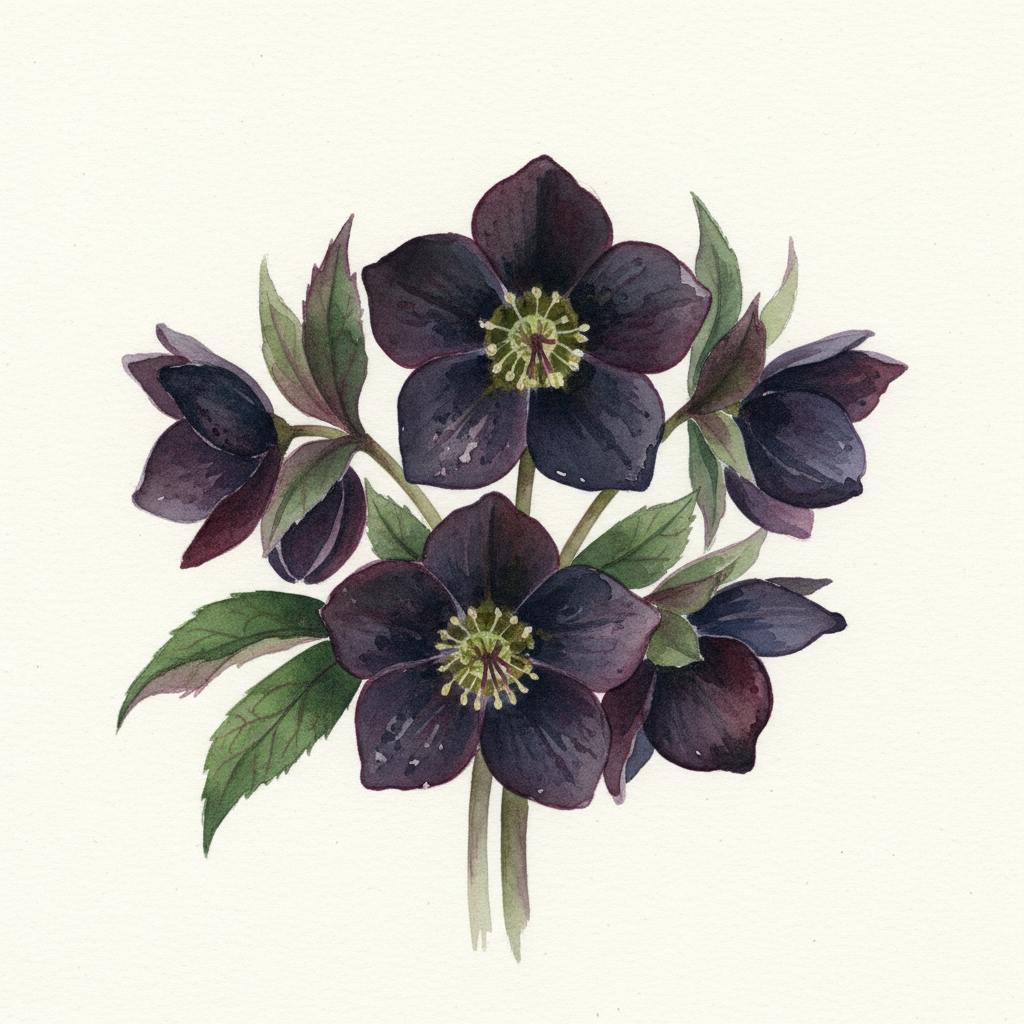
Fully double black-purple blooms that look almost theatrical. The darkest hellebore available, and worth the hunt to find one.
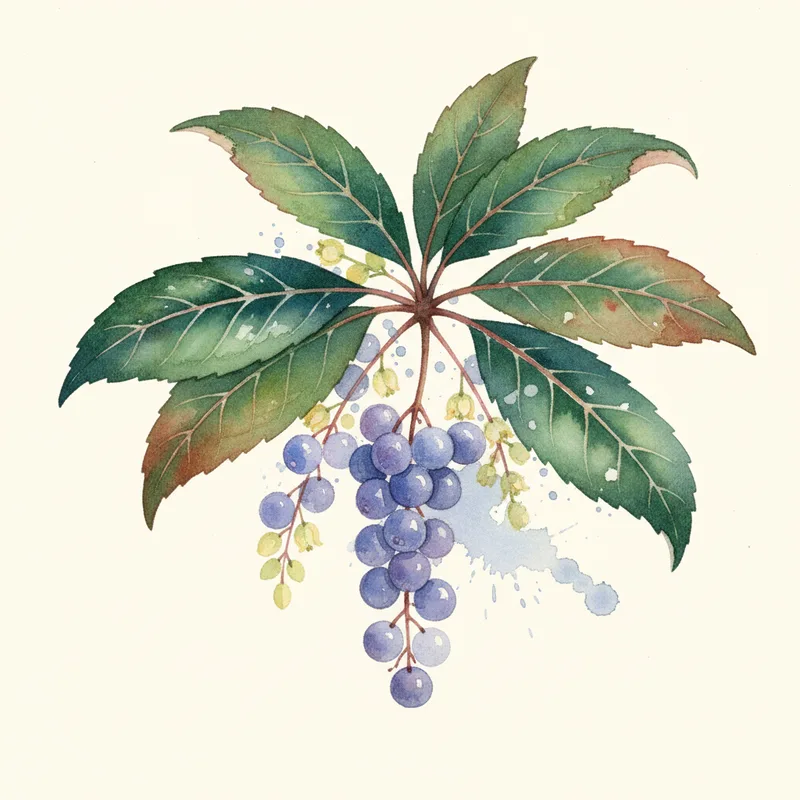
Holly-like evergreen with yellow flower clusters followed by blue berries. Tough, shade-loving native.
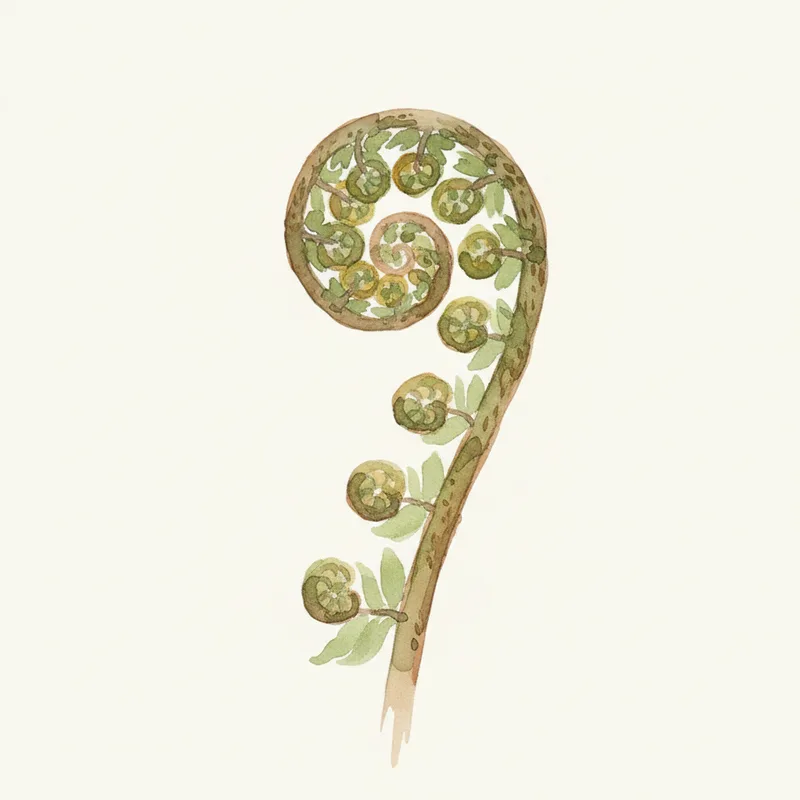
Tall vase-shaped fronds that unfurl from fiddleheads in spring. Spreads to form dramatic colonies.
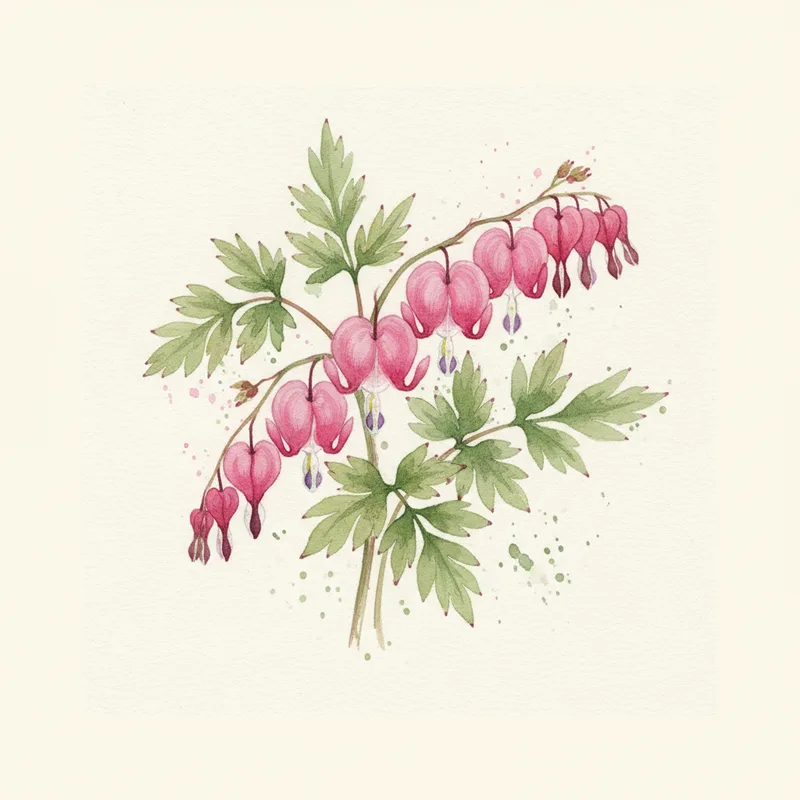
Western native that blooms much longer than its eastern cousin. Ferny foliage all season.
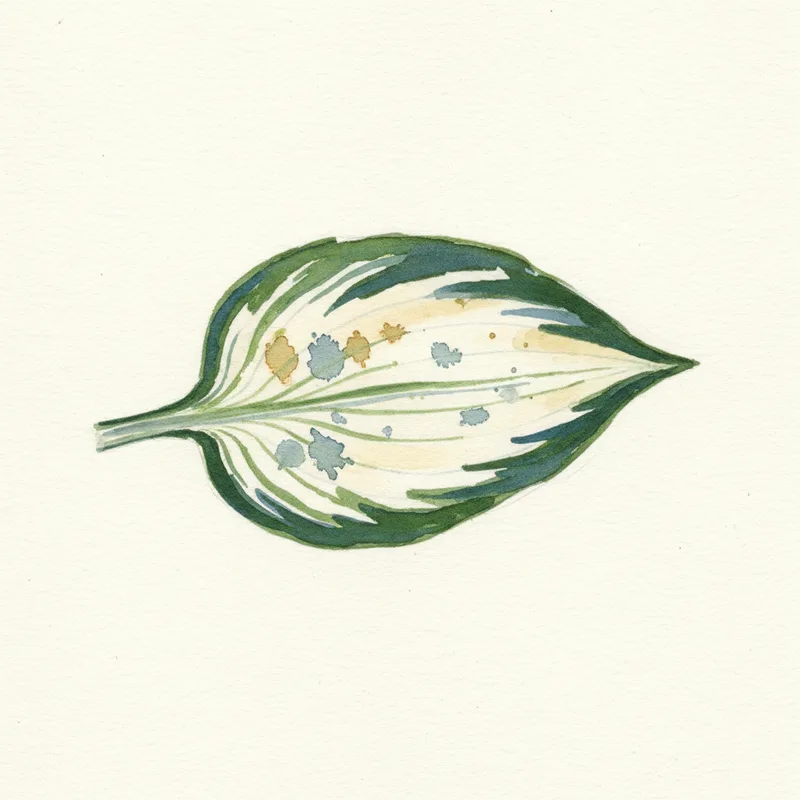
Dark green leaves with crisp white margins. Classic variegated hosta that brightens shady spots.
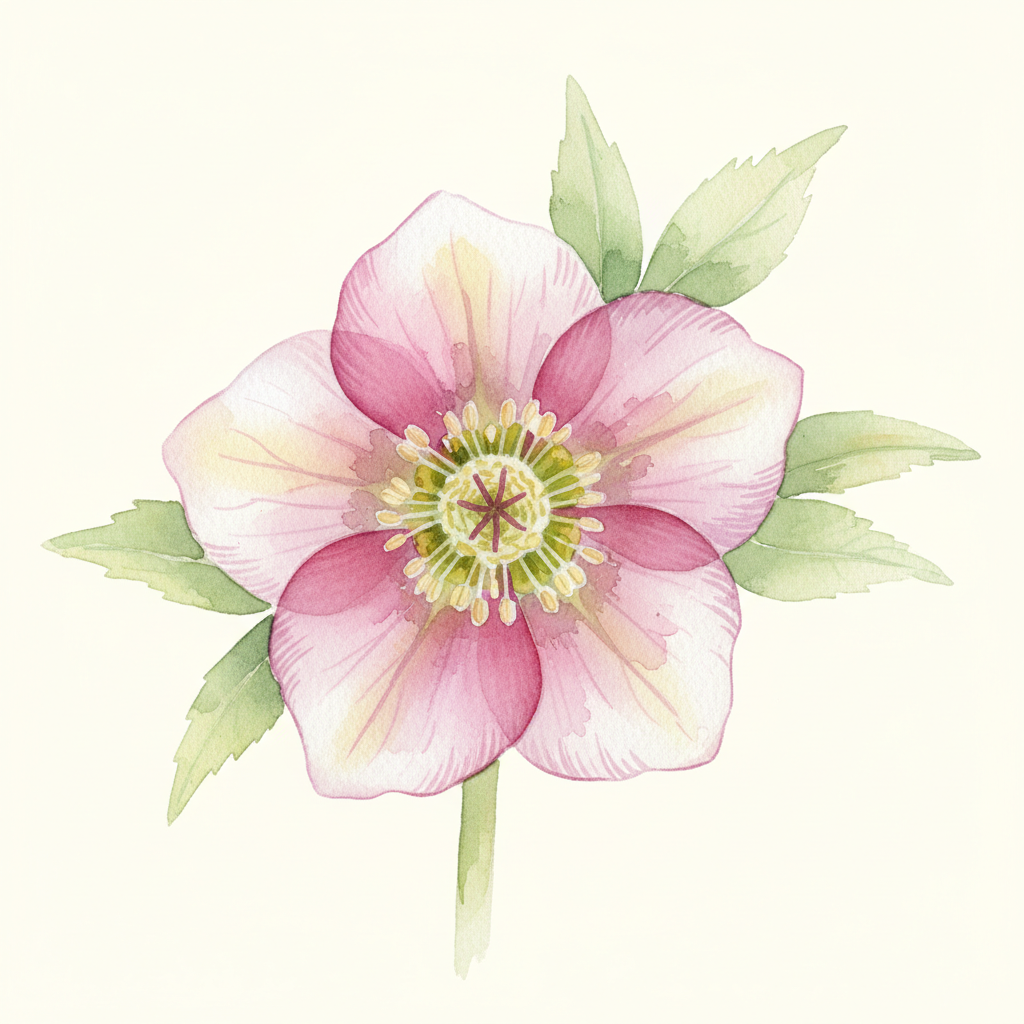
Outward-facing rose-pink blooms with veined petals, held above marbled foliage. One of the showiest hellebores ever bred.
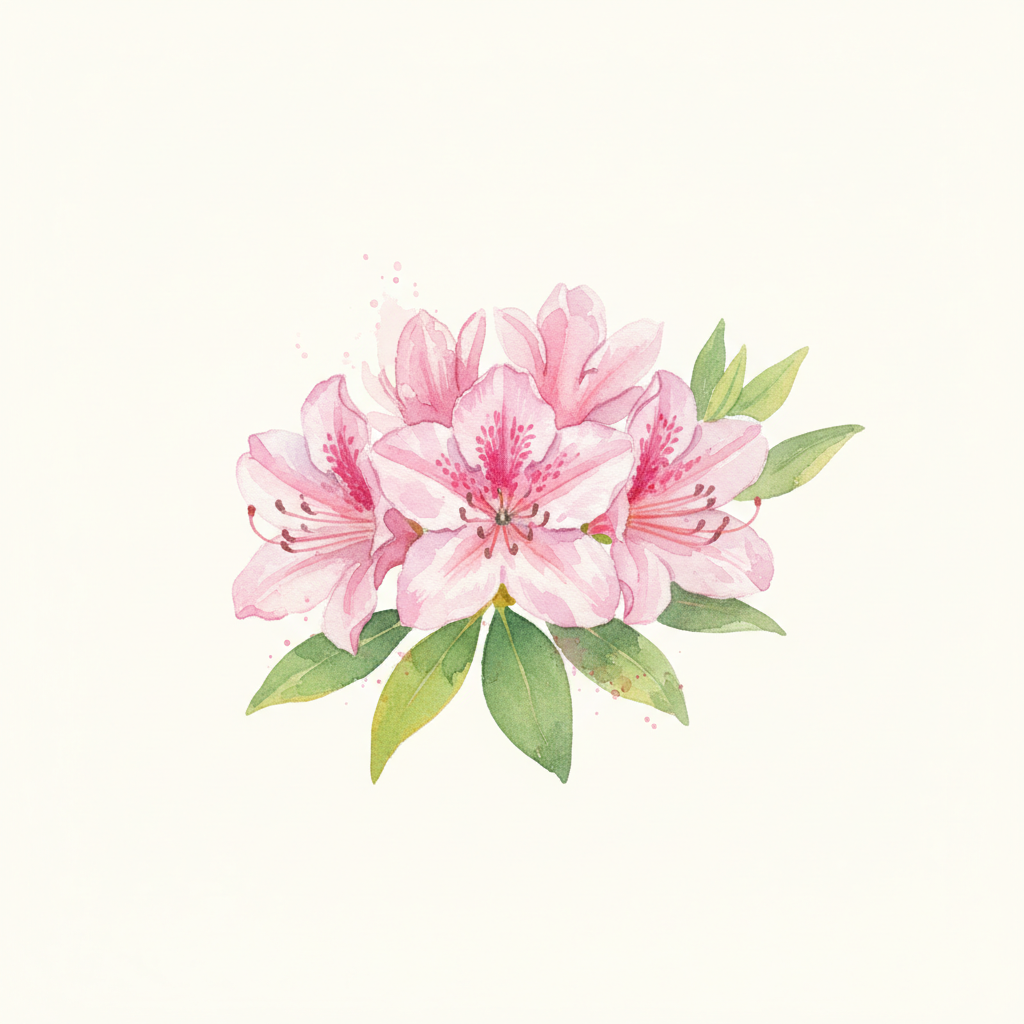
Fragrant pale pink to white flowers open before the leaves in early spring, filling lowland forests with sweetness.
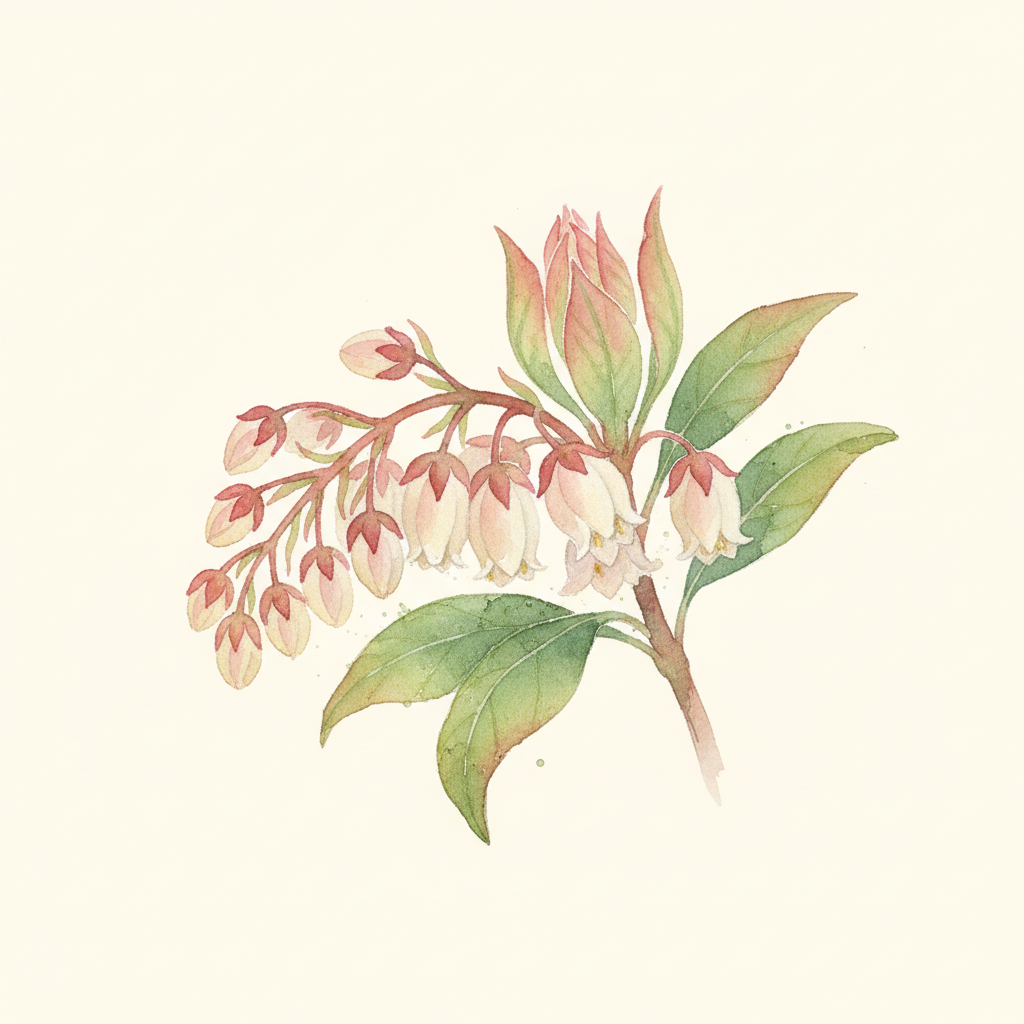
Chains of lily-of-the-valley flowers dangle over colorful new growth. Year-round structure for shady borders.
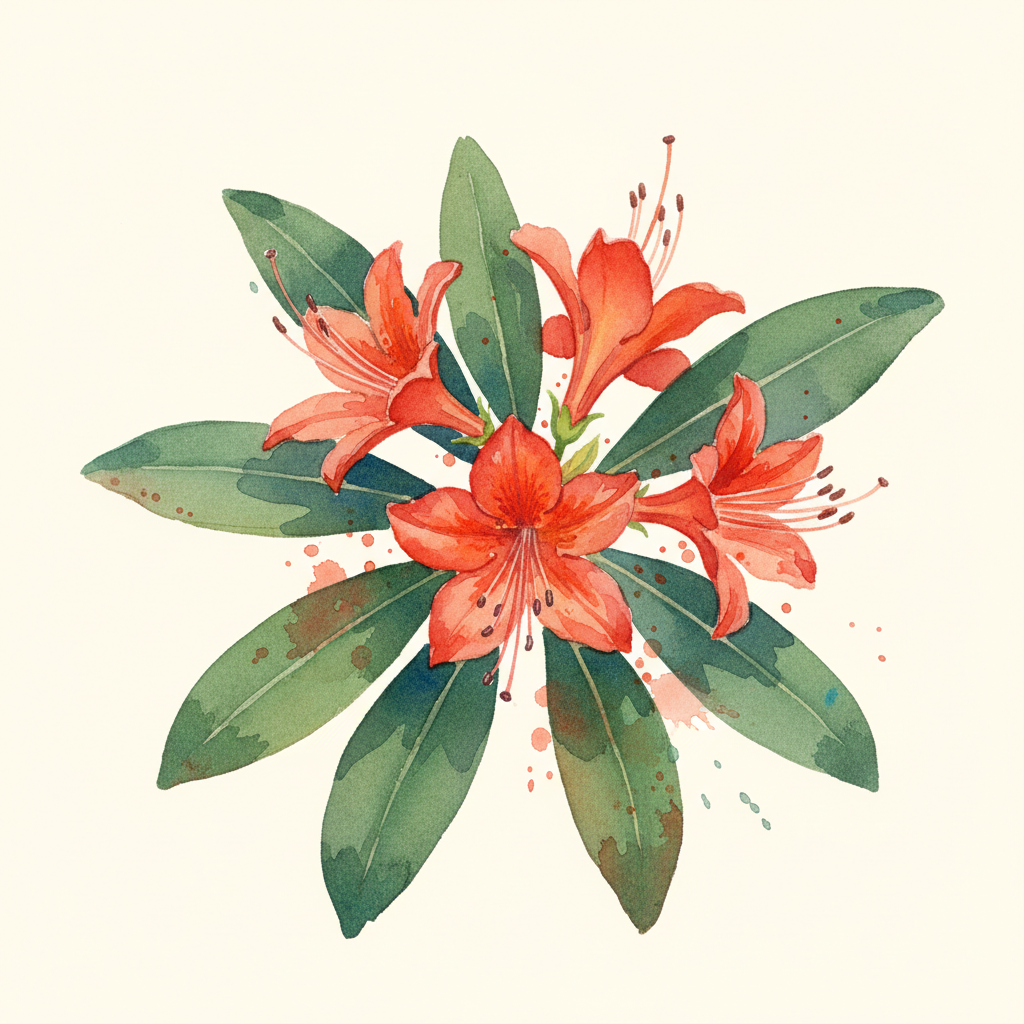
The only azalea that blooms in midsummer, with fiery orange-red flowers that light up the late-season shade garden.
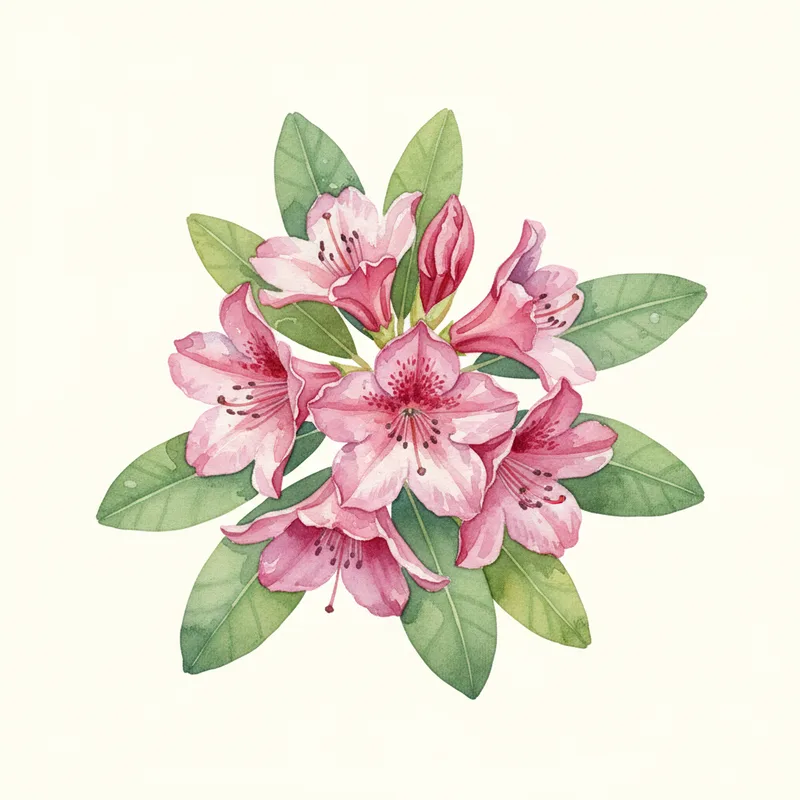
Big, bold trusses of bloom over glossy evergreen foliage.
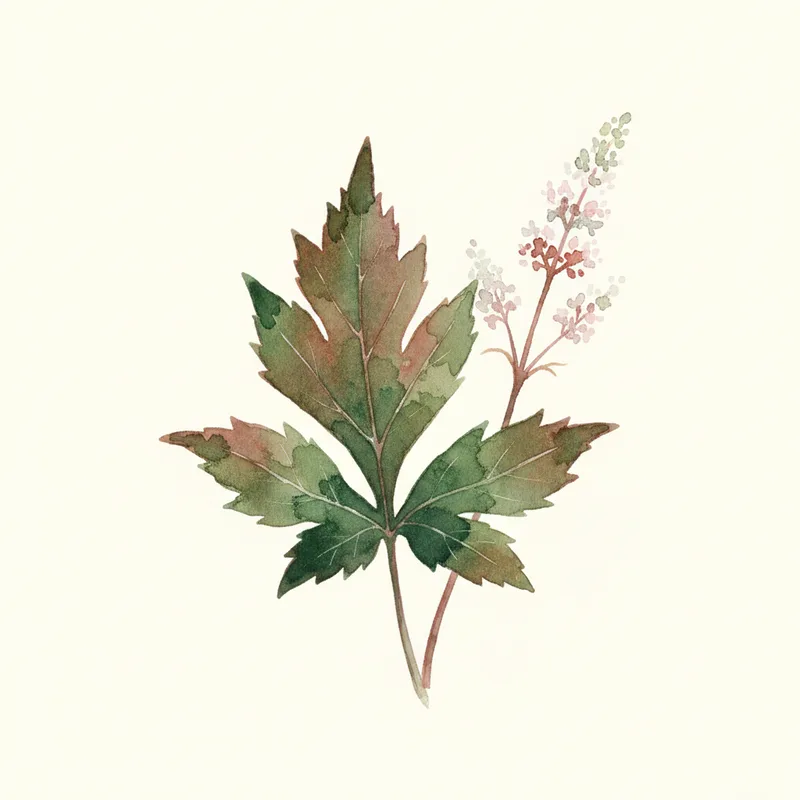
Huge textured leaves resembling horse chestnuts with fluffy plumes. Architectural shade statement.
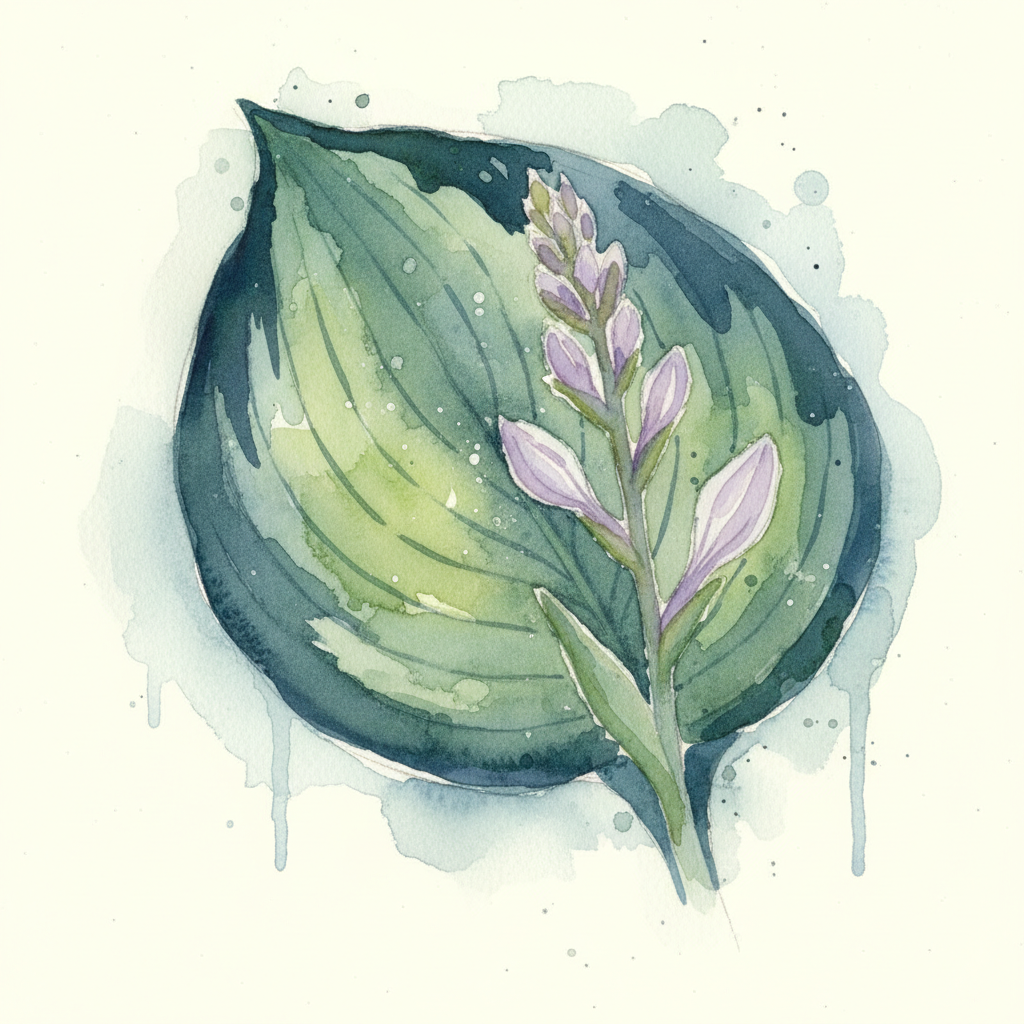
Glossy green leaves and pure white fragrant flowers on tall stems. Takes more sun than most hostas and perfumes the entire shade garden.
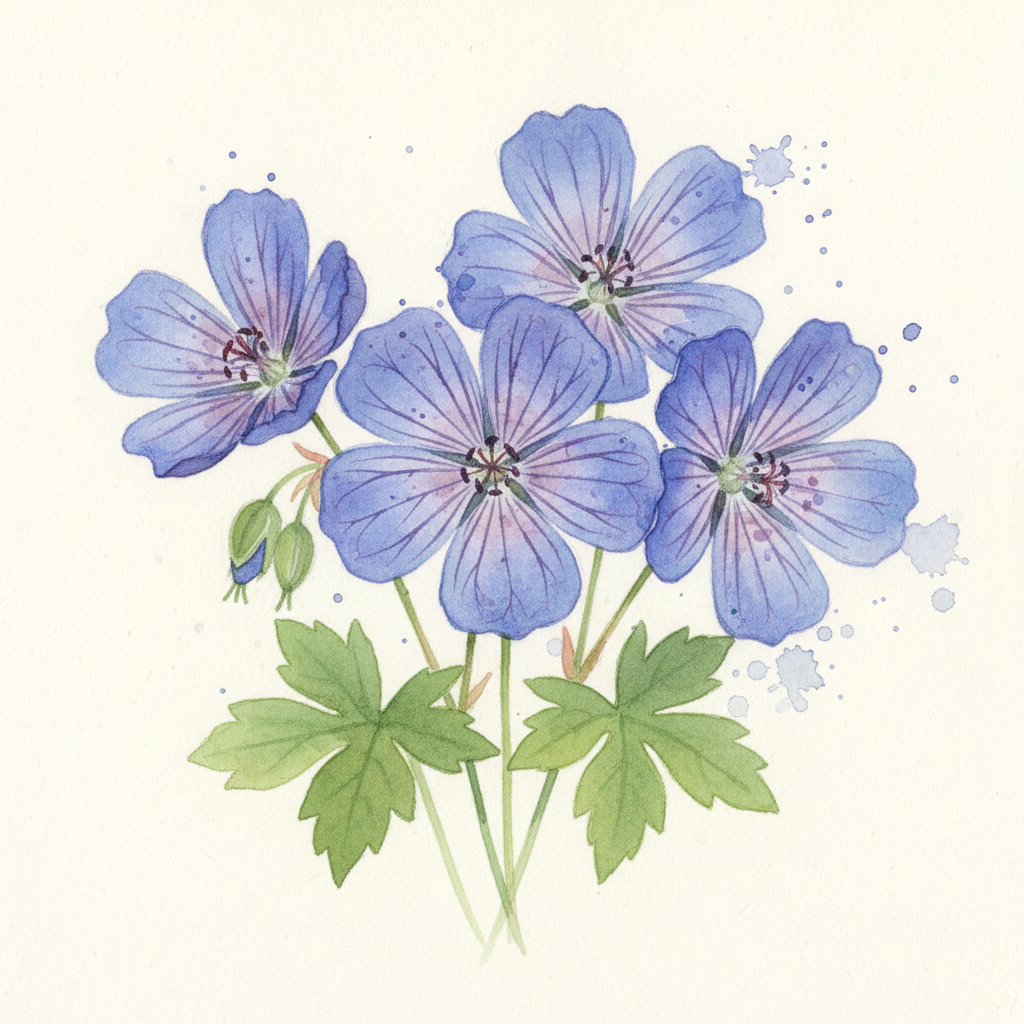
Violet-blue saucer flowers on a sprawling mound that blooms from late spring until frost. The most awarded perennial geranium in history.
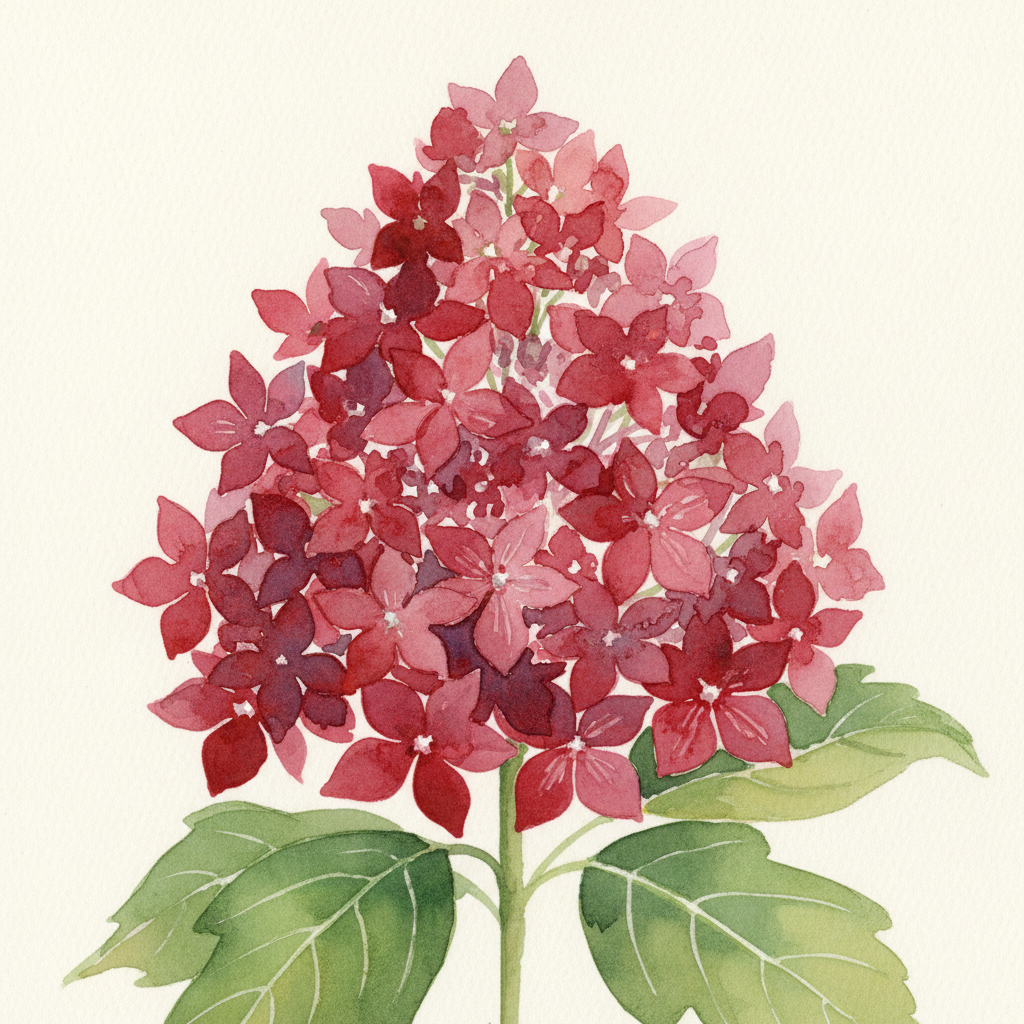
Compact oakleaf with cone blooms that open white and age to deep ruby red. Burgundy fall foliage finishes the show.
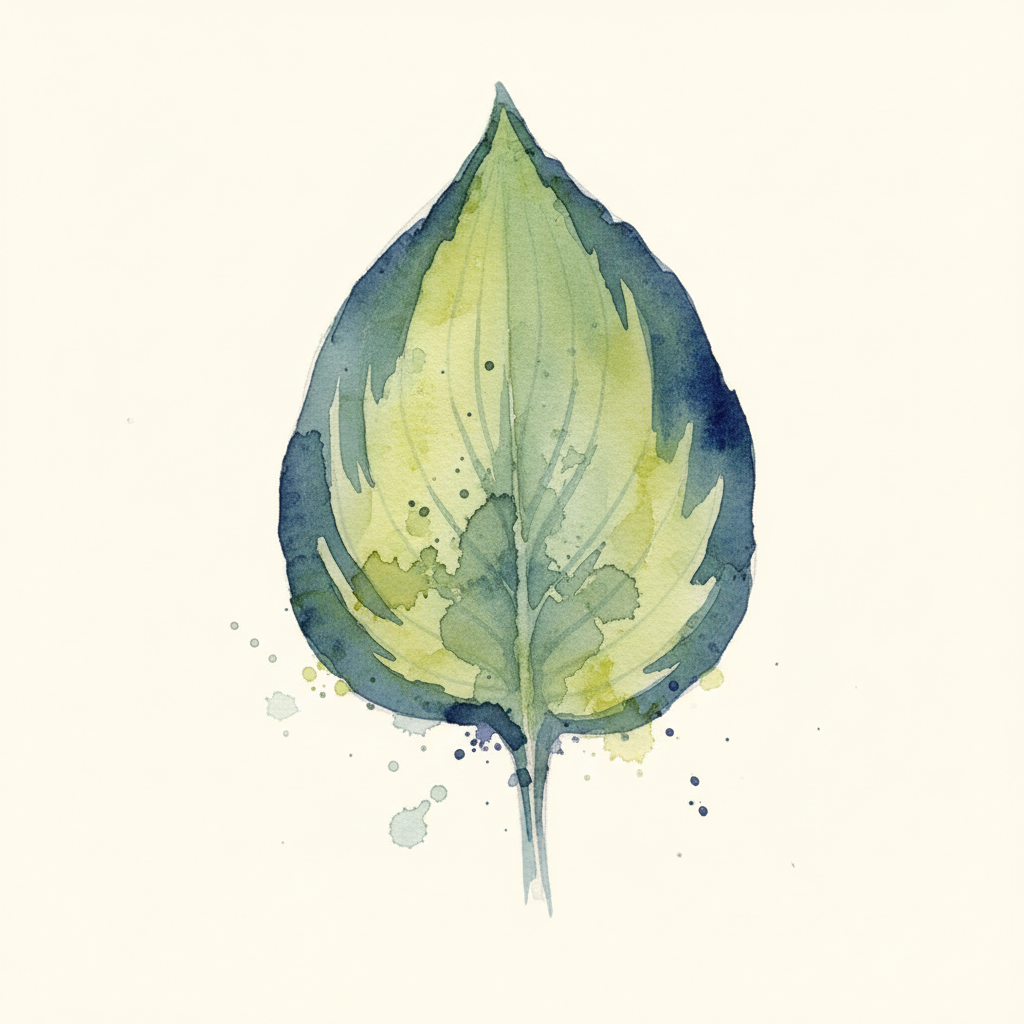
Huge gray-blue leaves with creamy margins on a stately, vase-shaped plant that wins awards for good reason.
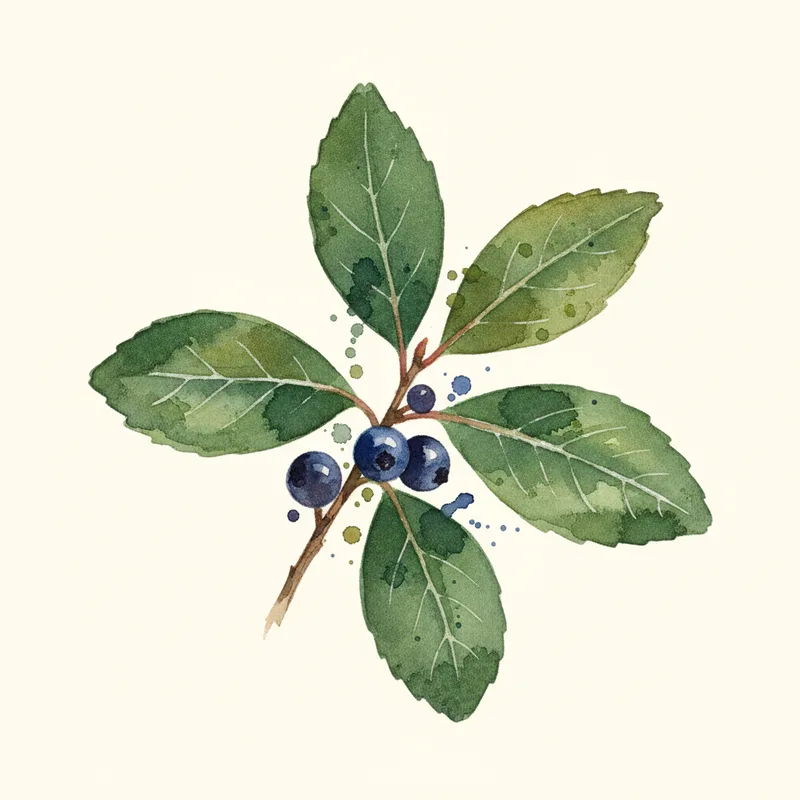
Leathery evergreen groundcover of Pacific Northwest forests. Urn-shaped flowers lead to edible berries.
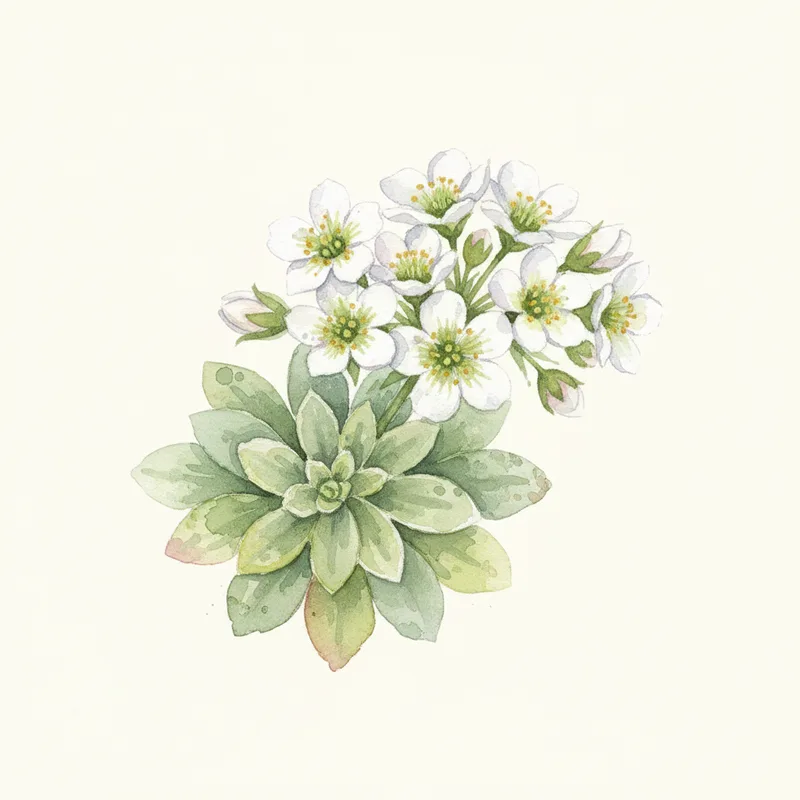
Mossy cushions dotted with dainty flowers. Tucks into rock crevices where little else will grow.
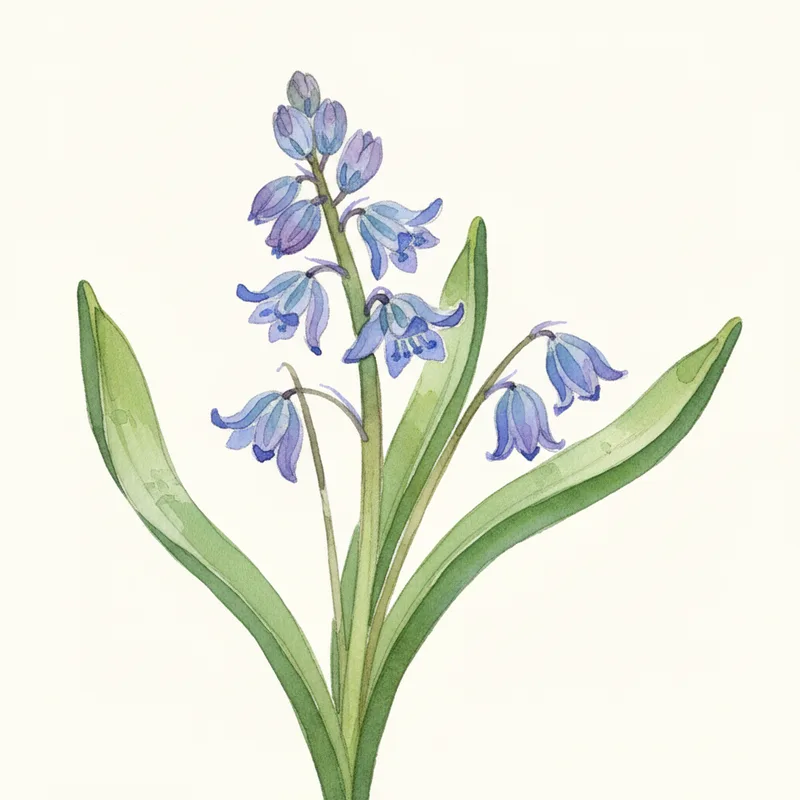
Carpets of brilliant blue that naturalize under trees with zero effort.
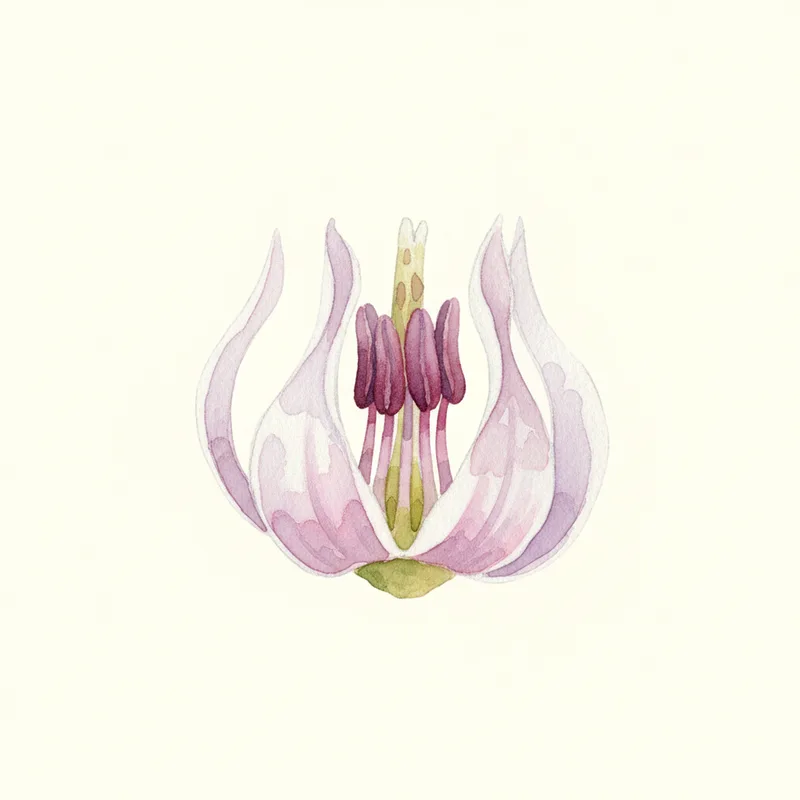
Nodding flowers with swept-back petals resemble tiny shooting stars in spring meadows.
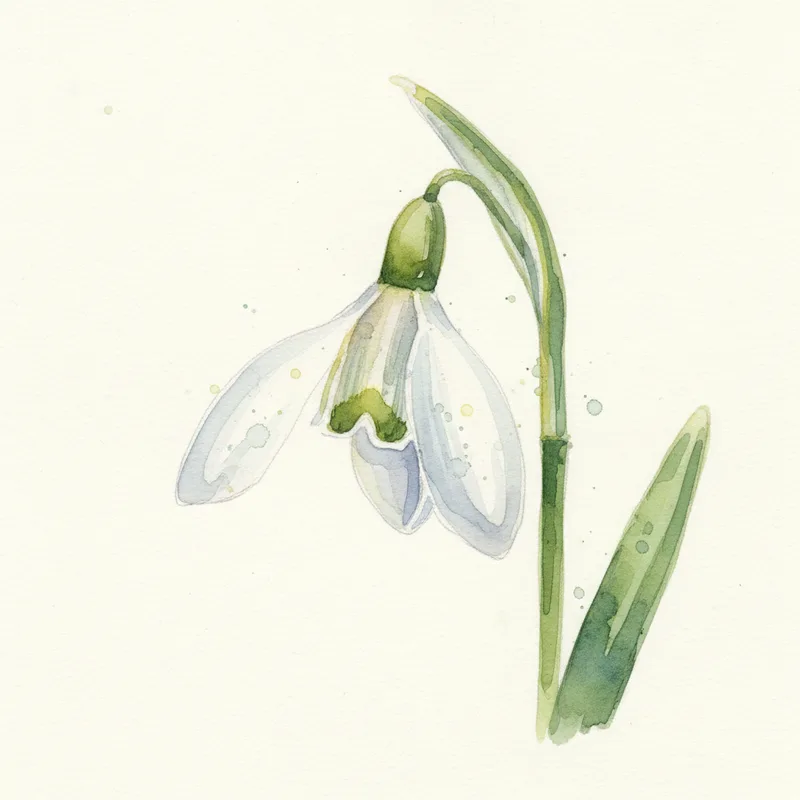
Delicate nodding bells that bloom fearlessly in late winter cold.
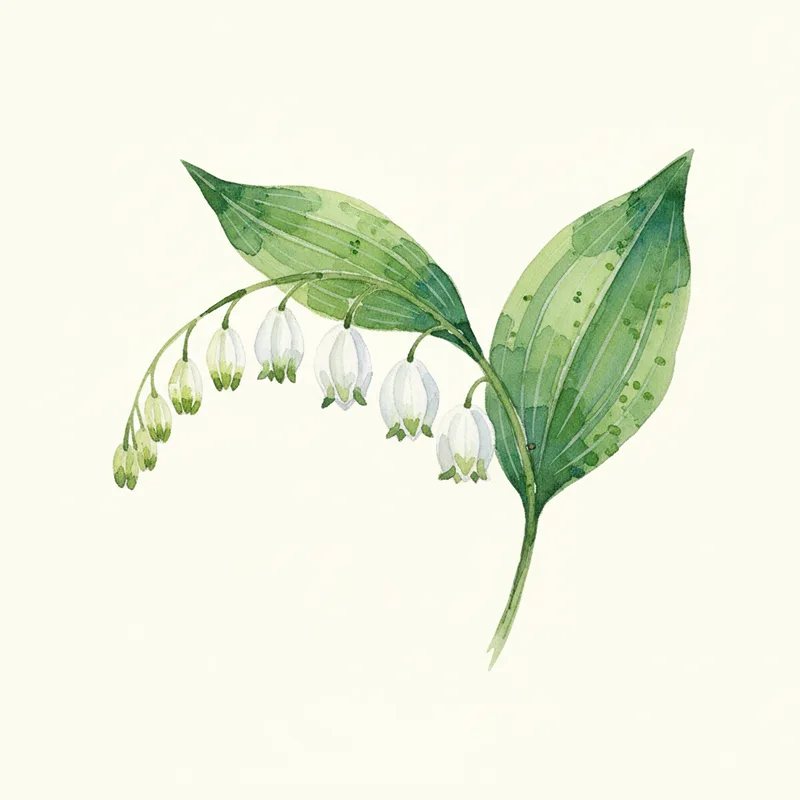
Arching stems hung with dangling white bells. Pairs of leaves create graceful, layered architecture.
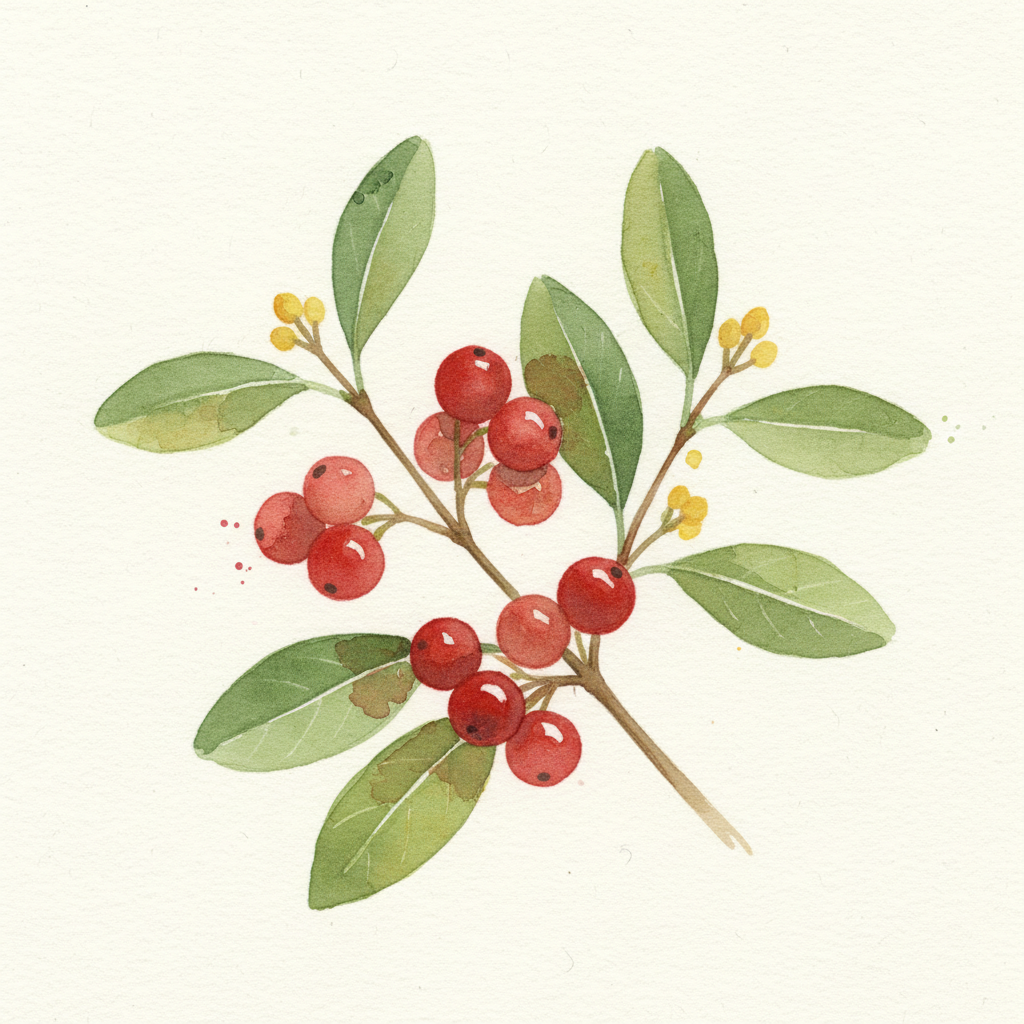
Clusters of tiny yellow flowers appear on bare branches in early spring on a fragrant native shrub with blazing yellow fall color.

Glossy gold center with dark green margins, like light through a cathedral window.
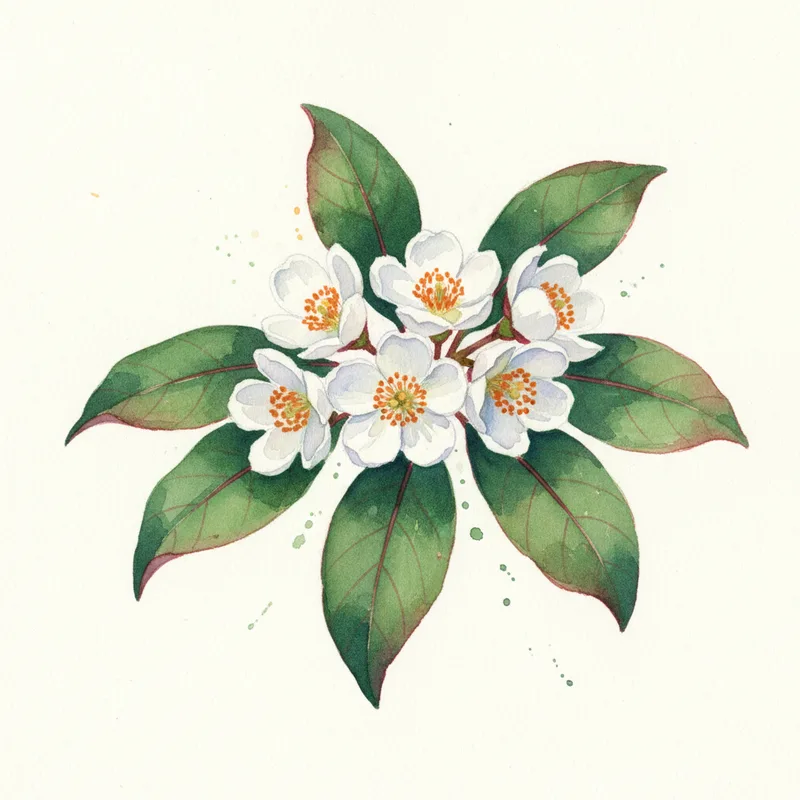
Camellia-like white flowers, exfoliating bark, and crimson fall color. The four-season tree professionals love.
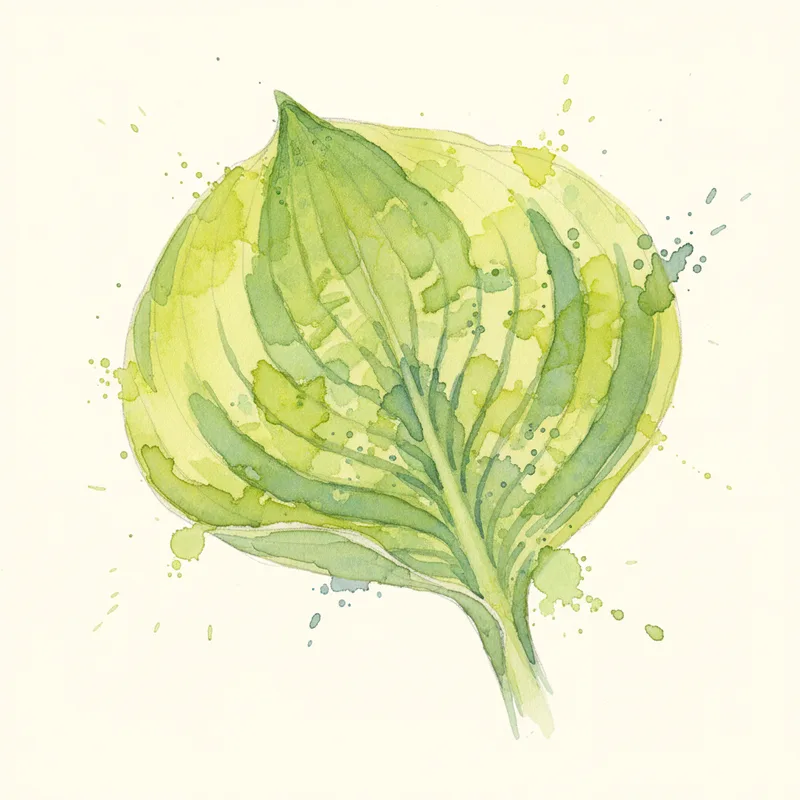
Chartreuse giant that can take more sun than most hostas. Heart-shaped leaves grow enormous.
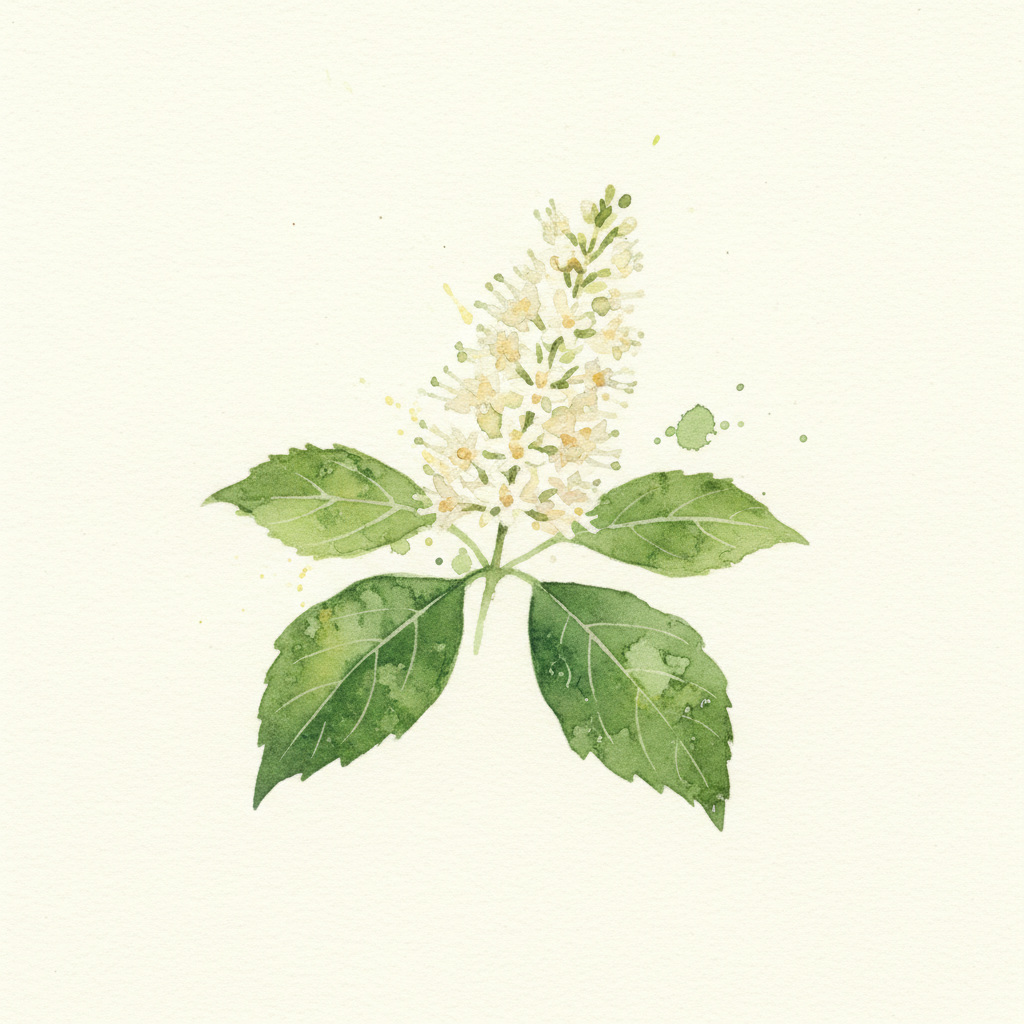
Spikes of intensely sweet-scented white flowers in midsummer, one of the best fragrant natives for shady spots.
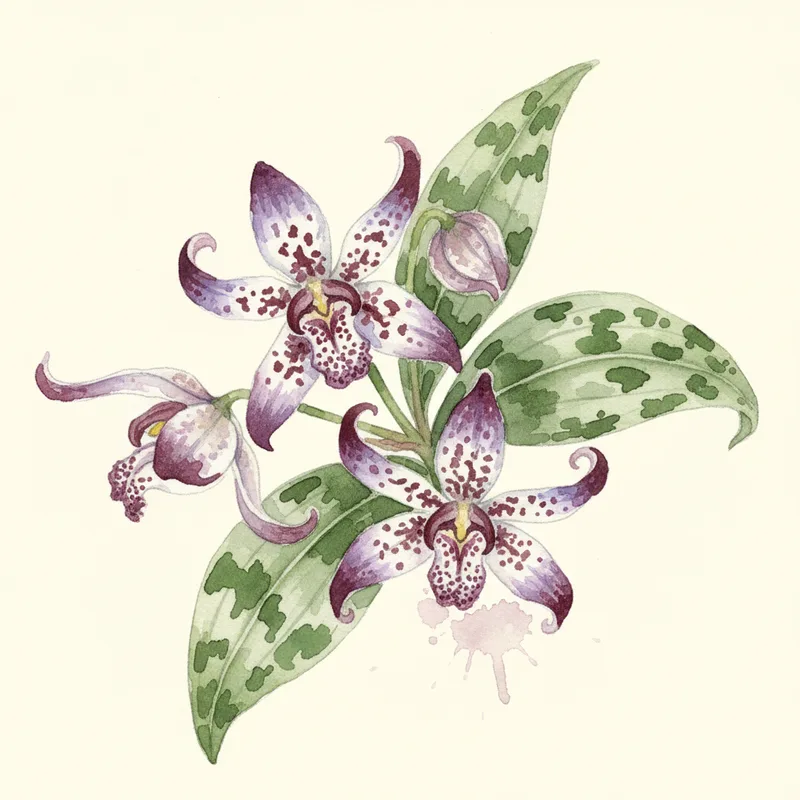
Orchid-like spotted flowers when everything else is done. A late-season shade garden gem.
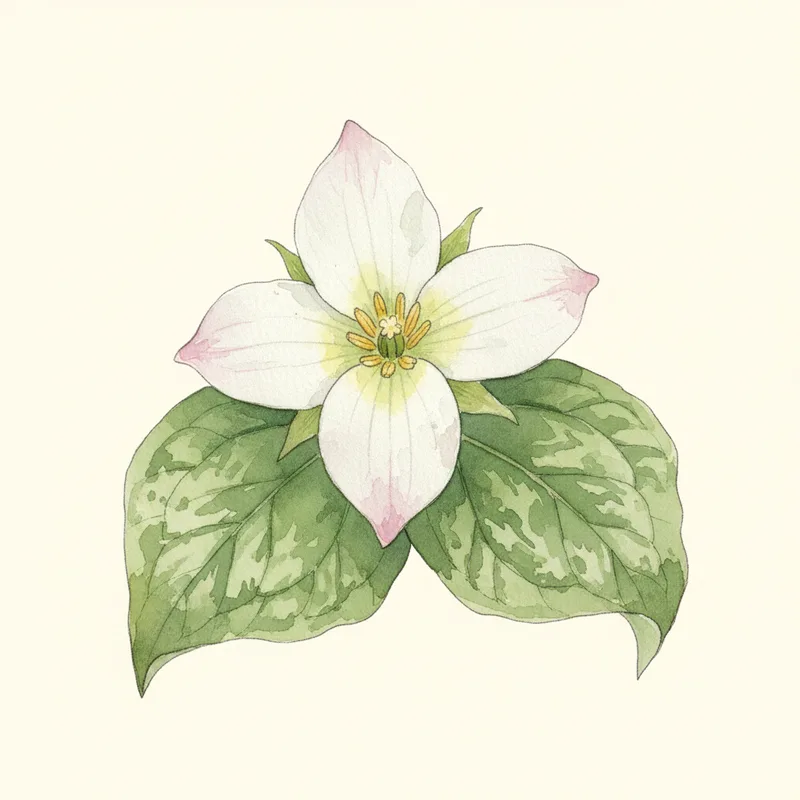
Three leaves, three petals, pure elegance. The jewel of eastern woodlands.
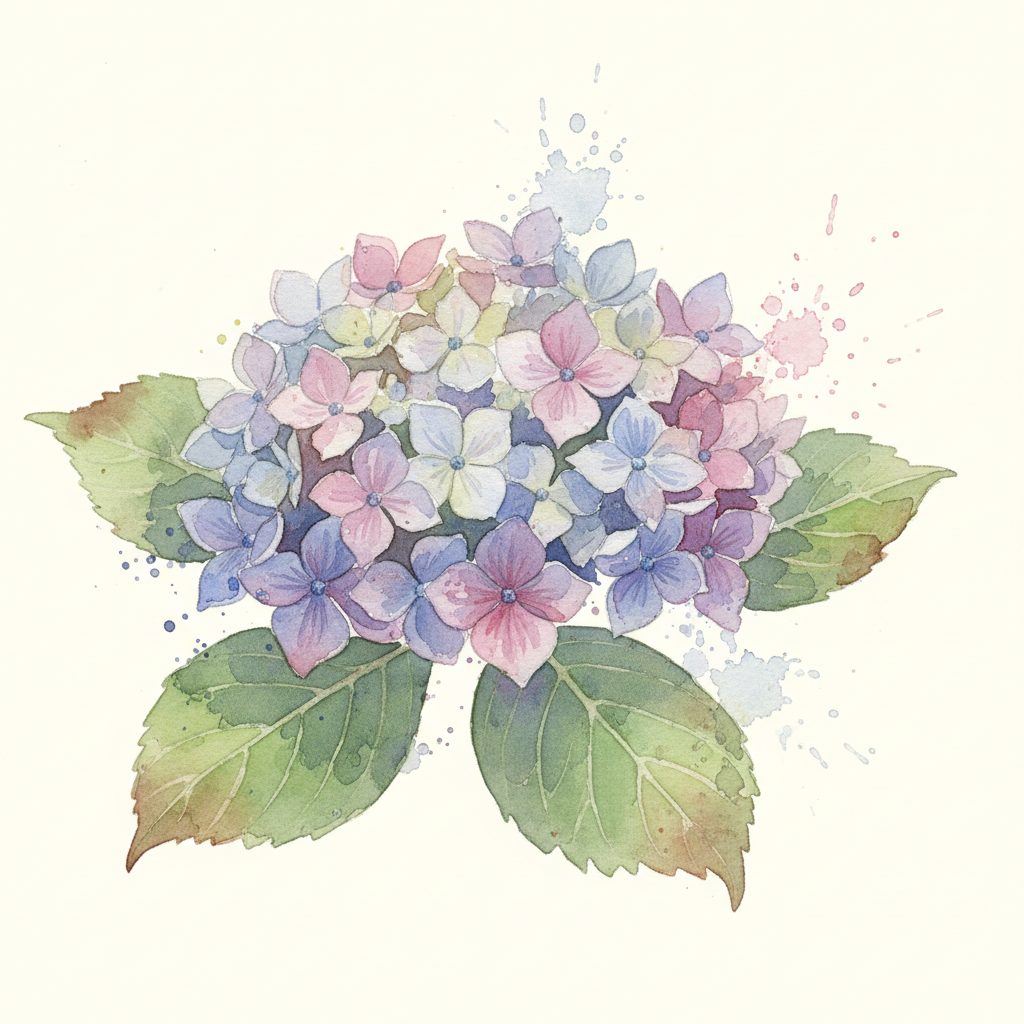
Reblooming mountain hydrangea with delicate lacecap blooms. Takes more cold than macrophyllas and keeps flowering after harsh winters.
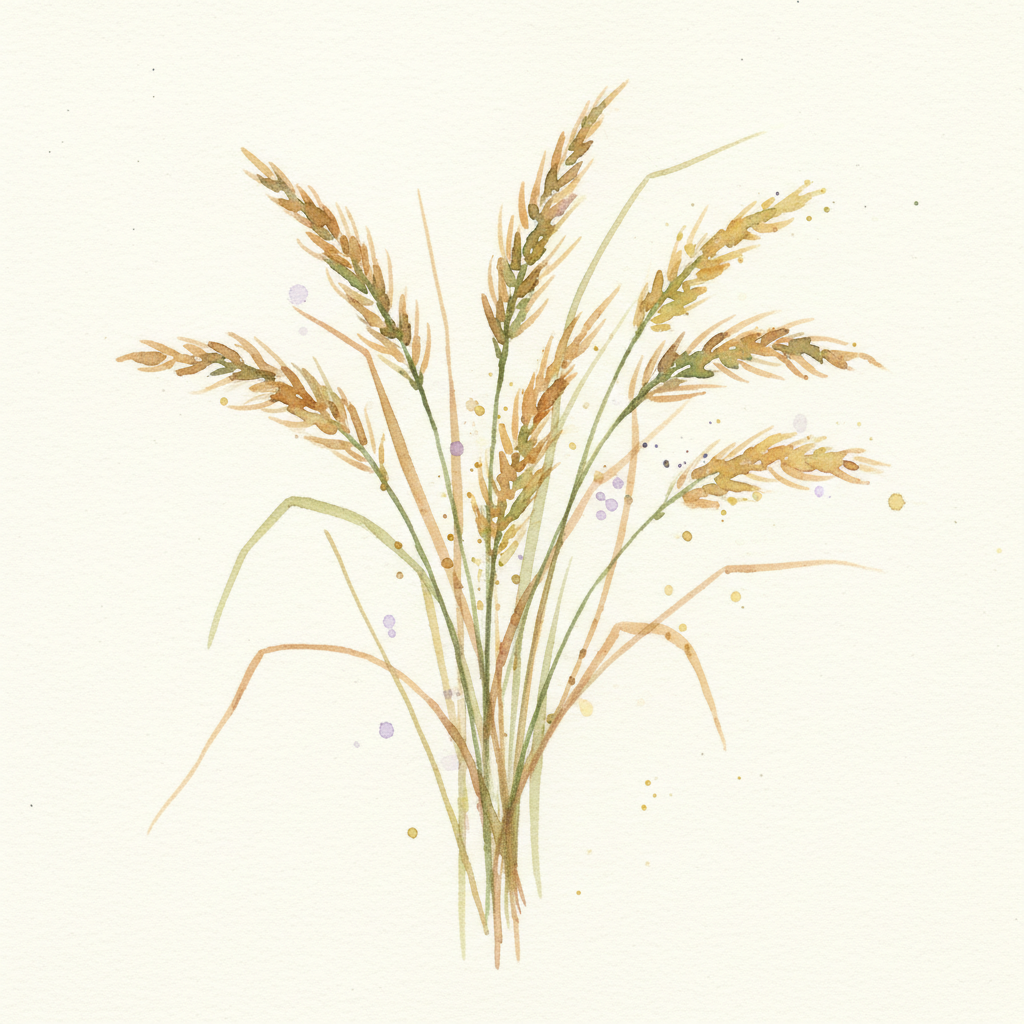
Airy gold-green flower clouds hover above dark evergreen tufts. One of the few grasses that thrives in moist shade.
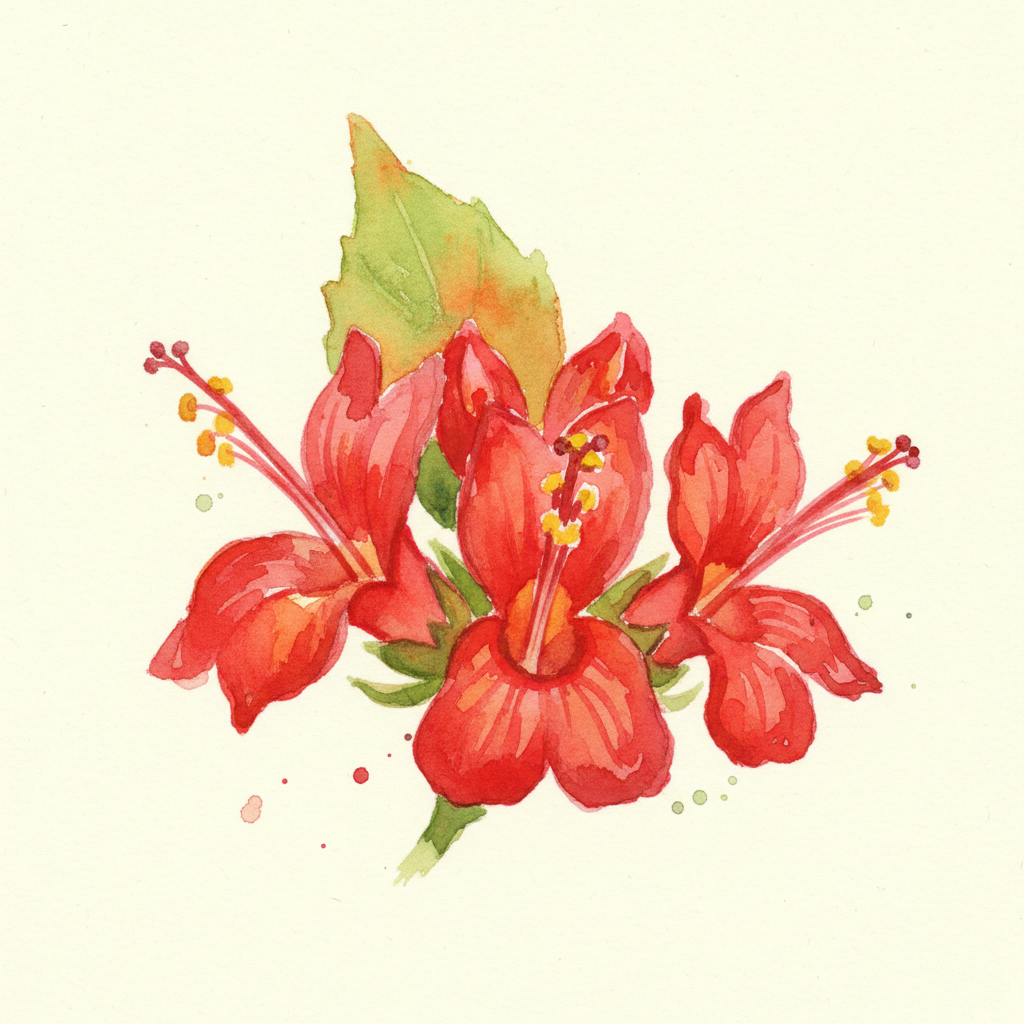
Nodding red hibiscus flowers that never fully open are pure hummingbird candy across the Gulf South.
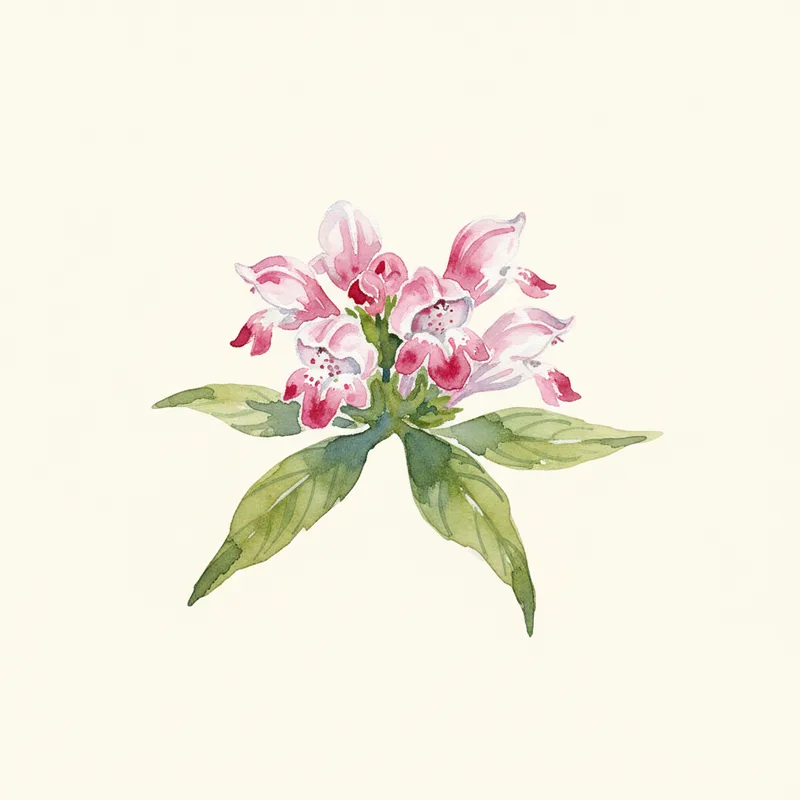
Snapdragon-like flowers shaped exactly like a turtle's head. Loves wet feet.
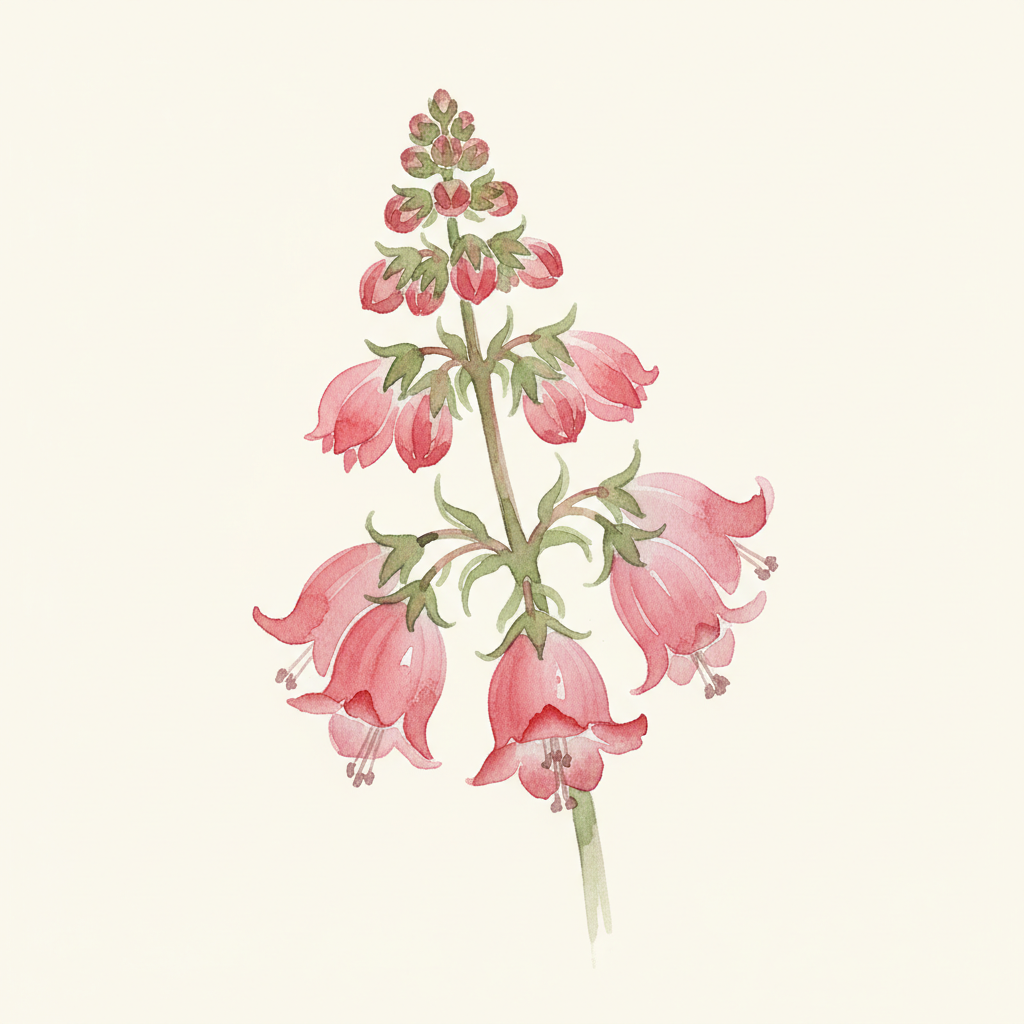
Warm amber-caramel foliage that glows in the shade garden all season. The flowers are just a bonus.
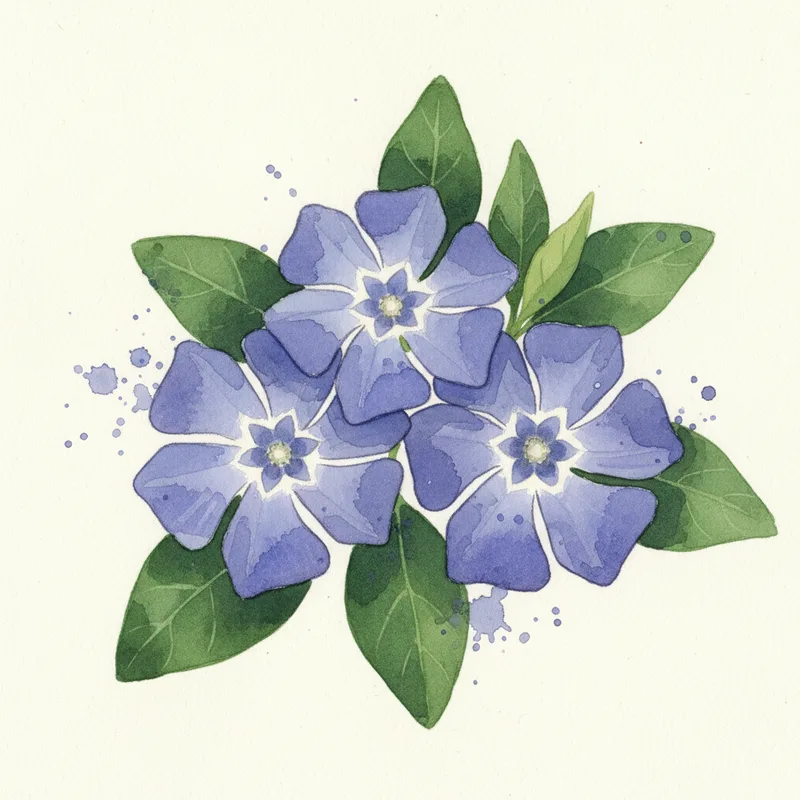
Evergreen mat with periwinkle-blue flowers. Tough shade ground cover.
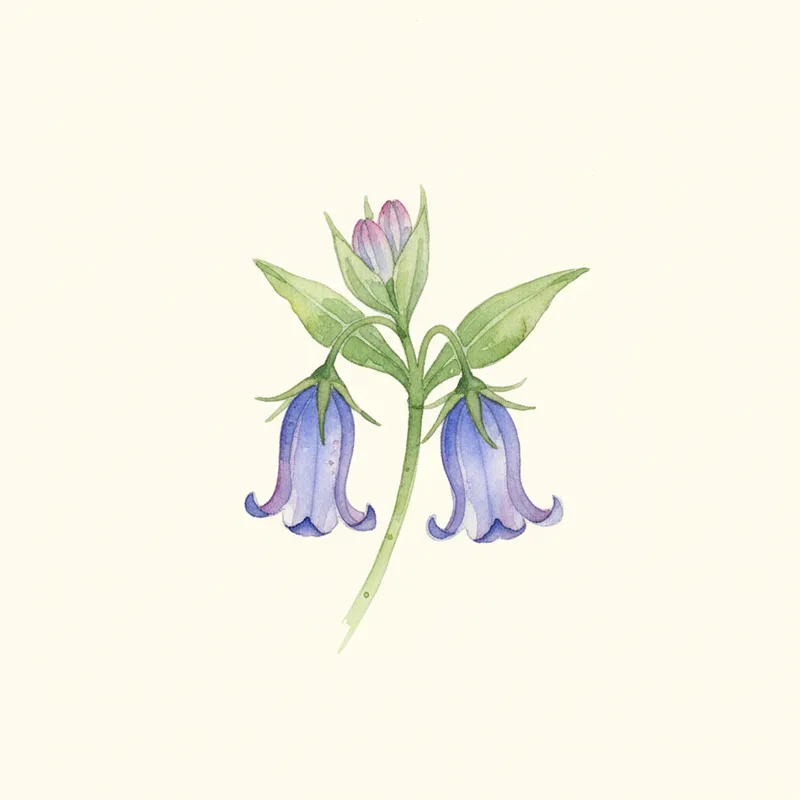
Woodland ephemeral with sky-blue bells. Disappears by summer, returns faithfully.
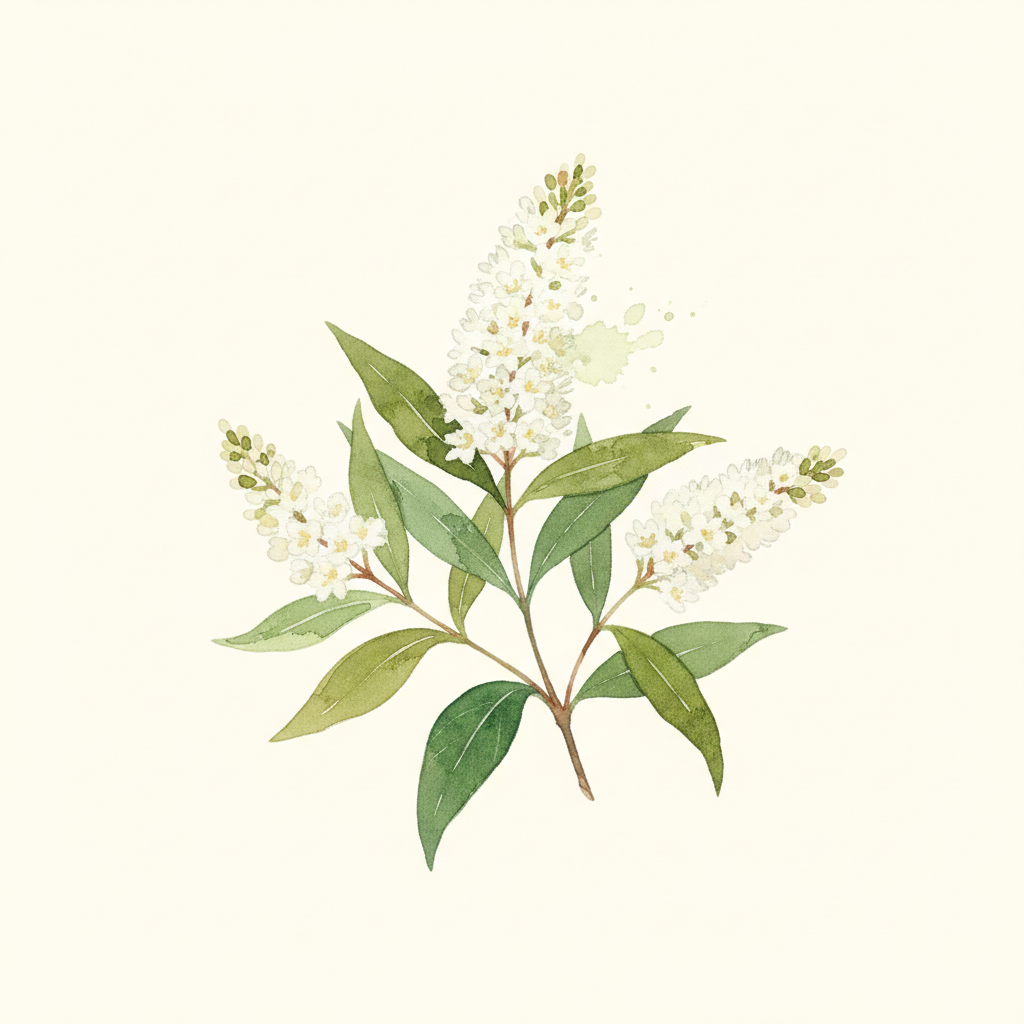
Fragrant white bottlebrush flowers followed by brilliant orange-red fall color on a shade-tolerant, deer-resistant native.
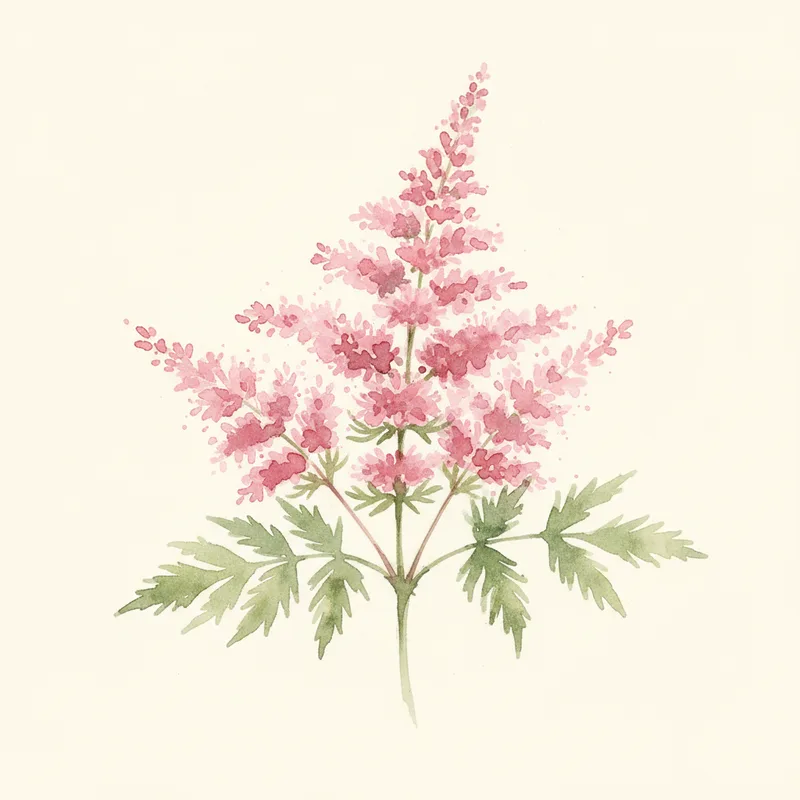
Compact and more drought-tolerant than most astilbes. Dense, rosy-pink plumes.
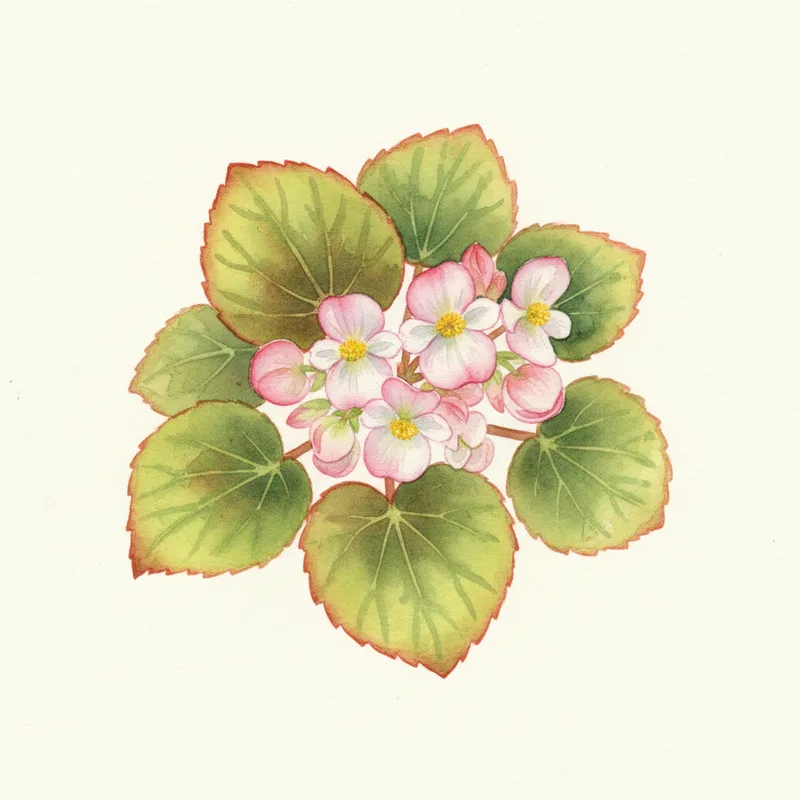
Glossy leaves and nonstop flowers in sun or shade. One of the most reliable bedding plants anywhere.
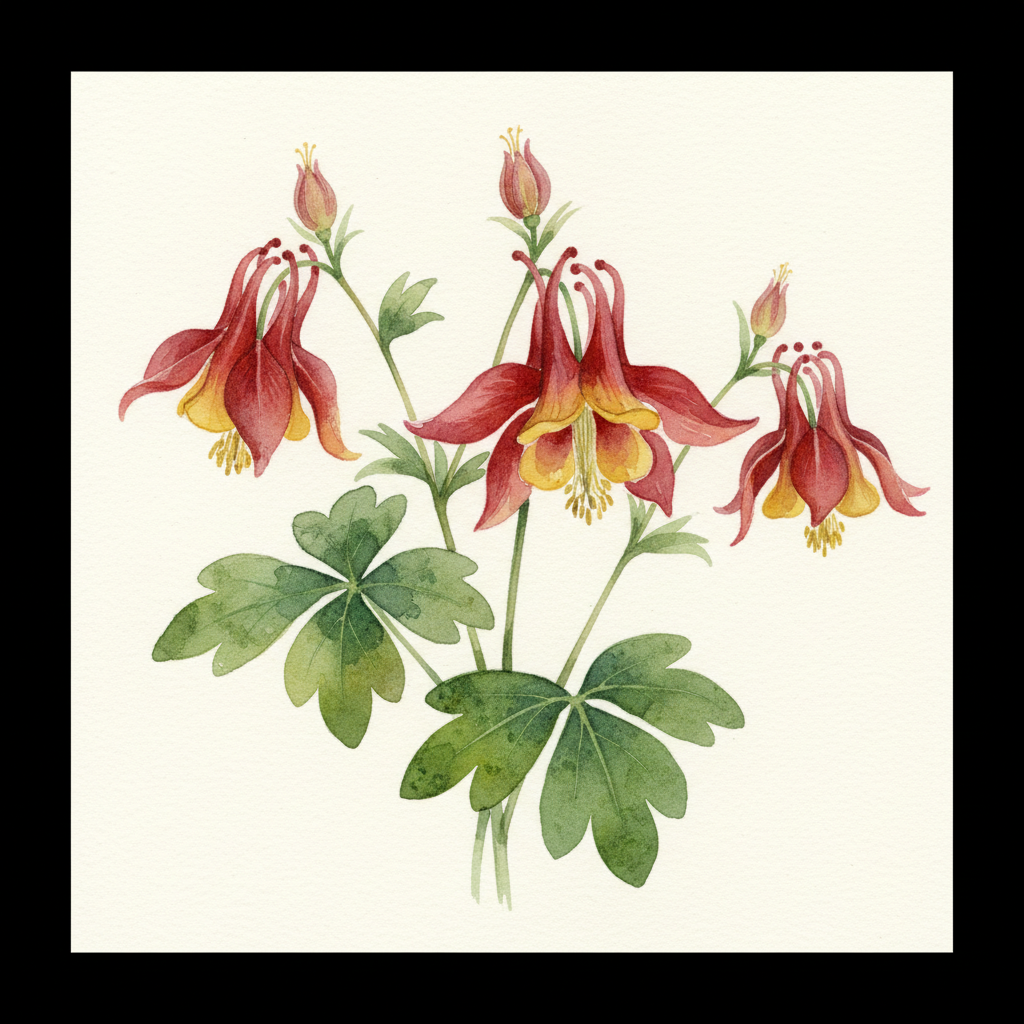
Scarlet and yellow spurred flowers that hummingbirds follow through the Pacific Northwest's mountain meadows.
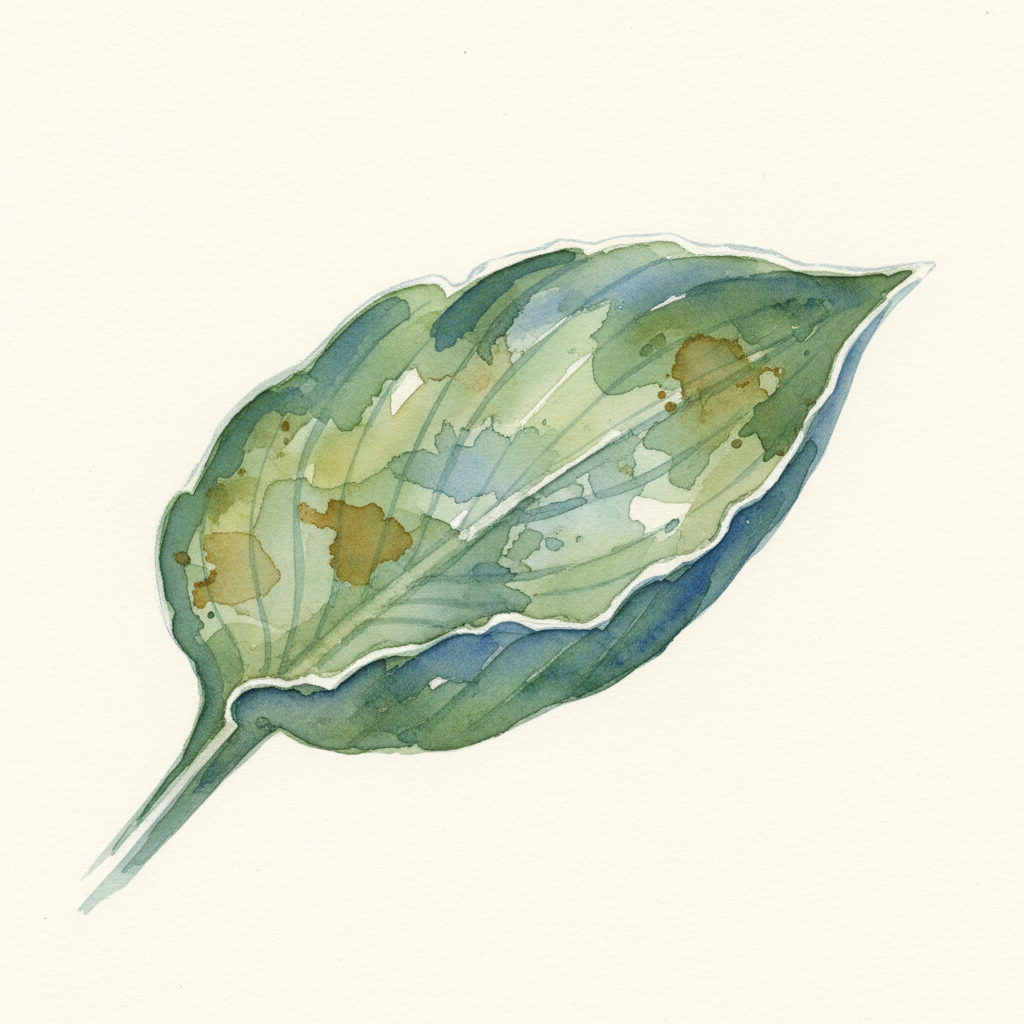
Blue-green leaves with wide creamy-white margins that age to a clean white, a standout performer in any shade garden.
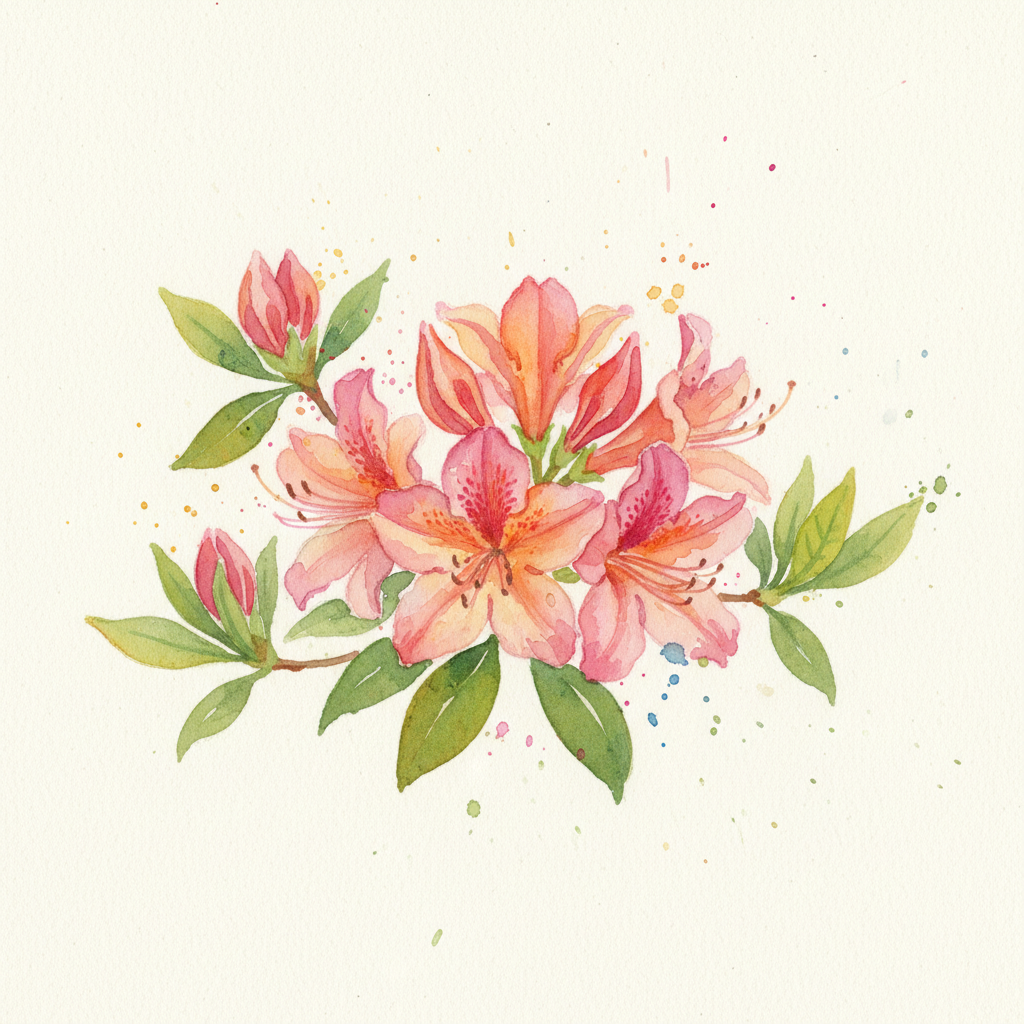
Sweetly fragrant pinwheel flowers on a deciduous native azalea that grows from New England to Georgia. Earlier and more cold-hardy than most.
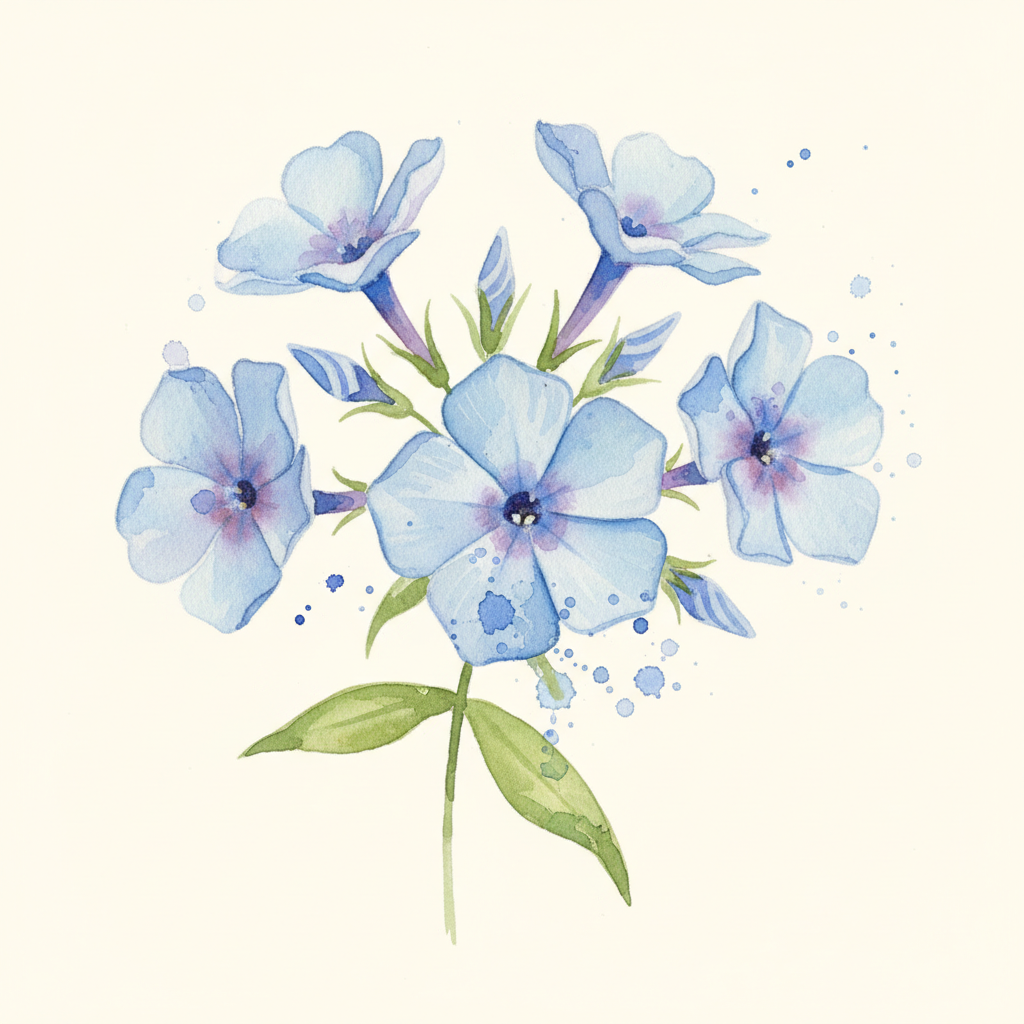
Loose clusters of sky-blue flowers float above woodland floors in spring on a fragrant, mat-forming native.
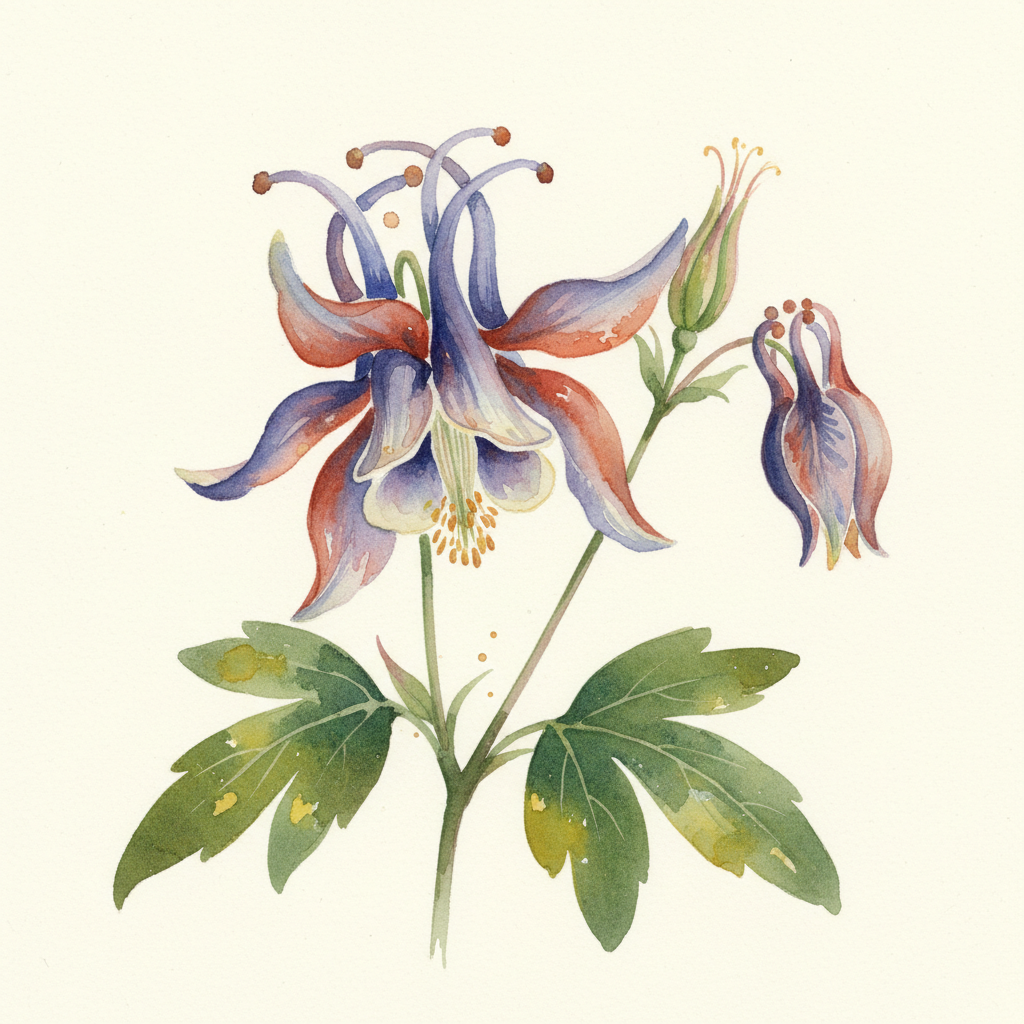
Nodding red-and-yellow spurred flowers that hummingbirds love on a self-sowing native that naturalizes along woodland edges.
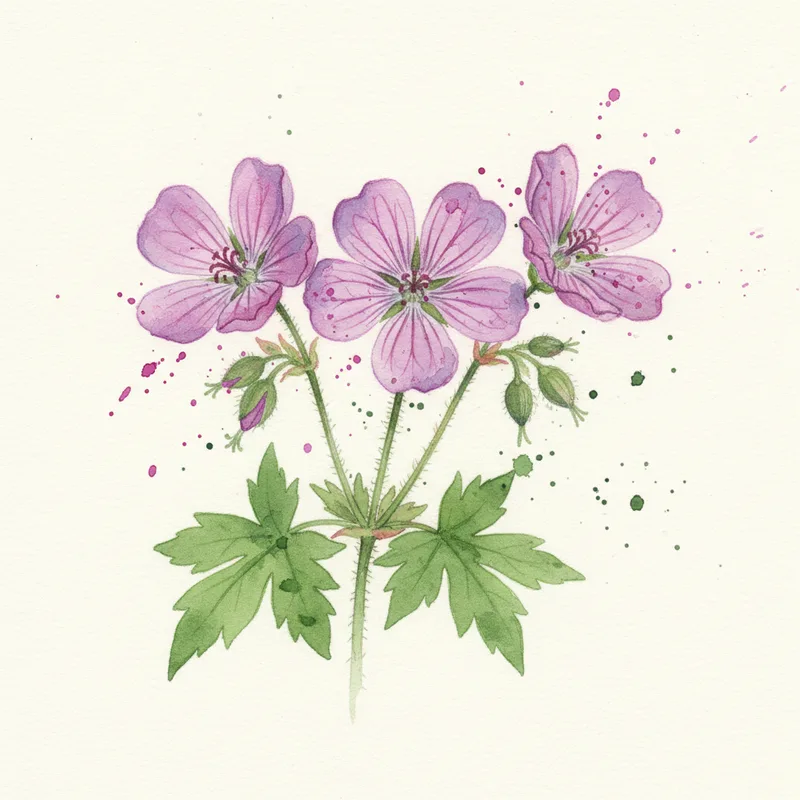
Soft pink blooms over deeply-cut foliage. A woodland edge staple.
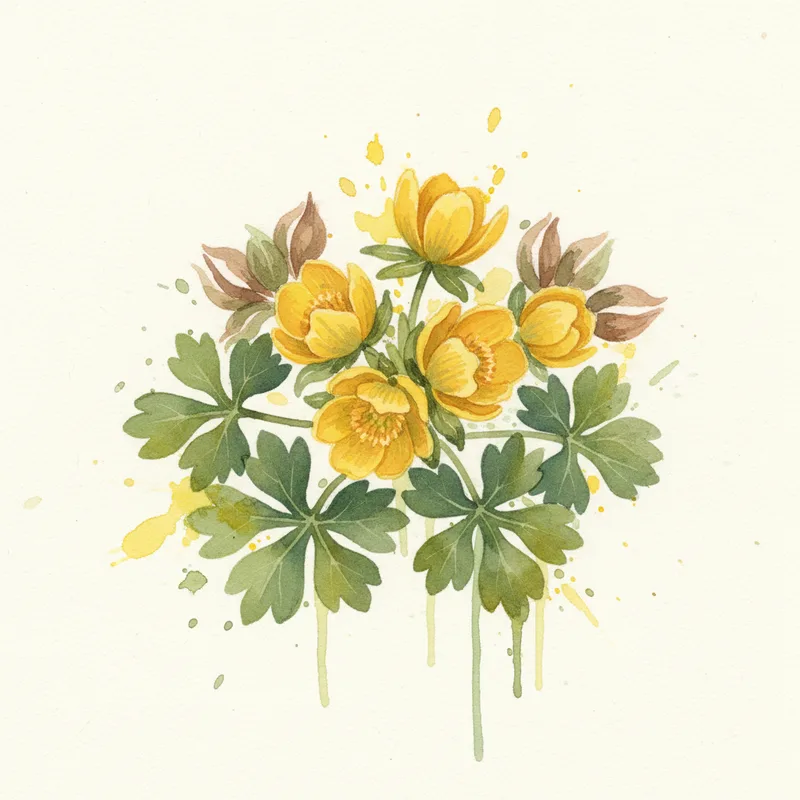
Buttercup-yellow blooms that push through frozen ground before the crocuses.
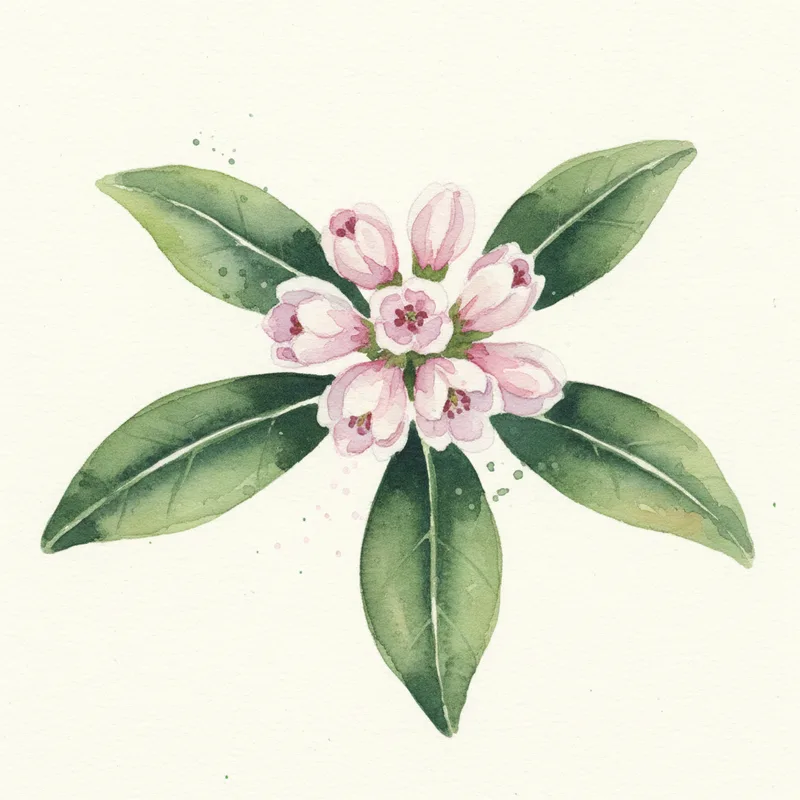
Clusters of pink buds open to white, intensely scented blooms in late winter.